



Today we’d like to introduce you to Babette De Jongh
Hi Babette, please kick things off for us with an introduction to yourself and your story.
I grew up in a small town in Alabama. When teachers from the Alabama School of Fine Arts visited our community in search of new talent, I jumped at the chance to audition. My mother was in favor because raising a ballerina daughter reflected well on her. My daddy hoped I wouldn’t be accepted, and everything would go on as it always had.
At the age of fourteen, I was accepted to attend the ASFA boarding school for artistically talented students from the US and abroad. After a lifetime of swimming in a bathtub, I was excited to be paddling across an actual pond.
I had my pick of majors: ballet, music, or visual arts. I chose ballet. But we ASFA students were all taught by the best teachers in each of the arts. My English Literature teacher also taught creative writing, so I received the benefit of his experience as well.
I thrived there.
My parents, afraid of my newfound independence, yanked me out halfway through my junior year. Being a good girl, I never thought of rebelling and insisting on staying. I just put my head down and went back home. After being treated more like a college student than a high school kid, I chafed at the restriction of small-town life. So, I rebelled in a different way. I partied and hung out with the pot smokers and beer drinkers that gathered at the riverbank every weekend. Exasperated, my parents sent me to see a shrink, hoping he would show me the error of my ways.
Instead, he told me about an early-admission program to an all-girl’s Baptist college a few hours from my parents’ house. Since most of the high school classes I’d taken were on a college level, I only needed two more credits to graduate. If I could pass the college entrance exam, the missing credits would be forgiven upon successful completion of those same classes on a college level. My mother was all in favor, because it got me out of her hair, but the religious component meant I’d be under someone’s thumb (just not hers).
Because of my late-August birthday, I had started kindergarten a year early. With my early admission to college, I was two years younger than most of my freshman classmates. At sixteen, I received my driver’s license just in time to drive myself from my parent’s home to my college dorm room.
After a couple of years at Judson College, I started to chafe under their restrictions, especially the dress code for the family-style dinners in which jeans weren’t allowed. I was willing to sit through the weekly chapel service; no worries, I could doodle in my notebook or do classwork. But the dinner dress code was the hill I was prepared to die on. I spent weeks suffering in-room detention because I refused to wear a dress (or icky polyester dress pants). I’d rather not eat.
I was also pining to take a real ballet class because there was no ballet studio in the area, and it wasn’t being taught at Judson College. So, I transferred to the University of Alabama, where I could enroll in ballet, art, and creative writing classes. I had missed all that in my two years away from ASFA.
One semester, I couldn’t fit a ballet class into my schedule, so I enrolled in an advanced ballet class at a local studio. I was invited to teach there, and then through a series of serendipitous events, I was given the opportunity to swap my teaching job near the U of A for teaching gigs in nearby small towns. This evolved so that by the time I’d graduated from the U of A with a degree in communications (focus on advertising, journalism, and photography), I was making more money teaching ballet than I could’ve made starting out in my chosen field.
Fast-forward past getting married/making a baby/getting divorced/getting a master’s degree in education/moving to Texas/getting married/making more babies.
Rewind back to a childhood spent rambling around the countryside, communing with nature, and communicating with animals the way children do before it’s socialized out of them.
Fast-forward even further, to the time when my kids were all in school and I had time on my hands.
Time to reinvent myself.
I had always loved reading—especially romance novels—but at one point I suffered a disappointing slog through a series of substandard books. Convinced I could do better, I wrote a romance novel, then learned that I had a lot to learn about writing. I set out to do that. I took classes and read books on writing and entered contests for feedback, then rewrote that book until I knew what I was doing. I wrote and self-published a book that won awards. I entered my unpublished books in contests and won enough awards to wallpaper a bathroom. I learned even more by judging contests. I kept on writing and learning how to write better.
Meanwhile, my childhood gift of animal communication started breaking through at odd—and often inconvenient—times. I decided to learn how to harness my ability of animal telepathy so I could call it up—or turn it off—rather than being blindsided by it. Word got out, and I started communicating with animals professionally.
Well-meaning people advised me to choose writing or animal communication because I could only succeed at one, not both. I needed to focus.
Focus has never been my strong suit. I loved writing. I loved dance. I loved making art. I loved helping people and their animals.
But providing a bridge of understanding between animals and their humans can be emotionally draining. Since all humans can communicate telepathically (whether they know how to recognize it or not), I decided to shift from communicating to teaching others how to access their own abilities. During my years of teaching, many students asked me to create a course for people who couldn’t attend in-person classes.
I began to get an inkling that I was coming full circle: writing, teaching, and animal communication weren’t as unrelated as people thought. Each was a necessary skill in the writing of Hear Them Speak; a Twelve Week Course in Telepathic Animal Communication.
The real full-circle event though, happened when I went to a writing conference and pitched my completed romance novels to an editor. Her answer: “Nope, what else ya got?” So, off the top of my head, I pitched a series idea for romance novels in which animals—and animal communication—play a pivotal role. She loved the idea and invited me to submit a series proposal, including an in-depth synopsis of the first four books in the series, and the first fifty pages of the first book.
It was a brand-new idea, so I hadn’t yet written a word. I buckled down and got busy. A few weeks after I sent my proposal, I got a call from the senior editor. She suggested some changes and invited me to resubmit. I did, and within the month, I signed a four-book deal with a major publisher.
I really had come full circle, to a place where all the seemingly unrelated things I loved to do had come together to create something completely new.
Can you talk to us a bit about the challenges and lessons you’ve learned along the way. Looking back would you say it’s been easy or smooth in retrospect?
I don’t think smooth roads exist, do they?
My first traditionally published book launched at the beginning of Covid, when publishers were scrambling to replace one of the main pillars of book promotion: writers’ and readers’ conferences. In the pre-Covid days, publishers would send their authors to huge book signings with boxes of books to give away. Thousands of voracious reader attendees would gather at these conferences to fill their suitcases with free autographed books. Readers who care enough to pay money to attend writers’ conferences are also influencers in the industry. They read, they recommend, they leave reviews. Word-of-mouth is the best way to build buzz for a new author’s new books.
With conferences and book signings off the table, my publisher tried to fill the gaps with virtual events, but they were a poor substitute. Still, I was lucky to have a fantastic marketing team to promote my first traditionally published book, Warm Nights in Magnolia Bay. Their hard work paid off, and the book did well.
The second book in the series, Magnolia Bay Memories, didn’t fare as well. The fabulous leader of my marketing team had moved on, and my second book fell through the cracks. Not only was the book launched with little to no promotion, but mass-market paperback sales were tanking. Publishers were beginning to move to the larger size trade paperbacks, but my books were mass-market size. At the same time, Walmart and Target were downsizing their book aisles, choosing to offer only the top-selling books by well-known authors. Conferences and book signings were still not an option.
Publishing in general was experiencing a major sales slump. Publishers started dumping new authors who hadn’t had years of conference events and time to build a loyal readership. One by one, I watched my fellow fledgling authors fall. And though my editor fought hard for me and my books, the sales department gets the last word. My third book was finished and edited, and the cover artist had made a beautiful cover. But the book’s release date kept getting pushed further into the future. The axe was hovering over my head.
My editor and agent and I scrambled to pull my fate out of the fire. I had until the book’s new release date—almost a year into the future—to build a huge social media following and boost the sales of the second book.
Gaining 10,000 followers in a year? Impossible. And even if it were possible, social media marketing doesn’t sell books. Advertising does, but advertising is expensive, and there’s a steep learning curve to doing it well.
To complicate matters, Facebook had become Meta, and somehow in the switch, my author page got assigned to a Vietnamese corporation instead of me. I became a lowly admin of the page I had created. I was able to post, but because I was no longer the owner of the page, I had no recourse when the new owner began violating Facebook’s policies, causing even my personal page to get suspended. I spent hours, days, months, filling out forms, researching solutions, begging Facebook to fix the problem. I even managed to talk to a real person who couldn’t help. I had no choice but to abandon the page—and all its followers—and start all over again. The page still exists, siphoning off followers who find the wrong page by mistake.
So, my hands were tied, and I got the axe, just as many of my friends had. I don’t mind saying that it felt like the rug had been pulled out from under me, and I fell into a deep well of self-pity. I considered abandoning writing altogether.
I took a few months to pull myself together, then self-published the third book in the series, Coming Home to Magnolia Bay. It won second place in The Carolyn Reader’s Choice Award and is currently a finalist in the Book Buyers Best award. I’m not entirely out of the hole I’d fallen into. It’s still hard to drag myself to the computer chair, and the weeds in my garden beg me to come outside and play in the dirt. But entering those two contests (plus one I didn’t final in) is a beginning. I should’ve entered more, but two out of three ain’t bad.
Appreciate you sharing that. What else should we know about what you do?
I’ve never been able to do just one thing. I’ve been a ballet teacher, a schoolteacher, an animal communicator, a teacher / mentor of other animal communicators, and an author of both fiction and non-fiction. I have five published books, plus a novella that was part of a limited-release anthology. (I’ll get it self-published when I’ve written enough novellas to make a wedding anthology for the series.)
I’m currently writing book four in the Welcome to Magnolia Bay series. I dabble in the visual arts for fun. My current passion is working with clay. Hand-building / sculpting is my preference, but I’m learning to work on the wheel too. If I’m proud of anything, if anything sets me apart, it’s that I never give up. If it’s important to me, I’ll do it or die trying, no matter what anyone says.
In terms of your work and the industry, what are some of the changes you are expecting to see over the next five to ten years?
Lord knows. I sure don’t. But okay, I’ll give it a shot.
Everybody’s worried about A.I. taking our place as authors (and artists). Yeah, maybe it’ll be a challenge, but the book market is flooded already, so to me, it’s just an order of magnitude. With self-publishing being so easy (You can literally publish blank pages if you want to.), readers rely on reviews to know what’s worth buying. But even that isn’t fool proof. Authors who have a big friend network can get dozens of good reviews even if their book is pure drivel. I’ve been approached by other authors asking if I’d be willing to swap five-star reviews for each other. No thanks, I’d rather get my five-star reviews from real readers who truly like my books.
I do think that an author’s best bet is to be both traditionally published and self-published. Traditional publishers will at least get your books in front of bookstore buyers, and that’s not nothing. Your traditionally published books will increase your audience, and your self-published books will make more money per sale. Either way, you’ll have to hire a publicist. (I swear, I plan to do that one day soon.) Publishers don’t promote authors like they used to, and editors and agents don’t have time for hand holding or propping up their authors when times are hard.
It used to be that publishers spent the money and made the effort to develop their authors’ careers over time. It was a long-term deal. But now, it’s more like throwing a bunch of spaghetti (your books) at the wall, then backing the ones that stick—but only as long as each book sells better than the last. Timing, market trends, and all that stuff don’t seem to factor into their decisions. And forget about five-or-six-figure advances. You’ll be lucky to get four, and even that comes out of your future earnings.
So, go ahead and keep trying for a big-time publishing house, but don’t get too cozy or comfortable because you could be booted out the door if the market goes south. It’s nothing personal, you understand. (It really isn’t.) My editor loved my books, but it’s all about the bottom line. She and I both tried to help my series ride the roller coaster until it got back to the top, but these decisions are made by cooler heads who know their way around an Excel spreadsheet. Their bottom line is what it is.
My bottom line is that I will only keep writing as long as it’s fun for me. When it stops being fun to indulge the characters and scenarios that swim around in my head, I’ll stop writing. I’m lucky in that I can afford not to make any money. (Although I do, but it’s not much.)
If I have any advice to offer, it’s this: Write because you love it, not because you’re hoping to make any money at it. Write because you enjoy the challenge of coming up with new characters and plots, and because you can’t help editing everything you read. If you need to make money, get a day job.
But don’t stop writing or making art or performing or doing whatever it is you do, as long as it’s fun. Go wherever your passion takes you. Change is scary. Reaching out to grab your dreams can be daunting. It takes courage to take chances and do the things you love. (It’s so much easier to stagger through days, years, a lifetime of drawing lines through the items on a series of boring to-do lists.)
I believe that this lifetime isn’t all there is, and we’ll get plenty of chances for a do-over. But our time on this earth during this lifetime isn’t something to be wasted. Don’t just follow your dreams, chase them. Worst case, you’ll fail. If you really try your hardest and walk through all the doors that open for you, you’ll fail again and again. Sometimes, you’ll succeed. Either way, you’ll know that you’ve done your best, and you can be proud that you didn’t back down from the challenge of living your best life.
Contact Info:
- Website: https://www.babettedejongh.com
- Instagram: babette_dejongh
- Facebook: Babette de Jongh – Author
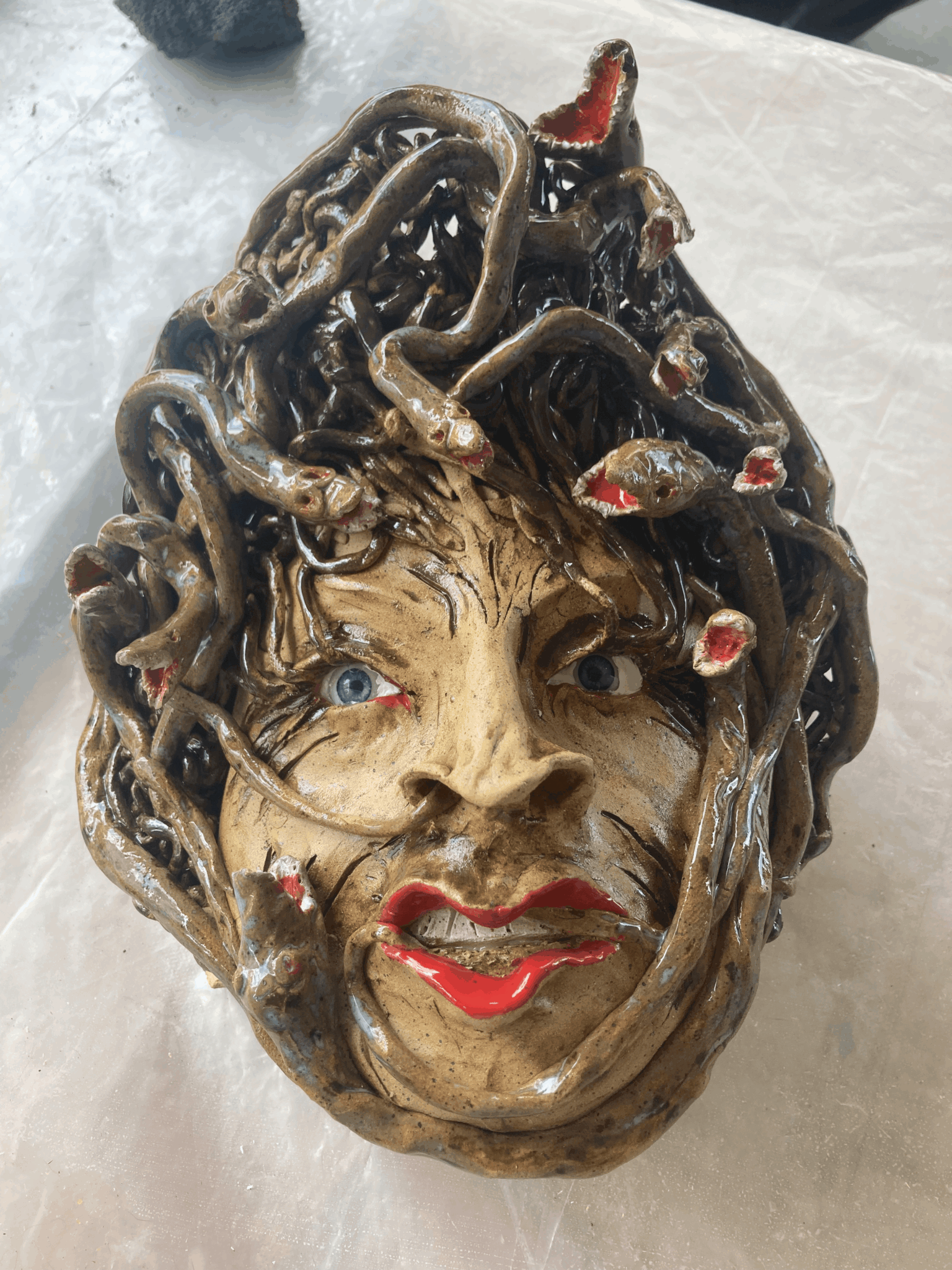
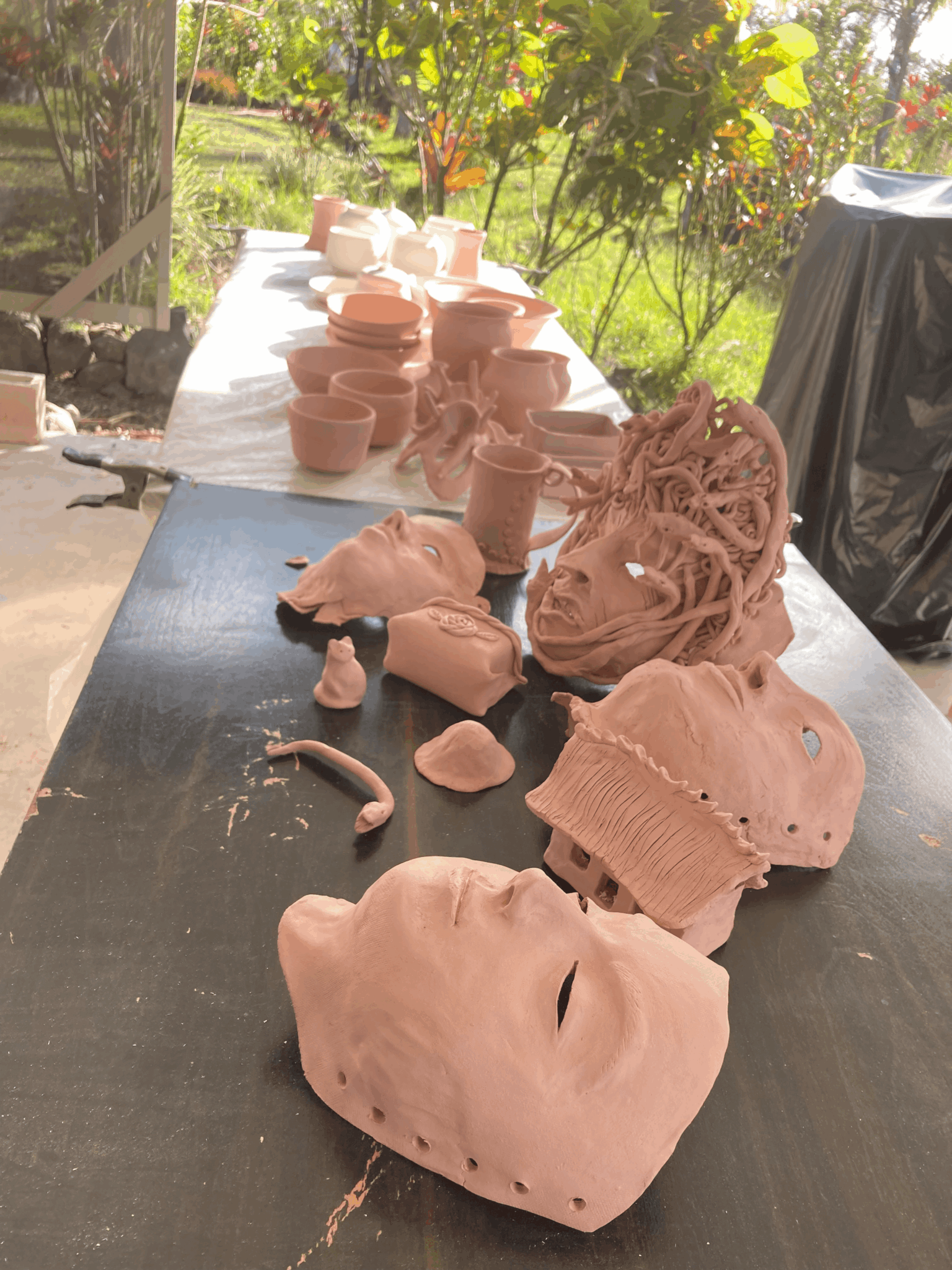
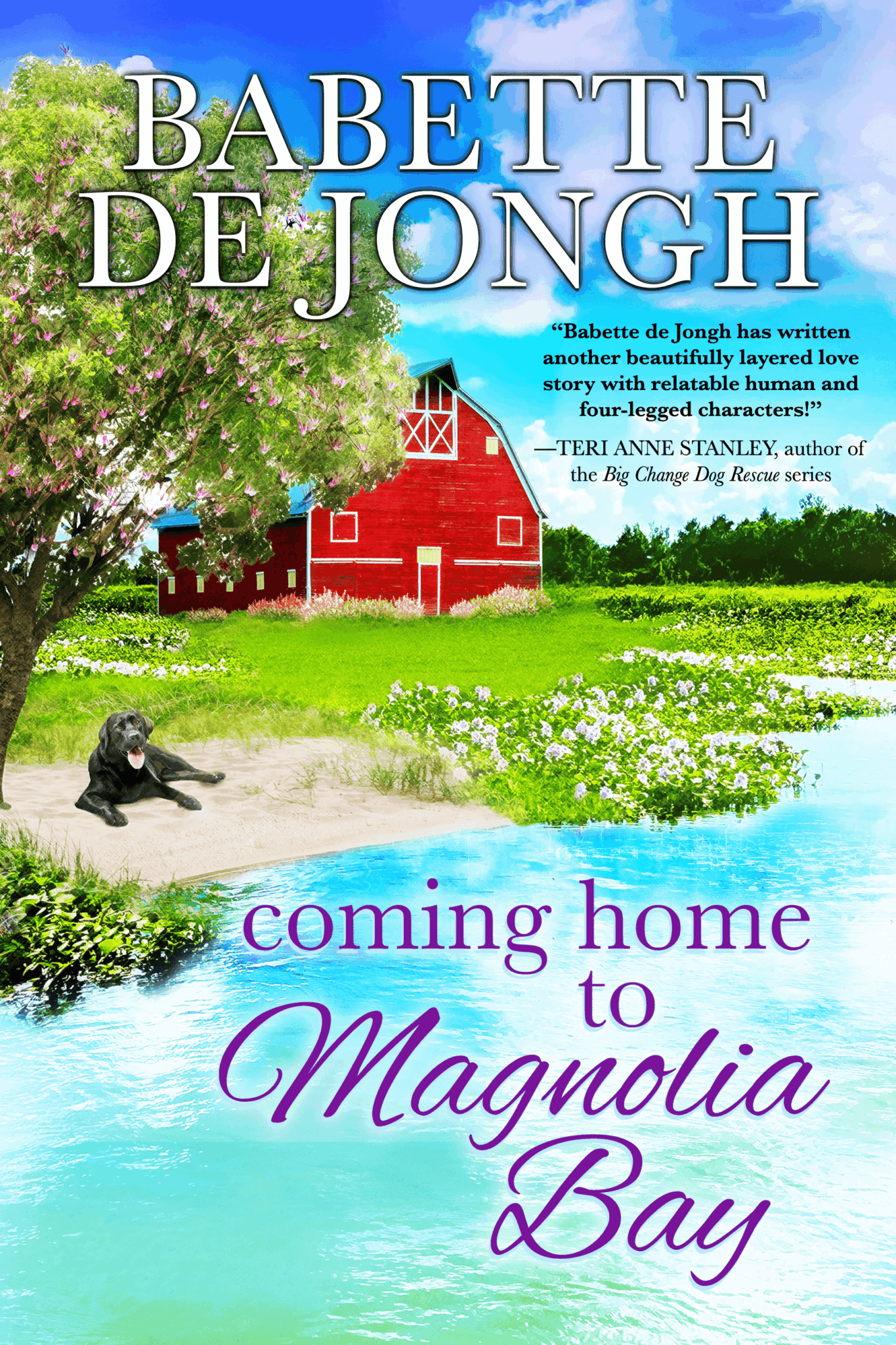
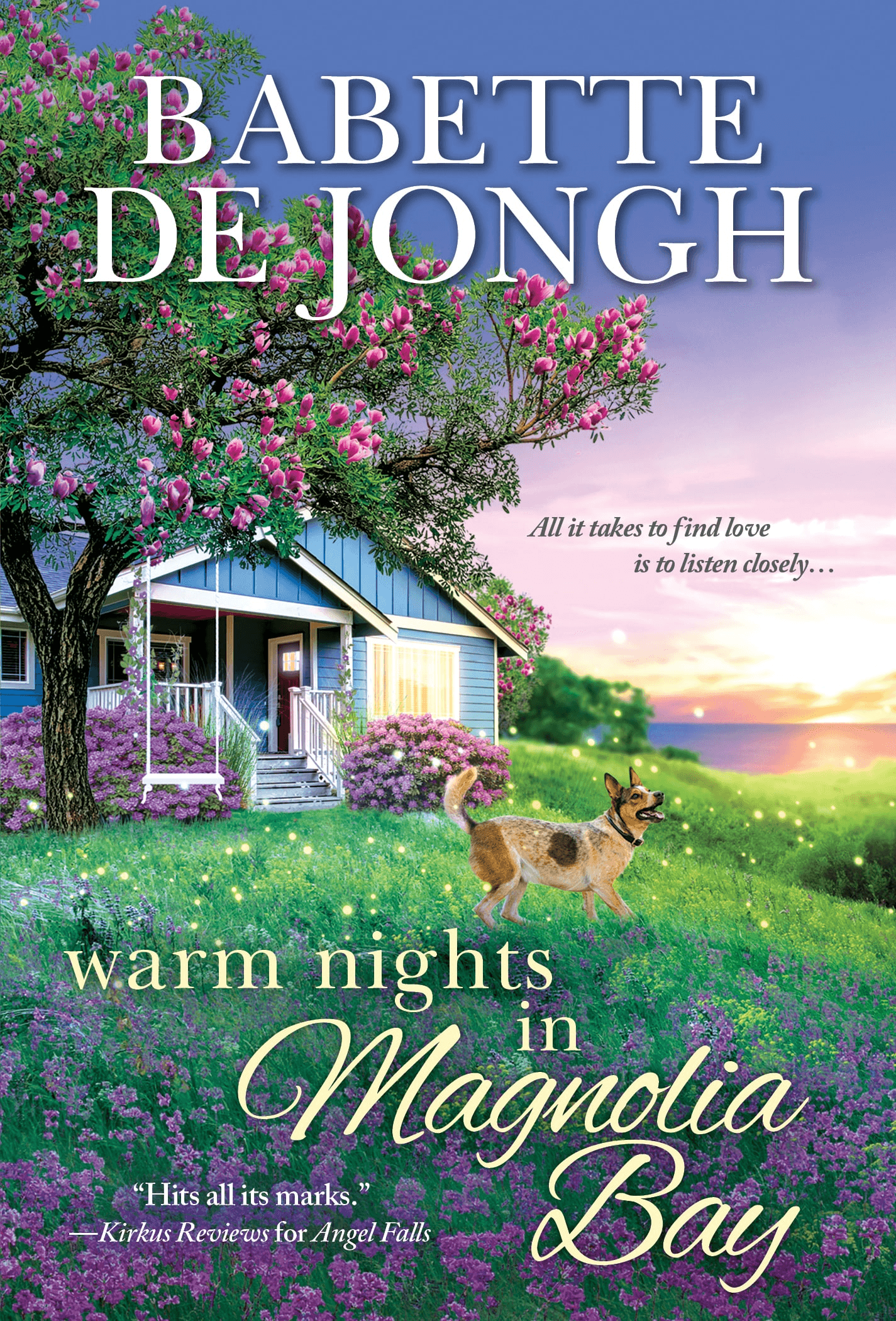
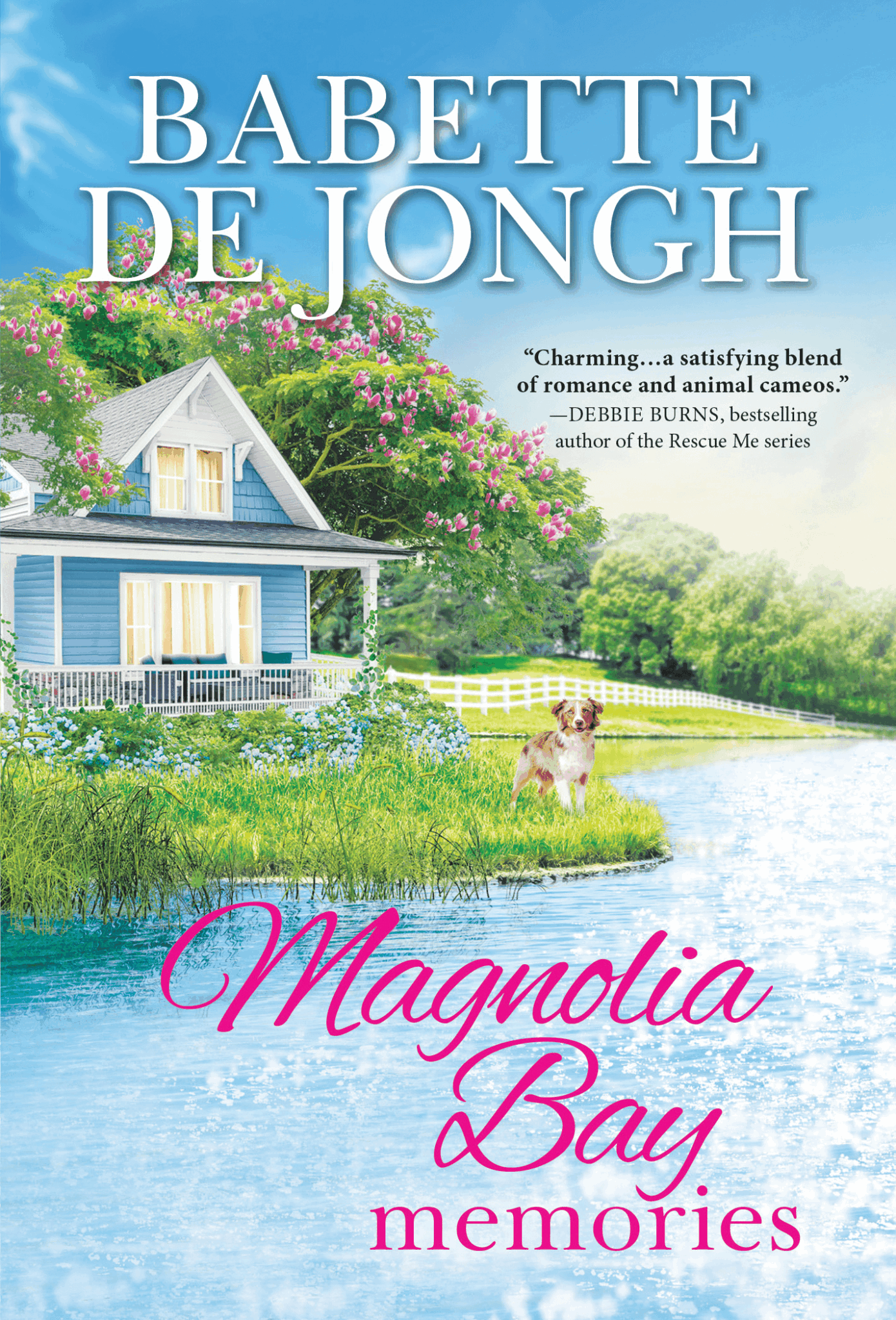
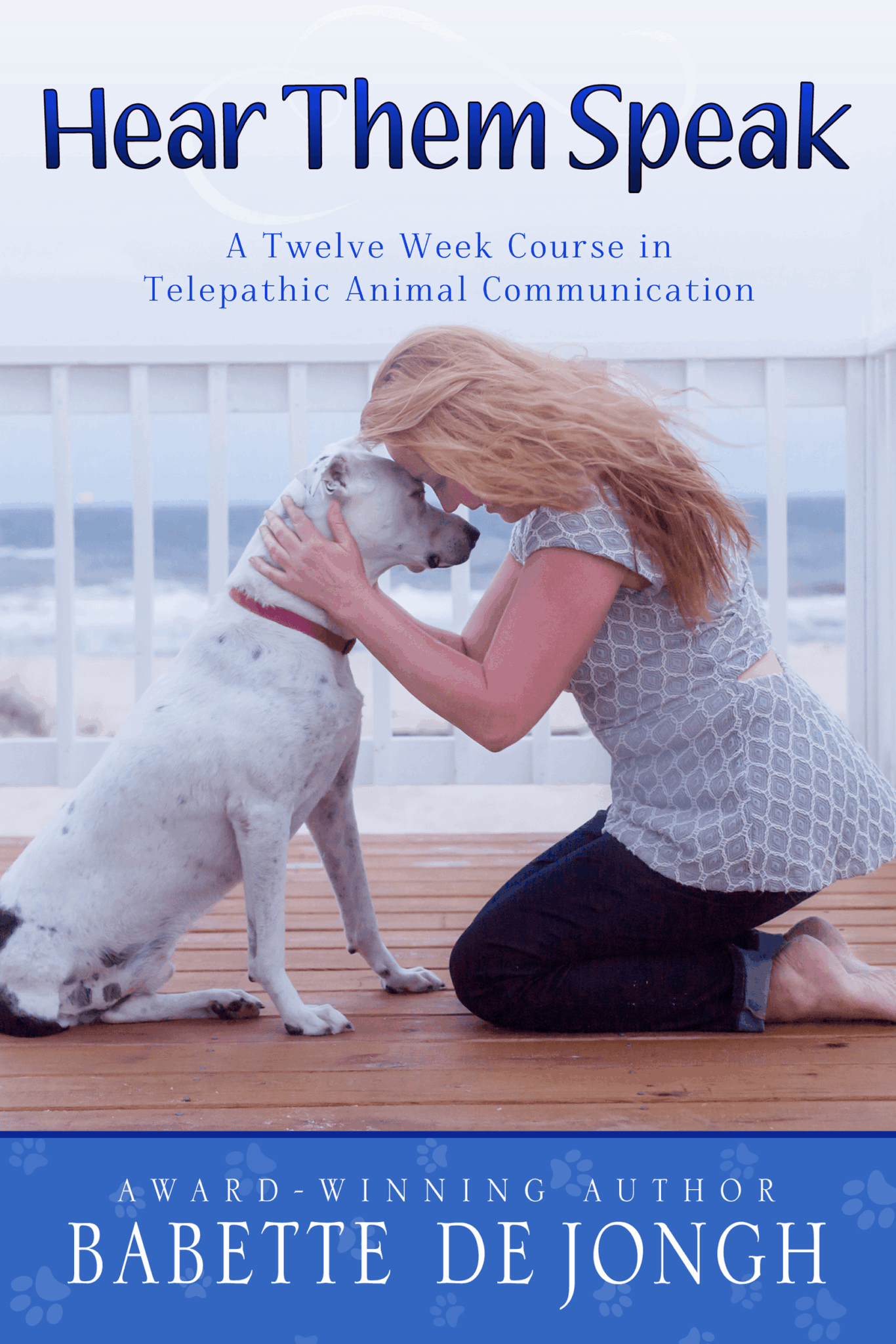
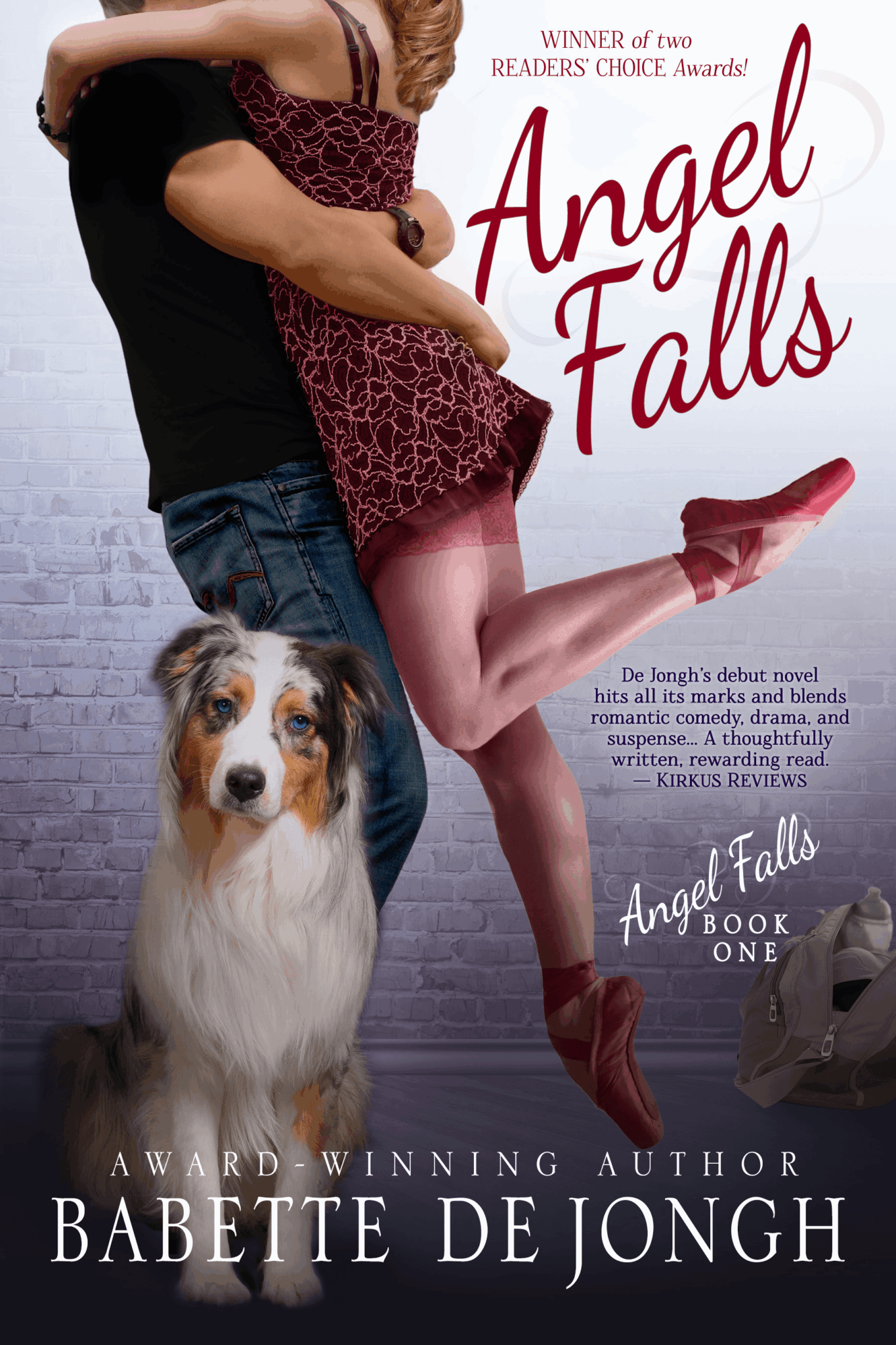
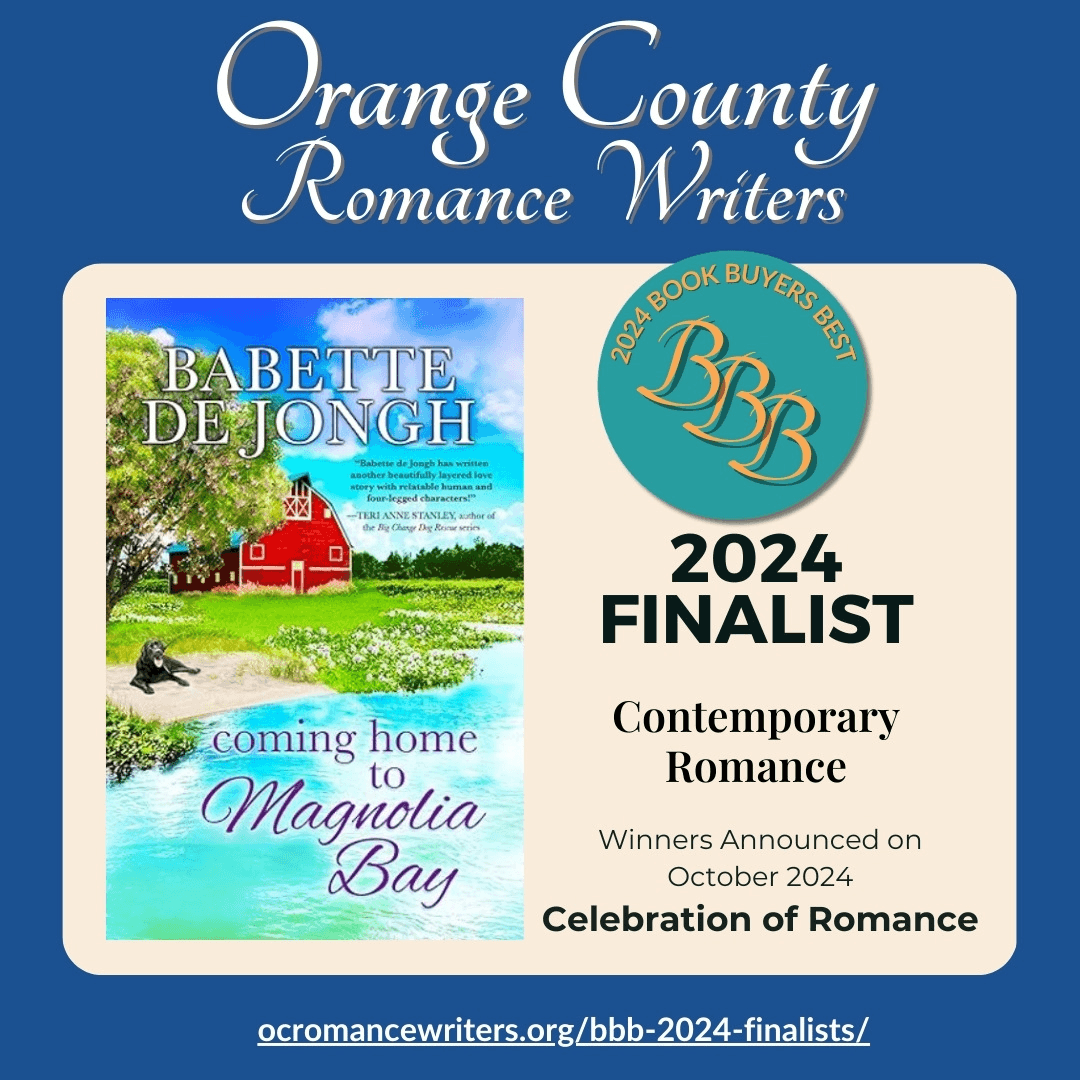
Image Credits
Author photo by Diana Vincent.