

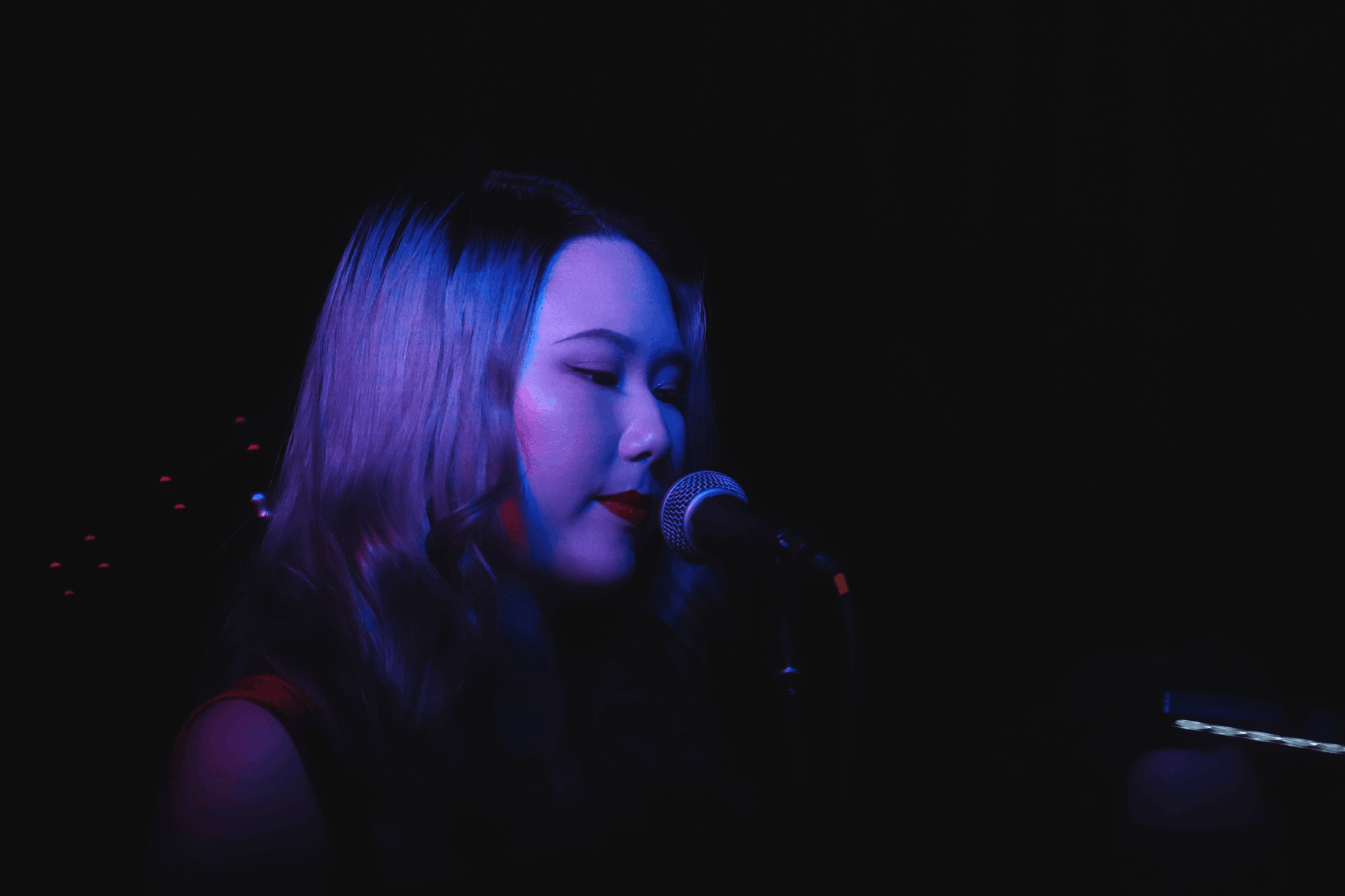

Alright – so today we’ve got the honor of introducing you to Jiani Zhou. We think you’ll enjoy our conversation, we’ve shared it below.
Jiani, appreciate you joining us today. Can you recount a story of an unexpected problem you’ve faced along the way?
I am Jiani Zhou, an independent Chinese singer-songwriter base in New York City since 2021. I am currently a senior majoring in jazz performance at The New School. As an international singer, I knew that pronunciation would be a challenge, given that a singer, much like a storyteller, must articulate my message clearly through my voice. However, I encountered another significant language-related issue that I hadn’t expected: the different vocal skills required by different languages. This is deeply influenced by one’s mother tongue due to muscle memory.
In the first two years of my jazz vocal studies, I found that the pitches I sang were often slightly off from the actual pitch, although my ear could recognize it. Some people saying negative things about my singing, calling me an out-of-tune singer behind my back. This was disheartening because I knew how much effort I had put into singing and how much I had grown, but people only saw my shortcomings. My mentor, Antoinette Montague, gave me a lot of love and support at that time, helping me understand the importance of a positive mindset by encouraging positive self-talk. I greatly benefited from her teachings and began to rebuild my confidence and trust in myself. Despite the obstacles, I never gave up, believing in my ability to express my story through music. To me, music is about love and healing, not about hatred and surrender.
I continued to experiment with different practice methods, but I saw no results until I learned about vocal placement and vibration theory from my vocal coach, Kate Baker, and Alba Quezada, who teaches Linklater Vocal Progressions class in my school. I discovered that my natural vocal placement for speaking Chinese was not ideal for singing in English and other languages. The solution I found was to gather vibration and make it at the right place for the sound that I want when singing in different languages.
Although it was a painful and unexpected issue, this challenge turned into a valuable lesson in my musical and personal growth.
Great, appreciate you sharing that with us. Before we ask you to share more of your insights, can you take a moment to introduce yourself and how you got to where you are today to our readers.
I am Jiani Zhou, an independent singer-songwriter born in Hangzhou, China, in 2000, and based in New York City since 2021. Currently, I am a senior student majoring in Jazz Performance at The New School for Jazz and Contemporary Music.
Through singing, composing, arranging and producing, I continually evolve, delving into diverse music genres spanning from jazz and blues, American modern music to Chinese modern music, and creative music genres. My artistic journey extends beyond music, encompassing theatrical techniques such as Linklater Progression, Laban’s movements and Alexander Techniques. I see art as a connection between my body, mind and the world.
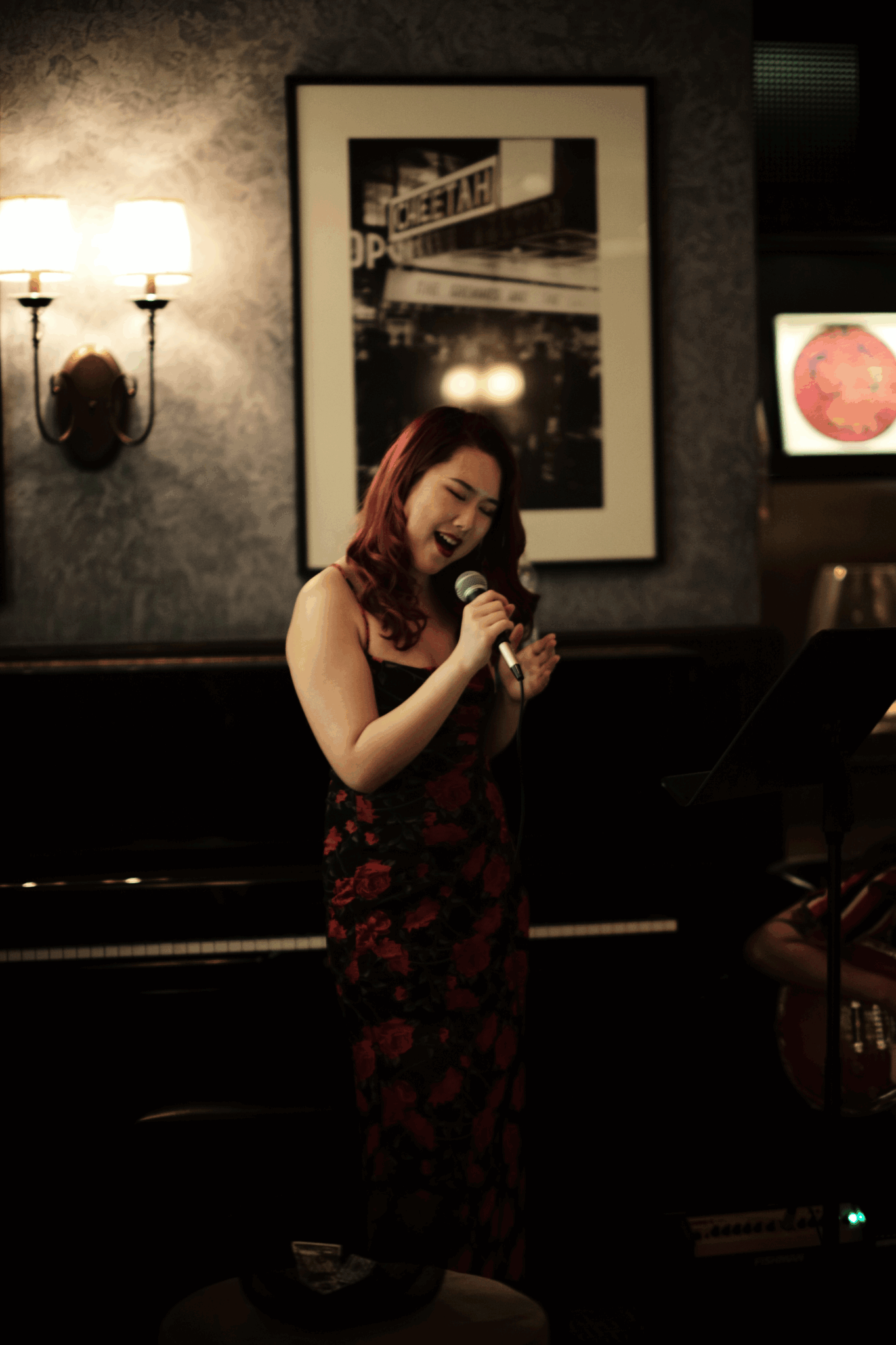
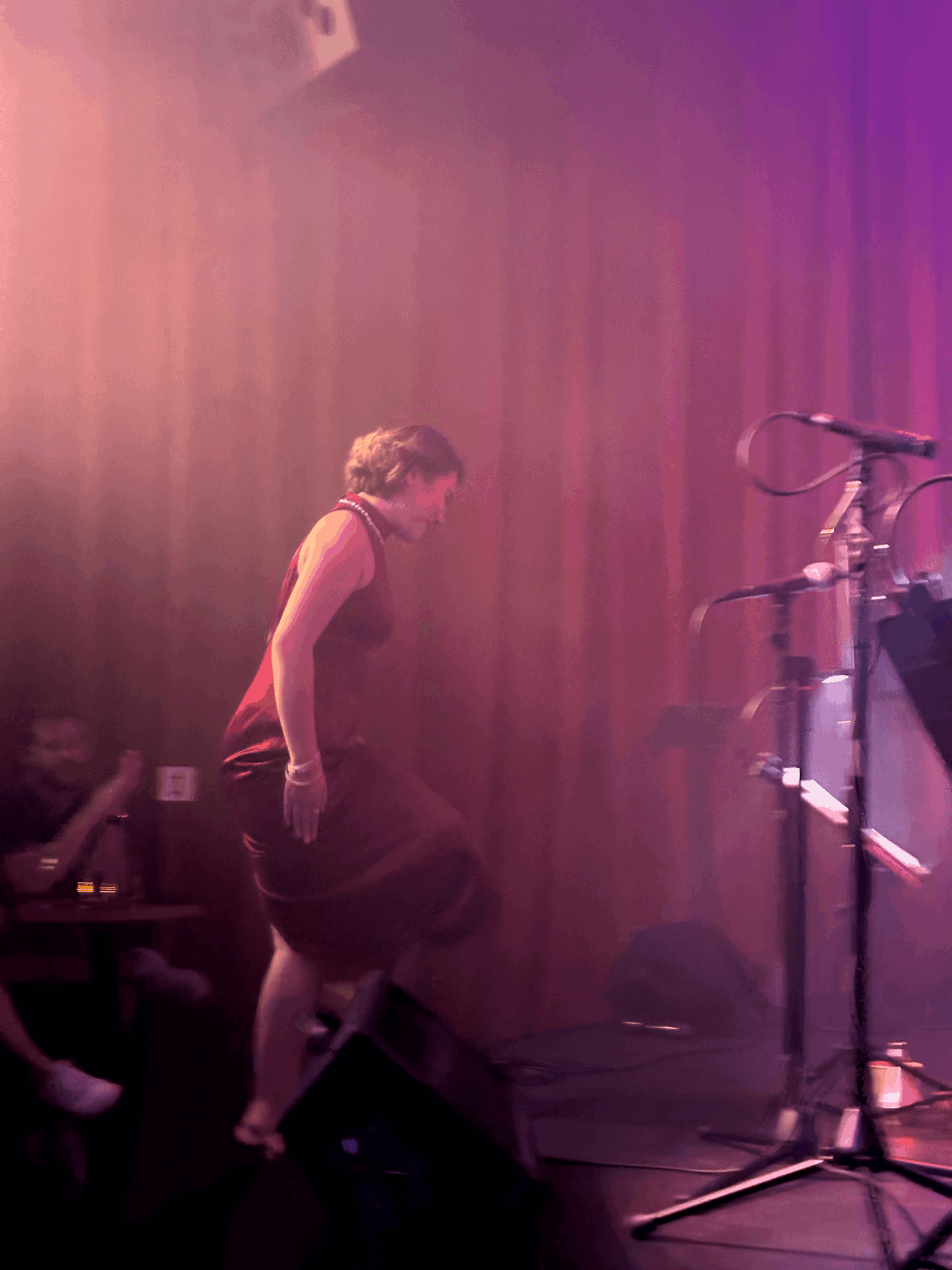
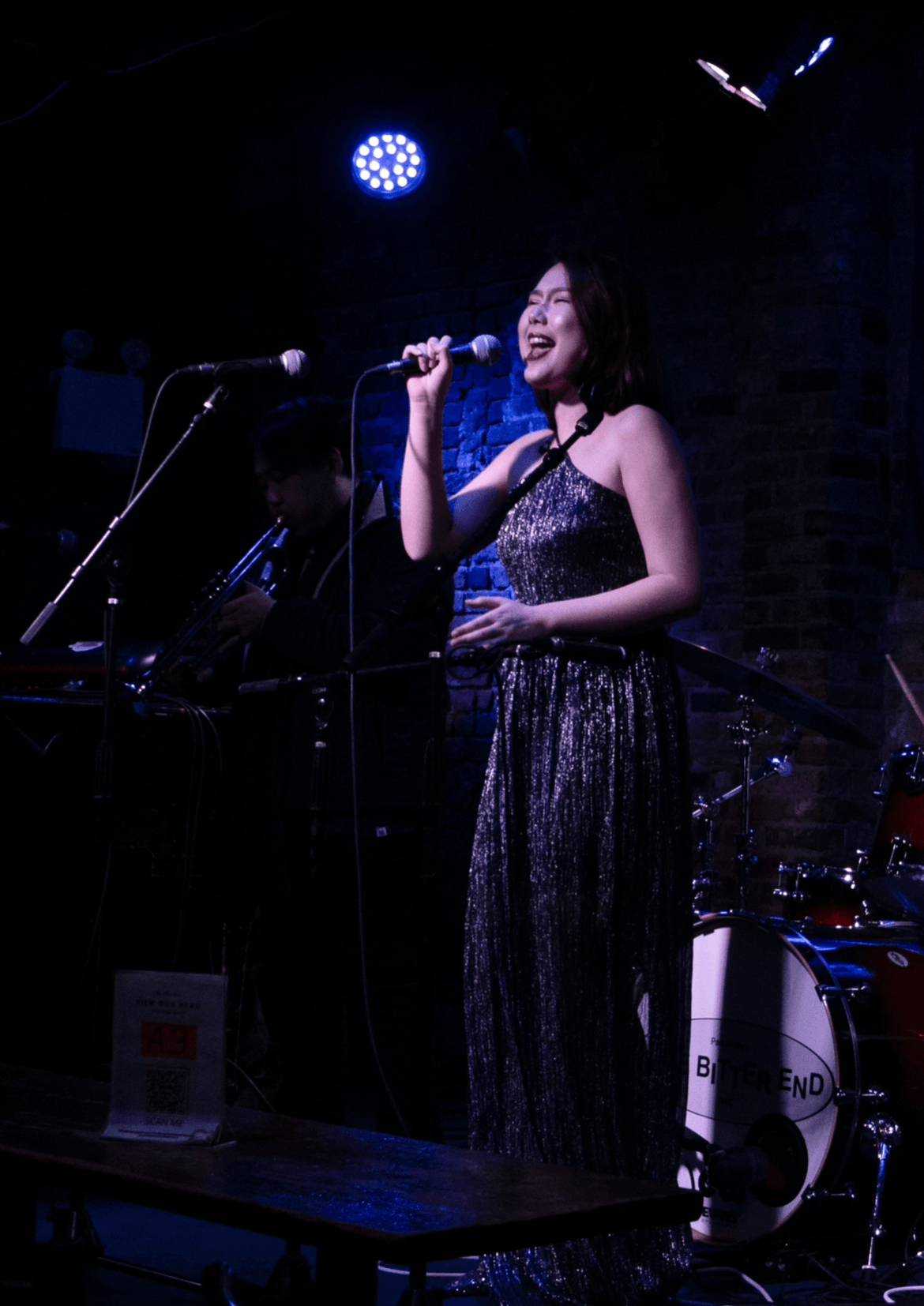
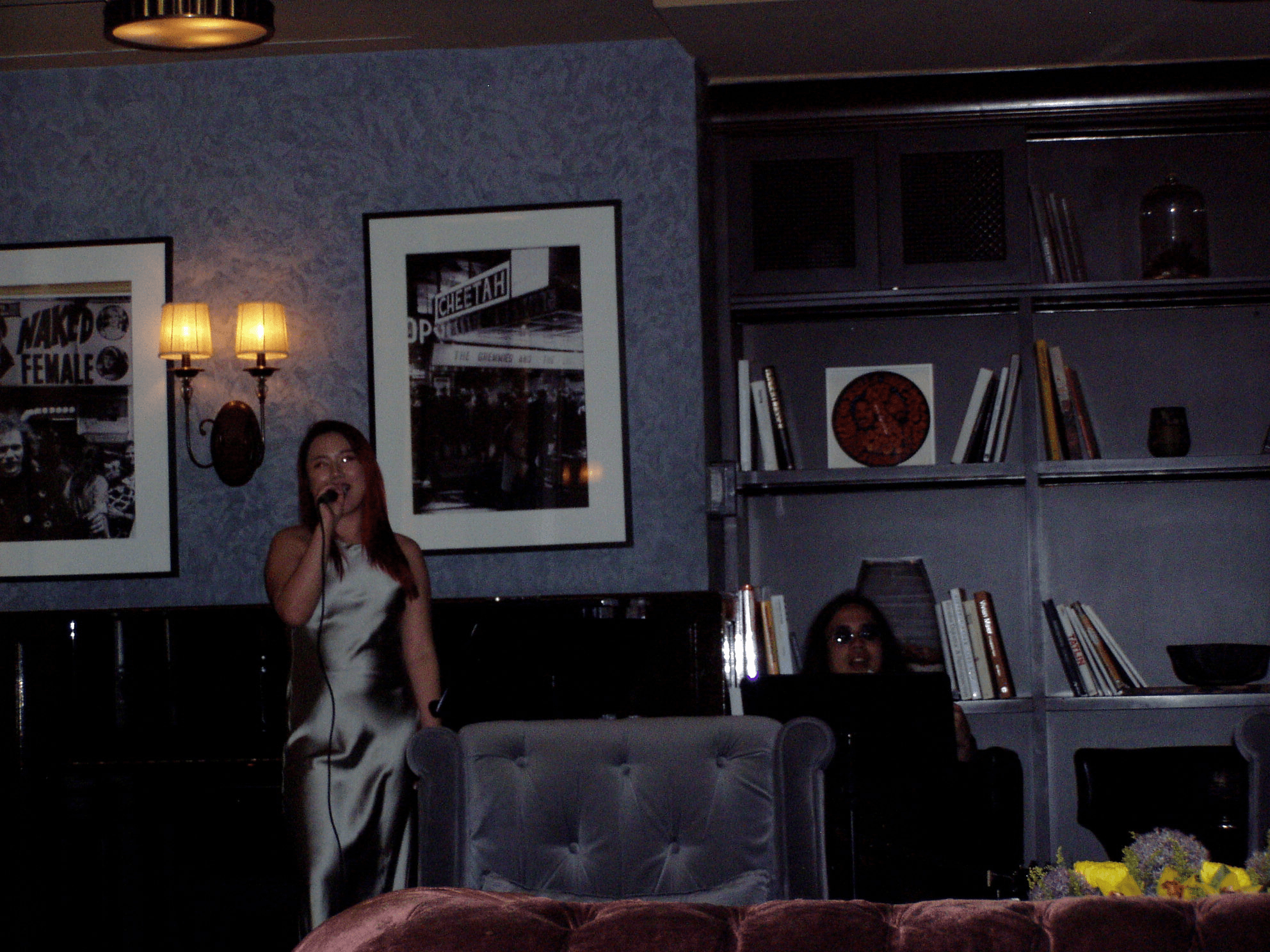
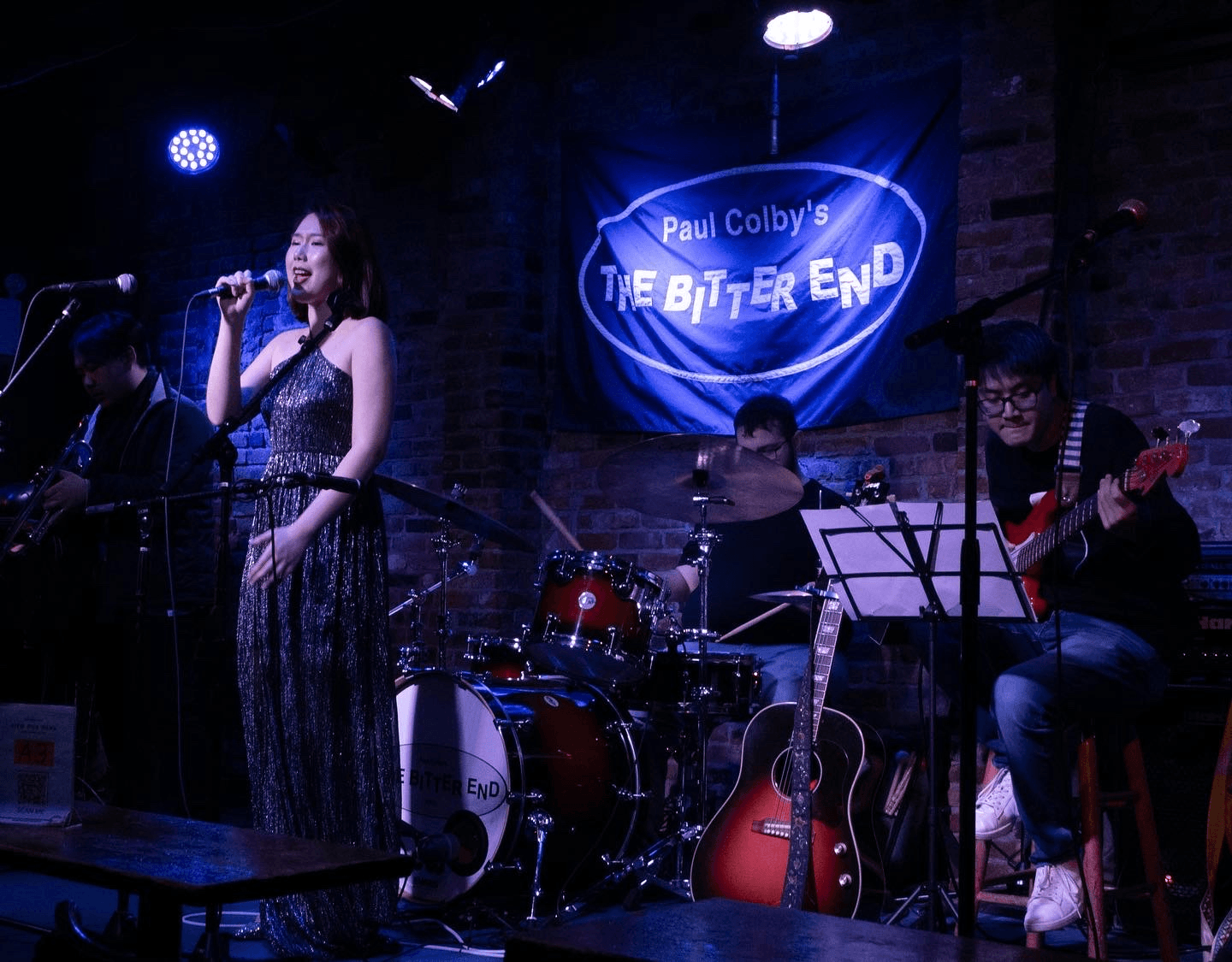
As a singer and bandleader, I bring vibrant energy to every performance. Inspired by the rich legacy of Blues, I incorporate the “call and response” tradition into my shows, making each performance a lively and interactive event. My repertoire includes captivating themes such as the Jazz Golden Era, the revolution music scene of the 1960s, and classic Chinese love songs. In New York, I had the honor to perform on the stages of renowned music venues such as Red Pavilion and The Bitter End, and I regularly perform at hotels throughout the city, with a primary base at Walker Hotels. In China, I have performed at prestigious venues including Blue Note Shanghai, JZ Club, Meeting Jazz, Way 2 Whiskey, as well as at music festivals and swing dance parties.
Beyond the stage, I channel my creativity into diverse pursuits. As a jazz influencer on the Chinese social media platform Red (小红书), I share insights into jazz history and showcase my work. I am also enthusiastic about collaborating on international platforms. Since high school, I have organized events, using my stage experience and communication skills to bring people together. Besides, I offer vocal lessons both in-person and online, guiding students in using scientific vocal techniques and their body to deliver their stories through singing. Currently, I am exploring ways to merge music with other business opportunities, starting with real estate, and I am excited to see the magic this blend will create. Always open to new experiences, I look forward to discovering fresh opportunities as I approach graduation and begin my professional journey.
In your view, what can society to do to best support artists, creatives and a thriving creative ecosystem?
I feel that it is challenging to change the fact that most artists and creators do not receive enough support from society in the short term. However, I believe that a win-win outcome can be achieved between society and artists if we think long-term. One approach is to offer more art education to kids. Those who develop an appreciation for art from a young age usually build a strong aesthetic sense, which can also enhance their cognitive development through artistic thinking. As a result, people and society will come to recognize and value the importance of the arts, even if they are not directly involved in the industry.
As a performing artist and musician myself, I often feel that the role of artists is underestimated. For instance, when I perform music at a hotel, all the customers tend to tip the waitstaff, but only a few offer tips to musicians. Currently, musicians are not well-compensated by employers and receive insufficient tips from customers. Furthermore, musicians invest considerable time and effort in rehearsals and practice before the shows, and also have to spend time and money on their appearance, yet none of these hours are compensated most of the times. Regarding the teaching aspect, the price of a private lesson has remained the same as it was 10 years ago, which seems unfair given the significant increase in living expenses. Therefore, financial support is crucial for artists and creators.
In my point of view, financial support for artists can be achieved by creating more opportunities for them in society, offering fair wages, providing equipment and spaces, and increasing scholarships for arts education, among other measures.
Are there any books, videos, essays or other resources that have significantly impacted your management and entrepreneurial thinking and philosophy?
My philosophical approach to music and life has been deeply influenced by studying John Cage’s artwork and writings. His innovative methods and open-minded approach to music and sound have greatly shaped my thinking.
Another significant source of inspiration has been Kristin Linklater’s book, Freeing the Natural Voice. Through exploring the connection between my body and voice, I gained valuable insights not only into managing these aspects but also into handling various life challenges. This experience taught me about the interconnectedness of different elements in life.
In terms of entrepreneurial thinking, I am fortunate to have been inspired by many insightful friends through our valuable conversations. Additionally, growing up in Zhejiang, a province in China renowned for its successful entrepreneurs, provided me with precious knowledge from the entrepreneurial spirit of my hometown.
Contact Info:
- Instagram: Jianizhou_2000
- Facebook: Jiani Zhou
- Other: Red(小红书): 爵士喵
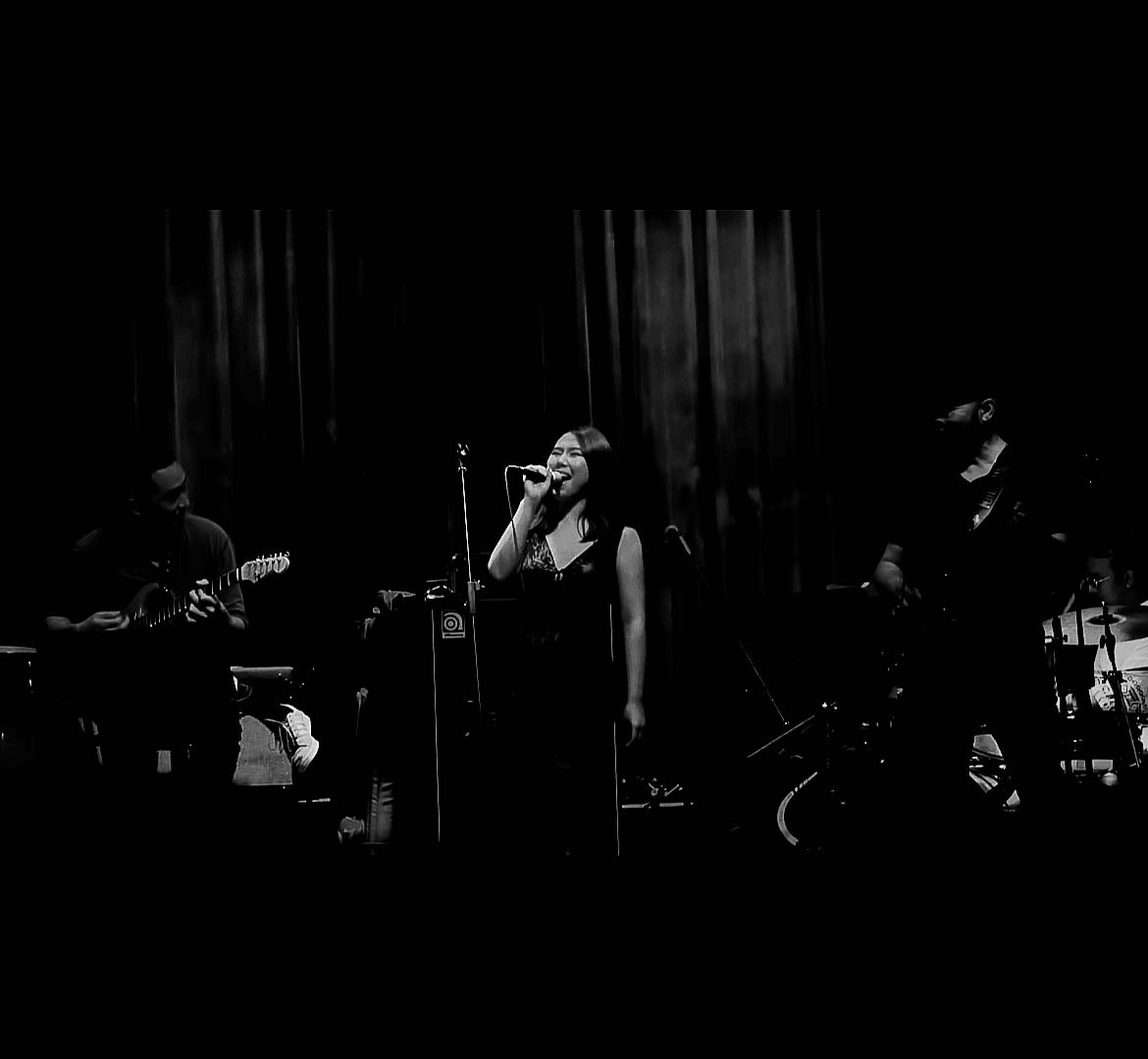
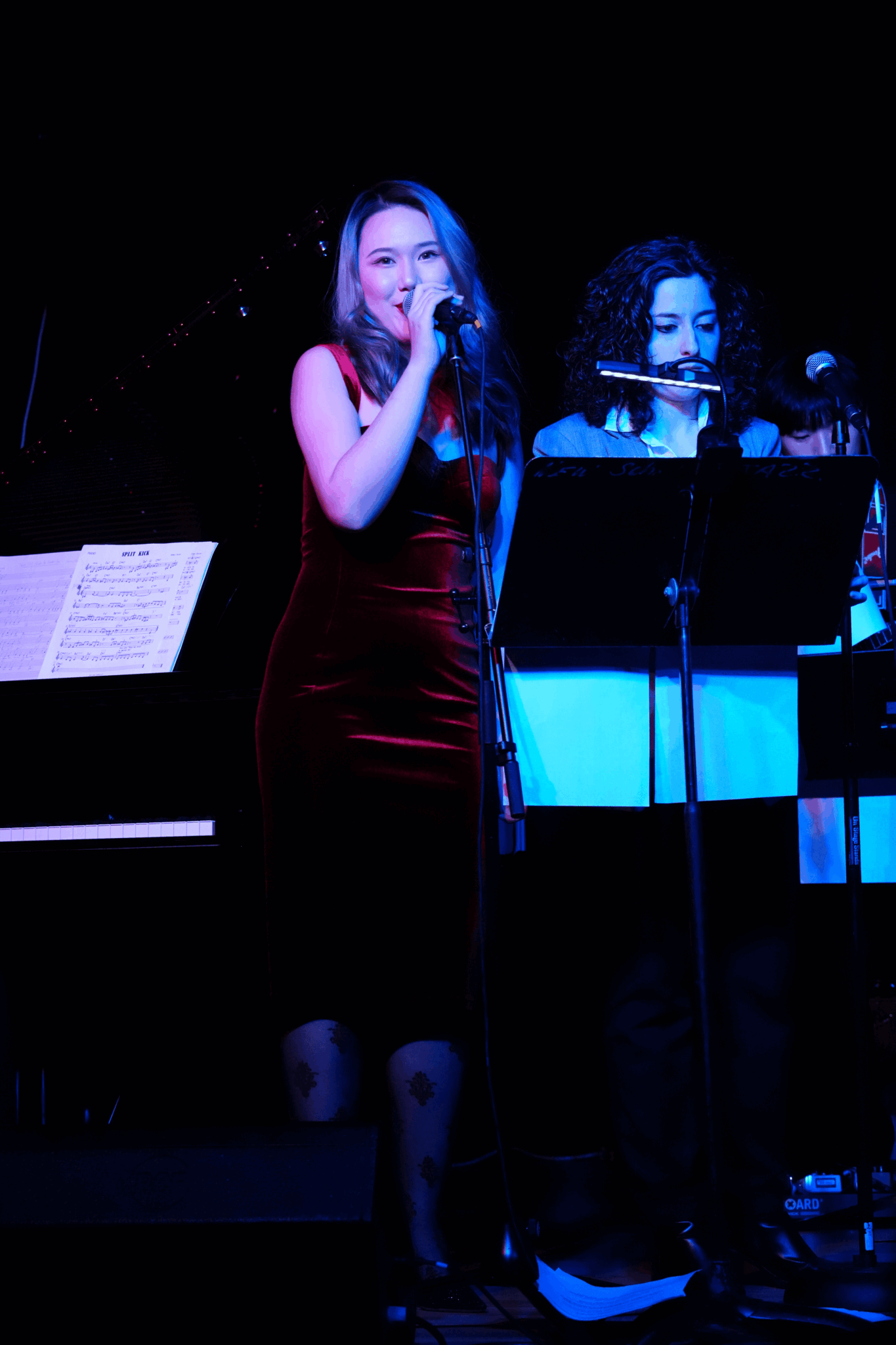
Image Credits
The personal photo credits to Yunbo Wu,
The additional photos are credit to Frank Wang, Jiani Wu, Abraham Spencer, Sherly Fan, Abraham Spencer, Sherly Fan, Yao Dong and Yunbo Wu. (By order from the first photo that has a frame in the background)