We’re excited to introduce you to the always interesting and insightful Julie Jablonski. We hope you’ll enjoy our conversation with Julie below.
Julie, thanks for joining us, excited to have you contributing your stories and insights. It’s always helpful to hear about times when someone’s had to take a risk – how did they think through the decision, why did they take the risk, and what ended up happening. We’d love to hear about a risk you’ve taken.
I had recently graduated from college and had been working as a software engineer, trying to pay down my college debt. In the newspaper (give me a break, it was the 90’s), I came upon a call for ‘young, fit people to work as extras on a military themed film called Starship Troopers.’ The auditions were to take place in Cheyenne, Wyoming. The timing worked out well, as I was entangled in a vicious sexual harassment lawsuit against the large local tech company I had been worked for. Each day of trial, the security line to enter the building was particularly backed up as Timothy McVeigh, the Oklahoma City Bomber, was being tried in the courthouse next to mine. Security was at an all-time high and the scene outside the courthouse was a spectacle. I wanted anything that would get my mind off this horrendous chapter in my life, and I wanted to be far away. I’d had my house ransacked, and my cat’s face kicked so hard his jaw was broken and his tongue was about an inch thick. His collar had been hung centered in the middle of my garden gate, and the Browning 9 mm I had begrudgingly purchased to protect myself had been stolen. It was a warning for reporting the sexual harassment. My co-worker’s house was attempted to be broken into as well. I thought it would an escapist diversion to go work on this film for a few weekends. I auditioned in a gravel parking lot, to a man sitting behind a folding table. He asked me to prove in 30 seconds why I should be selected to work on a military themed movie. I dropped and started doing knuckle pushups in the gravel (thanks to my years of Taekwon Do and doing toughening training on concrete called dallyon training). I got the part, and was told to show up outside Casper the following weekend. Long story short – a few weekends turned into all summer, which extended into fall. They liked my work ethic, focus and discipline. I had looked around and quickly understood that every minute on a big budget film is worth thousands and thousands of dollars, due to all the players, moving parts and overt plus hidden costs. I was never late, I shut up and did what I was told. Between takes, I’d spar with the stunt guys to break up the monotony. I was a 3rd degree black belt at the time, and a good fighter. The second unit assistant director and military advisor of the film took notice. When the crew wrapped filming on location, and moved the production back to Hollywood, I was asked to come. This posed a huge crossroads for me. I had just earned a college degree, and until the devastating sexual harassment I had endured at my job, I had gotten into a prestigious and high paying position. Now I was about to change my trajectory entirely for the cliche chance to go to Hollywood to be in movies. However, I felt so torn apart, spit out, lost and alone; and I had absolutely nothing to lose at this point in my life, that the idea of moving somewhere far away, where I could get lost in playing a character who was not me, and where I’d be a nobody in a sprawl of thousands and thousands of people, all felt like exactly what I needed. So, without knowing where I’d stay or how I’d make enough consistent money to live, I hopped in my little Honda and headed West. I ended up working on the entirety of the film, shooting at Sony Studios (in the old MGM sound stage where the Wizard of Oz was filmed – the rusty tracks that had suspended the monkeys were still there!) and on location in Long Beach, Miles Square Park in Orange County (the boot camp scenes), and in the mountains north of L.A. I did some stunt work on the film and got to be a featured extra and photo double for Denise Richards, for the jump ball scenes. I helped paint the prop grenades and some scenery as well. This all earned me entry into the Screen Actors Guild. I also befriend the military advisors for the film who asked me to come work for their company, Warriors Inc. With them, I would have gotten to travel all around the world, working on many military based films (they advised for Saving Private Ryan, Thin Red Line, Band of Brothers, etc.). By the time they asked me to work with them, I’d already worked on some other films and TV as well, such as Deep Space Nine, Caroline in the City, Malcom and Eddie and as a martial artist on Buffy the Vampire Slayer. By this point however, I was ready to be done with the film industry. Although it was extremely exciting and fascinating to be on set and see how it was all done, it felt torturous to be the extra when I wanted to be the one coming up with the artistic vision and creating the story. I was so tremendously thankful for this once in a lifetime opportunity. I thanked Warriors Inc. for their offer. I turned it down, and also walked away from Central Casting, got back to my martial arts training and resumed my path toward being a fine artist.
I’m so glad I took that risk. It felt like jumping off into an unknown abyss, which didn’t necessarily feel so great at first. It taught me that you don’t have to know what the outcome will be to commit to action, and that the outcome doesn’t need to be in alignment with all of your future goals either. If a once in a lifetime opportunity presents itself – jump! Go for it! I also learned that you can indeed manifest an opportunity. I got noticed in Wyoming because I was confident and because I had an impeccable work ethic. Outside of my martial arts background which did help, it was my professionalism that got me noticed. These are things anyone can embrace to create an opportunity for themselves.
One last note: near the end of filming the moving, when we were very close to wrapping after the whole two-year adventure, I was on the Sony Studio lots. It was early evening, shooting had stopped for the day, and most people had gone home. The sun was sitting low in the sky. Paul Verhoeven, the director of the film, happened to walk by me. As he passed, he said ‘night Julie.’ Surprised, I said ‘night Paul.’ I still think about that night and smile. I did it. For my lawyer back in the day who said before the sexual harassment trial that my life had been ruined and I’d never be successful (I think she was trying to be supportive and validate my very real trauma) – nah! Respectfully, you were wrong.
Julie, love having you share your insights with us. Before we ask you more questions, maybe you can take a moment to introduce yourself to our readers who might have missed our earlier conversations?
My background is a paradox of creativity, freedom, play, diversity and unfiltered exploration of the outdoors; but also of ritual, discipline and time spent in controlled indoor environments (the office cubical and the martial arts dojang). These disparate worlds inform my choice to be an artist and a deep appreciation for the journey; how I approach my art practice; and which things I choose to focus on and cultivate.
I’m a third generation Colorado native, and have also lived in L.A., Tucson and Venezuela. My childhood was spent creating, designing, building, drawing, painting, playing make-believe, putting labels on everything my dialable label maker could find, and being frequently outdoors – camping, hiking, fishing, running through the desert in my mom’s go go boots and a super hero cape, playing in streams and fields, and giving apples and carrots to the horses nearby. My later childhood was also about Saturday Night Live; pop culture, punk rock; new wave; dancing at Rock Island; and which friend could do the most absurd, daring or outrageous thing for a laugh. Time in nature trained me to sit quietly and observe subtle details and shifts. It taught me to be in the moment. My spirit of independence and play gave me courage to take risks and fueled exuberance and drive to engage novel ideas and visual expression. Humor allowed me to endure and process pain and tell truths in digestible ways.
Additionally, I’ve been in martial arts since I was a young child, earning my 6th degree black belt a few years ago. I owned my own dojang for a decade and have competed or trained nationally and internationally in Colombia, Venezuela and Nepal; earning international gold medals in sparring, power breaking and forms. In stark contrast to this world, I worked in IT for the majority of my career (not a great fit for a Meyers Briggs ENFJ, but I was decent at it and it paid off student loan debt). I also had a chapter working in film and television. I started as an extra on Starship Troopers while on location in Wyoming and South Dakota, which lead to work as a stunt performer and martial arts advisor, being a photo double for Denise Richards, and a request to move to Hollywood to continue work for the film. Thus, on the deeply traumatic tail end of a vicious sexual harassment lawsuit against a large local tech company and with a handful of cash, I drove to L.A. (relishing the anonymity of the sprawl and being able to ‘hide’), and worked on Starship Troopers until its completion, earning membership into the Screen Actors Guild. I also did martial arts and extra work on other films and television shows like Buffy the Vampire Slayer, Star Trek Deep Space Nine, Caroline in the City, etc. Together, these wildly different subcultures taught me to adapt, to survive the unknown and the challenging through discipline, hard work, and positive mental affirmations. They bolster my art practice by providing expanding awareness and a significant breadth and depth of lived experience.
As of yesterday, I am officially an empty nester with my son in a graduate program in Recording Arts from University of Colorado Denver, and my daughter pursing a dual degree in Geography and German from University of Vermont (go Catamounts!). My husband and I like to travel to unlikely places; discover new foods; sample stupid and unrealistic diets; try on new adventures; and relish the comfy and the familiar – like our beloved rescue pups, and Bitchin’ sauce on chips while watching The Bear. Last year we both completed Colorado’s Triple Bypass Bike Ride (from Evergreen to Avon – three mountain passes, 118 miles, 14 continuous hours, 10,000 feet elevation gain). This year, I’m very excited to have more time for my art practice, now that the young critters are flying on their own.
How you got into your industry / business / discipline / craft etc,
The majority of artists, I think, can’t locate some exact point in time at which they ‘got into’ making art or being creative. I think for most fine artists and creatives in general, they were just orientated that way from a young age – it’s how they engage the world. This is true for me too. It’s just always been there. My mom still recalls at 3 or 4 years old, I would hold a crayon, look at our cat lying in the sun, and draw onto paper what I saw. In a notebook, I would catalogue all my marker colors in rows and columns, and note how their hue changed against different papers and when overlapped with other marker colors. I was always building something in my dad’s woodshop (radial saw Barbie furniture baby!), inventing my own shoes, painting fantastical images, making up my own Saturday Night Live skits and absurdist commercials with my best friends (Hair Be There for your balding loved one), doing art commissions for my neighbors, designing mascots and logos for my martial arts instructor, making paper machete sculptures, creating my own songs on the piano (which my dad would capture on music sheets that he used for composing his own music), and writing stories (one I’m in process of trying to publish right now). Creative design has always been the armature around which I’ve built out the details of my life.
As a formal practice however, I took my first art classes at CU Boulder in 1990 when I was pursuing a BA in Psychology. In 2003, I began a BFA degree in Painting and Drawing at CU Denver, but due to parenting and work obligations, I had to postpone my education in 2004. When my kids were older, I got to resume my degree in 2013 and graduated in 2016. With my youngest child now a freshman in college, I was able to enter an MFA in Art Practices program this summer (2024) with graduation set for summer of 2026. In the meantime, I’ve been a member of Pirate Contemporary Art for close to a decade, and I’m excited every day that I get to be an artist. It is a joy that never gets boring – it can be challenging, sometimes frustrating, even deflating, but it is always meaningful. I do wish I had the self-certainty as a teenager to pursuit art professionally then, rather than be shaped by the powers that be into something else. Indeed, it was a circuitous path to getting to the point of being a professional artist, but I’m here now and the long road has only made me more appreciative and committed.
What type of products/services/creative works you provide,
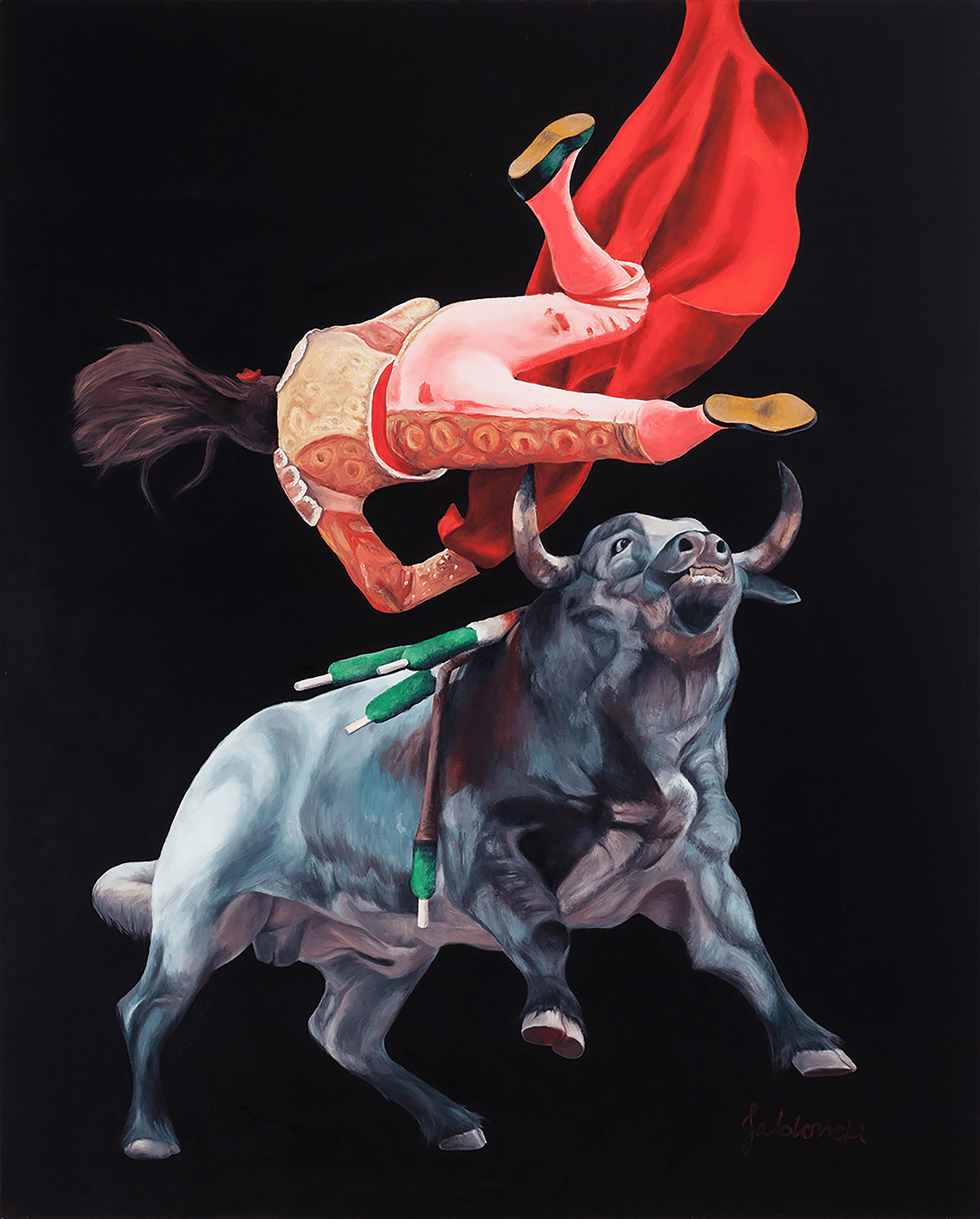
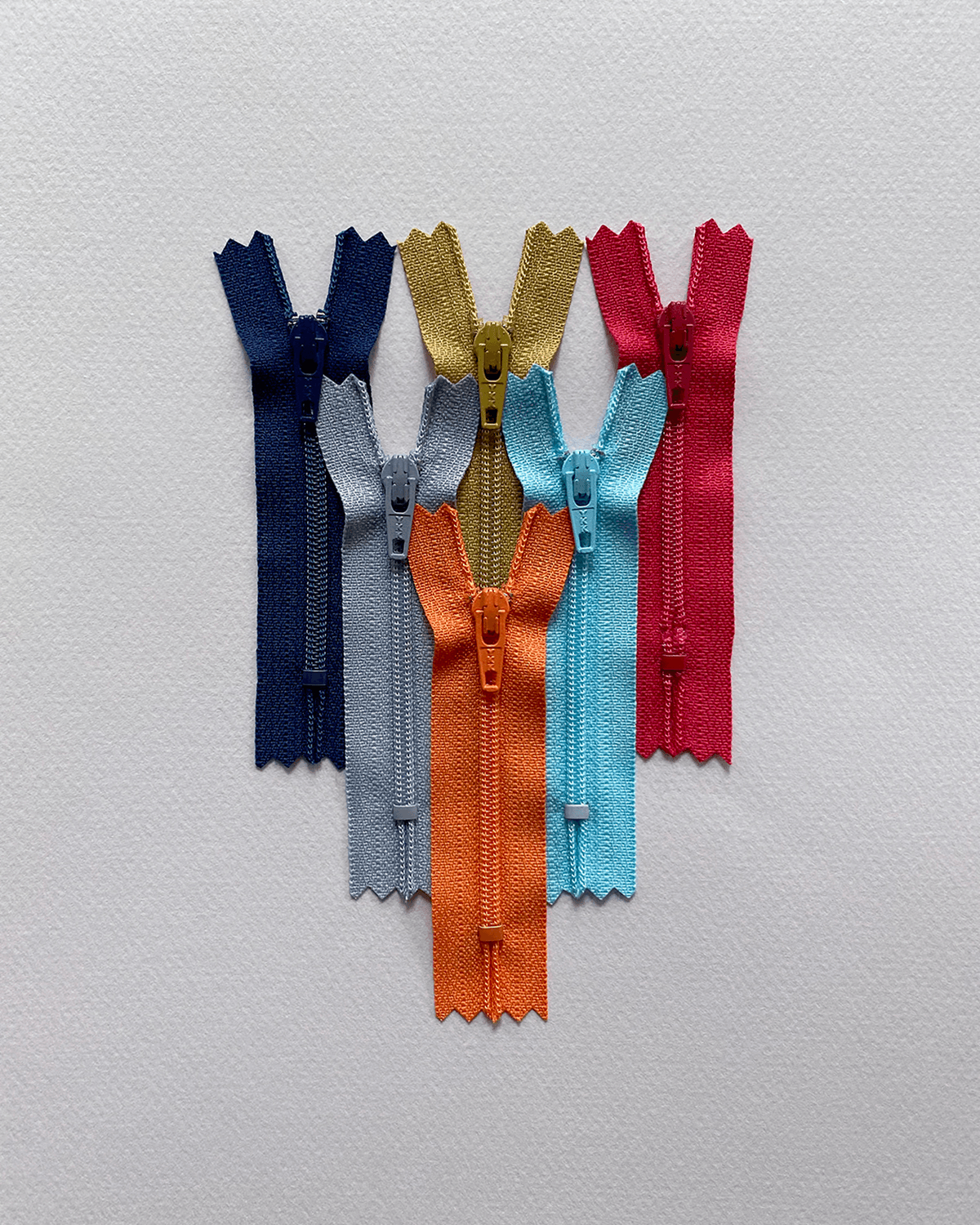
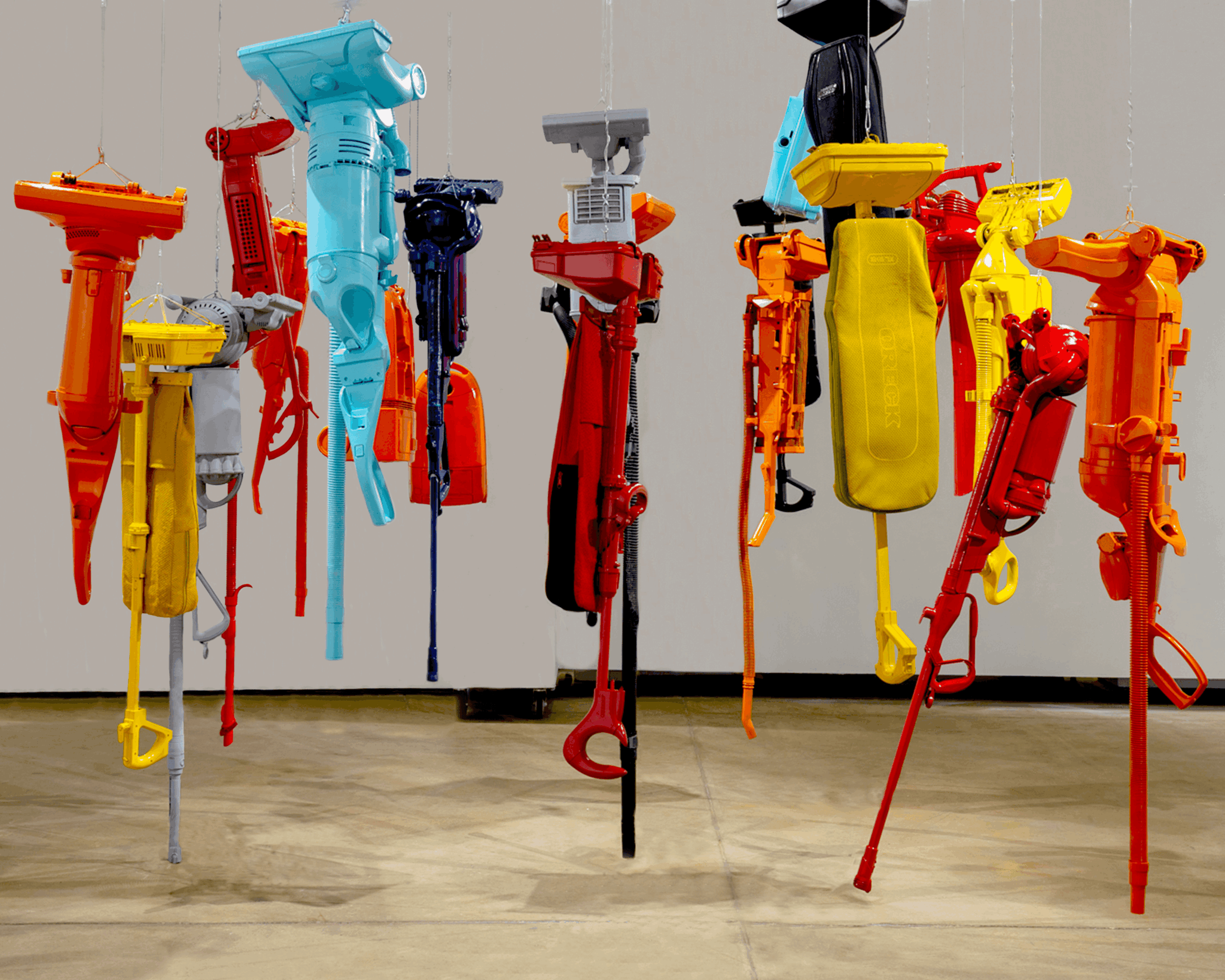
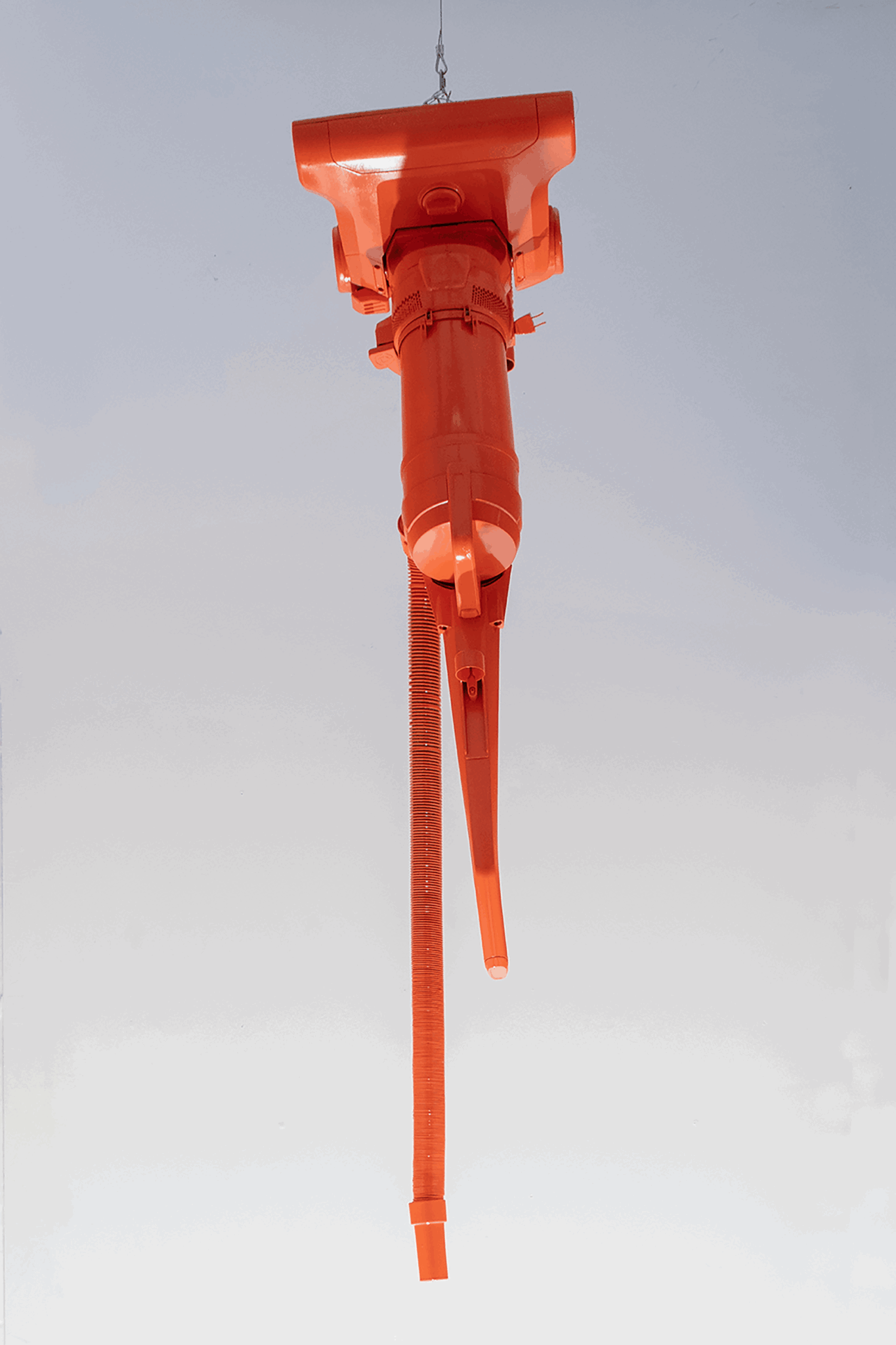
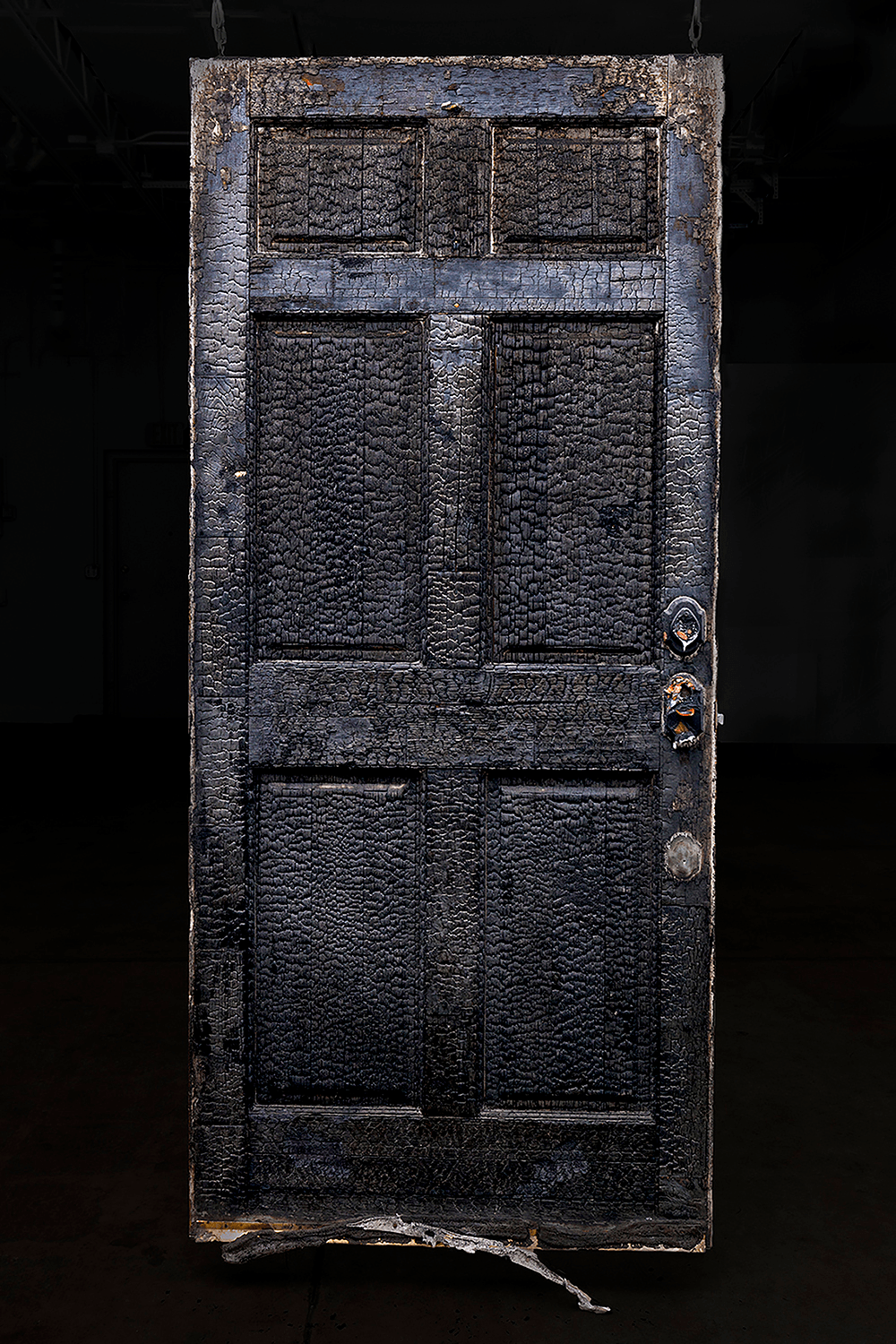
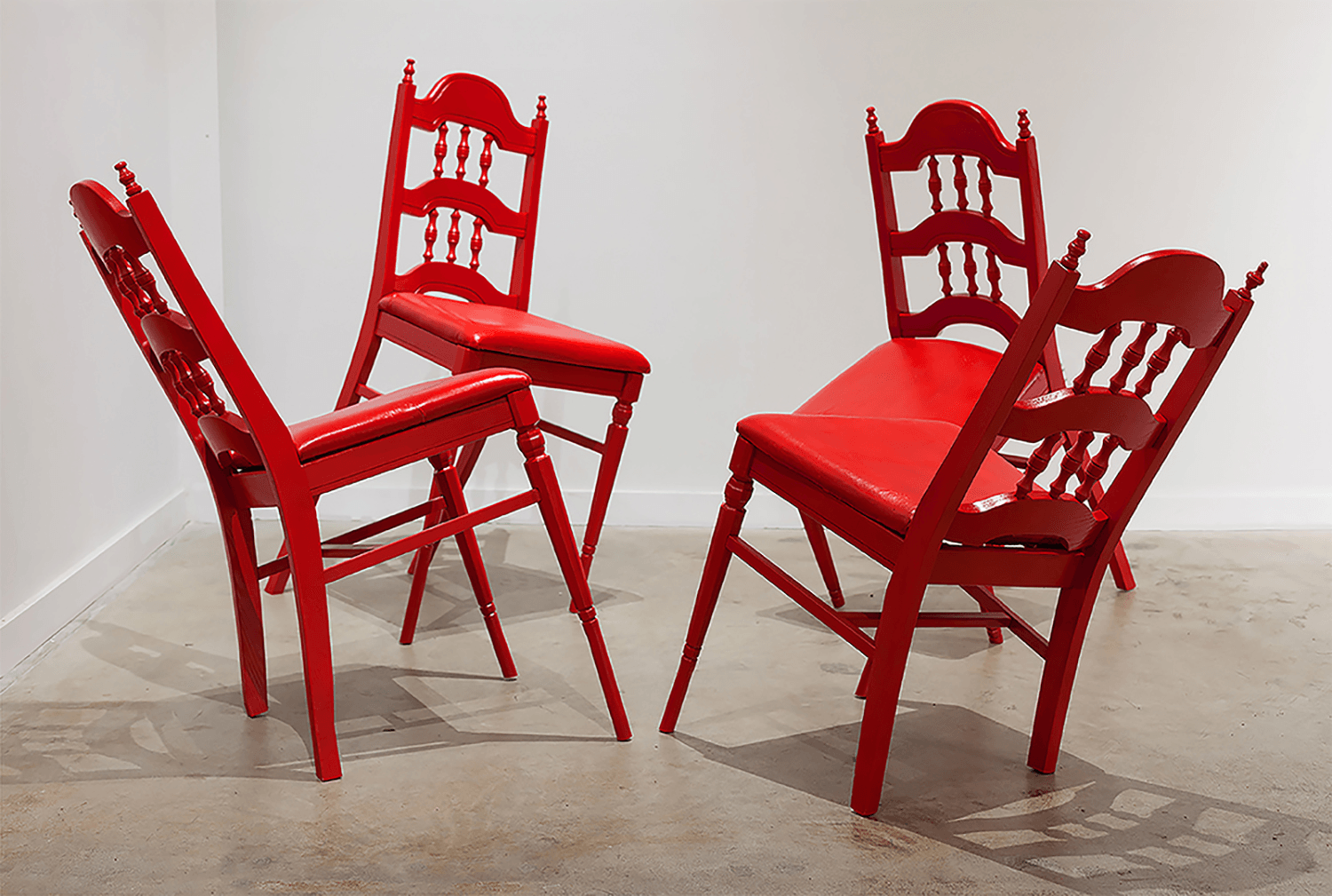
I take a multi-disciplinary approach to creating works of art – it is the idea that sparks the medium. I’ve created large-scale installations, sculptures, small and very large paintings, photography, collage, digital art, various types of printmaking; absurdist ‘artisan gift wares’; as well as video, and sound pieces. The throughline is a consideration of the phenomena of human connection – to self, to others, to nature, to objective truth. I explore ways that disconnection wreaks havoc; causing anxiety, violence, othering and power imbalances. I study the idea of connection too, as a salve and an urgently needed antidote to the prior. The wisdom of nature is often overtly or subversively considered in these studies. Pop cultural references, humor and an absurdist sensibility are peppered throughout my body of my work.
What problems you solve for your clients and/or what you think sets you apart from others.
Something unique about my art practice is that I’m not afraid to feel uncomfortable, be new or bad at something, and jump into the unmastered and untested. This leads to plenty of epic fails and it also generates a certain freedom which manifests in bold innovation, and some of my strongest, freshest work. In terms of commissioned pieces, another feature that sets me apart is that I am reliable. I offer discipline and professionalism developed from my 40 years in martial arts and honed in a career as a Software Development Project Manager on multi-million dollar projects. I take deadlines, contracts, budgets, organization and communication seriously.
What are you most proud of and what are the main things you want potential clients/followers/fans to know about you/your brand/your work/ etc. I’m proud that I create work that is lush, surprising, sometimes a little irreverent and fun to look at. That is one of the most consistent compliments I get at my shows. Something else meaningful to me, is that I create work that resonates earnestly with my given research or area of exploration. I’m not a contrarian and I don’t endeavor to create gratuitously offensive, challenging, esoteric, commercially incompatible or off-putting work for the sake of it. However, if these outcomes are a potential side effect of work that is true to my message and intent, I don’t allow this to change my trajectory. I create for the joy and personal meaning inherent in the process and in harmony with my idea. Once it leaves my mind and hand, it is free for someone else to interpret it as they see fit. At that point, I’m not part of the equation. My hope is that it will generate contemplation that is meaningful to the viewer in their own way. I also take pride in careful workmanship – regardless of the idea or concept, I value work that is professional, visually polished and thoughtfully displayed.
For you, what’s the most rewarding aspect of being a creative?
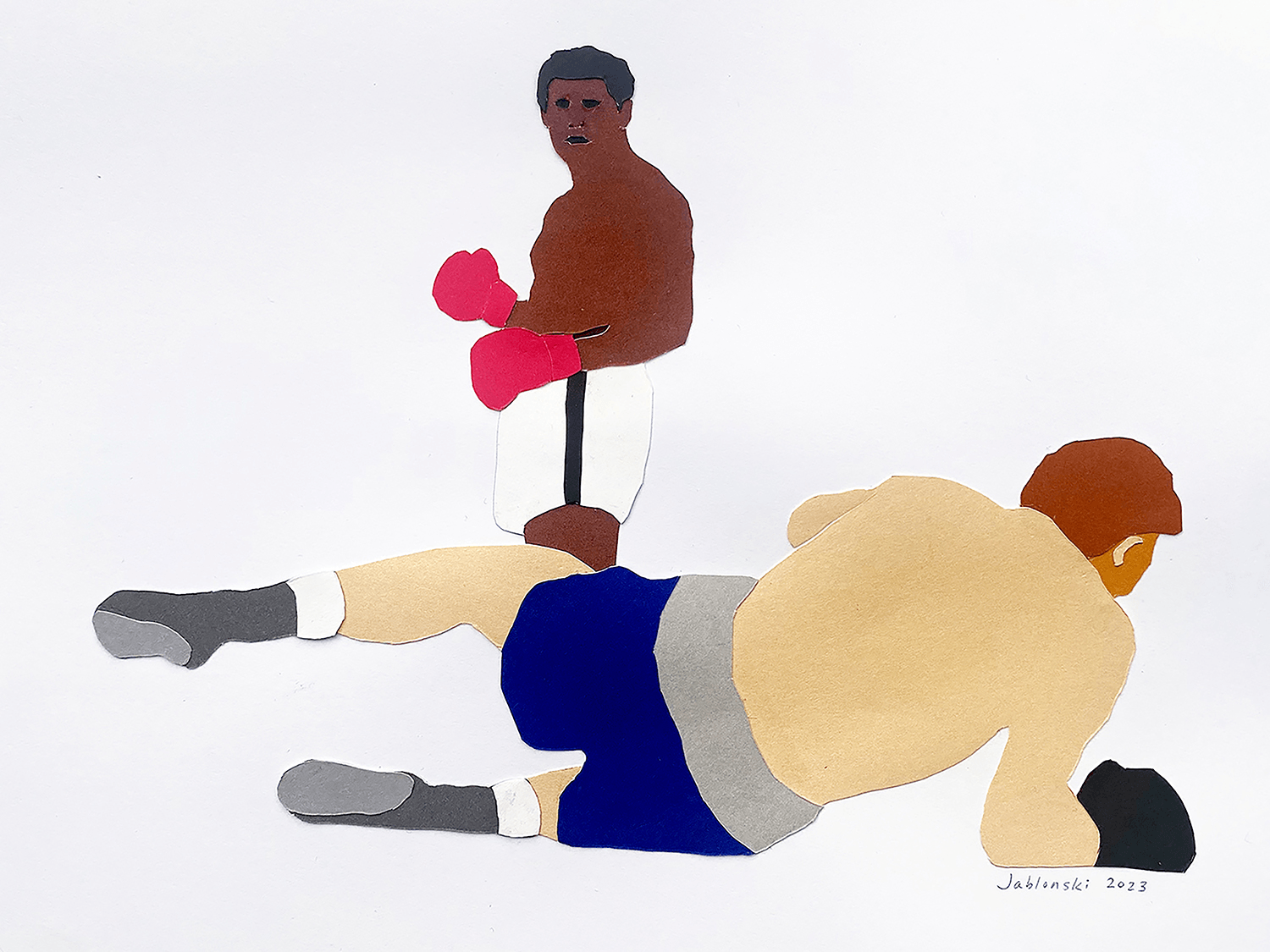
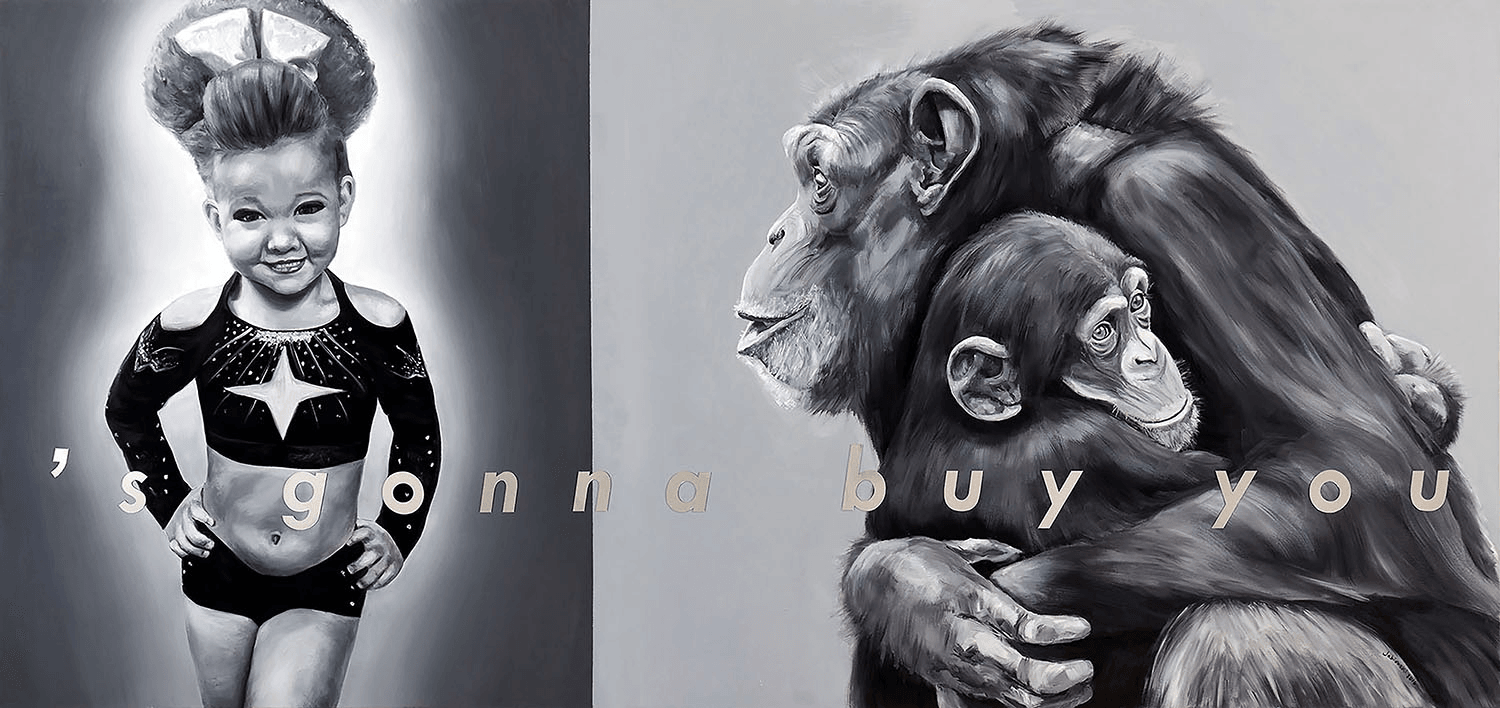
Art is foremost a conversation. Displaying a work of art is not a one-way soapbox monologue but a catalyst for discussion, discovery and sharing. I find it deeply satisfying – necessary even – to create. When I get an idea, an impulse, an artistic craving, I simply have to begin the process of bringing that thing to light in the form of an art object. That process is extremely rewarding. It also helps me make sense of the world and work through problems, challenges or questions that I may have. It’s a gift in self-discovery that is often surprising and revelatory. Equally rewarding, however, are the conversations that follow. The conversation may be in the form of a harsh or favorable critique of the work, or of answering questions and providing information to a viewer, but often these conversations come in the form of me listening to the viewer share something the piece sparked in them, or talking about something seemingly unrelated but which flows intuitively. In front of one of my pieces, I talked with a man for an hour about his professional ski jumping career and we delved into the dynamics of fear and how it relates to performance. The discussion wasn’t about my work directly, but it was brought into being because of the act of showing my work and the freeform exchange of ideas and inspirations that follow organically and unexpectedly. Creativity sparks creativity.
Do you think there is something that non-creatives might struggle to understand about your journey as a creative? Maybe you can shed some light?
That is a really interesting question and underlying premise. I don’t think people can be categorized absolutely as either a ‘creative’ or ‘non-creative.’ Creativity reveals itself in the ways of being in ceramicists and stage actors, scientists, bank clerks and dog groomers. The mark of its presence, as I see it, is not in whether someone beholds some magical innate characteristic, mode or ability, that they either have or they don’t. I see it as an orientation to the world – how one chooses to engage, rather than as a trait that someone has been gifted with or not. Specifically, I see creativity as an emotional and cognitive flexibility – it’s a fluidity of thought, a willingness to consider novel solutions; and it’s most prominent when one is aware of their emotional state and openly allows for emotional experience. Rigidity is the killer of creativity. Rigid values, rigid self-concept, rigid preconceptions, rigidity in range of emotional expression, rigidity in thought processing styles – this makes anyone non-creative. It is the death of inspiration and discovery. The best mathematician or open-heart surgeon or baggage handler or painter is able to devise novel and adaptable solutions to a problem, to the degree that they are flexible. Calcified expectation leads to a dulled sensibility. For artists interacting with people who struggle to understand your art or your journey as a creative, it is helpful to consider this metric. If someone doesn’t get you, your art, or your choice to be a professional artist, it is likely not about you at all, but about the naysayer’s general lack of openness to new
Contact Info:
- Website: https://www.juliejablonski.com
- Instagram: @julie.jablonski.art
- Linkedin: https://www.linkedin.com/in/julie-jablonski/