

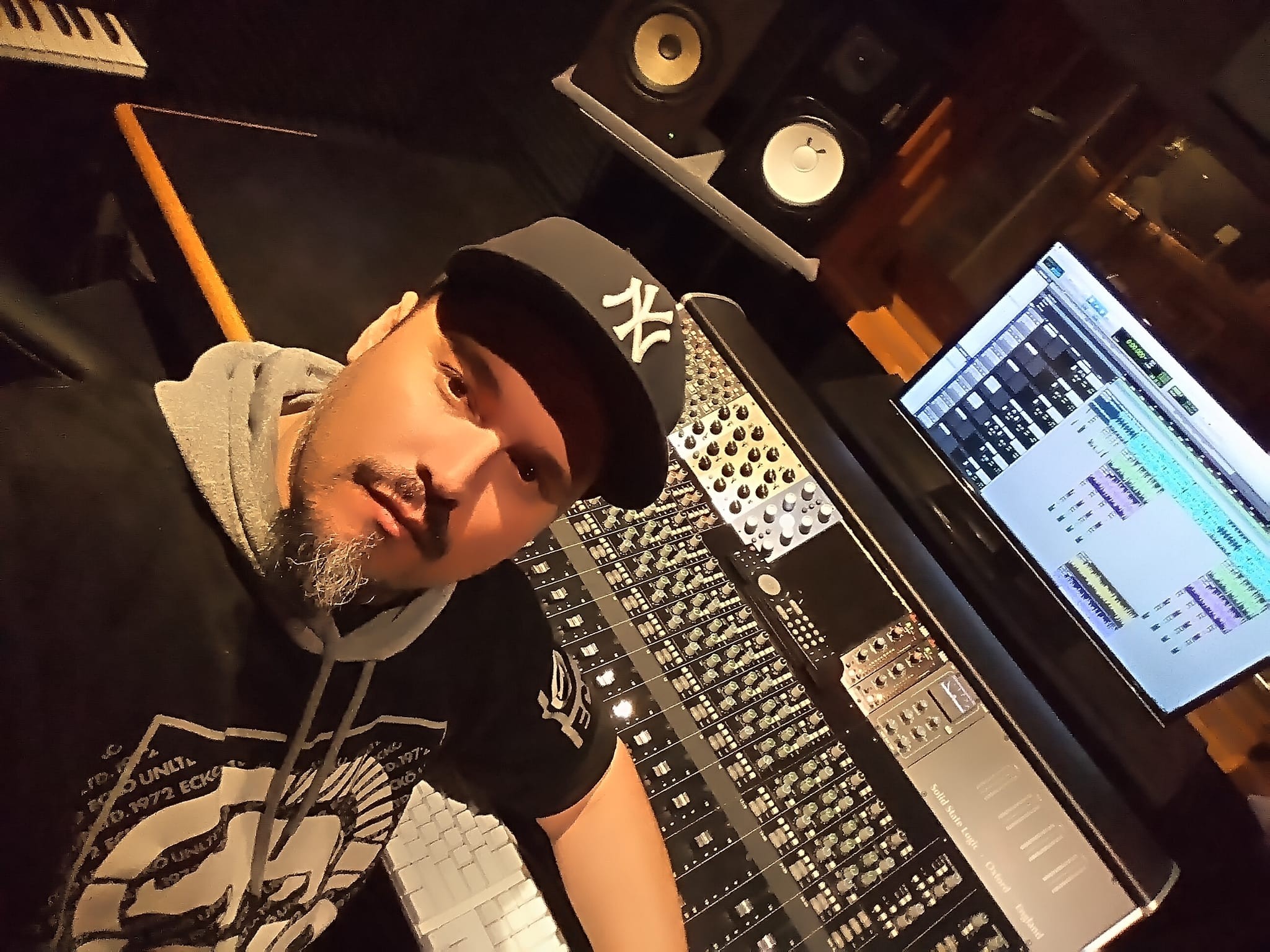

We were lucky to catch up with Jonathan Miles recently and have shared our conversation below.
Alright, Jonathan thanks for taking the time to share your stories and insights with us today. Can you talk to us about how you learned to do what you do?
Music has always been a major part of my life. My Mother and Grandfather fabricated flutes and piccolos and my Aunt and Uncle had their own studio. It was sort of a natural progression into wanting to pursue music in some fashion. In my early teens I was apart of multiple bands and spent most of my time noodling around in my Aunt and Uncles studio. As I became a little older my interest for engineering and production started to take hold. The bulk of my experience came from just being out in the world playing music and learning things as I went. Though most of my technical ability and real education wouldn’t be achieved until much later in life.
I attended Full Sail University and received a bachelors degree in Music Production. School had taken everything I had been self taught and gave it a truly strong foundation. I believe if I had gone to school sooner, it would have definitely sped up the process. Music can sometimes be a very ego driven activity and as a young “Rockstar”, being classically trained was not Rock and Roll ha ha! The skills of letting go of your ego, and being able to look at your creations in an objective manner are the most essential skills. Not having these skills can absolutely hurt your growth.
I can safely say that all creatives are proud of their work and believe their creations are the greatest thing that ever happened. There is nothing wrong with having pride and confidence, but not having an objective point of view can keep you from acknowledging where the strong and weak points lay. If you can be honest with yourself and understand what you’re great at and what needs work, you will instantly have a road map to where you need to go next. These skills are not just effective in creative spaces, but transcend them into all facets of life.
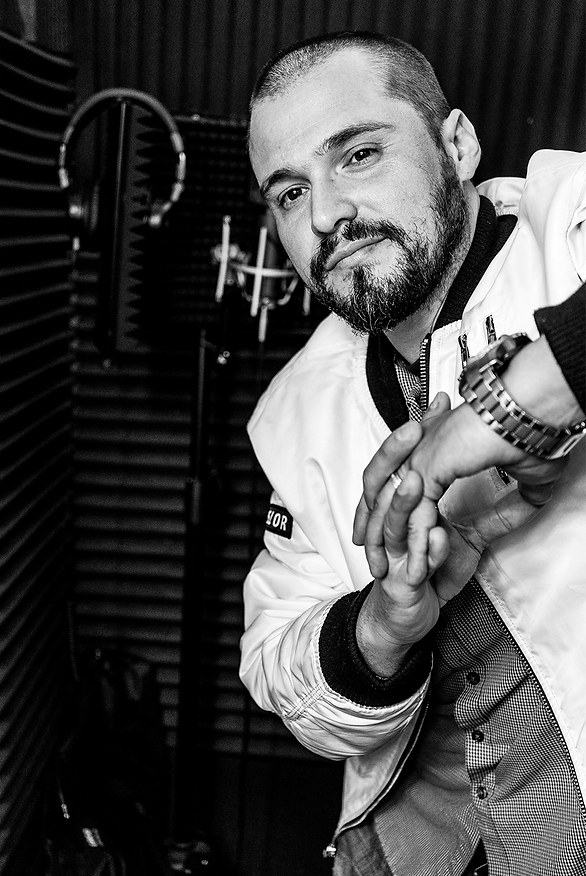
Awesome – so before we get into the rest of our questions, can you briefly introduce yourself to our readers.
For 26+ years I have been writing, producing, and creating records in multiple genres with a focus in Hip Hop. I come from a family of Musicians, recording artists, and Instrument makers, so early on it was pretty easy for me to realize that I wanted to do something within music. I started out like most teenagers wanting to be in bands and become a “Rockstar.” Though that did not happen, it did lead me down the path to finding my place within the arts. I have always been obsessed with finding out how great sounding records we’re made. Being a young musician with not much money to speak of, you find any way you can to create your art and show it to the world. So I started recording myself and the groups i was apart of, needless to say the recordings were a little less than awesome.
Back then, audio equipment was not as accessible as it is today and It was either not very good, or extremely expensive. I Remember making my first recording on a Tascam 4 track tape recorder and a cheap radio shack microphone. That was the moment my obsession began to form. I would think to myself, how do they do it? why do my songs sound so different? What is the secret? Around the early 2000’s audio technology really started to improve and at a cost that was actually affordable for us mere mortals. I started collecting as much as possible and down the rabbit hole I went.
Eventually I found myself hitting a sort of plateau when it came to my abilities and knowledge. I was always self taught with everything I had done in music and felt that I needed mentorship from a professional. I decided to go to school and eventually received a bachelors degree in music production. Boy, did it ever open the flood gates to a world of things I didn’t even know existed! Not only did it give me a solid foundation for the things that I learned on my own, but a complete understanding of the what and the why? I was also shown that there are so many more opportunities in this world to be a professional musician that I didn’t even know about.
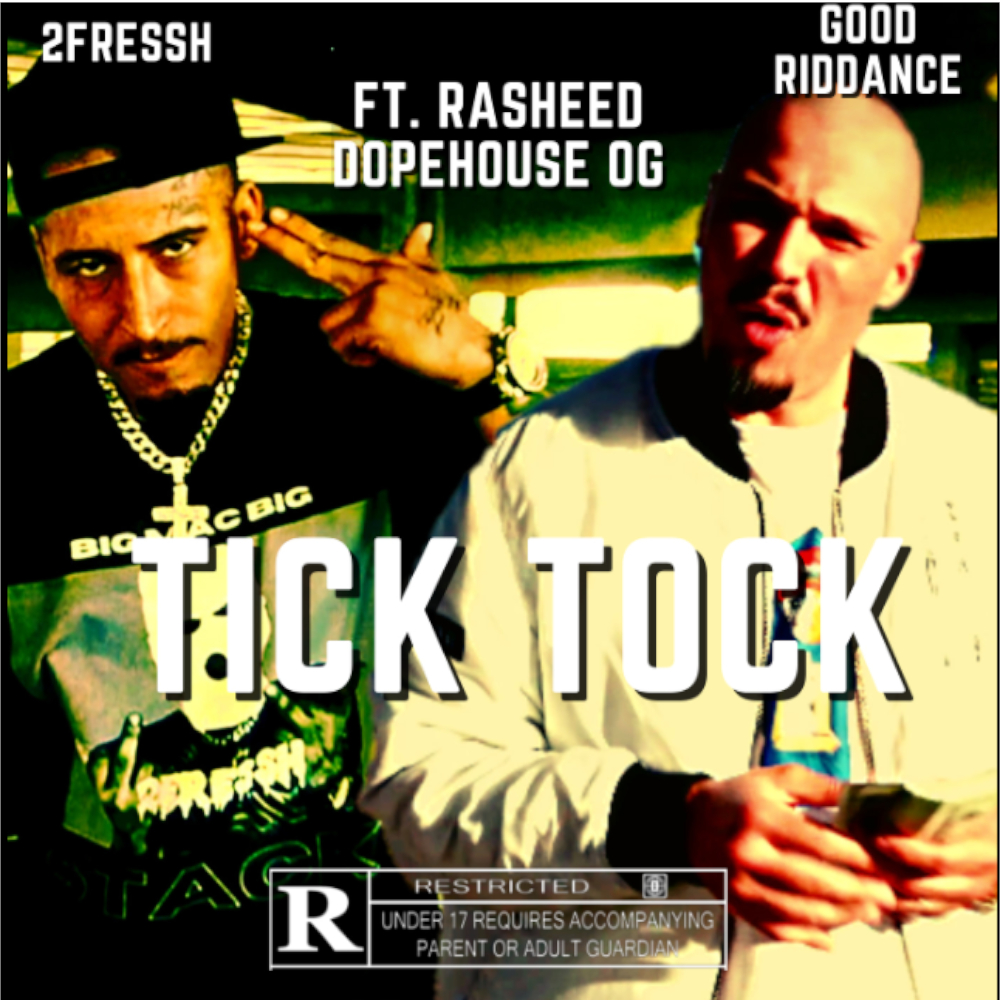
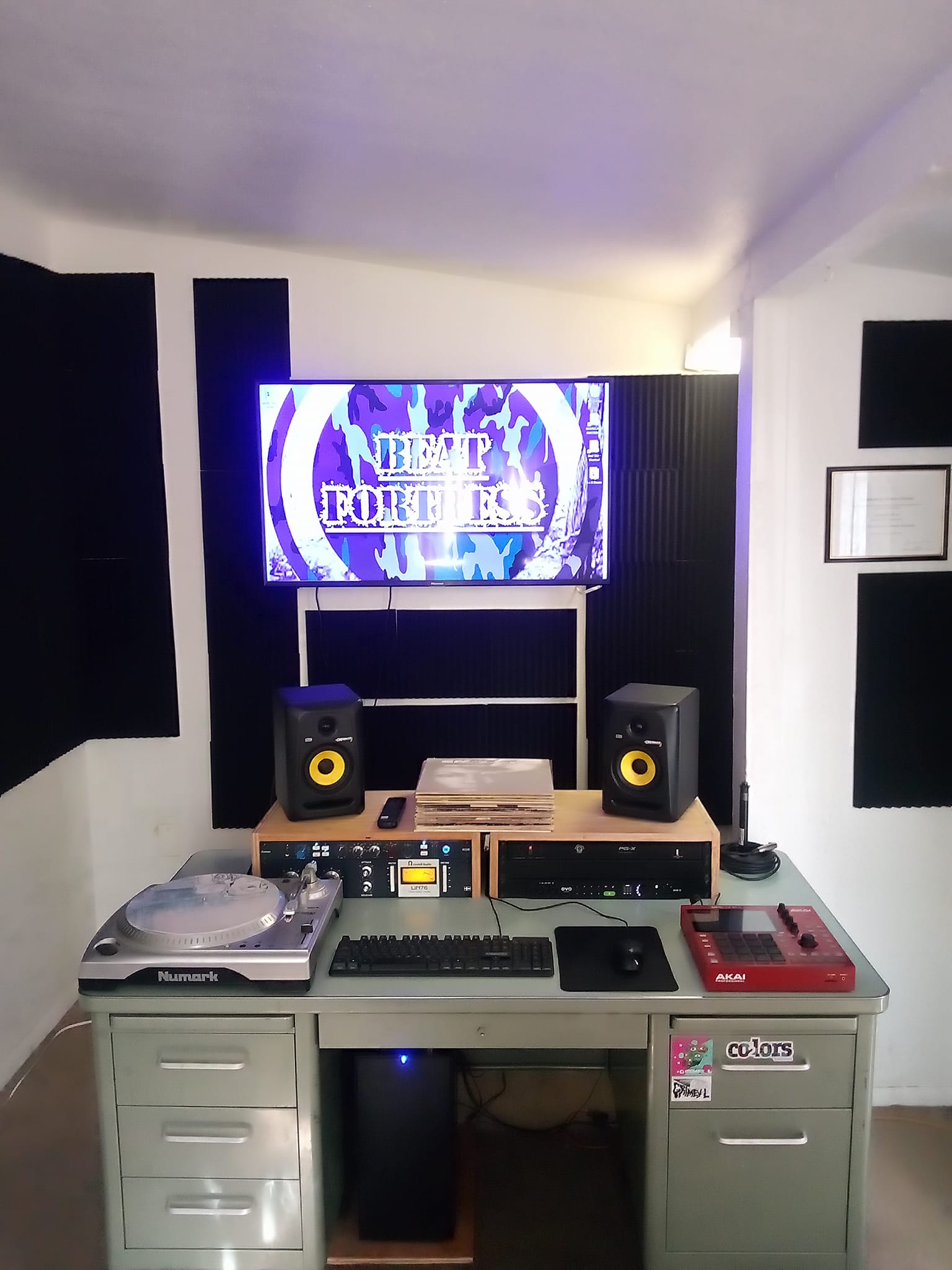
After school I became confident enough in my abilities that I could start offering people my services. So I started recording, producing, and engineering for any artist that I could find. I spend most of my time with up and coming artists that are looking to take their craft to a more professional level, I’ve also worked with some pretty prominent names in the indi circuit. To me it’s not all about the glamour though. Of course we all want to get that next big song with Kendrick Lamar, but to me the most proud moment is every time a client’s eyes light up while playing back their new creation for the first time. I’m so passionate about what music has to offer people and their hearts. It’s given me a lifelong love and happiness and I just enjoy sharing that same passion with others. To be able to help others experience the same joy that music has given me is priceless.
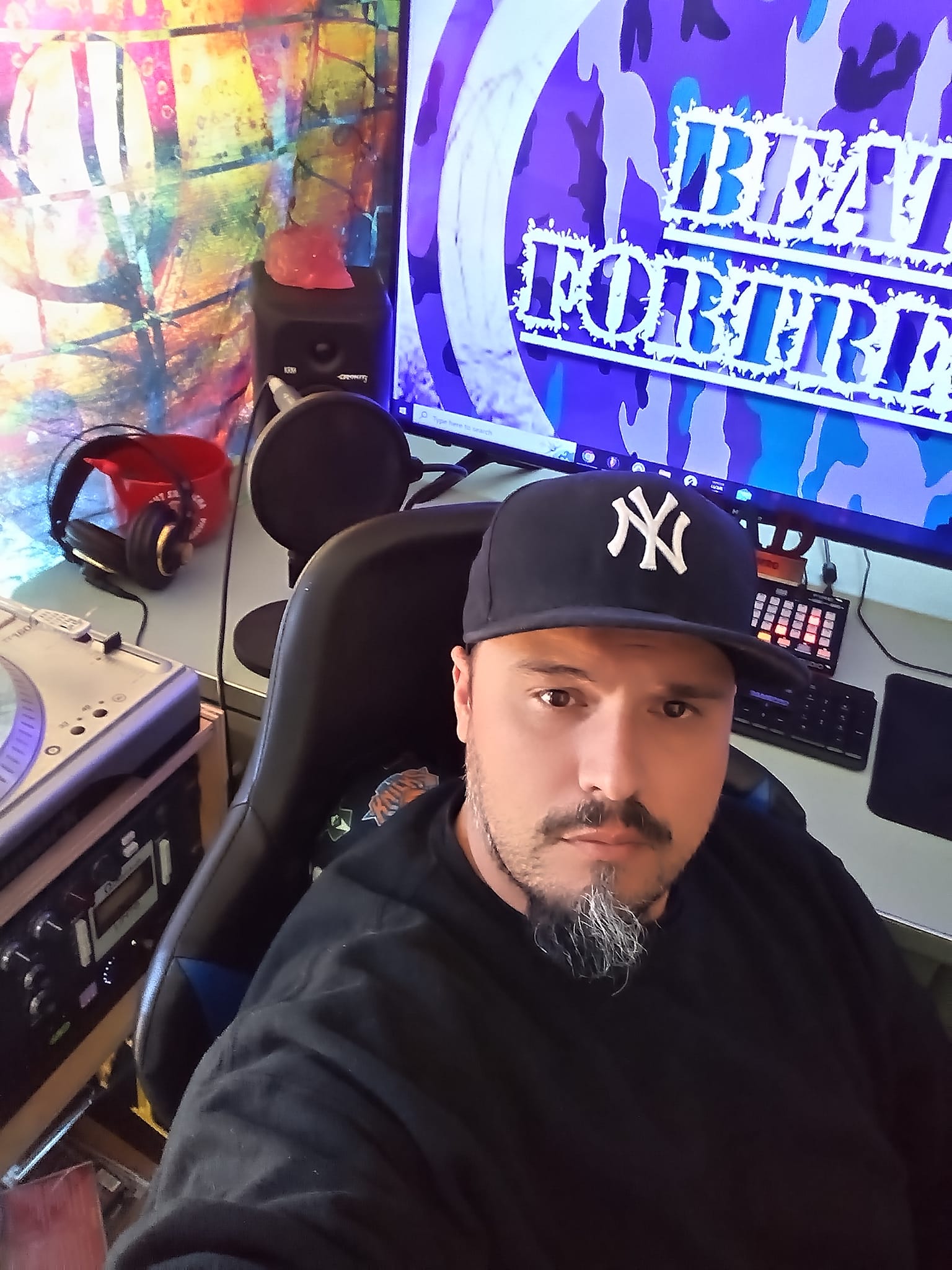
I feel the one thing that sets me apart is that I know what it’s like to be on both sides of the studios glass. I’m an artist and a technician which gives me a unique insight. A lot of artists can be intimidated coming into the studio for the first time or performing in front a complete stranger, I know I was. Having that perspective allows me to cultivate a comfortable place to make art for anyone. If I’m creating a beat, recording, or mixing for a client it’s with love and passion.
How can we best help foster a strong, supportive environment for artists and creatives?
I think real support comes from diminishing popular stigma. One of the most common things I see is people not supporting an artist because they are not famous. If the artist is not on the radio, selling the most records, making a ton of money, or playing the biggest venues, people seem to feel that the artist is an amateur and shouldn’t be taken serious. This doesn’t define how great the artist is or what they have to share with you. It’s an opinion based solely on a personal definition of what success is. A classic example of this is: Parents telling their kids that they need to get a real job and it’s impossible to be a professional artist. They are not talking about creating art, they are talking about monetary security. You can see how that could stifle a creative mind.
How many people were told these kind of things and became some of the most appreciated artists in history. My idea of a successful artist is that they create something that people can enjoy and share that joy with others, not how much money you make. If you enjoy a persons art and it brings you happiness, there is no reason not to be a part of it. Go to a show, buy a t-shirt, subscribe to their social platforms, and share it with your friends. It doesn’t always have to be monetary support either. If you have the opportunity, get involved, ask them if there is anything you can help them with. I happen to be in the musical space, but this doesn’t just apply to music, the philosophy stays the same with any creative space.
What’s the most rewarding aspect of being a creative in your experience?
Really, it just comes down to enjoying the actual process of creating and being part of the human experience that is music. It’s my outlet for everything. I’ve always been a very introverted person and it’s sometimes difficult for me to articulate in audible words how I feel and how to express myself. Music is something that just gives me the ability to release whats inside. You can paint a very complex picture with a single song. A funny fact, being introverted completely disappears the second I perform on stage Ha Ha. It’s a very interesting phenomenon and a testament to the power of music.
Contact Info:
- Instagram: https://www.instagram.com/beatfortress/
- Facebook: https://www.facebook.com/beatfortress
- Linkedin: https://www.linkedin.com/in/beatfortress
- Twitter: https://x.com/BeatFortress
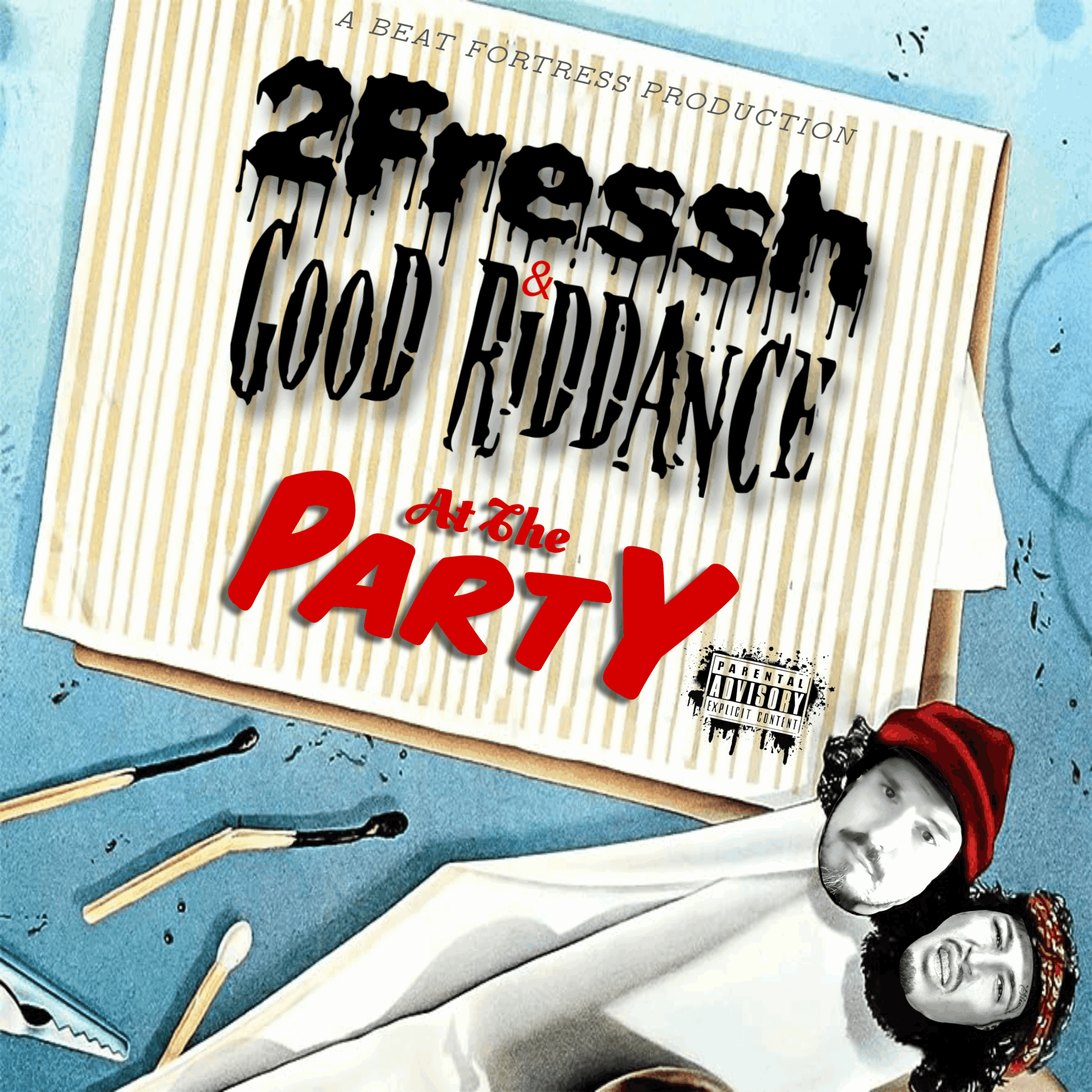
Image Credits
Blues Productions & Beat Fortress