

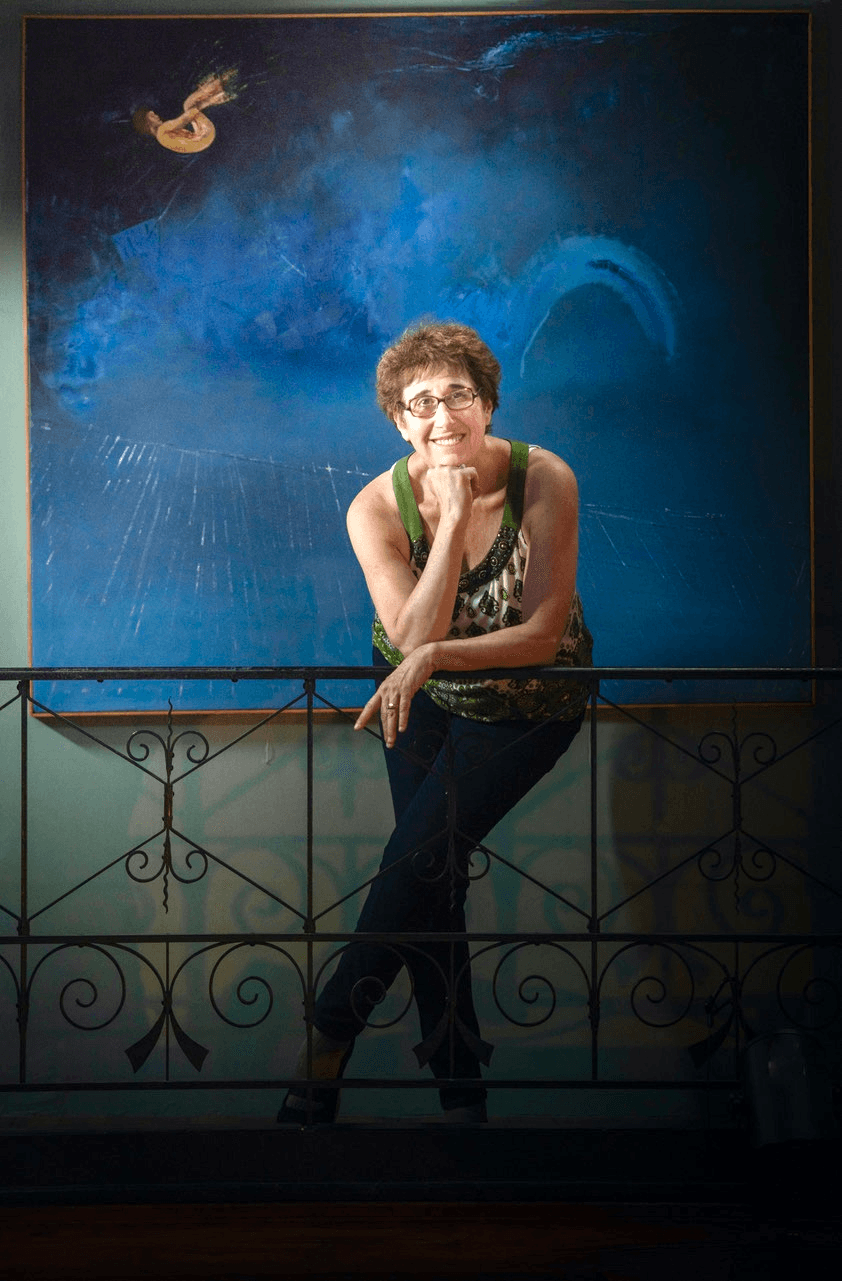

Alright – so today we’ve got the honor of introducing you to Karen E. Gersch. We think you’ll enjoy our conversation, we’ve shared it below.
Karen E., thanks for joining us, excited to have you contributing your stories and insights. Did you always know you wanted to pursue a creative or artistic career? When did you first know?
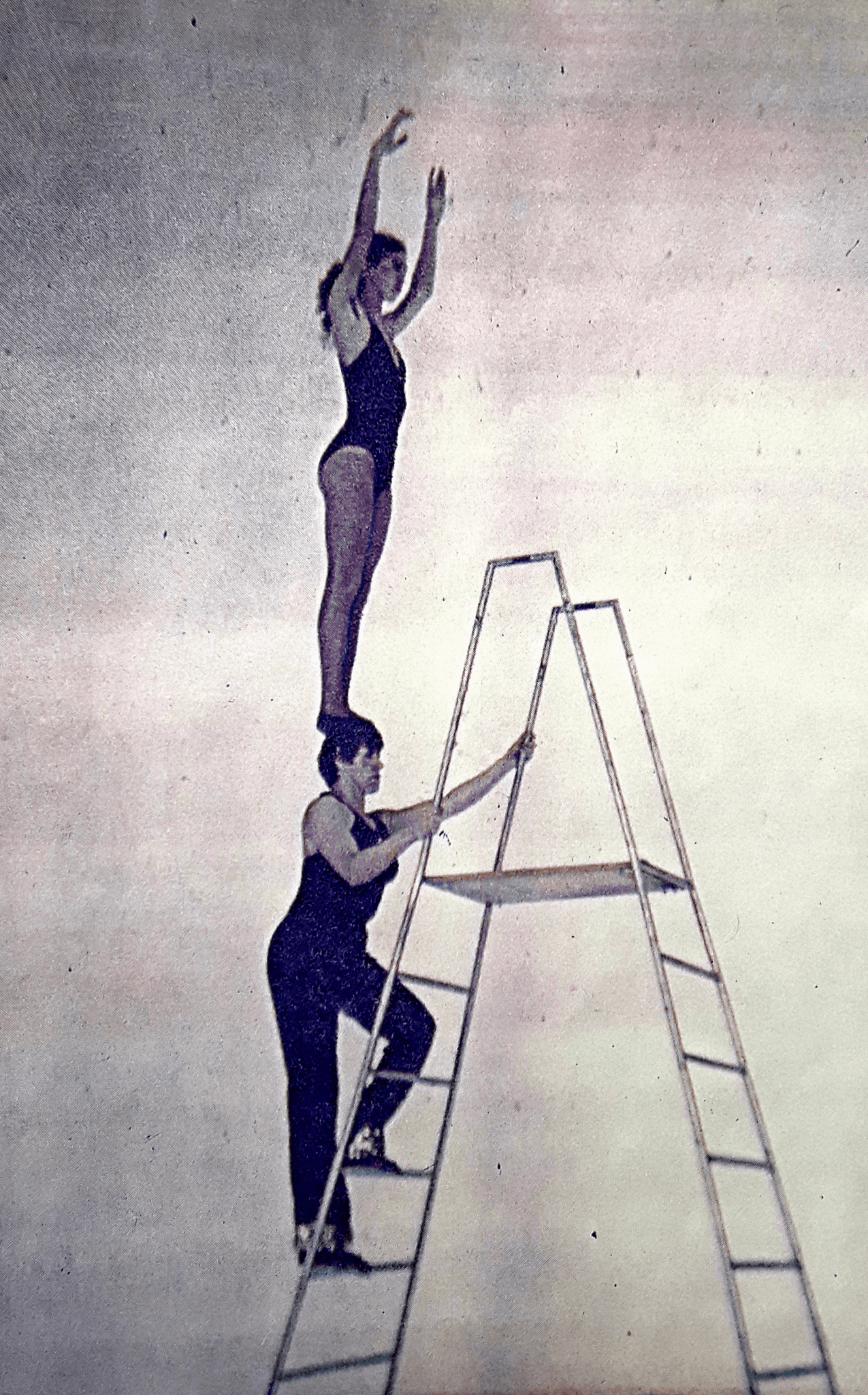
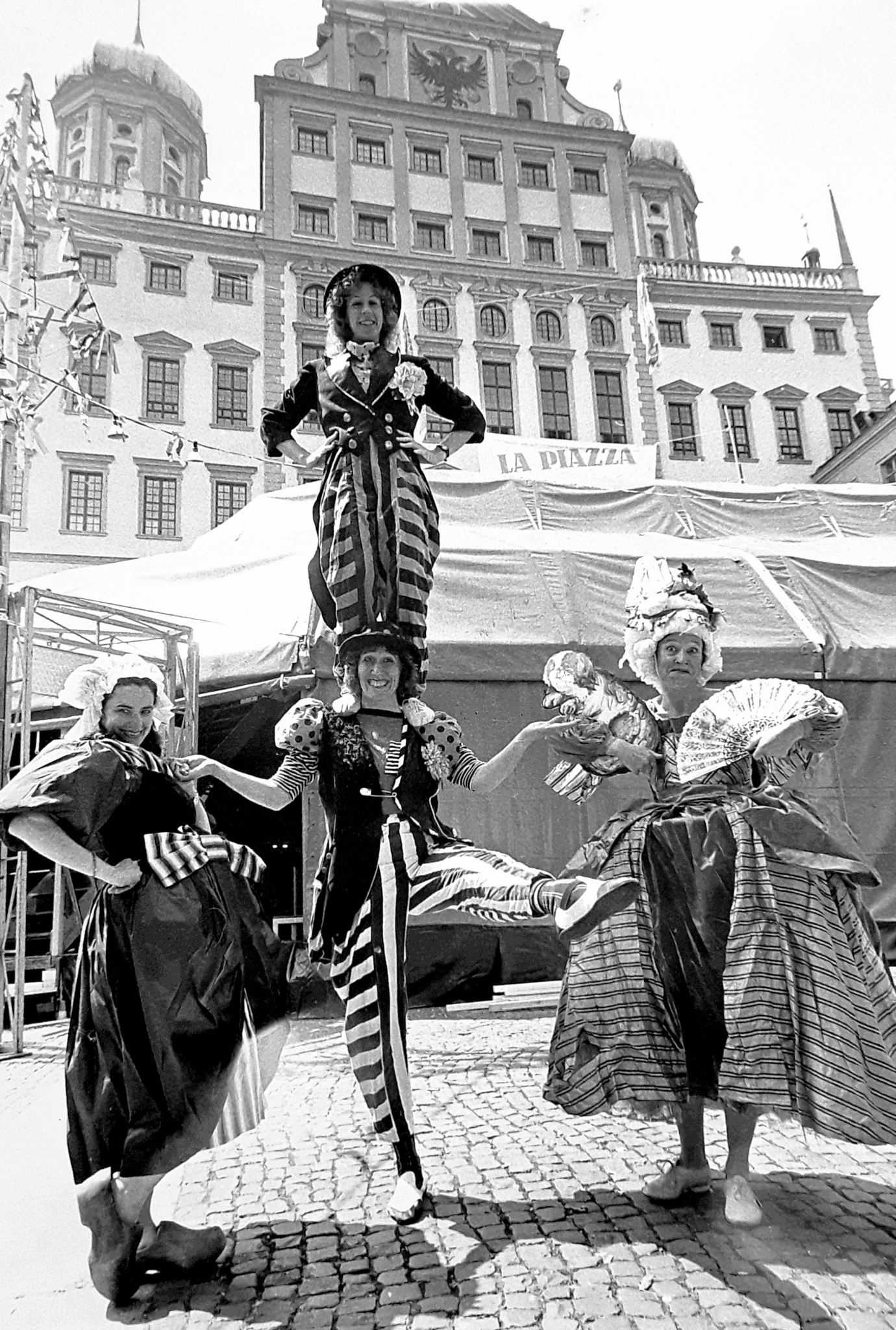
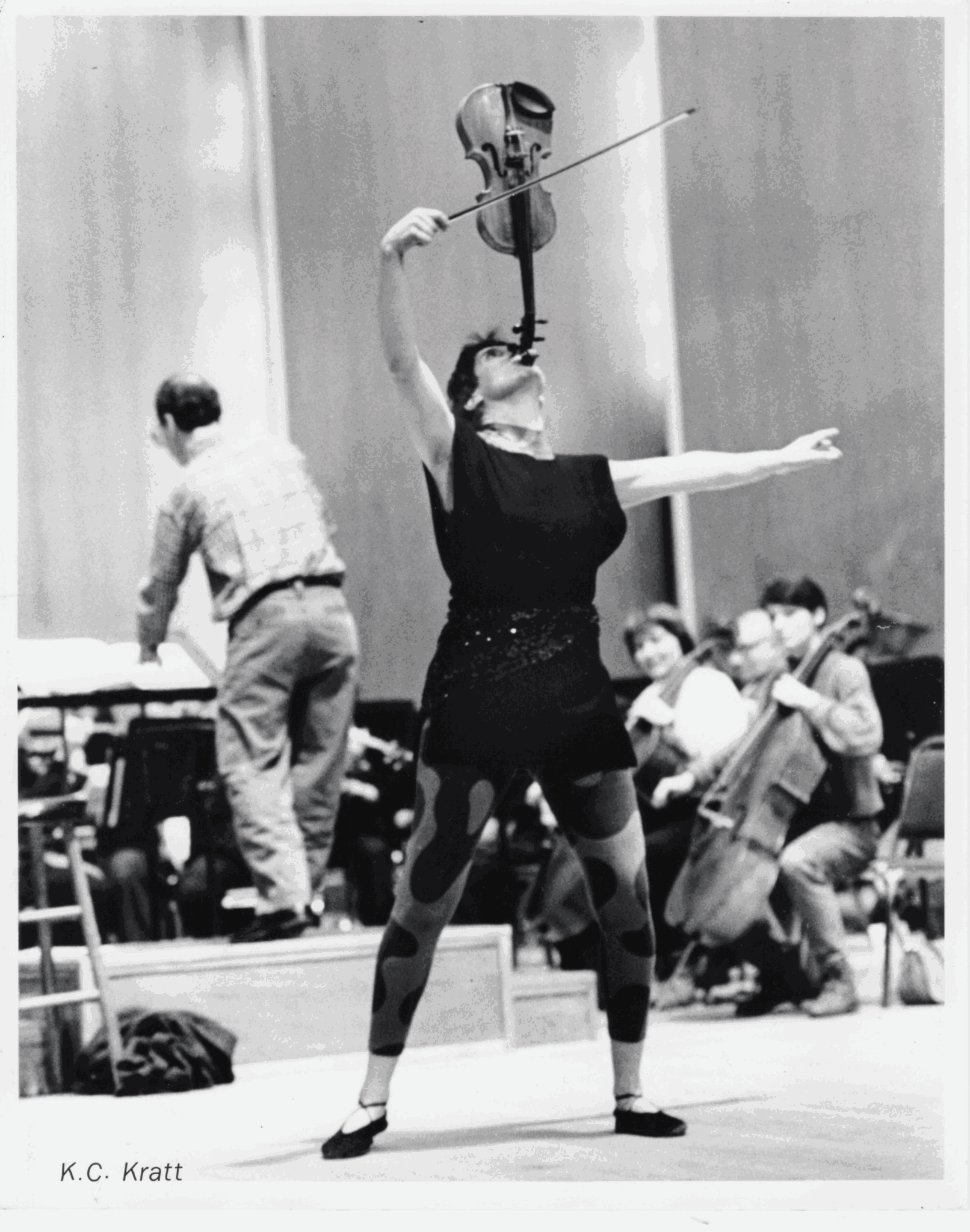
Since childhood, art and circus have served as my primary muses and inspirations, My earliest conscious memories are of drawing. Growing up rurally, it was always from life: nature, scenics, animals, etc. Pratt Institute offered me a scholarship when I was 16, where I learned to paint experimentally and think with my hands and eyes. I was fanatic about working, filling hardbound sketchbooks and oils on canvas day and night. While at Pratt, I pioneered their first Independent Study Program in order to learn juggling and mime.. After graduating (a BFA with Honors), I took ballet classes and studied acrobatics with two Russians from the Moscow Circus who defected to NY. Thus began a lifetime of parallel artistries: performing by day, painting at night. A founding member of the Big Apple Circus, Circus Smirkus and Friendly Bros. Circus, my art supplies traveled with me on tours and shows. As a freelance illustrator for Warner Bros. Records and Henson Associates, I had the freedom to send assignments back, to translate sketches into oils on canvas and arrange art exhibits. I have shown in multiple museums, universities, and large scale galleries. The Big Apple Circus started in my first loft on 17th St. Fifth Ave.; I sold it to tour France with a small tented show. When I returned, I moved into the top floor of a 200 y.o. building on the Bowery, which became my home and studio for 38 years. For 30 of those years, I ran round circus rings with a woman balanced on my head. No longer performing, I use my expertise in seeing “the big picture” and coordinating visual elements to curate art exhibitions and direct physical art productions. I was the Artistic Director for a Circus Concert with a Symphony Orchestra last month, and a book I illustrated was published this spring. I’ve been the recipient of multiple grants for several humanitarian performance projects (Humanitee Tales” and “The Art of Balance”), as well as for one multi-media art exhibition “‘Cause We Be Complicated: Dialogues of Black Artists”. Although history also figures in my present art making, I have come full circle in a return to painting nature, scenics and animals again.
As always, we appreciate you sharing your insights and we’ve got a few more questions for you, but before we get to all of that can you take a minute to introduce yourself and give our readers some of your back background and context?
“To thine own self, be true” has been my personal guiding principle, one that should be utilized by anyone in the creative or business fields. Born to a Jewish family with no ties to circus or the arts, I knew early on where my passions lay and devotedly followed them. At Pratt, I was constantly told to choose between painting and performing; that I couldn’t do both successfully. The moment I graduated, I ran off with a circus, supplementing my touring salaries with free lance work for Henson Assoc. and Warner Bros. Records. I’ve never stopped “juggling” my multiple careers, and they have provided well for me ever since. Besides helping found 3 circuses – performing for years in each – I created my own non-profit physical arts theater, taught circus arts to youth, teens and professionals for four decades, conceived and directed multiple theatre productions (some through state grants), ran a Circus/Variety Series on a showboat in New York’s harbor for sixteen years, and directed circus concerts with philharmonic orchestras. I’ve illustrated several books – one just published this spring – and curated large scale multi-media art exhibitions in galleries and cultural centers. I am known for my rapid line drawings from life: capturing the politics, culture, life styles and humanity of both NYC and my global travels. It is these that I hope to publish next in a book of my own. Linking both worlds I love, I developed a visual (slide show) lecture: “A Brush with History: Art in Circus & Circus in Art”, that’s been presented in several museums and universities. Painting is an habitual and centering place for me; yet there is a shared integrity between art and performance. One informs the other; both evolve from learning how to work from the heart.
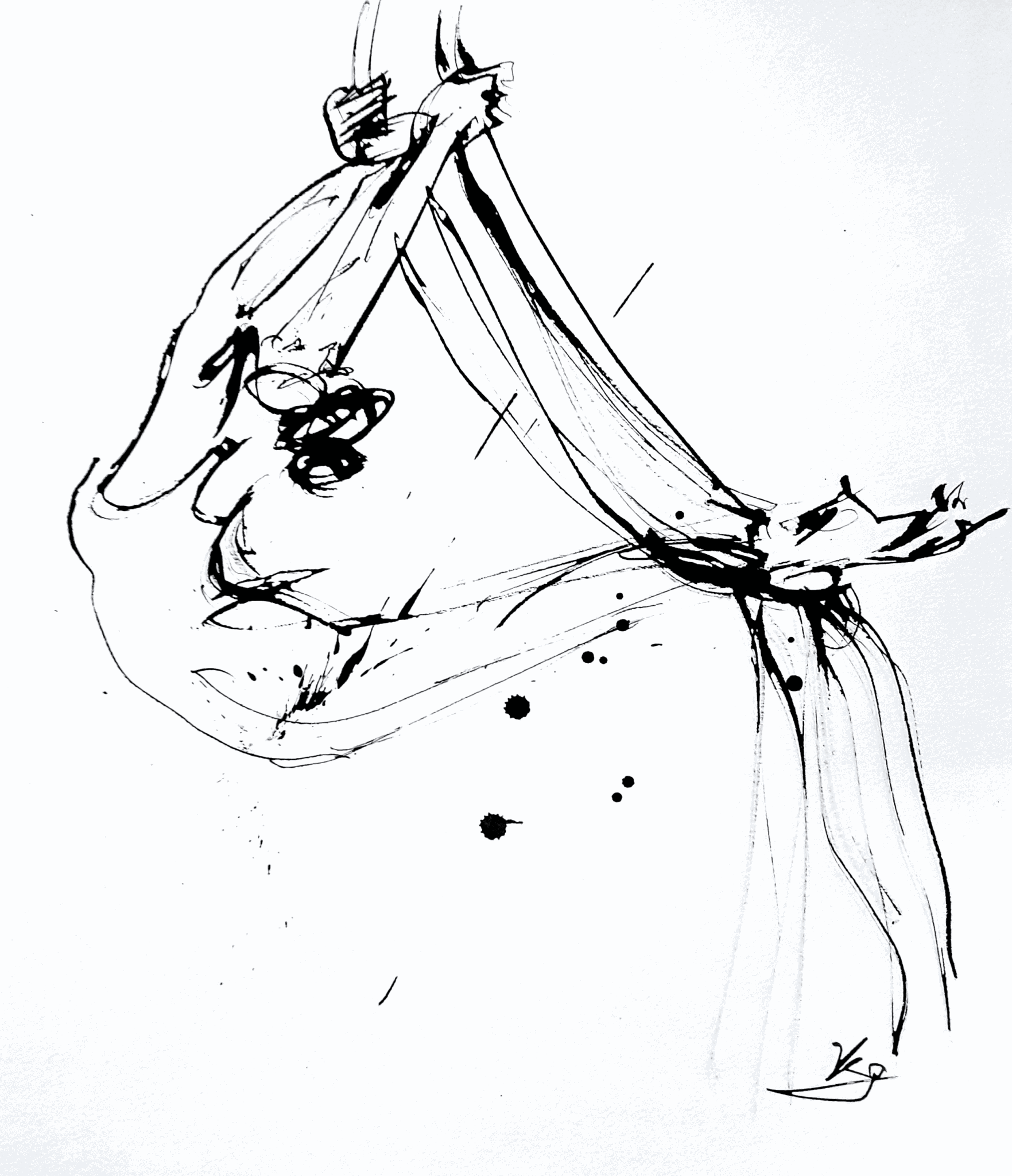
Can you share a story from your journey that illustrates your resilience?
When I first moved into my large, unheated loft on the Bowery with my then acrobatic/juggling partner, Jessica Hentoff, it was a barren, grungy neighborhood where bums still slept in dark doorways (including ours), begging by day on Houston St. two blocks away. We were in our second year with Big Apple Circus and one of our acts “Les Kooks” had us juggling knives, forks, pots and potatoes. The 2,000 sq. ft. loft had been abandoned by its previous tenant, who left all his belongings and vast collections. Jessie and I made a deal. She, who detested any form of housework, paid the rent and for all the supplies. I would clear, renovate and paint the loft. The ceilings were 14′ high and we had no ladder. So I talked a fellow circus student into standing on my shoulders with a paint roller while I ran her up and down the expanse of the room. As a “porter” (a balancing acrobat who held others up), my strength also enabled me to carry hundreds of cartons and debris down four flights of stairs to empty the loft. It was worth the effort: it cleared a 30 ft. expanse of wall for me to use as my painting studio. We hung a trapeze in the dining area, and mats covered the uneven wood plank floors. Our first nights, we realized we had no furniture or housewares. So after every evening show, we snuck our juggling pots and utensils back to the Bowery, cooked and ate with them, then returned them (washed), to our dressing rooms. Our Russian teachers, had they discovered, would have been furious that we used special props for our meals. We gradually got furniture – mostly donated or salvaged from the streets, but when it got colder out, we had only a small wood-burning stove for heat. I would wait till Jessie went to sleep in her garret upstairs to break apart one of the chairs and feed the stove, so I could keep painting. Invariably, every few days she would ask: “didn’t we used to have more chairs?”
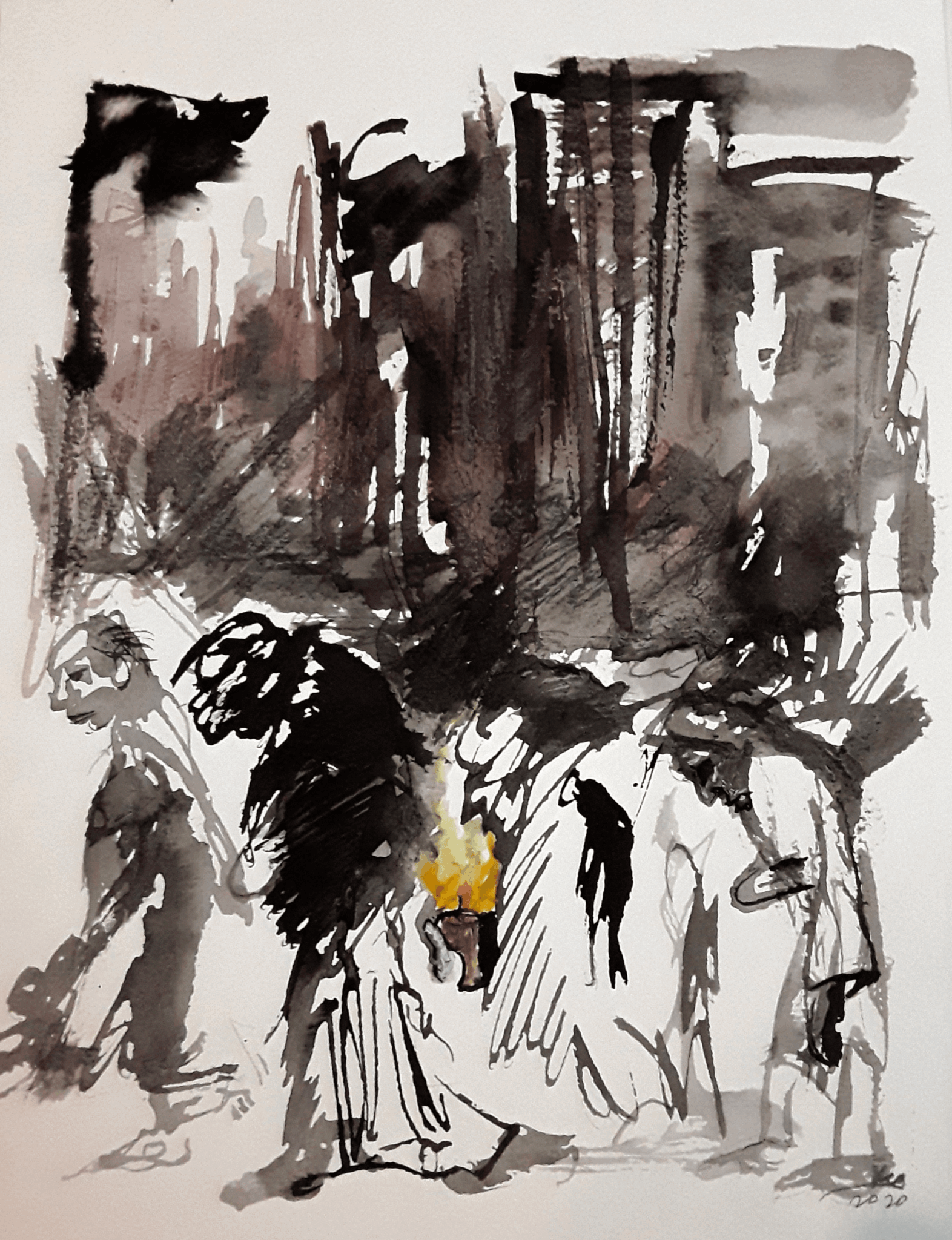
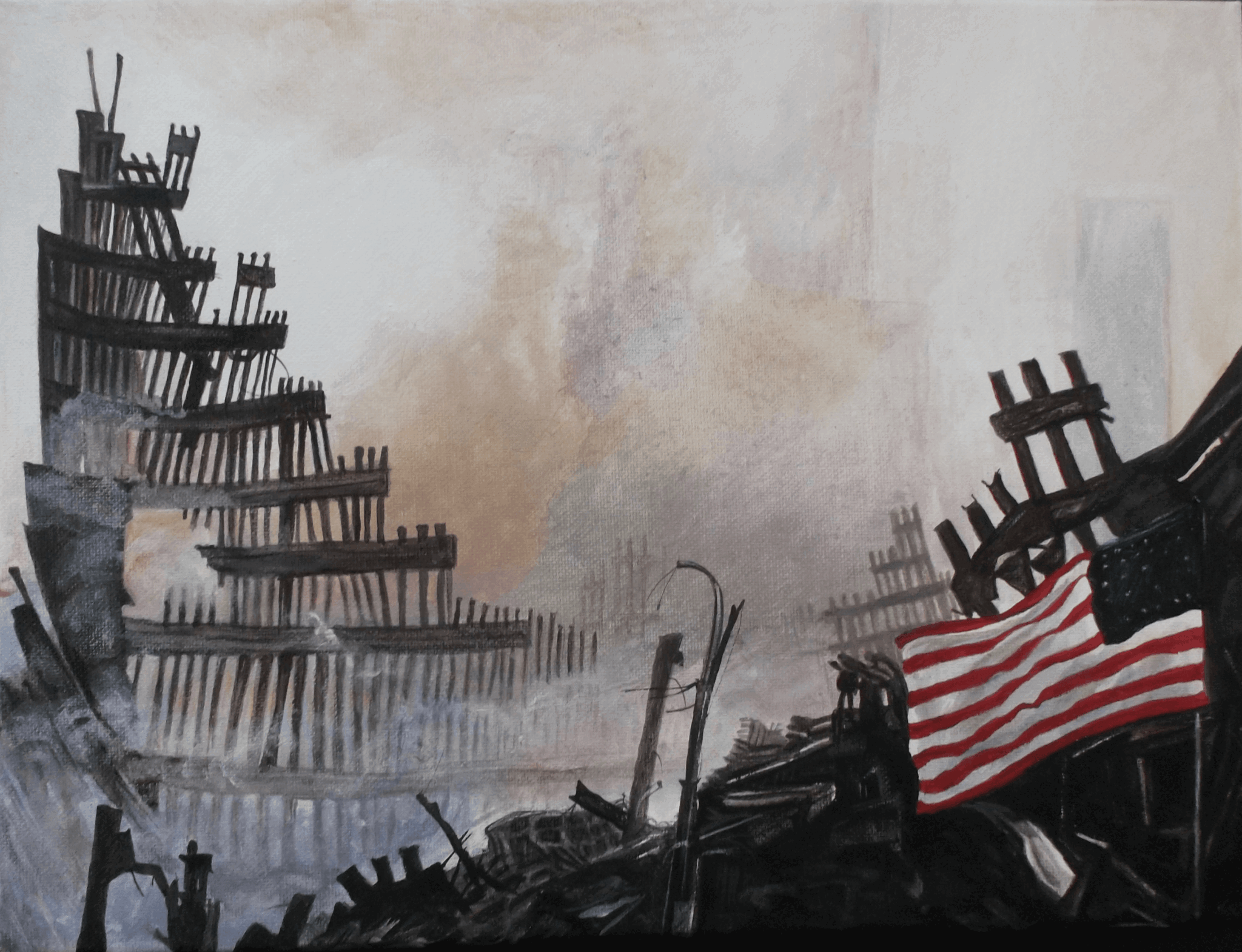
What’s the most rewarding aspect of being a creative in your experience?
The most rewarding aspect of being an artist: the learning process that is perpetual. I am still and always realizing new ways and methods to approach, improve or expand my working process; be it visual or in terms of a production or event. Clearly, technology has played a vital role in the education and management of creativity, particularly in regards to promotion and marketing. A secondary aspect of note: the liberty and freedom to design my own working life (as opposed to a mundane 9-5 job). Ironically, my way exacted a far harder schedule: manual labor. Everyday delivering several full-length shows of demanding acrobatics then staying up till 3 AM to finish a graphic project or commission. But I loved the physical essence of the work and the sense of being in command. I was further fortified and affirmed by the reactions of our audiences or of the client on seeing my finished product. Youth is golden; I can no longer do all-nighters, although the trance that still envelopes me when I am caught up in a painting, still makes me lose all sense of time. My athletic training and a born, maniacal energy infused my days and nights as a creator. One has the sense, not just of purpose, but of a specialized purpose, a serving of self that matters. With age, comes terms of moral duty, wherein creating serves as a voice. History intrigues me: origins, backgrounds and starting points; how we’ve grown, developed, elevated our understanding and ancestry. Accordingly, in the past few decades, my work has taken on civic and humanitarian issues, current events, political topics. One cannot make art blindly, without clear reference to the world around us. It has become an added pleasure – expressing on pages, canvas or onstage, what is essential and divinely relevant. Art has always spoken out for those who cannot. With so much justice and injustice evident today, it is a crucial role and mode of deliverance.
Contact Info:
- Website: https://www.artbykarenegersch.com
- Instagram: humanitytalesbykeg
- Facebook: www.facebook.com/artbykeg www.facebook.com/artofbalancebykeg
- Linkedin: Karen E. Gersch
- Youtube: https://www.youtube.com/watch?v=d-p015U7vY4 https://www.youtube.comwatch?v=KO9iEDLeZjI
- Other: keg370.wixsite.com/mysite
WordPress: humanity tales.blog
https://www.youtube.com/watch?v=CR4uXgQo00
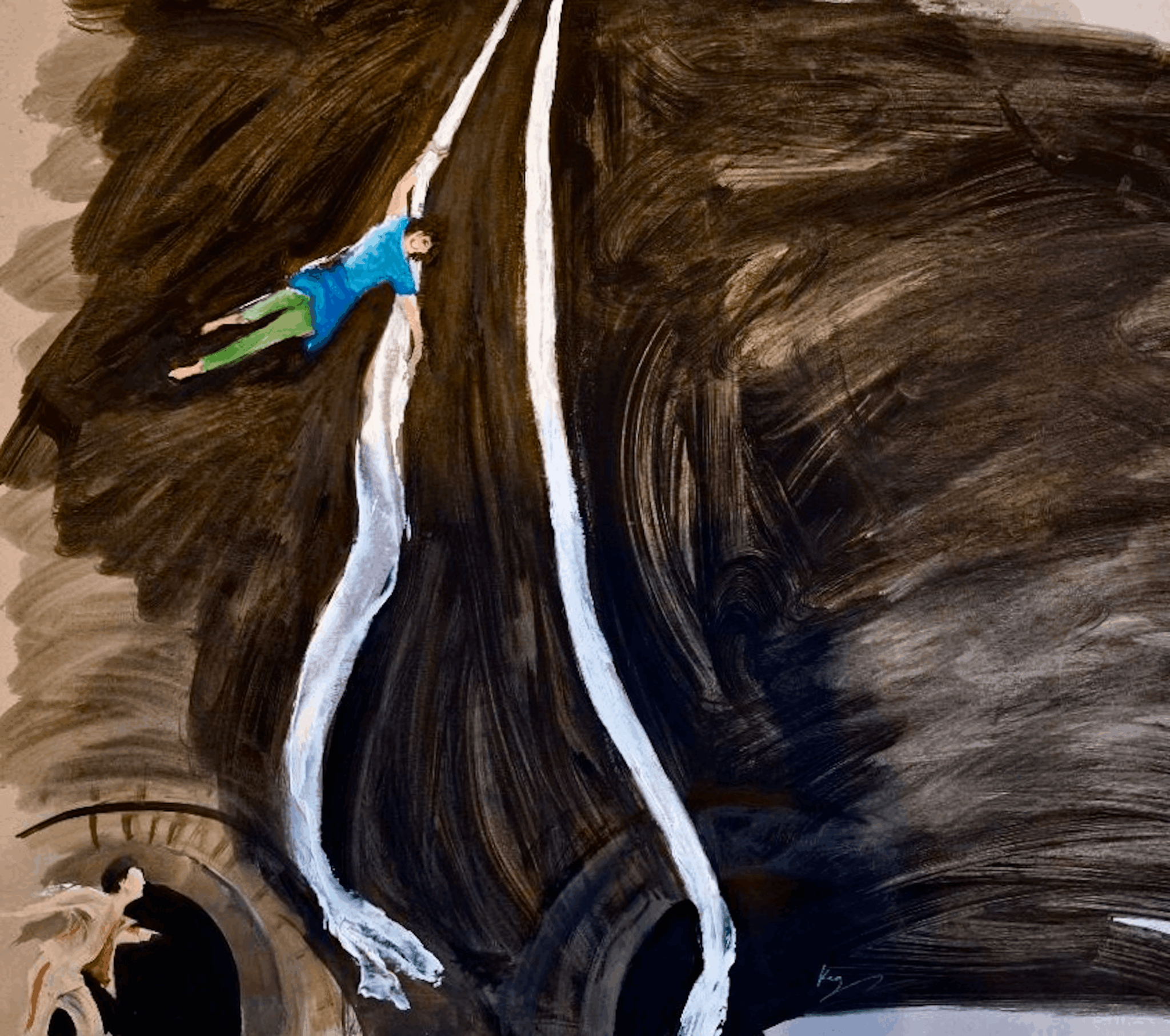
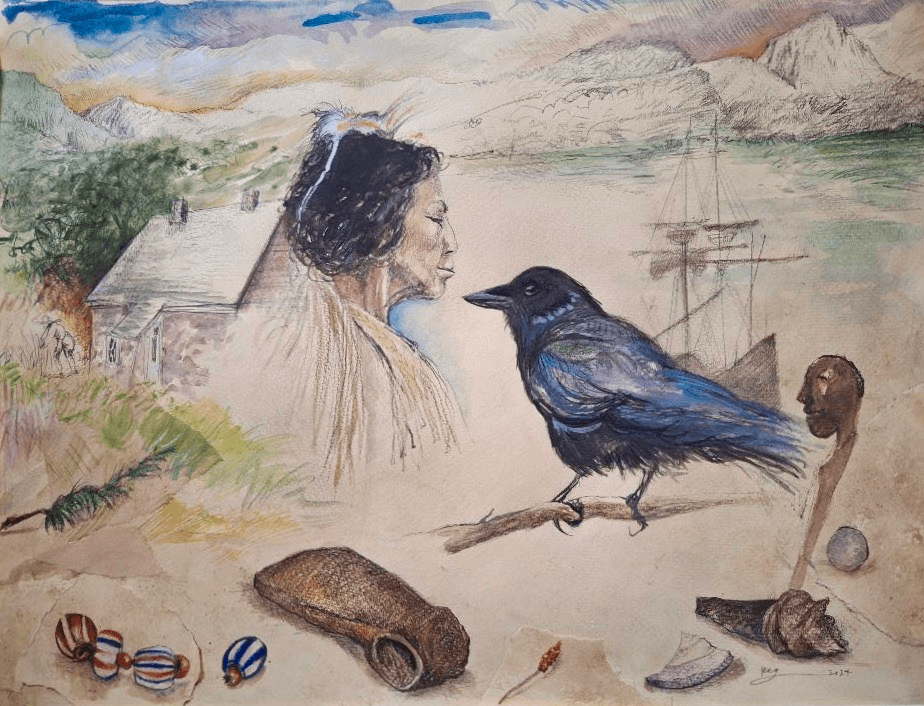
Image Credits
Simon Narborough/Fotocache (bio photo)