



Alright – so today we’ve got the honor of introducing you to Kimberly Wilkerson. We think you’ll enjoy our conversation, we’ve shared it below.
Kimberly, thanks for joining us, excited to have you contributing your stories and insights. How did you come up with the idea for your business?
In 2008, I graduated with a Master of Science in Speech-Language Pathology. Although I had rough sketches of dress designs in the margins of my grad school notes – knowing that I wanted to launch a fashion company at some point – I would work as an SLP for the next 16 years.
During this time, I took art classes (I lacked drawing skills) and studied elements of design and the industry of fashion. I also became an expert in communication disorders and loved studying the accompanying fields of neuroscience and positive pyschology.
When I knew it was the right time to begin prototyping a fashion line (2021) and began my brainstorming process to develop the first line I would launch, I scoured the designs and notes from the previous decade and a half. And I saw words, words, words. Yes, sketches and color and even textures were in my files. Yet, words trumped the pictures. The need to explain my designs (again, my drawing skills were lacking) were expressed in words. AND, I noticed positive words and expressions surrounded various designs and wound up on doodle sheets. Perhaps, my inept skills in drawing paired with my innate desire to, in spite of my subpar drawing talent, create and use color and texture and just simply make something beautiful, was the catalyist for all these smattering of words.
And knowing the power of language – of words – I determined I needed to fuse “the pen” and fashion. My goal was to uplift and edify women and help transform mindset. I wanted a fashion company that instilled collaboration and goodness, not competition and division. I wanted to take the everday cursory task of putting on clothes and create an experience that changed the mental and emotional states of others to the point of action in reaching their potential.
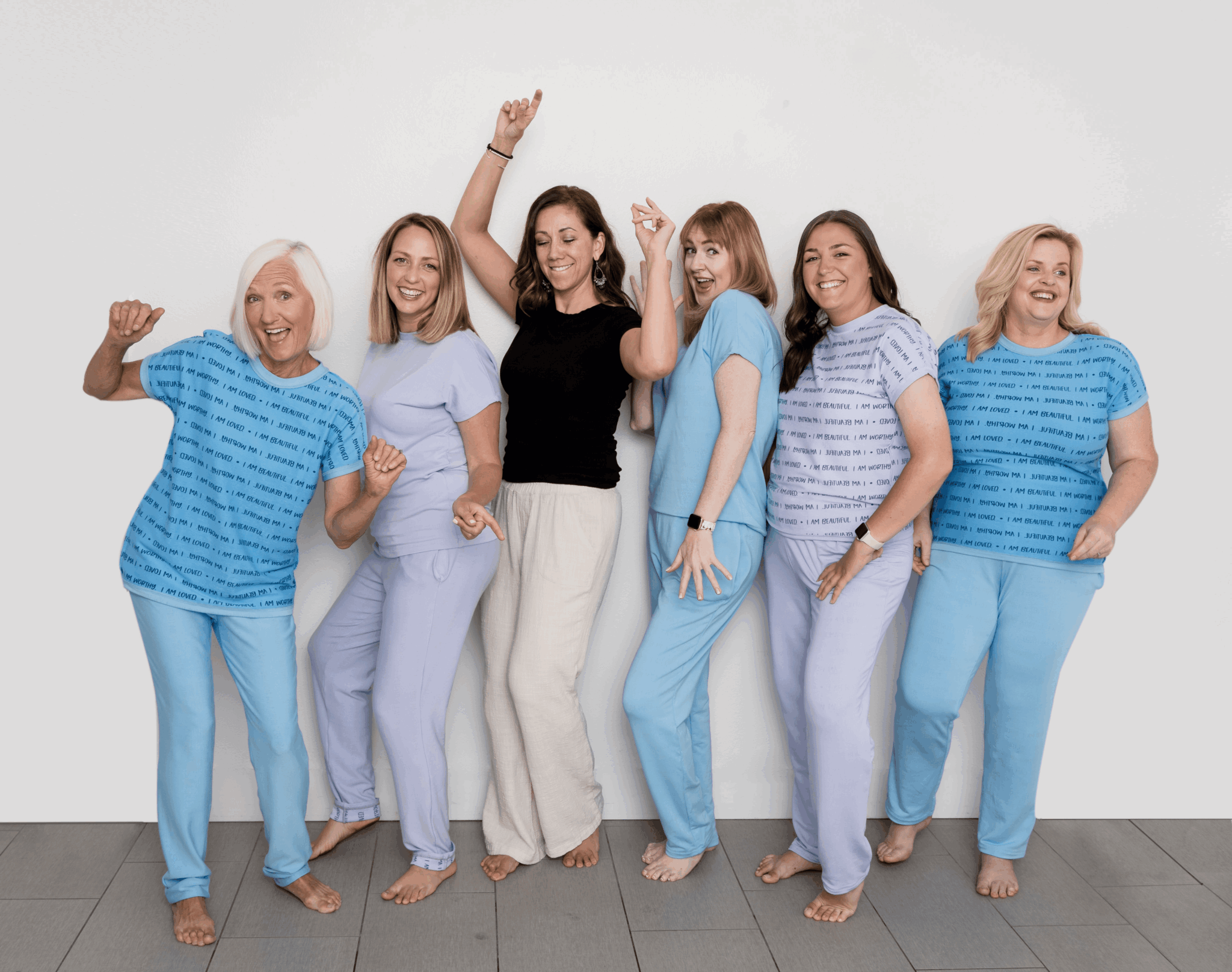
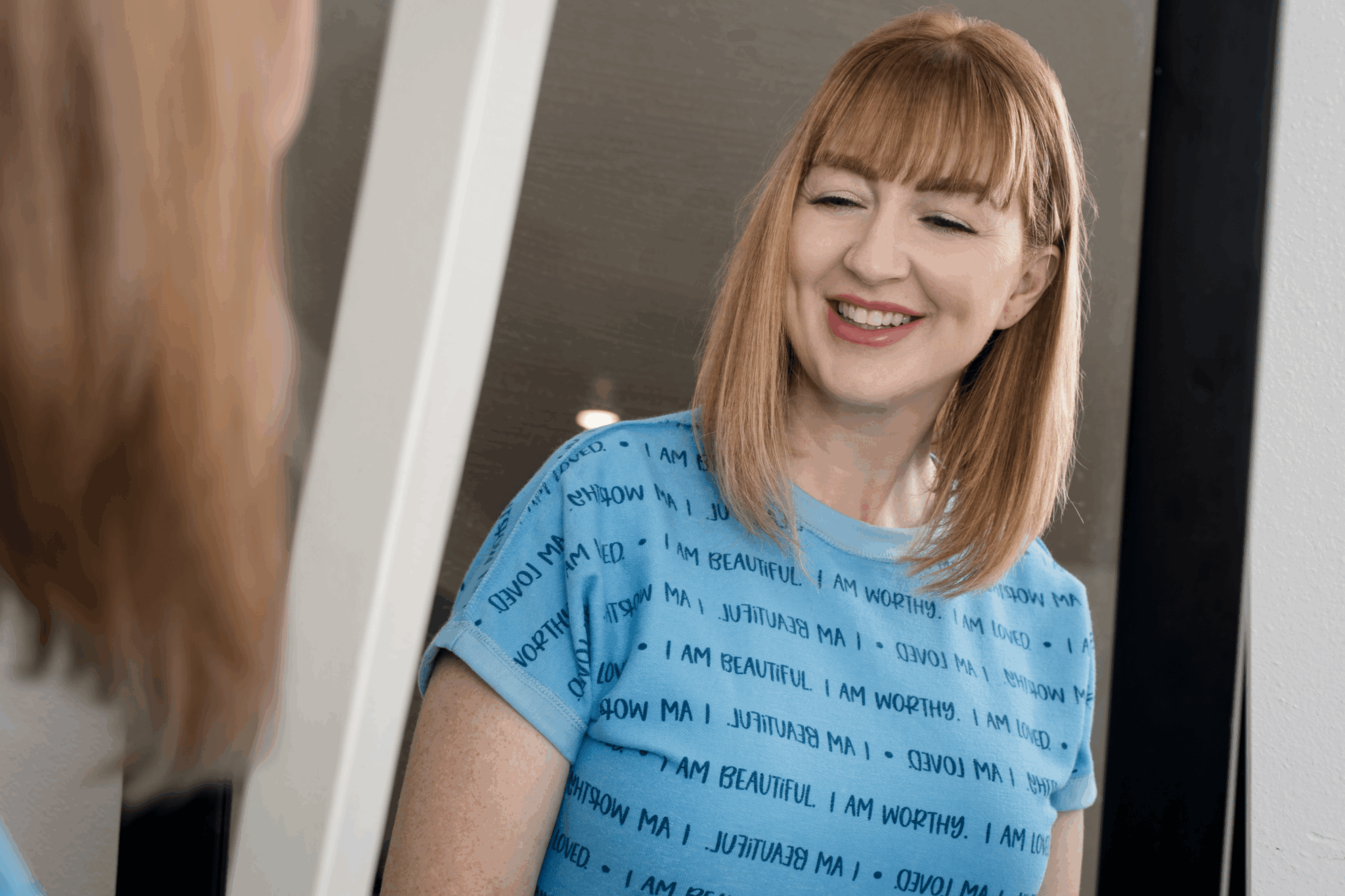
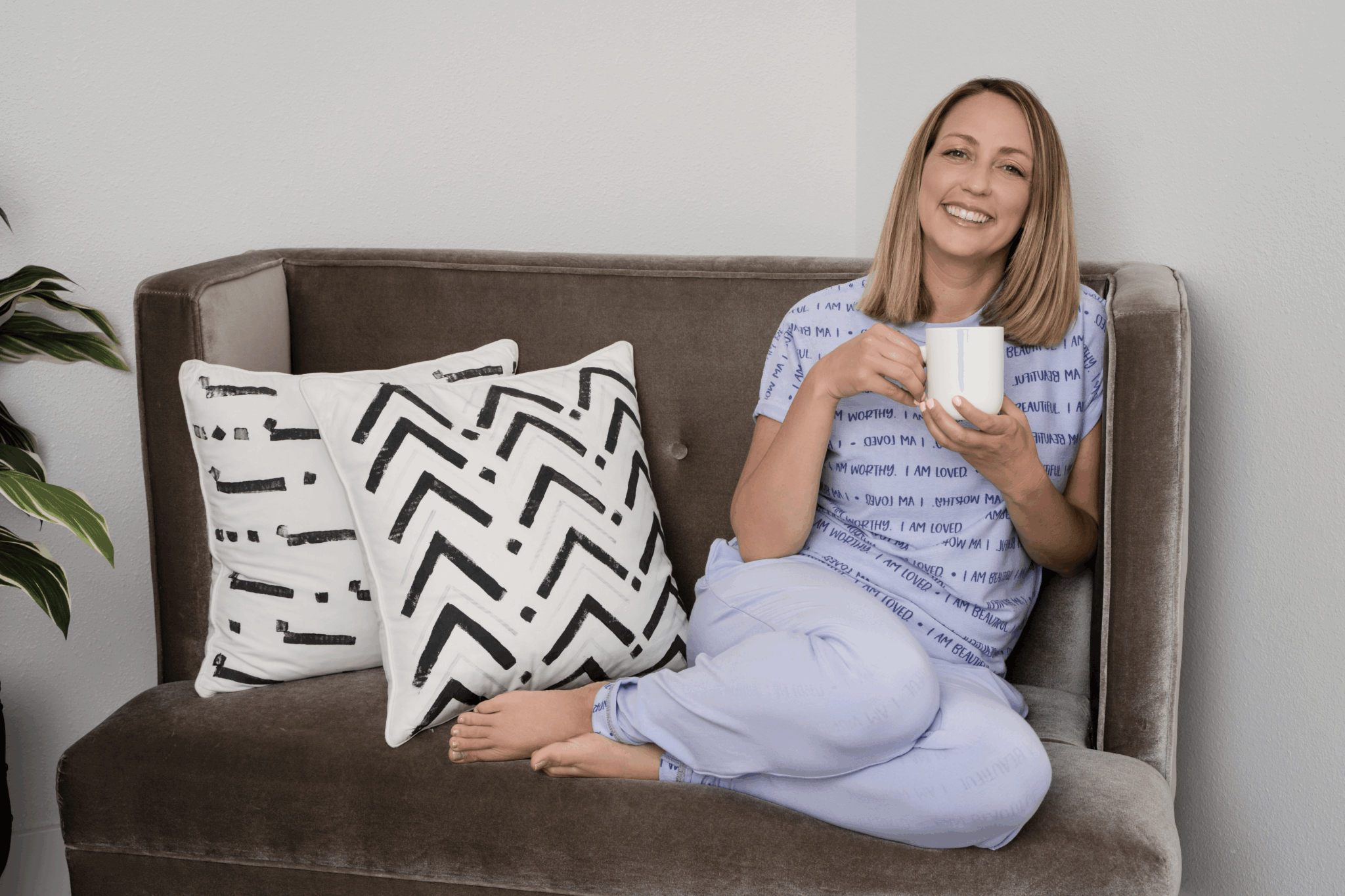
Thus, the first line – Pajamas With Purpose™ – was born. Postiive self-affirmations are printed on the interior side of the pajama set (tops are reversible) allowing an intimate and contemplative experience that edifies the mindset of the wearer. The printed affirmations are designed that when worn inside out (reversible), allows the observer to read the language and be mentally and emotionally lifted as well.
Kimberly, love having you share your insights with us. Before we ask you more questions, maybe you can take a moment to introduce yourself to our readers who might have missed our earlier conversations?
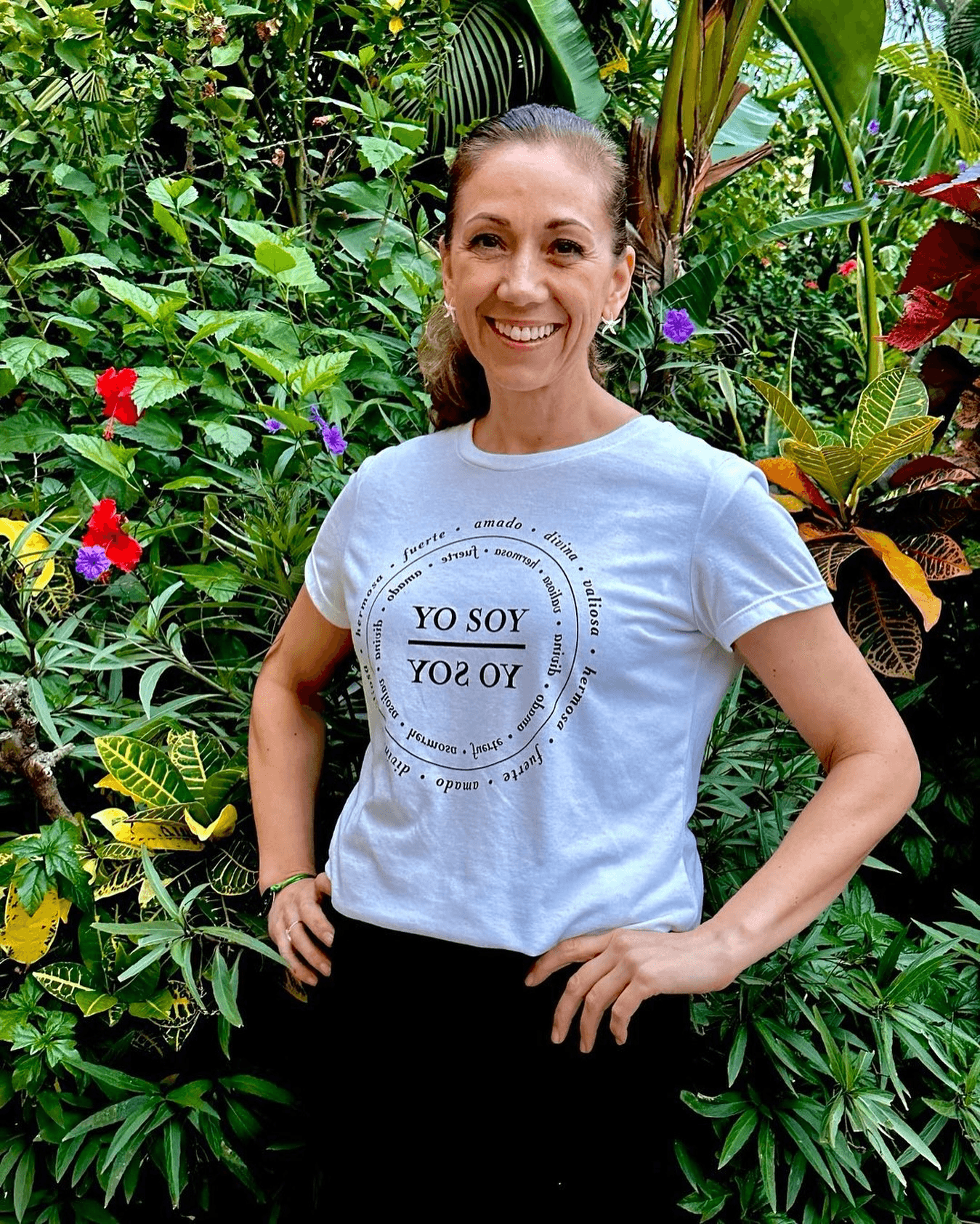
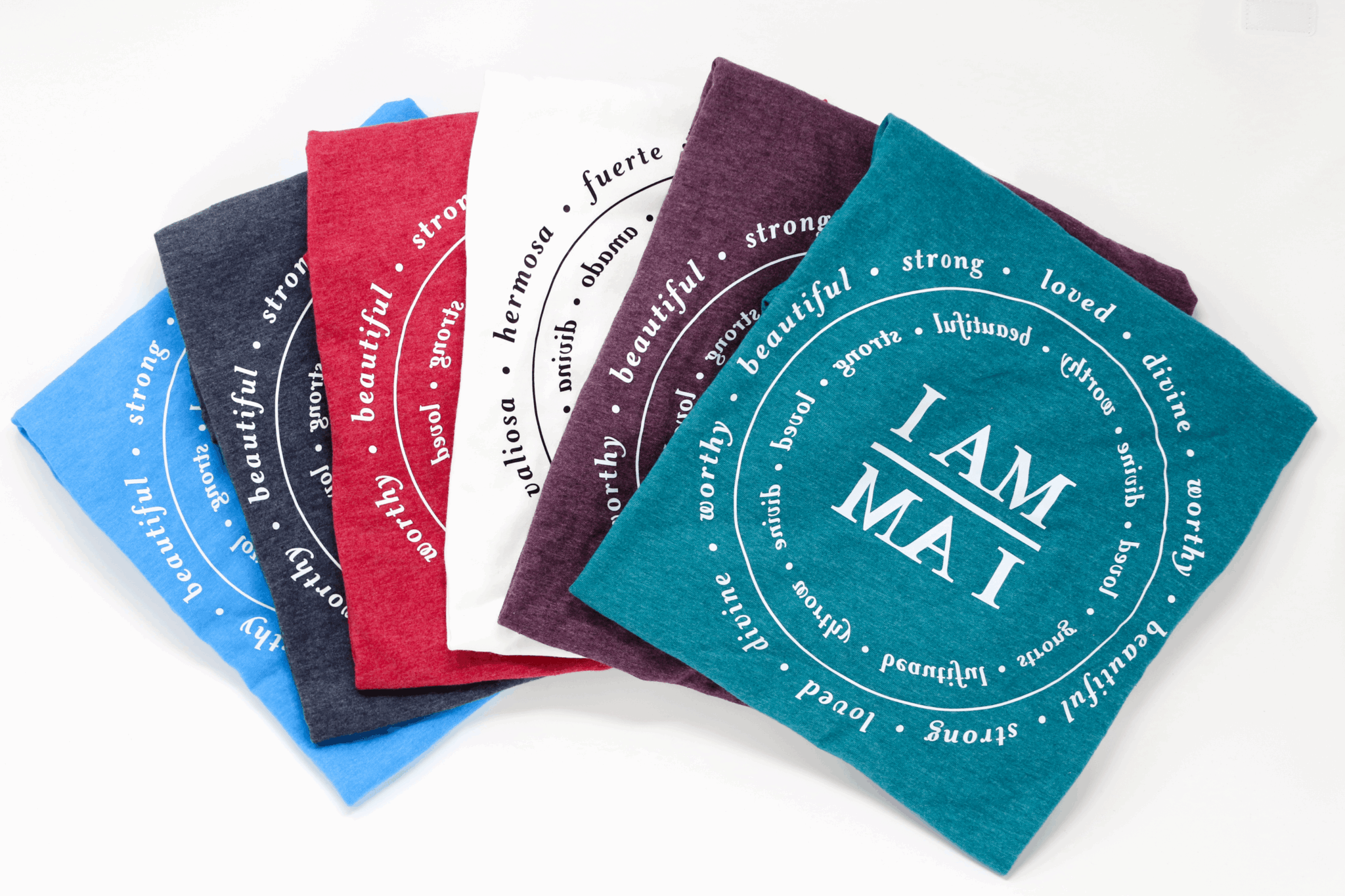
Token Clothing Company™ created and initiated ntelligent Fashion™ in all of its designs to help provide solutions to mental and wellness challenges. As the mental health crisis continues to escalate across the globe, Intelligent Fashion™ incorporates evidenced-based strategies in neuroscience and positive psychology research to improve mental wellness.
At this point, I have not seen another fashion company using Intelligent Fashion™ to purposefully use fashion as a platform to solve mental health and wellness challenges, however, I’m seeking to change this. In June 2024, I published a white paper – “The Unexpected Role of Fashion in Solving Mental Health & Wellness Challenges” – and have been connecting with leaders in the mental health & wellness space as well as the fashion industry to consider how fashion (and other industries) can think outside-of-the-box with their own services and products in an effort to improve mental wellness in our society.
The luxurious fabric and simple design of our products is purposefully crafted to last beyond a few washes. We want customers wearing apparel that feels and looks beautiful on every shape and size while transforming their limiting beliefs into true beliefs of self-love, self-compassion, and self-confidence.
Token Clothing Comnpany™ also created an initiative called Pay It Forward With Pajamas™ which provides customers the opportunity to gift a set of beautiful pajamas accompanied by a personal note of encouragement to women who have experienced significant trauma. Currently, we are partnering with Refuge For Women – America’s largest long-term rehabilitation program for women who have been sex-trafficked. On our website, customers have the opportunity to read the hopes and dreams of these women and bless their lives by “paying-it-forward” through gifting positive and comforting words in both a pair of pajamas and a personal note of encouragement.
Token Clothing Company™ is also launching the first of a series of guided journal notebooks that teach readers how to transform their language in positive steps each day. Our first journal, “The Journal of I AM for Teenage Girls” will be ready for purchase by August 31, 2024. This guided workbook provides instruction and strategies for girls 13-18 years old on how to become aware of their self-talk, refashion (reframe) negative statements, visualize, and use language toward postivie and tranformative action.
Can you open up about how you funded your business?
As a solopreneur launching Token Clothing Company™, I refused to go into debt or take out loans from financial institutions or family. So, I talked with my financial advisor about my 401K. She didn’t initially encourage me to use the bulk of my savings in this fund (once fees were assessed, I had about 27K to use); however, she also saw that I had a solid career long-term as an SLP and no other debt responsibilities and told me I was about the only client she could recommend moving forward in investing this fund into the startup of my company.
Whether she agreed or not :-) – I felt using this money that I earned as an investment into a business that I felt inspired to create for almost 20 years and into the person I had become during this time to lead it, was a wise decision.
I also had a few thousand dollars in personal savings that were used for start-up costs as well as income each month that was funneled into the company from continuing to work full-time as an SLP.
Can you talk to us about manufacturing? How’d you figure it all out? We’d love to hear the story.
When I decided on launching pajamas as our first product line, I knew that I wanted and needed to keep production in the U.S.. I researched fabrics that would work well for women’s sleepwear and reached out to various mills (most were on the east and west coasts) asking for samples that were similar to what I had determined would work for pajamas via my research.
I determined to partner with a mill in the Los Angeles area who milled the fabric blend I wanted to use (a french terry modal blend). I then used a dye house they recommended (also in L.A. area) for protyping colors of the ground dye for the fabric and dye for the printed words. While establishing these relationships, I had been studying the science of color and actually went to Home Depot and found multiple paint chips of colors I felt would work the best for women’s pajamas. I then created a board of color options and did market research online with women asking for their preferences. I used the top two colors women chose as their preferred shades for pajamas. (The affirmations that are printed on the pajamas were also chosen using market research.)
My cut-and-sew factory experience is nothing short of a miracle. Most factories in the U.S. are on the coasts and in large cities. However, Blackfoot, Idaho just happens to have a cut-and-sew factory that most people living there don’t even know about. It’s only 30 minutes from where I live. Although the bulk of their production is for military and utilitarian projects, they were willing to take on my project. I met with their design team and they took my drawings and listened to my ideas and after a few protype attempts using me as the model, we had the right pattern to proceed. This factory also provides assitance and work for adults with developmental disabilities, so I felt blessed to know I was providing opportunities to these individuals in the community.
Fashion is globally notorious for its waste. When you cut patterns into large swaths of fabric, the remnant fabric (fabric not used in the pattern) is typically thrown away. I insisted we find a better way to handle the hundreds of pounds of remnant fabric our project created. So, we partnered with a local quilting company who took our remnant fabric and stuffed it in donated pillowcases, sewed them up, and then donated the pillows as pet beds at a local animal shelter.
The design aspect of the pajamas in placing printed affirmations on the interior side of the garment was new to both the mill and the cut-and-sew factory. Even though they new what the finish product would look like, issues arose. The mill did not do a quality check on the exterior side of the pajamas, only the interior side of the pajamas where the words were printed. So, when the cut-and-sew factory began cutting the reams of the premium fabric, they contacted me to share they were needing to cut out large pieces of the reams of fabric due to what looked like tears in the fabric on every ream.
Again, the blessing of a factory 30 minutes away allowed me to view the situation first-hand. Upon back-and-forth conversation and mulitple videos sent to the mill in L.A., it was discovered that the fabric had spandex breaks in it (the material combination includes 5% spandex) which resulted in the appearance of the fabric having a thread pulled out of it in random places throughout all the reams of material. This was due in part to the mill not providing a quality check to the exterior side of the material, and perhaps never having a project like this one in their several decades of service.
The cut-and-sew factory also made mistakes that changed how I launched the pajama line. I had submitted a sizing guide, XS-3XL, to the design team at the beginning of cutting the samples for fittings with models. Although the XS-XL fittings were wokring well, 1XL, 2XL, 3XL fittings were not working at all. The pajamas were too tight and too short on all the models. I didn’t understand why and felt that perhaps my sizing guide (substantial research was conducted to create this guide) was in error.
Because we were in crunch time for full production (the production floor has to be completely broken down and reorganized between different projects and my project was slated next), I determined to launch with only XS-XL sizes. A few weeks later (after full production had initiated), I discovered that the design team had not followed my sizing guide. They looked at the incremental changes in scaling between XS-XL sizes which were all 1/2 inch. However, they continued this same scale of 1/2 inch for 1XL-3XL sizes even when the sizing guide indicated measuremet scaling anywhere between 1 inch – 2 inches for those specific sizes.
The factory also cut the first 25 pajama sets upside down (when you turned the pajama tops inside out, the words were upside down if you tried to read them in the mirror or someone else tried to read them). They also were required to create a different process in thinking about how to sew the tops and bottoms as words on apparel are typically on the exterior of the garment, not the inside.
These significant costly errors taught me that although I was the novice in this industry (both mill and factory had several decades of experience in fashion production), I still had the ultimate responsibility to ensure communication, understanding, and processes were robust and fluid and absolutley clear to all members of my team. I needed to approach my project as if I was teaching kids – meaning, I needed to breakdown every piece of the project in clearer detail and assume nothing. And I needed to have visuals, graphs, and written directions to aid clarity and mitigate potential problems.
I also learned that mistakes will happen even when we are doing our best because we’re all human, and how I approach mistakes is 100x more important than the mistake. My production crew is part of my team, even if not directly part of my company. And thus, approaching my team when mistakes are made – with compassion, with recognition of all the good they do, and with an open and humble mindset on how I as the leader can increase in sharing clarity and vision – will build or destroy my company.
Contact Info:
- Website: https://www.tokenclothingco.com/
- Instagram: https://www.instagram.com/token_clothing_co/
- Linkedin: https://www.linkedin.com/in/kimberlywilkerson/
- Other: Pinterest: https://www.pinterest.com/TokenClothingCompany/
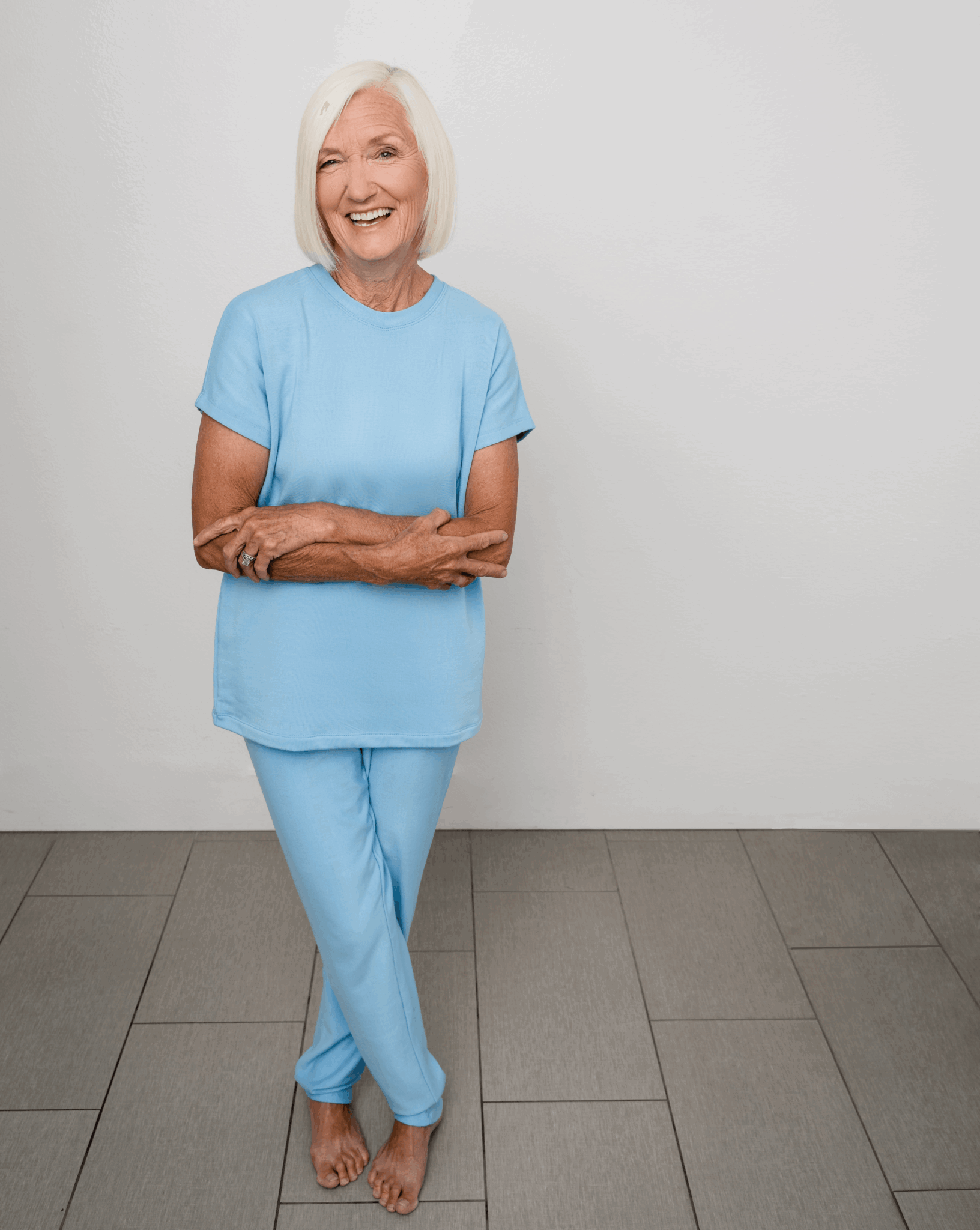
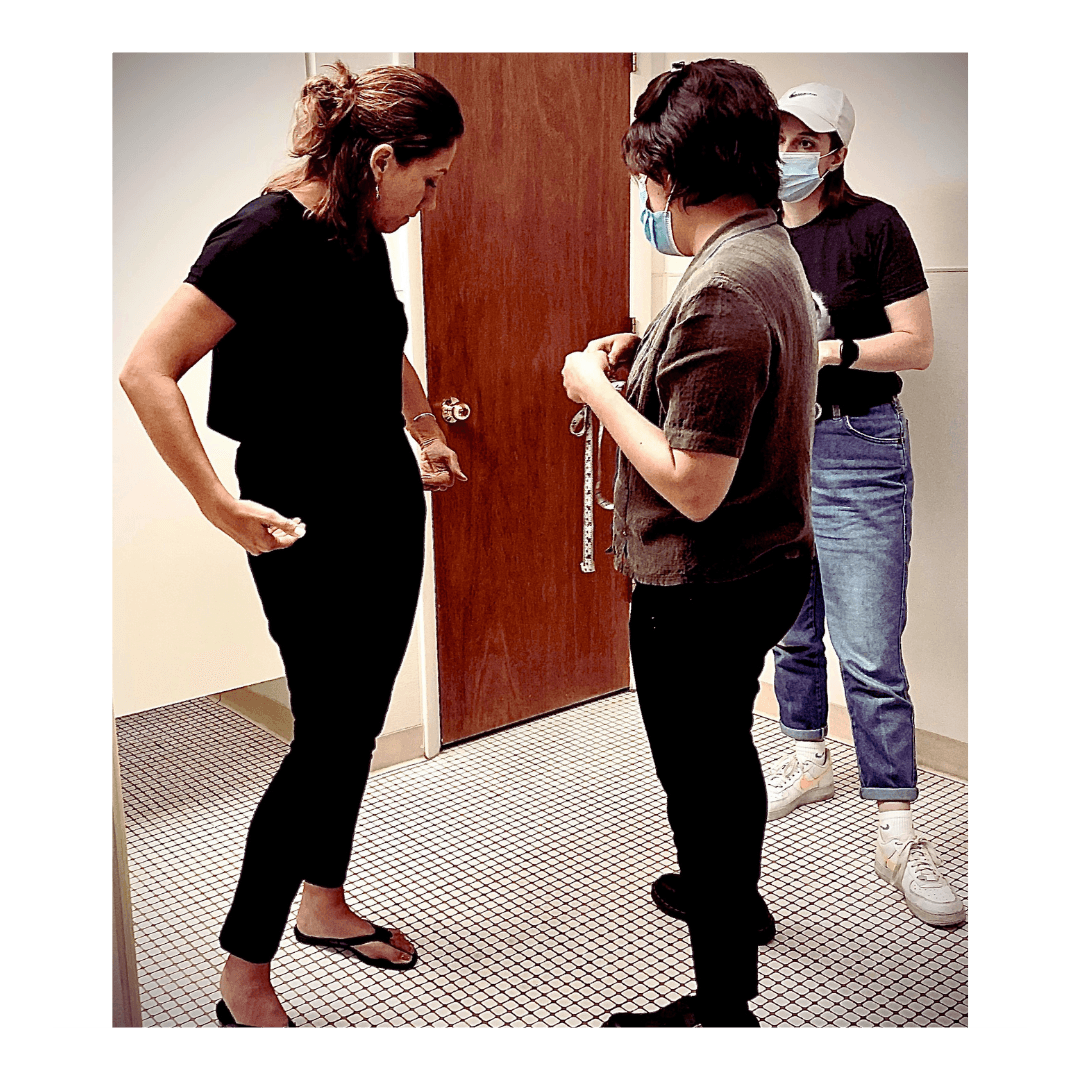
Image Credits
n/a