



We’re excited to introduce you to the always interesting and insightful Sophiyaa Nayar. We hope you’ll enjoy our conversation with Sophiyaa below.
Sophiyaa , thanks for joining us, excited to have you contributing your stories and insights. What’s been the most meaningful project you’ve worked on?
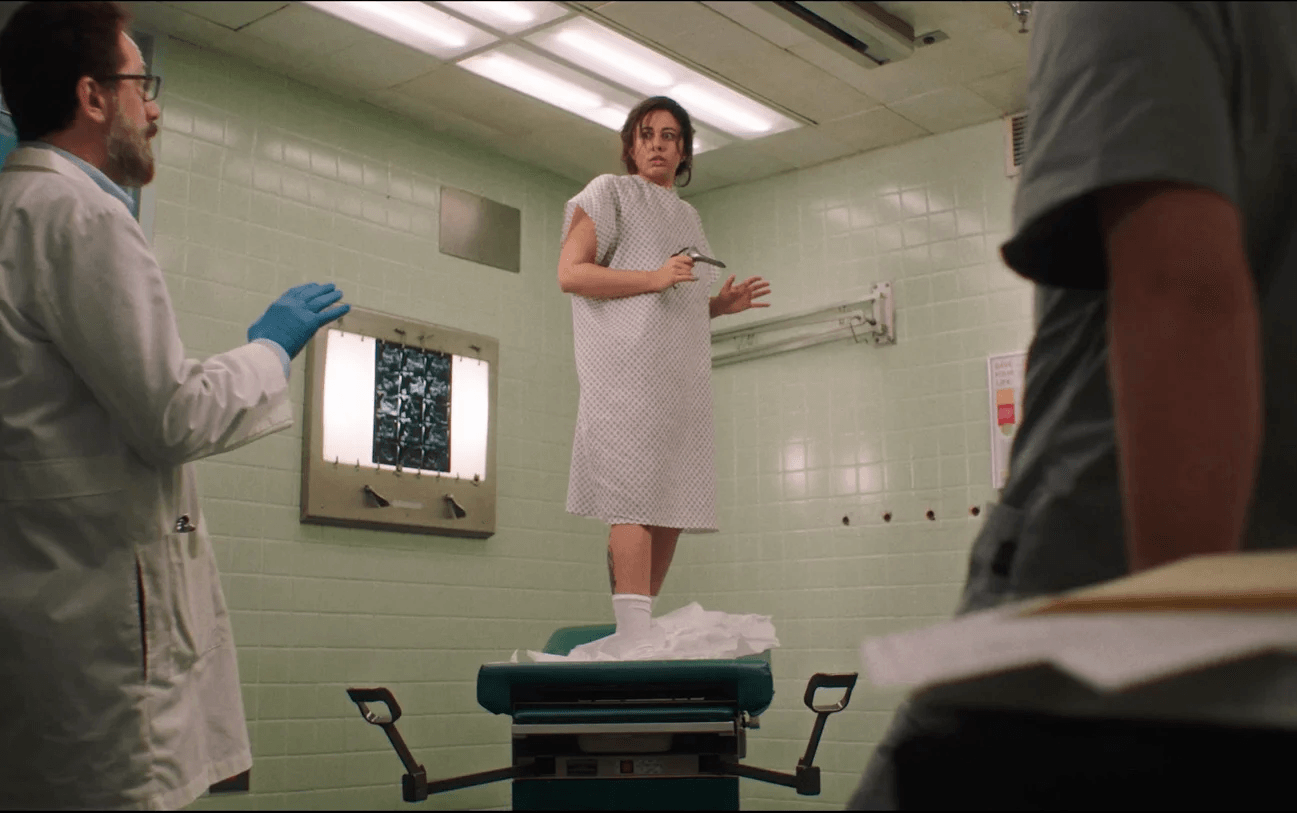
My most meaningful project to date is my short film, CHHAYA, which is set to have its World Premiere this September. CHHAYA blurs the boundaries between fantasy and paranoia, beginning with a South Asian woman’s absurd experience at a gynecologist appointment and unravelling into an investigation of a sexual assault survivor’s fragmented psyche.
The inspiration for CHHAYA is intertwined with the stories from the Mahabharata that I grew up with. One story that profoundly influenced me was that of Draupadi. In one of the most poignant and harrowing moments of the epic, Draupadi is publicly disrobed in a court full of men—a brutal act intended to break her spirit and humiliate her. But instead of staying silent and swallowing her rage, she stood up, demanded justice and questioned the morality of those who watched passively. Her fury was not just a personal response but a force that set the wheels of the Kurukshetra War in motion, as she vowed not to tie her hair until her dishonour was avenged.
Draupadi’s defiance and refusal to internalize her trauma became a powerful symbol for me. It made me reflect on the experiences of countless survivors who are often expected to “swallow it”—to silence their pain for the convenience of others. Draupadi’s story challenged this narrative, showing that refusing to bury one’s pain is not only a valid response but a necessary one. Her story asks us: How much of our pain do we suppress to fit into the narratives imposed upon us by society? And how much of this inherited silence has become a survival mechanism, rather than a path to healing?
CHHAYA is my way of contributing to the broader conversation about sexual assault in Indian and American culture. The film explores the deep disruptions that trauma causes in the lives of survivors, long after the incident has occurred. Through the film, I wanted to capture not just the pain, but also the moments of resilience, the search for levity, and the fierce determination that survivors often exhibit. And the almost mythic stories we tell ourselves about returning to the “scene of the crime” and taking back control of the narrative.
Sophiyaa , before we move on to more of these sorts of questions, can you take some time to bring our readers up to speed on you and what you do?
I grew up between the busy streets of New Delhi and the lush forests of Kodaikanal. Raised in a non-traditional matriarchal family, I watched my mother, grandmother and aunts navigate all sorts of challenges with a quiet resilience. Their lives were filled with unspoken struggles and small victories, often woven into our dinner table conversations. Which felt more like movie scenes, to my imagination, than everyday life.
My passion for filmmaking came from stories the women in my family told me. Like how, at 13, my grandmother survived the 1947 partition by being rolled up in a carpet and placed atop a train to escape from Pakistan to India. She narrowly avoided the massacre that claimed so many lives. In the face of such horror, she and her sisters found solace in the games they created. That desire for escape through humor, surrealism, and unimaginable resilience has become an integral part of my filmmaking style.
In my work, I seek to expand the narratives surrounding (im)migration and South Asian experiences. I am committed to telling stories that break away from stereotypes, infusing them with resilience, humor, and nuance. My goal is to challenge the boundaries of what (im)migrant stories can be and redefine the types of films we, as South Asians, are “allowed” to create. By doing so, I hope to contribute to a richer, more diverse cinematic landscape that authentically reflects the complexity of our experiences.
We often hear about learning lessons – but just as important is unlearning lessons. Have you ever had to unlearn a lesson?
My accent! It’s become the deepest representation of my relationship with being an immigrant artist in the US.
Having lived around kids from all over the world for high school, my accent before I came to the US was reflective of my community; basically North Indian with British, American, Korean, and South Indian undertones. I would seamlessly switch between a South Indian catch phrase and a Korean swear word.
Then, at 18, I arrived in the US, ready to do whatever it took to become the “greatest director in the world” and faced my first real obstacle. A white college professor told me that my accent would be my undoing; it would stop me from getting anywhere close to my goal. I heard that, and without a second thought, looked up “midwest accent” on YouTube and over the course of a summer, undid the beautiful conglomeration that was so specific to my identity. I cleansed my palette, so to speak, to increase my chances at my dream at the time– convinced that conformity was the key to success.
Years later, I’m still trying to undo the “midwest accent” I learned, and through that practice, dig more deeply into what stories I actually want to tell, without worrying about the white lens and re-structuring my complex identity to make sense for it.
Can you tell us about a time you’ve had to pivot?
I began my creative journey as a theatre director, but over time, began feeling constrained by the medium. I craved the ability to tell stories with subtlety, to let visuals speak louder than words, and to weave narratives in multiple languages. There were moments in theatre when I longed for a close-up instead of a monologue, or for an Indian family that seemed like mine to speak in their native Hindi, with subtitles capturing the authenticity of their experience. The limitations of the stage became increasingly apparent, and I knew a pivot was inevitable.
To bridge my knowledge gap between theatre and film, I created practice sets for myself. With CHHAYA, I began by testing every practical effect and choreographed fight sequences using my phone camera, often stepping into the roles myself or collaborating with volunteers. Editing the test shots to ensure that what I envisioned would translate seamlessly on screen, and re-writing it if it didn’t. So, by the time we got to set, I was able to be a more confident and efficient decision-maker.
On set initially, the crew approached my unconventional ideas with healthy scepticism, but as the scenes unfolded on the monitor, their doubts turned into awe. The set became a hub of collaborative energy, where everyone—from department heads to crew members—felt a deep sense of ownership and responsibility. The gasps and cheers as each scene came to life were a testament to the power of preparation and the clarity of a shared vision. To me, this is what respectful collaboration looks like: arriving prepared, communicating effectively, and fostering an environment where creativity can thrive.
Contact Info:
- Website: https://sophiyaanayar.net
- Instagram: @sophiyaa_nayar
- Facebook: Sophiyaa Nayar
- Other: chhayafilm.com – my short film’s website
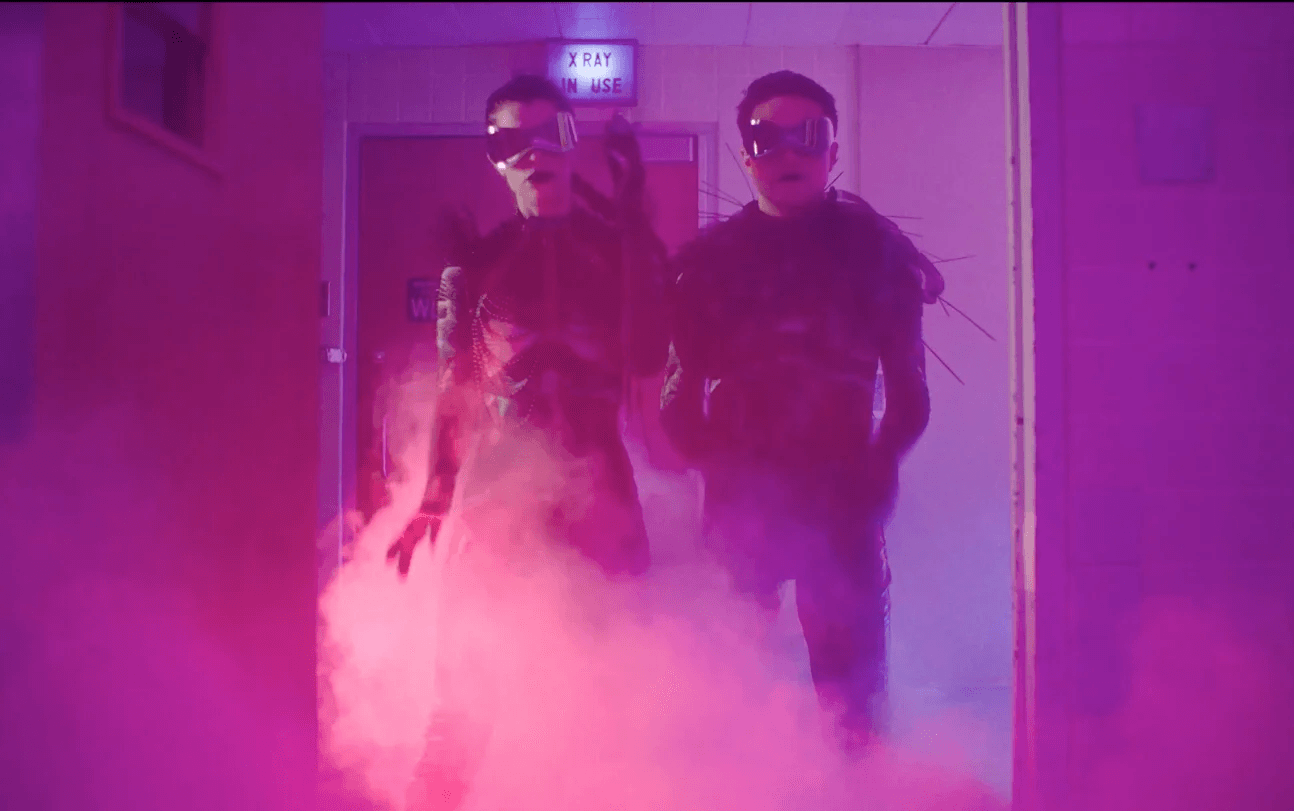
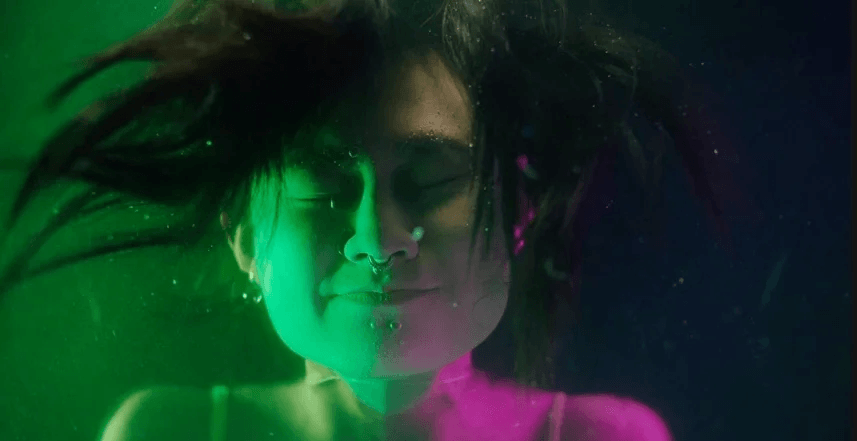
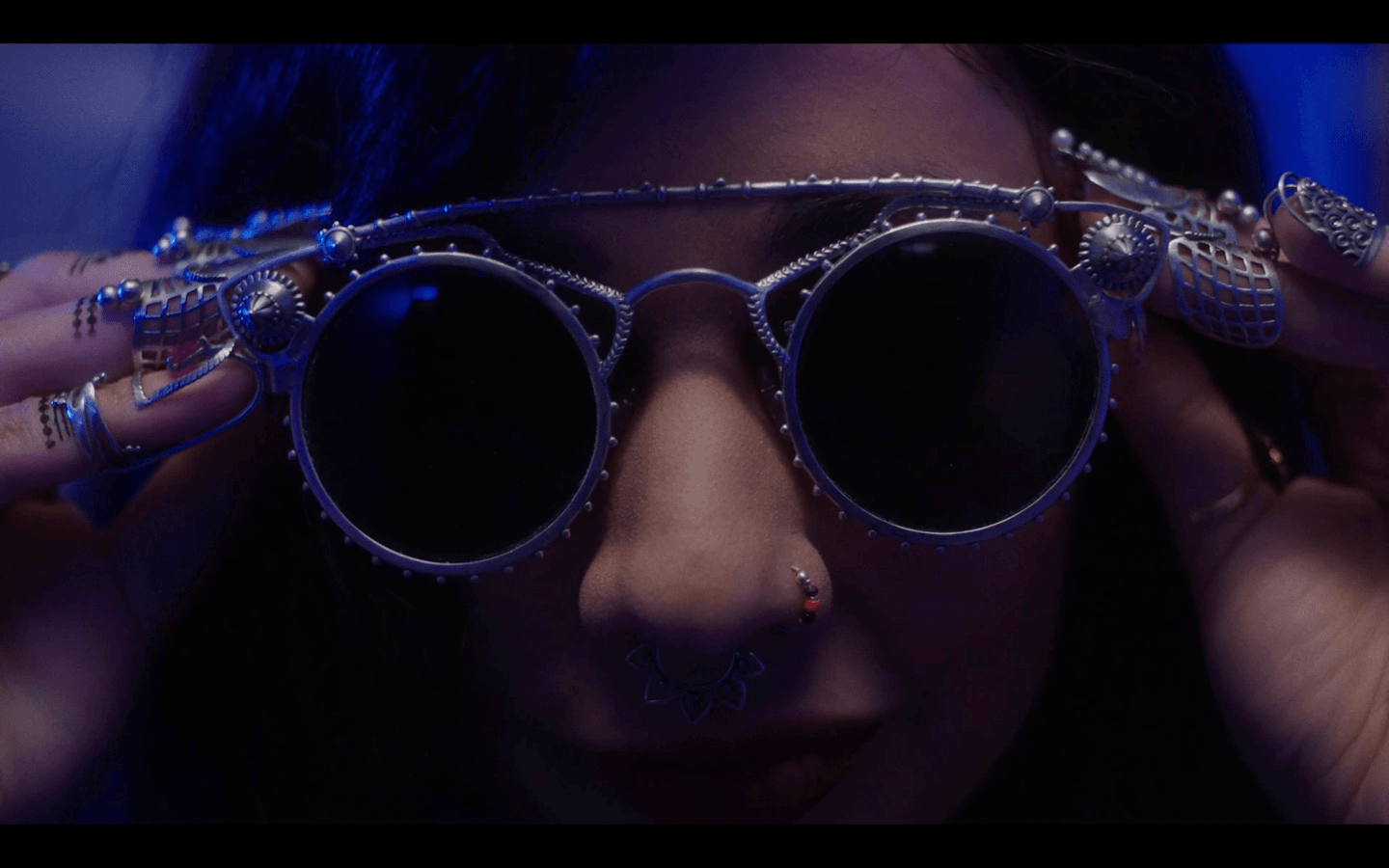
Image Credits
Film stills from Sophiyaa’s short films, CHHAYA and PLURAL (LOVE).