



We caught up with the brilliant and insightful Brian Day a few weeks ago and have shared our conversation below.
Hi Brian, thanks for joining us today. Can you talk to us about how you learned to do what you do?
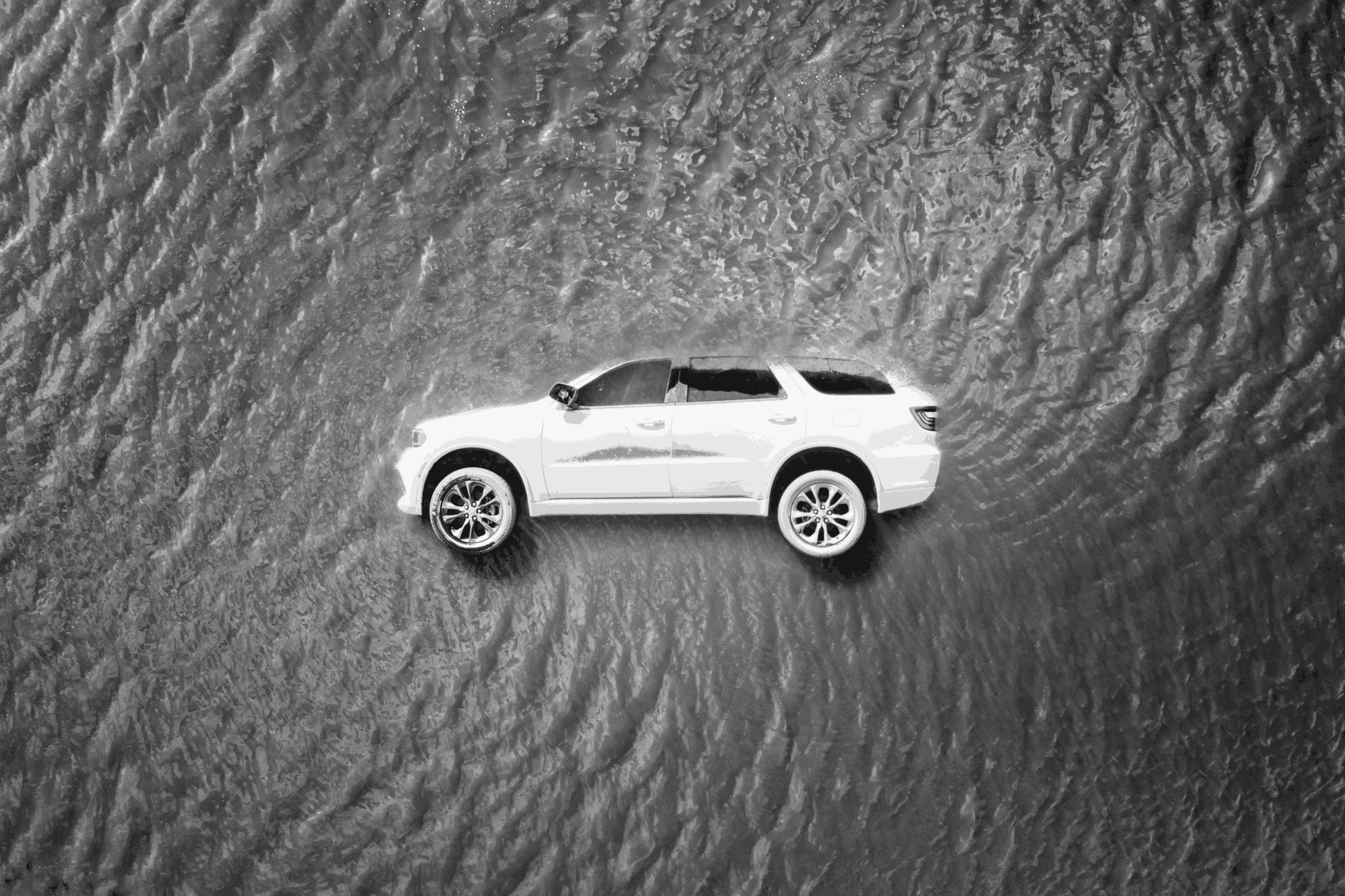
I’ve long been a student of photography and those who practice the craft at a high level, but I feel I’ve learned the most by practice, experimentation, and failure. We live in a world that encourages high productivity and lots of content, but there is something to be said for being obsessed with the multifaceted art of learning. This includes studying the masters, understanding what people see as the established rules of the craft, but then going beyond that to really master one’s tools, develop an irrational confidence in ideas and a willingness to test them out, making notes or retaining lessons from what went well and what didn’t with those ideas, and then developing a sense of alchemy to blend techniques and concepts in ways that morph into some sort of interesting perspective. That takes time, and the results aren’t always popular, but it’s rewarding to develop a measure of consistency and a personal “why” behind one’s work, and I believe perhaps the most important step in that journey is really learning the craft.
Awesome – so before we get into the rest of our questions, can you briefly introduce yourself to our readers.
A bit about me… I am a third generation Detroit native who discovered photography through the suggestion of a colleague and began exploring documentary and fine art projects around the city using film and digital cameras. Some of my early influences include the work of Gordon Parks, Garry Winogrand, and Alexey Titarenko, to name a few. My work has been collected and exhibited both locally and internationally, and published in The Wall Street Journal, The Washington Post, Scientific American Magazine, Esquire Magazine, Smithsonian Magazine Online, CNN, Adobe, Apple, The Detroit Free Press, The Detroit News, Hour Detroit Magazine, and Metro Times, among others.
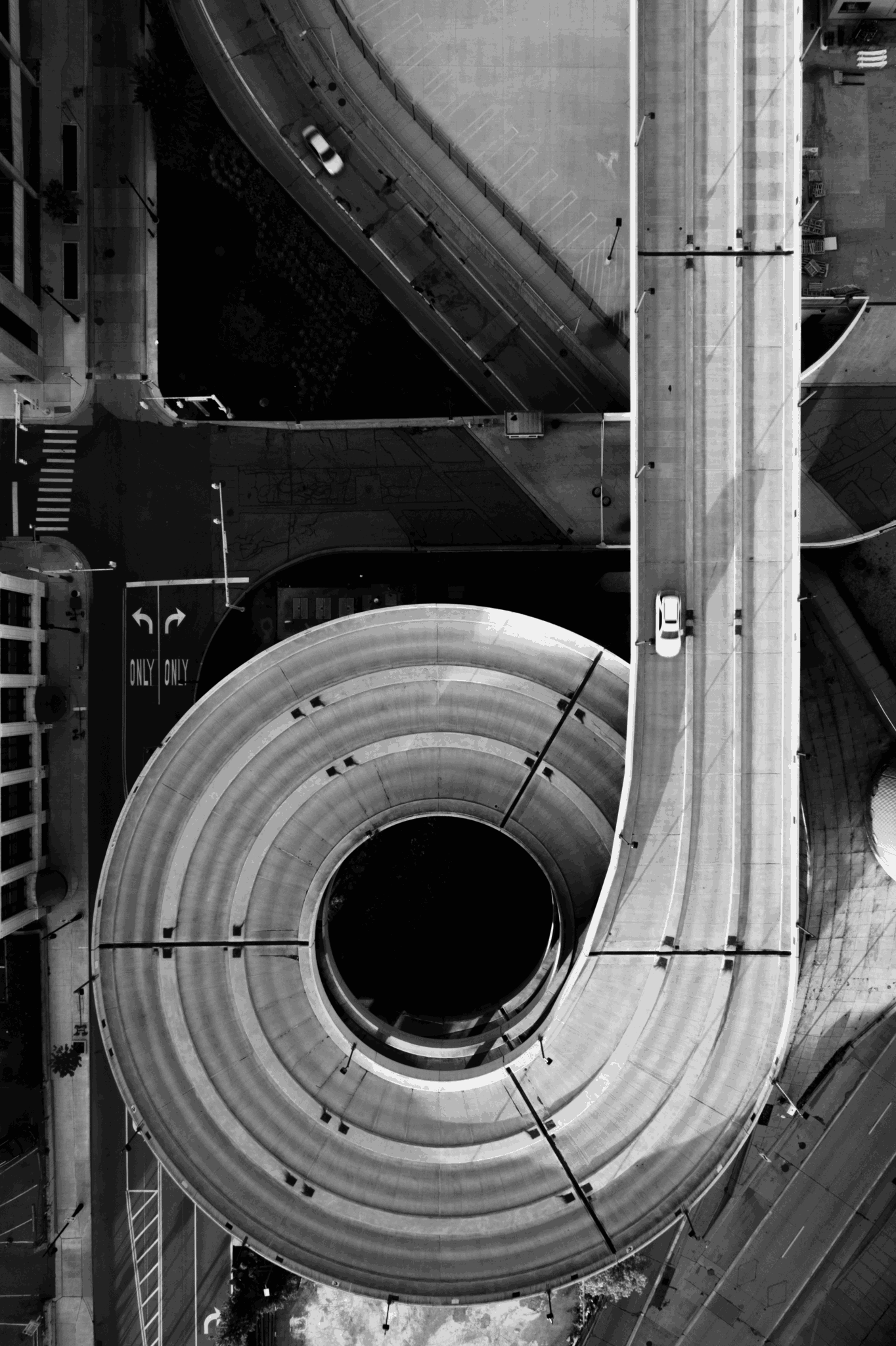
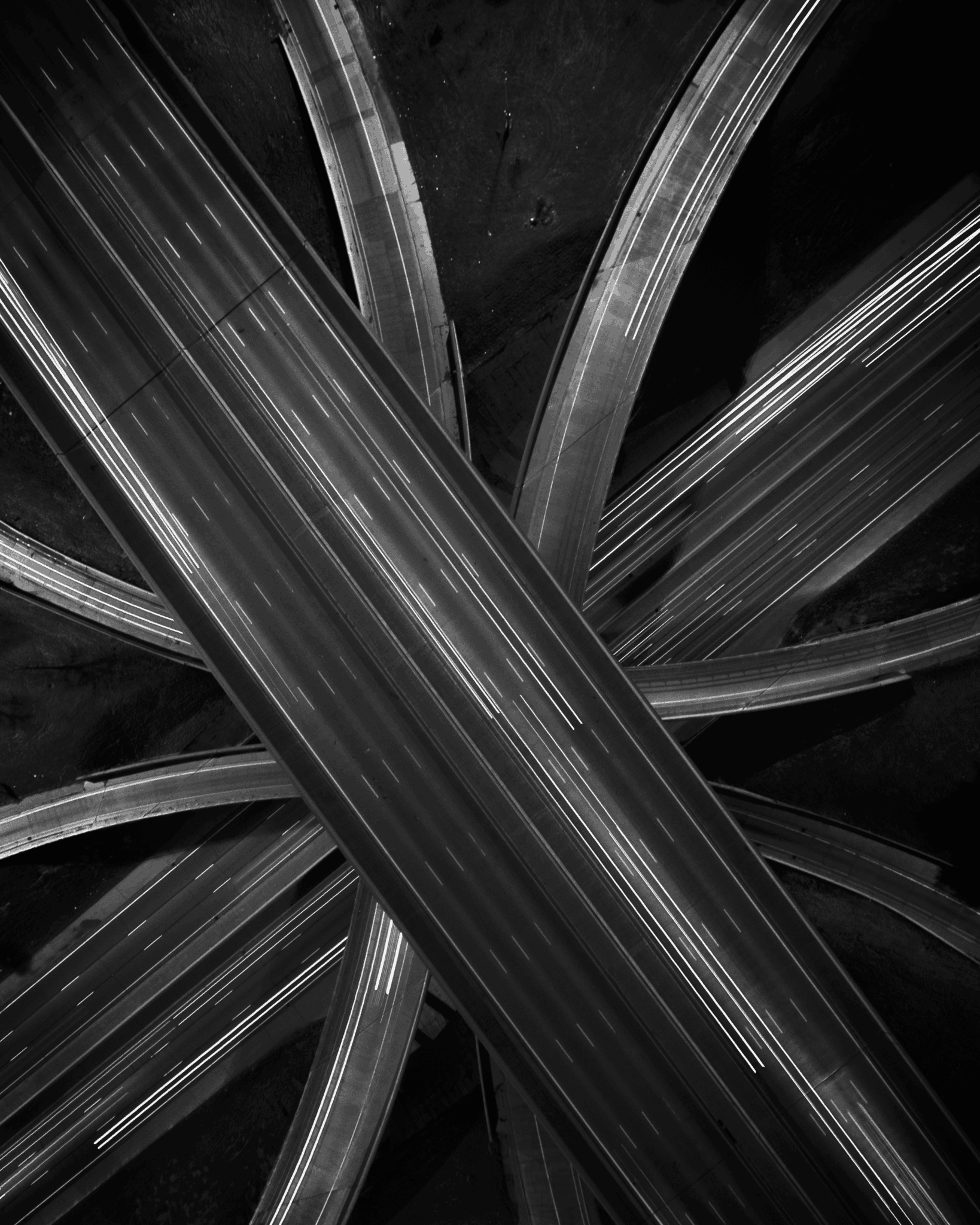
I was thrilled to be awarded a Documenting Detroit Fellowship in 2016, and was a recipient of the Michigan Chronicle’s Men of Excellence award in 2017, which recognizes creative and influential personalities making a positive impact on the city of Detroit. My drone architecture series, Detroit From Above, was a big moment for me, winning First Place in Architecture at the International Photography Awards in 2018. In 2020, I was commissioned by Apple to photograph a feature entitled, Hometown: Detroit. In 2021, my work was added to the collection of the Detroit Institute of Arts – recently named one of the best museums in the US – and I was awarded the prestigious Kresge Arts in Detroit Fellowship in Visual Arts. I have also served as a board member for the Documenting Detroit Fellowship as well as Capturing Belief, both community focused visual storytelling programs. I published my first book, Detroit From Above, through a collaboration with Peanut Press Books and Meridian Printing, which was named one of the best photography books of 2021. In April 2022, I was the featured photographer for the Library of Congress/Levine-Ken Burns award winning documentary, “Gradually, Then Suddenly: The Bankruptcy of Detroit.” In May 2022, I was among the awardees of the ADC Gold Cube in Photography at the 101st Annual ADC Awards for Apple’s Hometown campaign.
My work was most recently featured in the Detroit Institute of Arts exhibition, “Conscious Response: Photographers Changing the Way We See”, alongside the work of Gordon Parks, Robert Frank, Diane Arbus, Roy DeCarava and more.
Lastly, I’m also a technologist, working as Vice President and Chief Technology Officer at a large health system in Detroit; At age 40, I completed my Bachelor of Arts, summa cum laude, in Health Informatics and shortly thereafter my Masters of Business Administration with a focus in Healthcare Management. I am represented by M Contemporary Art gallery in Metro Detroit.
What’s a lesson you had to unlearn and what’s the backstory?
I learned a good lesson about dignity and the power of contributing to a narrative, positively or negatively. At the beginning of my photography career, I found myself joining the club of photographing abandoned buildings. They were accessible and interesting spaces, and it wasn’t hard to make striking photographs. This was in the early days of the photo sharing platform, Flickr, and it wasn’t unusual to share those photos online, noting that the photos were from Detroit. It also wasn’t long before those images started to attract attention, and began feeding into the narrative of Detroit as a place of ruin and decay. And yet, I still didn’t get it at first; I didn’t think of my specific images as feeding into that narrative. It wasn’t until one day that I was leaving an abandoned building that a man who lived on that block stopped me and asked what I was planning to do with the photos I’d taken. When I tried to explain that I was going to post them on my social media feed, he asked why. I struggled to give a good answer, and he doubled down by explaining that it was unfair to him and the other neighbors to have the worst side of their community publicized just for attention. That conversation led me to realize how important it is to dignify the communities that are represented in my photographs, and to be able to contribute meaningfully to a positive narrative. From that point forward, even as I got into more journalistic and editorial photography, I had a better sense of self-respect as well as community respect, and more conviction about what NOT to do with my photography.
Are there any resources you wish you knew about earlier in your creative journey?
YouTube! There are so many great videos that can inform a creative person along their journey. As a photographer, for example, I’m not just talking about me watching videos about cameras. While those are great, I’m also talking about videos that helped me learn how to build lighting setups, simple carpentry for props and sets, and very practical business videos about everything from organizing digital assets to writing business proposals, to matting, framing and hanging my work. YouTube’s content has obviously grown exponentially in the last 6 or 7 years, but even at the beginning of my creative journey, I wish I’d used it more!
Contact Info:
- Website: https://www.brianday.org
- Instagram: https://Instagram.com/brianday
- Facebook: https://Facebook.com/brian.jacob.day
- Linkedin: https://www.linkedin.com/in/brian-j-day
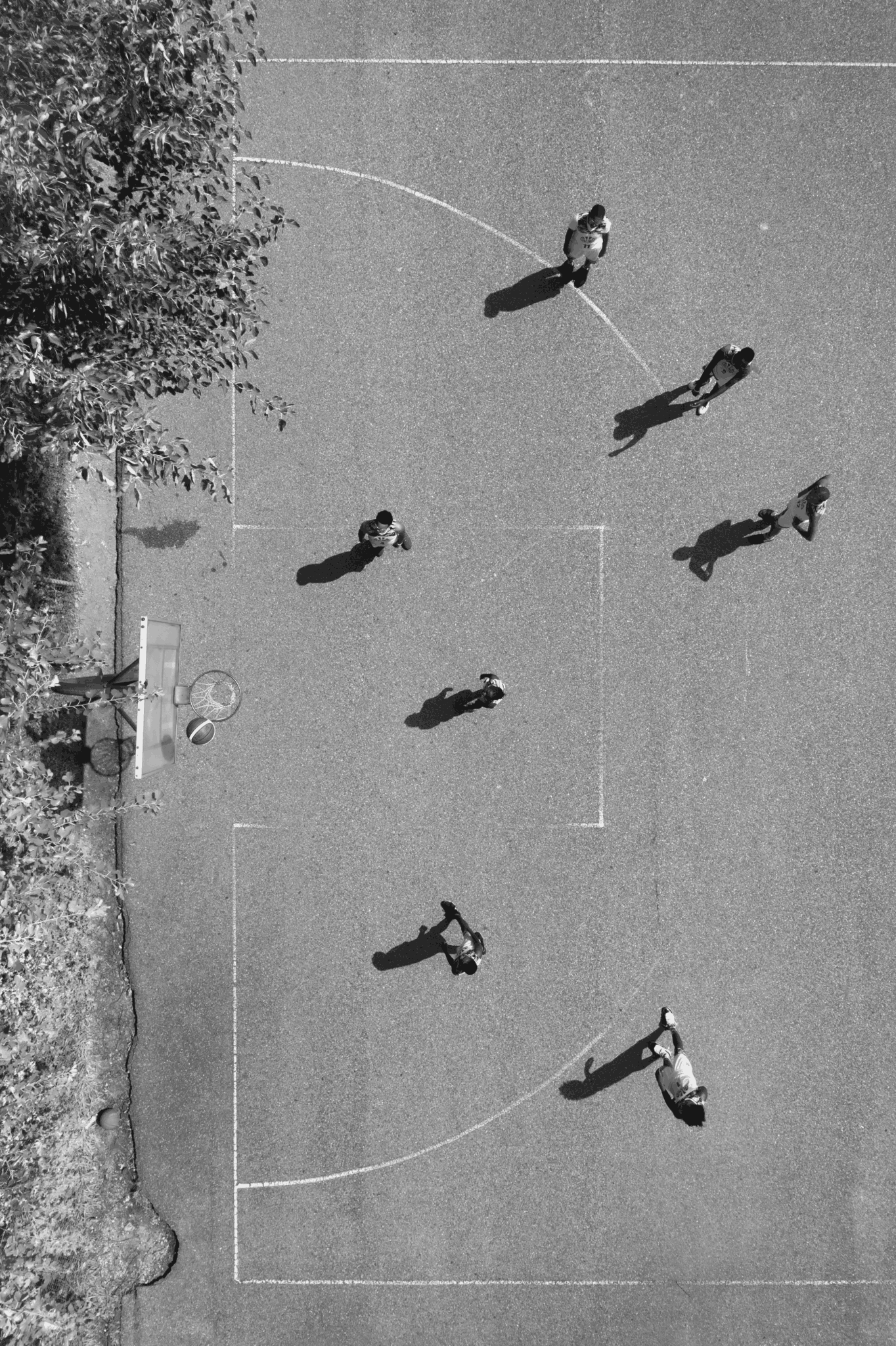
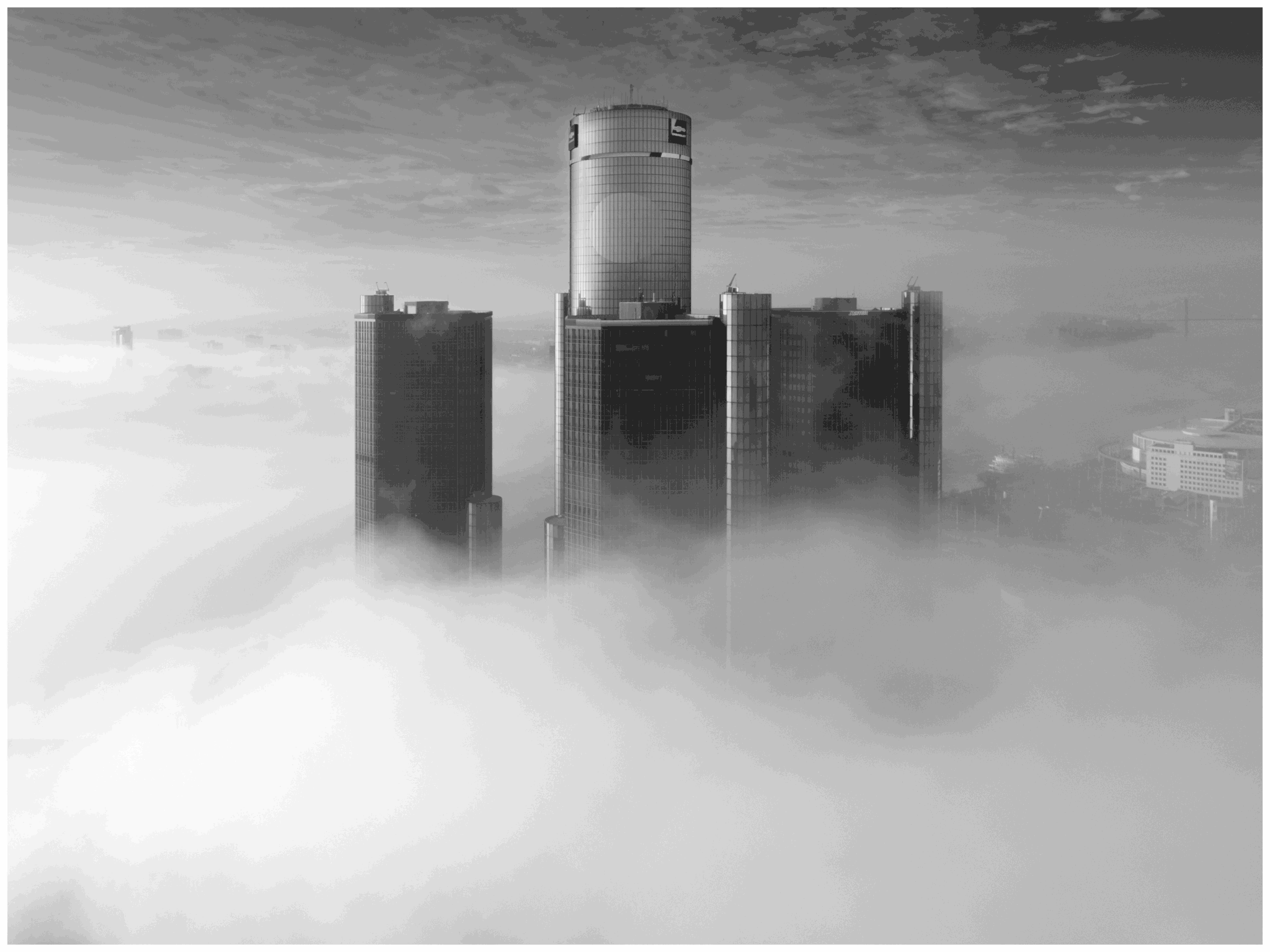
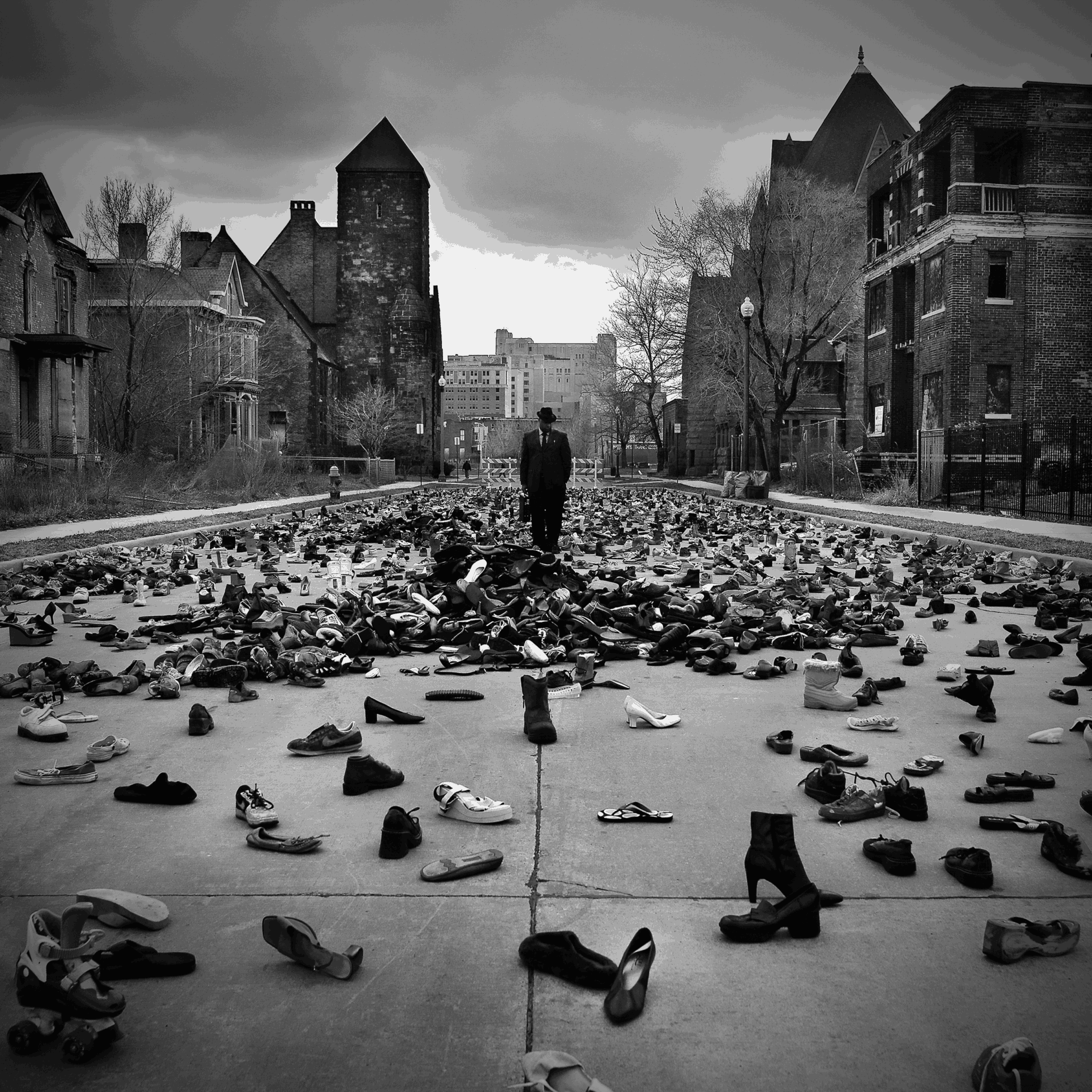

Image Credits
All photos by: Brian Day