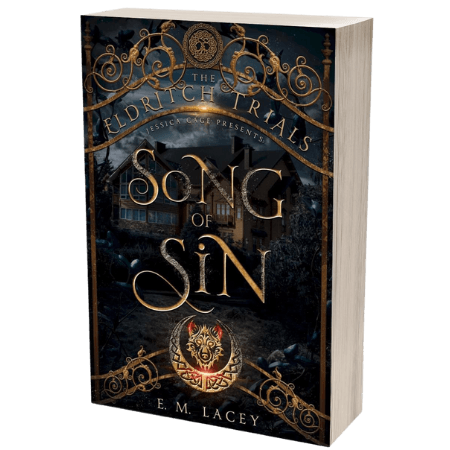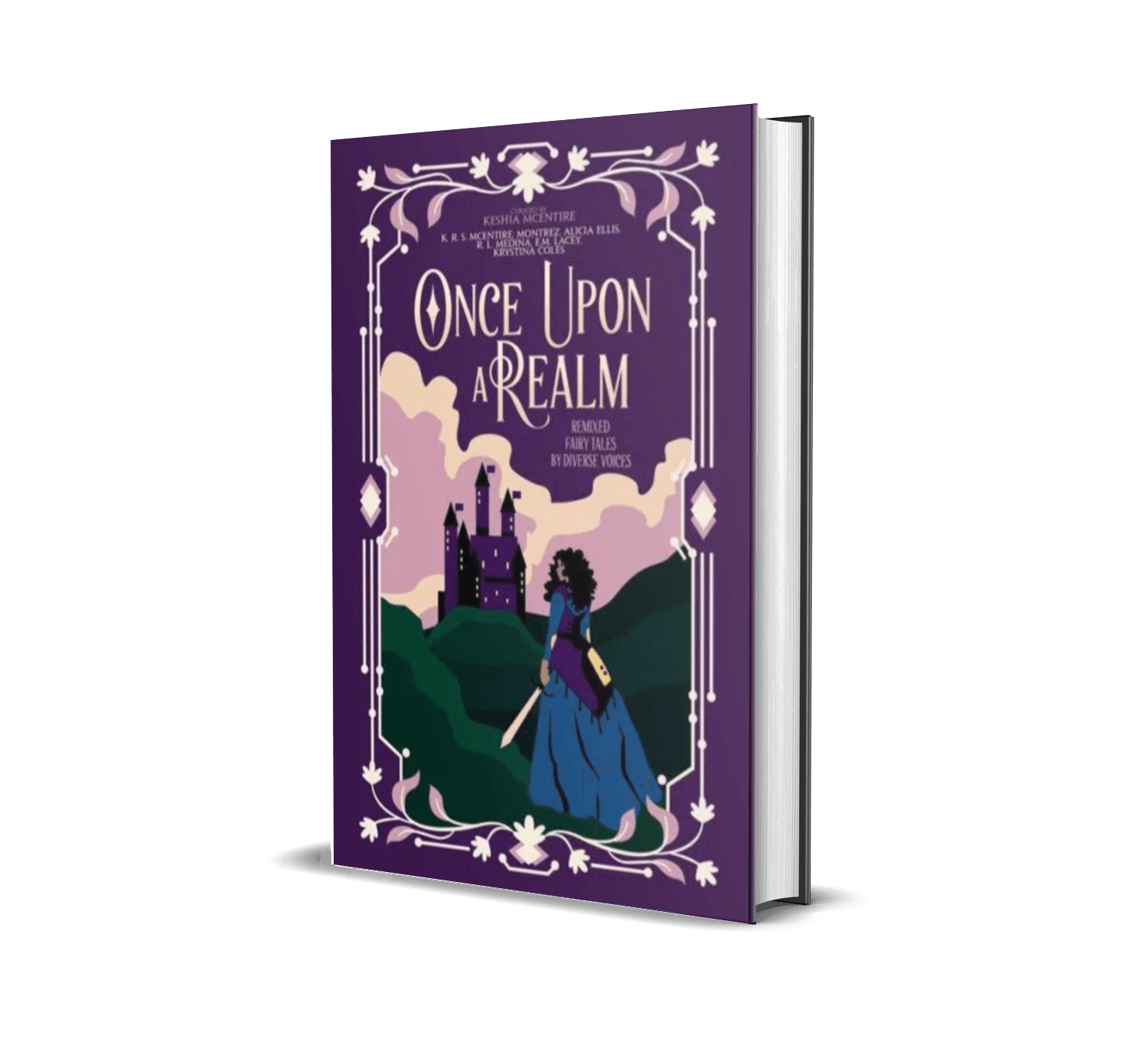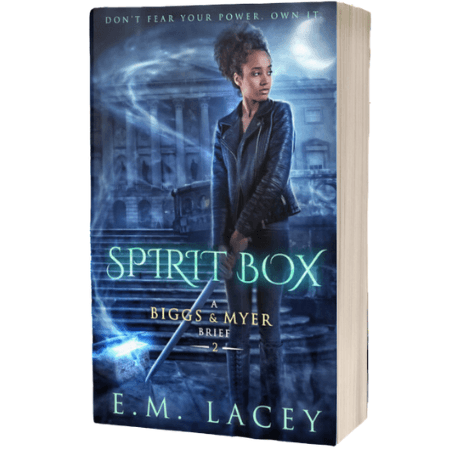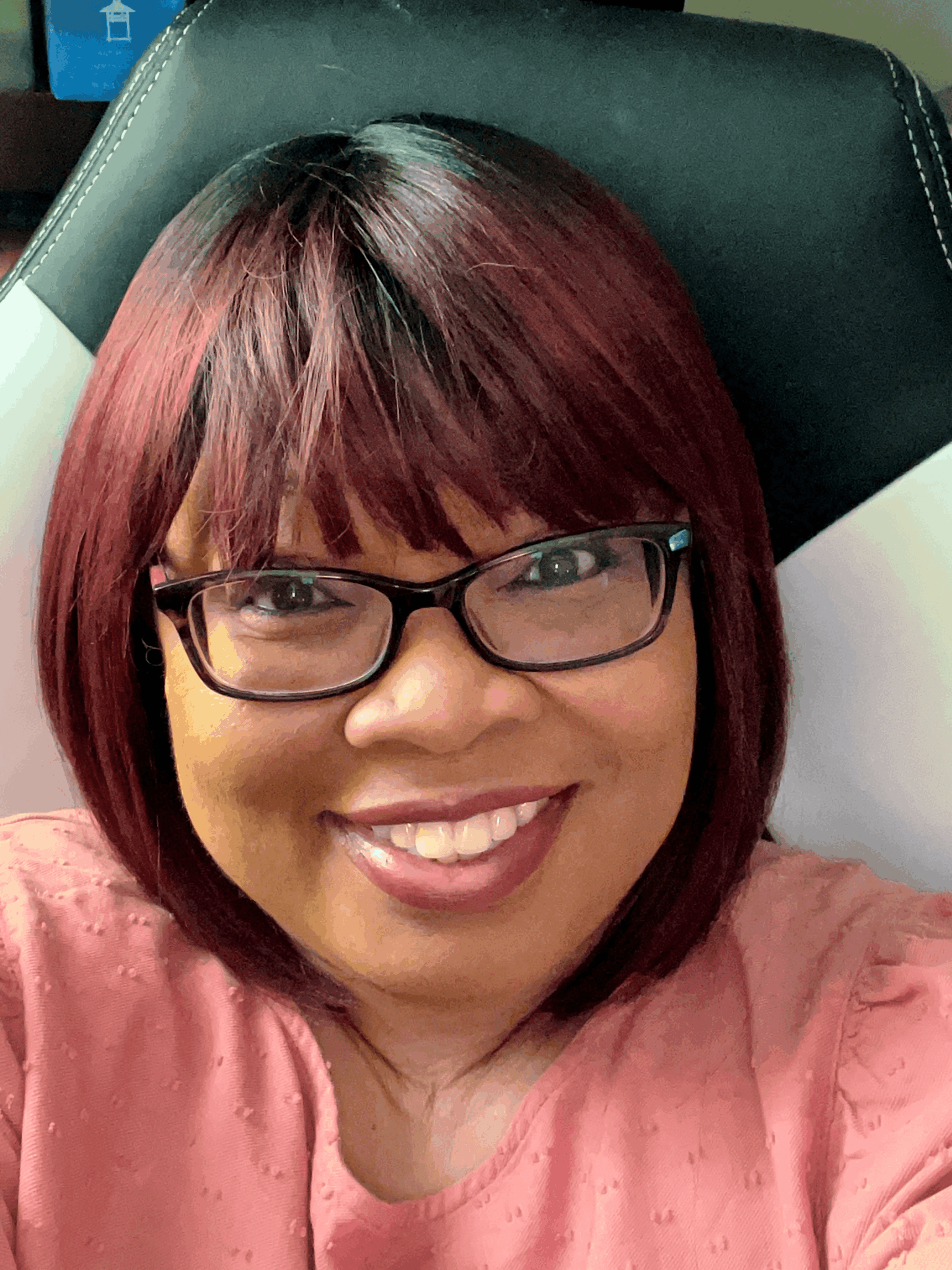

We’re excited to introduce you to the always interesting and insightful E.m. Lacey. We hope you’ll enjoy our conversation with E.M. below.
E.M., looking forward to hearing all of your stories today. What sort of legacy are you hoping to build. What do you think people will say about you after you are gone, what do you hope to be remembered for?
Legacy, to me, is persistence—the words that keep me moving forward, that build me up and fend off doubt. These are the same words I share with fellow writers, both new and seasoned. Writing is a journey of courage. As much as I love poking fun at horror movie characters, being a writer is like living in your own scary story. You confront your fears and expose your introverted self to the world’s judgment. You wonder if you’re good enough, yet you keep writing. Through self-doubt, criticism, and fear, you finish the book. When I think of my legacy, I want to be remembered as the author who never quit.
Great, appreciate you sharing that with us. Before we ask you to share more of your insights, can you take a moment to introduce yourself and how you got to where you are today to our readers.
“Never give up and never surrender.” — Jason Nesmith, Galaxy Quest*
Who am I? I’m a Blerd—a lover of comic books, sci-fi, and horror. My passion for stories started in preschool, and I’ve been collecting comic books since I was ten. Stories have always been a gateway for me—no boundaries, no limits. Through fiction, I’ve learned to believe in limitless possibilities, a mindset that has bled into my life and career.
How I Got Into Writing
My journey as a writer began in southern Florida, in a small suburb called Homestead. While many people left Homestead for sports or out-of-state colleges, I escaped through the pages of books. From The Black Stallion to Stephen King, and finally to the works of Octavia Butler and Tananarive Due, these stories shaped my imagination. But it wasn’t until I discovered Black women writing in the genre I loved that I felt a spark to pursue my own writing seriously.
I’ve always been drawn to horror, science fiction, and high fantasy. Growing up, I noticed a lack of characters who looked like me—strong, capable African Americans. I longed to see stories where we were more than our trauma, where we were ambitious, successful, and heroic. That’s when I decided, at ten years old, to start writing the stories I wanted to read.
Finding My Community
Writing can be a solitary act, but building a career as a writer requires community. When I first started writing in Florida, I found very few local authors in my genre. It wasn’t until I moved to Chicago that I found my tribe. I connected with the Chicago Branch of the Writer’s Union and later the Chicago Writer’s Association, where I met urban fantasy author Jessica Cage. An author who is not just a fellow writer in the trenches but also a true friend. She’s evolved not only as a writer but as a thriving authorpreneur. Through our connection, I learned that writing isn’t just a craft—it’s also a business.
Writing is a Business
Before Chicago, I never thought of writing as a business. But if you want to succeed, it’s more than just honing your craft. You have to strategize, research, and network. I invest time and money into my fiction, focusing on growing beyond simply hitting “publish” on KDP or Ingram Spark. Writing, I’ve learned, is a craft that needs constant refining, and the business side of it is equally important.
What Sets Me Apart
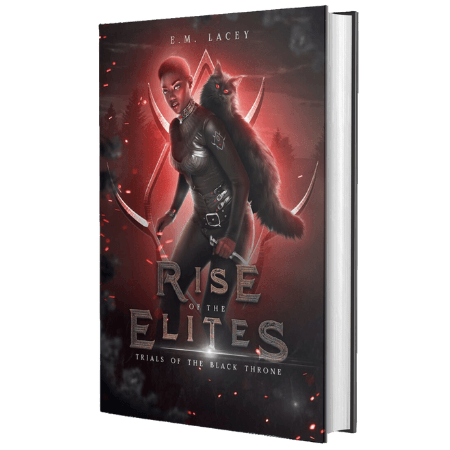
What I’m most proud of in my writing is the inclusiveness of my work. I create characters, especially women and children, who save themselves by discovering their true identity and embracing their challenges. In Trials of the Black Throne, part of Jessica Cage’s Rise of the Elites series, my protagonist Onyx evolves from being defined by others to standing firm in who she is.
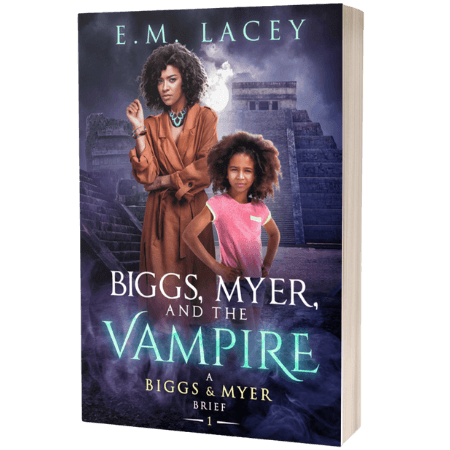
I’m also passionate about honoring the cultures I write about. In my short story, A Bloodstained Sun, I delve into Aztec mythology, and I meticulously research to ensure authenticity. I believe there’s power in a name, and through my writing, I strive to honor the cultures I depict. My readers have praised this representation, particularly in my Biggs & Myer series.
Passion Projects and Legacy
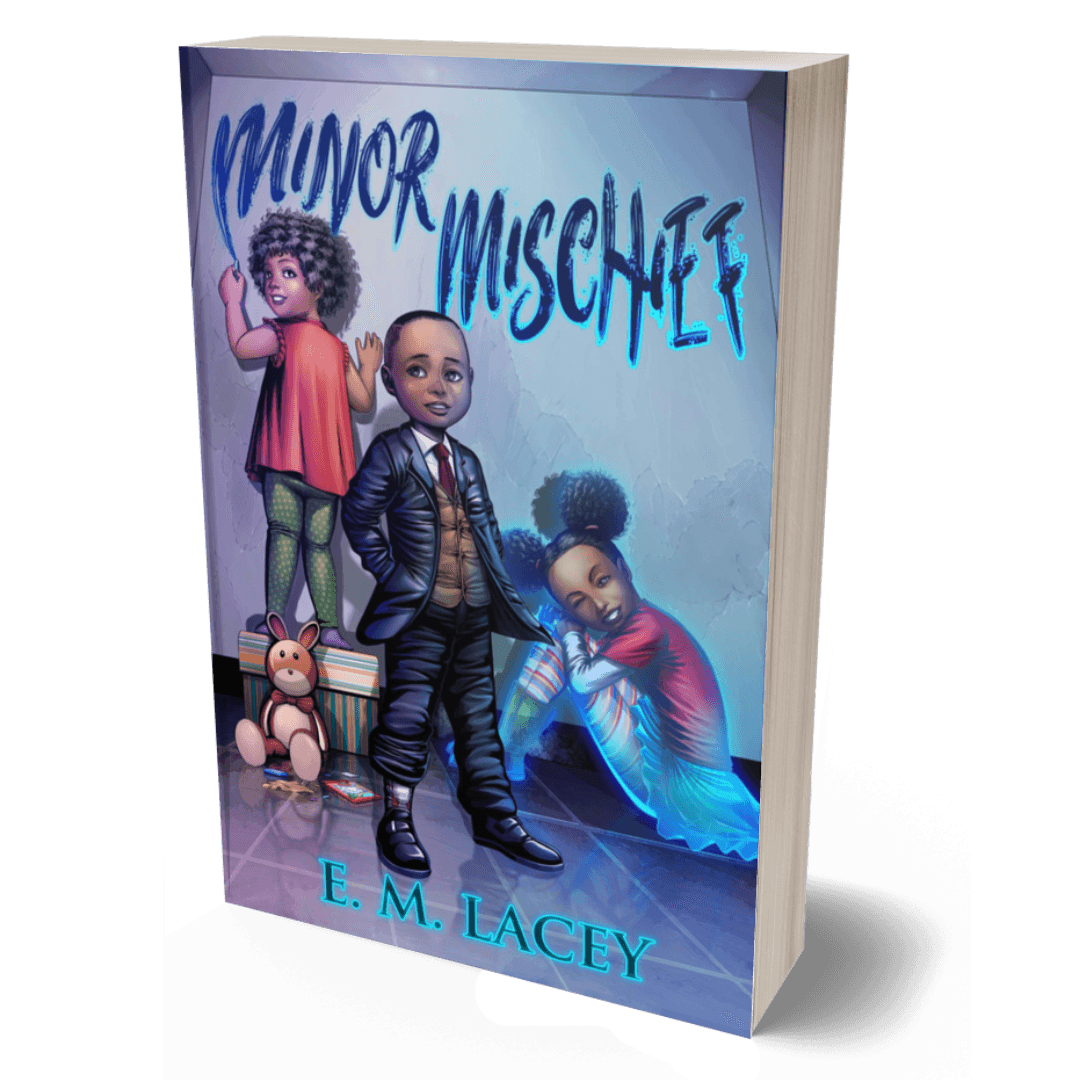
One of my favorite projects is Minor Mischief, a mini-anthology featuring children with supernatural gifts. The series gives young voices a platform, exploring the power and potential of the next generation. Whether they’re dealing with monsters or discovering their own abilities, these stories emphasize the importance of listening to children.
When I think about my legacy, I want to be remembered as the writer who never quit. Writing brings you face-to-face with your fears, and being an author requires immense courage. It’s about pushing through self-doubt, negative reviews, and the vulnerability of sharing your work with the world. Yet, through it all, I write, and I finish.
What I Want My Readers to Know
I want potential readers, fans, and followers to know that my stories are more than entertainment. They are a reflection of the journey to self-discovery, the pursuit of courage, and the power of community. I’m not just a writer—I’m a businesswoman, and my brand is built on persistence, authenticity, and inclusivity.
To those embarking on the writing journey, surround yourself with the right people and stay the course. You might pause, you might get discouraged, but don’t give up. Dreams only die when we stop chasing them.
Are there any resources you wish you knew about earlier in your creative journey?
One of the biggest lessons I’ve learned as an authorpreneur is that writing is just the beginning. There are so many resources I wish I had known about earlier that would have significantly boosted my progress. Here are three that stand out:
1. Business Classes
When I first started, my main focus was finishing the manuscript. I had no idea about the business side—marketing, funding, networking, or even projecting profits. A basic business course would have been a game-changer. It would have helped me make strategic decisions, including how to market my books effectively, how to fund projects, and how to build relationships that would help grow my career. Understanding reader demand and which projects to invest in is crucial to turning a passion into a sustainable career.
2. Volunteering at Reader Events
Attending reader events as a volunteer has been one of the most valuable experiences in my journey. It offers a behind-the-scenes look at how much preparation goes into showcasing your work. From investment in products to marketing strategies, I gained insight into what draws readers to a table and what drives them away. Volunteering provides a dual perspective—both as a writer and as a reader—that is educational and practical for marketing at future events.
3. Using Social Media and Writer Groups
Writer communities on social media are priceless resources, especially when it comes to vetting editors and cover artists. Early on, I lost money on unprofessional editors because I didn’t properly vet them. Not every editor is the right fit for your style, and a good editor can make all the difference. Writer groups can help you find editors and artists with strong portfolios, reviews, and proven results. Additionally, these groups offer access to “free” marketing and craft courses that allow you to test resources before committing to them.
Had I known about these resources earlier, I could have avoided many pitfalls and set my writing career on a more profitable and strategic path from the beginning.
What’s a lesson you had to unlearn and what’s the backstory?
One crucial lesson I learned the hard way is that I am the brand, and my books are my products. When I first decided to self-publish, I assumed that simply publishing a lot of books would bring readers to me. I went years without making an online sale. The turning point came when I stepped out of my introverted shell and began attending author events. Connecting with readers on a personal level not only boosted sales but built a lasting relationship that went beyond the words on the page.
Attending events taught me that readers remember the person behind the book just as much as the story. It humanizes the author and makes us more than just initials on a cover. I realized that my brand isn’t just my writing—it’s me. By sharing who I am, I formed deeper connections that turned casual readers into loyal fans.
Social media also became a powerful resource. Through groups focused on horror, speculative fiction, and the Blerd Community, I found common ground with readers. These interactions helped me build a supportive network, turning fans into cheerleaders and eventually super fans. Had I known the importance of personal branding and reader connection from the start, I could have accelerated my growth as an author.
Contact Info:
- Website: https://www.emlacey.com
- Instagram: https://www.instagram.com/author_e.m.lacey/
- Facebook: https://www.facebook.com/authoremlacey
- Other: https://www.tiktok.com/@authoremlacey?lang=en
https://mailchi.mp/1b7b678e845f/coffee-chaos