



We’re excited to introduce you to the always interesting and insightful Ej Yeh. We hope you’ll enjoy our conversation with EJ below.
Hi EJ, thanks for joining us today. What’s been the most meaningful project you’ve worked on?
“MaLaTang” is a fictional short film that just premiered at the 2024 LA Shorts International Film Festival. It’s the first project I worked on with Linda Wei, the director. Since then, we’ve collaborated on several projects and become dear friends. “MaLaTang” made me realize that filmmaking can be a way to build and connect with people, both in and out of the community.
The story is about a mother and daughter in a Chinese restaurant. We filmed at Fortune No 1 in Monterey Park, CA—a northern Chinese cuisine breakfast spot and one of my favorites. We spent weeks with the owner and employees, chatting about more than just filmmaking. We shared life stories and really got to know each other. After wrapping up, we gave the owner a crew photo, which now hangs on the wall. Whenever I visit, the aunties still ask about the film. It feels like coming home to people who care.
Claire, who plays the daughter, turned 14 last week. After the screening at Regal LA Live, we all gathered to celebrate her birthday. She was just 12 when we first met. Christine, who plays the mother, and I are planning a backpacking trip next month.
“MaLaTang” has been the most meaningful project I’ve worked on because it transcended the boundaries of a typical film production. The true power of storytelling—not just to entertain, but to build bridges between people and create a sense of family. This project will always hold a special place in my heart because it reminded me that at its core, filmmaking is about connecting with others and sharing our humanity.
EJ, before we move on to more of these sorts of questions, can you take some time to bring our readers up to speed on you and what you do?
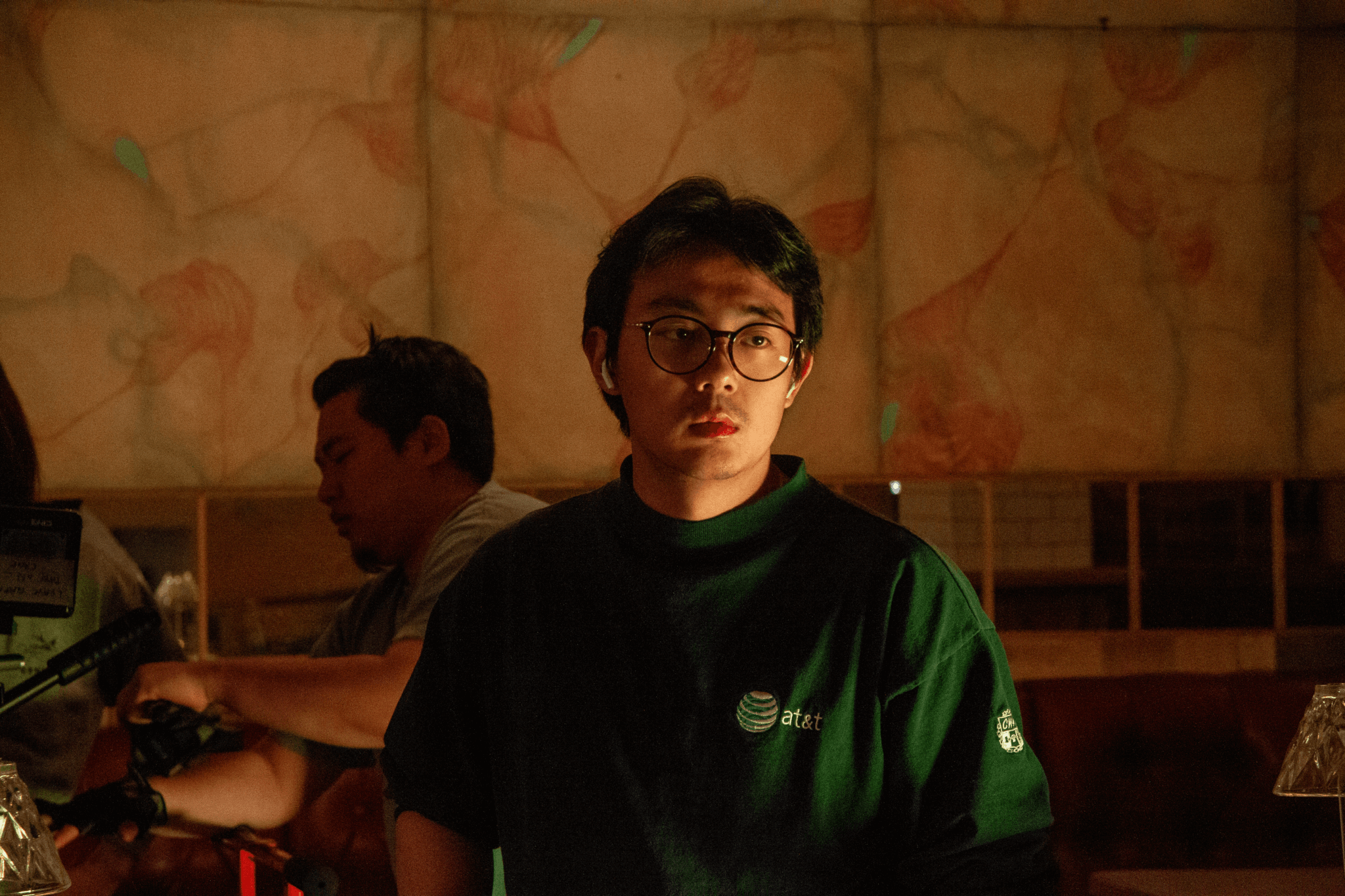
EJ Yeh is a young Chinese independent filmmaker based in Los Angeles. Double majoring in psychology and philosophy, he is an alumnus of Syracuse University and is currently working towards his MFA in the Film Directing Program at California Institute of the Arts. His films – both nonfiction and fiction narrative – offer an introspective gaze into the rites of passage that lead to adulthood, delving into the intricacy of inmate relationships and the quest for self-amidst cultural interplay. Capturing and visualizing vulnerable moments in a slice of life has been a constant theme in his works. He’s after nature instead of naturalness.
As a director, his documentary, “Room For Two”, is part of the official selections of the 2024 AmDocs Film Festival, which premiered at Camelot Theatre at Palm Springs Cultural Center. EJ is also an award-winning cinematographer at the Houston International Film Festival, the LA Shorts International Film Festival, and the San Francisco Indie Short Festival. He also served as producer for “A Whale Who Drank a Fish Bowl” which is screened at the Cinema On The Bayou Film Festival and the Houston Asian American & Pacific Islander Film Festival.
He is honored to have received a Donor-Named Scholarship from the California Institute of the Arts and Merit Scholarships from both Syracuse University and CalArts.
What do you find most rewarding about being a creative?
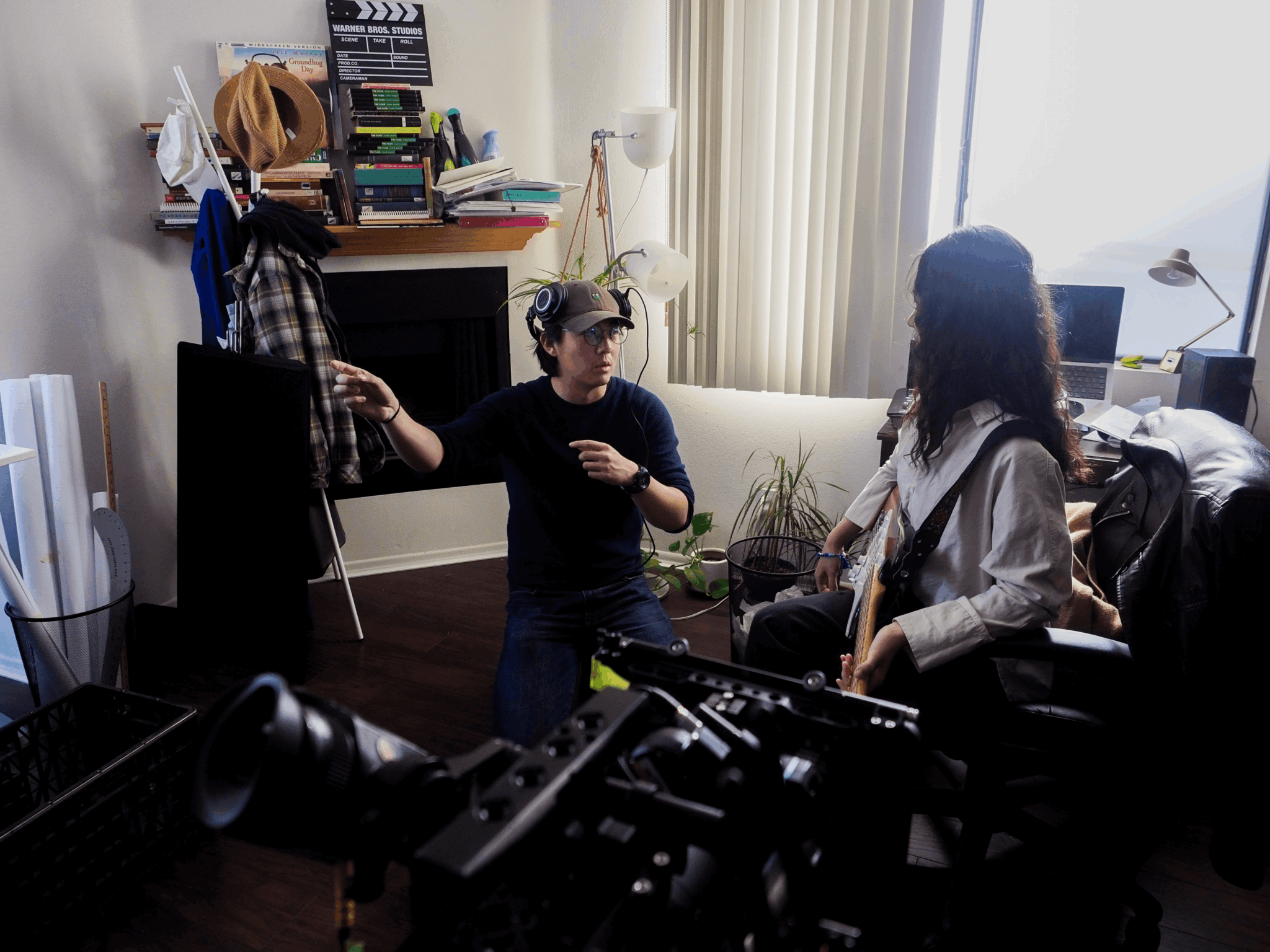
In our first meeting, my mentor told me that filmmaking is scary. There’s no way you can hide yourself because people see you through your work. Therefore, being an artist is the journey of re-learning how to put people first and how to care. To tell a touching story, you have to care. In a patriarchal and alienized society, there are very few careers that steer you to be human again, if not dehumanize you. To tell a touching story, the maker has to start that journey first. For me, that journey of seeing, experiencing, reflecting, and re-telling is the most rewarding aspect of being an artist. It connects me to more like-minded human beings and makes me a better person.
Learning and unlearning are both critical parts of growth – can you share a story of a time when you had to unlearn a lesson?
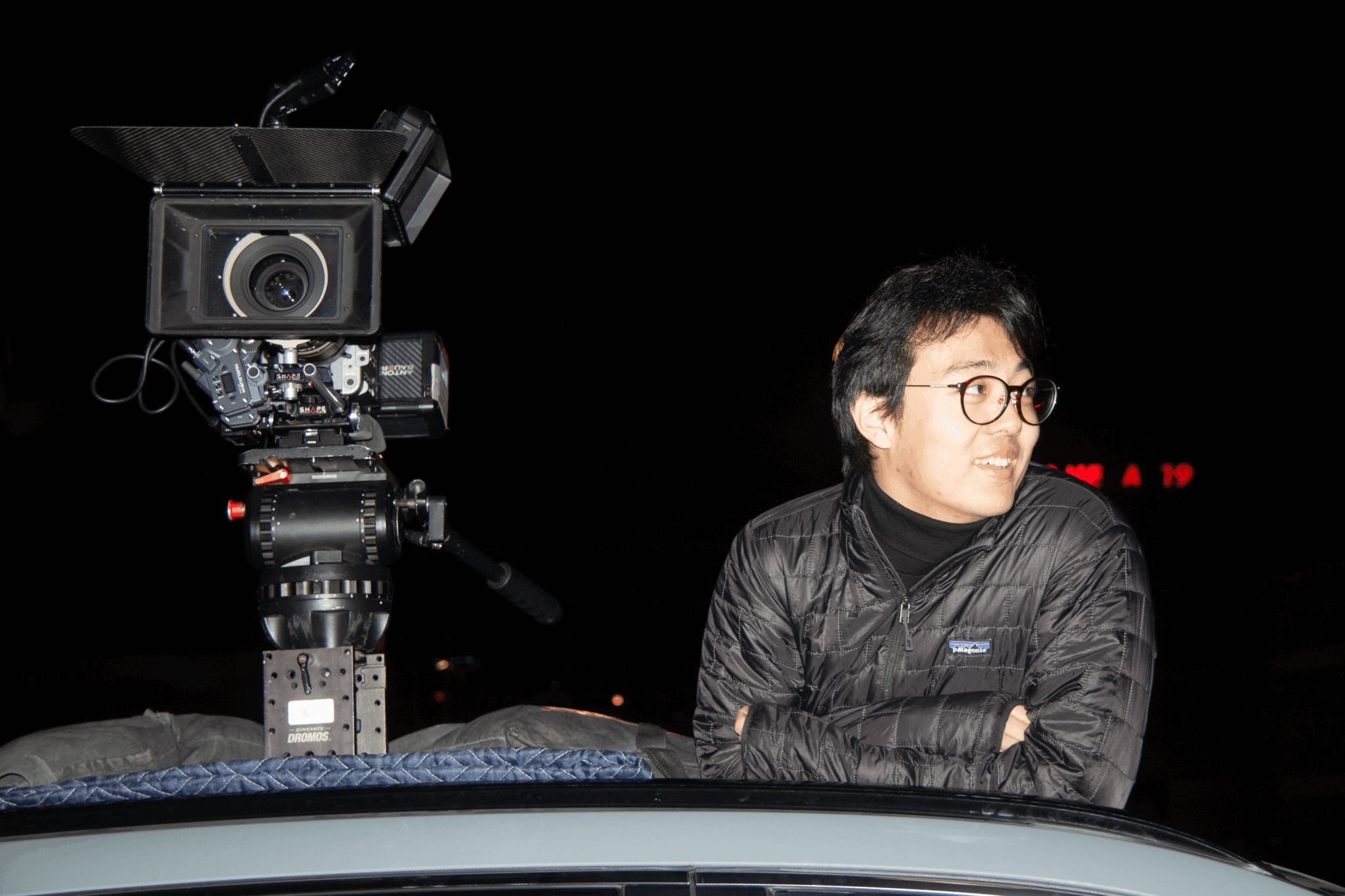
When we think of scripts or stories for film, most of us focus on plots or sequences of events. That was my initial impression of what a script should be. We often spend so much time crafting novel events with unexpected twists or endings, emphasizing storylines. This stereotypical view of a script is what I had to unlearn.
Writing a script with a plot-based mindset is extremely challenging. How can you create something that no one has ever told before? Not to mention, at their core, stories are meant to be simple. What sets films apart are the characters, emotions, and intricate details of the worlds different filmmakers create. Rather than inventing stories, a filmmaker’s job is to portray a world. Storytellers fill in details, add context, and emphasize textures to create a world that invites the audience to experience it. In that world, stories will emerge naturally.
Telling a story isn’t the ultimate goal of filmmaking; it’s about world-building at its core. The notion that scripting is all about figuring out a storyline is what I had to unlearn.
Contact Info:
- Linkedin: https://www.linkedin.com/in/ej-yeh-0a42b8181?lipi=urn%3Ali%3Apage%3Ad_flagship3_profile_view_base_contact_details%3BK9p0Y6b8R4i0AugYuSJWtA%3D%3D
- Other: IMDB
https://pro.imdb.com/name/nm13588557?s=f0c88fef-492b-d674-22c1-363a1373449c&site_preference=normal
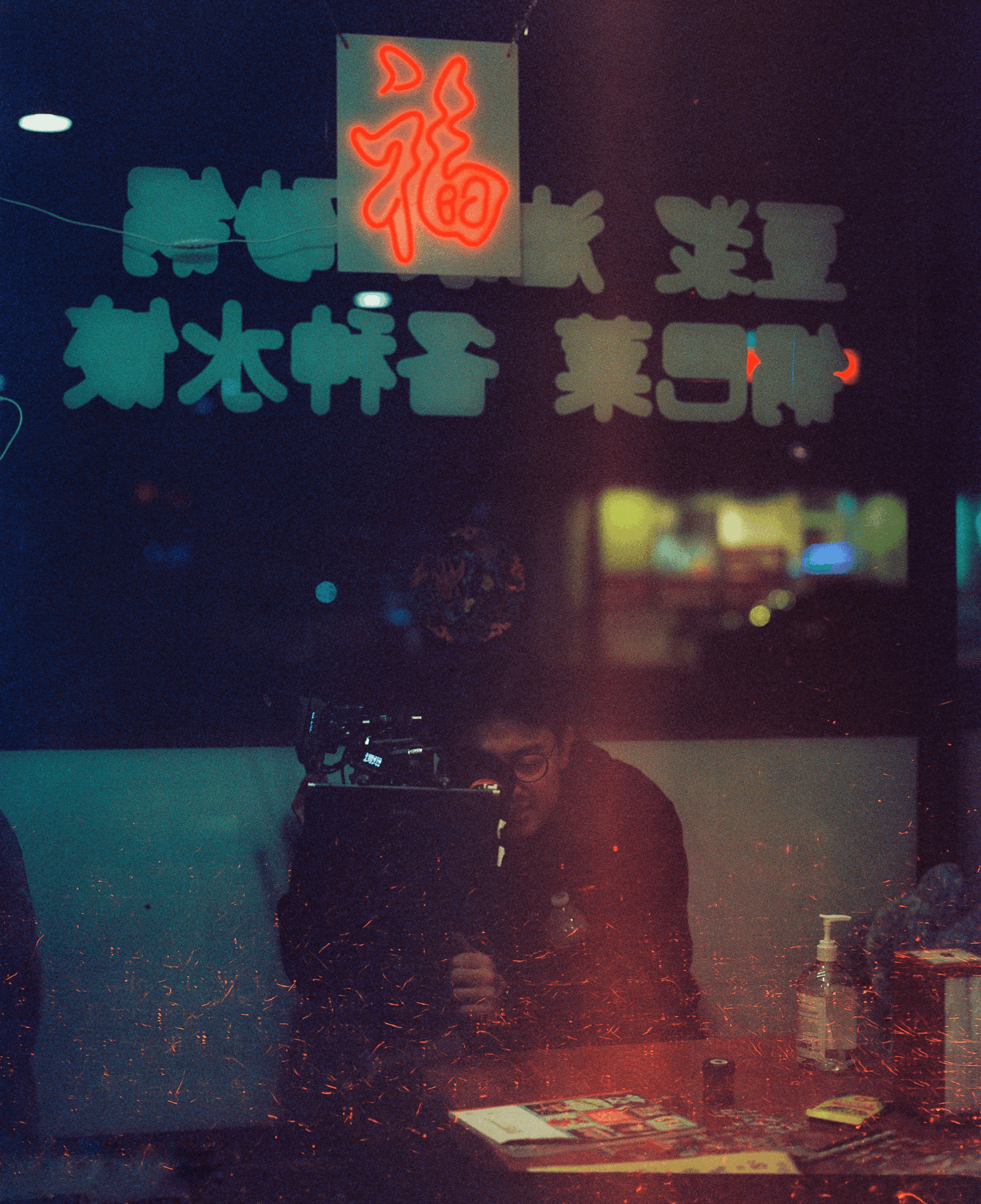
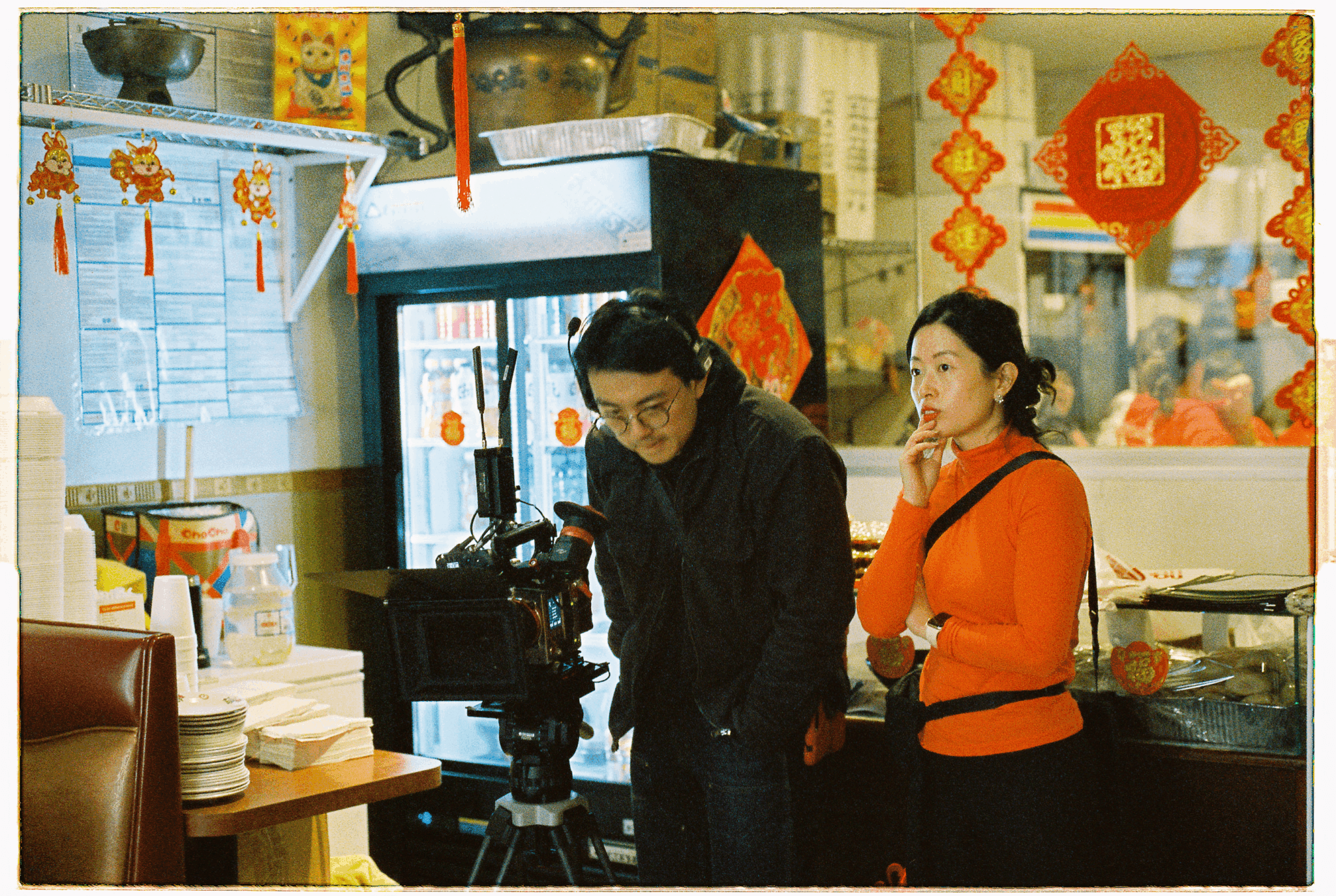
Image Credits
last two photos: Sean Niu