

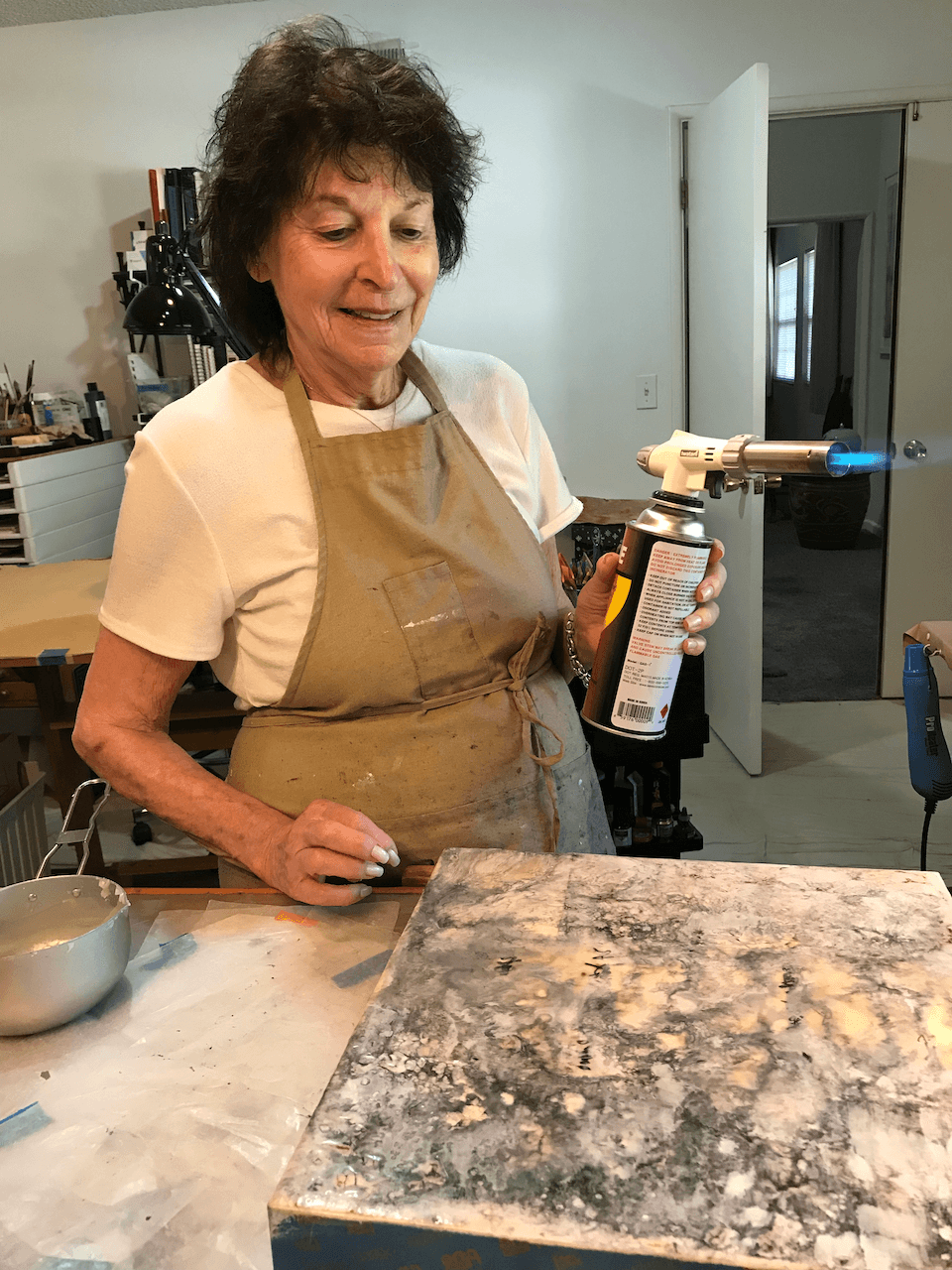

We recently connected with Joy Rotblatt and have shared our conversation below.
Joy, thanks for taking the time to share your stories with us today Can you talk to us about how you learned to do what you do?
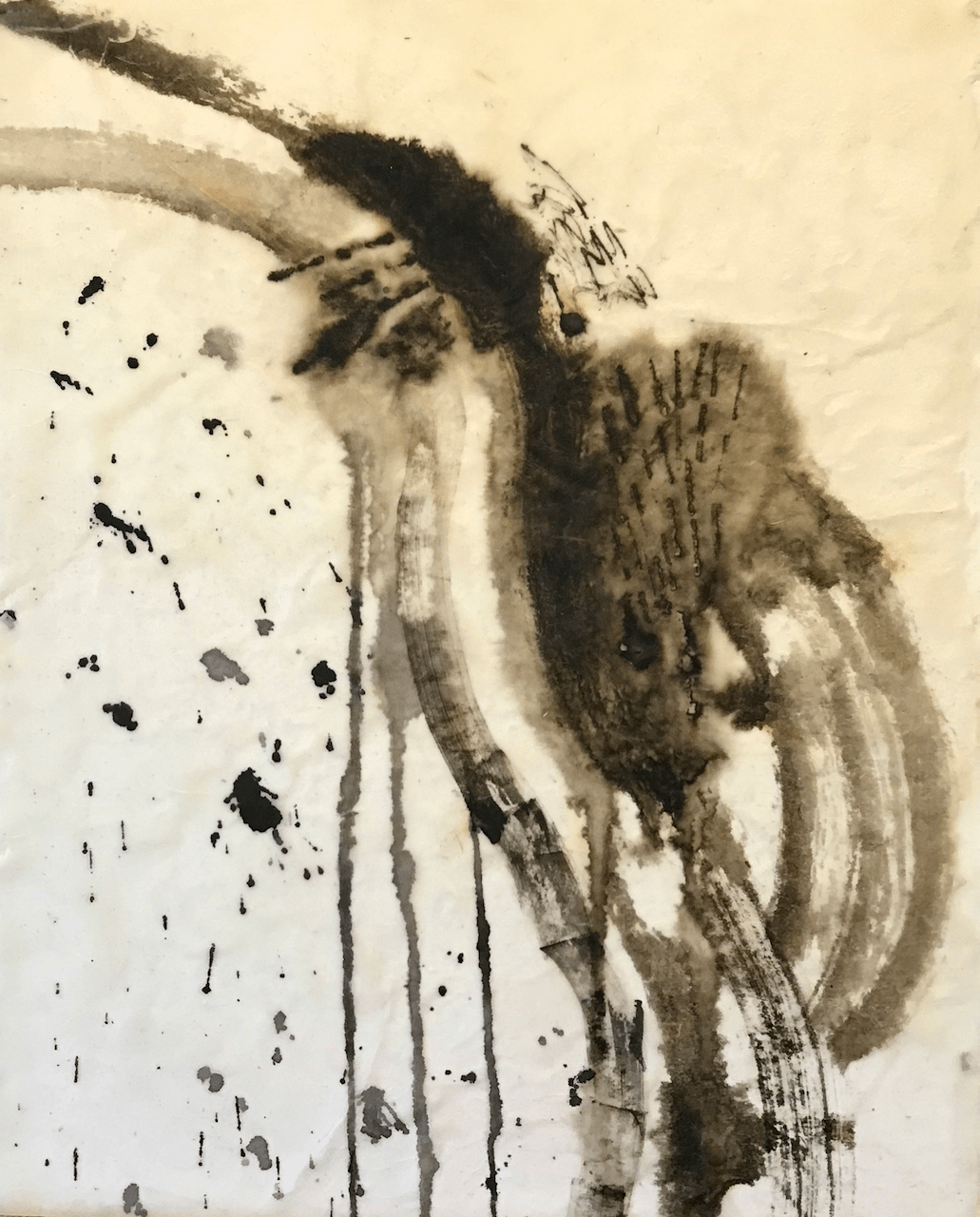
I learned how to paint in the 80″s as a sophomore at the Otis School of Fine Arts under Mike Kanemitzu, one of my many instructors during my 3 years as a student. His method of painting was to throw paint onto a canvas on the floor after he had done a meditation. This spontaneous way of working influenced me a great deal and remained in my subconscious.
As I painted, I began to appreciate the art of layering. I LOVED being able to see through the top layer to what I had done below. In 2000, I studied at the Santa Fe Institute of Fine Art under the renowned minimal sculptor Anne Truitt. While I was in that workshop I observed a woman working in encaustic. It was the first time I had seen wax being used as a medium in painting. I was HOOKED!!! Coincidently when I came home, a artist from the east coast emailed me and asked if I knew of any artists who would be interested in taking a five day workshop in encaustic painting. Talk about serendipity!!! I organized the workshop, learned some of the basic techniques and was on my way.
Awesome – so before we get into the rest of our questions, can you briefly introduce yourself to our readers.
The stories that make up our lives have always intrigued me. I have always been a storyteller. When I was a young girl in Chicago, I remember telling stories to the children in the neighborhood who would gather around me while I illustrated these stories by drawing in the dirt with a stick. Storytelling continued to a series of cigar boxes I have worked on, each of which contains a different story or memory of my life.
My heritage is one of creativity. There are painters, sculptors, photographers, and weavers on both sides of my family. My mother and aunt were avid collectors of Asian Art as well as painters. I have been greatly influenced by the shallow space and flatness that Asian art depicts. My eye generally sees the edges and lines of shapes.
My chief concerns have always been the dichotomies of a life lived and the layers of of the past as evidenced through memory.
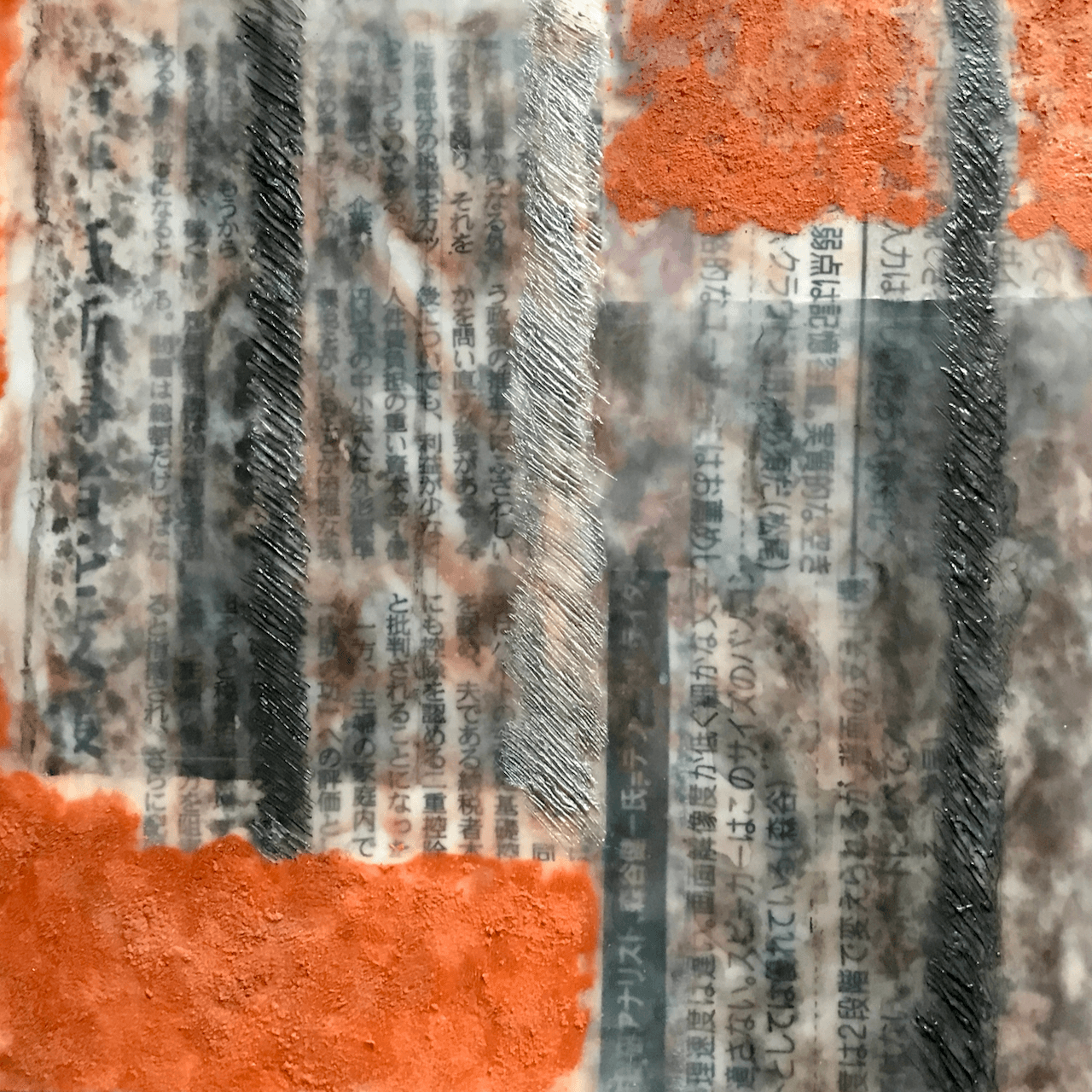
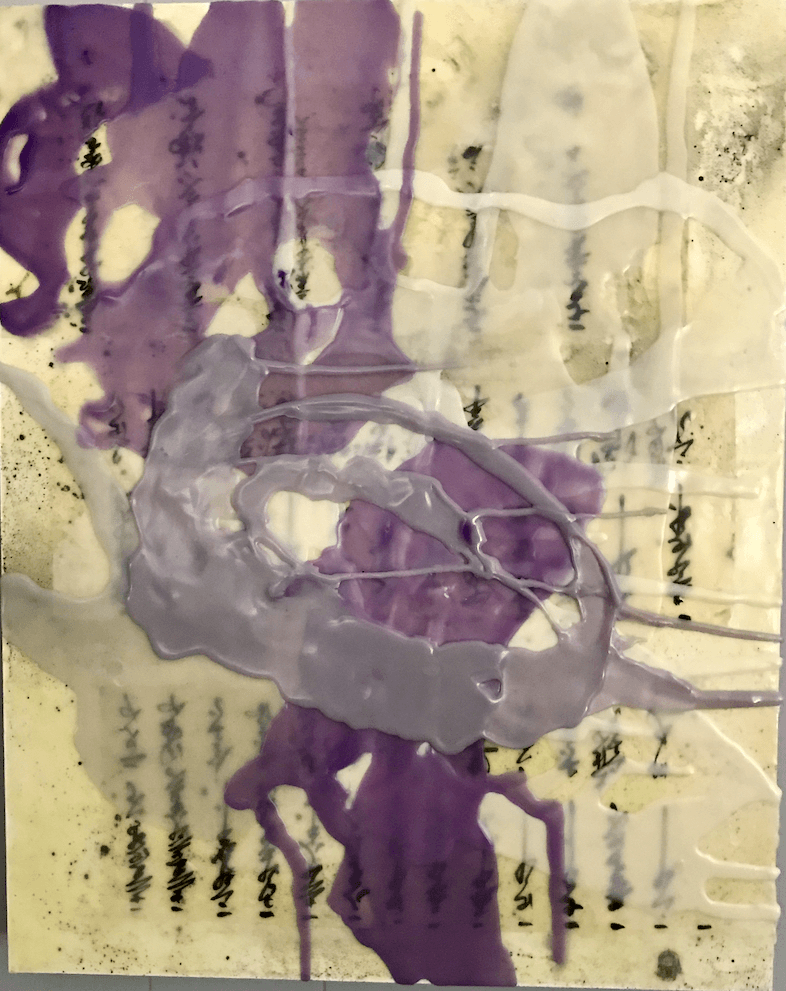
I taught myself to read and have, since childhood, been actively engaged in reading. Writing words have a universality to them. Not necessarily in the specific meanings of the marks, but rather in the beauty of the calligraphic marks themselves. I use various languages with their lovely ways of mark- making as linear elements in my work. The marks do not have to be taken literally, rather, they are appreciated by their beauty in the work.
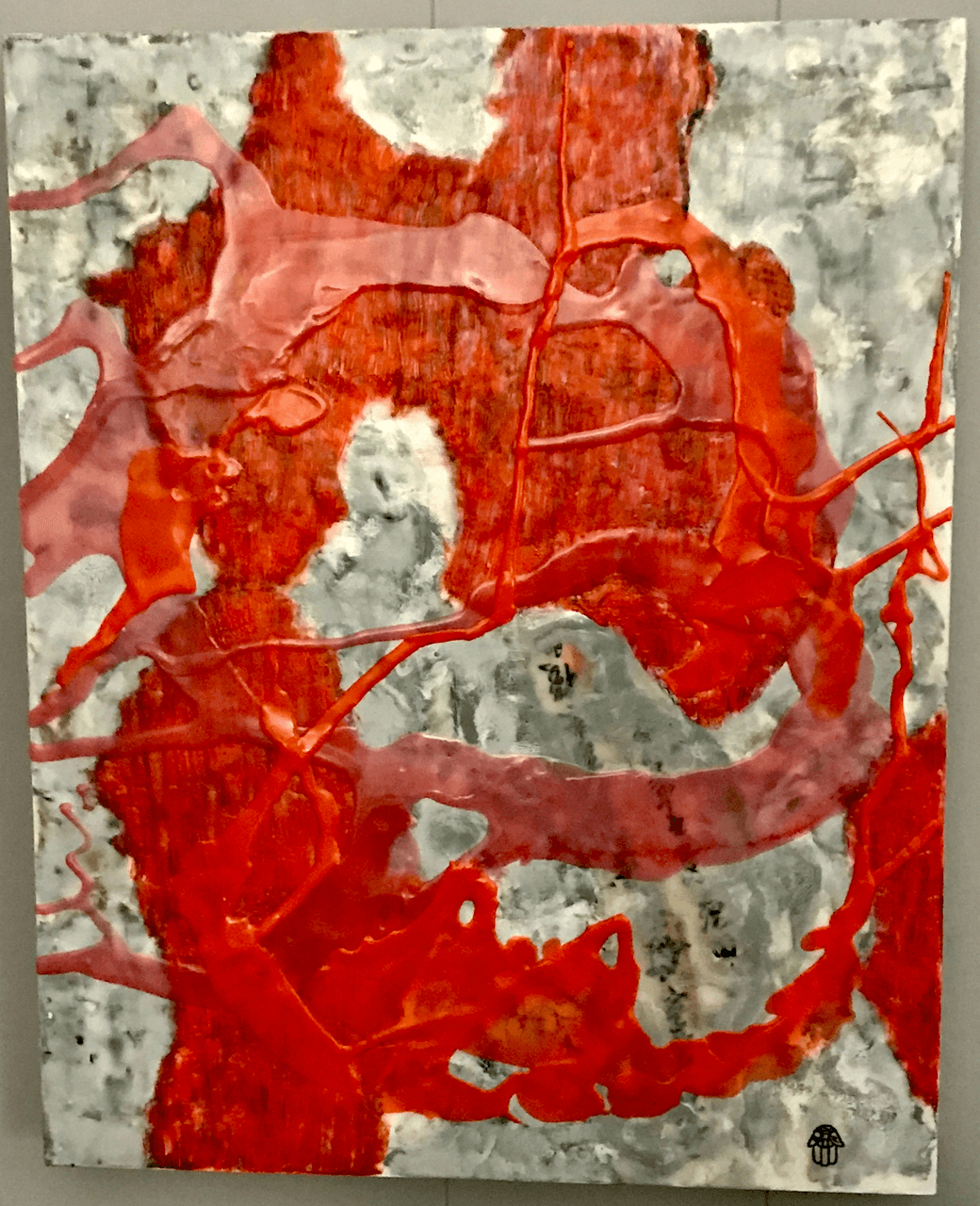
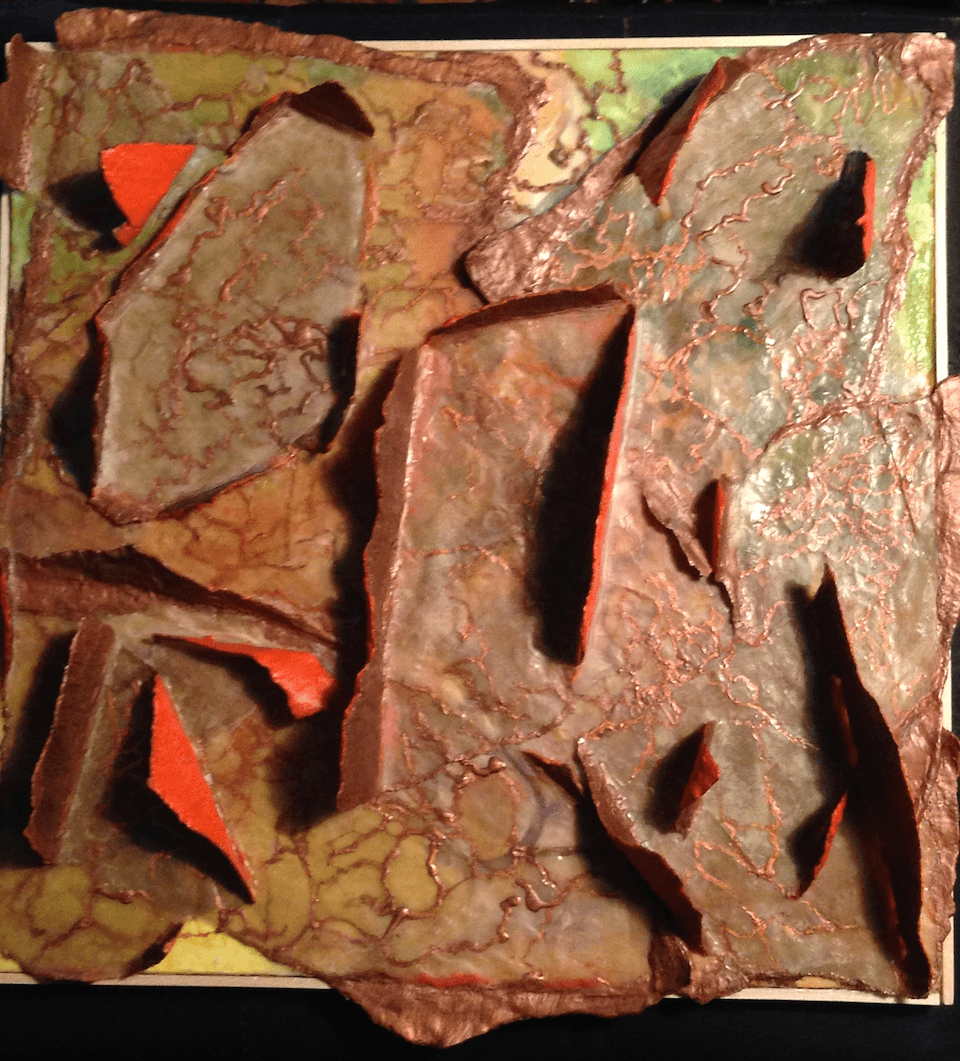
My chosen medium of encaustic painting has allowed me to layer and layer each piece of work. With each subsequent layer the mystery of what lies beneath, barely visible, is left to ones memory, in a similar way that our lives proceed. The encaustic pours that appear on several of these works reference spontaneity which in turn relates back to our lives. I am quite a spontaneous person, and I encourage my viewers to look inward and the joy and playful aspects of their own lives. I would like my audience to feel that the work is familiar in some way and that the paintings have lived before.
What’s the most rewarding aspect of being a creative in your experience?
There are many rewarding aspects of being a artist. The most rewarding aspect, for me, is the ability to create a work I have previously envisioned, to actually paint an image I saw either in a dream, or in my minds eye. When I look at the blank canvases, the waxes, the myriad of colors available for me to use and all the collage material I continue to collect, I think about all I have learned, and which techniques and materials I will select for this particular work. I begin creating a finished work of art by incorporating all these elements into a complete painting. The challenges I face when combining all of these elements and making them work so that my viewer responds positively to the painting is, to me, the most rewarding aspect of being an artist.

What can society do to ensure an environment that’s helpful to artists and creatives?
Supporting artists, creatives and creating a thriving creative ecosystem will take thought and a lot of hard work. By offering artists more places to show and sell their products at reasonable prices would enable artists to reduce the costs of their work and provide them with more income. If available work is at a price that is affordable there would be an increase in sales. The galleries or alternative venues that exhibit the work would also need to reduce the percentage they take from the sales of the works. More exhibition locations that offer affordable work need to be opened. They should also make the public aware that in select cases eco-friendly materials are being used in the work.
Contact Info:
- Website: https://www.joyartist.com
- Instagram: rotblatt
- Facebook: Joy J. Rotblatt
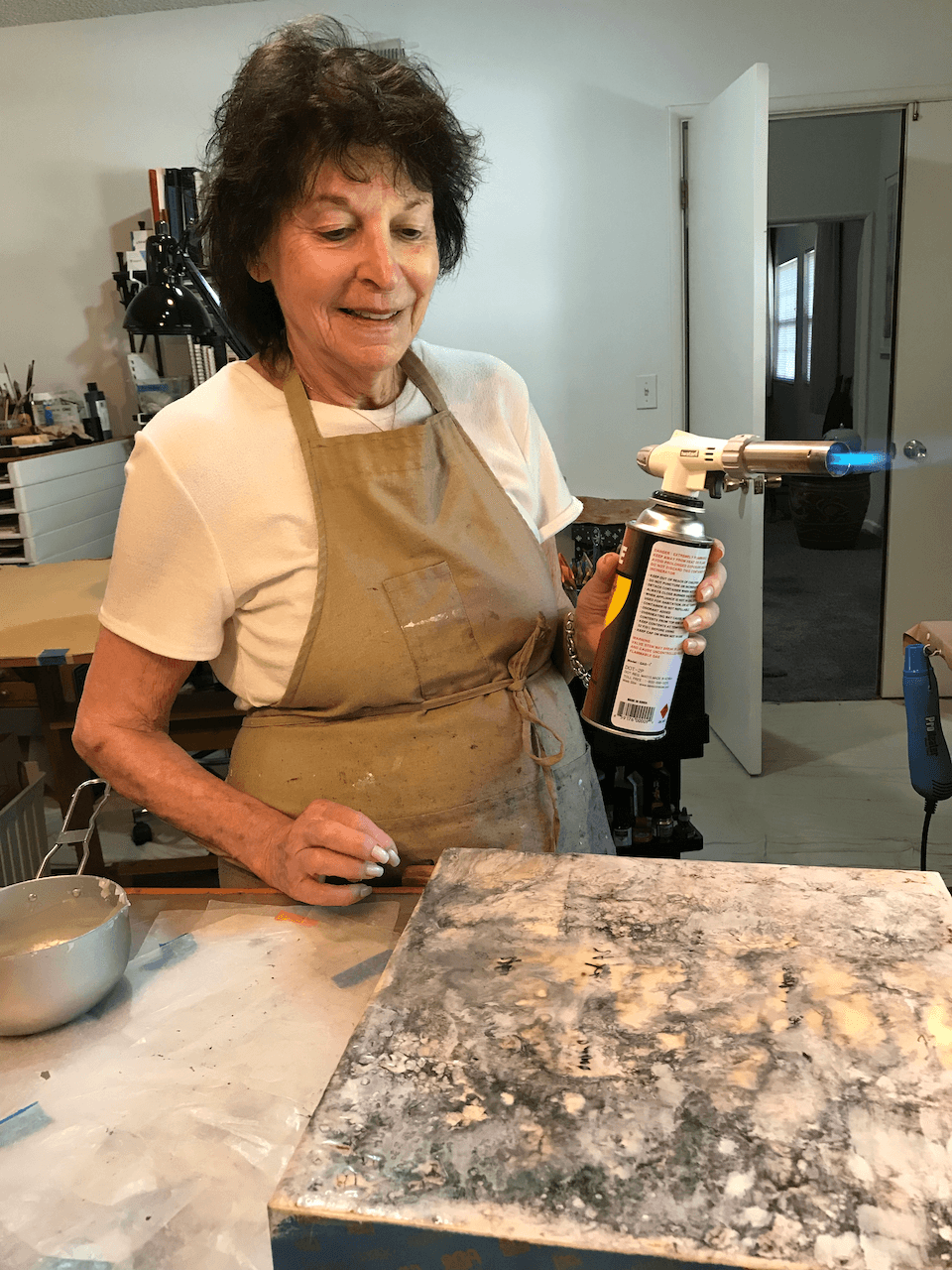
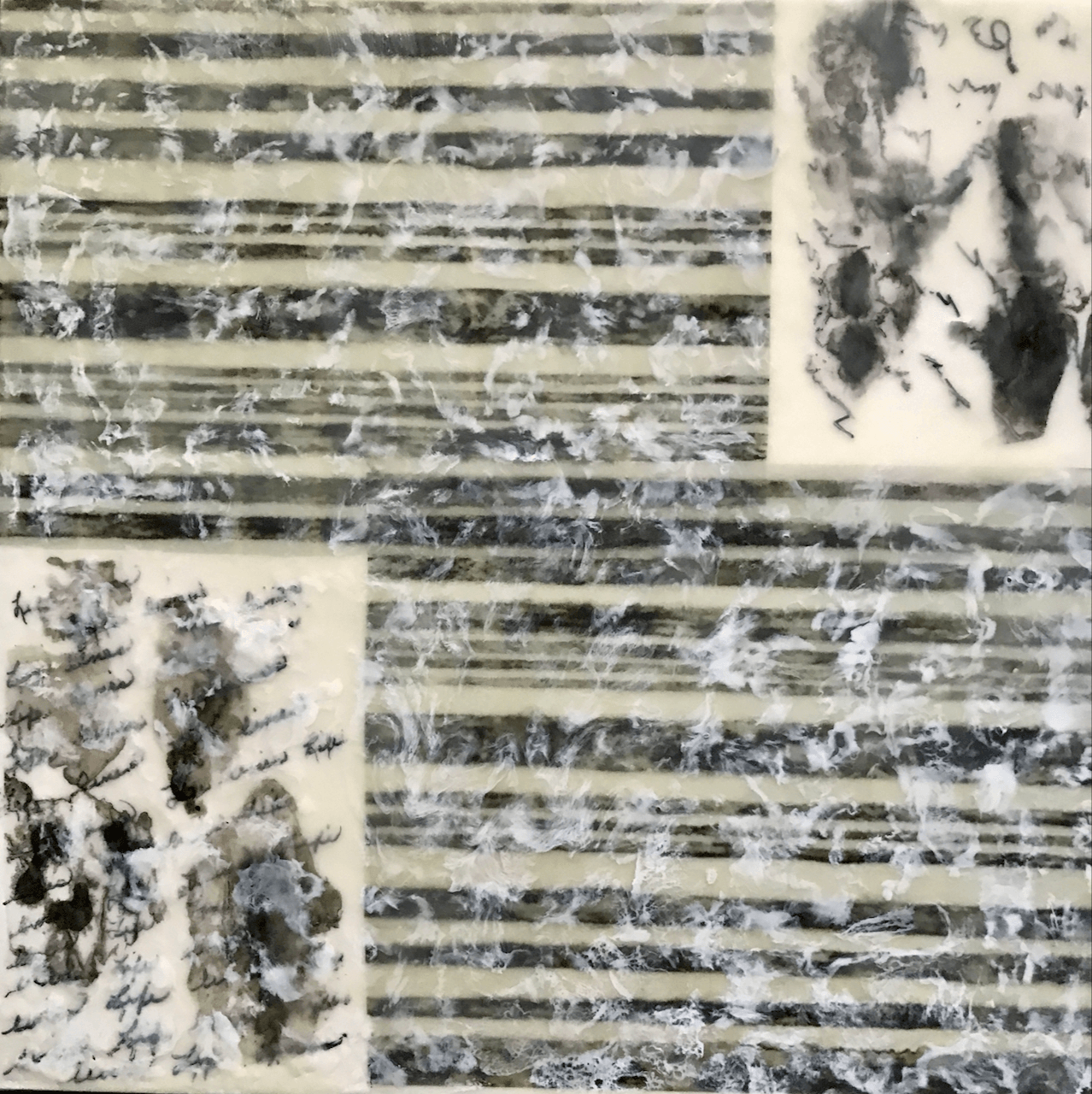
Image Credits
The photos of my work were taken by me, the photos at Openings were taken by other artists.