



Today we’d like to introduce you to Anthony Amos
Hi Anthony, please kick things off for us with an introduction to yourself and your story.
It all started with dandelions. Loads of them, right there in our summer yard, buzzing with bees that seemed to have a personal vendetta against me. After one too many stings, I developed a pretty intense fear of these tiny buzzers and decided the great indoors was safer than the floral battlefield outside. To keep me from climbing the walls in boredom, my mom tossed me some crayons and construction paper.
Little did she know, she wasn’t just keeping me busy; she was setting the stage for my life’s passion. Drawing became more than a pastime; it gave me a sense of identity and accomplishment. By the time I was ten, I was already taking summer classes at the Art Institute of Chicago, a place I’d come to know well thanks to my grandma. She worked downtown and spent our weekends together showing me the city’s art scene—turning every stroll through a museum or gallery into a mini-masterclass.
Those days with grandma weren’t just about avoiding bees; they were about immersing myself in a world where art felt as essential as breathing. I used to study the works of artists we’d seen just to impress her with my amateur art knowledge. It made those moments we shared even more special.
That same year, I met Patricia Moore, who would become my mentor for the next twenty years. Patricia had this gentle but firm way of boosting my confidence and pushing me to take creative risks. She wasn’t just teaching me how to perfect my brush strokes; she was molding my character, emphasizing the importance of pride, ethics, and integrity in art.
Patricia knew how to handle my little artist ego too. She’d take me into the galleries she managed, letting me sit in on the formal critiques and showings. I wasn’t just some kid in the corner; I felt like part of the inner circle, soaking up every word and using it to fuel my own artistic journey.
Looking back, I realize how those early days of escaping bee stings and doodling inside shaped my entire career. It’s funny how life works—sometimes it’s the smallest things, like a yard full of dandelions, that can lead you to your biggest passions.
The ’90s, man, what a time to grow up! Everything was so new and exciting, but at the same time, we were slammed with the reality of the adult world way too soon. One minute you’d be watching a teenage gun violence report on TV, and the next, you’d be diving into the cozy, family vibes of sitcoms like “Family Matters” and “Full House.” Talk about contrast.
For me, a skinny, short, Black kid who loved art more than sports, the pressure to fit into that ’90s definition of masculinity was tough. Art wasn’t the cool thing back then, not like basketball or football. Maybe that’s why I’m drawn to painting heroes—there’s something about depicting the kind of strength and integrity I admired, the kind I wanted to embody.
Take Muhammad Ali and Bruce Lee—these guys were my icons, not just for their physical prowess but for their guts, their moral fiber, and their stand against injustices. They were fearless both in and out of the ring, and that’s what I try to capture in my paintings. But hey, not all my work is serious business. Sometimes it’s about the sheer joy of being a kid in the ’90s—like watching Optimus Prime transform, seeing Bugs Bunny outsmart Elmer Fudd, or reliving the magic of Michael Jordan taking flight from the free throw line. Pure nostalgia!
Lately, though, I’ve been channeling my art into something a bit more grounded. I paint portraits of everyday folks caught up in today’s hot button issues. Through my art, I try to give a voice to those who feel voiceless, to bring their stories into the light in hopes of sparking some action, or at least fostering a bit of understanding and sensitivity. My recent pieces on Cannabis Law Reform and Homelessness really delve into this, highlighting the injustices wrapped up in these issues.
It’s all about blending the past with the present, mixing the personal with the political. Whether it’s heroes from my childhood or the unsung heroes of today, I paint to tell stories, to provoke thought, and maybe, just maybe, to inspire a little change.
Alright, so let’s dig a little deeper into the story – has it been an easy path overall and if not, what were the challenges you’ve had to overcome?
I’ve dreamed of being an artist since I was about 4 or 5 years old. By the time I was 10, I was taking summer classes at the Art Institute of Chicago, and I was certain that was the place I wanted to end up for college. Life had other plans, though, and I found myself at the Art Institute of Atlanta instead. College was an eye-opening experience, but it came with its fair share of hurdles.
Back home, I thought I was a big fish. At college, it was a whole different story. The café was always buzzing with incredibly talented artists, each seemingly more skilled than the last. I quickly felt overwhelmed. The air was thick with competition from day one, and I knew standing out would be a tough row to hoe.
Living the “starving artist” lifestyle wasn’t just a cliché—it was my reality. Meals were often limited to once a day, usually just chicken breast and rice. There was even a week when a giant can of corn was all I ate because I was completely strapped for cash. To save money, I’d jump train barriers or sneak onto buses. Crashing at a classmate’s place, closer to campus, felt like a small miracle. Many of us even slept in the library to save up for emergencies. My usual side hustles, like selling custom sneakers, weren’t cutting it because, well, other artists were just as broke as I was. The only way I could scrape by was tutoring other students in English, Color Theory, and Art 101.
By my second year, things really started to spiral. My housing situation was in jeopardy as my loans ran dry and the school was unforgiving. I spent more time in the financial aid office than in class, desperately seeking any available grants or assistance. Eventually, I had no choice but to drop out. That hit me hard—I was overwhelmed with depression. During those last few days before my family came to pick me up, I was either crying, sleeping, or clinging to my roommates.
Leaving college was heart-wrenching. I remember kneeling in the parking lot, touching the pavement tenderly, and even kissing it goodbye, as if I were saying farewell to a dear friend. A decade of dreams and hard training seemed to wash away in just a moment.
The following two years were rough. I was enveloped in bitterness and depression, barely functioning, lost in a fog of alcohol and marijuana, wandering the streets without purpose. I can hardly recall anything from that period, except the pervasive sense of loss.
But eventually, I grew weary of wallowing. A moment of clarity struck me—I realized I had become everything I despised: a quitter, a sore loser. Dropping out had convinced me that without a degree, I couldn’t be a real artist, even though I had created impressive work before ever stepping foot in college. I had forgotten all the valuable lessons my mentor taught me in my youth. It was time to remember who I was and what I was capable of, degree or no degree.
The most significant risk I’ve taken was deciding to pursue art full-time. This came about unexpectedly when I was let go from a food safety lab, where I had worked my way up from an unsure newcomer to leading shifts and training new employees. The dismissal came as a shock—I couldn’t grasp the reasoning behind it. Walking to my car that cold January day, anxiety surged through me, yet oddly, I didn’t feel the chill. My mind scrambled for explanations and for the courage to break the news to my wife. The timing couldn’t have been worse: I was a new father with a nine-month-old son, and we had just bought a home three months earlier.
By March, I was still jobless and the pressure was mounting. One evening at dinner, I opened up to my wife about the thoughts that had raced through my mind the day I was fired. Initially, I had dismissed the idea of becoming a full-time artist—my confidence was shattered, and the practicalities of our financial situation weighed heavily on me. But as the weeks passed with no job prospects, desperation reframed my thinking. This could be my opportunity to prove that I could make it as an artist.
After some heartfelt discussions, my wife gave me her full support. Energized by her faith in me, I threw myself into my art like never before. I created relentlessly and attended every pop-up show and gallery event I could find in Chicago. For a while, it paid off. The first half of 2017 saw successful sales and a promising start to my artistic career.
However, as autumn arrived, my sales began to dwindle. Reluctantly, I re-entered the workforce, but that too was short-lived; the company went bankrupt and laid off all its employees. It felt like no matter how hard I tried, I couldn’t catch a break. I had sidelined my passion for painting to chase job security, and now I was out of work again.
Seeing the toll this was taking on me, my wife came to me one evening with a gentle yet firm message. “It’s clear you’re trying hard, and we see it,” she said. “However, you are unhappy and disengaged at home. It’s time to return to painting. We believe in you.”
Her words were a lifeline thrown to me in a sea of uncertainty. With the backing of my family, I knew it was time to commit fully to my art, to embrace the risk and the possibility it represented. It wasn’t just about making a living; it was about making a life that was truly mine.
As you know, we’re big fans of Concepts to Kicks. For our readers who might not be as familiar what can you tell them about the brand?
The highlight of my art career to date was the launch of our nonprofit initiative, “Concepts to Kicks.” This arts education project, a collaboration between a friend and myself, aims to engage students by merging their love of sneakers with educational content.
Our approach rewards students with customized sneakers for their ability to convey knowledge through pictorial storytelling about historical and contemporary movements. We initiated “Concepts to Kicks” in response to the decline in student engagement exacerbated by remote learning and pandemic conditions. The focus is on social justice themes and culturally relevant teaching methods. We believe that integrating modern competitions and rewards that align with student interests can significantly boost engagement.
Instead of judging artistic skill alone, our school-wide sneaker design challenge evaluates students on the quality of their research and their capacity to express creative ideas. We launched this program in a school where most students live below the poverty line and face challenges like chronic absenteeism, transience, and homelessness. Additionally, a significant percentage of the student body was performing below grade level in STEM subjects. Our program sought to reignite their interest and participation.
In its inaugural year, we received over 500 submissions from students in grades 2 through 8 in a school of about 450 students. As of 2023, we have extended the program to include a second school in the district The entries covered diverse topics such as athletic history, world wars, environmentalism, cultural folklore, and modern movements like hip-hop and Black Lives Matter. We noticed a remarkable increase in student motivation, driven by the prospect of winning a tangible, desirable reward—customized sneakers that they could wear, designed by professional artists to reflect their ideas and research.
The impact of “Concepts to Kicks” extended beyond the classroom. The program garnered significant media attention, including three segments on CBS News, one on Fox News, WGN, Afro TV and three additional news articles. Teach magazine in Canada even featured an article about our project upon request. This exposure sparked community discussions, with parents expressing pride over their children’s opportunities to be recognized as young artists. Importantly, the program also showed all students, not just the winners, that they could achieve substantial accomplishments through their own efforts and creativity.
Now in its fourth year, the program continues to thrive. My partner was honored as ‘Teacher of the Year,’ and I received the Military Outstanding Volunteer Service Medal from the Illinois Army National Guard, affirming the positive impact of our work on both the educational and community levels.
Can you talk to us a bit about happiness and what makes you happy?
What truly makes me happy is seeing the positive impact of our nonprofit initiative, “Concepts to Kicks,” on young students. Launching and nurturing this program has been the highlight of my art career. It’s incredibly rewarding to merge my passion for art with educational engagement, especially in a manner that resonates deeply with the students.
The joy comes from witnessing firsthand how a creative educational approach can transform students’ engagement and enthusiasm for learning. Through “Concepts to Kicks,” we provide students, many of whom face significant socioeconomic challenges, with an opportunity to express themselves and learn through an art form they love—sneaker design. Seeing their eyes light up when they talk about their designs and the stories behind them fills me with immense happiness.
Moreover, the success and recognition that the program has received, including media coverage and awards, affirm the value and impact of our work. But beyond these accolades, the real reward is observing how students who might not excel in traditional academic settings find a platform where they can succeed and be recognized. This not only boosts their confidence but often ignites a newfound enthusiasm for their studies.
Finally, the community response, especially from parents who are thrilled to see their children thrive and gain recognition as young artists, adds to my happiness. Knowing that we are contributing positively to the community and providing a platform for young voices to be heard and celebrated is deeply fulfilling. This initiative embodies my belief that art can be a powerful tool for education and empowerment, making my involvement in “Concepts to Kicks” a profound source of joy and satisfaction in my life. Thinking back to my own experiences and those of countless others, growing up as a creative child in Chicago’s school system during the 90s could be incredibly challenging. At that time, the system often prioritized conformity and traditional academic success, leaving little room for creative expression or alternative learning styles. This environment could be particularly stifling for someone like me, a child whose imagination and artistic inclinations didn’t fit neatly into the standard educational molds.
In such a setting, creative talents were frequently overlooked or undervalued. The emphasis was heavily on core subjects like math, science, and language arts, with art often relegated to a mere elective—if it was offered at all. For a creative child, this lack of support and recognition could feel isolating and disheartening. The message seemed clear: conform to the expected norms, or risk being seen as less capable or serious.
Moreover, the rigid structure of the 90s school system often didn’t accommodate different learning styles, which could lead to creative children feeling misunderstood and underappreciated. This could manifest in various ways, from being discouraged to pursue artistic interests to receiving outright criticism for thinking or acting differently. The pressure to conform could stifle creativity, leading to a loss of interest in school and a decline in overall well-being.
Now, imagine a program like “Concepts to Kicks” existing in that environment. For a child who had never received affirmation for their creative talents, being part of such an initiative could be transformative. It would not only validate their interests and abilities but also provide a platform to showcase their creativity in a way that’s celebrated and rewarded. This recognition could serve as a powerful counter-narrative to any previous discouragement, helping to rebuild confidence and affirm their value as individuals.
Moreover, “Concepts to Kicks” would offer these children a sense of belonging and community with peers who share similar interests, further enhancing their engagement and enjoyment. The opportunity to see their ideas come to life through customized sneakers would be incredibly fulfilling, turning abstract concepts into tangible achievements that they can literally wear with pride.
This program would likely bring immense joy and a new sense of purpose to a child who had been pushed into conformity, helping to reignite their passion for learning and creativity. It would demonstrate that their unique perspectives are not only acceptable but valuable and desired, potentially changing their educational trajectory and overall outlook on life. In this way, “Concepts to Kicks” could serve as a significant corrective experience, altering a child’s narrative from one of limitation and conformity to one of empowerment and creative expression.
Pricing:
- Sneakers $500-$1500
- Canvas $500-$5000
Contact Info:
- Website: https://Sneakerfarekicks.com
- Instagram: https://Instagram.com/sneakerfarekicks
- Facebook: https://www.facebook.com/share/ErRnUGAFgnKmWHD5/?mibextid=JRoKGi
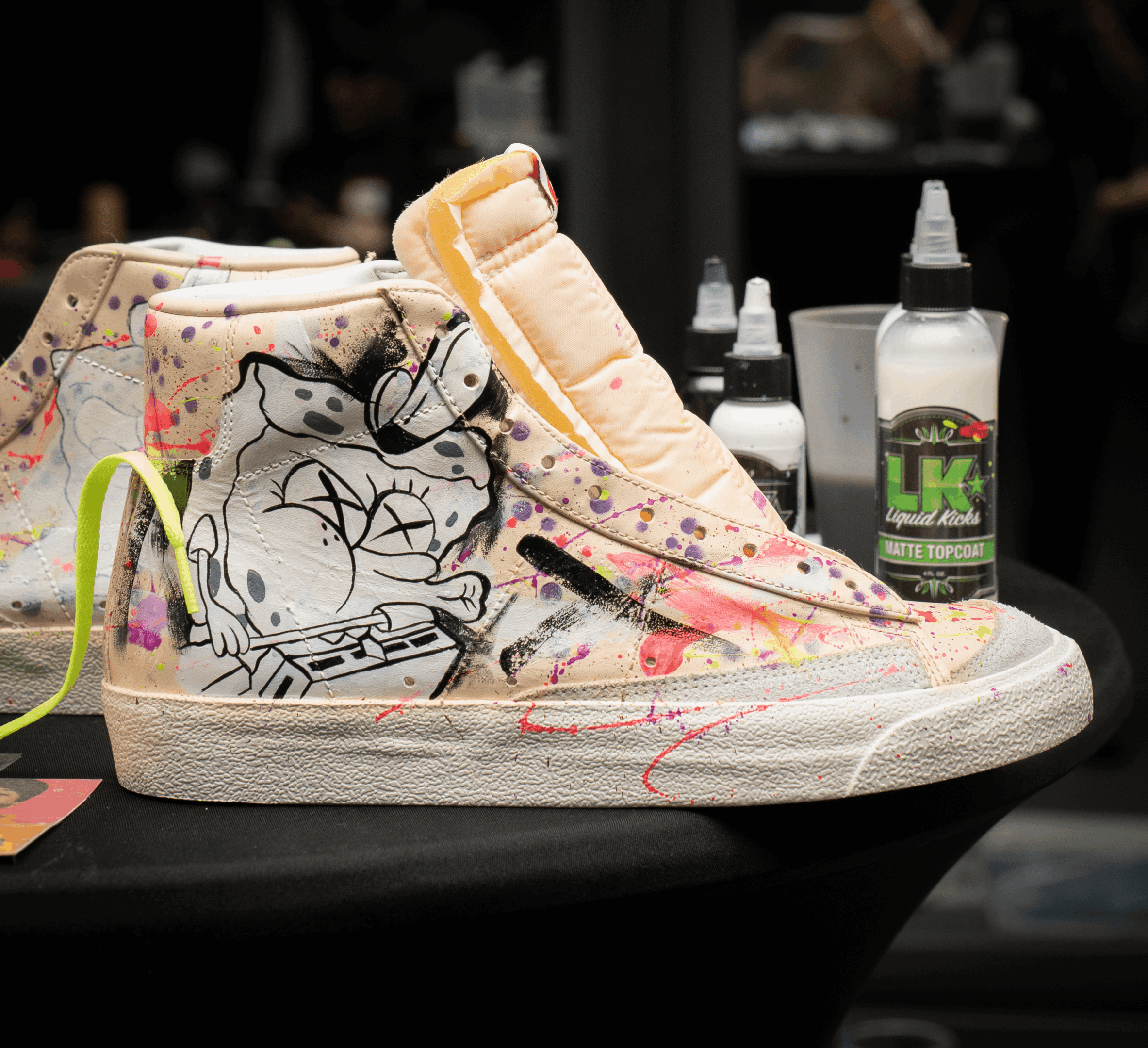
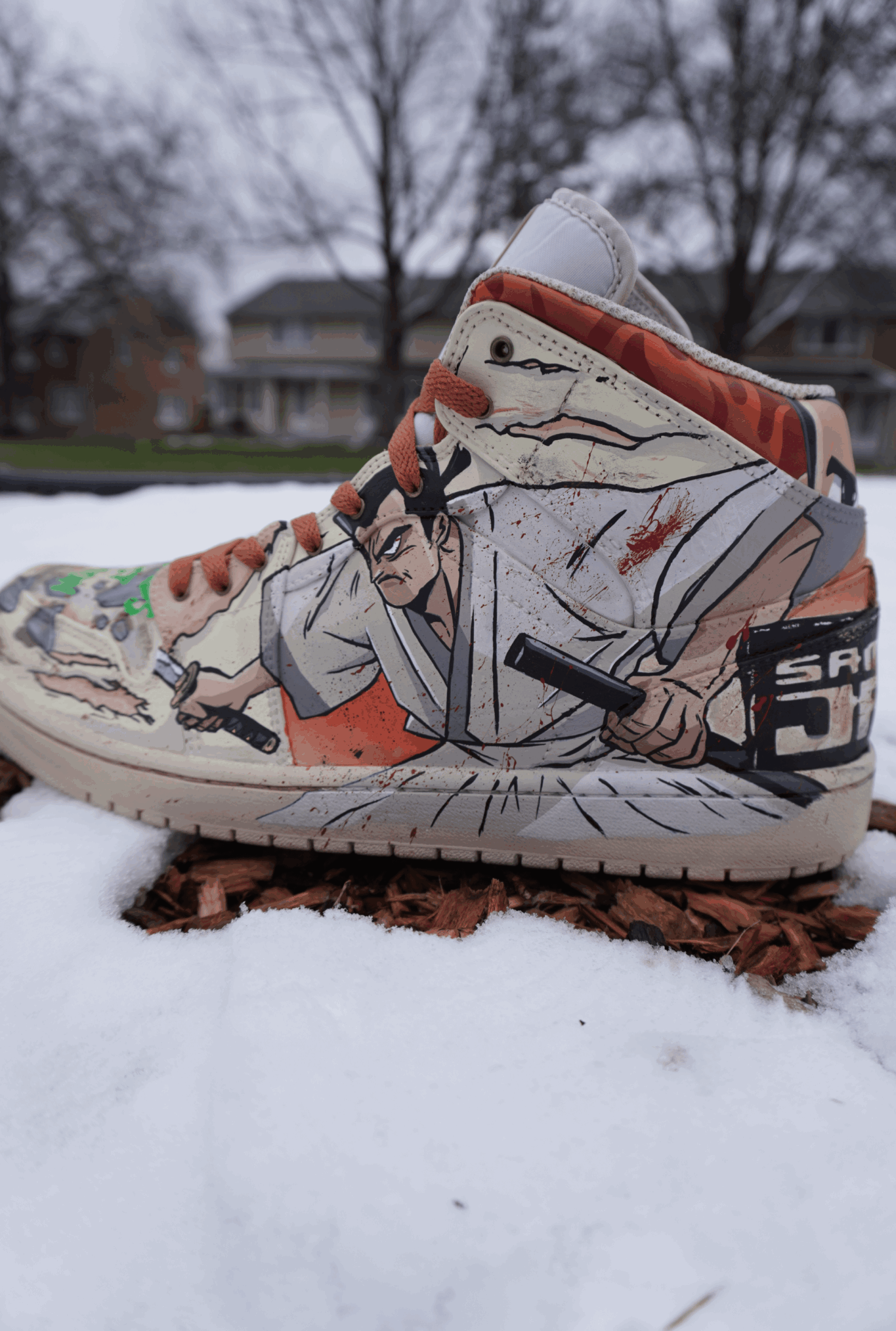
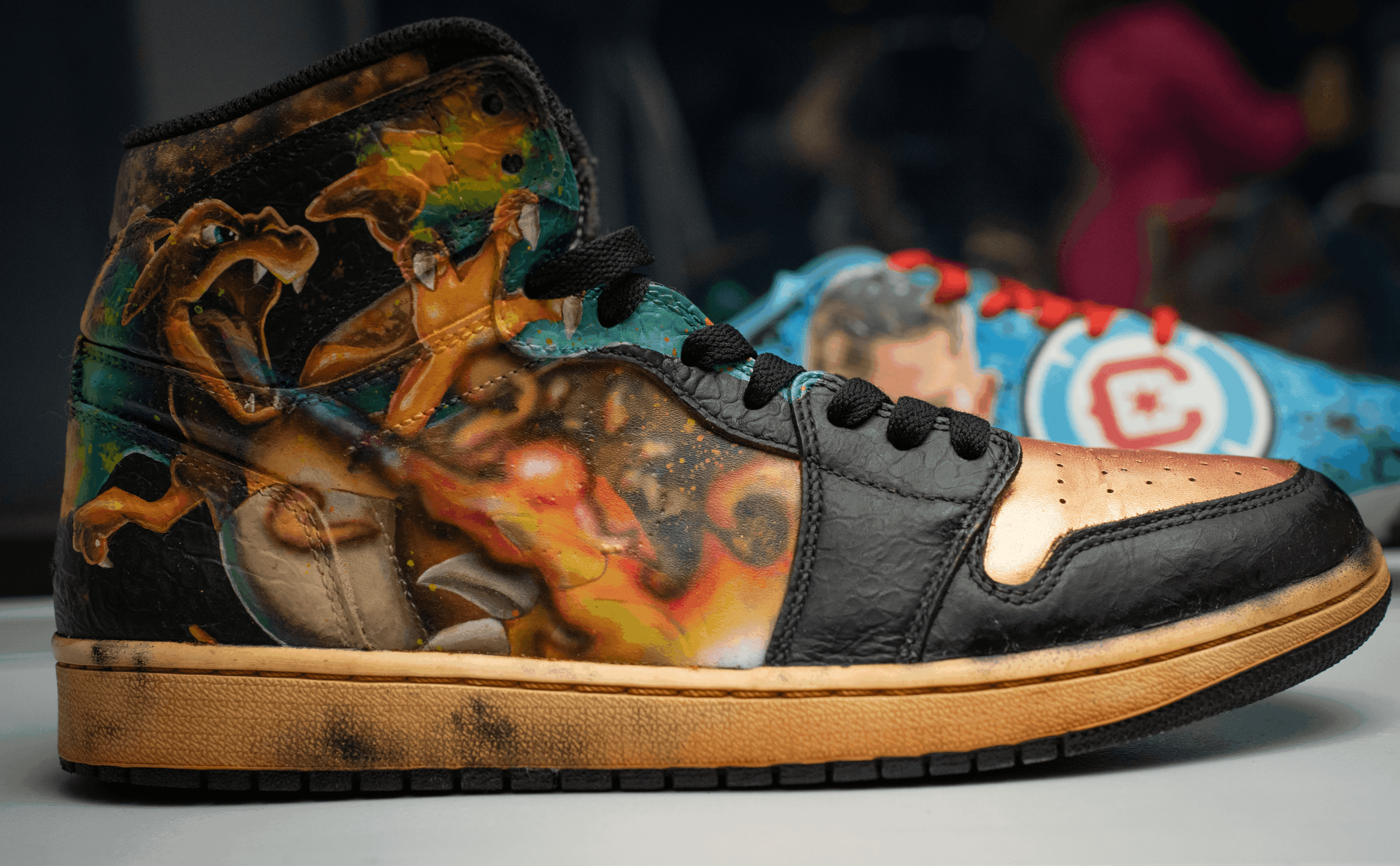
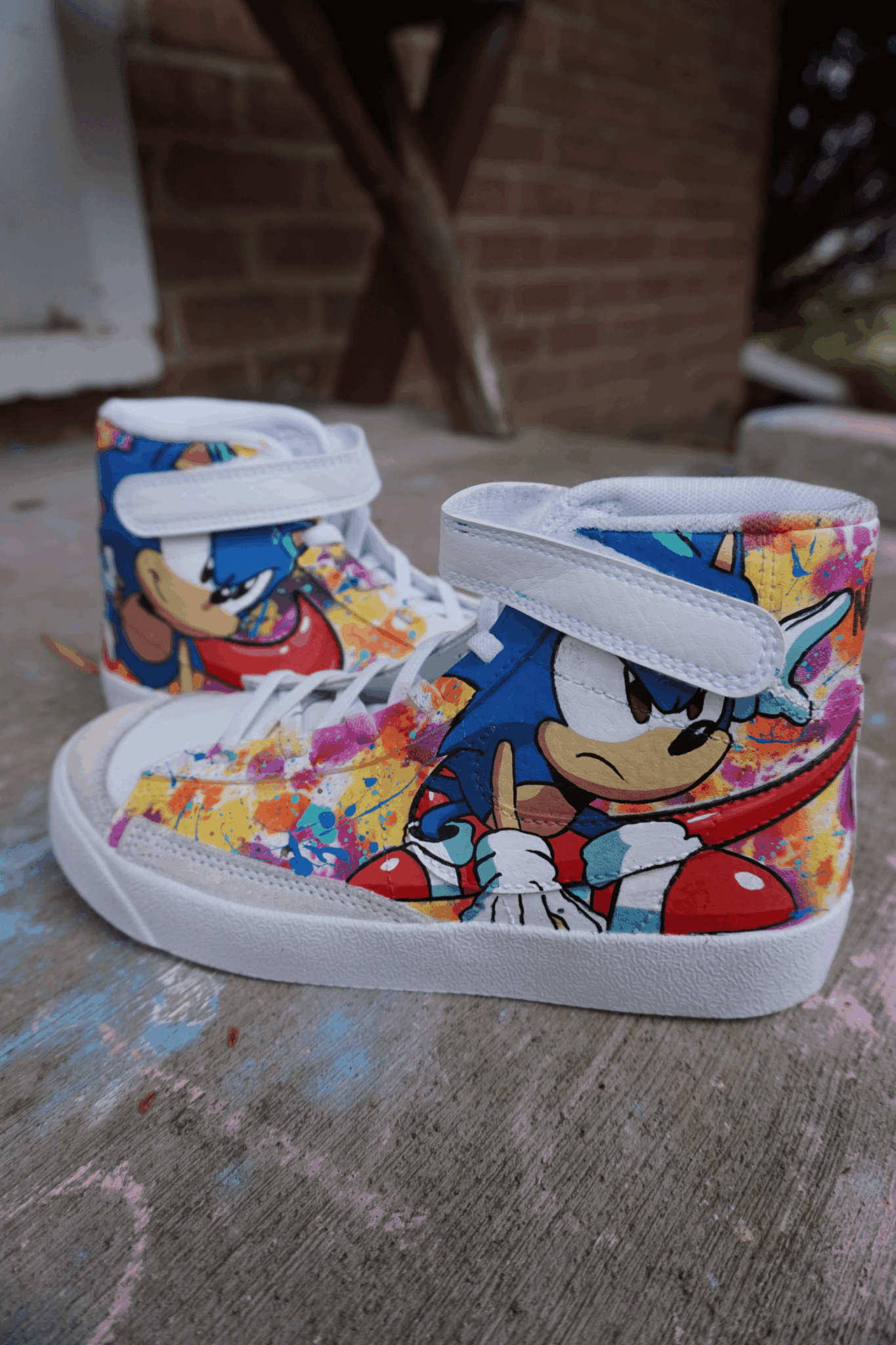
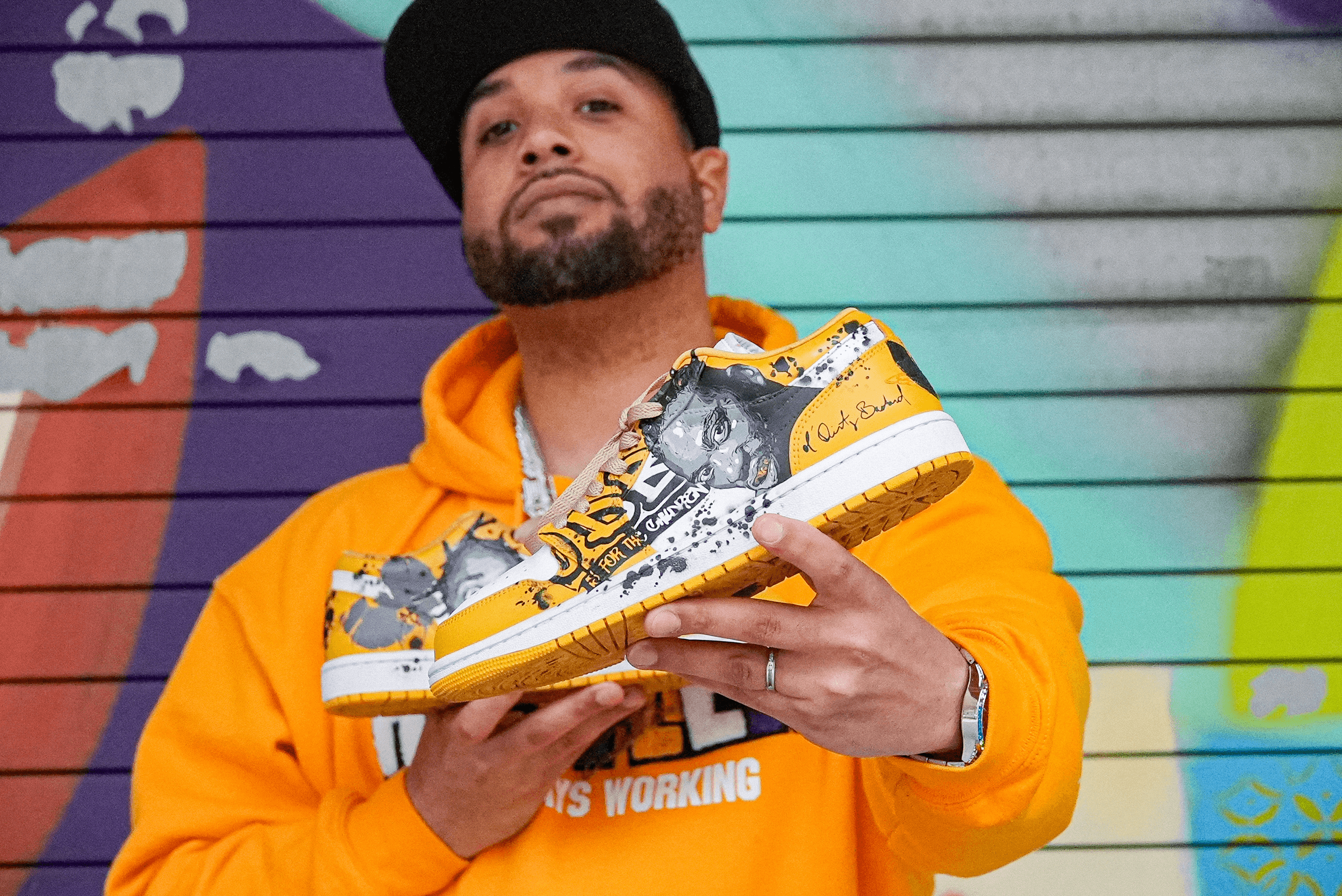
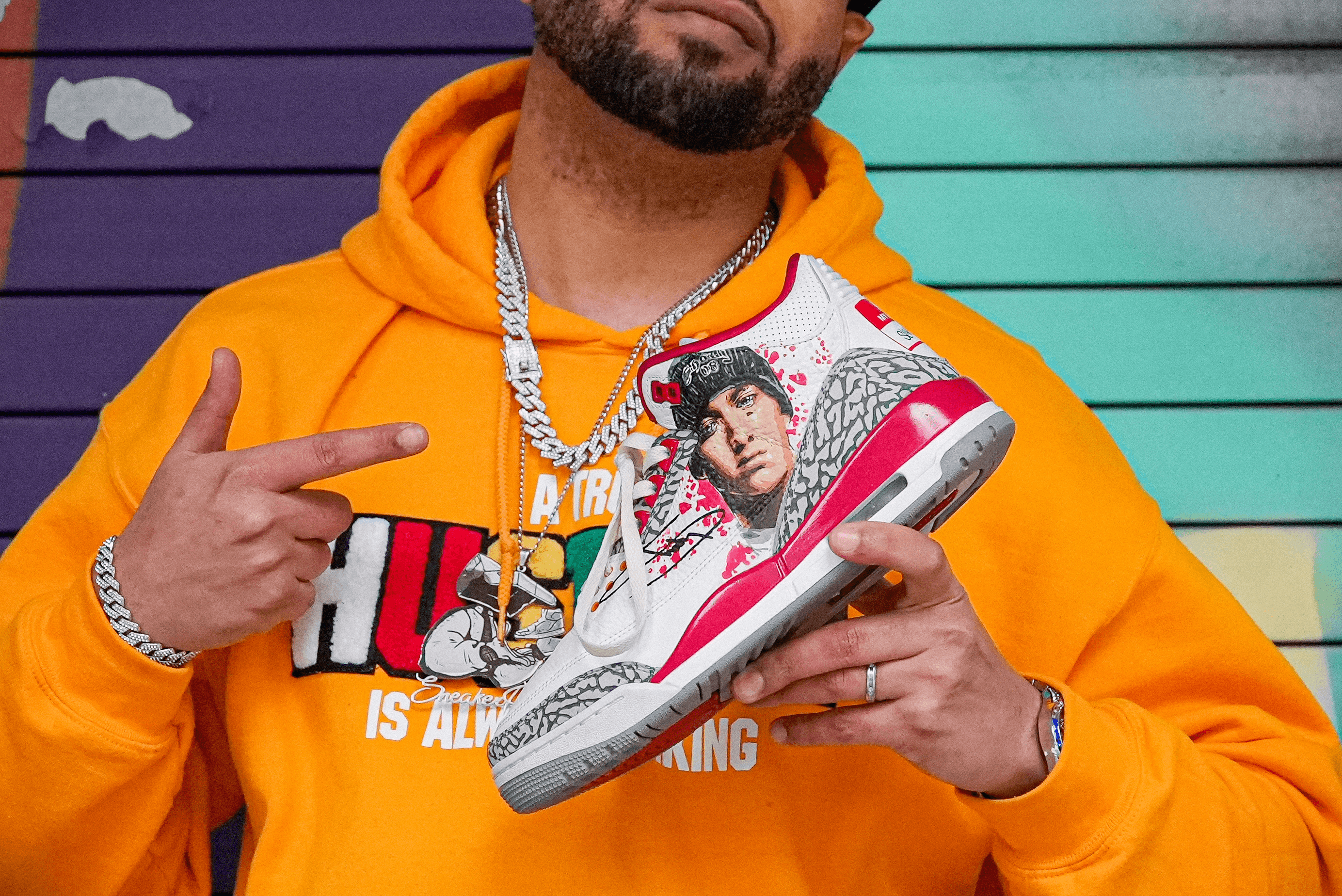
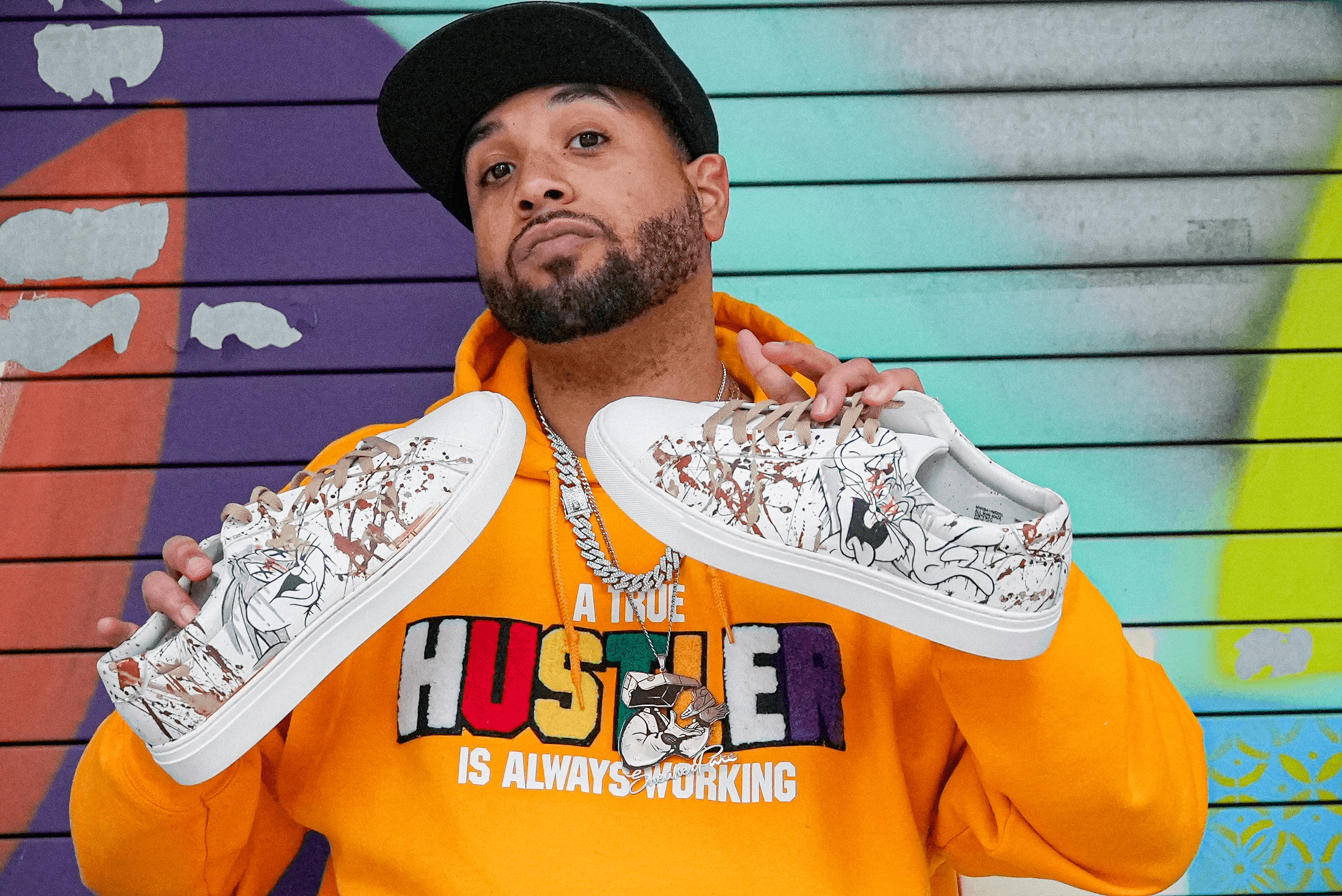
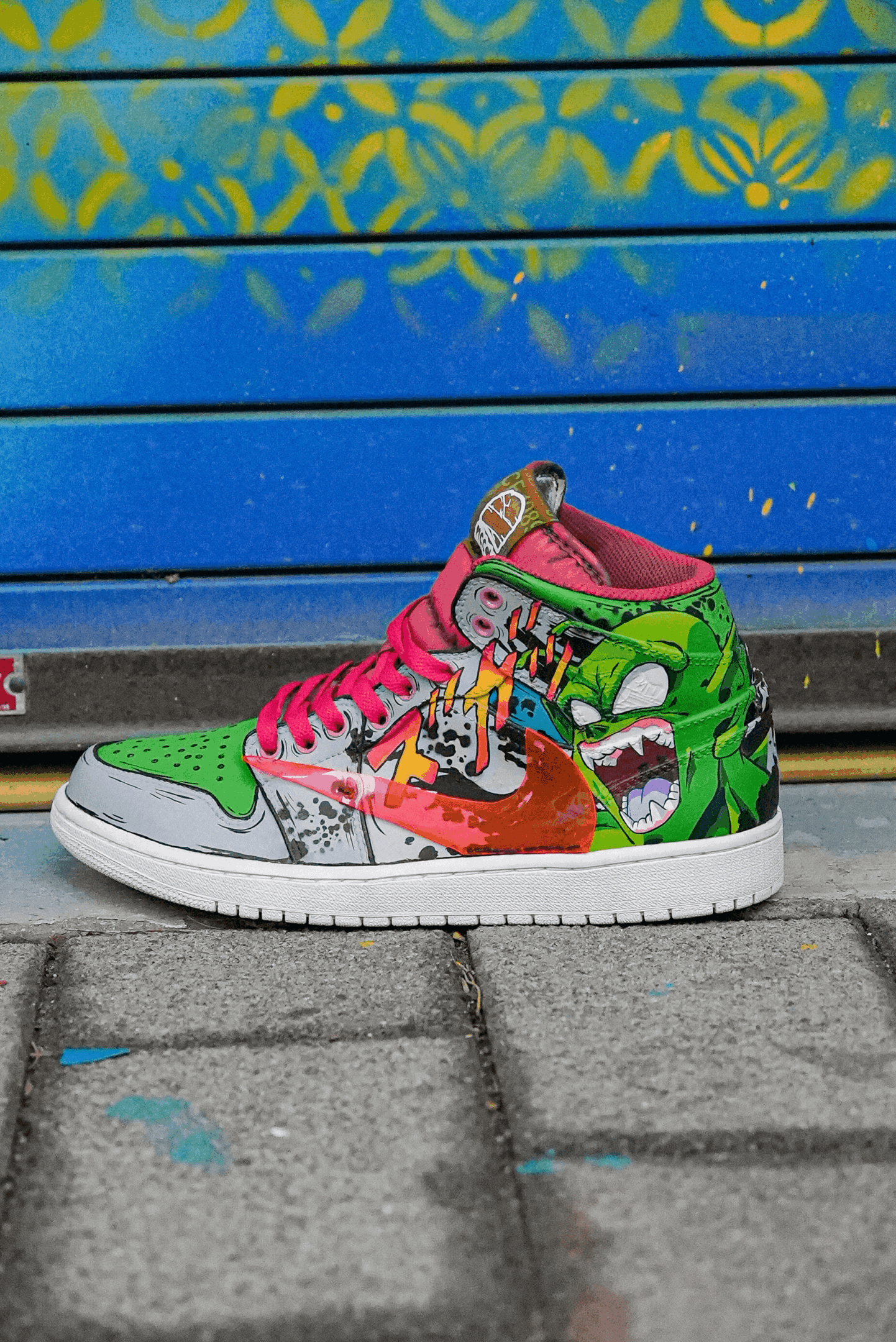
Image Credits
Zaria Best
Bre Blair