
We caught up with the brilliant and insightful Shupeng Jiang a few weeks ago and have shared our conversation below.
Shupeng, thanks for joining us, excited to have you contributing your stories and insights. I’m sure there have been days where the challenges of being an artist or creative force you to think about what it would be like to just have a regular job. When’s the last time you felt that way? Did you have any insights from the experience?
Strictly speaking, I’m not really an artist. As a designer, creativity is essential, but it has to fit within a certain framework to meet industrial and commercial demands. This means that the work of an industrial designer, like most jobs, often comes with fixed working hours and locations. To me, the question is more about why I didn’t choose a more straightforward, easier way to make a living. And honestly, I ask myself that all the time.
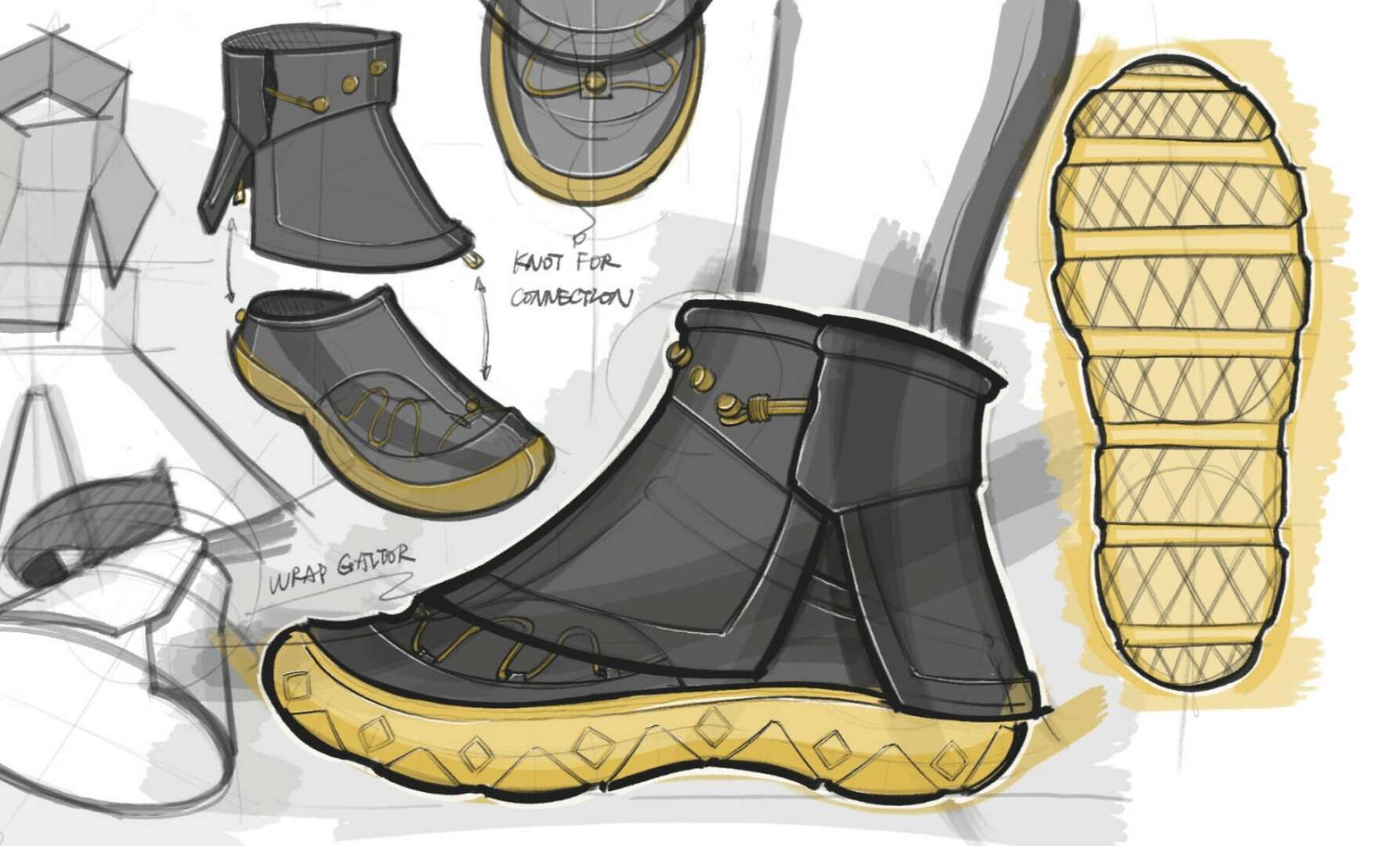
The last time I seriously considered this was when I decided to go into sneaker design. It wasn’t an easy decision, especially since it’s not easy to find work in this field. Even now, many people think I did it solely because of my love for sneaker culture. That’s only part of the story. The truth is, I made the decision based on my past design experience and a deep understanding of myself. I realized that I have a knack for picking up on trends and telling stories through design, and I felt that these strengths would shine more in the sneaker design industry.
It was really a process of analyzing and understanding myself, which led me to choose a field where I believed I had more potential to grow.
Shupeng, before we move on to more of these sorts of questions, can you take some time to bring our readers up to speed on you and what you do?
I studied industrial design for both my undergrad and graduate degrees. Throughout most of my career, my design work has spanned various fields, and I’ve had the chance to work with design teams across different industries, like Haier, Lululemon, and ResMed. As I mentioned earlier, about a year ago, I decided to focus more on sneaker design.
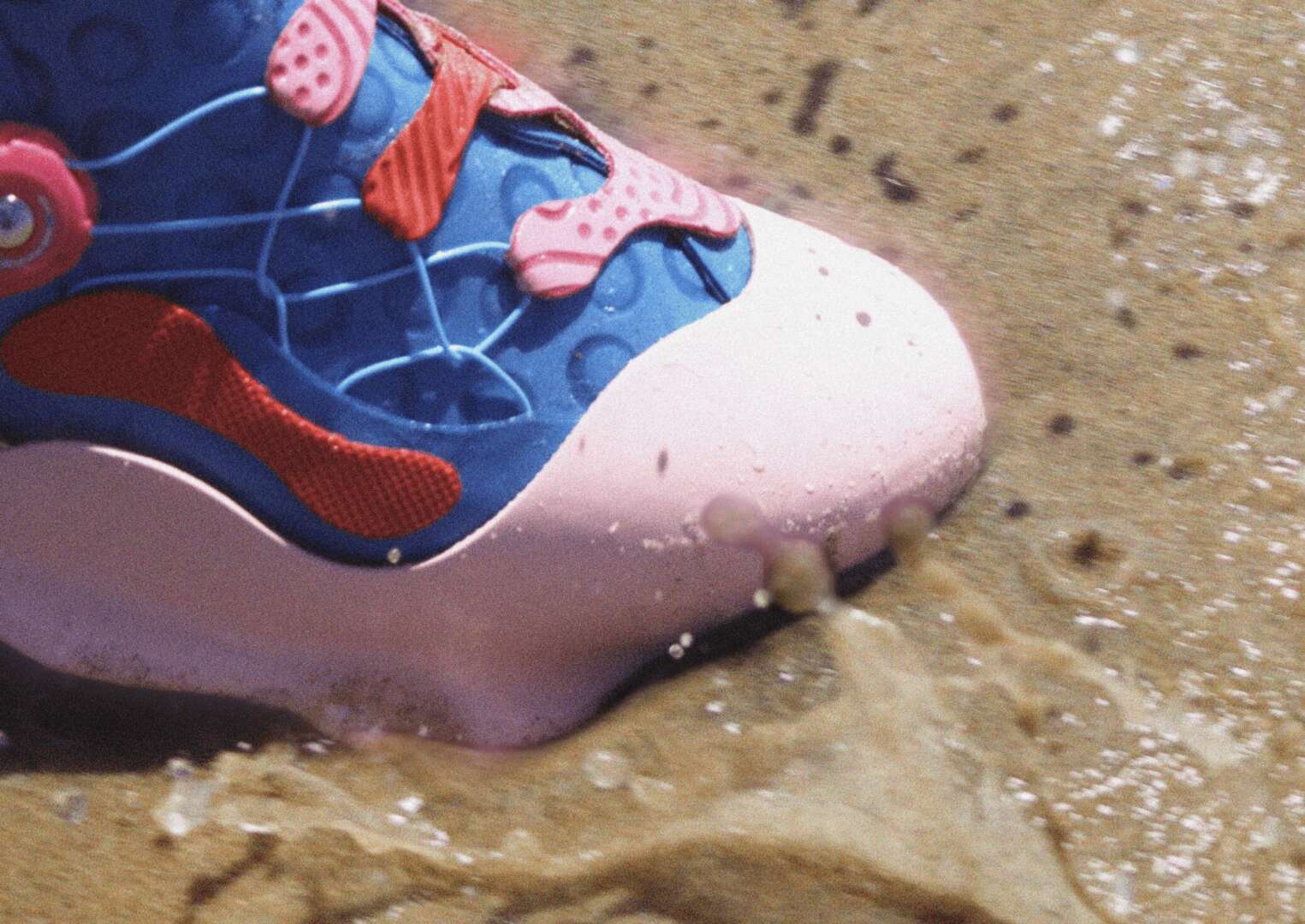
When I’m designing, I often pay close attention to niche groups, digging into the interesting stories behind them and using design to bring those stories to life. I realized that great design always connects different groups of people, allowing the broader public to resonate with the stories of these niche communities.
Is there something you think non-creatives will struggle to understand about your journey as a creative?
Here, I understand “non-creative” people to be those who don’t work in highly innovative fields, because everyone brings creativity to their work or life in some way. I think a lot of people see creative jobs as cool but risky career paths. But for me, creativity is often rooted in my understanding of the user experience. I see myself as a facilitator of communication between users and businesses, rather than someone just expressing themselves.
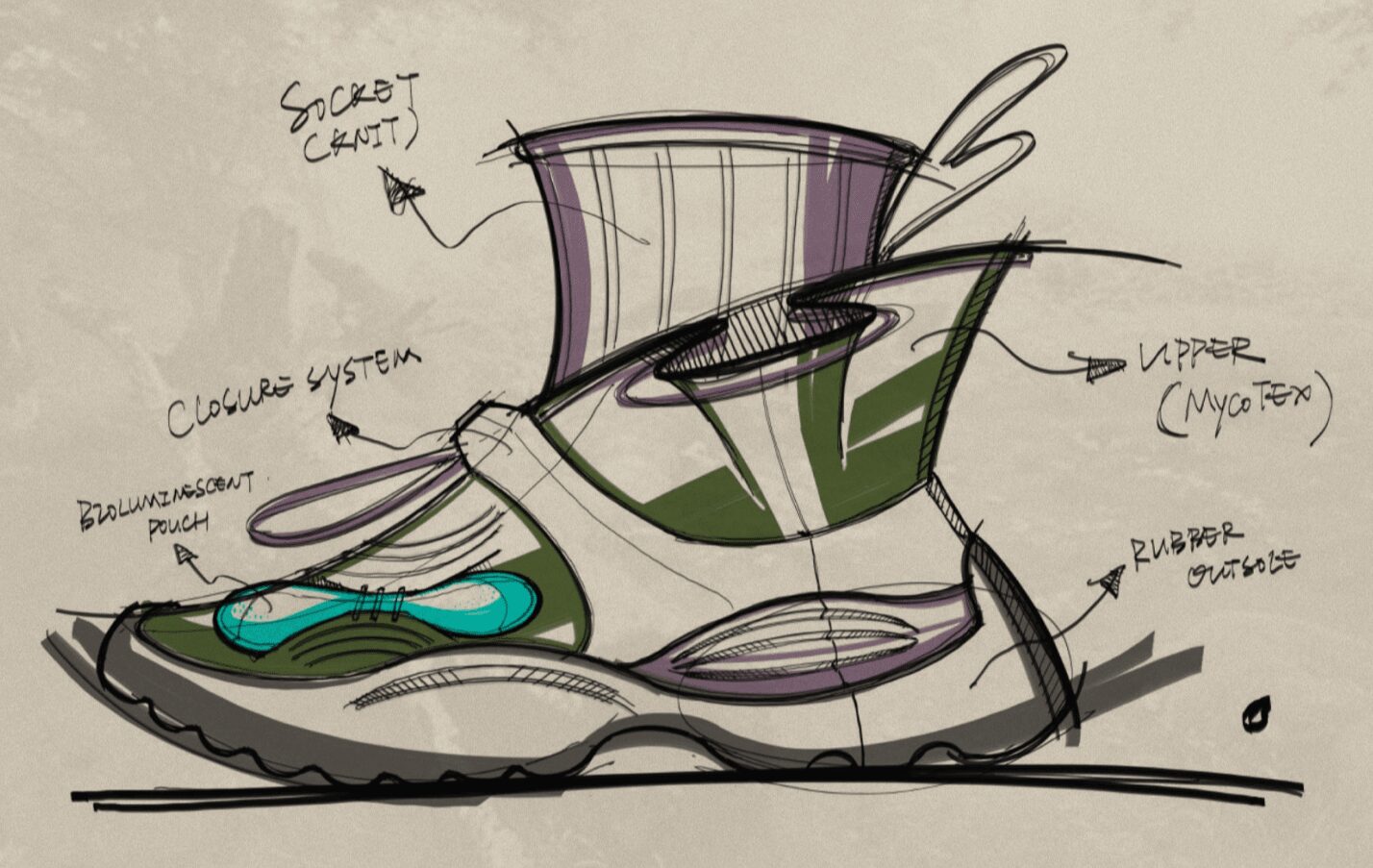
Similarly, when it comes to who I’m designing for, creativity isn’t the standard I use to decide whether I’m reaching the right audience. My design ideas come from a variety of experiences, and I aim to use precise design to connect with specific user groups—those who have had similar experiences or have been influenced by similar cultures. I want people to feel like I’m genuinely communicating with them, rather than just throwing out some kind of puzzle.

Can you tell us about a time you’ve had to pivot?
This question actually reminds me of when I first started graduate school. Before that, most of my life was driven by a series of coincidences and circumstances—I was passively absorbing knowledge and opportunities as they came my way. Although I worked hard, learned a lot, and seized some opportunities, as my perspective broadened and I faced countless possibilities, I began to feel incredibly confused.
In grad school, my classmates all had clear visions for their futures—some wanted to work in fashion, others in furniture, or medical products. It made me realize how little I had actually planned for my own future. It wasn’t an easy process; I almost had to start from scratch, actively getting to know myself, revisiting my past design experiences, and slowly clarifying who I wanted to become.
After much reflection and some gut feeling, I ultimately decided to pivot into sneaker design. For me, the takeaway from this pivot is that planning for the future not only helps you stay focused but is also an essential process of self-discovery.
Contact Info:
- Website: https://shupeng.me/
- Instagram: https://www.instagram.com/shupeng_j/profilecard/?igsh=M28yeW9kamQzdmFz
- Linkedin: https://www.linkedin.com/in/shupeng-jiang-77b63a270/