
We were lucky to catch up with Lauren Andraski recently and have shared our conversation below.
Lauren, thanks for taking the time to share your stories with us today What was it like going from idea to execution? Can you share some of the backstory and some of the major steps or milestones?
First, I’ll tell you about my failed business that led to the one I successfully run now. Just after moving to Denver, I launched a nonprofit consulting business at 25 years old, helping nonprofits with their project management, software, impact evaluation, and social media — basically anything I thought nonprofits might pay me for. I didn’t know anything about running a business at the time — including that having a niche for your consulting business often makes it much more memorable, effective, and marketable.
When I needed advice and a community, I only had networks of nonprofit employees who were potential clients, or networks of entrepreneurs doing more traditional types of business or using sleazy sales tactics. I felt like I was in over my head, and I had so many questions that felt embarrassing or stupid and caused a lot of imposter syndrome for me. At the time, the advice online was limited to more traditional businesses or freelancing, neither of which was the same as running a one-person business that works with nonprofit clients. I had mentors I could reach out to in my hometown in Wisconsin, but none in my new city of Denver. This was before the pandemic, so it felt especially important to have local mentors. I reached out to some other nonprofit consultants on LinkedIn to see if they were also interested in a community of peers and a place to ask our stupid questions, and we held our first meeting in 2018 in the basement of a coffee shop.
A year-and-a-half later, I swapped consulting for a full-time job, as I found myself under-charging, if at all, and quickly ran out of savings. I still ran C4G on the side as a volunteer. My favorite part of my consulting journey was not consulting at all, but working with consultants and organizing this community. While I often considered giving it up, our monthly virtual meetings became something I looked forward to, given the vulnerability, support, compassion, and brilliance our members shared with each other.
Five years later, in May 2023, C4G was still free to join and had grown to a list of over 1,000 members. I had dreamed of running the community full-time for years. To make it happen, I knew I would need to start charging and had been asking members for input for the past year via surveys, listening sessions, and personalized emails (yes, to all 1,000 members). When I announced that I had left my job, one of C4G’s partners reached out to me asking if I would consider acquiring their software and membership. Philanthroforce was only two years old, but their technology was leagues better than what we were using. Even though our Google Spreadsheet with unlimited edit access miraculously survived all these years, this was an exciting opportunity to grow more quickly and offer something different that really felt worth paying for. I felt excited that they had even approached me — to be considering a business merger felt important and advanced for such a young business — and nervous that I couldn’t pull it off. But, because they were such fabulous collaborators, we were able to find an agreement that worked for all of us and all of our members.
I had sent several updates to the C4G community before we switched to the paid model so that they would be fully aware of the changes to come. I offered a lifetime 33% discount on membership for any current members who joined in the first year to honor their contributions overtime and to be sure that we could continue the momentum of the community. It’s been interesting how deeply I simultaneously doubted and believed in myself and this community throughout this process. My thoughts volleyed back and forth from “People said they’d be happy to pay for this resource, but what happens when I actually ask for their credit card numbers?” to “Remember, people have volunteered their time, expertise, and money to support you and this community — of course it will work.” While I knew free-to-paid conversion rates were usually around 5-10% if you were lucky, I secretly set a goal of 200 members in our first three months.
After a full week of frantic twelve-hour days to get the software and new processes configured, we launched the new website on November 13, 2023. Thirty people signed up that first day, and we now have 320 paid members and over 650 free consultant listings, in addition to over 300 nonprofit members.
In my first year of running C4G full-time, I’ve continued to feel the roller coaster of doubt and belief. The numbers have been encouraging, and have literally allowed me to continue to sustain this work financially. But the most encouraging part has been the continued engagement of our members and the way they show up for each other. They share the inner workings of their businesses with people who could be seen as competitors. They collaborate on research, proposals, and professional retreats, and even build consulting firms together. It is a community that I not only support but am fully supported by — with a place to keep asking my stupid questions, too.
I have also realized that it’s okay not to know what I’m doing, and that I will figure it out. Between taxes, bookkeeping, insurance, and forms required by the government, it would be impossible to be prepared for everything a business will throw your way. I’m getting used to that journey, and when I learn about something I “should have” been doing, I add it to my list and ask the C4G community for support.
Great, appreciate you sharing that with us. Before we ask you to share more of your insights, can you take a moment to introduce yourself and how you got to where you are today to our readers.
In college, I joked that my major was “changing the world” — even though I wasn’t sure exactly what that meant yet. What I have found over time is that I am really good at bringing people together in thoughtful and meaningful ways, and at challenging and changing the way things have been done in order to make them more equitable and accessible. I found the nonprofit consulting sector because one of my first nonprofit jobs hired a consultant to support my work, and fell in love with the idea that you could do work you care about while setting your own schedule, boundaries, working terms, and pricing. Now, through Consultants for Good, I get to build community in the nonprofit consulting sector and work to make it more accessible to anyone who wants this freedom and impact in their lives.
Without an active community of peers, many aspiring solopreneurs never fully launch their businesses, or make ends meet without experiencing the freedom and fulfillment that make consulting such a worthy career choice. Consultants for Good is a global community of mission-driven consultants who openly share knowledge and opportunities to lift each other up, improve our quality of life as business owners, and make the philanthropic sector more effective.
Through Consultants for Good, I work with people who want to have an impact through their nonprofit consulting business, and don’t want to do it alone. We prioritize abundance over scarcity, and this community is designed to support people’s whole selves.
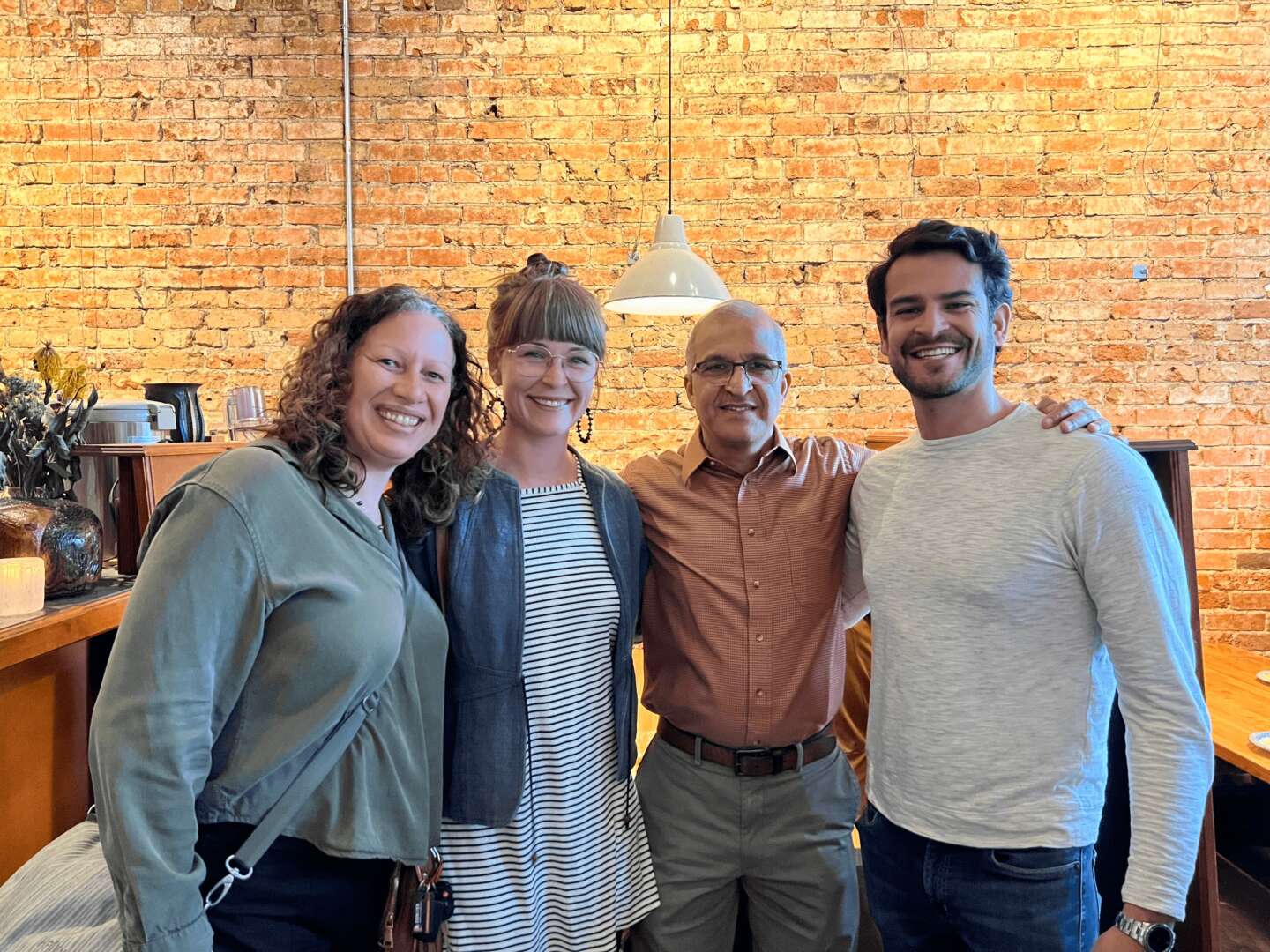
What’s a lesson you had to unlearn and what’s the backstory?
A lesson I had to unlearn (and am still unlearning!) is that I need to have everything perfectly sorted out or complete in order to be successful.
For the first several months of running Consultants for Good, it felt like every week, a new issue would come up. Usually, it would be an offhand comment from another business owner that would send me mentally spiraling about all of the things I certainly did wrong and how terrible it was that I didn’t already know about this issue. For example, someone mentioned business insurance and I frantically started googling companies for rapid quotes. Two months later, I figured it out, and everything was fine. When I didn’t know how to pay quarterly estimated taxes, I panicked, imagining the many fines that would surely be doled out by the government for my delinquency. I later learned that these fees can be waived in your first year of business, and my accountant helped me sort out how to pay them. A year later, these issues come up less frequently, and I feel reassured that most of them will only come up once.
The other element of this lesson is feeling like I can’t ask the community for support when these issues come up — as if I’ve built a resource for everyone but myself. This feeling is driven by perfectionism and the fear that no one would pay for a business community membership if the founder herself didn’t know how to run a business. When I examine that, I know it isn’t true and that the value of Consultants for Good comes from the collective knowledge, as well as the tools, collaborative spaces, and support that we have built together and not my personal knowledge, and I am working on feeling more comfortable with that and relying on my community the way I ask them to rely on each other.
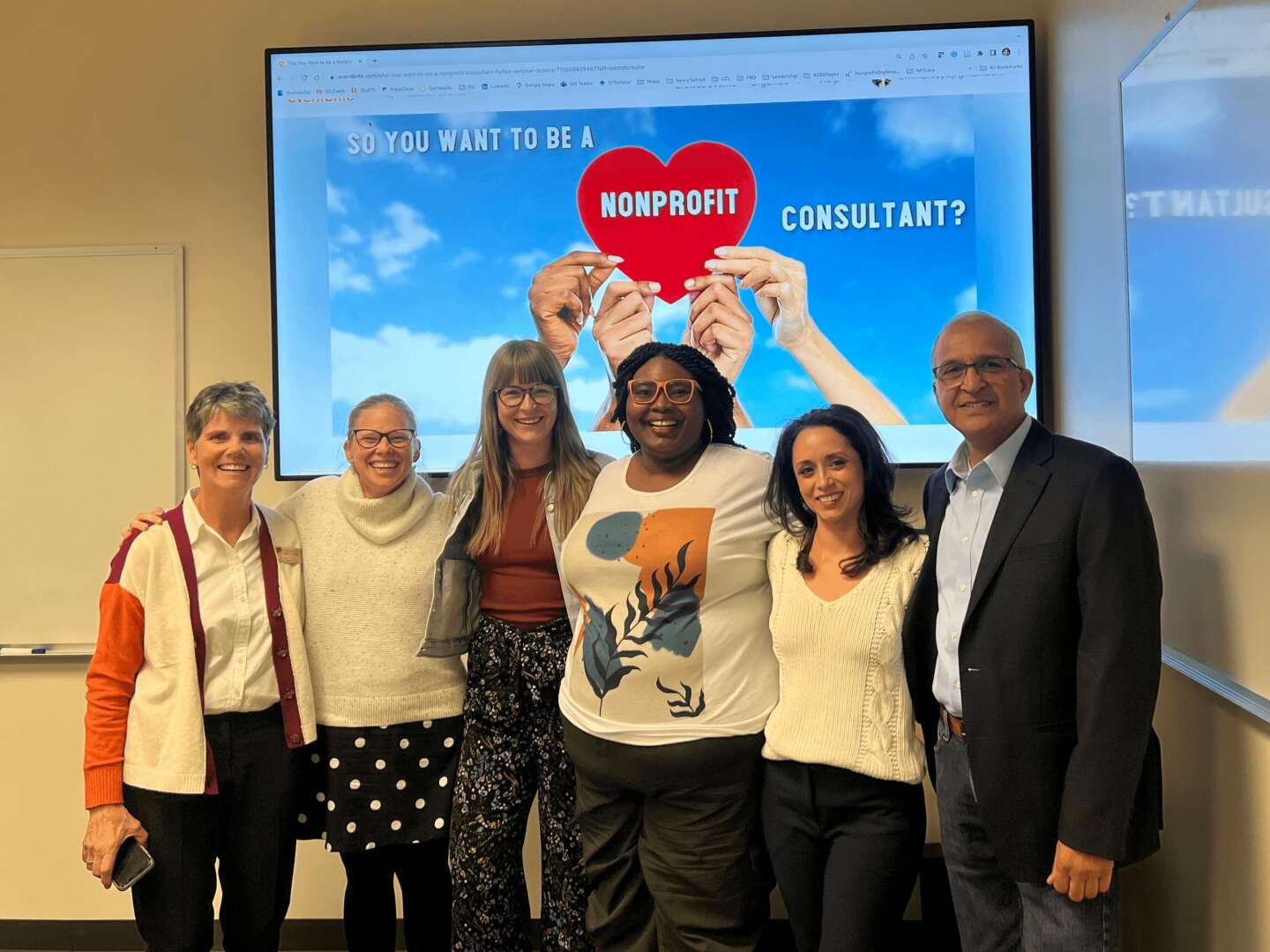
How do you keep in touch with clients and foster brand loyalty?
In Consultants for Good, we talk less about clients and more about community members, and less about brand loyalty and more about community engagement. For me, it has always been important to involve our members in building the community. I think that when you ask people what they care about, what they need, and how they want to contribute, then people have skin in the game — plus, it’s the best way to be sure that you’re actually meeting people’s needs.
Since the beginning, I’ve planned our monthly consultant sessions by asking the community what they’d like to teach and learn. Before announcing a new offering, I ask the community what they want it to look like and how to set our priorities. I also do my best to get to know members of the community personally by sending personal emails, invitations to meet, and by reviewing their profiles to get to know them a bit better, keeping them in mind for future events and offerings. Now, Jenni Getzy, who manages our marketing and communications, does a fabulous job of highlighting our members on social media and in newsletters and is always finding new ways to directly support our members’ businesses.
I’ve also prioritized making the C4G community a space that encourages vulnerability and collaboration — which requires that everyone feels welcome and supported. We are working towards a nonprofit consulting sector that is available to any change-maker who wants to start their own business, prioritize diversity and equity in every event, and push back on inequitable hiring and contracting practices.
Contact Info:
- Website: https://consultants4good.com
- Linkedin: https://www.linkedin.com/company/consultants4good/