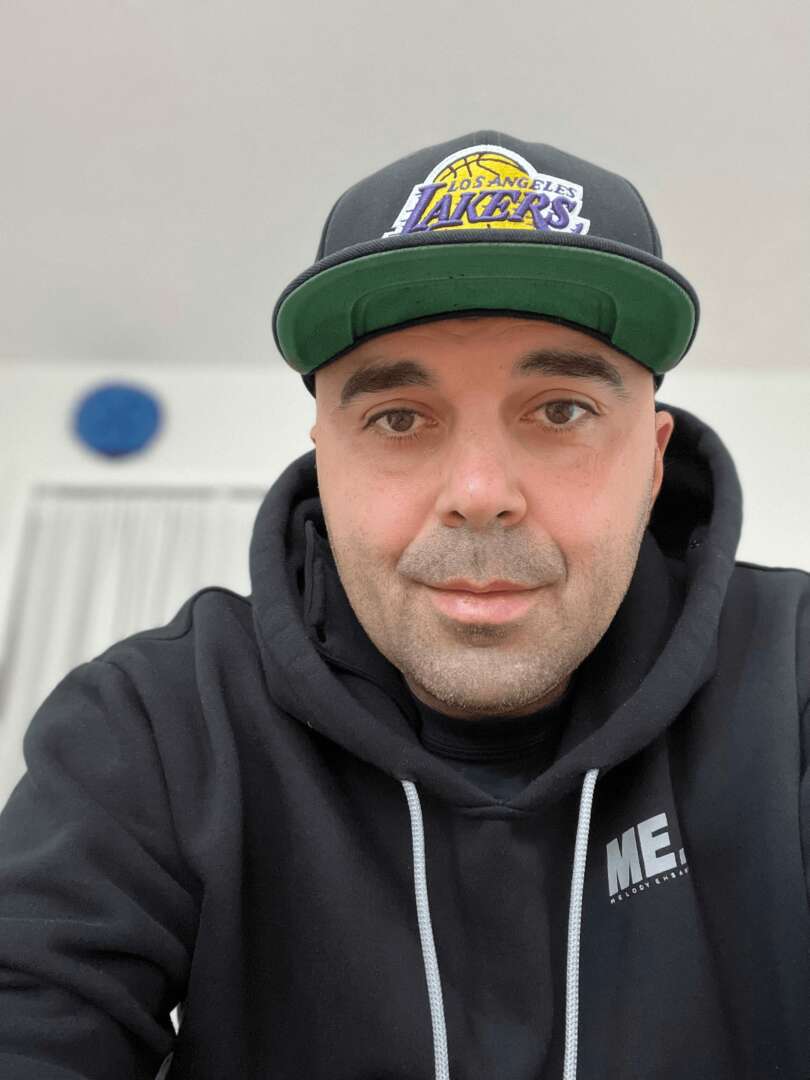

We’re excited to introduce you to the always interesting and insightful Garen Novruzyan. We hope you’ll enjoy our conversation with Garen below.
Alright, Garen thanks for taking the time to share your stories and insights with us today. How did you learn to do what you do? Knowing what you know now, what could you have done to speed up your learning process? What skills do you think were most essential? What obstacles stood in the way of learning more?
I started studying art in 2010 at Santa Monica College. Santa Monica was plentiful with art courses, and I began by taking a variety that introduced the fundamentals of drawing and design. I mixed these with art courses that included sculpture, ceramics, photography, and art history. I became curious about contemporary art and studied PBS’s Art in the Twenty-First Century series. After catching up with every episode, I realized how vast the ideas surrounding art stem and their historical significance. In 2015, I began studying Critical Art Theory. It provided a grounding system for the more difficult questions that developed in my artwork. Visiting art galleries, museums, and conversations with my peers and other artists were my most valuable assets. I’ve always put myself into situations where I can learn what I didn’t know I needed to learn to get to my next stage. Research, resources, my peers, and other artists shared a wealth of knowledge that I apply in my studio and also to my day to day life.
An essential skill I gained was the experience and confidence to work through challenges. If I work and stay true to my thoughts, something significant will happen. Embracing challenges allowed me to appreciate the knowledge that comes with them.
As always, we appreciate you sharing your insights and we’ve got a few more questions for you, but before we get to all of that can you take a minute to introduce yourself and give our readers some of your back background and context?
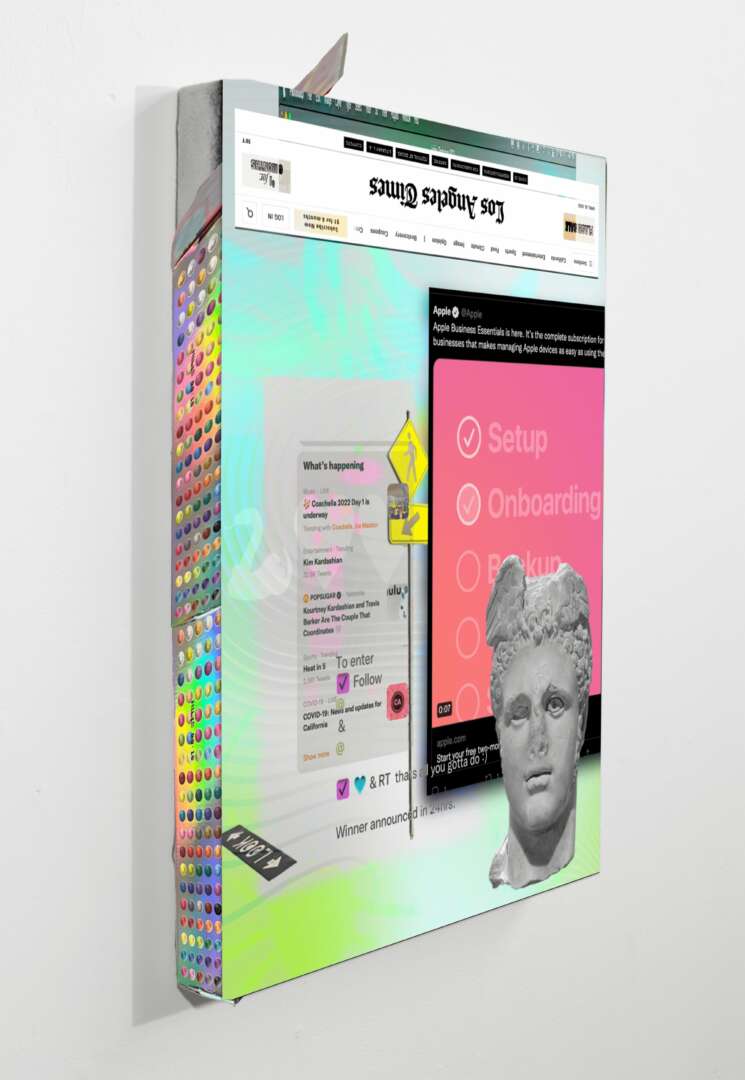
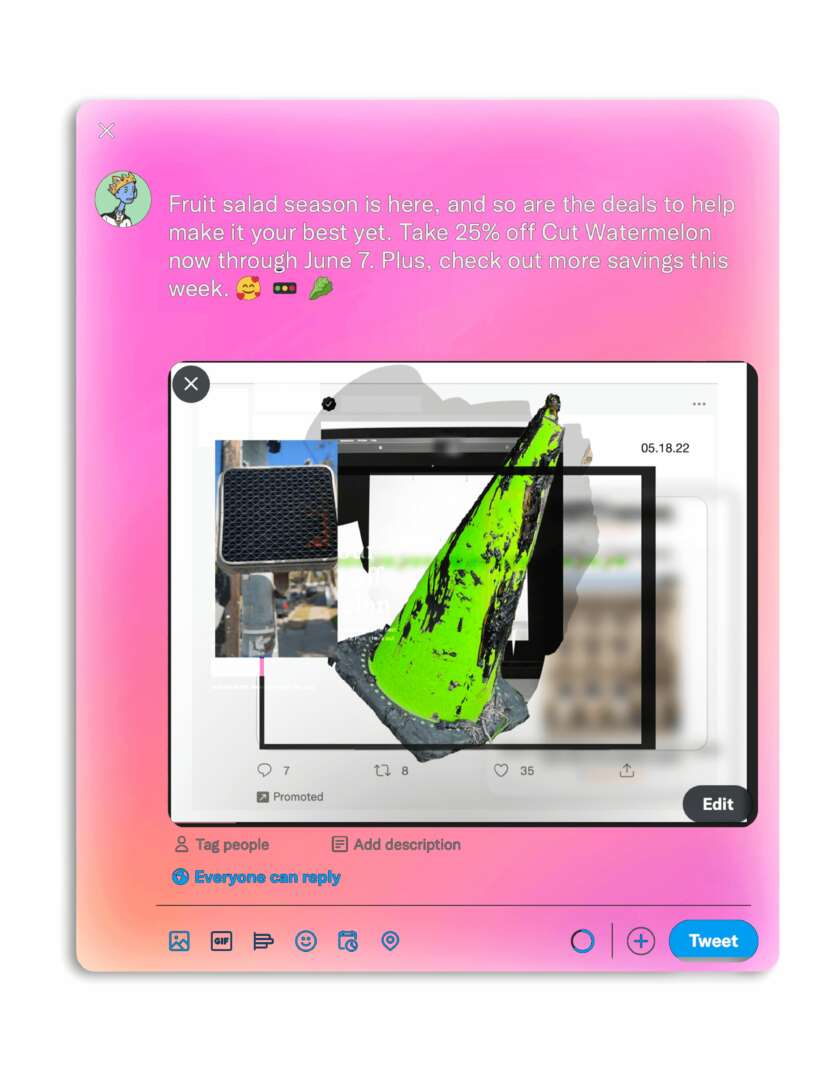
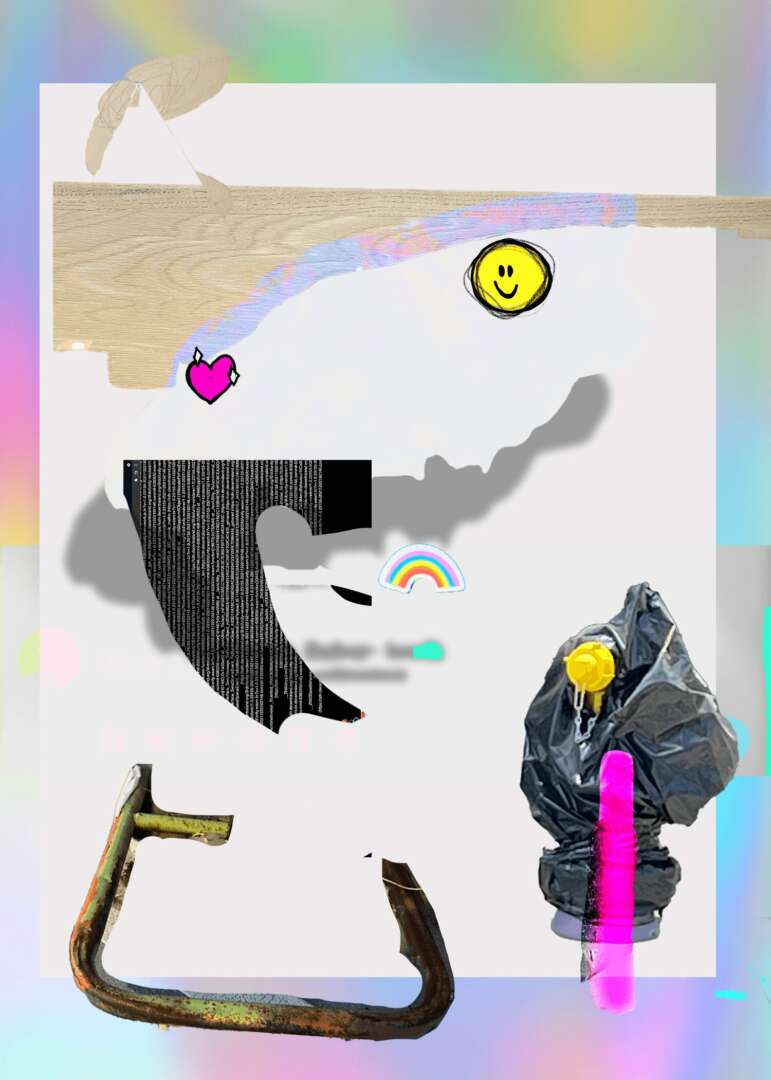
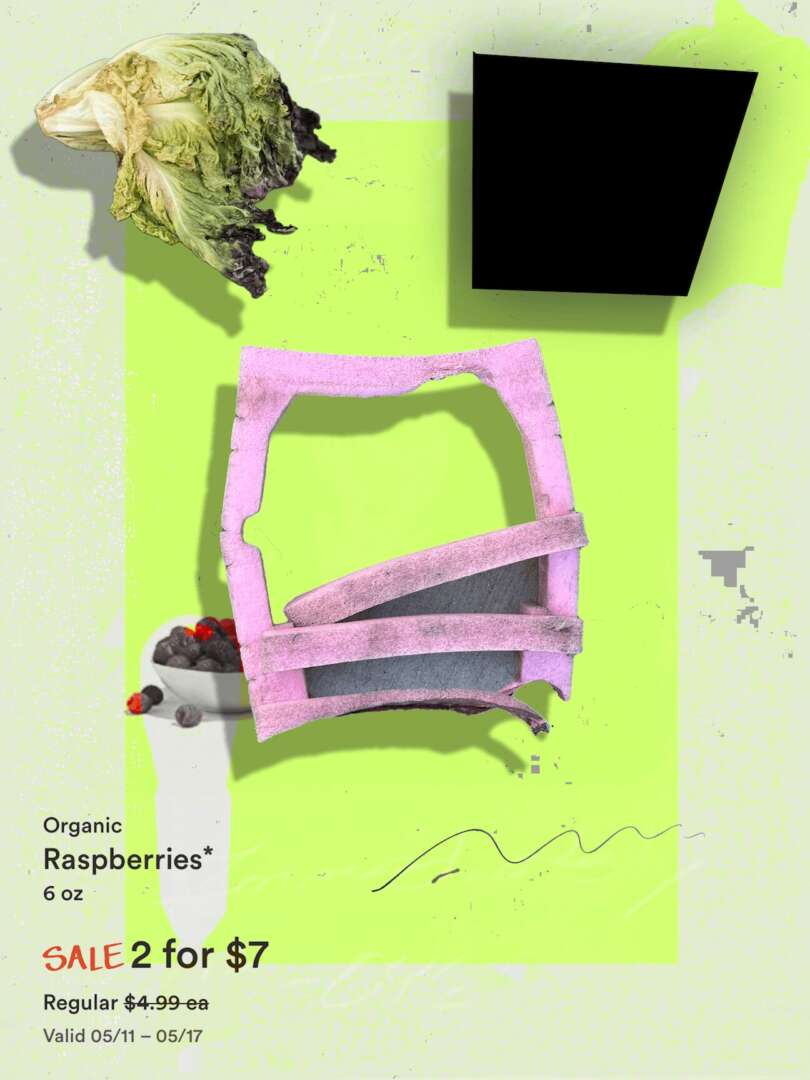
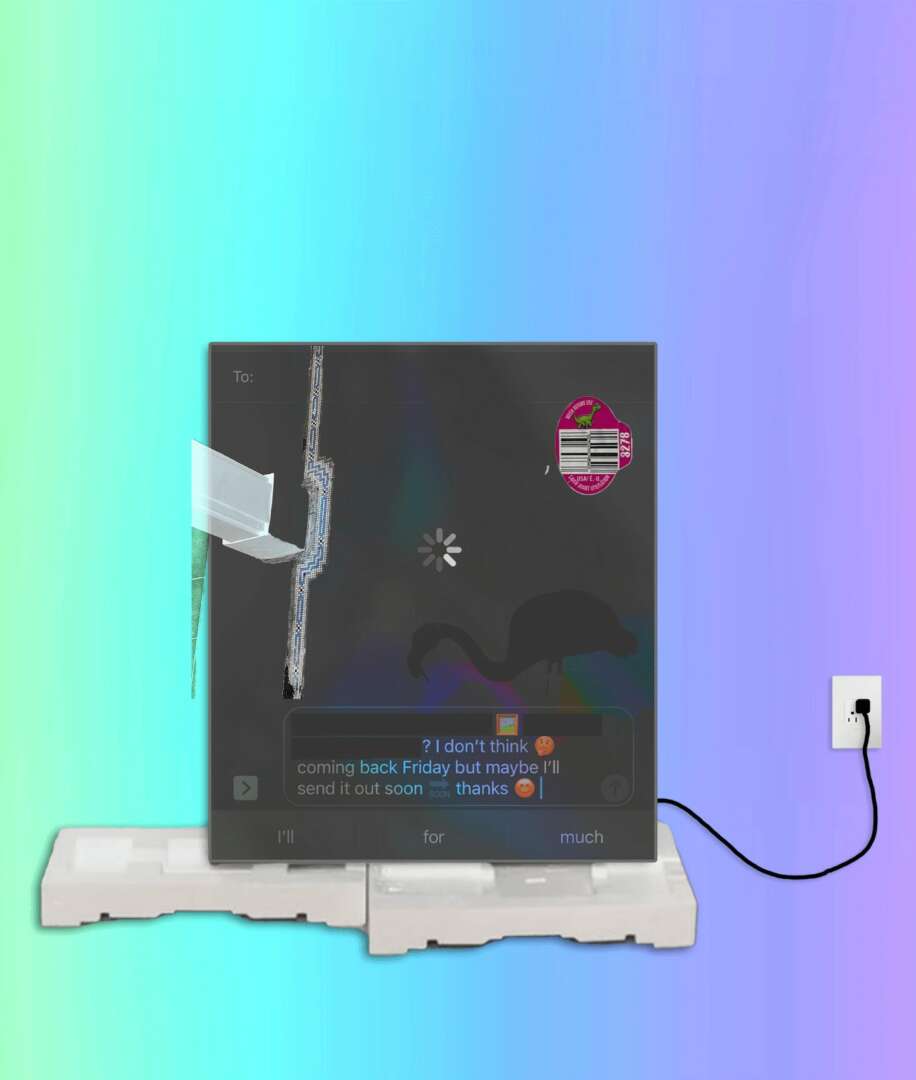
My name is Garen, I’m a visual artist from Los Angeles, CA. I create multidisciplinary artwork. I use packaging and labeling, AI, 3D lidar, photoshop, screengrabbed effects, glitches, and targeted advertisements as a few sources for content. The imagery includes quick snapshots I take while working as an electrician throughout Los Angeles. Images, videos, and text are used similarly to passages from a poem. These elements combine to form what I consider a residual display of the present times in Los Angeles.
After visiting LA, visual artist Phyllida Barlow (1944 – 2023) described it as a nervous system, but without a brain, not meant insultingly, but that everything is alert, alive, and moving. This idea of being alert, alive, and moving is at the forefront of my process. Quickly moving through my initial ideas and ignoring my aesthetic reasoning creates a more complex outcome. There’s insight that comes from unforeseen consequences and conversations. They are opportunities to bring “living materials” into the work. Each moment in time allows the knowledge from the past to generate new ideas and insights. Every element of my process is connected to historical events and the numerous points that make up its entirety. The artwork is the result of these circumstances.
I’m excited to share my upcoming digital exhibition titled Super Deal, anyone can save! It follows a similar format to my last two collections OO!!! I love, and Hang Time (links at the bottom). It will be released in the fall of 2024. One of the new releases titled With Love, 2024 is featured in an exhibition by Open Mind Art Space and Axel Obiger. It can be found on Open Mind Art Space’s Instagram feed. https://www.instagram.com/openmindartspace
💗
http://foundation.app/garen
🦋
https://objkt.com/collection/KT1DEVJQ9WmxP8gmgQtwcSsWywfj7fgjz59C
In your view, what can society to do to best support artists, creatives and a thriving creative ecosystem?
Visiting museums and galleries, locating and learning about public art, and participating in community art projects are great ways to support the arts. Make time to read and watch videos about creativity, art, and art history. There are so many valuable resources available. Hauser and Wirth’s website https://www.hauserwirth.com/ursula/ has films, video essays, poetry, writing, and conversations. One of the ingredients for a thriving creative ecosystem is shared ideas and thoughts.
Alright – so here’s a fun one. What do you think about NFTs?
I heard about NFTs in late 2020. There was a creative force on social media where everyone was creating art and minting it as an NFT. I was on Twitter spaces, listening to everyone speak about blockchain technology. There were conversations about creators beginning to control the ownership of their artwork, blockchain being censorship resistant, and art curation being challenged. There was a global conversation between creatives, and at the center were these NFTs. I see this technology as having a lot of potential. I always recommend learning about them because it could lead to insight that makes its way into a workflow.
Contact Info:
- Website: https://www.garennovruzyan.com
- Instagram: https://www.instagram.com/garen24.eth
- Twitter: https://x.com/moon_block24