

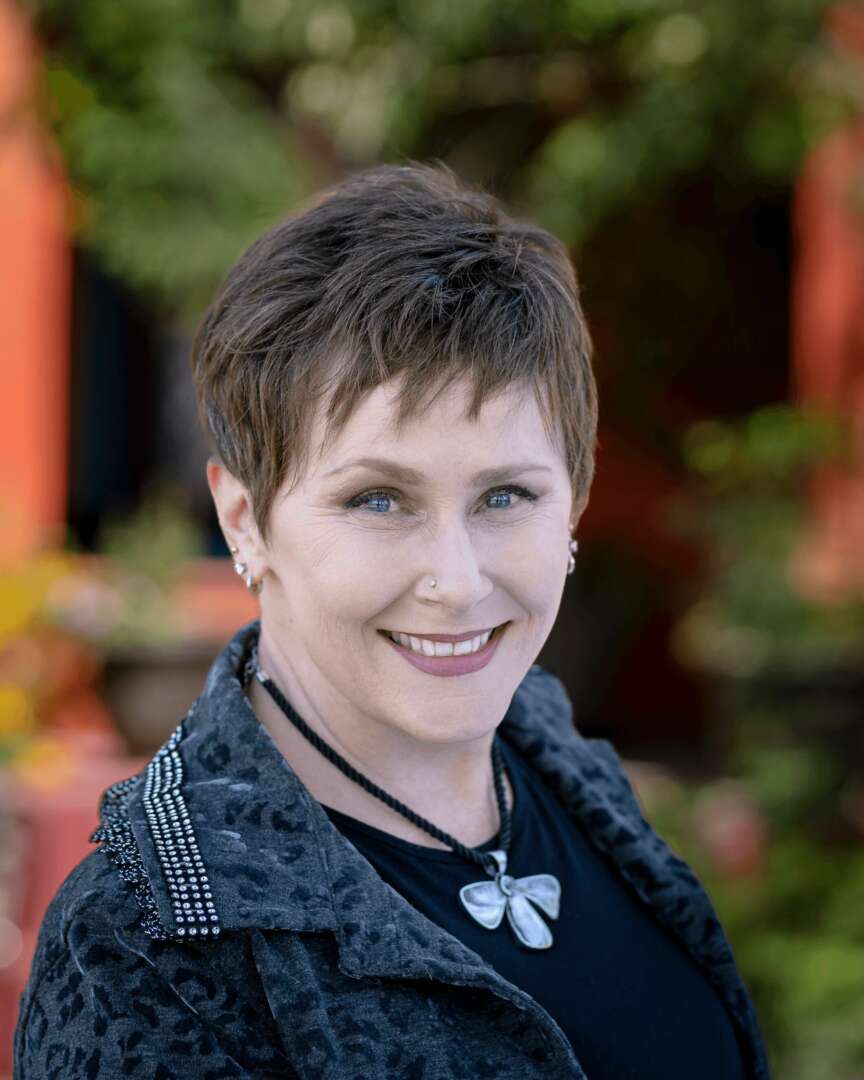

Alright – so today we’ve got the honor of introducing you to Miachelle Breese. We think you’ll enjoy our conversation, we’ve shared it below.
Miachelle, appreciate you joining us today. How did you learn to do what you do? Knowing what you know now, what could you have done to speed up your learning process? What skills do you think were most essential? What obstacles stood in the way of learning more?
As a photographer, I’m about 70% self-taught. The other 30% comes from having several photographers who mentored me, and being active in several local photography groups and capitalizing on learning opportunities through those groups. I don’t know that I could have sped up my learning process; photography has so many genres and niches, and I think you can spend a lifetime learning and still not know all there is to know about photography. In my opinion, if you’re not constantly learning, you’re not trying hard enough. I think the biggest skill is being willing to fail, make mistakes, and learn from them. There are so many ways to solve the same problem in photography; being willing to problem-solve and come up with the deliverable is critical. I guess you could say that about anything in life, but in photography, the expectation of the quality of the deliverable is really high, thanks to social media, AI, and the plethora of filters available.
For me, I really came into photography late in life. I was in the Army for 13 years in my early adult years, and I often wish I’d gone combat photographer instead of the field I was in. Because of the path I chose, the evolution of my career and personal life makes it much more daunting to leave the corporate world. Retirement is not too far away for me, so now I think more about my learning process, and what I will do with my work the closer I get to retirement. Basically, I’m giving myself the permission to explore and learn until I get to that point in my life in which photography can be my primary focus (no pun intended).
Miachelle, love having you share your insights with us. Before we ask you more questions, maybe you can take a moment to introduce yourself to our readers who might have missed our earlier conversations?
I had a short spurt in my high school years in which I was on the yearbook and newspaper staffs, and learned a little bit about photography and developing and printing in the dark room. Fast foward a few decades, and I had a jewelry business and was struggling to photograph my designs. I literally was using a point and shoot Kodak IS1012 camera. The economy had tanked, and I had to shut down my jewelry business. Meanwhile, my (ex)husband bought me a Canon EOS50D for Christmas that year, and it changed everything for me.
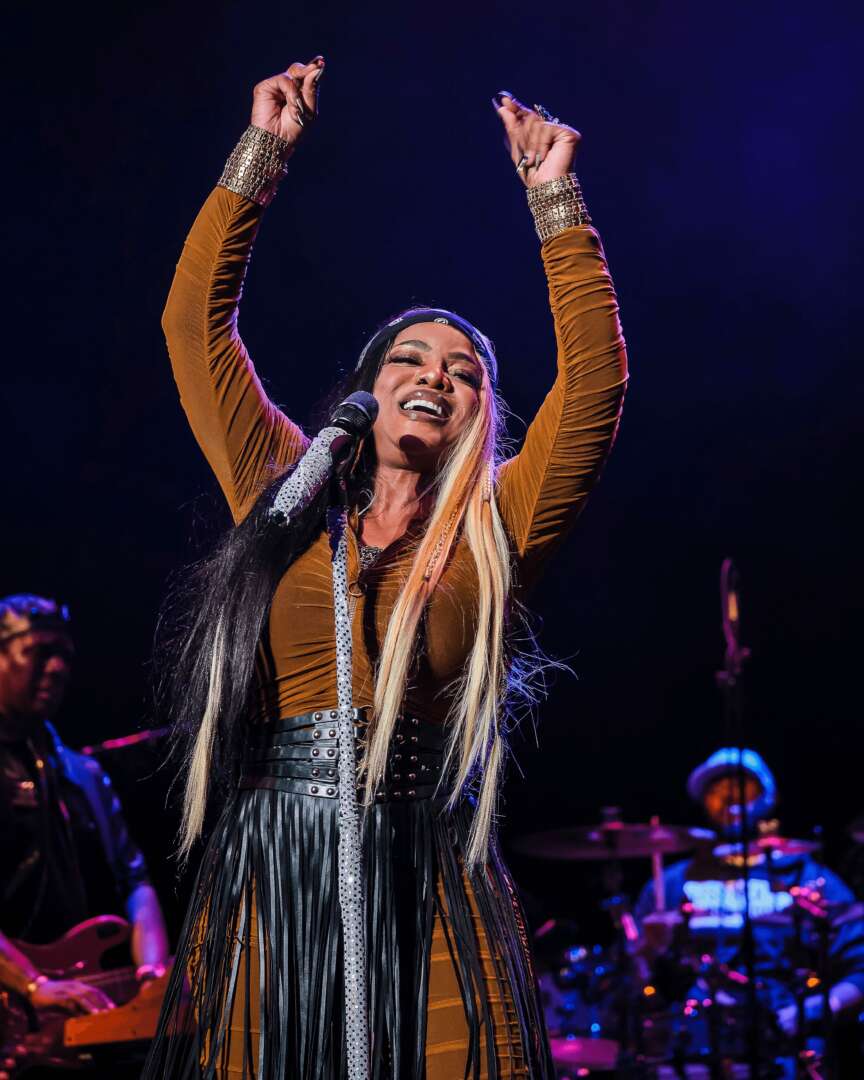
Within a year, I was freelancing as a writer/photographer for some local publications, and that began my learning curve. I was being sent to do business profiles, and high-end events, and every assignment forced me to learn on the spot. I made a lot of mistakes and learned to problem-solve on the spot, as there are no do-overs in these situations. It was from those assignments that I also got into concert photography, and that is my first true love in the field. Shooting a concert heightens the performance experience for me, as it you have to have your senses and your gut feeling keyed in. I’m currently the house photographer for the Chandler Center for the Arts, and I’m also with DOOM Agency.
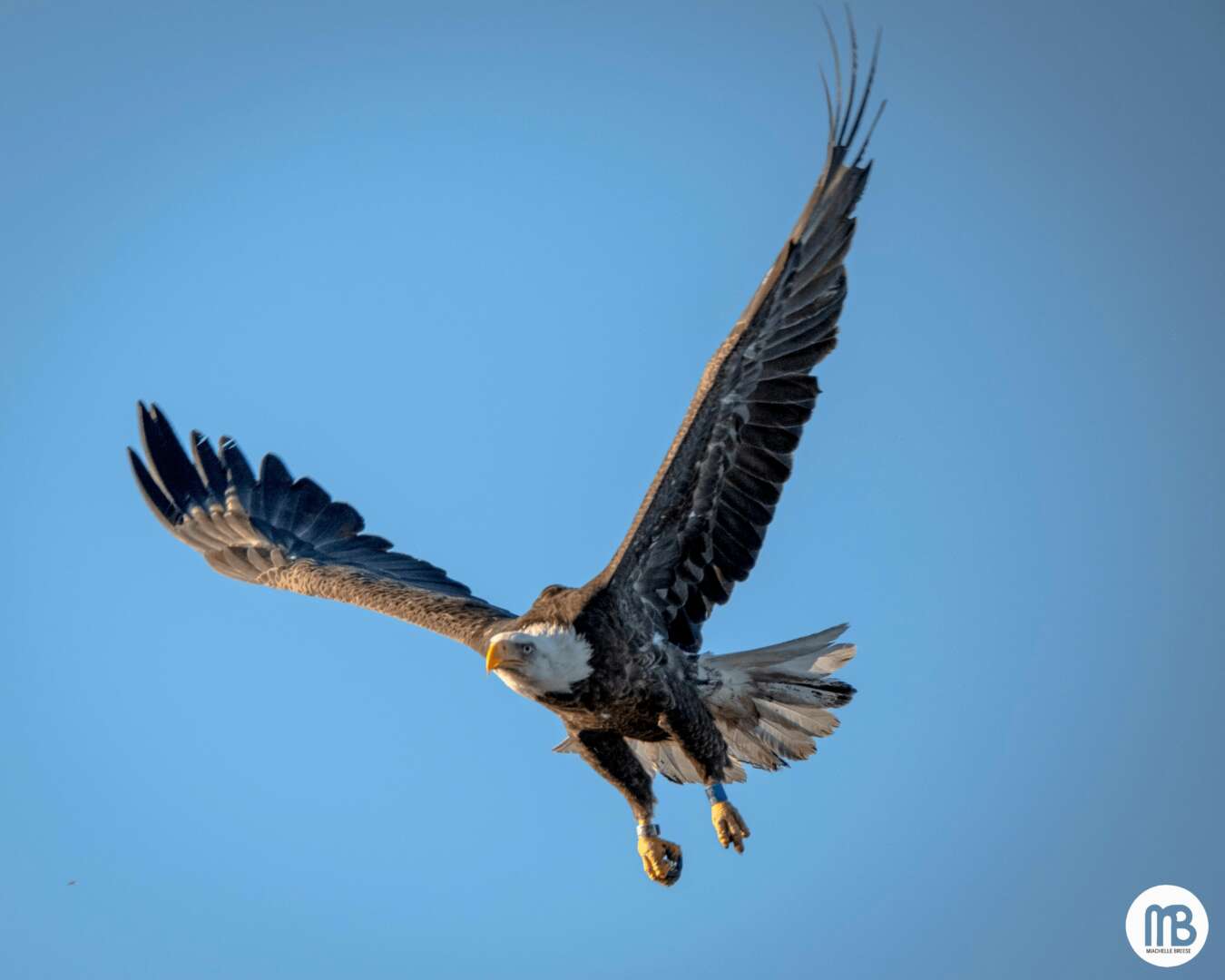
I kinda miss those days, though I don’t miss the minimal pay. For a while I was doing corporate events, the occasional wedding, portrait sessions…and I found myself working almost two full-time jobs. I hit burn out, and decided to take a step back and give myself a chance to fall in love with photography again. Now I focus mostly on concerts, and wildlife/nature. My favorite local subjects are the Salt River Horses, and whatever wildlife I can find at the Riparian Preserve. And of course, any concert I can get into, though that field is getting harder and harder with LiveNation taking over the media aspect of shows.
I think the primary thing you’ll see in my photography is the mood. I want you to see and feel what I saw and felt in the moment. My work is strong and vibrant, whether it’s color or black and white. I don’t shy away from the color and strength of the lines, because I want you in the moment with me every time you look at one of my photos. I’m not a pastel-world kind of person.
My photography also led me to me being on the board of directors for Alwun House. I’d done several group shows and had my first solo show there, and became interested in helping document Alwun House’s history for the 50th anniversary. Now I’m on the board, and I’ve successfully helped with grants, documenting processes, and editing copywriting for promotional items. I also will shoot some of the events, and occasionally you’ll see my husband and I volunteering during the big shows. Alwun House is truly the backbone of the art community, and it serves a value in giving a place for the up-and-coming artists who may not get opportunities elsewhere. In documenting the history, I’ve seen a lot of established visual and performance artists who got their start at Alwun House.
What’s the most rewarding aspect of being a creative in your experience?
Photography first and foremost is therapeutic for me. It’s my happy place…which is why I call it the Magic Black Box. When I’m shooting, anything else going on in my world gets put on the back burner. I love capturing a moment and giving that moment longevity. I’ve gotten to photograph or meet people I never thought I would, and I’ve had some amazing experiences, all thanks to the Magic Black Box.
What’s a lesson you had to unlearn and what’s the backstory?
I’ve had to be more selective about the people I photograph. I have a love-hate with photographing people. I love photographing people. I hate how social media has made body dysmorphia so much worse, which sometimes impacts my deliverables. People are much harsher critics of themselves, and photography triggers that issue in people. I’ve had people ask me to straighten their teeth, or demand far more skin retouching than I ethically felt comfortable doing. I’m a huge proponent of loving yourself; no one will love you more or better than you do. My favorite portraits are the people who gave themselves the permission and freedom to be themselves in front of my camera. I’ve had to learn when someone hates a photo of themselves, and I know everything about that photo is perfect, I have to let it go and realize the issue isn’t my work.
Contact Info:
- Website: https://breesespieces.zenfoliosite.com
- Instagram: @tricksypixie
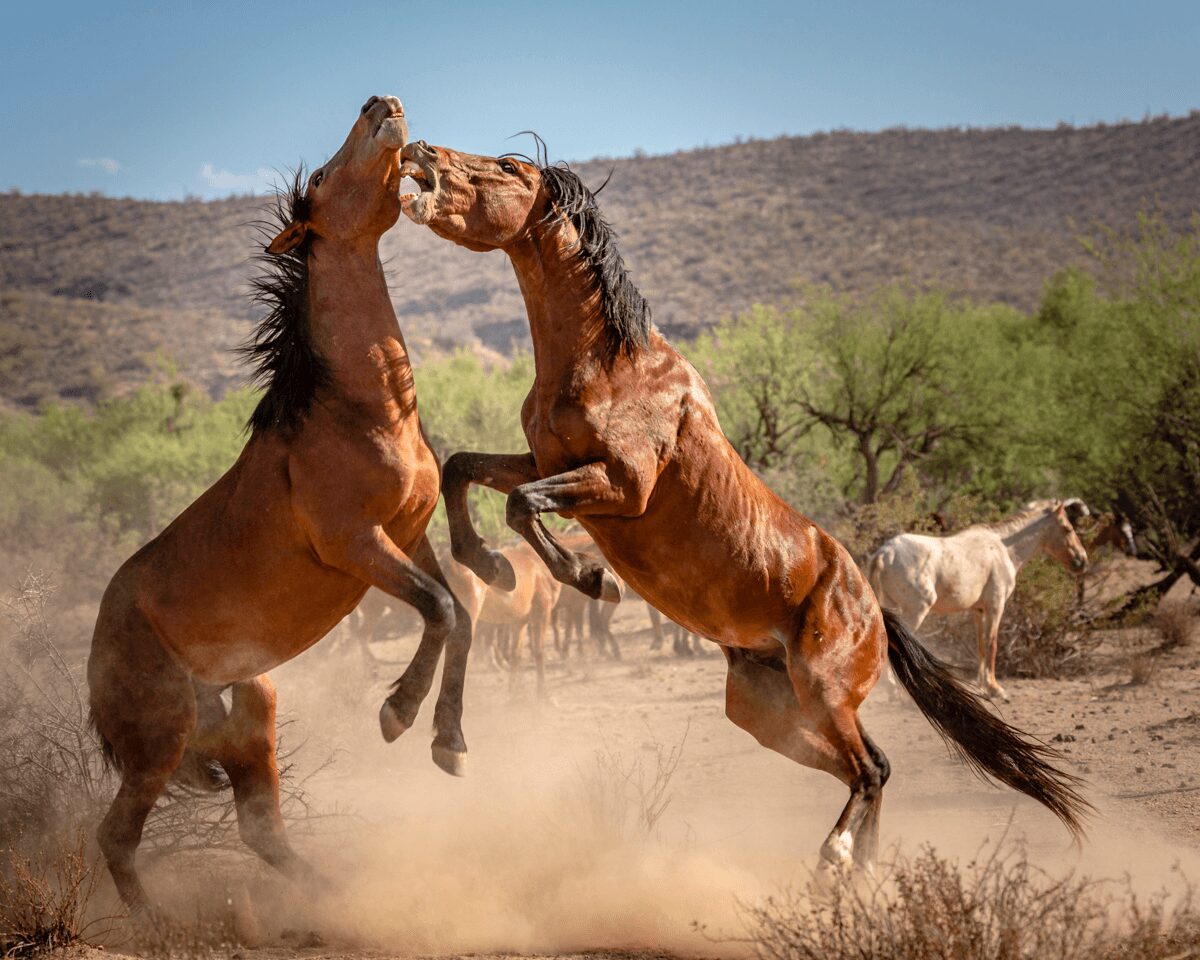
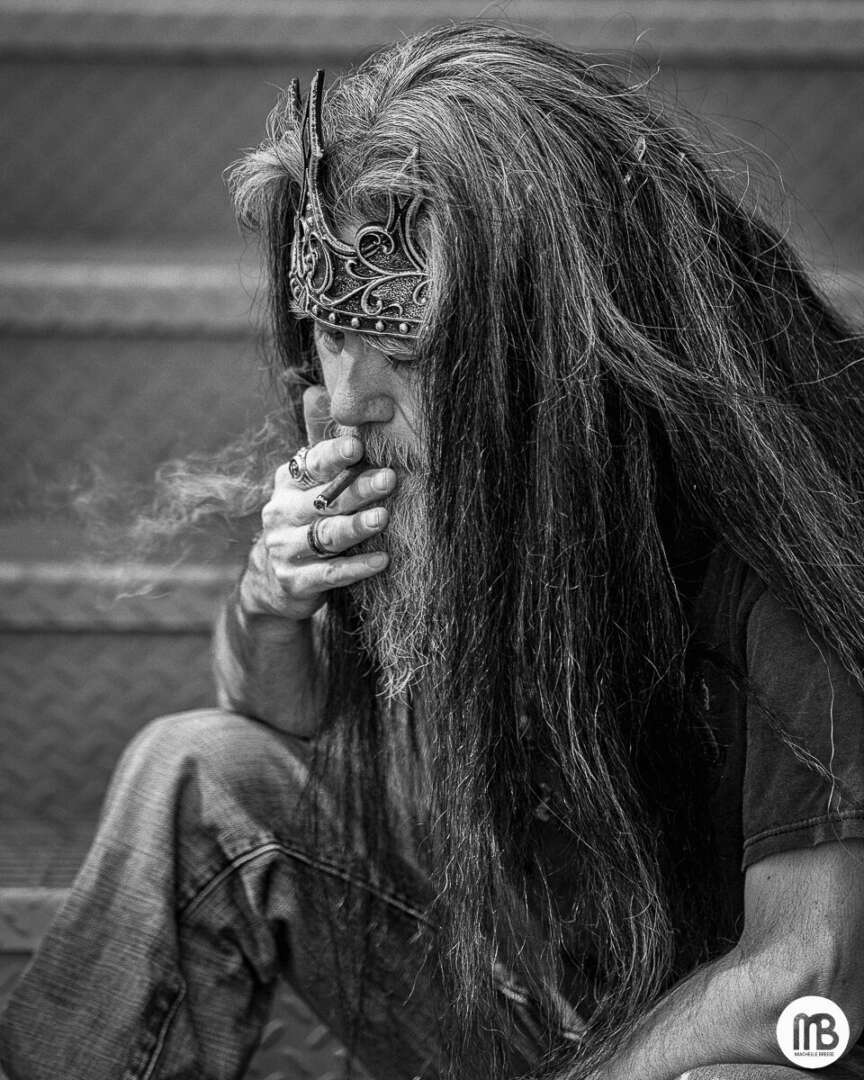
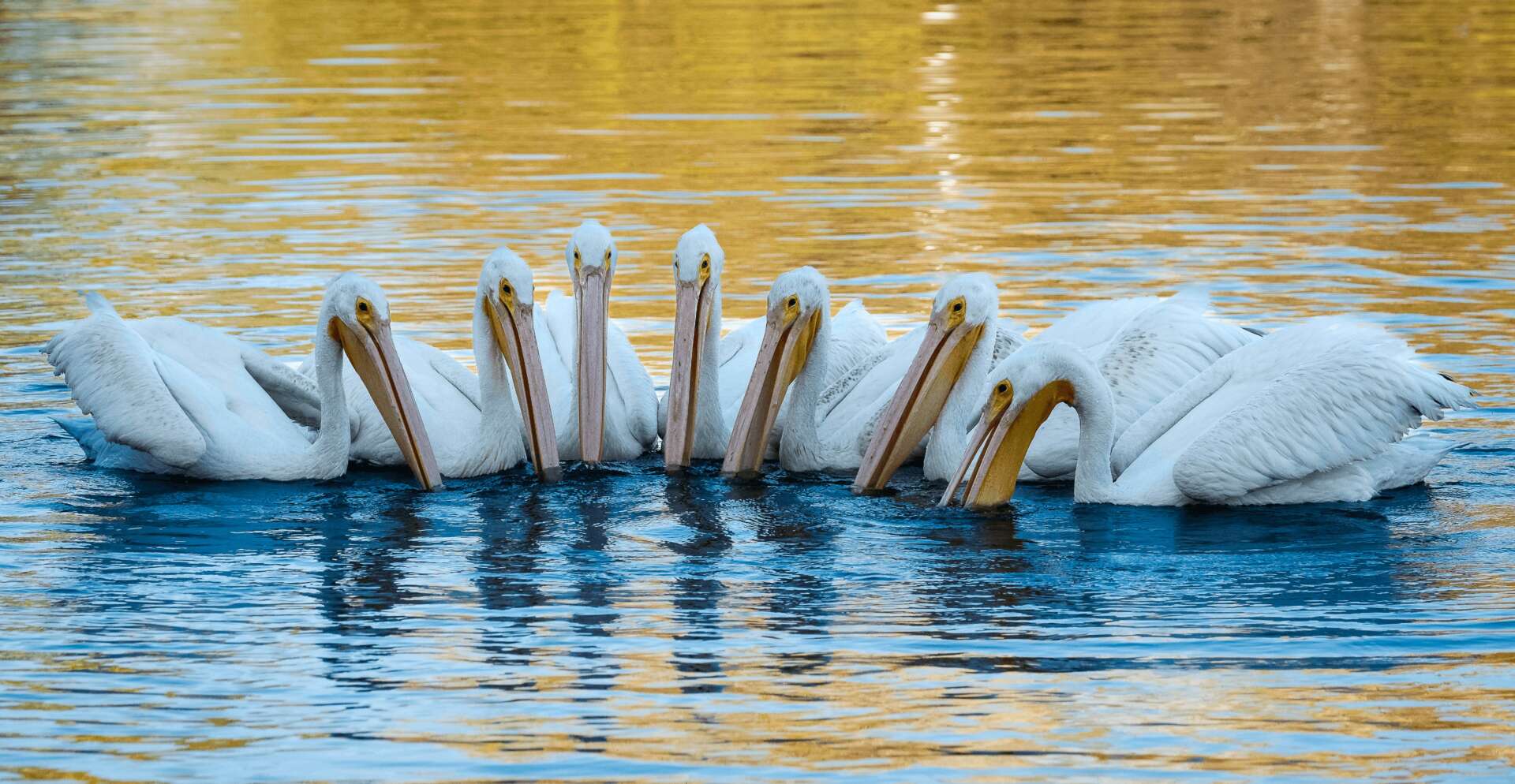
Image Credits
Concert image: Leela James at the Chandler Center for the Arts
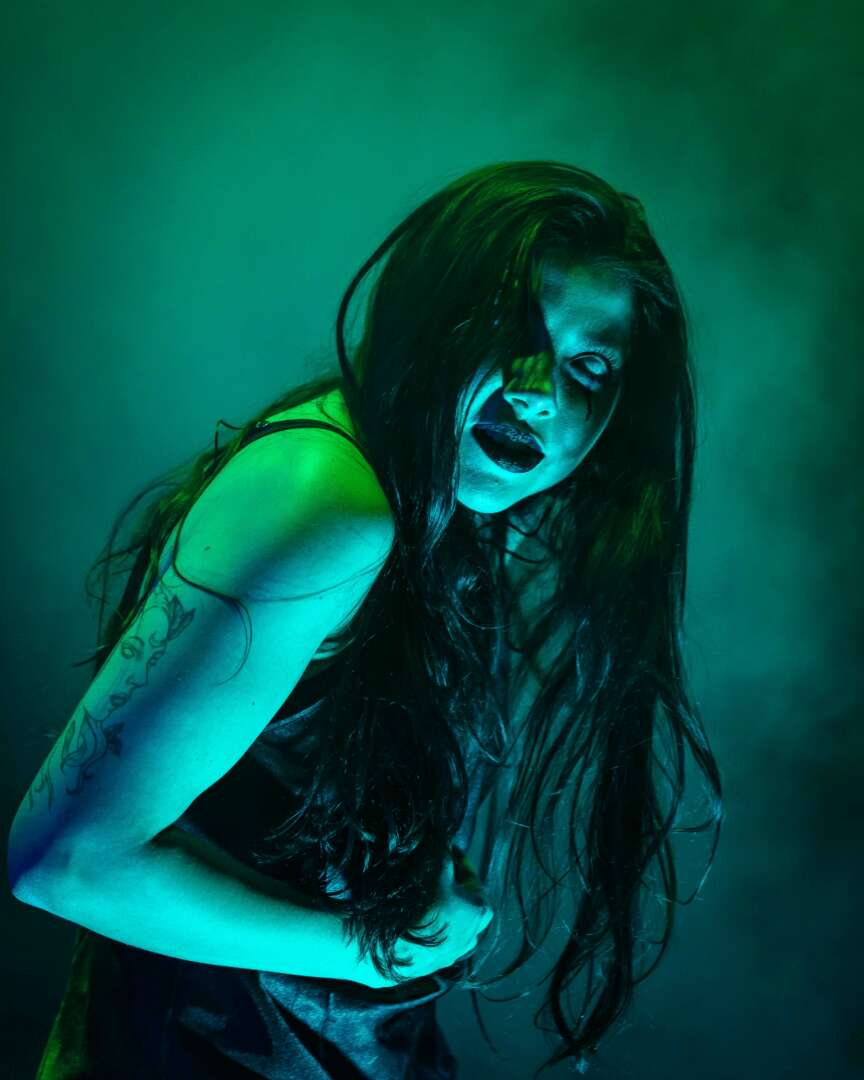
Green image: Artemis Prowl performing at Alwun House’s annual Monsters Ball.
Black and white portrait model: Timothy Chu