We caught up with the brilliant and insightful Barb Nangle a few weeks ago and have shared our conversation below.
Alright, Barb thanks for taking the time to share your stories and insights with us today. So let’s jump to your mission – what’s the backstory behind how you developed the mission that drives your brand?
I’m a former people-pleaser, rescuer and enabler who hit a codependent bottom at the age of 52 in 2015 when I was working at Yale University. That experience landed me in 12-step recovery where I learned, among other things, to build healthy boundaries. The impact on my life was astonishing. I had so much more control over my life than I ever dreamed I could have! I want that kind of experience for other professional women.
The ripple effect of my healthy boundaries on my team at Yale University was also quite remarkable, given that none of them were in recovery!
I had no idea how many times and places in my life I was not taking charge of my life, but was instead reacting to life. What’s shocking about that is that I’d always felt like a powerful woman who had agency.
Learning how to build healthy boundaries taught me to live on purpose, which I didn’t know I wasn’t doing. I now know what’s my responsibility and what’s not, where I end and other people begin.
I’ve learned so many skills through the process of building healthy boundaries. Most importantly, I’ve learned how to have healthy relationships with others as well as with myself. I’m now in the first and only healthy romantic relationship of my life. We met when I was 55 and he was 60 and have been together for over five years and it’s an incredibly wonderful, loving and fulfilling relationship. One of the things that attracted me to him the most was HE has really healthy boundaries! I attribute our ability to still be “love birds” after five years to our healthy boundaries – we bring things up the moment we realize they bother us. We don’t let them stew and we don’t blame the other for things that are our responsibility. I want other women like me to have the healthy relationship they’ve always longed for.
I didn’t realize before recovery that I didn’t love myself and I didn’t have self-worth. I didn’t trust myself, but that I knew. Building healthy boundaries was the process that helped me to grow into a woman who feels worthy, loves and trusts herself. I want that for older professional women too.
Great, appreciate you sharing that with us. Before we ask you to share more of your insights, can you take a moment to introduce yourself and how you got to where you are today to our readers.
I’m a sociologist by training and left my career as a Program Coordinator for Urban Ed programs at Yale in 2017 when I got laid off. Thru a series of serendipitous events, I started my own coaching and consulting business. I eventually decided to niche into boundaries coaching because boundaries were such a game changer for me. Boundaries permeate every single area of our lives so I can coach people on just about anything, but they tend to come to me because they have difficulty with personal and/or professional relationships as well with themselves. It’s common for my clients to be enabling a partner or an adult child who has a substance use problem and/or mental health problems. They are also often in some kind of transition like changing careers, retiring, becoming empty nesters or divorcing. They want to have good boundaries in place when they create their new identities.
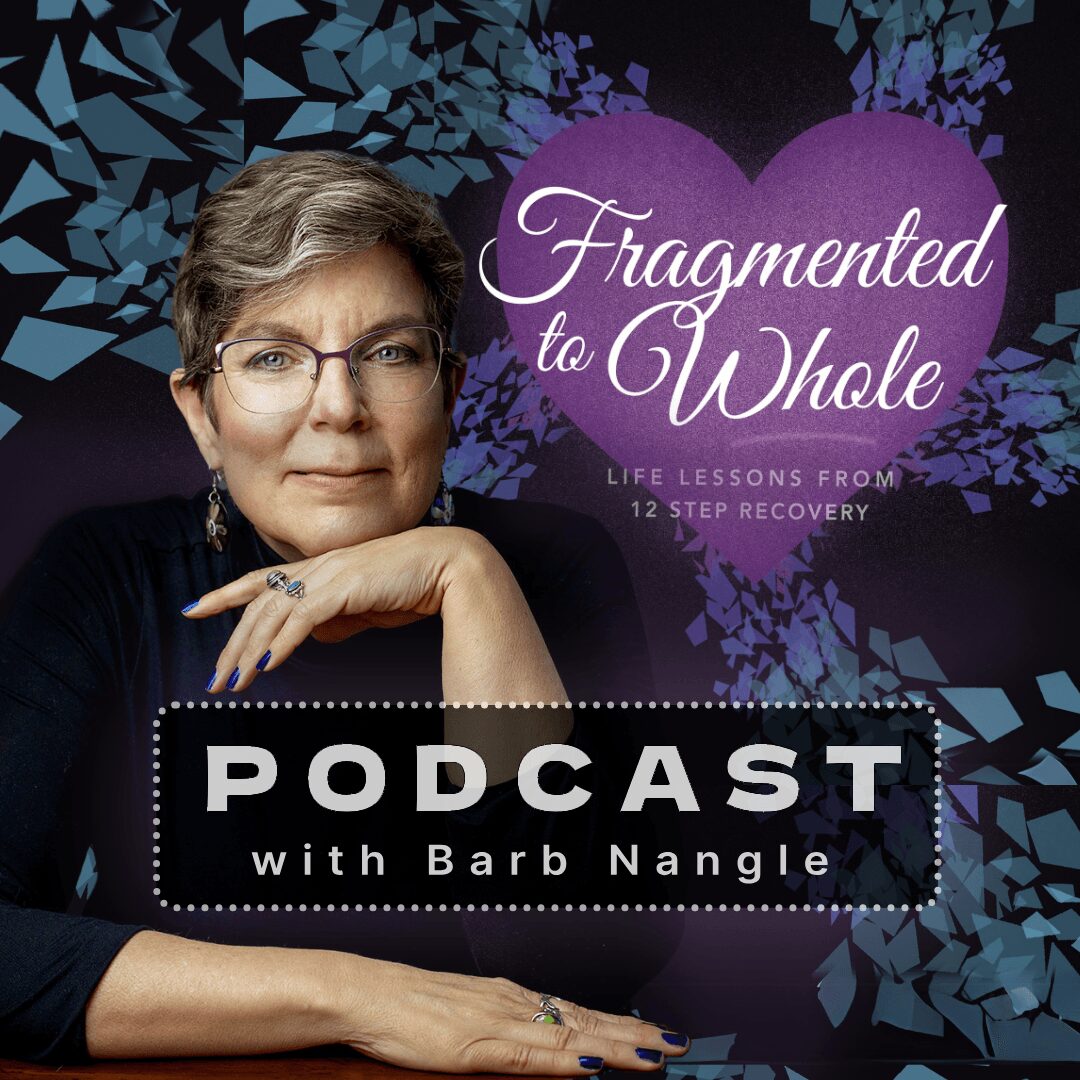
I’m the host of the podcast, “Fragmented to Whole: Life Lessons from 12-Step Recovery” which I started in March of 2019. I started it because of how much I changed in 12-step recovery. I was 52 when I got in recovery and had been in therapy since I was 15 years old. I’d also read a ton of self-help books, done workshops, work books, retreats, spiritual groups, etcetera. All of that stuff scratched the surface of the iceberg of my life and recovery melted the iceberg.
The things I learned about myself in my first two years in recovery alone were well beyond anything that ever came up in the previous 37 years. For me, the 12 steps are where it’s at! I started the podcast because I want the wisdom that’s in 12-step recovery to make it out into the world. My podcast is the thing about which I am most proud. I’ve done 275 weekly episodes as of the time of this writing. It never occurred to me when I started my podcast that it would have anything to do with my business. It’s now the number one way I get clients.
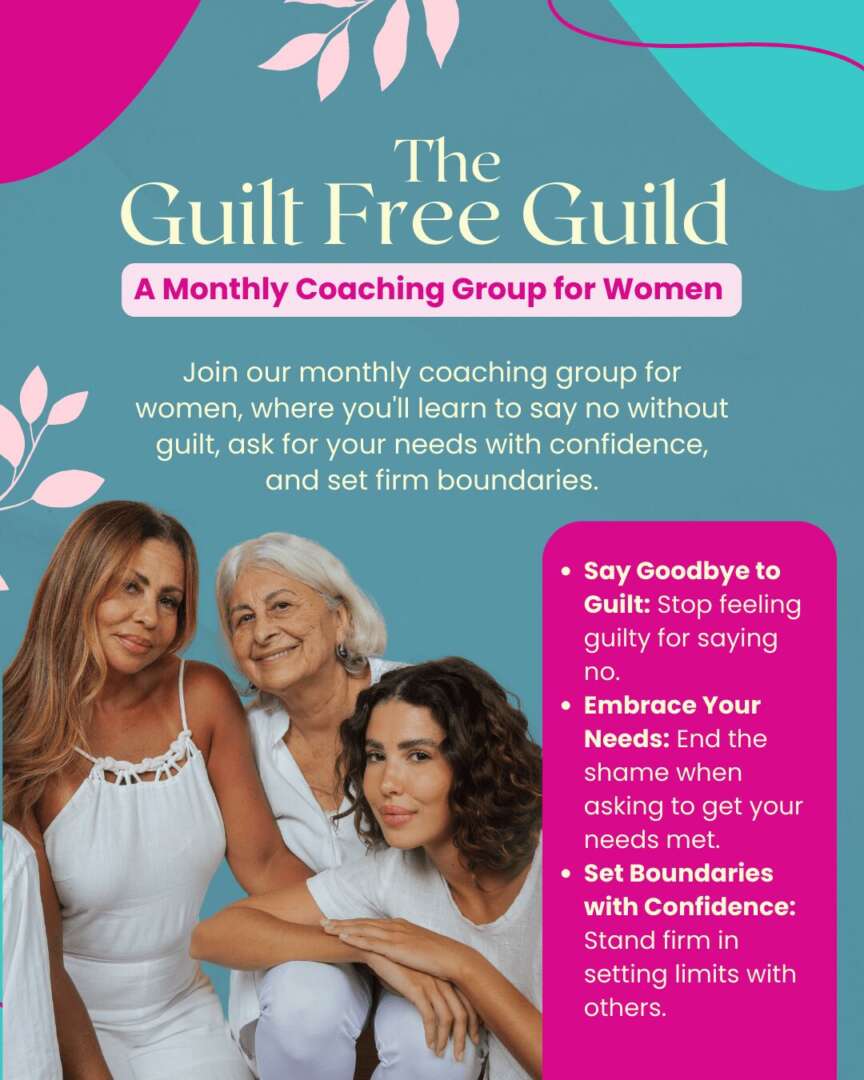
I provide group and private boundaries coaching for professional women who say yes when they really want to say no, and who neglect themselves because they’re so focused on others. I created a curriculum on boundaries based on my personal experience of building boundaries in recovery, and the things that I read and learned about boundaries outside of 12-step recovery. The backbone of my curriculum is my workbook. It’s in the workbook where clients take everything they learn from the rest of the curriculum and our live coaching sessions to do weekly training exercises to build their own boundary system. They apply what they’ve learned to their own personal life, situations, relationships and issues. My curriculum includes slide decks, podcast episodes and articles I’ve written. And of course I provide lots of tailored feedback to my clients.
I also do professional speaking. My target audience is organizations that serve professional women such as managers, business owners and nonprofit workers. I was a volunteer-a-holic before I got into recovery and have volunteered for over 15 nonprofits over the years. I saw that many of them were filled with people like I was (people-pleasers who can’t say no) and they end up getting burned out. My goal is to help those nonprofit organizations, as well as other organizations that serve women, to help change the lives of the individual women within the organizations, as well as change the organizations themselves. There are policies and procedures organizations can implement to stop the turnover and burnout of women who can’t say no. My goal is to train them on that.
The types of issues clients come to me with include things like living for others’ approval, the inability to set limits with others because they’re so afraid of what other people will think, they don’t take time for themselves because they don’t want to be thought of as selfish. They don’t take time for leisure and to rest because they’re so fixated on others and don’t feel worthy. They pretend things are okay when they’re not, that they like things they don’t and they often say, “I’m fine” when they’re not.
What sets me apart is that I’m a perfect blend of the sacred and the profane: I’m both a deeply spiritual woman and I swear like a mother-f***er! If someone doesn’t like swearing, I’m not the coach or podcaster for them.
My style is kind and loving and while also telling people “this is what I see.” I don’t sugarcoat things, but I’m also not a jerk about it. As a coach I have to be honest with my clients, otherwise there’s no point in working with me.
Learning and unlearning are both critical parts of growth – can you share a story of a time when you had to unlearn a lesson?
The most Important thing I learned that enabled me to go from no boundaries for over 50 years to having such healthy boundaries that I’m a coach is that I’ve come to care more what I think of me than what other people think of me. That doesn’t mean I don’t care at all what others think of me, of course I do. What I mean is that I used to be willing to throw my integrity out the window to get other people’s approval or at least think that I was “nice.” I’d say I liked things that I didn’t, that things were OK with me that weren’t, and I pretended I was fine when I wasn’t. I’m no longer willing to do that to get people’s approval. Now, my integrity as a woman of honesty is way more important than whether people think that I’m nice or kind or helpful. I want people’s approval, but I don’t *need* it in the clawing, desperate way that I used to. That has a lot to do with the fact that I have my own approval now. In fact, I think that’s a really good measure right there – it’s fine to seek other people’s approval, but only when you have your own approval first. If you’re going to do something to get someone’s approval and you end up feeling like crap about yourself, don’t do it. It’s not worth compromising yourself for.
Learning and unlearning are both critical parts of growth – can you share a story of a time when you had to unlearn a lesson?
This is a continuation of the previous question. I’ve had to unlearn the belief that I should put myself last, and that there is something noble about sacrificing myself for other people. I’ve learned that taking good care of myself does not take away from other people. In fact, it fuels me and makes me able to give more. I’ve learned that rather than trying to pour from an empty cup, I pour from the overflow. And the only way that I have overflow is by filling my cup first.
I mentioned earlier I was a volunteer-a-holic before I got into recovery. Now that I have healthy boundaries, I actually give more service to my community in terms of hours per week than I ever did before I got into recovery. That’s because I take care of myself and pour from the overflow and not from an empty cup. I’m also strategic about the service I give, I don’t say yes at the drop of a hat anymore. And I do it by choice, not by compulsion. I didn’t know these things were options before I had a healthy boundaries!
Contact Info:
- Website: https://higherpowercc.com/
- Instagram: https://www.instagram.com/higherpowercoaching/
- Linkedin: https://www.linkedin.com/in/barbnangle/
- Other: podcast: fragmentedtowhole.comnewsletter: fridayfragments.news