

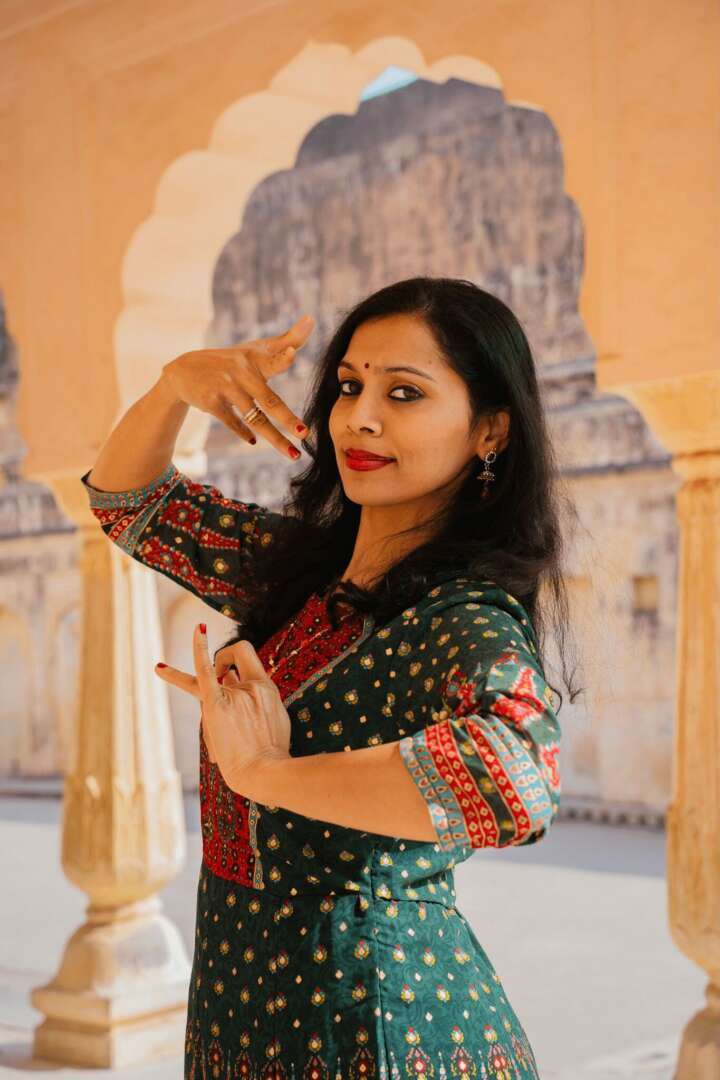

We were lucky to catch up with Suman Nayak recently and have shared our conversation below.
Hi Suman, thanks for joining us today. How did you learn to do what you do? Knowing what you know now, what could you have done to speed up your learning process? What skills do you think were most essential? What obstacles stood in the way of learning more?
Bharatanatyam dance has been a significant part of my life right from my childhood. My dance journey began as my mother’s dream, but almost instantly turned into my own passion. My mother was very interested in Indian classical dance, but did not have access to any formal training. Hence, she hoped to fulfill her wish of learning by introducing me and my younger sister to Bharatanatyam dance. I grew up in Mangalore, a beautiful coastal city in Southern India, and had my foundational dance training at Kadri Nritya Vidya Nilaya. This well established dance school, founded in 1937 by Guru U. S. Krishna Rao, was an inspiring place brimming with music, dance, and talented dancers immersed in their art. Over my 15 years of training, this school practically became my second home. My dance Guru, Mr. U. K. Praveen, & Music Guru, Mrs. Usha Praveen, created a productive learning environment. This is where I grew and thrived as a budding dancer.
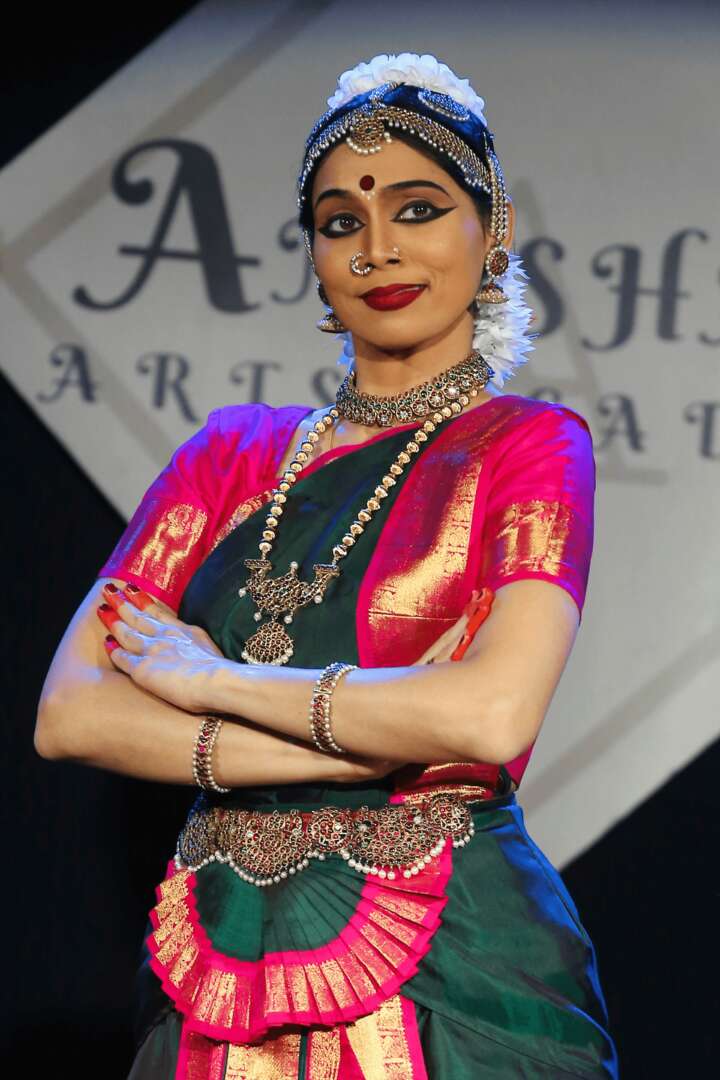
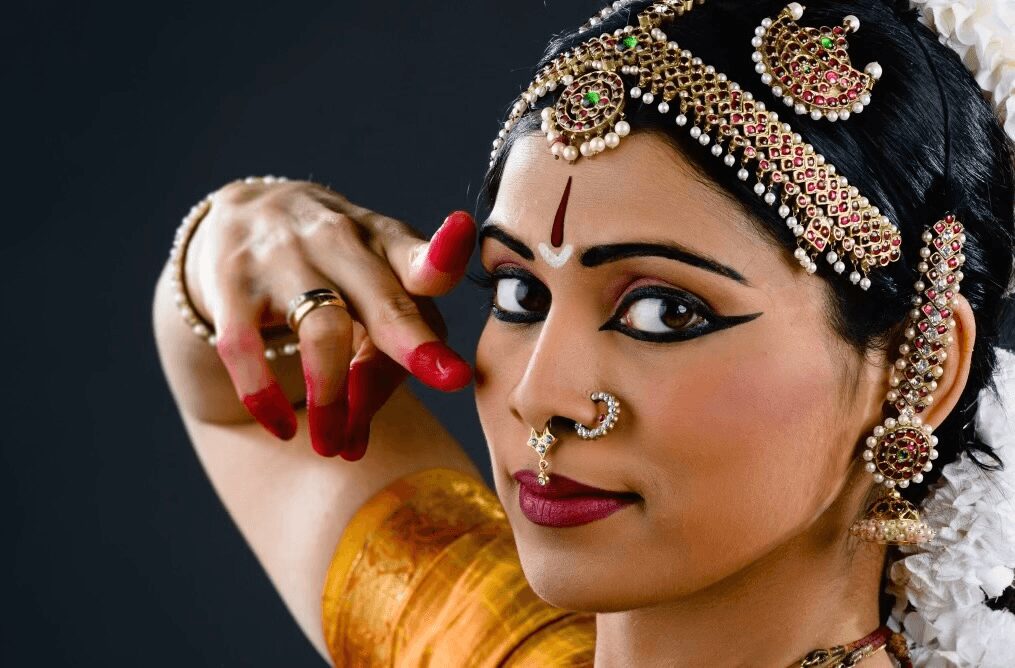
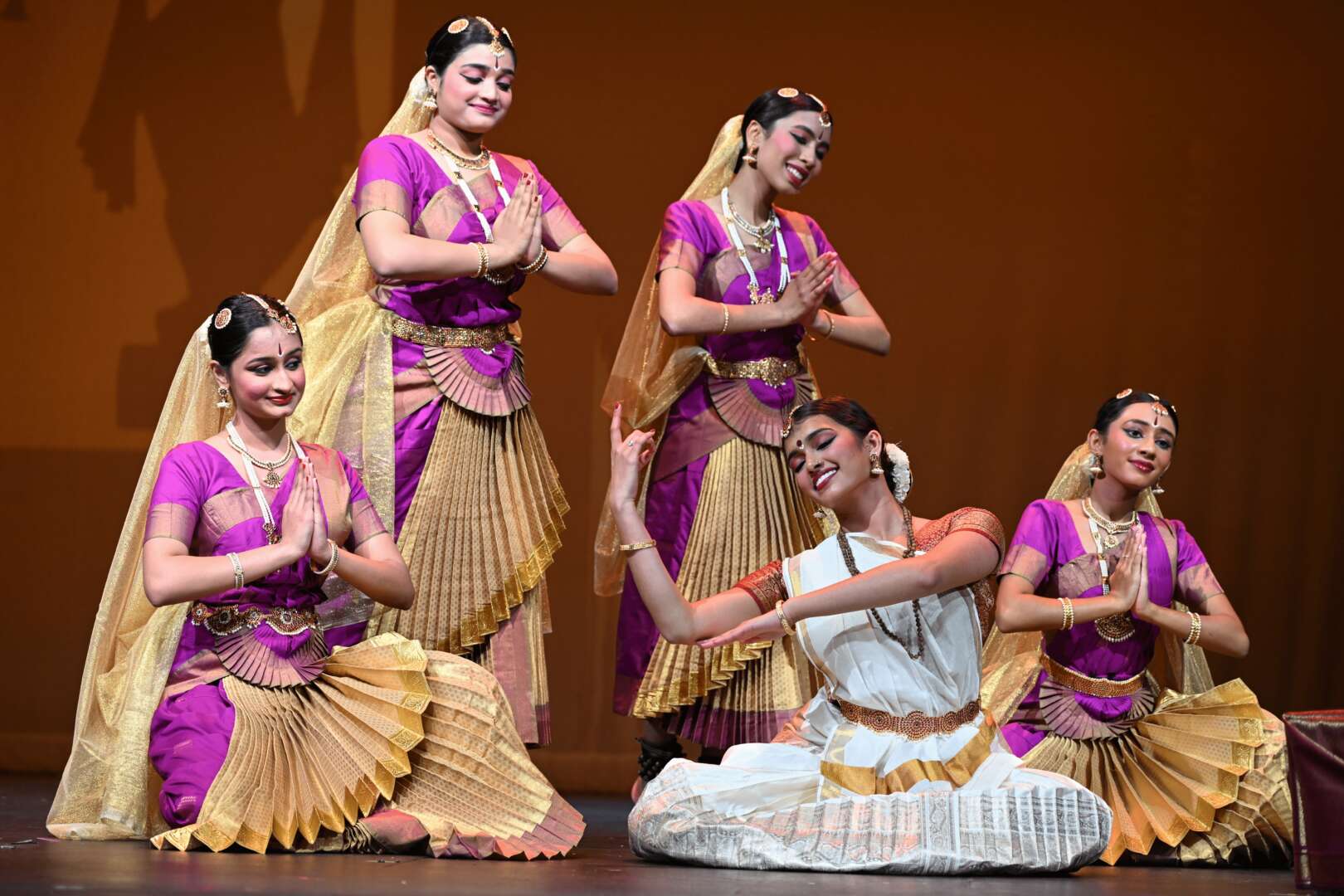
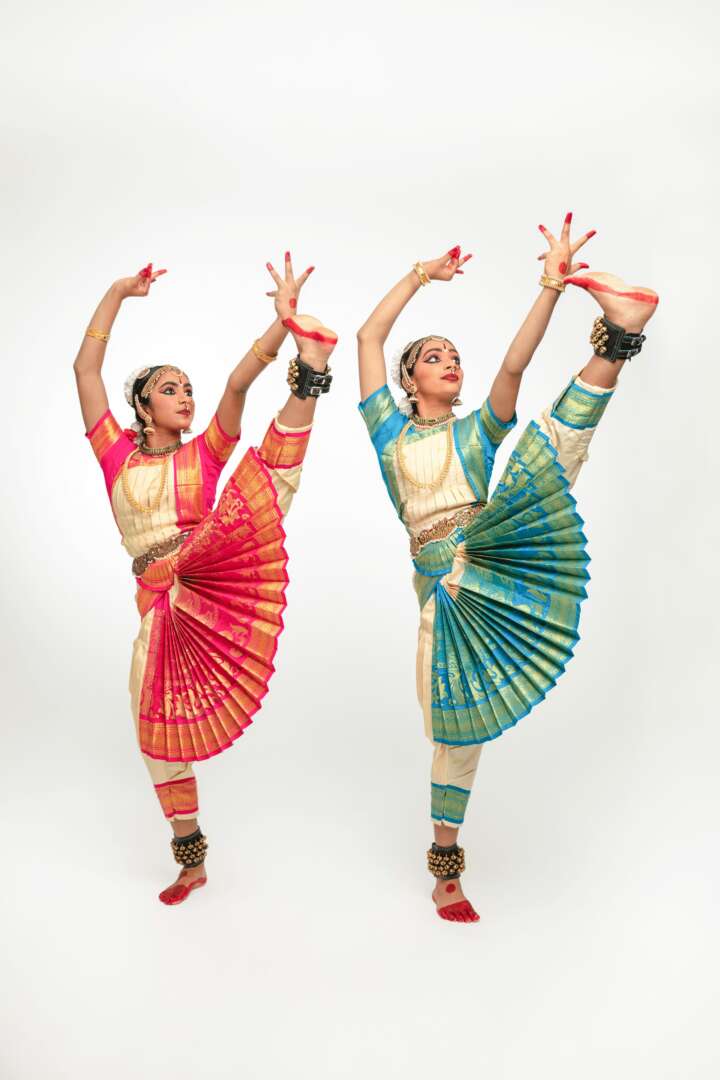
Bharatanatyam is an intricate art consisting of specific postures, meaningful hand gestures, complex footwork, and detailed movements of the body including the eyes and the eyebrows. Even as a child, I instantly felt a deep connection with dance and took to it naturally. My childhood was filled with performances and competitions in and around town, opportunities to choreograph and perform at my academic school, endless hours of practice at the dance school, and close friendships with dance peers. After 8 years of learning, I had the opportunity to present my Arangetram, a two hour solo debut concert that marks the culmination of a dancer’s initial training. I then completed the different stages of state level dance courses and obtained my credentials to teach Bharatanatyam.
Indian classical art is like a vast ocean. The deeper we dive, we get to explore & uncover hidden treasures of knowledge. I believe that teaching and learning go hand in hand no matter the age or the experience. Whether it’s the various aspects and the fine nuances of the dance form, the classical carnatic music, the complex rhythms, the literature, the legendary stories, or the languages, there is always much to learn. I’ve continued to hone my skills & build my experience under acclaimed exponents of dance even to this day. When I moved to Southern California in 2001, I was amazed to witness the thriving Indian classical arts community amongst the diaspora. Since then, I’ve spent almost 15 years training in abhinaya, the expressive and the story telling aspect of dance, with Guru Ramya Harishankar from Irvine, CA. I also learn thematic depictions from Guru Anitha Guha, Chennai & vintage classic compositions from Guru Roja Kannan, Chennai. I’ve also been guided in Nattuvangam, the art of vocalizing complex rhythms and playing it using special cymbals, by renowned mridangist Guru Nagai P. Sriram for over 10 years. The valuable guidance that I have received from my mentors has truly shaped my personality as a dancer and my thought process as a teacher.
As always, we appreciate you sharing your insights and we’ve got a few more questions for you, but before we get to all of that can you take a minute to introduce yourself and give our readers some of your back background and context?
I am a bharatanatyam dance artist, teacher and the director of Natesha School of Bharatanatyam, a dance school based in Poway, CA. I live here in San Diego with my wonderful husband and two kids. My family means the world to me, and I truly believe in maintaining a harmonious work life balance.
My career as an artist was born out of my love and passion for Indian classical dance. I also had a strong interest in the sciences and completed my undergraduate studies as an Environmental Chemistry major at the University of California, San Diego. However, my deep passion and constant desire to pursue dance empowered me to become a full time dance teacher and a performing artist.
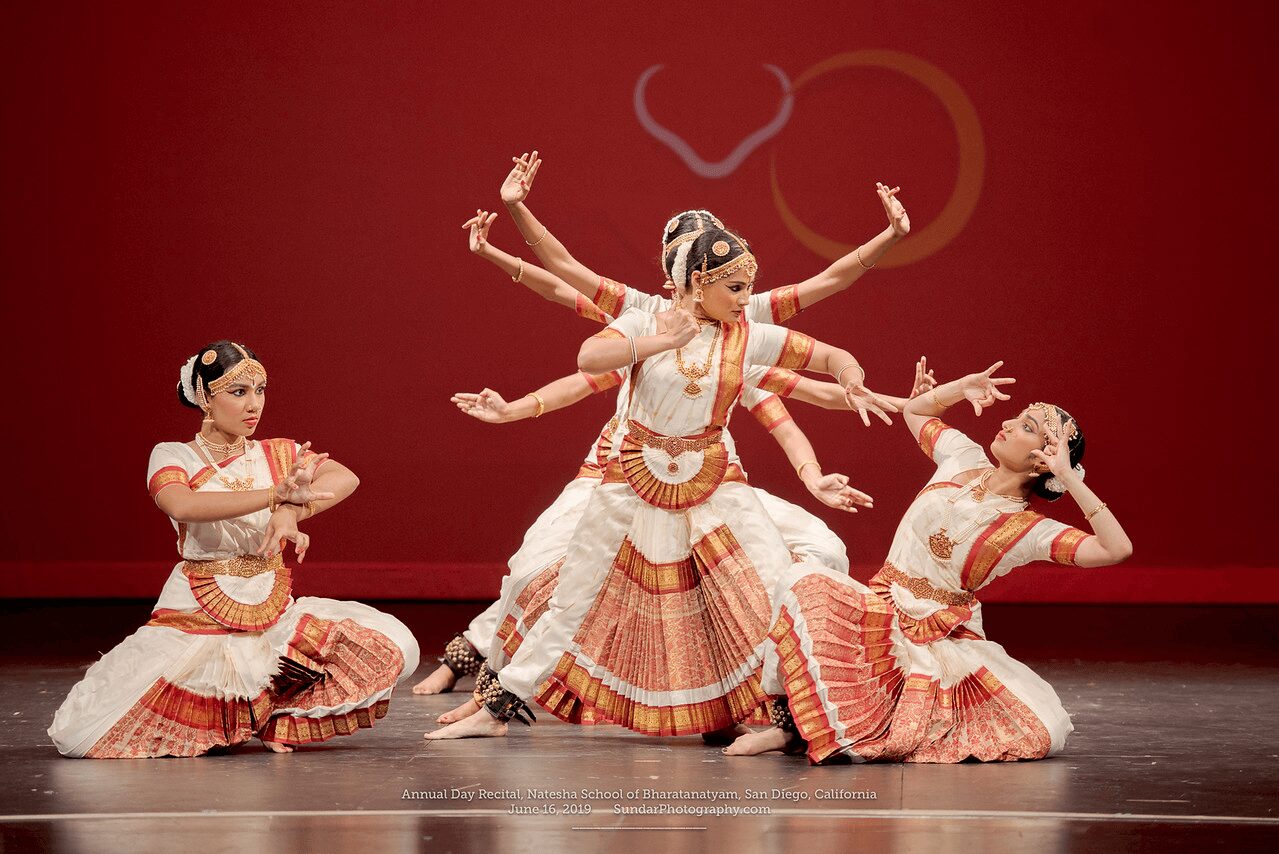
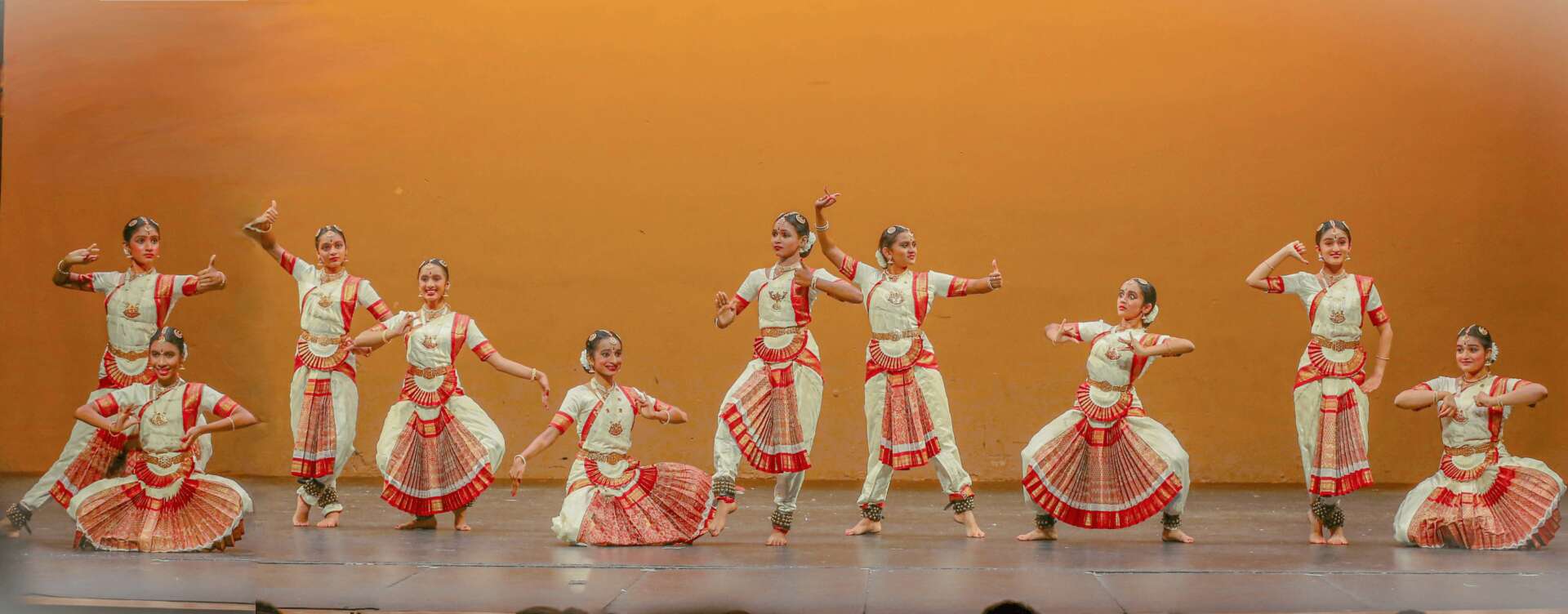
My student base mostly consists of K-12 children, college students, and adults. The main objective of Natesha is to provide top-notch classical dance education in a friendly & positive environment. I absolutely enjoy teaching this beautiful art, and sharing my knowledge with budding youngsters that are very eager to learn. Over the past 24 years, several hundred students have crossed paths with Natesha in big and small ways. On an average, it takes at least 8-10 years of consistent training and diligent practice to gain proficiency as a dancer. The curriculum is structured in a methodical format where we first begin with footwork in a variety of patterns and speeds. Then, we gradually add on each layer including hand gestures and structured movements of the arms, eyes, neck, and body. The ultimate goal is to dance with control by balancing strength & grace, to express without inhibitions, to understand Indian literature, and to develop good musicality. A majority of the children that enroll at Natesha school stay long term and become a part of our school’s performance team or pursue a solo track.
Whether it’s music or dance, classical art forms train the body and the mind. It requires single minded concentration, multi tasking, endurance, resilience, patience and confidence to successfully master any classical art form. I draw inspiration from the energy and enthusiasm of my students, their awesome team spirit, and their excitement to learn new choreographic works. I also enjoy collaborating with other dance artists and have worked on several projects with fellow artists around San Diego. We also work with musicians from India to create or arrange new compositions and make professional recordings. Each year, our school arranges live orchestra dance events, accompanied by professional musicians from India. While it requires substantial effort, it’s a fulfilling experience for the dancer and the audience.
What do you think is the goal or mission that drives your creative journey?
One of the primary goals driving my creative journey is the mission to give back to the community through the arts and to support fellow artists. In past years, my school has spearheaded several fundraising events to support meaningful causes. We have conducted fundraising dance concerts to support San Diego based organizations such as Solutions for Change, San Diego Indian American Society, Shankara Eye Foundation, Indian Fine Arts Academy San Diego, & Project Lion Heart. During the pandemic, we organized virtual events such as ‘Workshops for a Cause’ to provide financial aid to Dance & Music artists in India. In addition, I am on the board of the Indian Fine Arts Academy, San Diego, an organization that provides a platform for Indian artists from around the world by hosting seasonal concerts and major annual festivals here in San Diego.
What can society do to ensure an environment that’s helpful to artists and creatives?
In my view, the performing arts community can be supported with better compensation for their work, especially for performances. Artists and art instructors devote an endless amount of hours towards creating, practicing and perfecting their craft. They are multitaskers wearing several hats as performers, instructors, event planners, costume designers, choreographers, researchers, musicians. Most often, they are small business owners that deal with extensive overhead to manage their work space. In addition, artists invest in high quality music, costumes, props, audio equipment, and other relevant resources on a regular basis. It takes an enormous amount of time, energy, & money to execute a production. Oftentimes, it becomes a labor of love rather than a profitable venture. With the exception of a handful of organizations, event planners typically expect voluntary performances from professional groups. Even if compensation is not available, dancers end up committing to such events to gather their experience and share their creative work.
The main source of income for an artist is typically through teaching rather than performing. This seems rather ironic considering the fact that most serious dancers undergo rigorous training in order to become established performers. If performance is truly the ultimate goal for artists, then don’t they deserve proper remuneration? Performing artists often hesitate to make art a full time career or are compelled to diversify their skills and take up a secondary job. With the support of event organizers, increased volume of sponsorships from corporate sectors, art scholarships, and wider access to government grants, I truly hope that our future generation of artists can believe in having financially stable careers in the arts.
Contact Info:
- Website: https://www.nateshadance.com
- Instagram: sumannayak_dance , nateshaschoolofbharatanatyam
- Facebook: Natesha School of Bharatanatyam
- Other: Email: natesha.dance@gmail.com
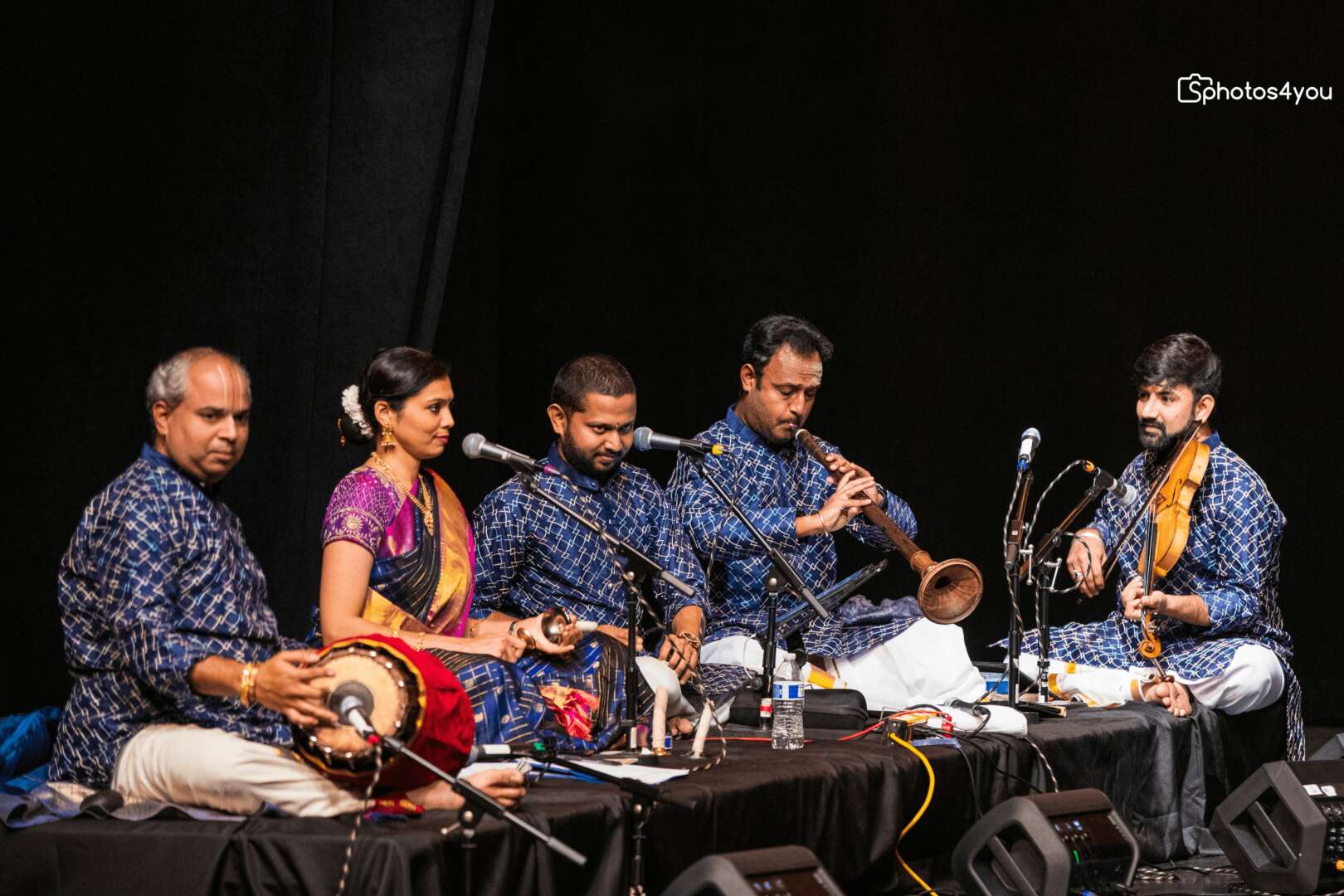
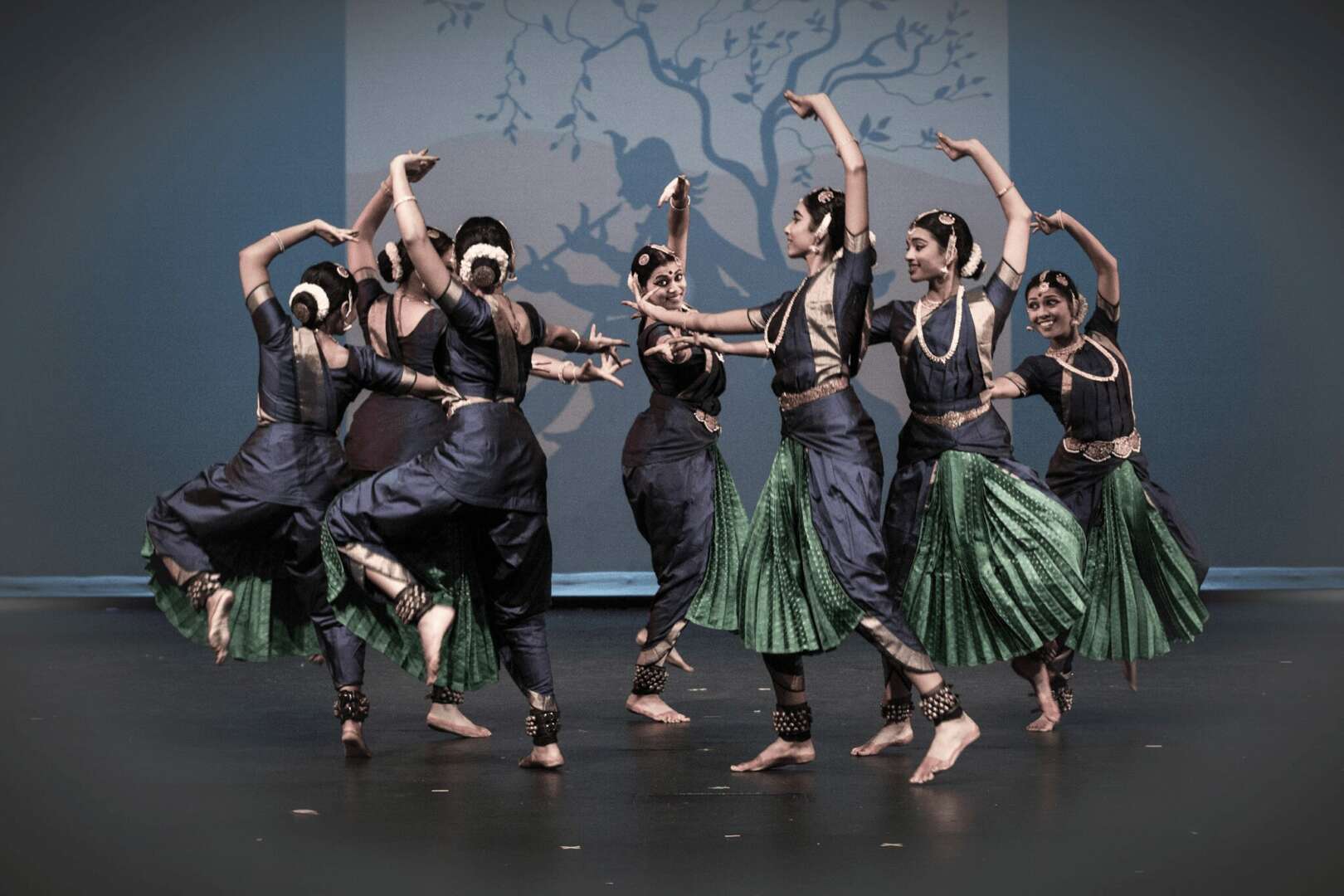
Image Credits
1. Sachin Nayak,
2. John Merrell,
3. Sundar Karthikeyan,
4. Chella Vaithiyanathan,
5. Rethnakar Pulikkoonattu,
6. Amarnath Puttur