

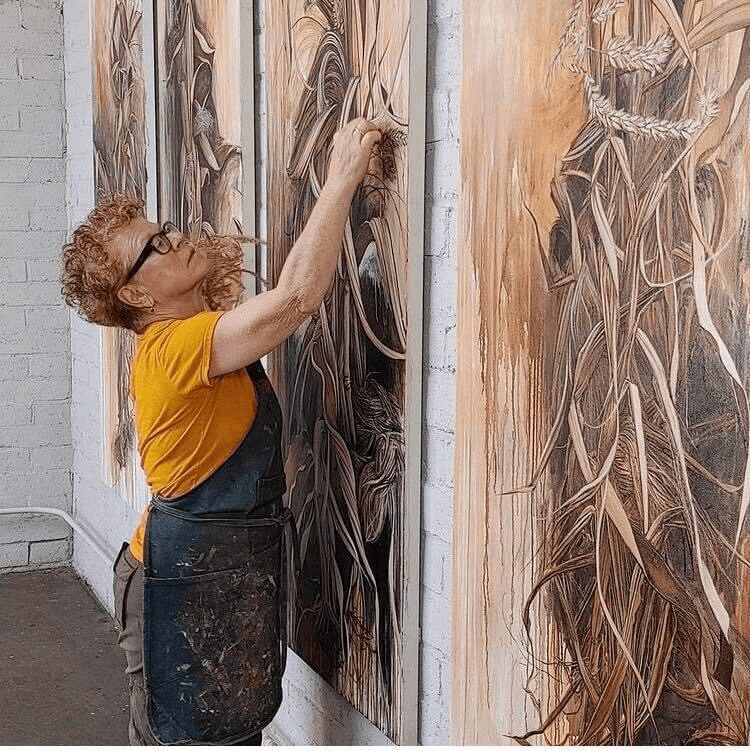

We caught up with the brilliant and insightful KAREN KITCHEL a few weeks ago and have shared our conversation below.
KAREN, looking forward to hearing all of your stories today. How did you learn to do what you do? Knowing what you know now, what could you have done to speed up your learning process? What skills do you think were most essential? What obstacles stood in the way of learning more?
I am a self taught oil painter, but I also have the benefits of a very rigorous, expensive education. I earned my BA at an elite liberal arts college, and those investigative research skills have served me well. I went to an MFA program that unfortunately was a mis-match for me; little support for my personal journey, and absolutely no material skills training. However, the ambitious competition and critical thinking in that environment provided a valuable complement to my traditional education. I survived, and eventually thrived. But, learning how to physically build a painting was acquired over time, day by day, looking at art, asking questions. It’s difficult to remember how “anti-skill” some art programs were in the 1980s.
Great, appreciate you sharing that with us. Before we ask you to share more of your insights, can you take a moment to introduce yourself and how you got to where you are today to our readers.
Like many artists, I’ve always loved the “making”–the physical interaction with materials, time alone with my thoughts, and creative problem solving. I worked alone, without gallery representation or teaching jobs, for 12 years before I started working with a dealer. I think that opportunity to grow and mature in relative private was valuable for me. The first thing I noticed when I began collaborating with galleries was how different it is to be trying things out–solving problems– in public. I never feel 100% ready to present work, and no gallery has ever given me the perfect amount of time to prepare. It’s always something of a dance, trying to create, wait, and present bodies of work as opportunities emerge.
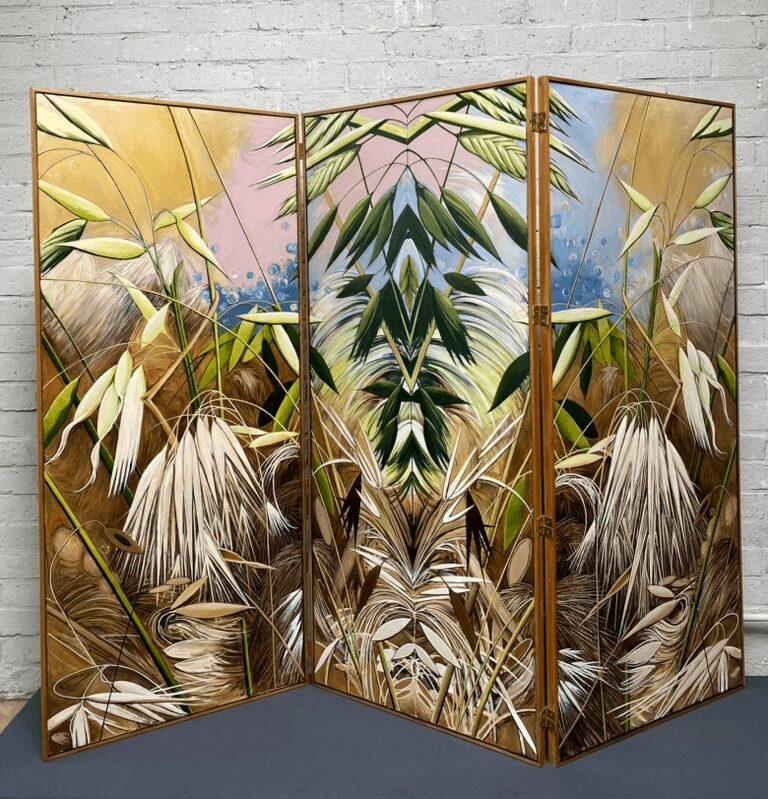
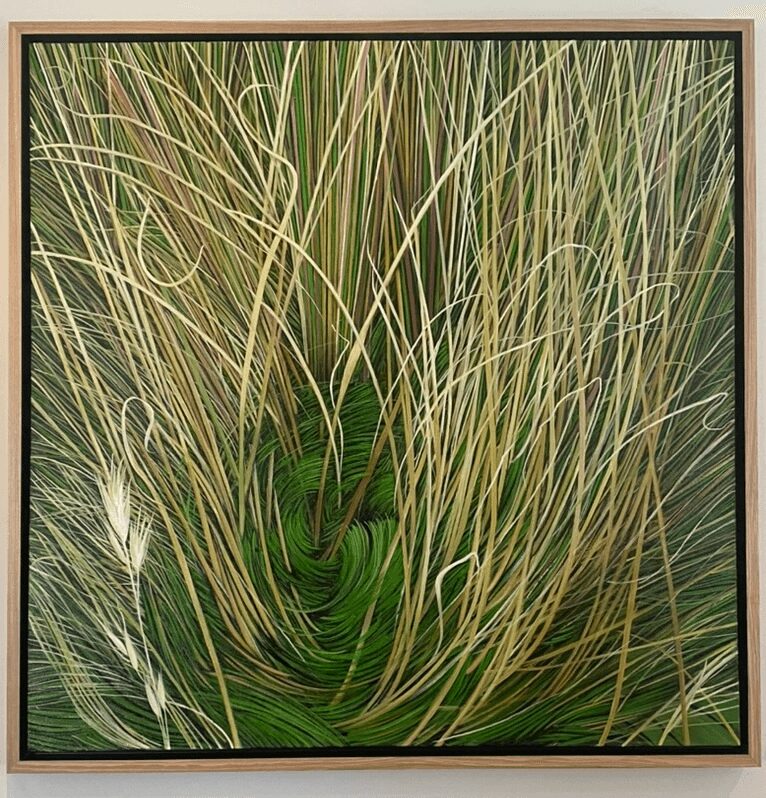
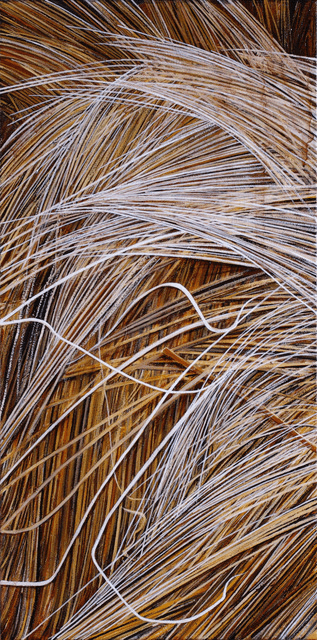
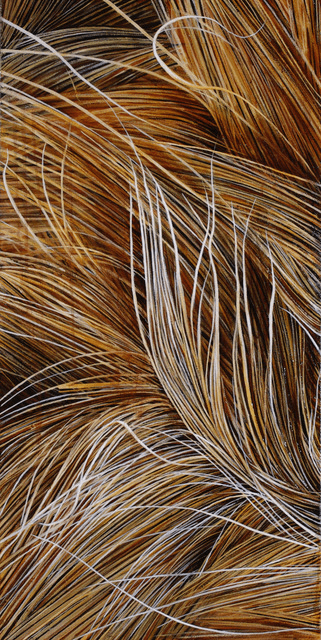
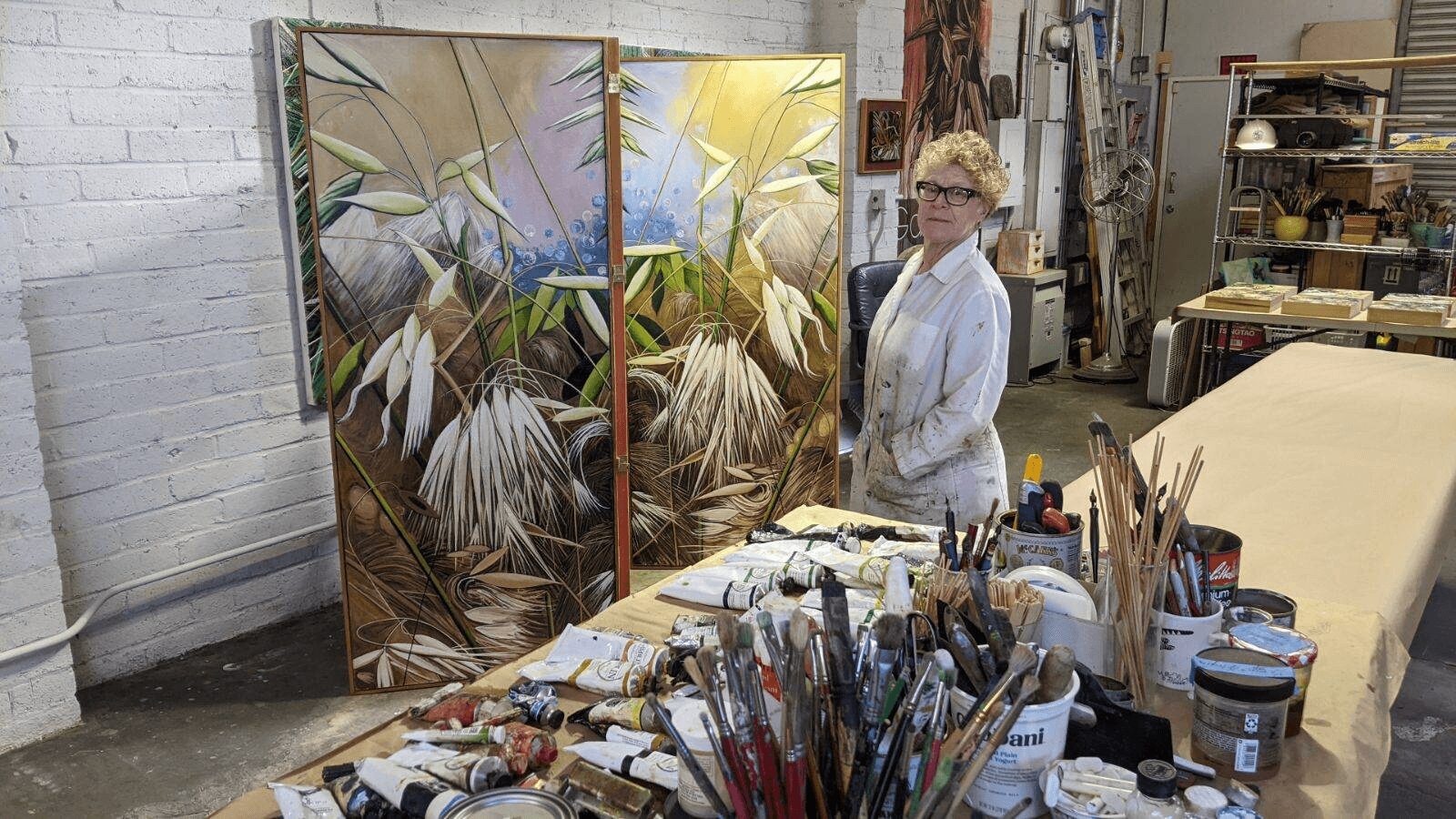
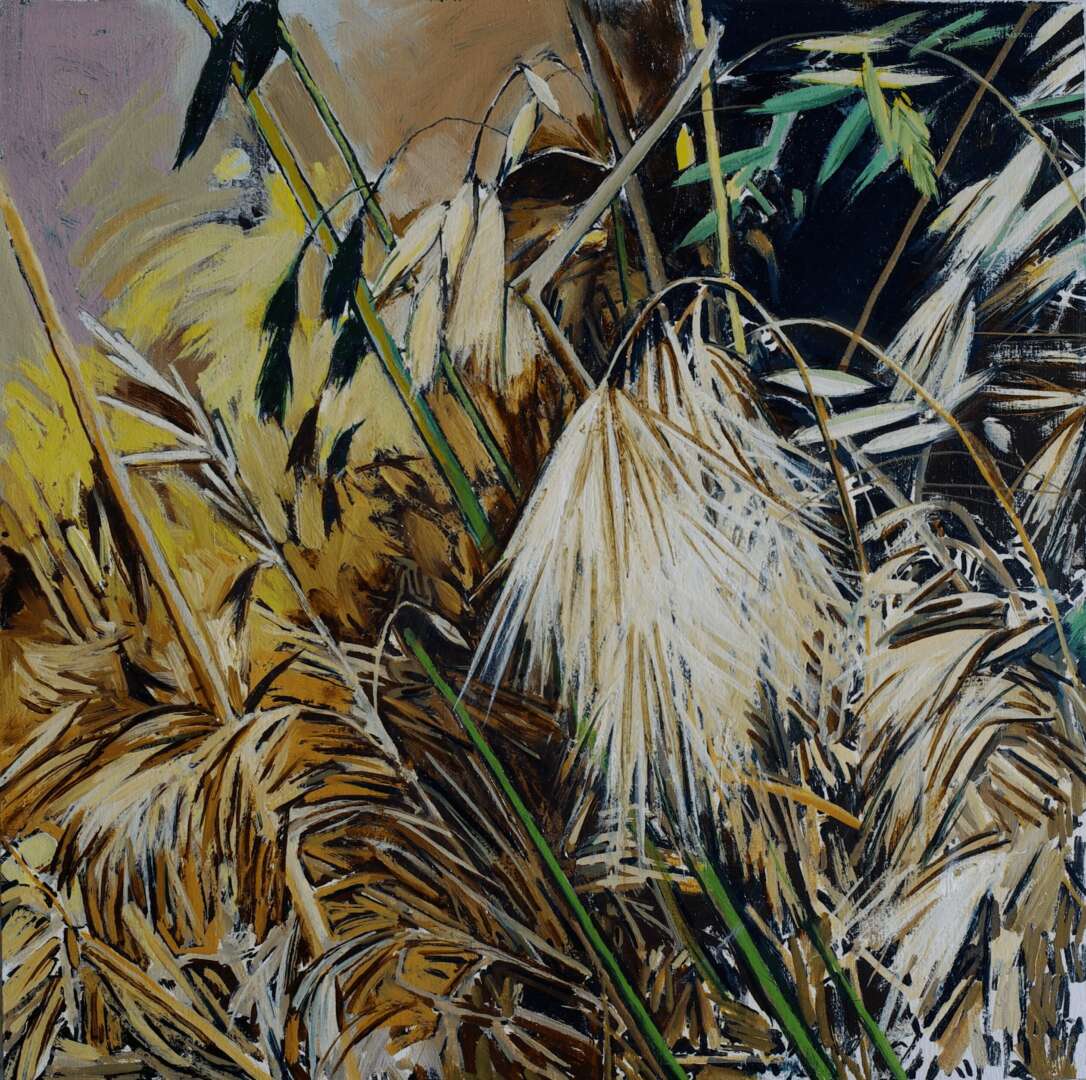
My signature works are finely-crafted details from identifiable landscape sites, often grasses or weeds. They are both botanically specific, and conceptually challenging. While I demonstrate observational and technical discipline, there are many questions offered as well. What is being shown? Where is this place? What is your relationship to it?
Is there mission driving your creative journey?
I strive to make art that is a compelling response to the time in which it was made. I want to make thoughtful, beautiful, intelligent paintings that demonstrate a truthfulness about the land and how we inhabit it.
In your view, what can society to do to best support artists, creatives and a thriving creative ecosystem?
I would like to see more options for artists to participate as professional peers in advisory and leadership positions at all levels. The more artists at the table, the more our interests will be represented, funded, and enacted.
We need to put more funding directly into the hands of individual artists, as well as organizations. I understand that professionalizing the artist’s role doesn’t work for everyone, but I think it would expand work and funding for us overall.
We absolutely need to increase access to artists, and art, in schools from K-12, college and beyond. By this I mean a solid section of the curriculum, not only a recess-style, visiting part-time overworked teacher. Real impact requires real time, real job, real benefits.
Contact Info:
- Website: https://www.karenkitchel.com
- Instagram: karen_kitchel
- Facebook: Karen Kitchel
- Linkedin: Karen Kitchel Art Productions
- Youtube: Karen Kitchel
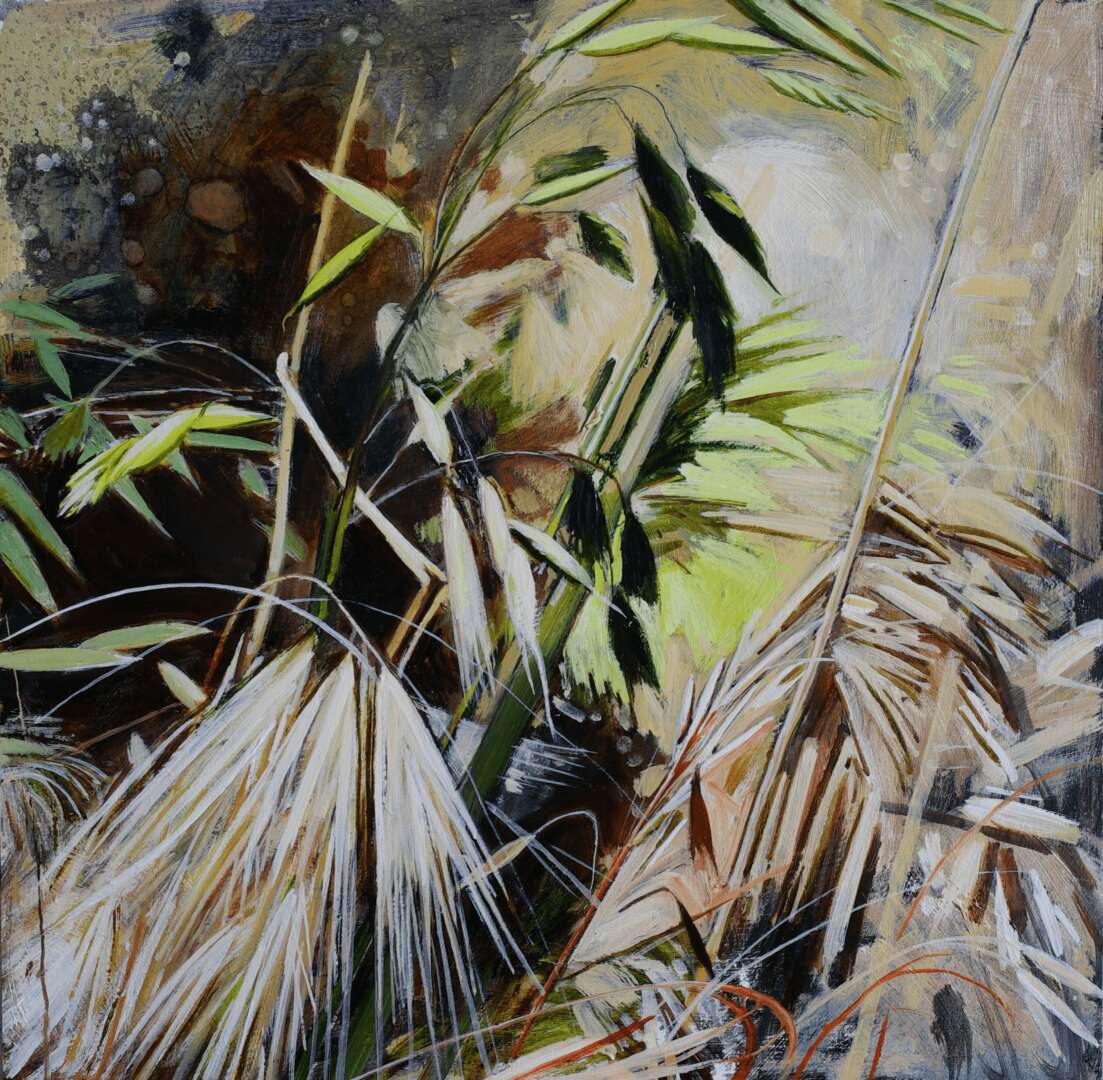
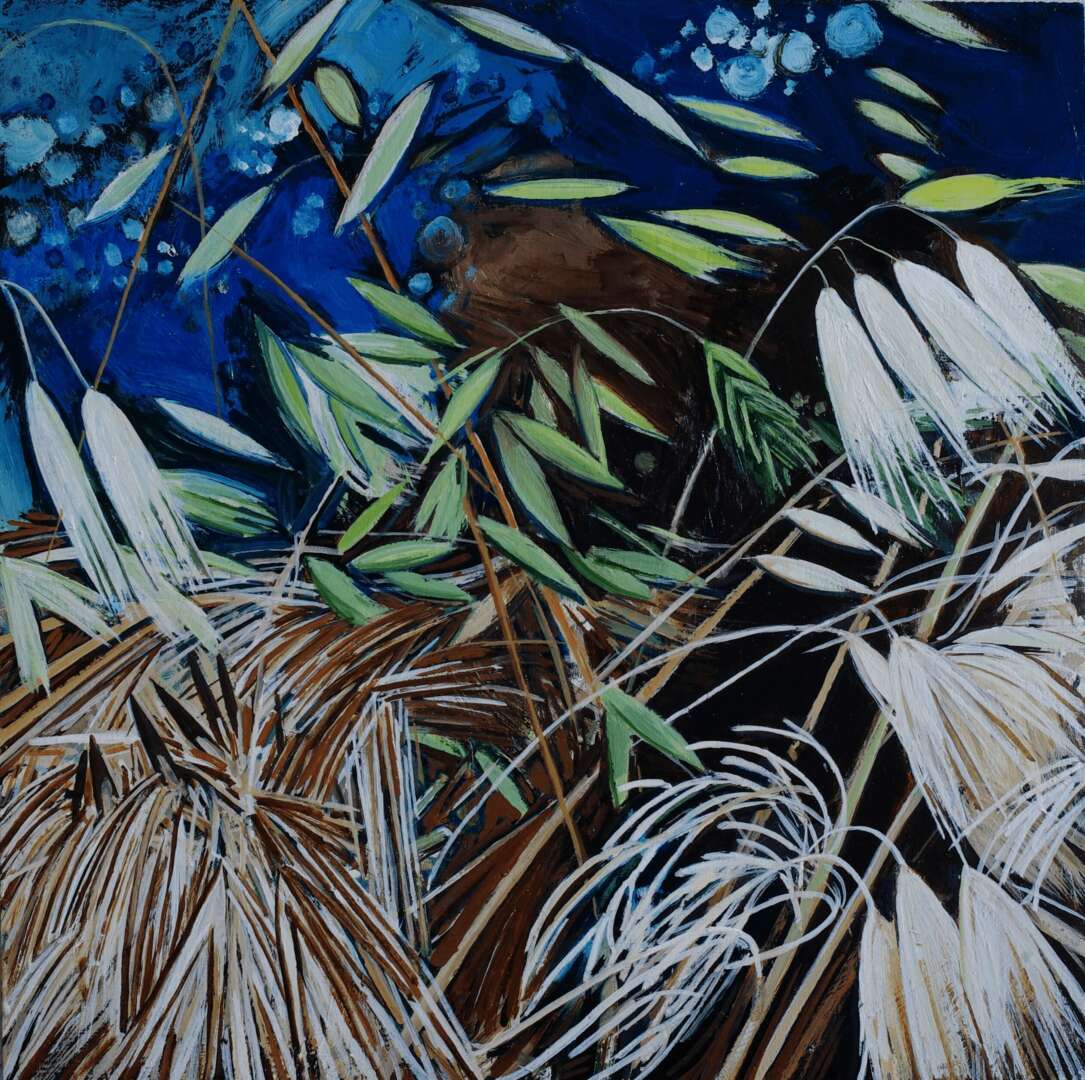
Image Credits
Donna Granata
Gary Keene
Karen Kitchel