

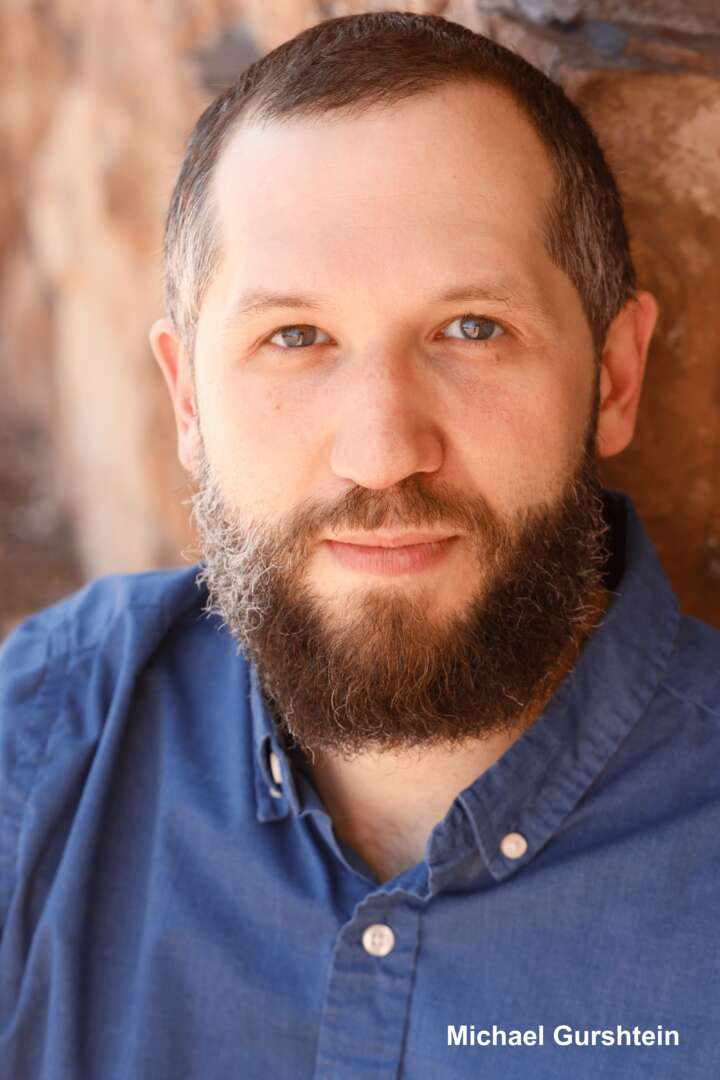

We were lucky to catch up with Michael Gurshtein recently and have shared our conversation below.
Michael, thanks for taking the time to share your stories with us today If you could go back in time do you wish you had started your creative career sooner or later?
In one sense, my creative career began at a very early age. I started reading when I was four and writing when I was six or so. I also started going to the theater around that age, and by high school was participating in the drama program both on and off the stage. All of these efforts, however, were predictably amateurish. In college, I studied the STEM fields and forgot all about my creative pursuits for nearly a decade afterwards. I did not return to either writing or acting in earnest until my late twenties, and even then the thought of pursuing a creative career full-time had not yet truly crossed my mind beyond idle dreams of being a world-famous author.
As I have continued an engineering career through my thirties while regularly performing in theatre, I have slowly come to realize that I will not be satisfied with this arrangement. I want to have my creative career be my full-time job. I think all the years of getting to that point were necessary to arrive at that conclusion and to have it feel like the right one. That time has also afforded me the opportunity to mature emotionally, which is invaluable in a creative field defined by the emotional whiplash of rejection, difficulty of finding work, and the actual emotional output of acting. So I would say I am arriving at this point precisely when I should. If I had tried to make this shift ten years ago, I would probably burn out very quickly. If I delay longer, I will only feel this intense dissatisfaction grow until it becomes unbearable.
Michael, before we move on to more of these sorts of questions, can you take some time to bring our readers up to speed on you and what you do?
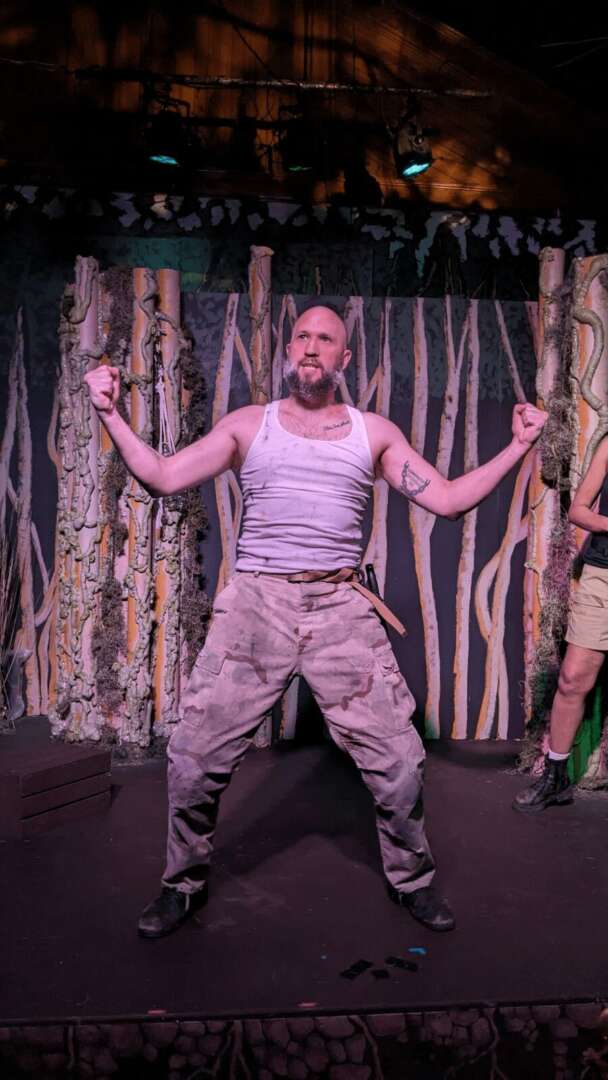
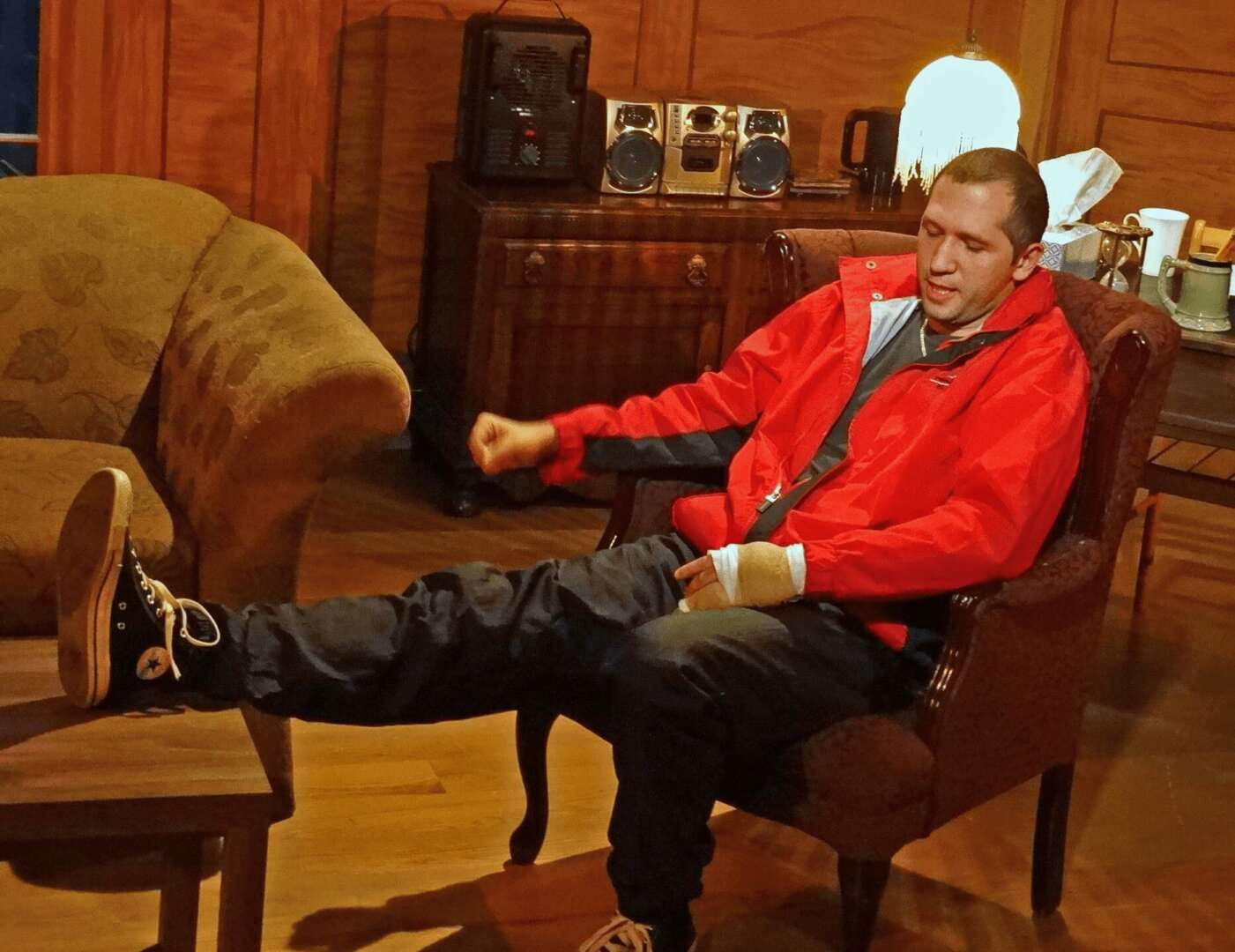
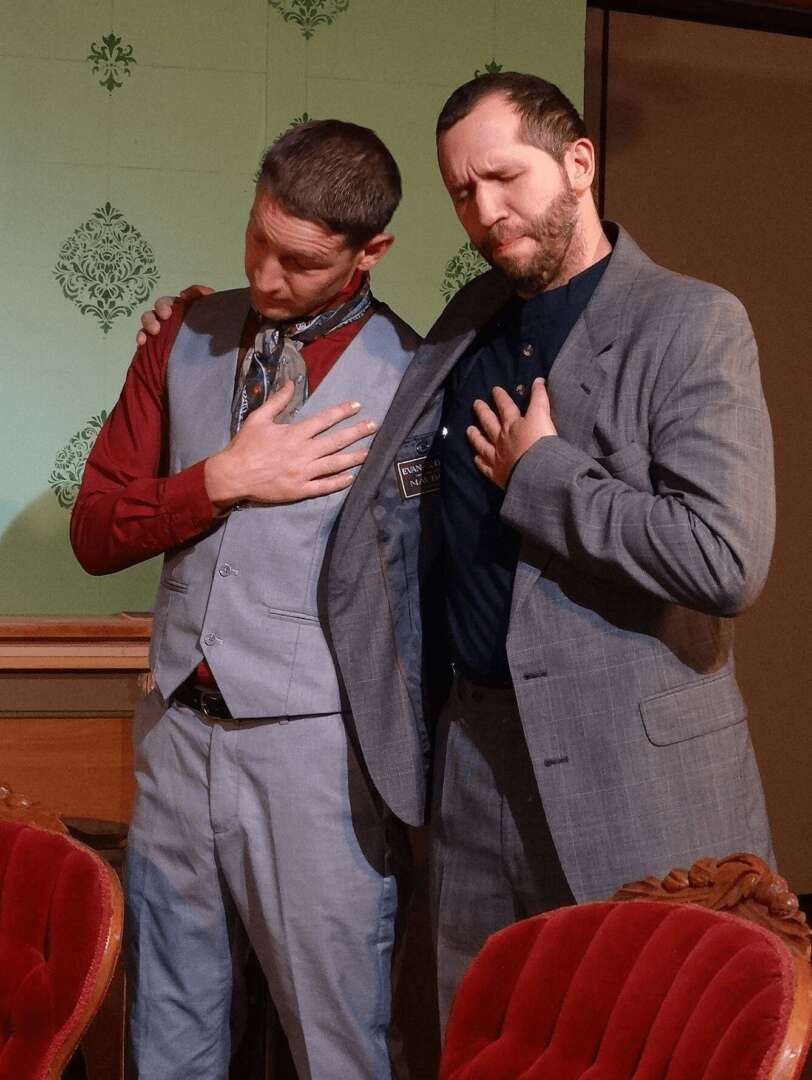
I have been around theater since before I can remember while growing up in Moscow, Russia. My mom and grandma regularly took me to world-class performances, and I have always had an appreciation for live performance. For the last twelve years, I have been primarily a stage actor, but I am taking the next step in my career by moving to Los Angeles to get further training and foray into film, television, and voiceover work. My favorite roles to play are at opposite ends of the spectrum – earnest, gentle heroes and absolutely bastardly villains. The latter category includes my favorite roles I have thus far had the pleasure to perform: Ali Said in “The English Bride” and Rufus Griswold in “Evermore.”
What I bring to the table as an actor is a fierce intellect and curiosity, as well as an open, welcoming attitude of collaboration and play. I love getting to perform, and I think telling stories is incredibly important because it is how we help our audiences process and understand the world. Theatrical and screen performance is a team sport, and I love getting to be part of the team.
How can we best help foster a strong, supportive environment for artists and creatives?
There is a tension built in at the root of creative work: creativity is indifferent to material gain and creatives want to produce work that inspires, amazes, moves the intended audience. At the same time, we have to live in the world, to eat and clothe ourselves; in other words, to make money. Historically, many artists were supported by patrons who provided them with sufficient resources to pursue their chosen art without day to day financial worries. Unfortunately, this model has largely disappeared in the capitalist system, and the arts are now an industry like any other. I think it’s worthwhile to ponder ways to change that, to bring back a system that can remove those daily worries from artists and give them space to fully lean into their creativity while allowing for mistakes and setbacks. So many artists burn out because they are trying to be open-hearted in a financial landscape that does not reward open-heartedness, and I think it’s a real shame that we end up losing all those gifts.
What do you think is the goal or mission that drives your creative journey?
My impossible goal is to make the world better through storytelling. When people have a fuller sense of the world and their place in it, they are more likely to be empathetic, kind, compassionate, forgiving, and giving. I want to tell stories that encourage and broaden those traits. However small my contribution may be, that’s what I want to advance with every performance.
Contact Info:
- Website: https://www.michaelgurshtein.com
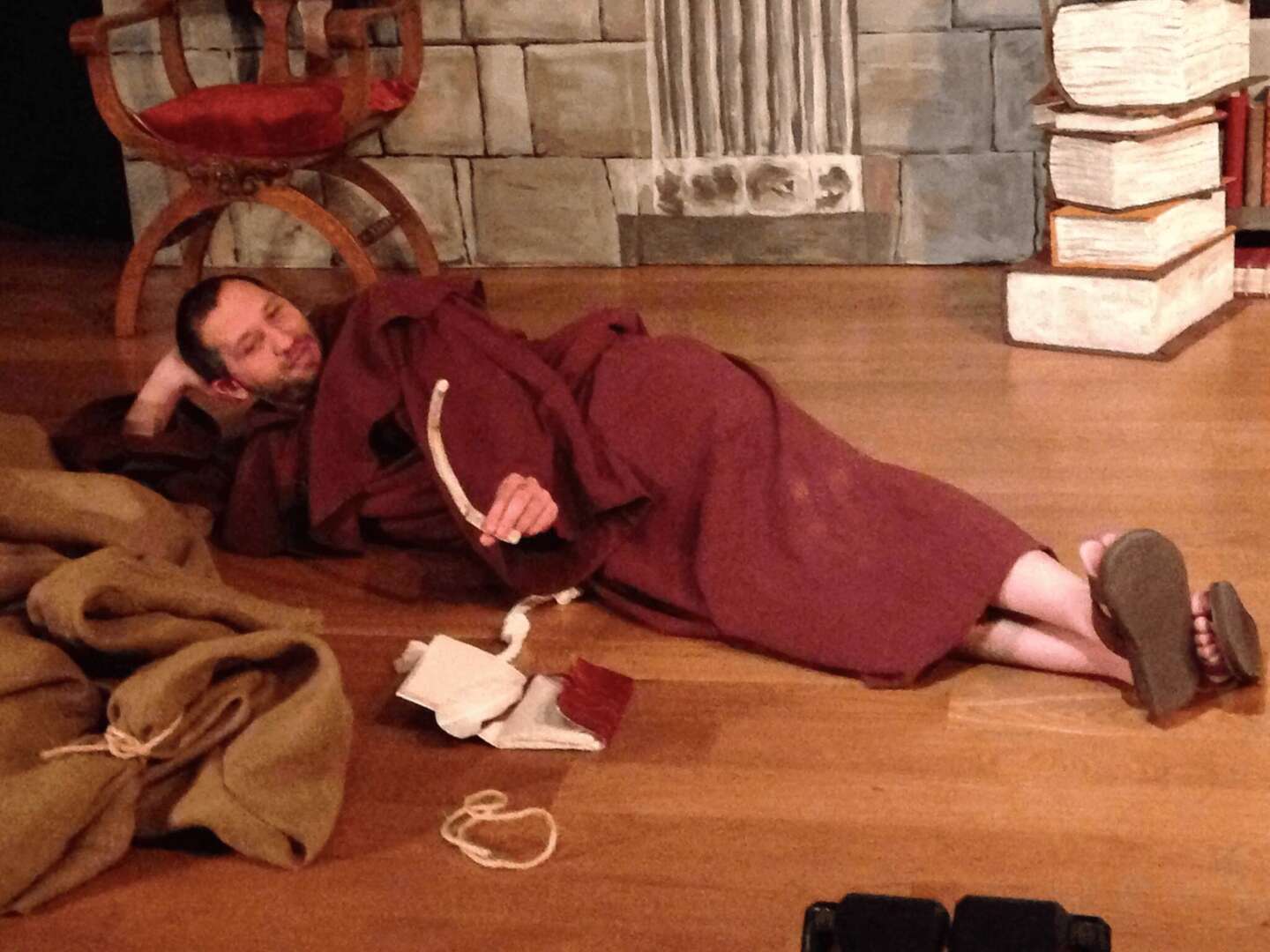
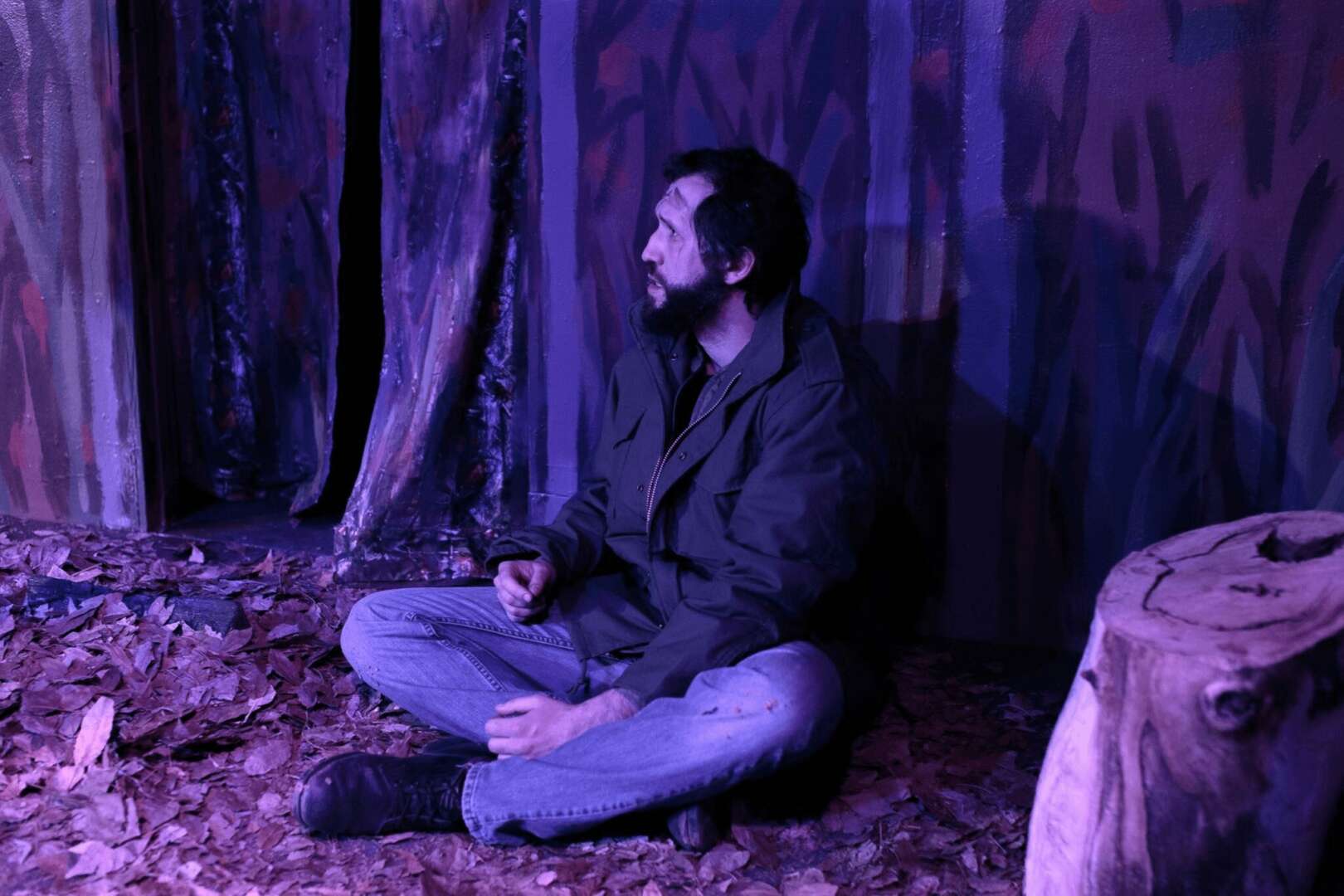
Image Credits
Brian Landis Folkins, Kirsten Jorgensen Smith, Hannah Richards, Lynn Fleming