
We were lucky to catch up with Sofiia Maksymovych recently and have shared our conversation below.
Hi Sofiia, thanks for joining us today. We’d love to hear about when you first realized that you wanted to pursue a creative path professionally.
Both my parents were studying at the Academy of Arts when I was born, so I had the opportunity to spoil my mother’s semester papers from the age of one, as soon as I could hold a pencil. So I started creating art from birth. Despite the fact that my parents had completely abandoned art, I decided on my life’s work at a very young and unconscious age. My childhood was quite stressful, so painting became my main tool against anxiety. I went to various art schools, and after high school I entered the Lviv Art College. I studied easel painting and graphic design.
While studying academic drawing, I became deeply interested in photography, because there is a certain commonality between them – working with composition, light and shadow spots and shapes.
After college I attended to Lviv National Academy of Arts.
Throughout my studies and beyond, I worked in various studios as a graphic designer and illustrator, and tried my hand at printing. After graduating as a graphic designer bachelor’s degree, I already knew that I had to apply for a master’s degree at the new Department of Contemporary Art. After I was admitted, I re-evaluated my skills and experience, I started to feel freer and call myself an artist, because the status of a graphic designer did not give me inner self-confidence. It was a rebirth for me, and I focused on video during this period, mostly doing video art and creating music and sounds for them. In the meantime, I worked as a lab assistant in a film development lab, teaching people how to develop and print analogue. After graduation, I continued to use the knowledge I had gained in the field of art. I am currently engaged in photography, video, painting, graphics and try not to limit myself to the materials I have studied. The main thing in my practice is not the tool, but the thought that guided the creation of the work.
Sofiia, before we move on to more of these sorts of questions, can you take some time to bring our readers up to speed on you and what you do?
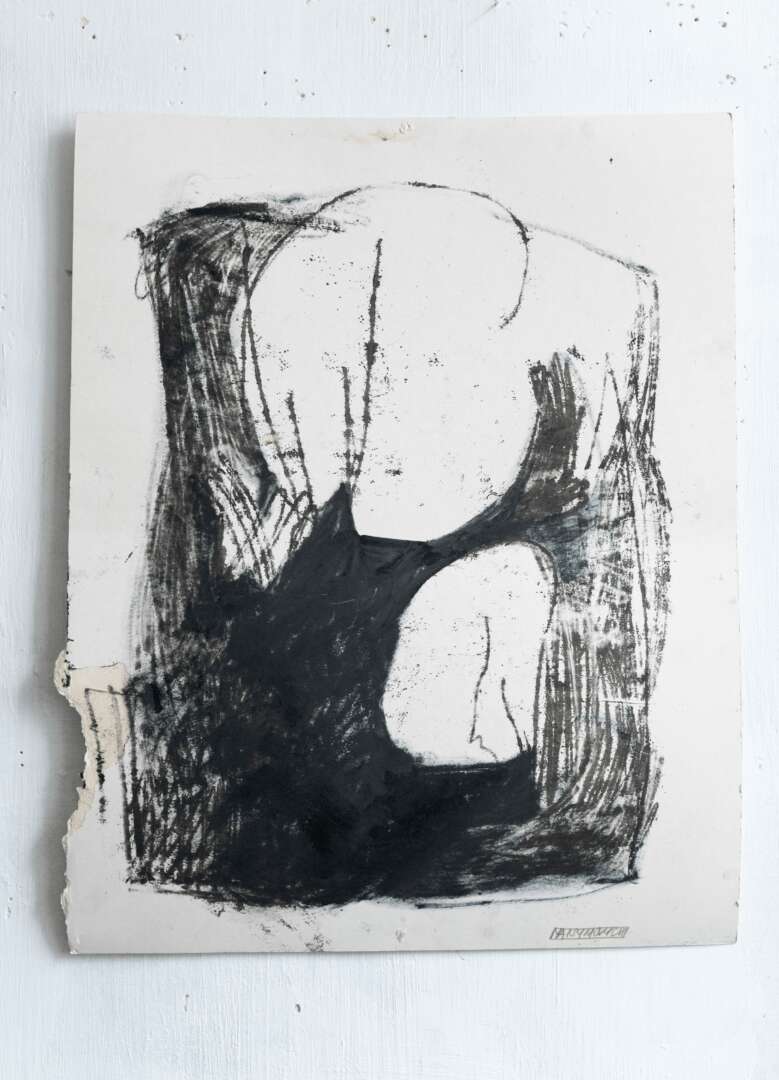
When I was studying graphic design at a university, I was most interested in traditional easel and handmade graphics – linocut, silkscreen printing, etching and monotype.
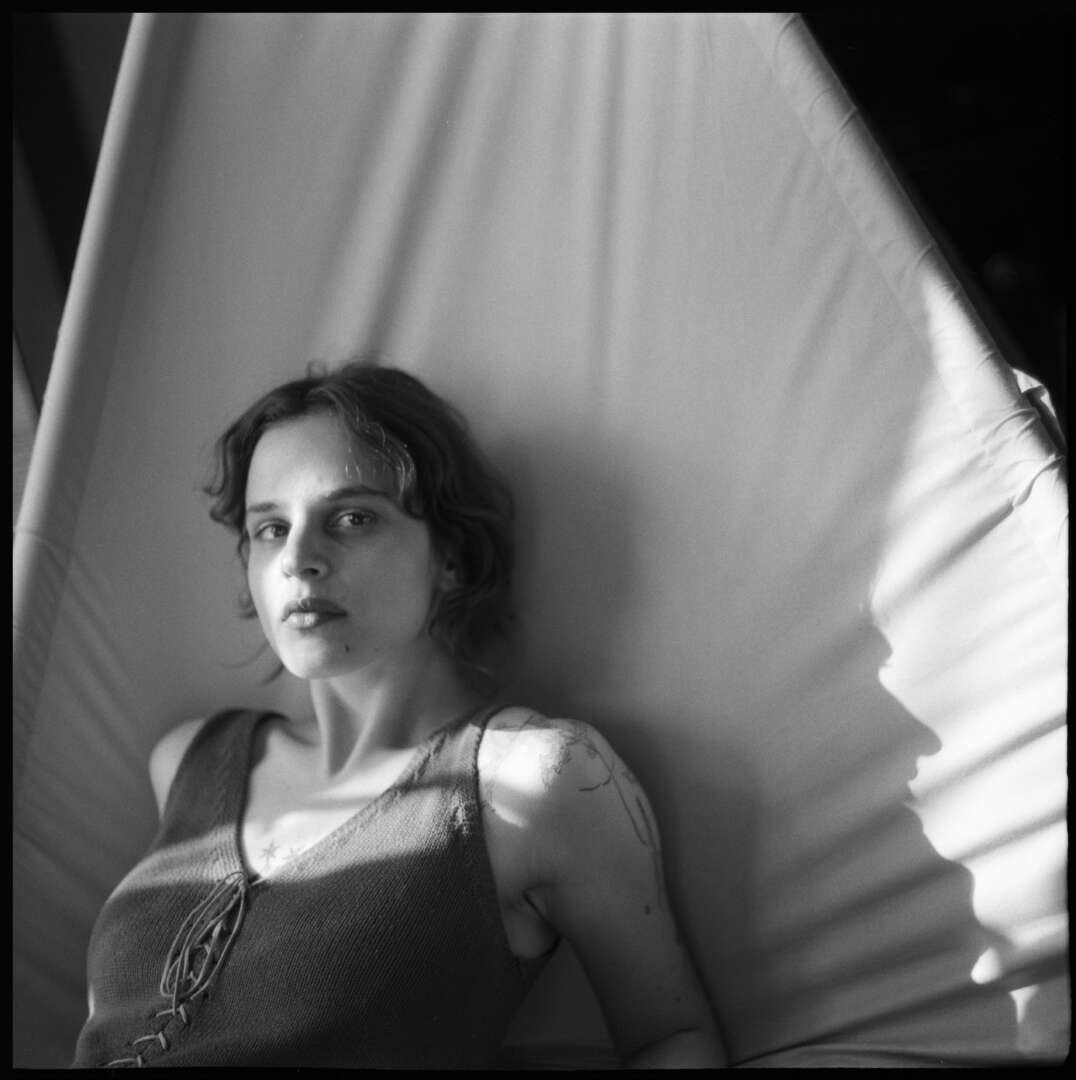
Later, photography, especially analogue photography, became the most exciting field for me. I saw similarities between photography and monotypes. Both are limited and “one-off”, unique.
Since then, photography has become the main tool in my work. I felt connected to the environment, recorded memory
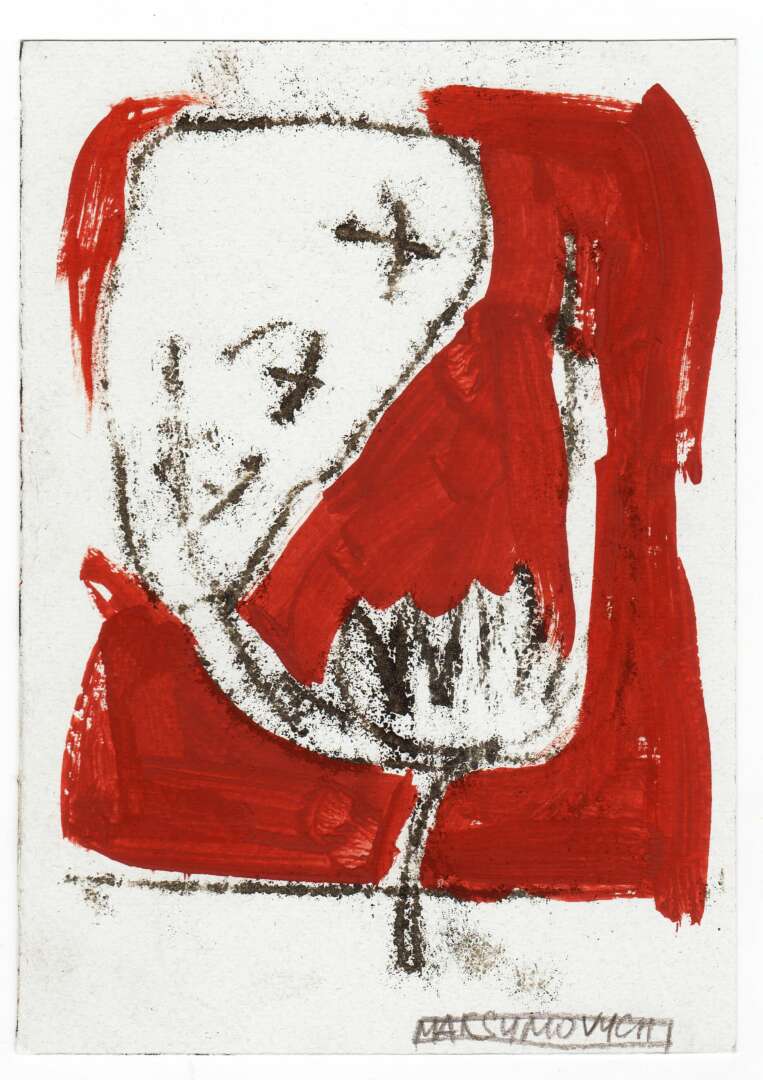
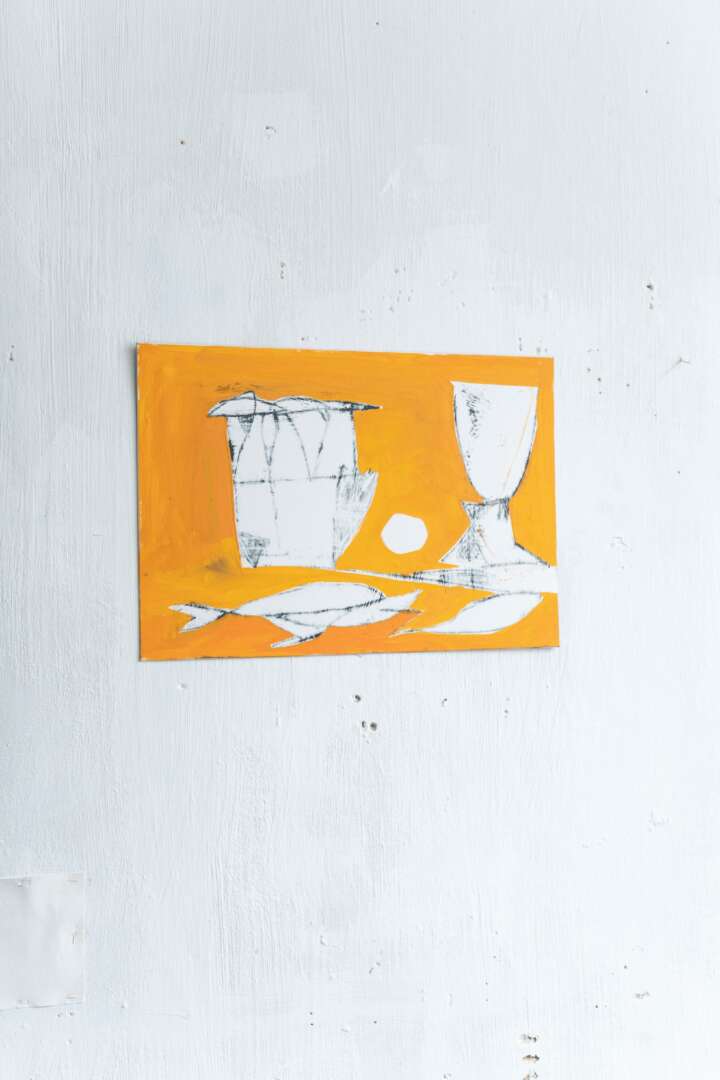
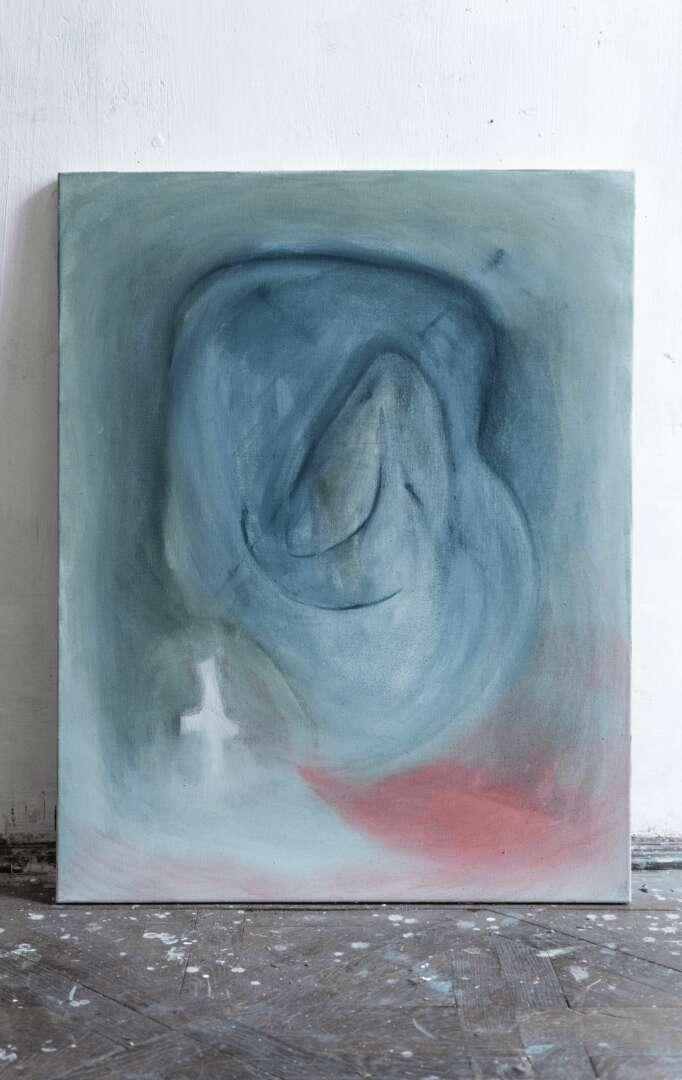
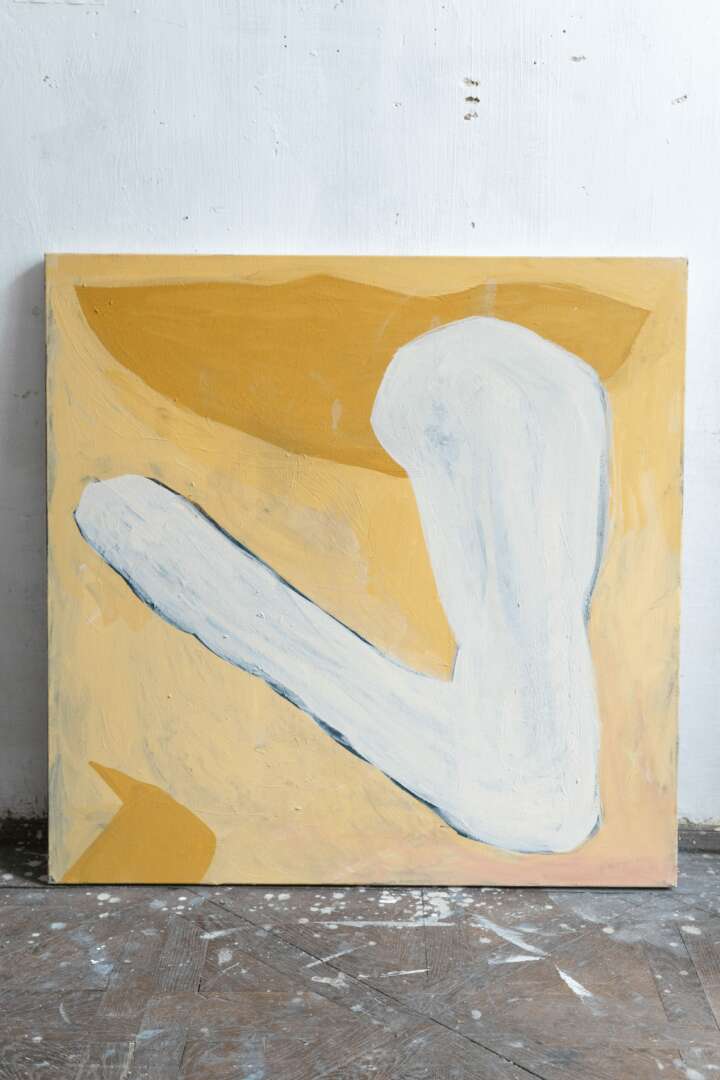
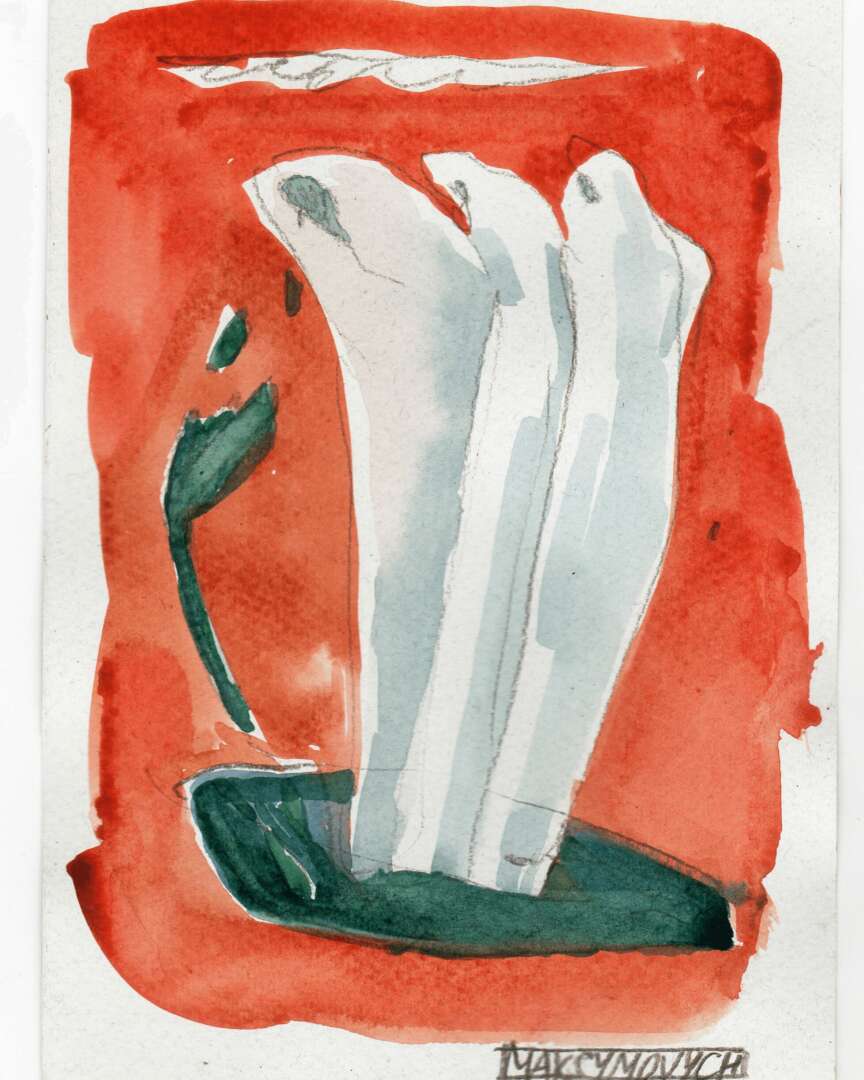
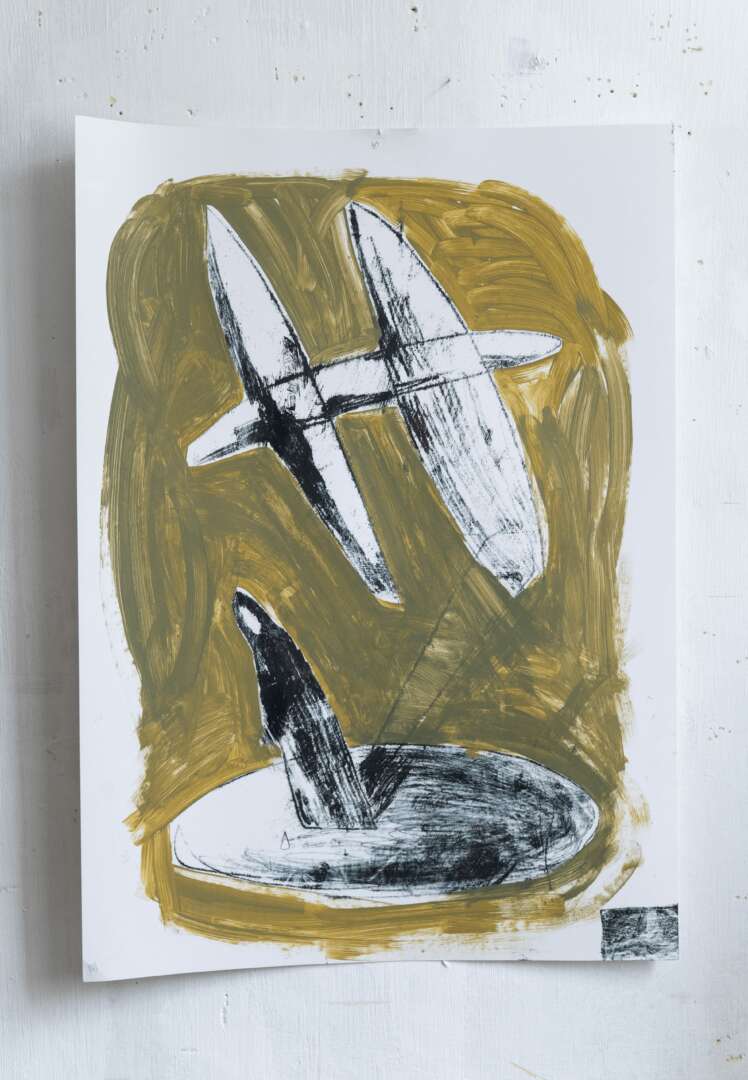
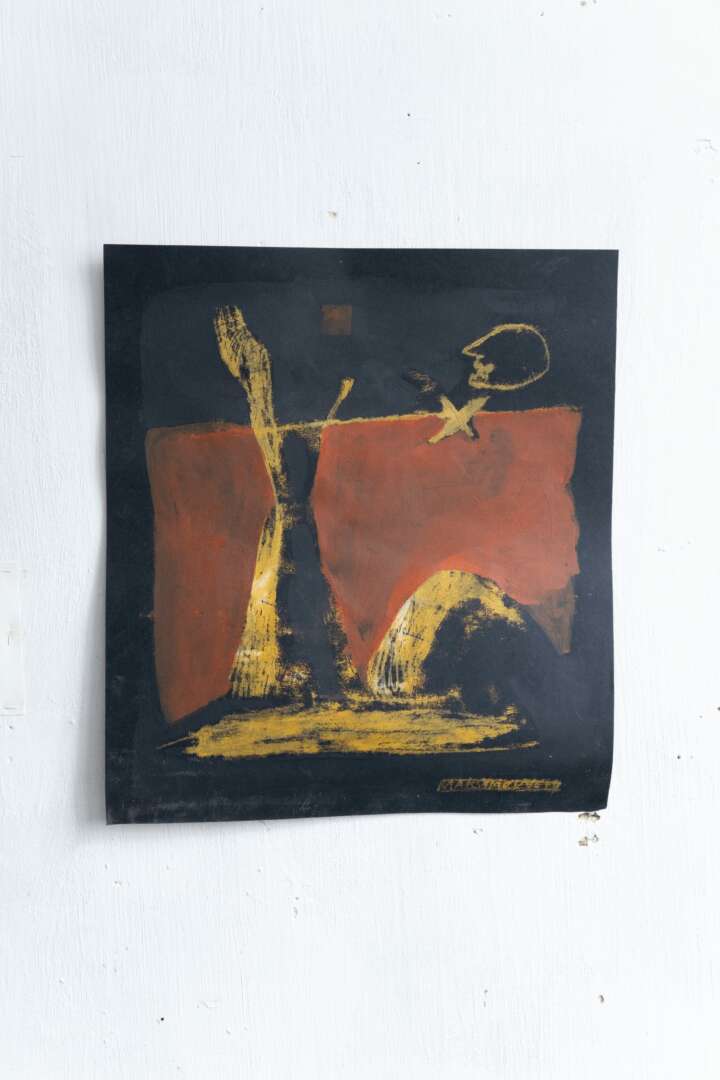
Over the past year, I have returned to my favourite pastime of my childhood and college years – drawing and painting. For me, it’s a good tool to express my thoughts, to be alone, to be myself. It is a more introverted medium compared to photography.
I always believe in the ability to change the existing system and views. To create something new, to contribute to the documentation of this time period.
This is what the word art best describes to me – movement and interaction with the environment.
Are there any books, videos, essays or other resources that have significantly impacted your management and entrepreneurial thinking and philosophy?
Overall, it’s a lot of different books, more related to psychology, neuroscience and philosophy. I can single out two philosophers who have influenced me the most: Hans Ulrich Gumbrecht and Roland Barthes. In their works, I found the views on the world and being in it that are most familiar to me. Both of them focused a lot on the phenomenon of observation.
In his book Camera Lucida, Roland Barthes subtly describes the meaning of photography and recording.
This is one of my favourite passages from the book:
“I cannot show you a picture of the Winter Garden. It exists only for me. For you, it will look like an indifferent photo, one of a thousand manifestations of the ‘ordinary’; it cannot in any way constitute a visible object…”
Roland Barthes, Camera Lucida, p.106
Barthes analyses the relationship between photography and memory, which also relates to time. In the chapter “Time” he describes a photograph of a young man on death row.
Quote: “The photograph is beautiful, as is the young man depicted: it is a study. But the punctum is this: he will soon die.” His words that the present has already come true and will come true, as reflected in the title of the photograph: “He is dead, and he will die soon”.
Gumbrecht focuses on the phenomenon of the observer, asking the question: why are we fascinated by events, what attracts our gaze and fixes it?
According to Gumbrecht, interpretation of the world means going beyond its material surface or diving through this surface to identify a meaning (i.e. something spiritual) that must be beyond it or underpin it. Conversely, the idea of the world of objects and the human body as surfaces that themselves “express” deeper meanings is becoming more and more established. Gumbrecht’s thoughts are in line with my views on artistic activity, because it is a dive into (or through) the essence.
Can you tell us about a time you’ve had to pivot?
It’s more a story of getting out of a creative crisis. I built my observation from my childhood, looking at the sun shining through the leaves, capturing moments in my memory through photography, graphics, and sound recordings.
It was with me all the time, I was looking for textures, shapes, shadows, new sounds, new people with a fresh vision. I lost this ability when the full-scale war in Ukraine started, I closed my eyesight and limited my access. I didn’t want to feel anything – it was a defence mechanism of the psyche.
Spring 2023. A year since the start of the full-scale war and a meeting with a person who helped me feel new, as if he had rehabilitated me and renewed my perception of the world. Walking through natural landscapes and enjoying contemplation. The rustle of leaves that makes me cry, the rays that break through the foliage that give me a feeling of euphoria, the sense of scents and colours, the vision of shapes. Creating a new map, finding myself in space. In my opinion, to be an artist you need to be sensual. Artists are like conductors of emotions, they are the ones who open and hear society and the environment. An important reminder for myself is that being sensitive does not mean being weak.
Contact Info:
- Website: https://readymag.com/4575030
- Instagram: https://www.instagram.com/somaksymovych
- Other: https://behance.net/maksymovycb4fa