We recently connected with Ruibo Zhang and have shared our conversation below.
Ruibo, thanks for joining us, excited to have you contributing your stories and insights. Let’s jump back to the first dollar you earned as a creative? What can you share with us about how it happened?
As an independent curator, my sources of income generally come from various parts. The first time I received a curatorial fee was when I worked for a commercial real estate project in Hangzhou called Ins Park. I organized a group exhibition featuring over 30 artists, showcasing their works and launching limited edition derivative products. My work encompassed the entire project cycle: I personally participated in the initial venue transformation, even deciding on the materials and colors for the walls and floors. I also coordinated with the artists, confirmed their exhibited works, arranged transportation, and personally handled the exhibition setup. Afterwards, I conducted sales statistics and managed the exhibition’s dismantling.
This project came about because a former colleague of mine had some connections with the commercial real estate sector and helped facilitate the introduction. Together, we made the proposal and executed the entire exhibition presentation. This was my first time independently completing a large-scale curatorial project, which was a challenge for my organizational and coordination skills. Fortunately, I successfully completed it.
For me, this exhibition was the best proof of my abilities; I could independently curate and execute an exhibition. What made me even happier was gaining the trust of the artists throughout this process. Without their participation, I would not have been able to complete this project. I am grateful to every artist who believed in me and was willing to participate in this exhibition.
Awesome – so before we get into the rest of our questions, can you briefly introduce yourself to our readers.
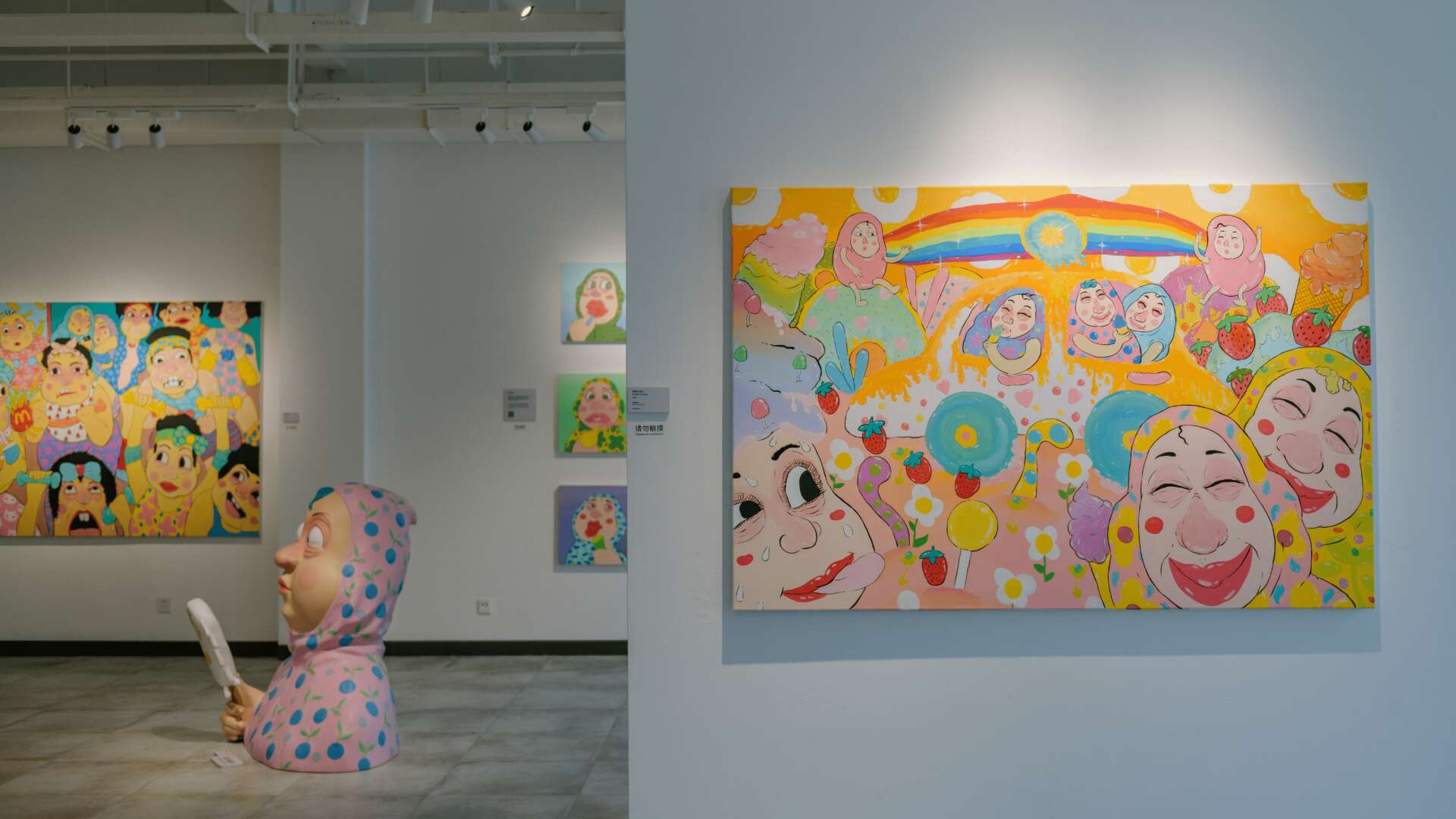
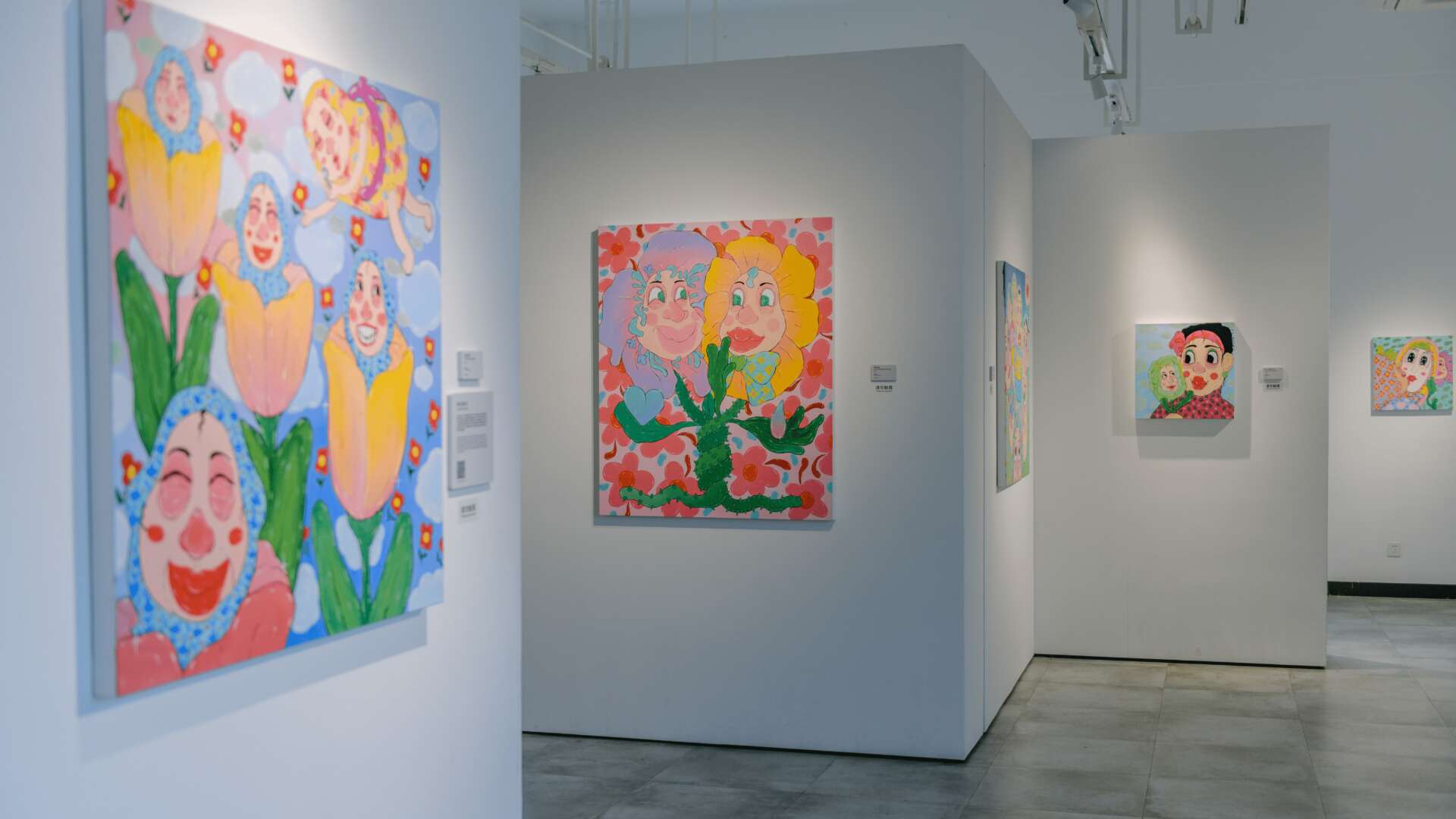
My name is Ruibo Zhang, an independent curator currently living and working in Shanghai. I hold a Master’s degree in Contemporary Curating from Winchester School of Art, University of Southampton, UK. During my time in the UK, I participated in organizing numerous academic exhibitions and public welfare activities. After returning to China, I worked at The Parkview Museum Beijing, where I was responsible for coordinating academic exhibition projects and developing public education activities. Additionally, I oversaw the integration of artworks into commercial real estate and the planning of cultural and tourism real estate projects. Later, I joined the E.E. Art Group as an independent curator, where I co-led efforts to discover and promote emerging artists in the Chinese contemporary art market. I have curated exhibitions in museums, galleries, alternative spaces, and art fairs, focusing on themes related to the growth dilemmas of the younger generation in China and their surrounding living environments. Through my exhibitions, I aim to address social issues faced by contemporary youth. I also have a keen interest in folklore and mysticism, and I curated the exhibition “Trance,” themed around Eastern and Western folklore and mythology, currently on display at EYECANDIES X Kuiyuan Art Gallery in Shanghai.
What can society do to ensure an environment that’s helpful to artists and creatives?
Supporting artists, creatives, and a thriving creative ecosystem requires multifaceted efforts. First and foremost, funding and financial support are crucial. Governments should provide grants, scholarships, and research funds to ensure that artists can focus on their work without financial stress, and create fair and transparent application channels to make these opportunities widely accessible, rather than circulating only within small circles. Additionally, increasing public funding through cultural institutions and government programs to support the arts, and offering tax incentives to art investors can motivate patrons to engage more in this supportive endeavor. Furthermore, arts education should start from an early age. Schools should implement robust arts education programs to enhance the overall cultural literacy of the population, so that artists’ works receive positive feedback rather than ignorant comments like “I don’t understand this,” or “I could do that.”
In terms of access to resources, providing affordable or subsidized studios and creative spaces, as well as necessary materials and tools, can greatly assist artists in their creative process. Regarding exposure and platforms, organizing exhibitions, showcases, and art festivals provides artists with platforms to display their work. Supporting the development of digital platforms allows artists to share their creations with a global audience. Community and collaboration are also key. Facilitating networking events and platforms promotes connections and cooperation among artists, and supporting the formation of artist communities and cooperatives strengthens mutual support and collaboration.
Additionally, in terms of market development, governments should foster a thriving art market through encouraging policies and support, and establish programs specifically designed to help emerging artists enter the market and build their careers. By implementing these strategies, society can create an environment that nurtures innovation, cultural enrichment, and a flourishing creative ecosystem for artists and creatives.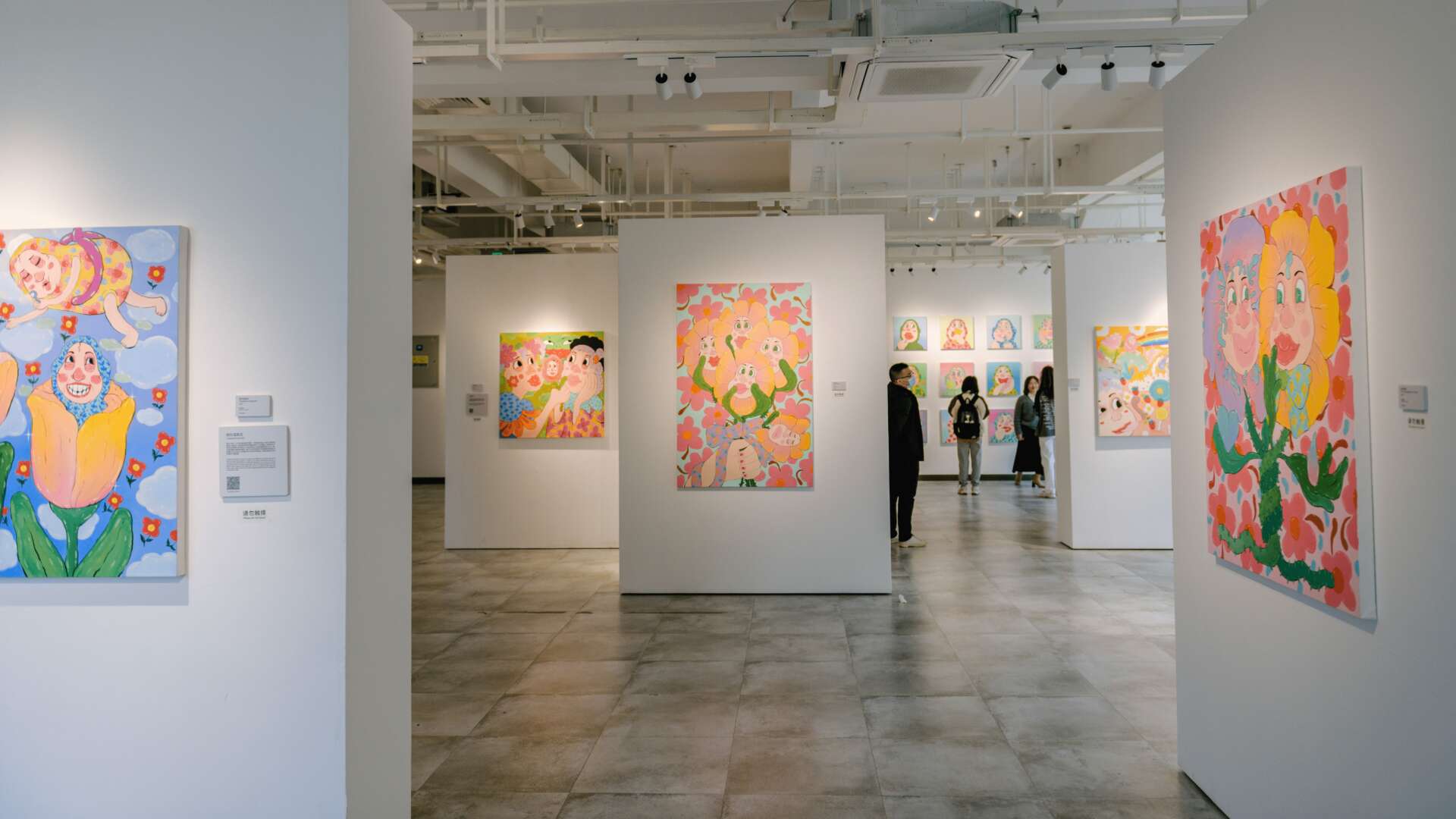
What do you find most rewarding about being a creative?
You can try to do anything you want, to attempt the impossible, and by expressing an interest, attract others who share the same aspirations and ambitions. These people might be artists, curators, or any collaborators. Together, you can bring this idea to life, which I believe is the most fascinating aspect.
Contact Info:
- Instagram: ruuuuibo
- Facebook: https://www.facebook.com/profile.php?id=100013663891463
- Linkedin: www.linkedin.com/in/ruibozhang0423