

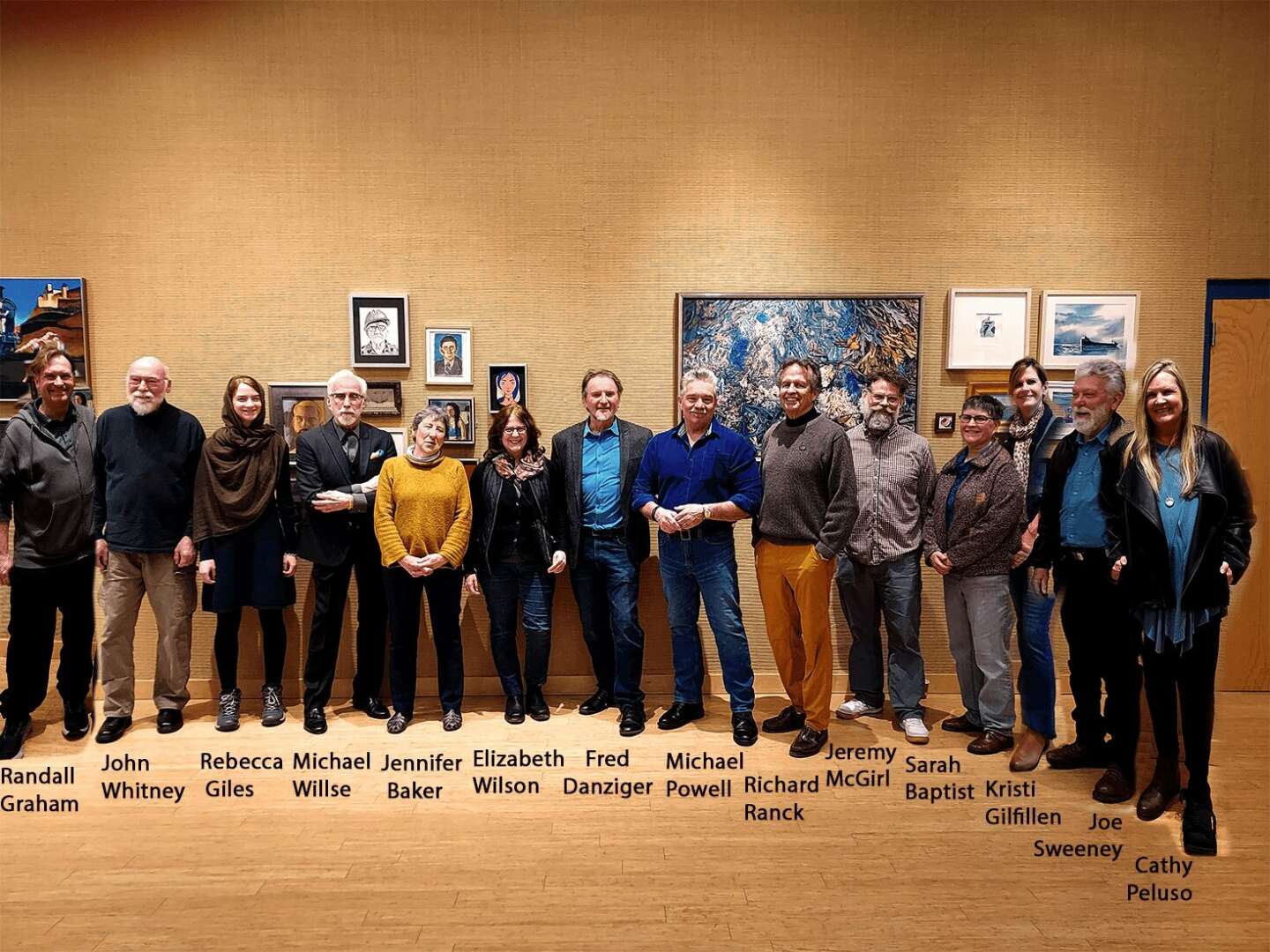

We’re excited to introduce you to the always interesting and insightful Fred Danziger. We hope you’ll enjoy our conversation with Fred below.
Fred, looking forward to hearing all of your stories today. We’d love to hear about a project that you’ve worked on that’s meant a lot to you.
My own work as a painter has occupied my entire life, and I am grateful for the support I’ve had from teachers, collectors and gallerists over the years, but one of the most meaningful things I’ve done, is to collect the art of others. During COVID, there was a sense of apocalypse coursing through the art community. Not only were exhibits canceled, but schools closed, museum closed and even the “support jobs” that so many artists depend upon to pay their expenses, disappeared almost overnight.
I decided at that point to start buying the art of my artist friends, mostly through social media posts I encountered. On a very modest budget, I purchased something almost every week. As my walls filled up, I began to imagine this growing collection as a kind of “museum without walls.” It seemed important to remind people that art was an “essential” to life, so I sought out venues to exhibit the works.
The first exhibit was in January of 2021. Since then, the “101 Artists” collection, of over 600 pieces has been shown in eight locations, mostly in the Philadelphia region, including at the Pennsylvania Academy of the Fine Arts, but also in major art galleries in Flint Michigan and Rock Springs, Wyoming.
The sense of community and mutual support we artists share is essential our individual success. We often work in isolation, and in extremely divergent styles, but our work is part of a much larger “thing” where the commonality of our shared endeavor becomes apparent.
Great, appreciate you sharing that with us. Before we ask you to share more of your insights, can you take a moment to introduce yourself and how you got to where you are today to our readers.
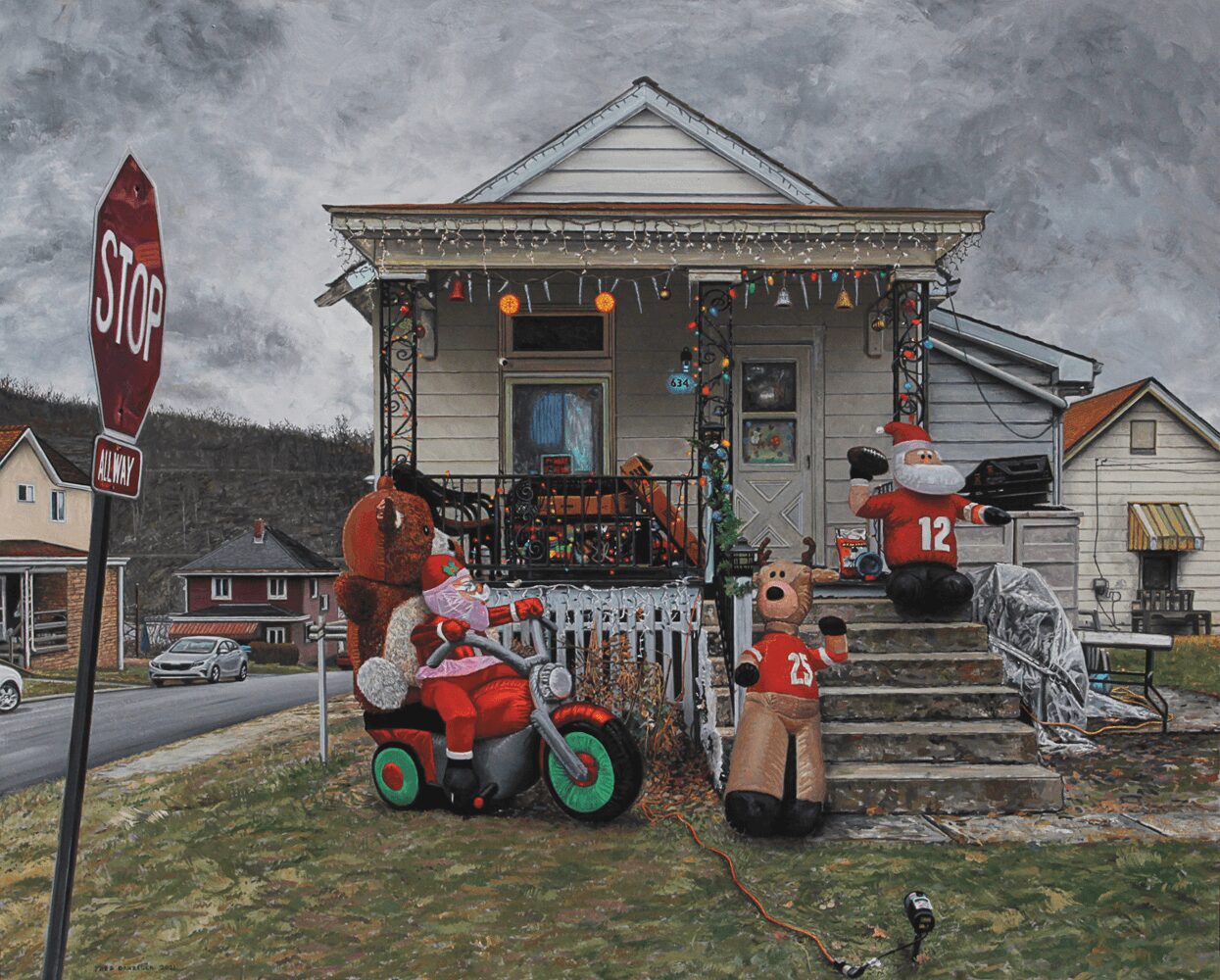
I grew up in Pittsburgh, PA in a family of mill workers, but from childhood, my mother encouraged me to draw, especially animals, from the bedtime stories she read to me. Even in grade school, I knew I wanted to be an artist. I had the great fortune to have had a wonderful art teacher, John Dropcho, in high school. From there I went to Indiana PA. University for one year, and then to the Pennsylvania Academy of the Fine Arts where I studied with a tremendous faculty of working artists- people to whom art was essentially the raison d’être of life.
Although the Academy encouraged diverse styles, I was always drawn to “realism” and tried to develop that skill to the best of my ability. I was fortunate to have had the support of Rodger LaPelle Galleries, where I showed for over 40 years. LaPelle, and more recently, FAN Gallery, as well as Sherry French in NYC and James Gallery in Pittsburgh, have sold most of the work I produced over the years. Because of that, coupled with part-time teaching positions, including five years at the Academy, I have been able to support my studio practice, and go wherever my art took me.
I have done some commission work but primarily, I paint things that say something about “life” as I experience it, and more often than not, collectors find something of value there as well. When your work “connects” with someone, it affirms that what you are doing is of value to others, not just yourself.
What can society do to ensure an environment that’s helpful to artists and creatives?
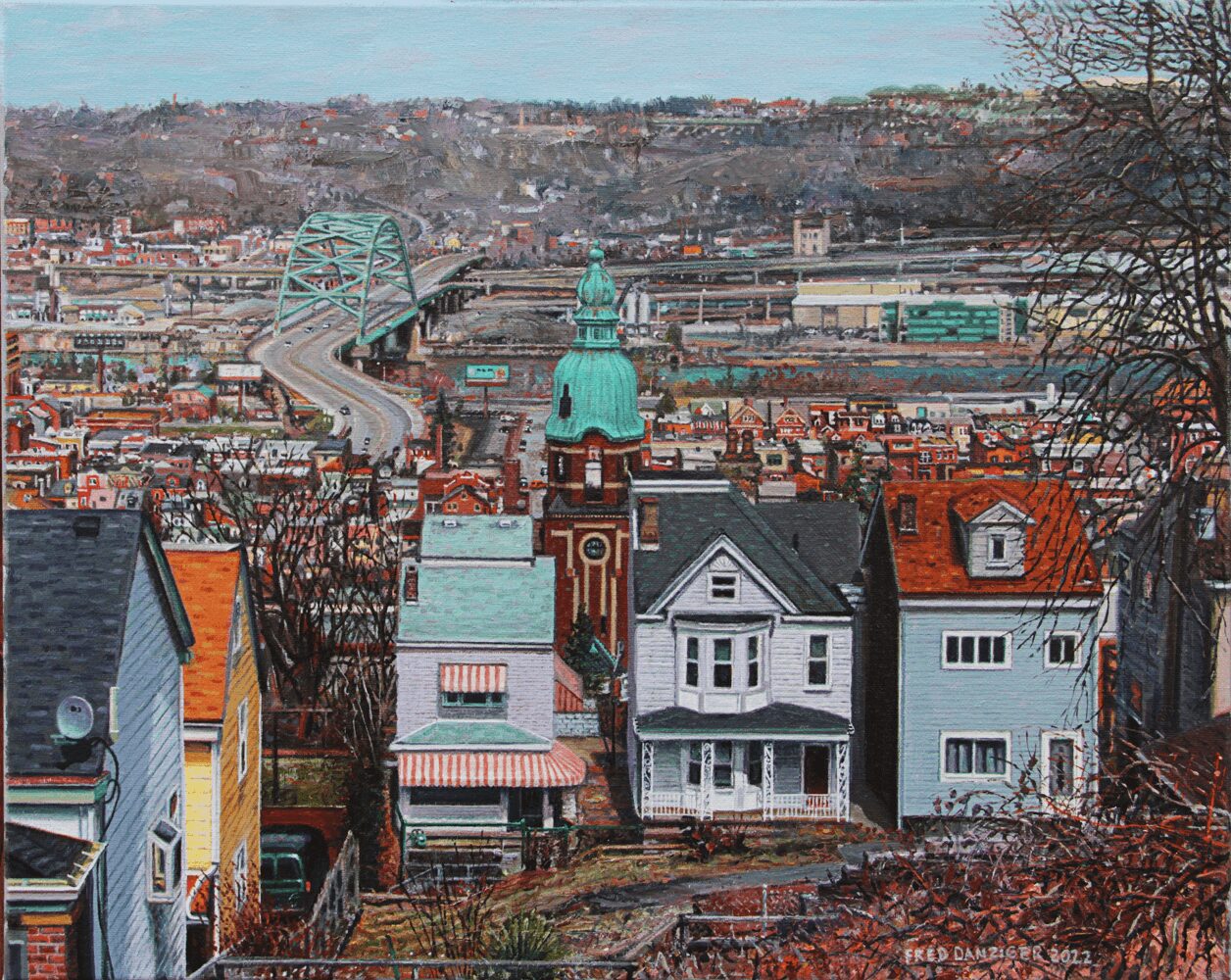
The single most important thing society can do for artists, is to encourage people to buy art! People often think collecting art is only for wealthy individuals. They don’t realize how important even a small purchase can be to an artist. It is a concrete action which says “someone CARES about what I’m doing!”
So I encourage people to simply buy one thing you love, from a living artist- just one thing. There is always room in your home for one painting. Whether you expand beyond that is based upon many factors, but with that one purchase, your life story now includes “art collector” as part of what you have done.
By doing that you get three things: something you enjoy for your home, you have encouraged one specific artist to keep going, and you have contributed something positive to the society.
Without people collecting art- there are no art schools, art supply stores, art galleries and museum.
Buy art!
Let’s talk about resilience next – do you have a story you can share with us?
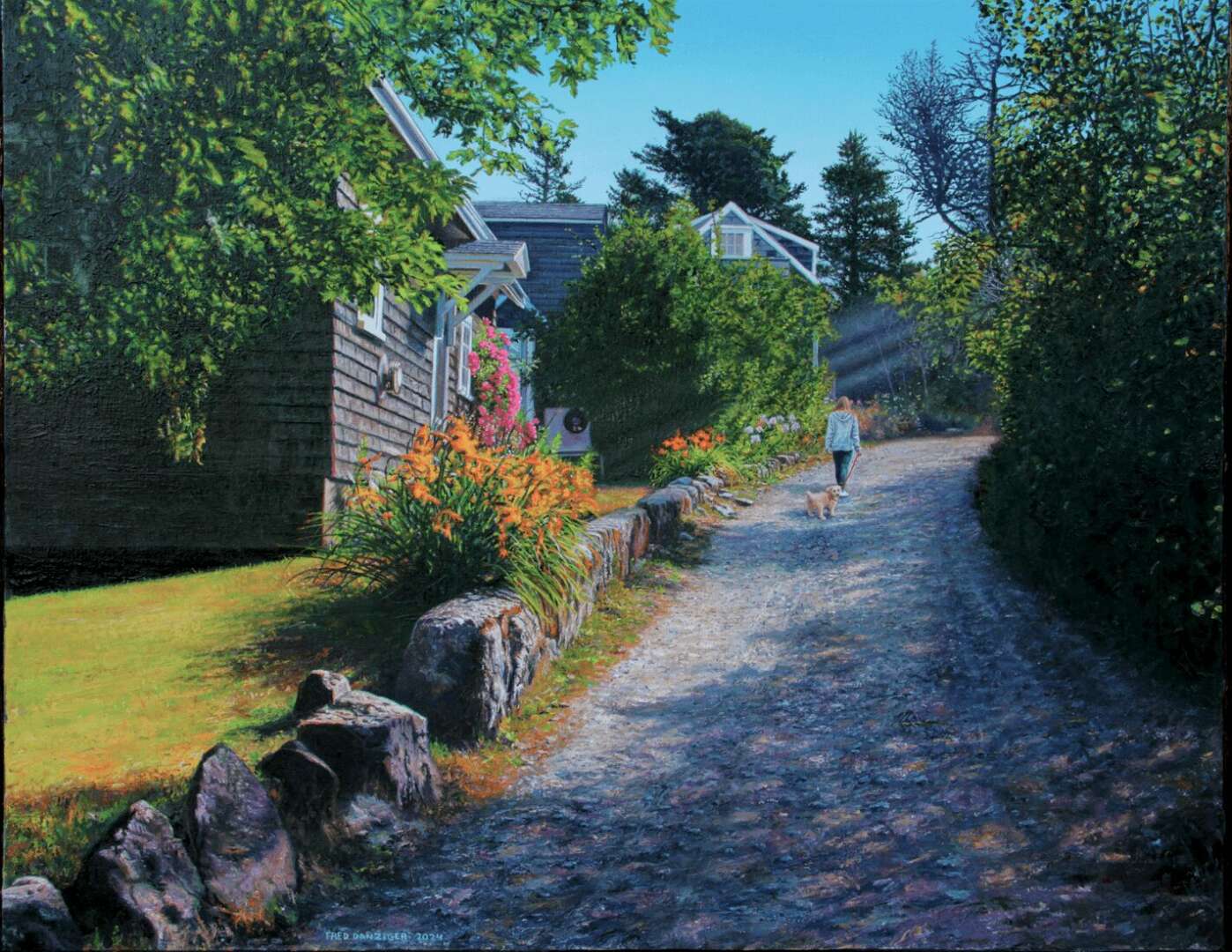
Resilience is an essential aspect of being an artist. In 2003, I was invited to show in an exhibit called “Mainely Maine” at Sherry French Gallery in New York City. Almost 2 years earlier, I had sent Sherry (and 20-30 other NYC galleries) a printed brochure, showing pieces I had done in Maine. I thought the effort was for naught until out of the blue, I got a phone message from Sherry asking me to bring work up for review.
I brought up to her gallery in Chelsea, about 10 small works to show her. She was not encouraging at all! She reluctantly took one piece for the exhibit “since you went to the trouble to bring these up.”
At that point, I sent letters to everyone who had ever collected my work, telling them about the exhibit and encouraging them to visit and if possible, purchase the piece. Thankfully one couple did just that. Sherry, after the show, told me of multiple people who stopped in the gallery asking about my work and wishing she’d had shown more of my things.
From that point on, I was a regular at her gallery. I actually became her best-selling artist in 2008. She, unfortunately closed in 2009 due to the financial collapse in 2008. At that point, with hundreds of galleries closing, we all had to find new venues to show our works. It was almost like starting over.
.
Contact Info:
- Website: https://www.freddanziger.com
- Instagram: @fdanziger
- Facebook: Fred Danziger
- Youtube: Fred Danziger @fdaiph
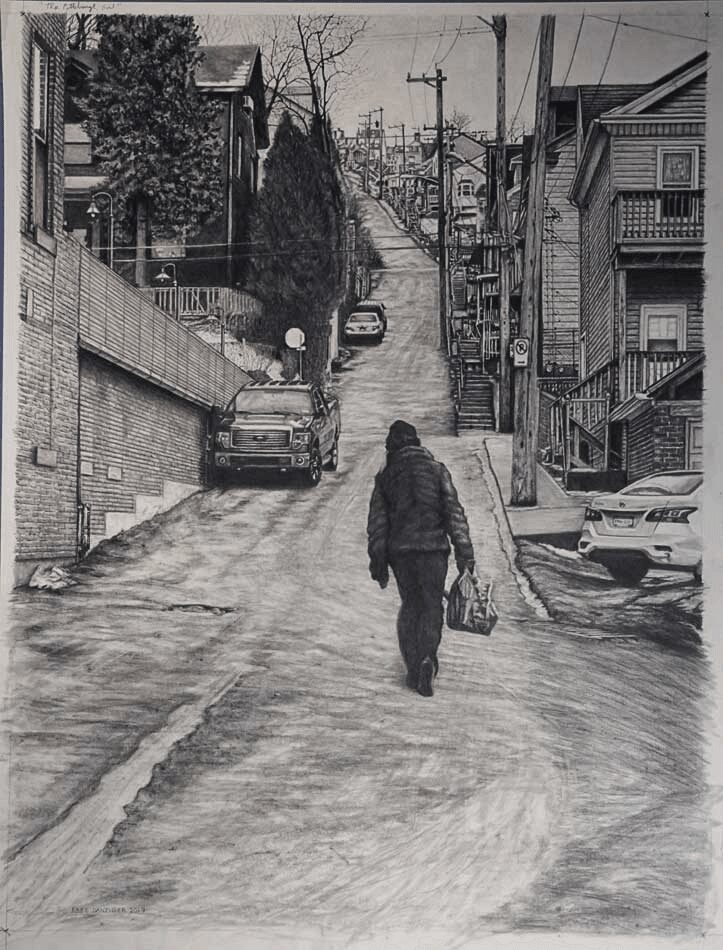
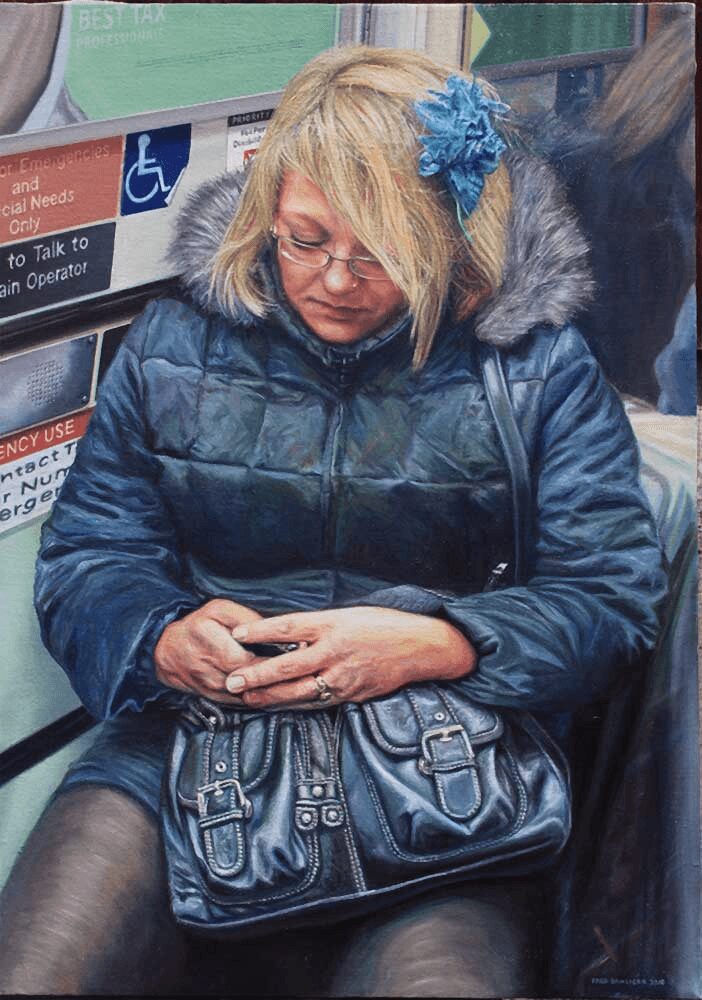
Image Credits
all courtesy of Fred Danziger