

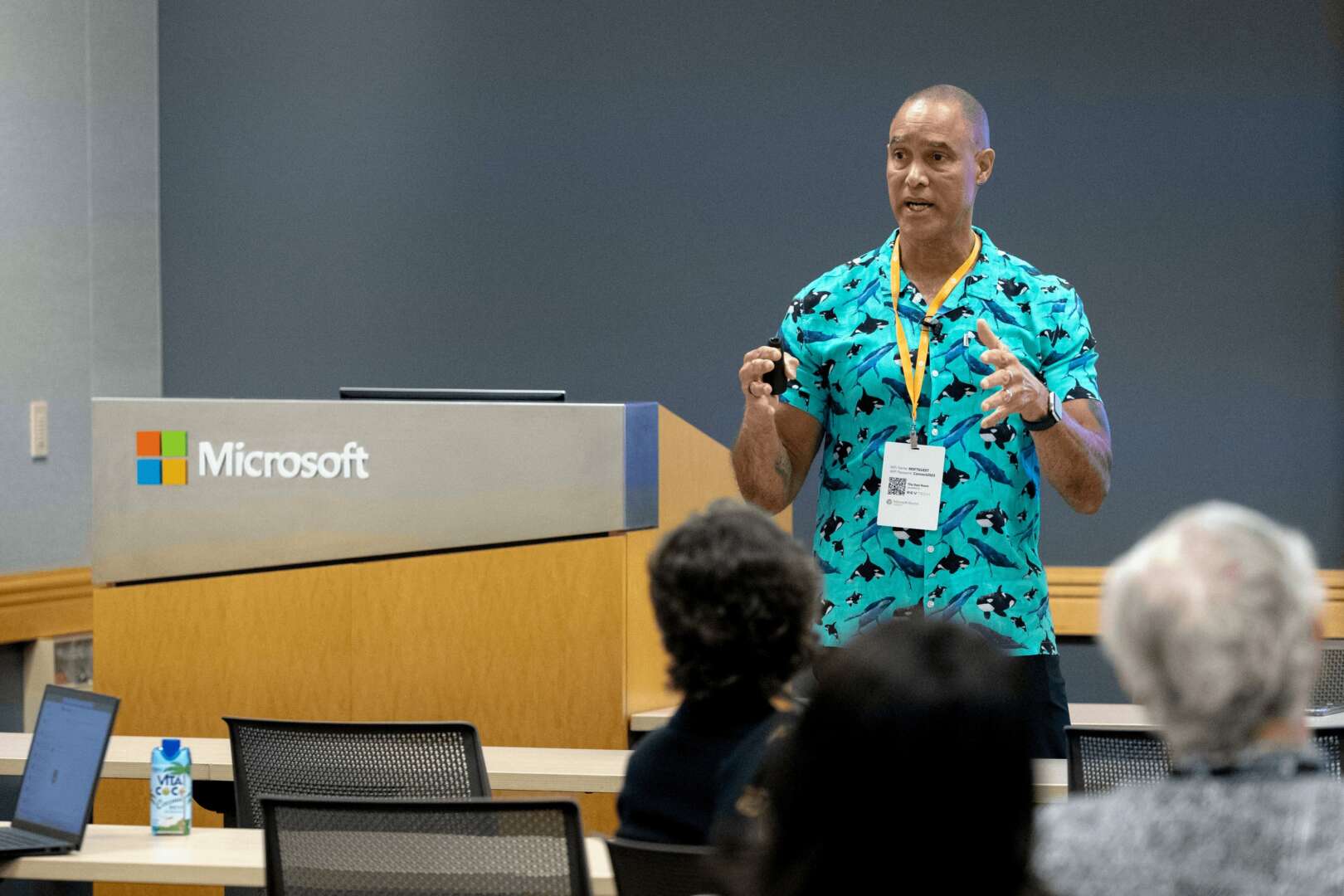

We caught up with the brilliant and insightful Eddie PATE a few weeks ago and have shared our conversation below.
Eddie, appreciate you joining us today. The more we talk about good leadership the more we think good leadership practices will spread and so we’d love for you to tell us a story about the best boss you’ve had and what they were like or what they did that was so great?
Charles Stevens, former VP of the Enterprise Partner Group (EPG) at Microsoft. Charles was not only my very first manager at the beginning of my career, Charles was the first leader I had who, in hindsight, modeled Inclusive Leadership although I did not think of it that way back in 2000. Charles set in motion huge change by making the group’s new diversity manager a direct report. This was a first at Microsoft. It was a major signal that ID&E was more than just an HR initiative. This significant move and the subsequent ripples led to, among other things, an intense discussion of the importance of diversity resources and where they should sit. The new role planted the seed in the minds of other senior leaders that diversity was something important to integrate into the work they do. Charles understood that diversity, especially within a global sales organization, should be a critical piece of any business strategy. He took action as a response to that understanding, which led to systemic change and became for me the first glimmers of what leading inclusively looked like. As I reflect on Charles’ impact on my career and how I subsequently led teams and individuals, as well as influenced other leaders around me, it is so clear that Charles set a foundation of what excellence looked like for leading inclusively. Charles authentically listened, strove to be culturally competent, was passionate about building an inclusive workplace, had a global mindset, embraced vulnerability, and compassion, and acted upon his belief in inclusion, diversity, and equity. I remember going to Charles not long into my tenure as his Diversity Manager and telling him we need to address the lack of connection for women and their lack of feeling that they were truly a valued part of in his organization, EPG. Today we refer to that as having a sense of belonging. I told Charles I wanted to approach the Women’s Employee Resource Group about partnering with me to create Microsoft’s first Women’s Conference and I needed his thought leadership, executive sponsorship, and financing backing. He didn’t hesitate a second and committed enough money and resources to host an EPG Women’s conference for 500 women. The conference morphed into a company wide global event. Charles dropped a pebble that cause a big ripple that created hope, excitement, opportunities, and a sense of ‘belonging’ for thousands of women over many years at Microsoft. His style, inclusive leadership approach, and sincere caring for people absolutely model what I embraced as my leadership style and I never wavered from it.
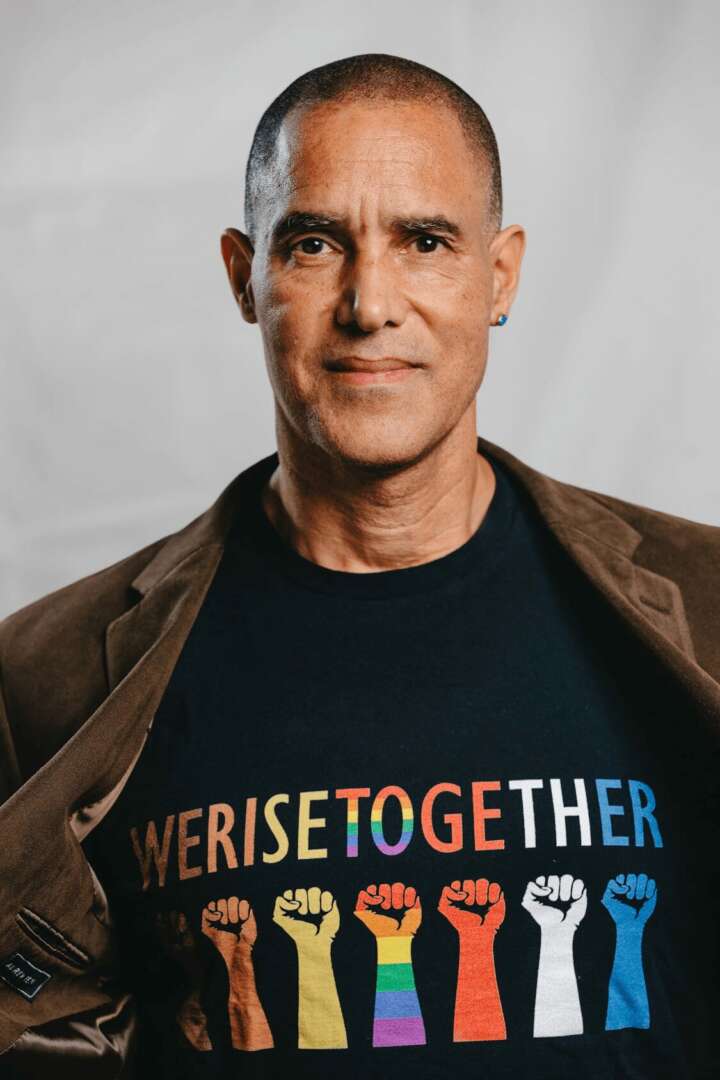
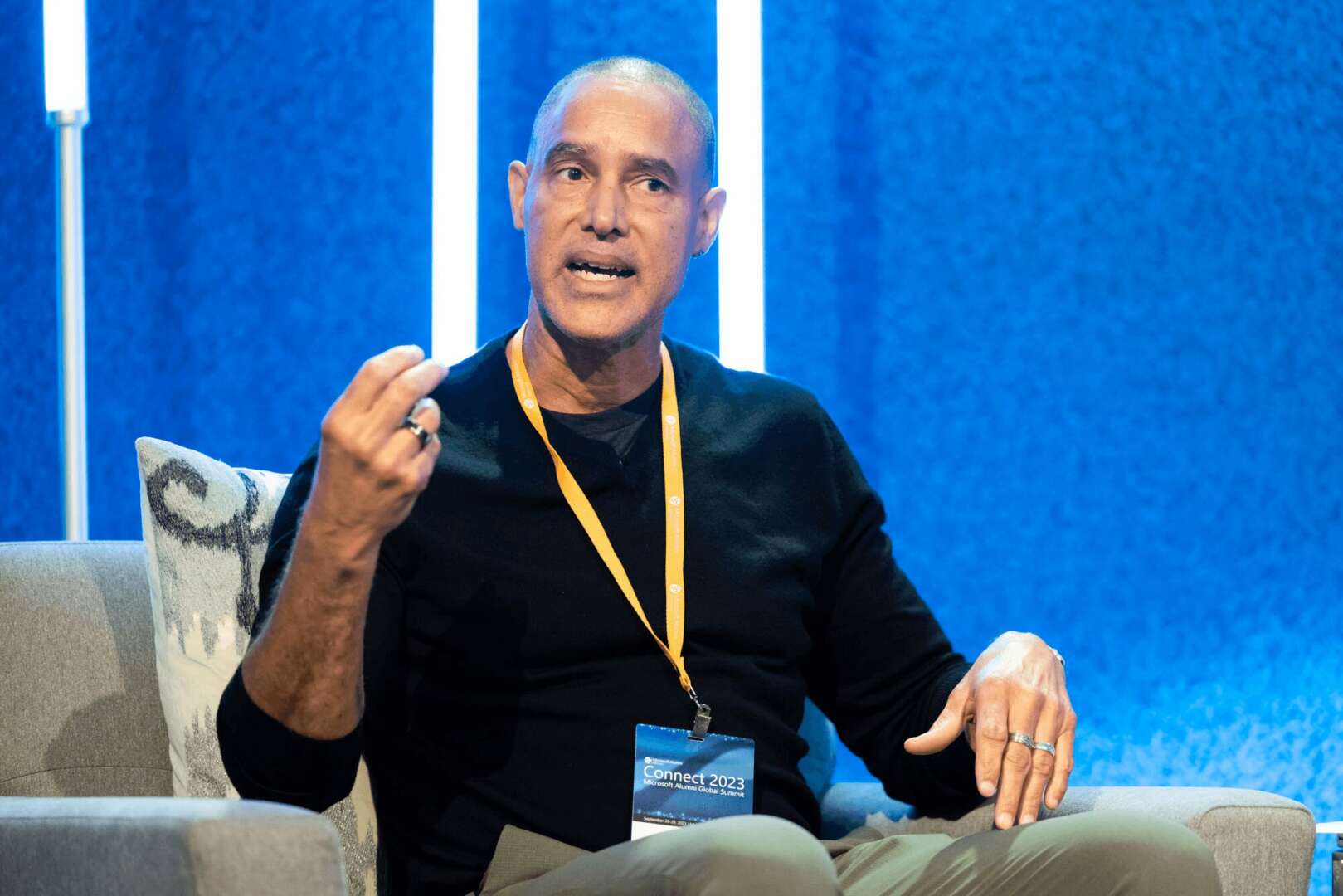
Great, appreciate you sharing that with us. Before we ask you to share more of your insights, can you take a moment to introduce yourself and how you got to where you are today to our readers.
A reflective way to think about how I got into doing Inclusion, Diversity, and Equity work centers around my tendency to run towards fairness because of the lived experiences I had growing up. Being born in 1963 as a biracial kid (Black dad from Tennessee, White mom from Niederfischbach German), a military-brat, and raised during a time when my parents weren’t legally allowed to be married in many states, led me to have experiences that influenced this propensity to run toward fairness. Fast forward to 1993, I was married, had a brief injury derailed opportunity to play professional football, had a newly earned Master’s degree from Humboldt State University, had a newborn little girl, and was influenced to uproot our lives and go to graduate school at the University of Washington in Seattle. My Master’s from Humboldt was in Sociology and focused primarily on Race and Ethnic Relations because that propensity to run toward fairness needed some foundational knowledge to know exactly how to do that. Grad school, upon reflection, was no different. I needed to learn more about Race and Ethnic Relations to deal with the dilemma I woke up with everyday then that I needed to do something to change the disconnect between our society’s stated ideals and the unfair and horrendous treatment of some of its citizens simply because of their skin color, gender or whatever diversity dimension puts you in a “minority” or one down position. I spent 7 years essentially earning another Master’s degree and ultimately my Ph.D. in Sociology with a focus on Comparative Race and Ethnic Relations and Social Psychology in 2000. I was faced with a decision. I could pursue academia or I could go the corporate route. These choices are often influenced by the people you meet. I met a woman, LaVonne Dorsey, who was a recruiter at Microsoft. She introduced me to Santiago Rodriguez, who was the Head of Diversity at Microsoft then. Santiago and I hit it off almost instantly and through this connection I was introduced to Charles Stevens, the head of Microsoft’s Enterprise Partner Group. The opportunity and journey to impact people right away and address the dilemma I woke up with everyday became very clear. Now I had to convince Charles and his hiring team that I was the person they wanted to become Microsoft’s first non-HR Diversity leader. I, quite frankly, had to overcome perceptions of how an academic would do in a fast paced, goal driven environment that could be critical and unforgiving. Fortunately, Charles and the committee gave me a shot! I started as Microsoft’s Enterprise Partner Group’s Diversity Manager in September that year. My Inclusion, Diversity, & Equity (ID&E) career journey from there was quite the ride through multiple big Northwest companies. I spent 6 years at Microsoft, 2 years at Starbucks, 3 years as solo ID&E consultant, 5 years as VP of ID&E for Avanade, and culminating my corporate experience as Amazon’s Worldwide Operations Director of ID&E for 4 years. Within a month of officially retiring from corporate, I started my second consulting firm–Eddie Pate Speaking and Consulting (www.eddiepate-speaking.com). It’s been an incredibly fast 4 years with a different set of cool experiences. I’m also now a published author. I spent part of the last 16 months c0-writing a book called “Daily Practices of Inclusive Leaders: A Guide to Building a Culture of Belonging.” Berrett-Koehler Publishing published it and Penguin Random House is the distributor. Visit my book website at www.inclusivepebbles.com.
I leverage 24+ years of ID&E leadership experience, crafting strategy, putting teams together, influencing change, guiding organizations, employees, and leaders, and, literally, 100s of presentations to provide in-depth, globally contextual, and passionate consulting and presentations. I am absolutely passionate for and driven by ID&E work. My consulting business specifically revolves around helping organizations with all aspects of ID&E strategy development, leadership guidance, program creation, communications, and knowledge development. A significant bulk of my work is done in front of people speaking. I do keynote presentations and workshops. I facilitate and sit on panel discussions. I do fireside chats and Q&A sessions. I do executive leadership and C-suite coaching, guidance, and problem solving. I consult with employee resource groups and diversity leadership teams. I help young in or new to career ID&E leaders and their teams understand the work, and the process. I love to do small group presentations, mid size, or large. Bringing passion and energy to an ID&E talk is a superpower I have. I speak on most ID&E topics and have the ability to tailor my library of presentations to fit specific organizational or team needs.
For my clients (corporate and post corporate), I’ve been asked to solve everything from a lack of understanding of what ID&E is and why it is important, to helping fix talent acquisition, talent management, and employee engagement gaps organizations have, to helping create initial ID&E strategies or fixing the ones that seem broken, to helping establish employee resource and diversity leadership teams, to working directly with CEOs and C-suite teams issues related to ID&E, to helping low engagement amongst underestimated populations of employees (e.g., people of color, women, etc.).
I think the combination of having a relevant academic, PH.D. background, 24+ years of executive level ID&E leadership and work at some of the worlds most successful companies, a lived-experience as a person of color, and being fortunate to have the speaking abilities that speak directly to, influence, and inspire people, I think sets me apart from others.
I’m most proud of the number of people I have helped, mentored, and guided over the last 24+ years. The friendships and relationships I’ve made working with, helping, and mutually learning from have been incredibly meaningful. I’m extremely proud of my intentionality to help women, people of color, veterans, people with disabilities, etc. feel like they have hope, access to opportunities, growth in their careers, and have a sense of belonging. I’m particularly proud of the impacts I’ve had with speaking engagements. I’ll never forget a 5th grade very shy girl who came to me after a presentation I did for a 4th-6th grade after school leadership class, and said she’ll never forget me or the things I said about girls being leaders. Moments like that are absolutely why I love to speak. I am proud of the global work I’ve done in Asia, India, Europe, and the UK. I’m also proud of the big programs I’ve started, for example, the Microsoft Women’s conference.
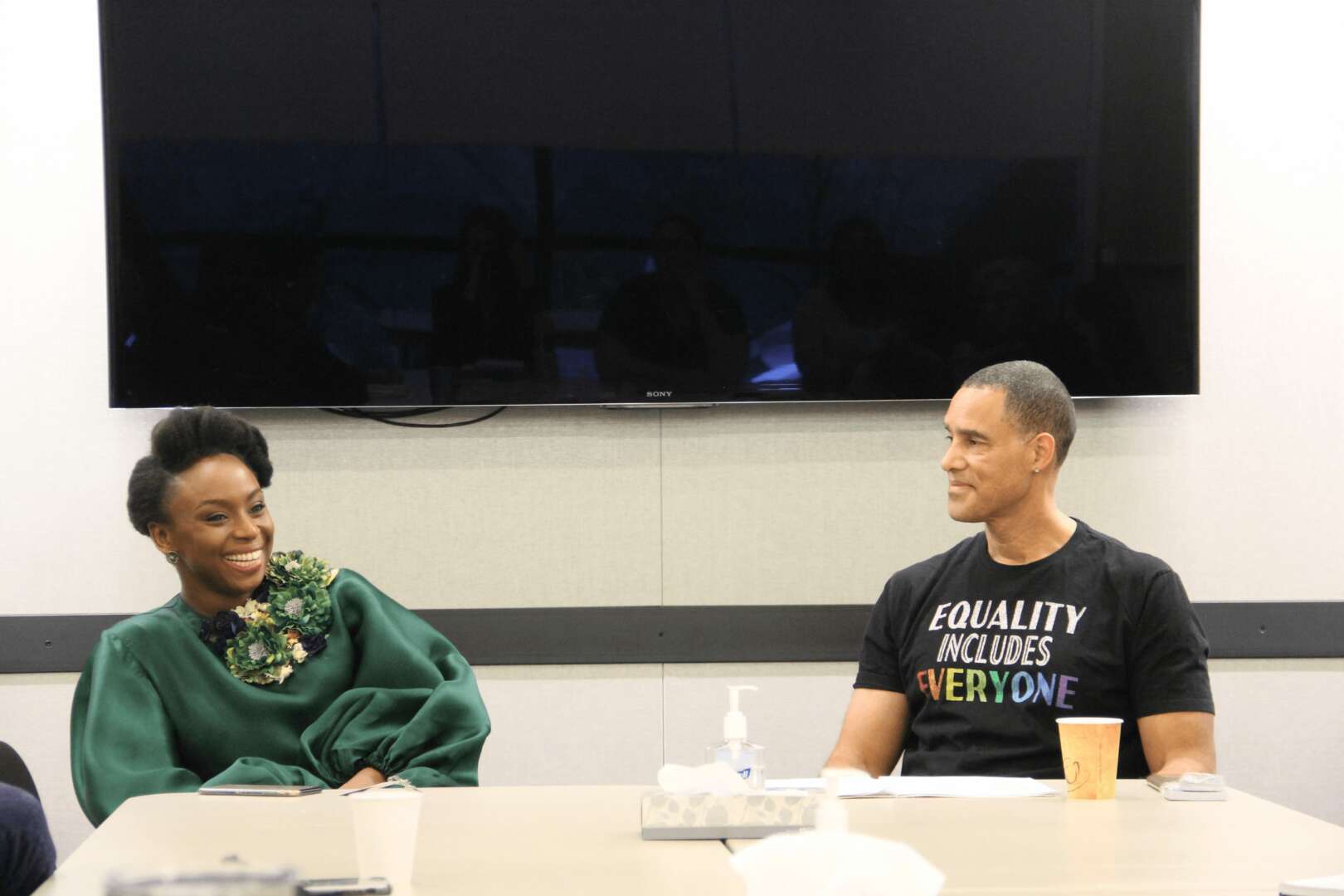
My brand is experienced, knowledgeable, and passionate ID&E leader. I’m known for my skill in presentations to make people feel like I’m speaking directly to them. I’m known for making complex and nuanced ID&E topics understandable, relatable, and doable for both large and small organizations. I’m known for being able to speak to folks in the c-suite, to front line managers, to people who are at the lower levels of organizations. I’m known for my ability to tell stories related to ID&E that make for impactful presentations. I bring humor to my storytelling. I mix both qualitative and quantitative data and information in the stories I tell. I do have a reputation of being “real” and open about the experiences people have in the workplace. I call a duck a duck. I also have the reputation of being intentional in the solutions I propose for the gaps orgs have. Honestly, I think I’m most proud of the part of my brand that people see me a authentically caring, people-centric, and empathetic.
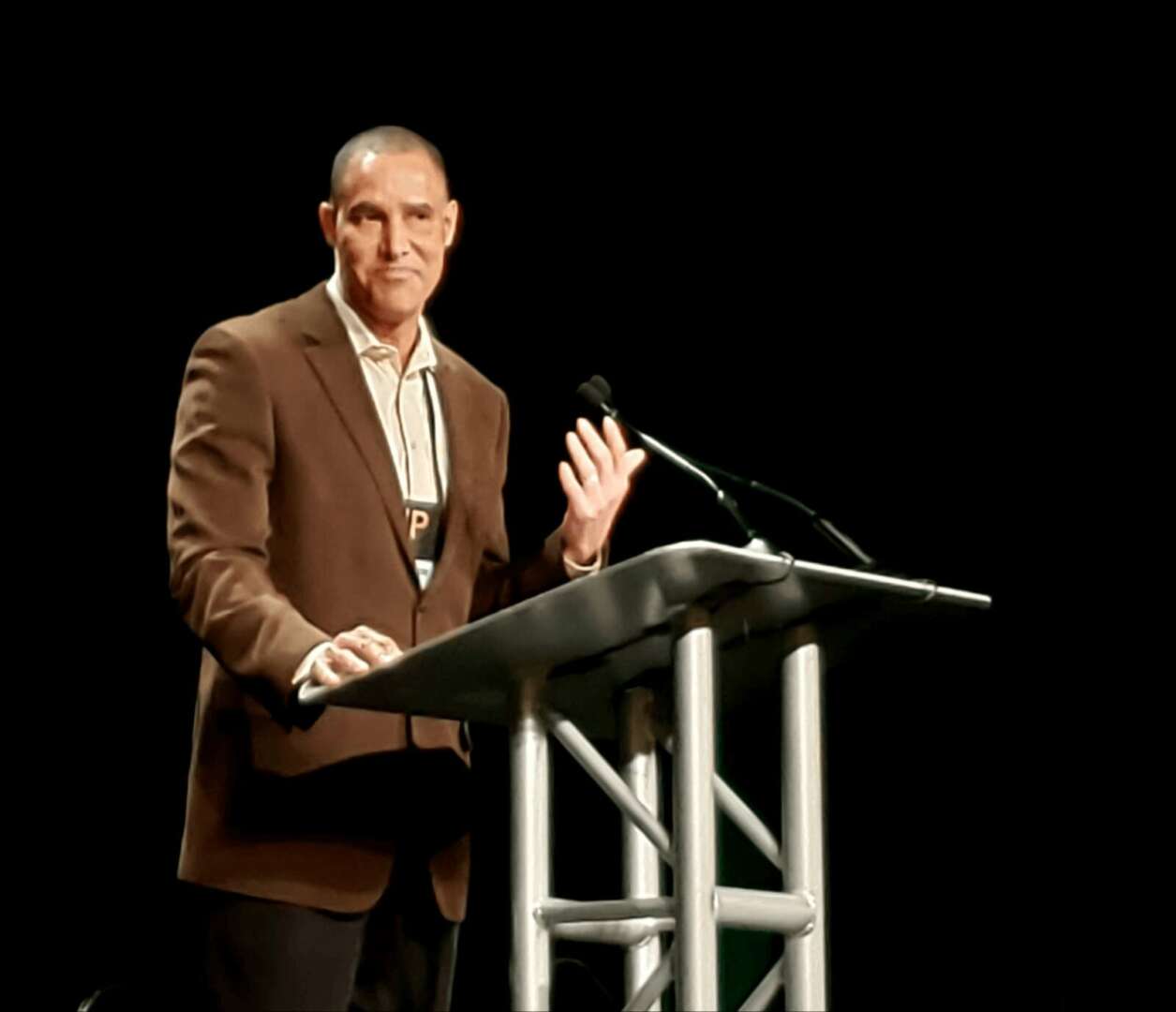
What do you think helped you build your reputation within your market?
I used a combination of social media and linkedIn posts to do more than simply saying who I am and what I do. I leaned into a lot of why I do what I do and didn’t shy away from personal rationale for the work. I leaned into inspiration, passion, and creating very specific content/trainings, etc. for individual clients. No cookie cutter solutions. I used videos of me presenting or explaining what I do, and I posted powerful testimonials from my clients espousing the impacts I had on them, their companies, etc. This very intentional marketing technique really seems to land well for potential clients who want to know if you are good at what you do. It is all about value add and helping people succeed, hits their goals, develop, etc. I also think positioning yourself & your brand in the marketplace as an expert by posting articles, responding to other posts, and offering commentary is very powerful for building your reputation. I also think you need to find your own way of exhibiting passion and energy in helping you exhibit your expertise. I use humor, passion, energy, deep knowledge, and years of experience to tell stories about the value and subject matter content of my area of expertise. My clients feel energized when I’m done and not overwhelmed, lost, or bored.
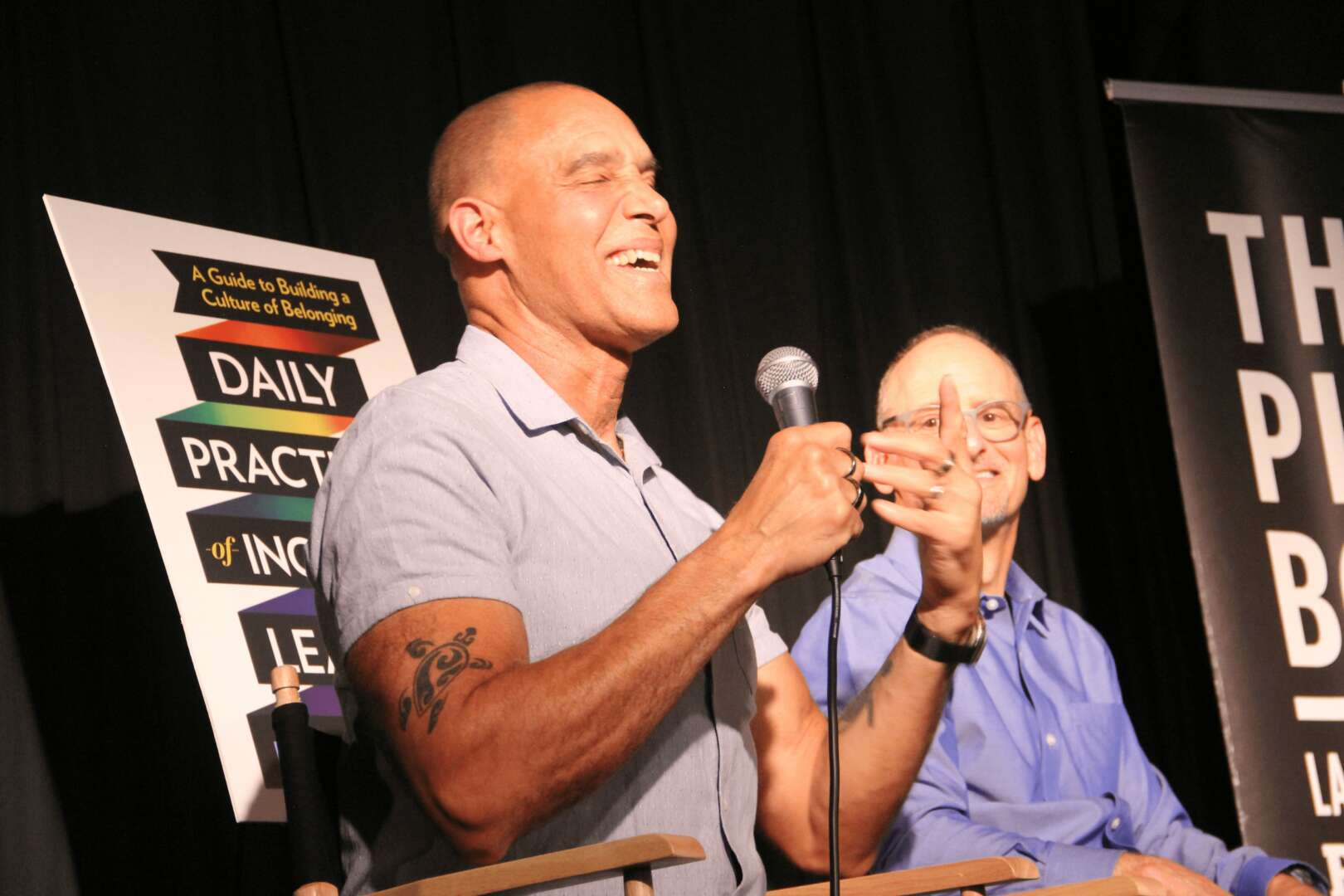
We’d love to hear the story of how you built up your social media audience?
Don’t just stick to the facts of who you are, what you do, and what you offer. Build your social media presence several ways:
1. Understand the use of # and @ to broaden your reach and to get others engaged to help you build your brand and presence.
2. Don’t be afraid to be personal, vulnerable, and authentic with your posts. Open the door to let people look in to see who you are. This is critical!!!!
3. Use videos and engaging pictures
4. Don’t always make it about you, center others in the conversation. Talk about how others are engaged, impacted, and on board.
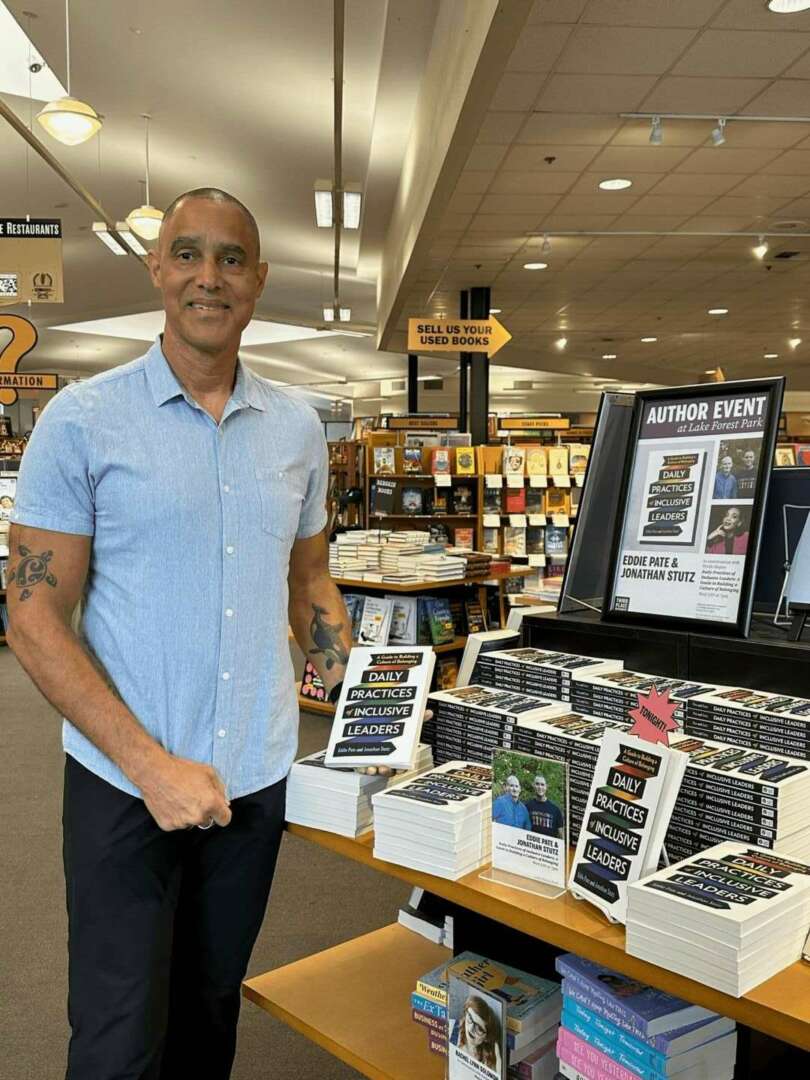
5. Create a series of posts that are linked together. and not just one-off posts. For example, I did a series of “where in the world is Eddie’s book” when I traveled to Switzerland, Brittany France, and Scotland. I took picture of it in various beautiful and cool locations and told stories about where the book was or added some interesting cultural competence fact for each location. I did 7-10 posts in this series and people loved it. I sold lots of books doing this but more importantly I helped people learn about different areas. This also helped me gets a lot of new followers.
6. Don’t always try to sell, sell, sell. Make posts that give without expecting anything in return.
7. Ask questions in your posts and then respond to the responses you get. Apparently, this really impacts and expands your visibility on social media
8. Join social media groups with similar interests and # them on all of your posts. Have an active presence within those groups.
9. Off challenges or calls to action for people reading your posts.
10. Post often but again don’t always ask for something, give back and be an authentic contributor of good on social media. More of that is needed.
Contact Info:
- Website: https://www.eddiepate-speaking.com
- Instagram: https://www.instagram.com/eddiepate80/
- Facebook: https://www.facebook.com/80Pate/
- Linkedin: https://www.linkedin.com/in/eddiepate/
- Twitter: I intentionally do not use Twitter
- Youtube: https://www.youtube.com/@inclusivepebbles
- Other: https://www.inclusivepebbles.com This is my book website. I co-author “Daily Practices of Inclusive Leaders: A Guide to Building a Culture of Belonging
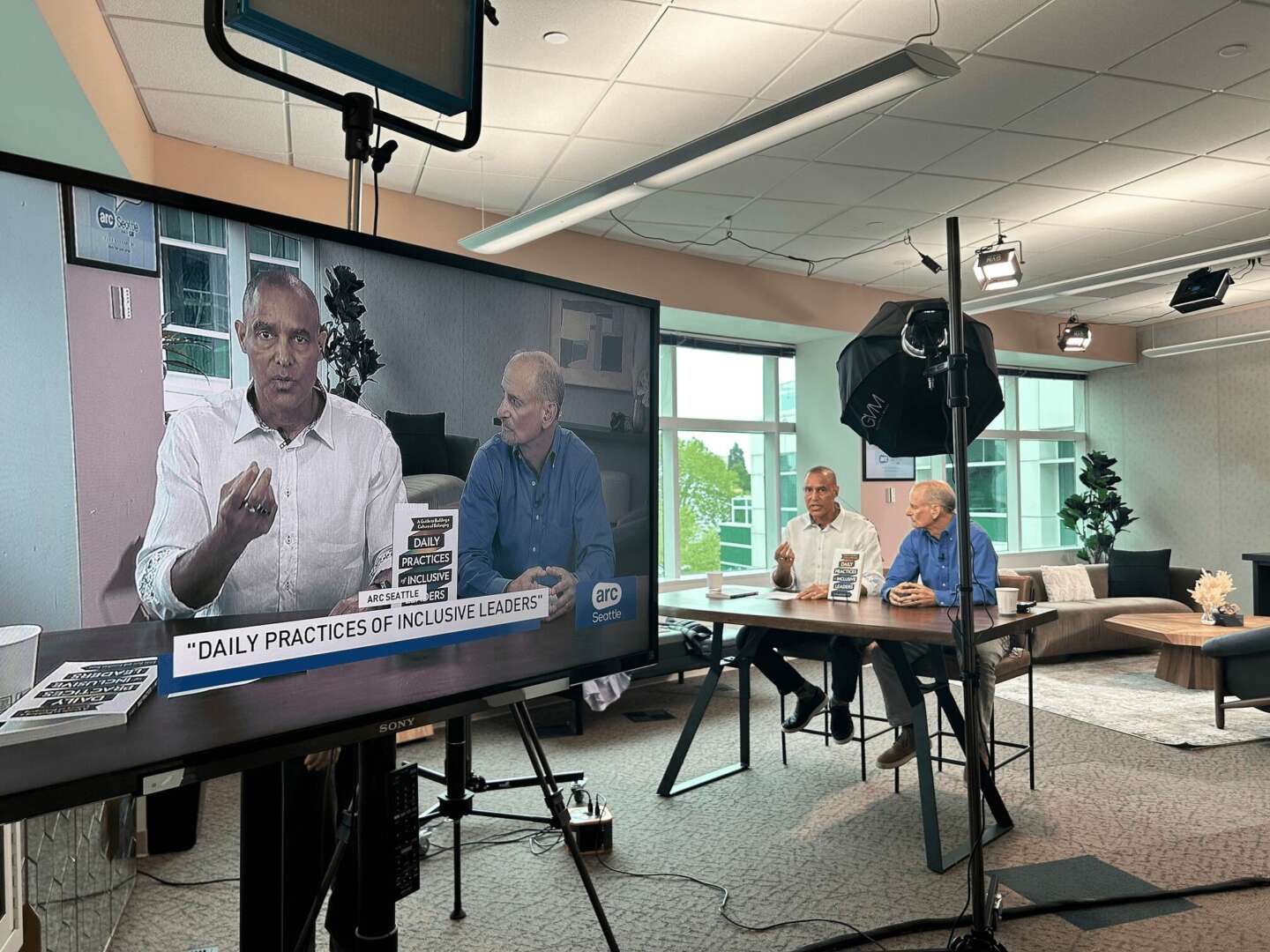
Image Credits
Photo courtesy of Microsoft Alumni Network, Jason Redmond, and Dan DeLong