

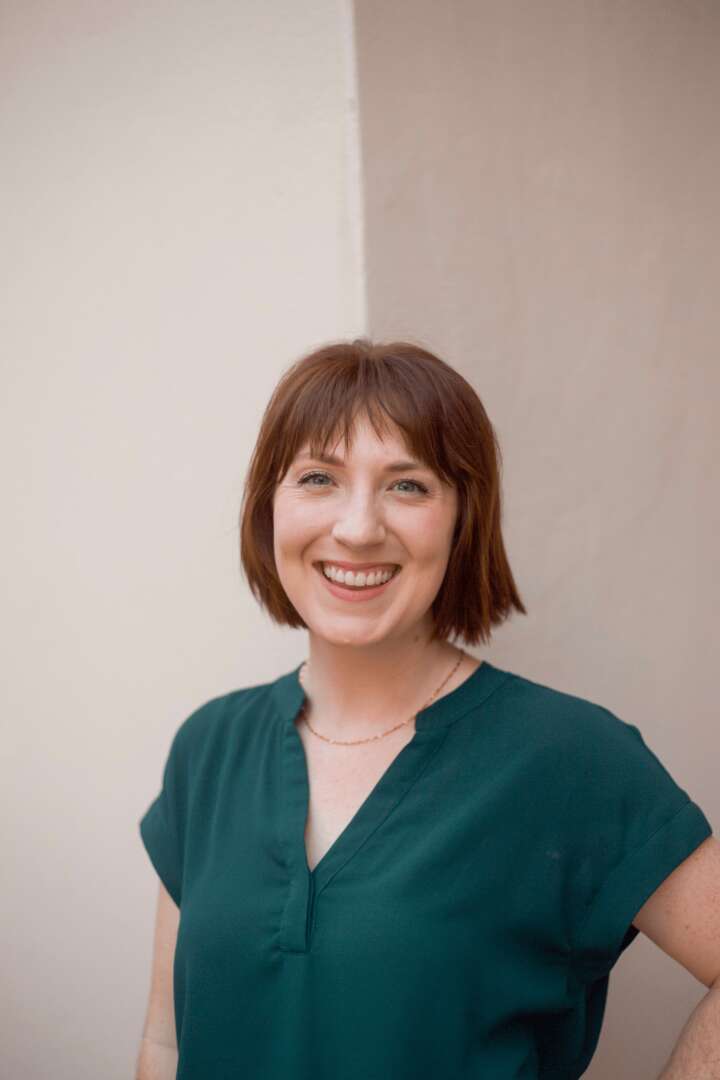

We caught up with the brilliant and insightful Abby Dengler a few weeks ago and have shared our conversation below.
Abby, thanks for joining us, excited to have you contributing your stories and insights. Can you talk to us about how you learned to do what you do?
When I first started editing, I didn’t know of any editing-specific programs. The publishing industry is very opaque, and I had no idea I could be part of it. I just knew I loved writing and that I loved helping other people write.
The foundation of my editing skills traces back to my three years in college working at the on-campus Writing Center. In my time there, I coached over 300 students with all different majors, writing prompts, writing skill levels, and even different linguistic backgrounds.
Here, I learned what is absolutely my most foundational editing skill, as I’m editing for myself and other writers: learning to see a piece of writing in layers. When a student would present a paper, it’s tempting to focus on fixing the easiest mistakes, like a human spell-check. But in my role, I was trained not to get hung up on the micro issues. Rather, I learned how to focus on the broadest, most important issues first. For example: does this essay have a point? Is it written to the right audience? Is it structured in a way a reader can follow? I also asked my Writing Center colleauges to evaluate my writing this way as well! Through giving and recieving this type of feedback, I trained my brain to see the forest, then the trees.
This is the skill that allows me to collaborate with my authors in the 13+ books I’ve helped publish so far. When I work with an author, I start by fundamentally working to understand what they are trying to do with their book. Then, I imagine all the different ways they could accomplish that goal. I propose radical ideas. Chapters are reorganized. Characters are cut or added. The shape of the book changes layer by layer until we are satisfied with each—then, we polish at a micro level so nothing distracts from the story’s foundational brilliance.
Since becoming an editor, I have taken courses through the Editorial Freelancers Association, the UCLA Extension Editing & Publishing Program, and I’ve gotten very involved in the Independent Book Publisher’s Association. Each of these can speed the learning process, but my highest recommendations are to have your work edited, shadow other editors to see what they look for, and practice working with writers. Over time, you’ll develop your unique “editorial instinct”—a sense of what’s working and what’s not that runs even deeper than what a class can teach.

Abby, love having you share your insights with us. Before we ask you more questions, maybe you can take a moment to introduce yourself to our readers who might have missed our earlier conversations?
My name is Abby! I am a writer and an editor for an indie publisher (Berry Powell Press) in LA. I’m a dog person, library lover, slow eater, and synchronized figure skater. I lead a biweekly writing group that’s been running for 3 years, and my name is in the acknowledgements page of 13+ books!
I’ve always loved writing, as evidenced by my childhood journals musing about my friendships, gopher encounters, and the perils of third grade.
After college and a series of freelance writing jobs, one of my freelance clients (an author) told me she was starting a publishing company and asked if I’d care to join her. This was my unorthodox entry to the publishing industry, and over time, I realized I stumbled into my dream job.
When I tell people I’m an editor, most people assume that means I’m the grammar police, ready to pounce on their mistakes with my red pen. While fixing mistakes is part of editing, this depiction is far from the truth.
As an editor, I coach and collaborate with authors to get what’s in their head onto the page. I am a sounding board, a problem solver, an accountability source, a cheerleader, a therapist. I protect the author’s vision while making sure that vision is presented in a way that will connect with readers and ultimately sell books!
Being both a writer and an editor has convinced me that the creative process taps into the most sacred, tender, and true parts of ourselves as humans. Life is messy, and we all need someone to help us find our words!
Do you think there is something that non-creatives might struggle to understand about your journey as a creative? Maybe you can shed some light?
Most of the time, being an editor also makes me a better writer. But as a creative person who is also an enneagram 2 “helper type,” I struggle with prioritizing other people’s creative dreams over my own. Unfortunately, many people become editors because they were writers who believed in other people more than they believed in themselves.
I absolutely adore being an editor, and it fills my soul, but this reality really hit me a few years ago. I had just ghostwritten two books, and I spent so much time getting into other people’s writing voices that I had forgotten what my own writing voice sounded like. Part of me felt so full, but another part of me felt so empty. In a way, I was hiding behind other people’s writing projects to avoid taking the risk on my own.
At that time, I posted on Instagram to ask if anyone wanted to write together. From that post, I started a writing group called “Pen Pals” that has been meeting biweekly for the last three years, with new members joining regularly.
This group revitalized my childhood, bone-deep need to tell stories. I firmly believe everyone needs a community like this where they can discover, rediscover, and hone their own inimitable writing voice and identity.
Have you ever had to pivot?
Writing is an iterative, non-linear process. Sometimes, I have been working with an author for months, trying to make a manuscript work, and something about it is just. not. working.
I had this experience with the fourth book I edited: The Magical Closet Mystery by the lovely María Pérez-Gómez. We were working to adapt a 10-minute musical she had created into a full-length middle grade novel. We needed to add several plot points to expand the story, but after months of crafting away, it wasn’t holding together strongly enough. Finally admitting this felt like a gut punch for both of us—we were so invested in the ideas we had already developed. Letting go felt like starting over.
We took a step back for a couple of months to grieve the loss of what we had thought might be the final manuscript. In that time, we each studied story structure and read lots of middle grade novels for inspiration.
After a couple of months, an idea came to mind. I emailed María a rough outline of a new story structure. It immediately clicked with her, she rewrote the manuscript, and we began swapping it back and forth within a couple of weeks, filling it out and ultimately polishing it into the book that became our 2023 bestseller!
The creative process requires constant pivoting. Each new draft is a death and a birth. Our capacity to move between these over and over again will determine how powerfully our words reach our readers.
Contact Info:
- Instagram: https://www.instagram.com/abigailstonejoy/
- Linkedin: https://www.linkedin.com/in/abigaildengler/
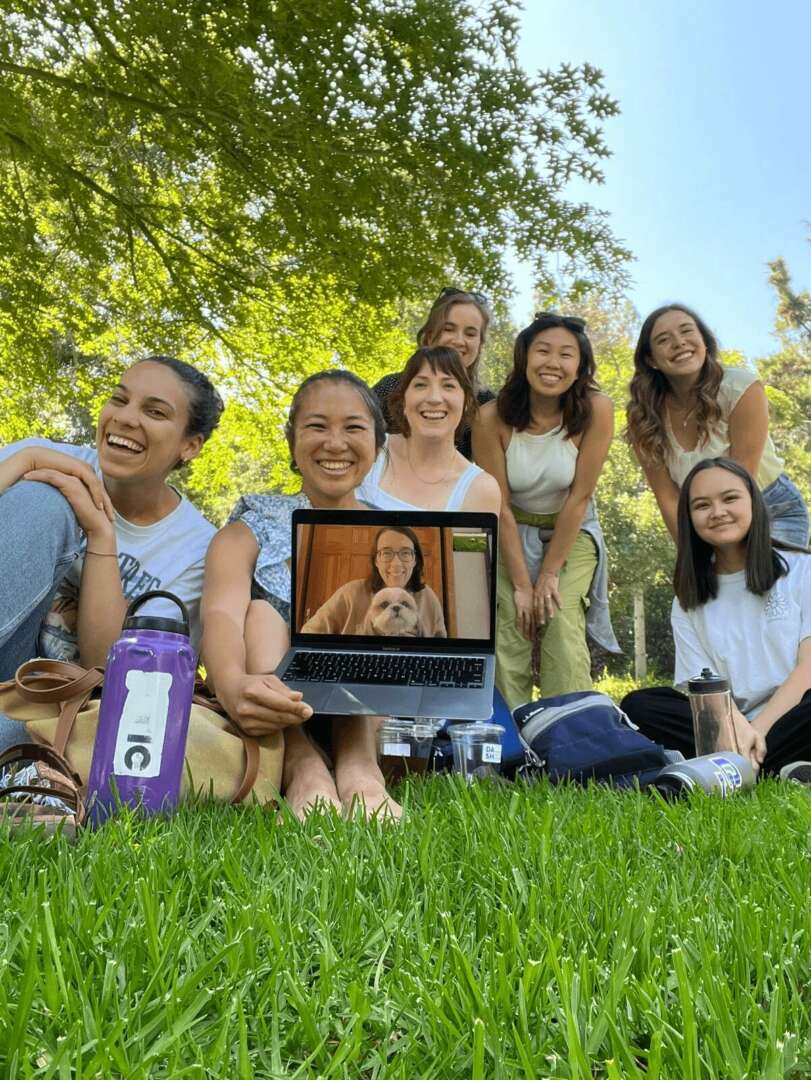
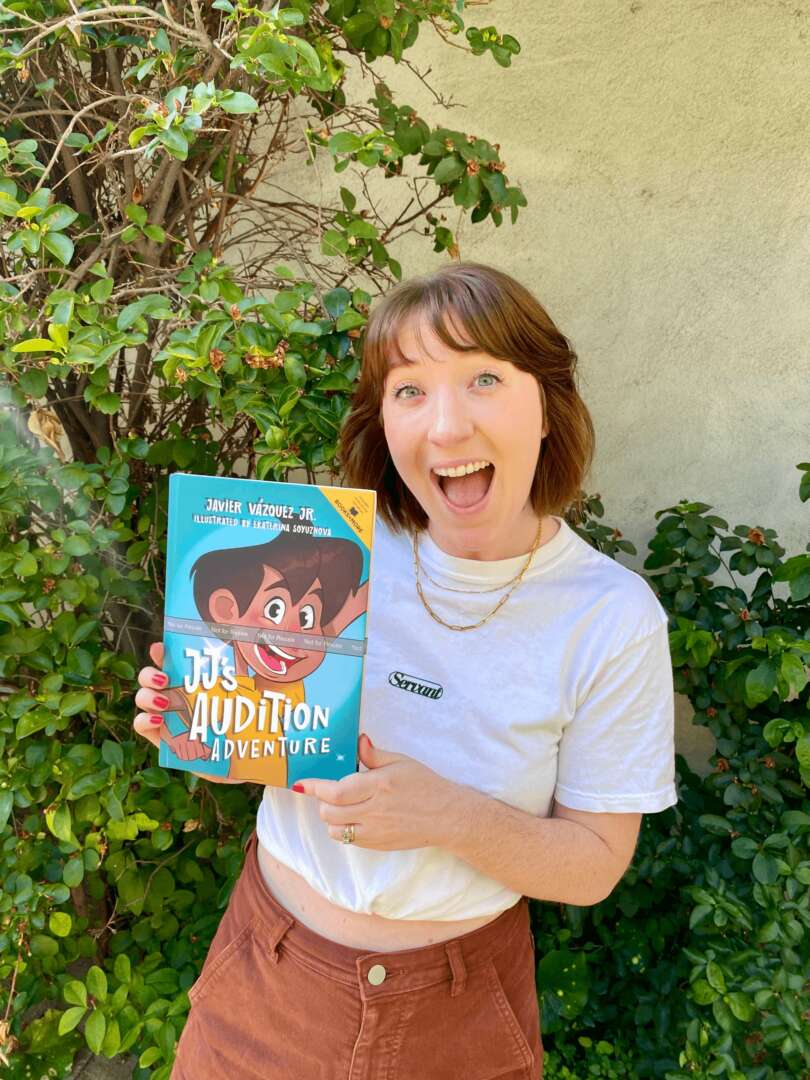
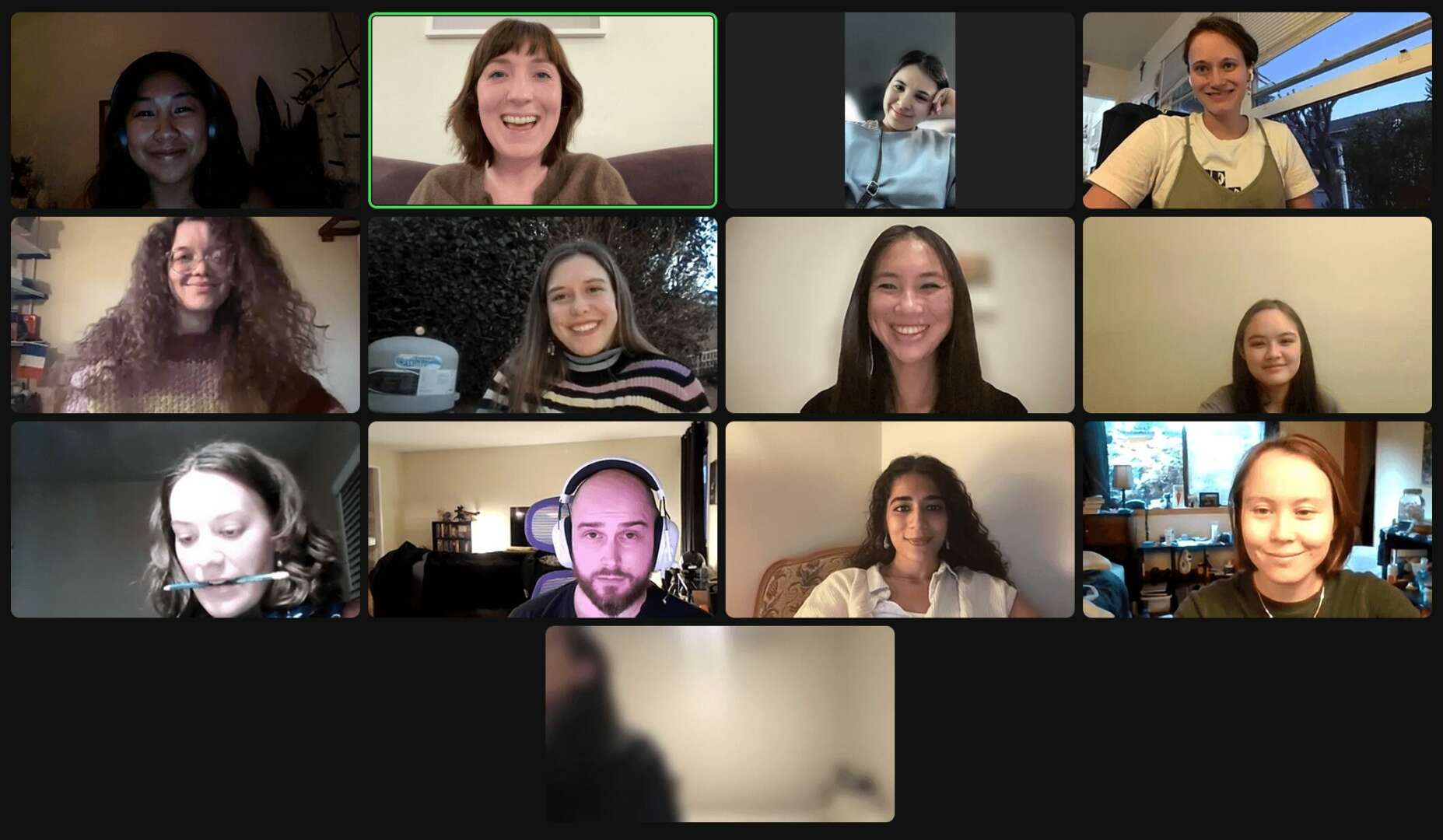
Image Credits
My headshot is by Nicole Ashley Viera of Goodness Marketing Co. goodnessmarketing.co
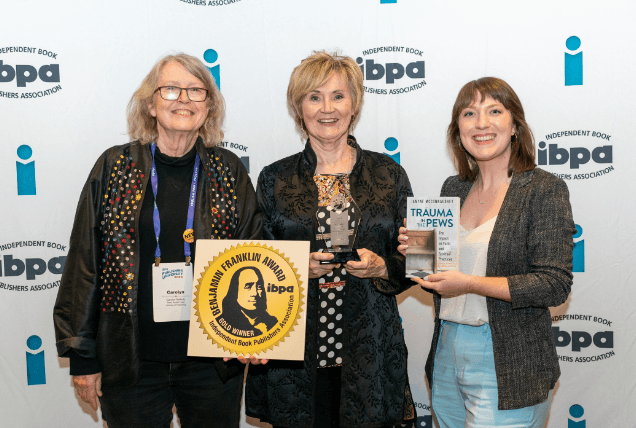
The photo of me in the orange shirt with an author is by Becca Romero of Studio Atelier studio-atelier.co