

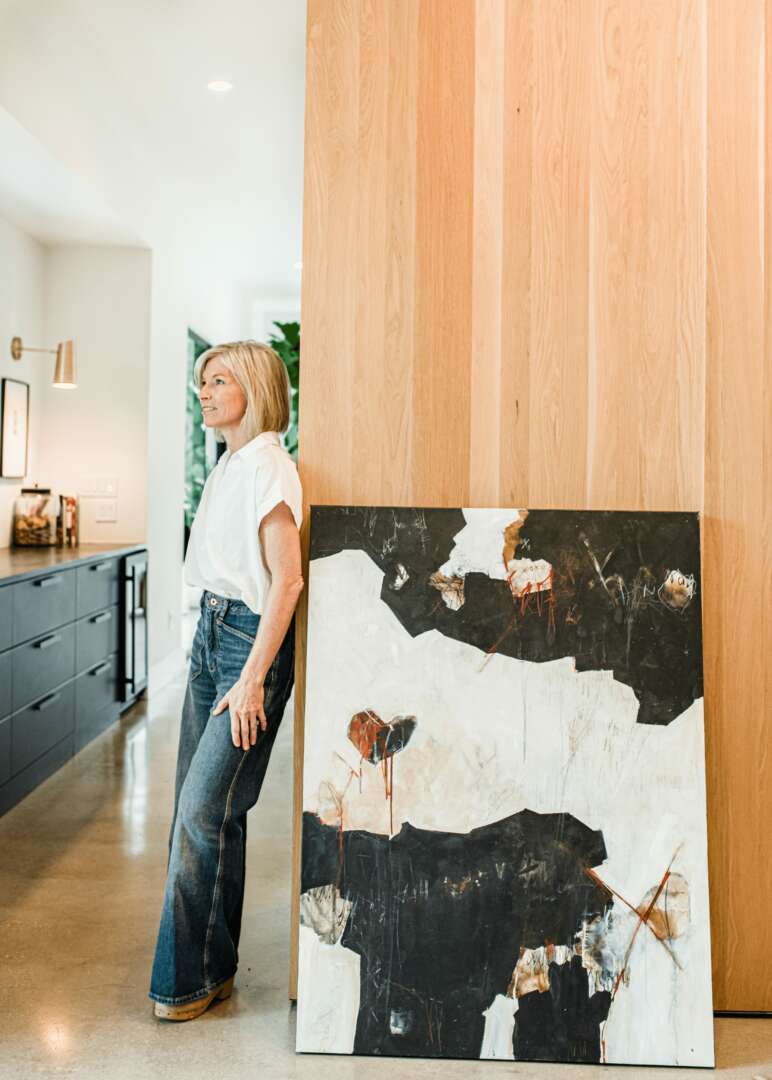

We caught up with the brilliant and insightful Jen Brannon a few weeks ago and have shared our conversation below.
Alright, Jen thanks for taking the time to share your stories and insights with us today. Learning the craft is often a unique journey from every creative – we’d love to hear about your journey and if knowing what you know now, you would have done anything differently to speed up the learning process.
My career as an architect began in a traditional way, with a formal education from Cal Poly San Luis Obispo. I also had the opportunity to study abroad in France, where the curriculum encompassed various forms of design—urban design, sculpture, painting, and architecture. The conceptual through-line was consistent: approach creativity with an open mind, embrace the process rather than the outcome, and your unique style and visual vocabulary will emerge naturally.
I believe there is no way to speed up the creative process or one’s professional path in the design world. For me, the learning process itself is my “job,” and my career has followed. Even with a formal education, I must practice daily, continue to sharpen my technical skills, and most importantly, stay curious about new ideas and experiences.
My advice to aspiring creatives is to work with intention, pursue whatever inspires you in the moment, and be open to changing course without judging whether you have made enough progress. Most importantly, take your work seriously and don’t let outside voices lead you astray from your mission.
Regarding obstacles, it is challenging not to become attached to an idea too soon, which can make you closed off to new input. Design is naturally iterative; detouring, exploring new paths, and rethinking preconceived notions will only push your project toward a more authentic and well-considered result.
Jen, love having you share your insights with us. Before we ask you more questions, maybe you can take a moment to introduce yourself to our readers who might have missed our earlier conversations?
Living overseas and moving frequently, my childhood was filled with adventure and discovery. However, I also craved structure and harmony, and seeing how different cultures make sense of their experiences through design deeply resonated with me. I remember visiting the Golden Pavilion in Japan when I was 12 and being awestruck not only by its beauty but also by how it sat so respectfully within its natural environment, taming chaos in a way. This moment ignited my desire to create similar experiences.
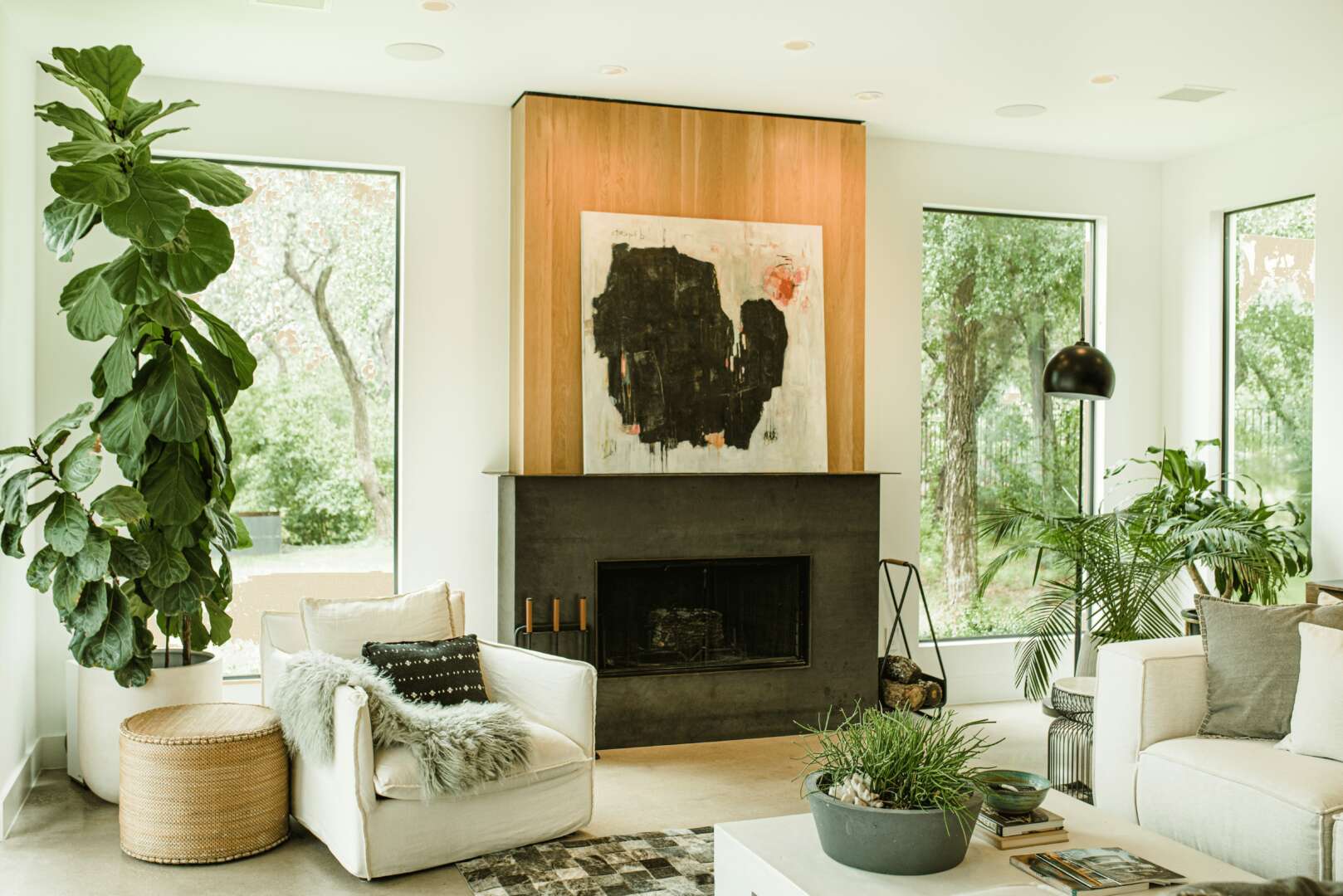
Architecture became the perfect playground for me to indulge my love of structure while engaging the senses in novel ways. Throughout my career, I have designed spaces that blur the lines between nature and the built world, juxtaposing bold moves against quiet places of respite, and awakening our perceptions through surprising and sometimes provocative moments.
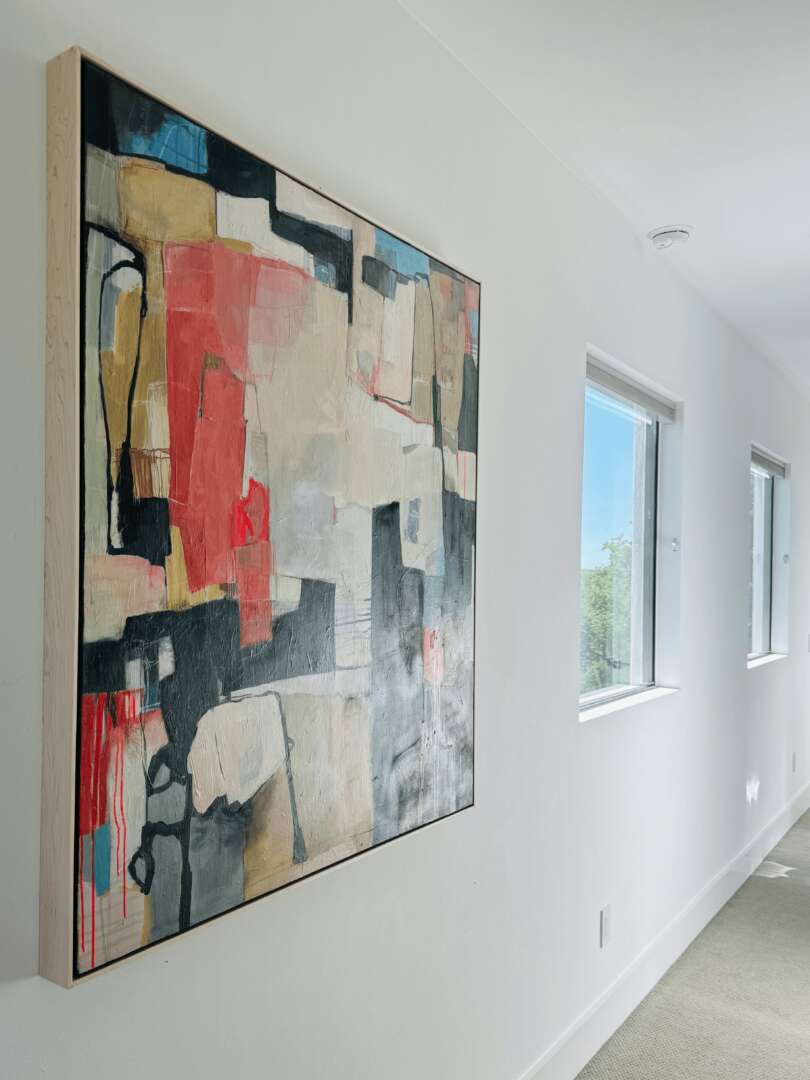
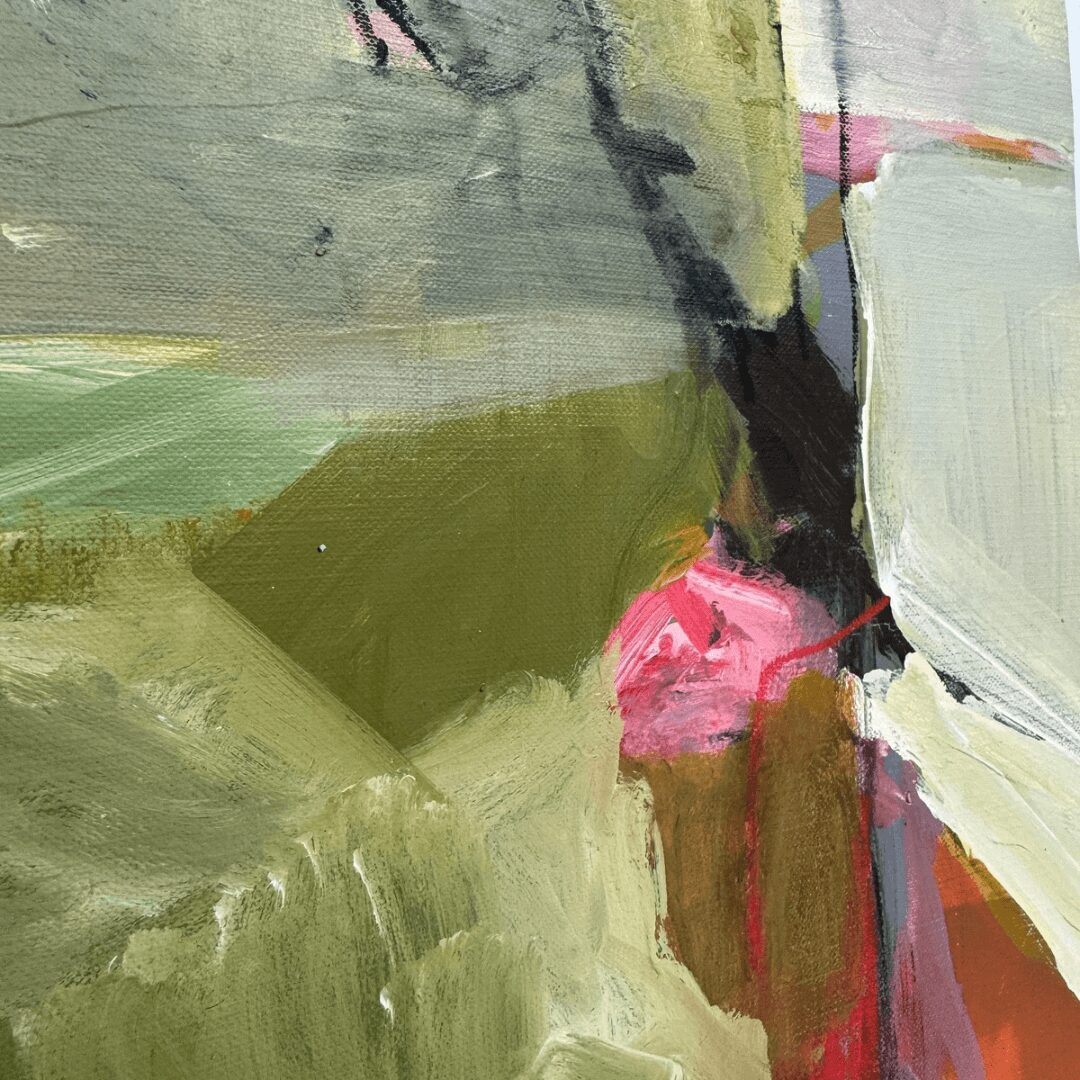
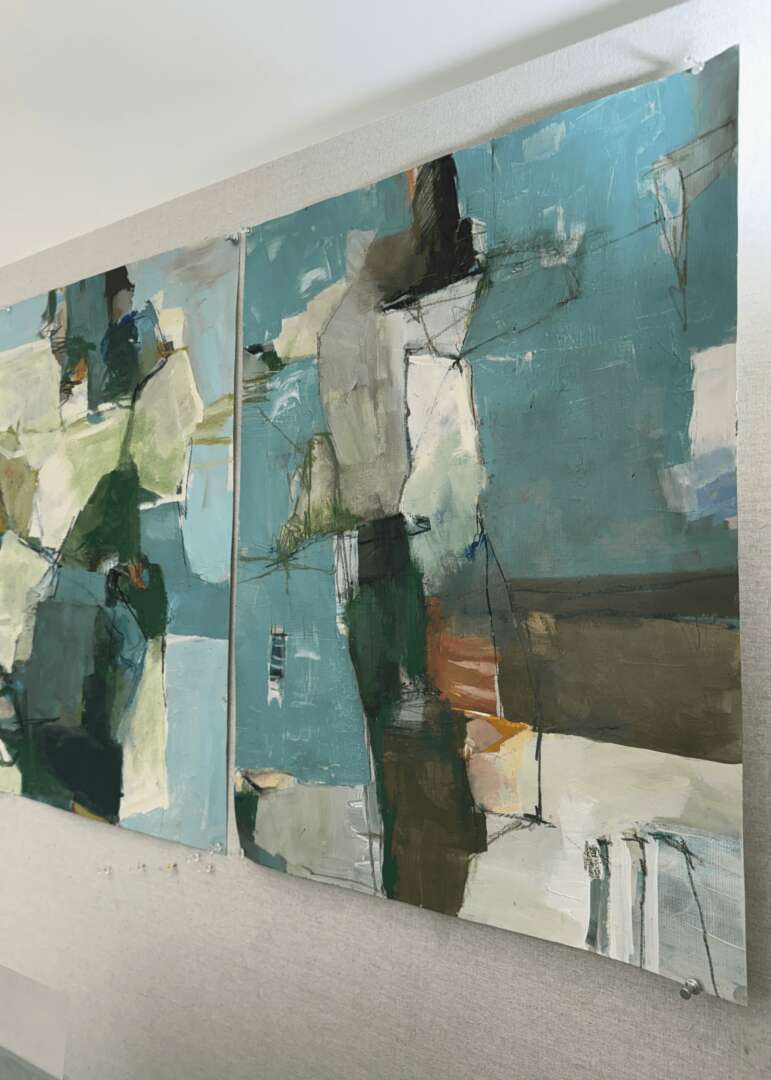
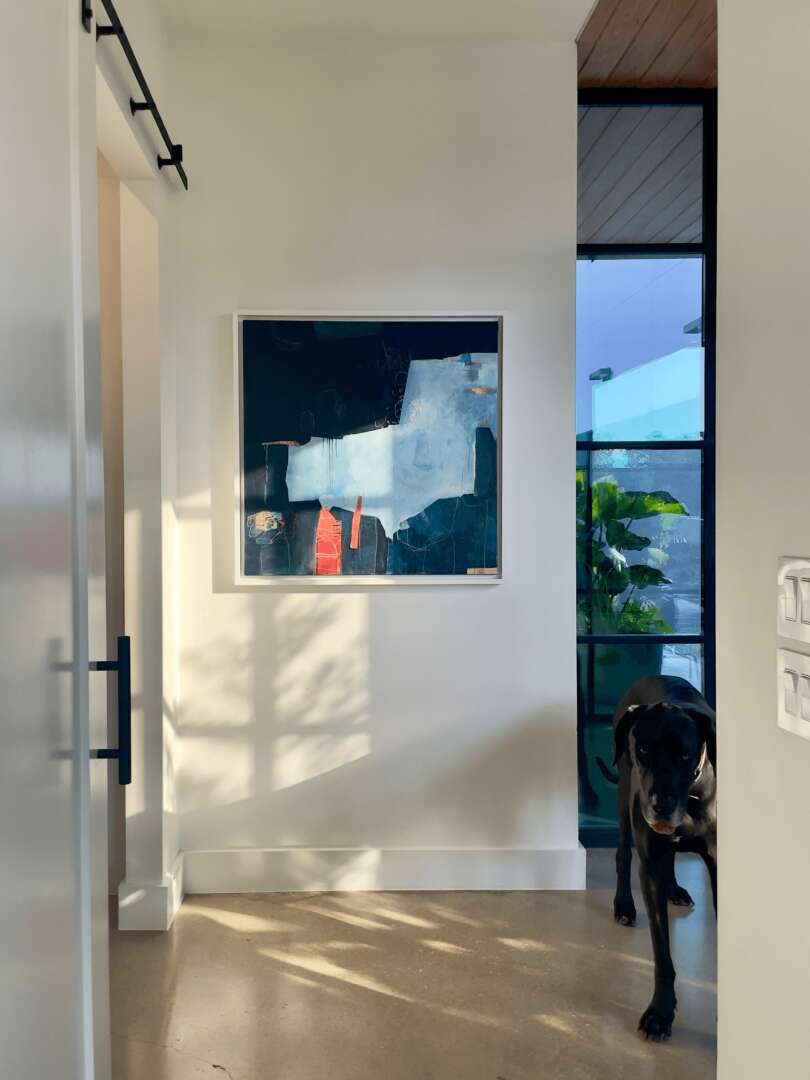
Along this creative path, I also began painting figurative and abstract art. Through my art, I continue to explore dynamic tension. I strive to create pieces that provide a sense of familiarity through compositional order while challenging the viewer to engage with mysterious layers, embedded forms, and wild marks that seek to be unleashed. It is my invitation to sit in the in-between, where discomfort and harmony coexist.
These two endeavors continuously inform each other, and the commingling of whimsy and structure has become a hallmark of my work.
Do you think there is something that non-creatives might struggle to understand about your journey as a creative? Maybe you can shed some light?
I believe the biggest misconception is that you are either creative or you aren’t. In reality, we all use our creativity every day to solve problems, often missing the fact that the thought process of discovery and invention is universal, regardless of the platform.
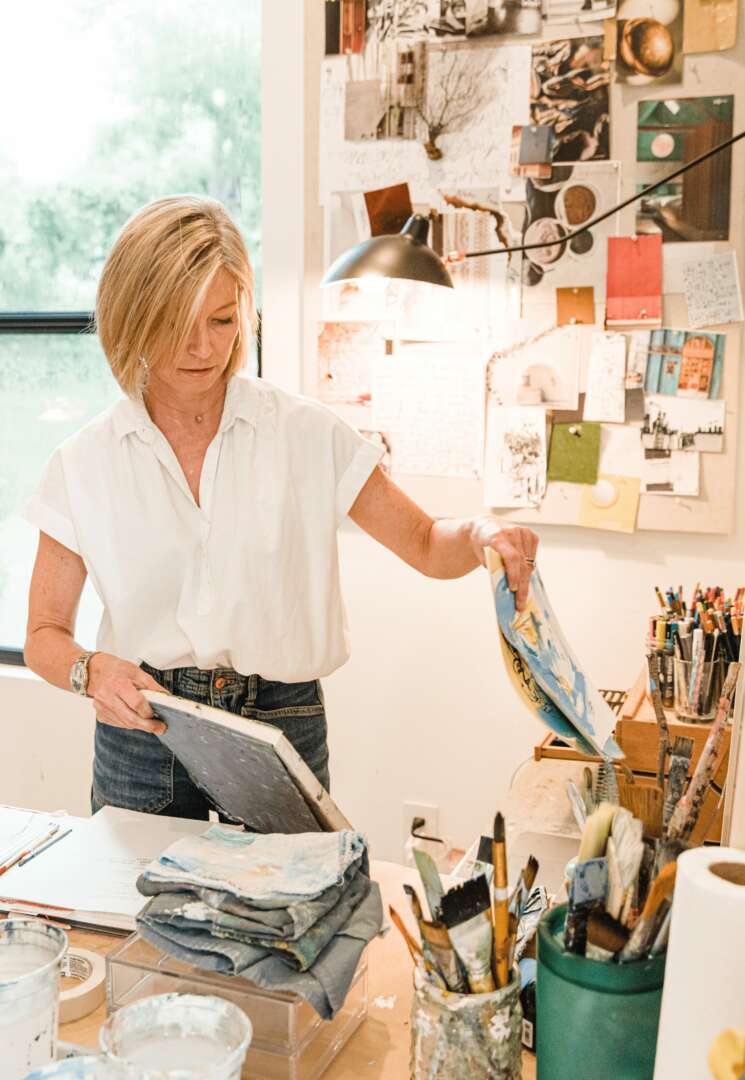
If you don’t consider yourself “creative” in the traditional sense, remember that creativity can be an action without an intended product. Engaging in activities like scribbling, writing, drawing, knitting, painting, cooking, and gardening are all ways to reconnect with ourselves, process emotions, and manage stress. Much like a diary, my paintings are usually private explorations, and the act of painting serves as a form of meditation for me.
Let go of the fear of judgment and allow yourself to play.
How can we best help foster a strong, supportive environment for artists and creatives?
Artists play a huge role in reflecting and shaping our culture, offering fresh perspectives on our shared experiences. We can support artists by investing in arts education, funding public art projects, and creating spaces for them to showcase their work. Valuing and promoting art not only preserves our cultural heritage but also sparks innovation and creativity.
One effective way to support artists is by creating community workshops with diverse resources. Imagine spaces equipped with cooking areas, recording studios, sewing stations, and print shops. These workshops would provide artists with the tools they need to explore different mediums, collaborate with others, and share their skills. Such environments would foster creativity, skill-sharing, and community engagement, enriching our culture and making art more accessible to everyone.
Contact Info:
- Website: https://jenbrannonart.com
- Instagram: @jenbrannondesign
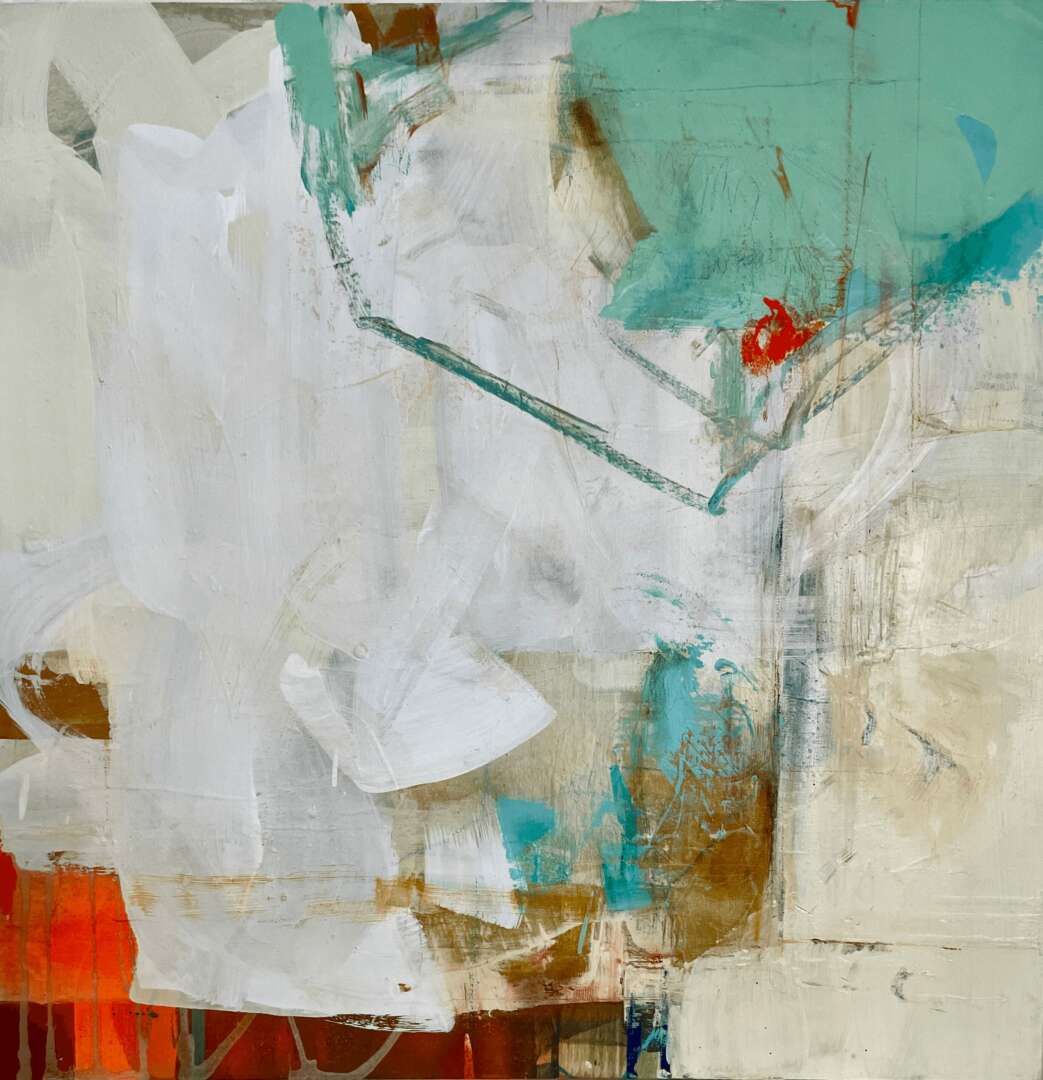
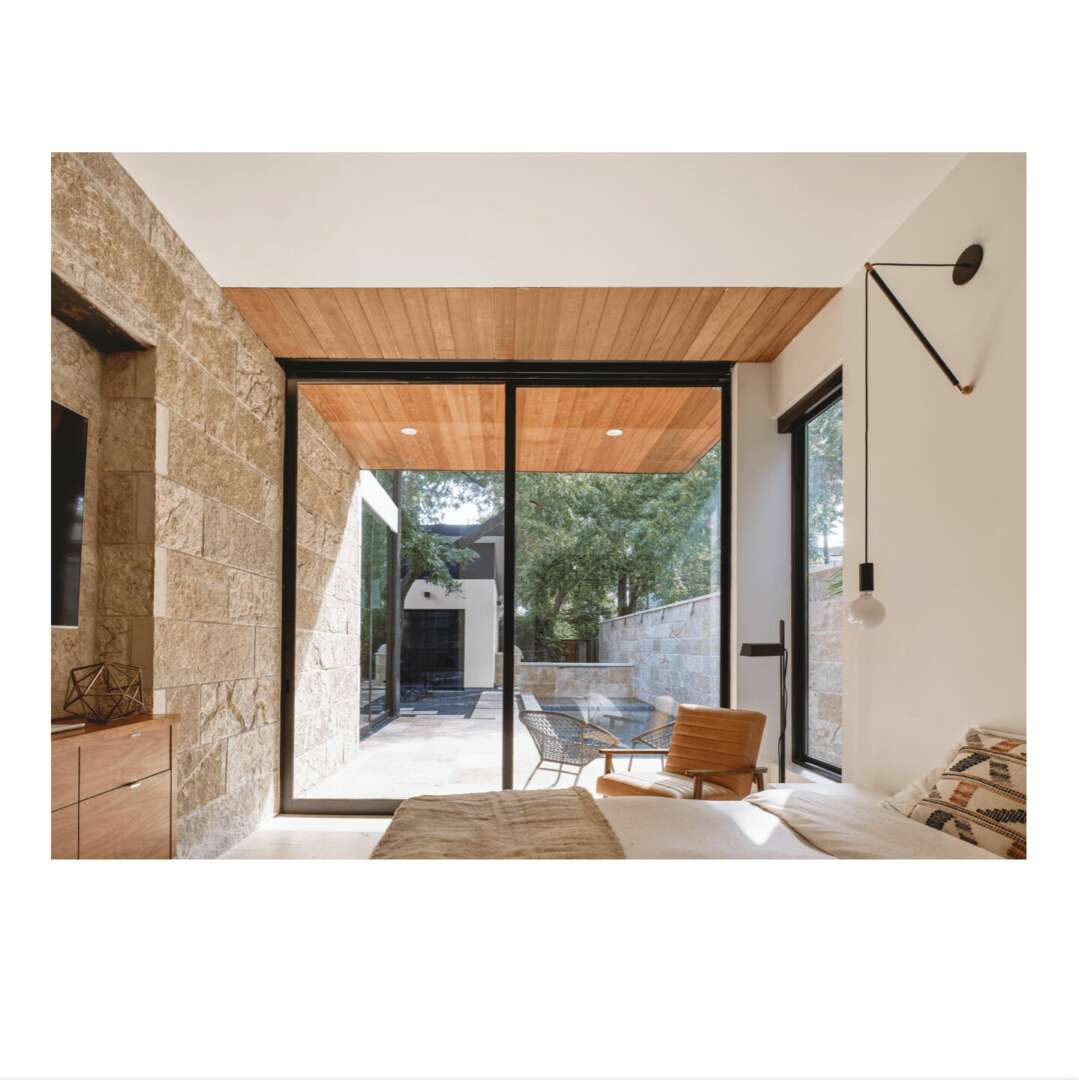
Image Credits
Laura Morsman Photography
Leonard Furmansky Photography