
We were lucky to catch up with Elizabeth VanSant recently and have shared our conversation below.
Elizabeth, appreciate you joining us today. Setting up an independent practice is a daunting endeavor. Can you talk to us about what it was like for you – what were some of the main steps, challenges, etc.
One of the most difficult steps in starting my own practice was just deciding to do it! Even in college, I was adamant that I would never be a business owner and simply wanted to be a clinician and researcher. Once I got into the field, I realized how much change is needed on the ground in terms of fair pay and advocacy for music therapists, especially in the Pacific Northwest. Growing up and being educated in the Midwest, it was a culture shock coming to Seattle and realizing that positions for music therapists were few and far between. In combining multiple independent contractor positions, I had something reminiscent of a full-time job, and I was eventually able to turn one of those contractor positions into a full-time salaried gig. I was happy there for many years, until I decided that if I wanted change in terms of higher pay and therefore respect for those in my field, I needed to be the change-maker.
It would have been so much easier if there was a simple guide or checklist for music therapists to start their own businesses, but there isn’t unless you want to spend an arm and a leg to access it. So I looked towards mental health practitioners to see how they built their practices and utilized their models to start my own private practice. For anyone looking to start their own private practice, whether in music, speech, occupational, or any other type of therapy, I highly recommend networking with professionals not only in your direct line of work, but also those who might run parallel to your work to see how they are successful. It might even lead to great referrals for you in the future!
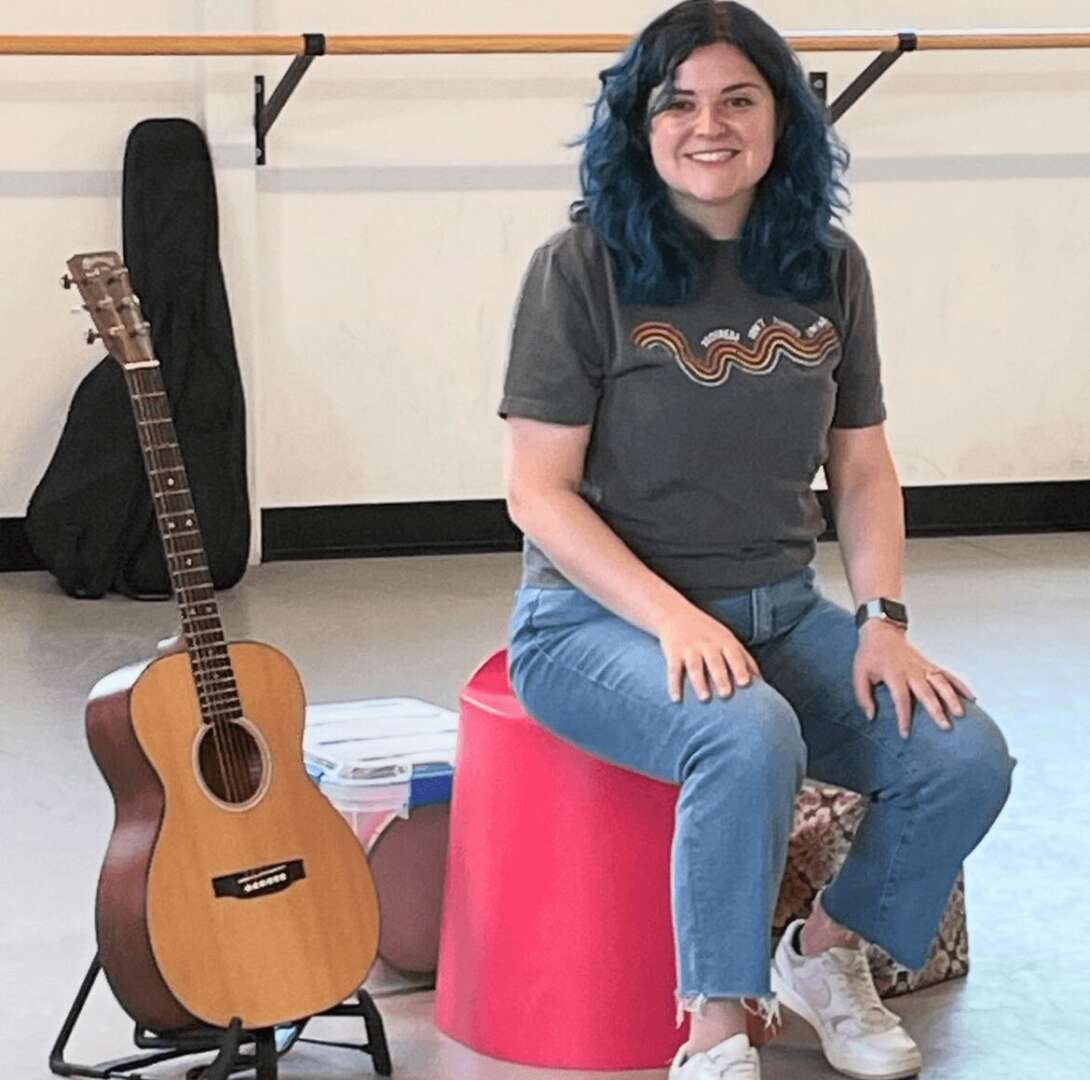
Elizabeth, love having you share your insights with us. Before we ask you more questions, maybe you can take a moment to introduce yourself to our readers who might have missed our earlier conversations?
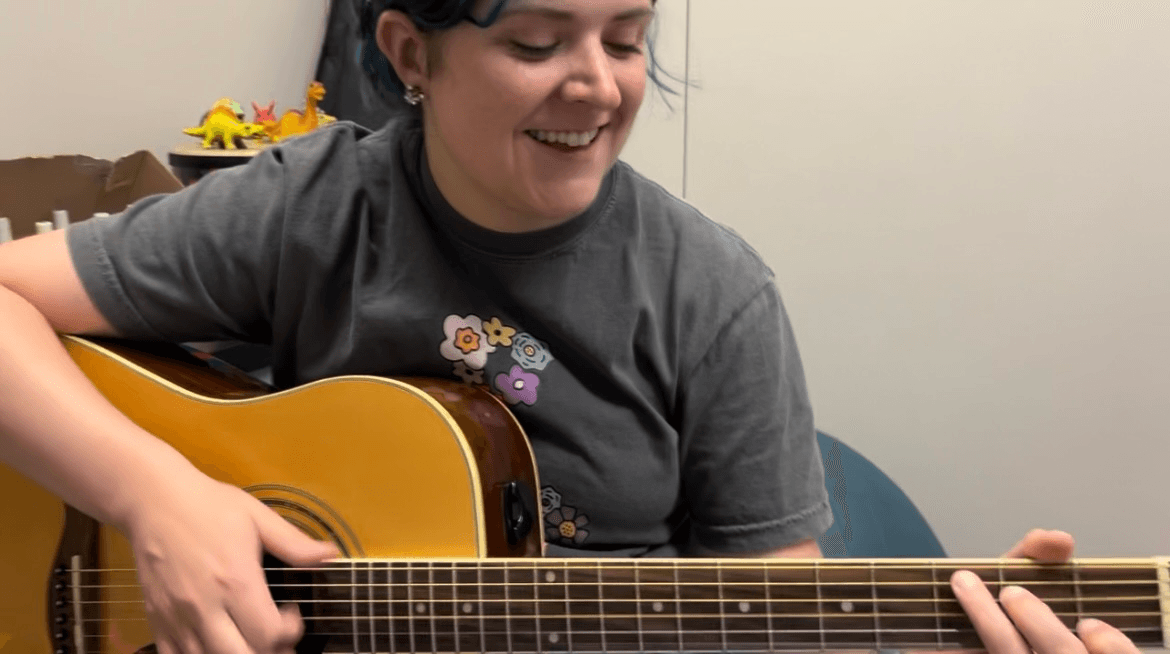
Back in high school, I knew I wanted to major in music but was not at all interested in performance and wasn’t too keen on education, so I started looking to see what my options were. As soon as I heard about music therapy, I was sold. I have a chronic illness, hemophilia, and realized that I had used music therapeutically when dealing with anxiety related to managing my care when I was younger. I knew that there could be nothing greater than showing others that music can help them in whatever way they need.
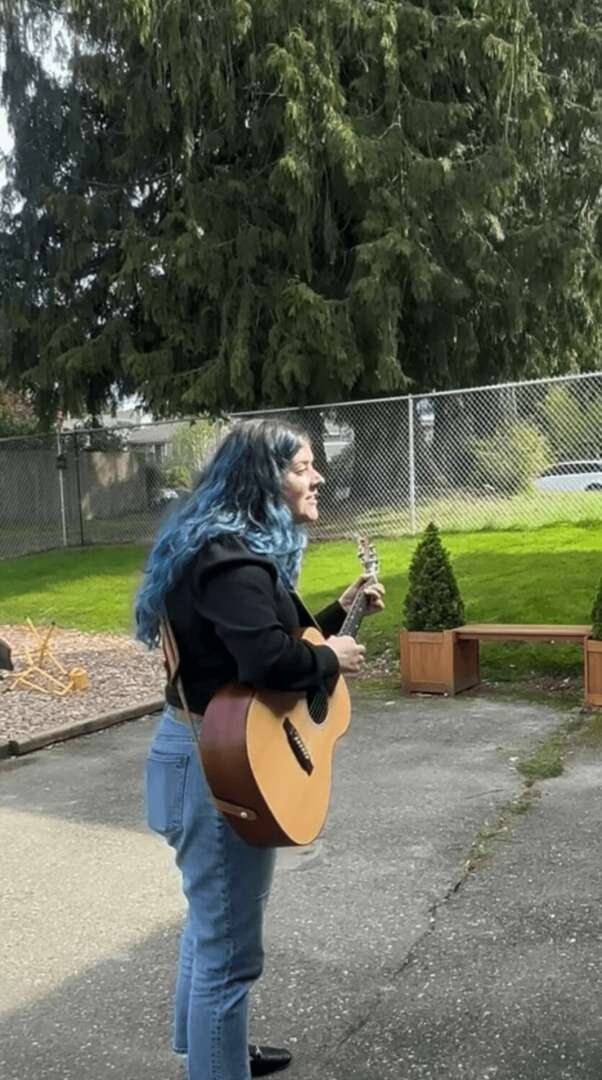
Working primarily with Autistic and Neurodivergent folx, I strive to provide neurodiversity-affirming care through a strengths-based model of music therapy. During the pandemic, I took the time to sit back and learn from Autistic adults to better educate myself on how I could provide adequate care to those who came looking for music therapy services. I learned that many of them have been traumatized from compliance based therapies and completely turned the way I practice around to do my best to provide services that align with their needs, both present and future. I am so proud of the learning, and unlearning, that I have done over the past handful of years and strive to continue learning from this community that I primarily work with.
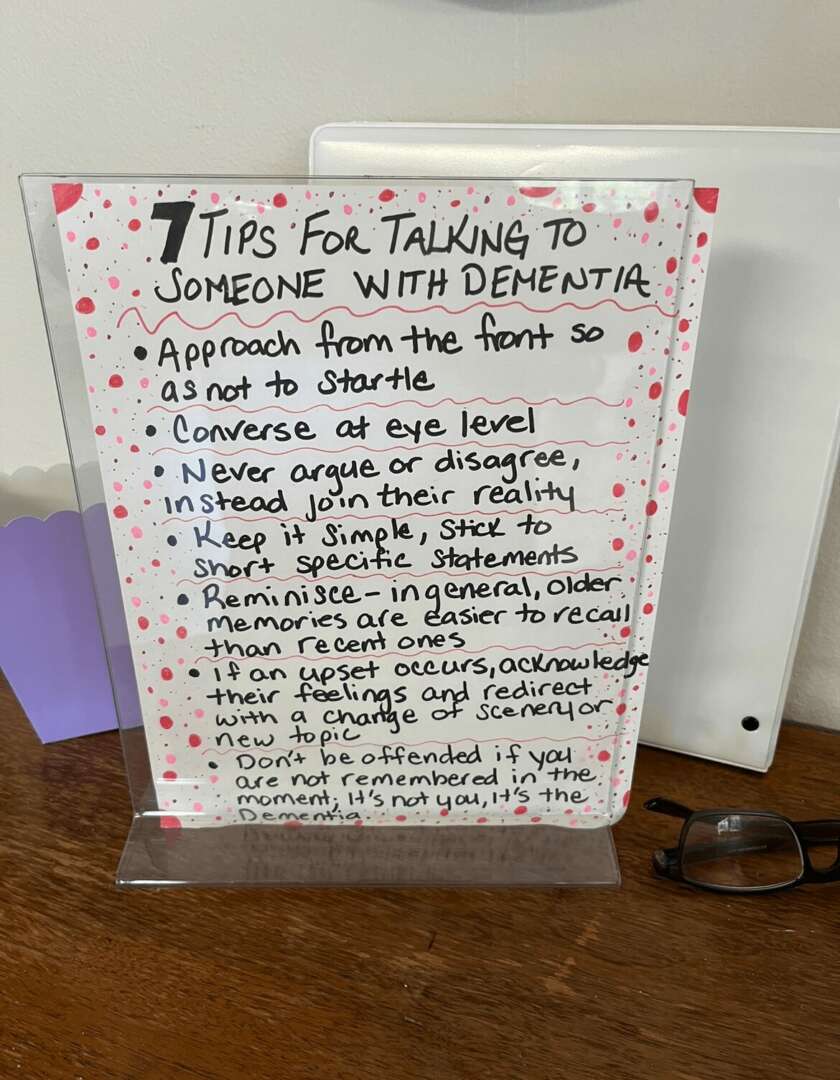
I also spend a few hours every week in memory care facilities, and love the connections that we make through music! It’s incredible to play a song, like “Back in the Saddle Again”, and hear from a woman who rarely speaks up that she grew up riding horses. While she couldn’t remember their names, the joy on her face from telling the group about it was incredible.
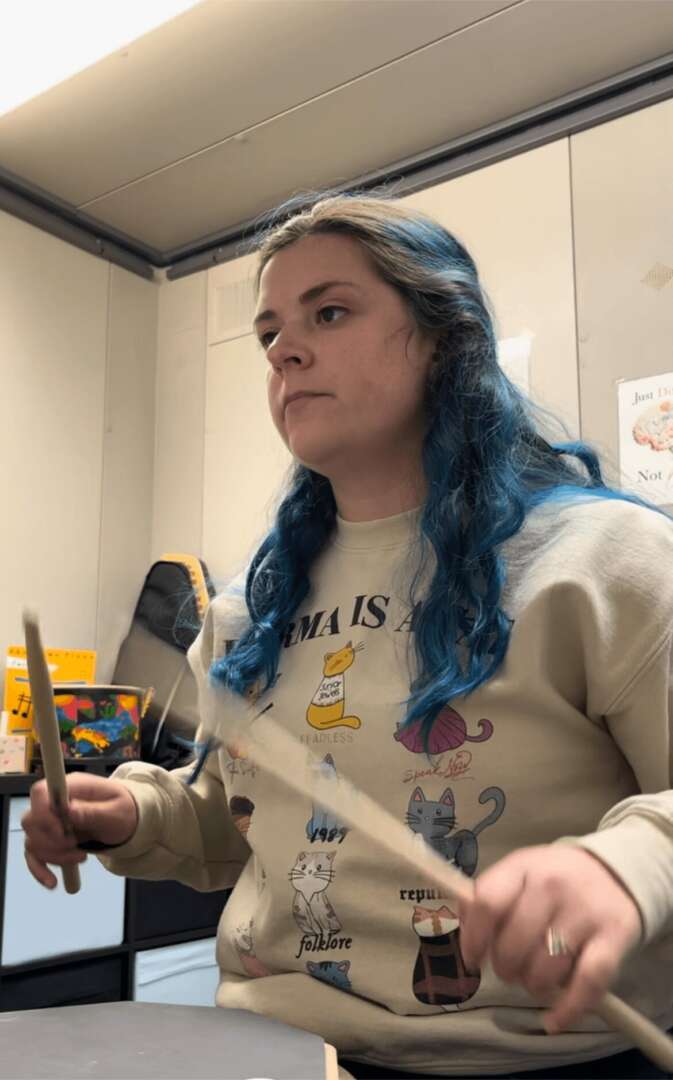
Putting training and knowledge aside, what else do you think really matters in terms of succeeding in your field?
I think the most important aspect for succeeding in music therapy, is drive. Being that music therapy is a relatively newer field compared to many therapeutic avenues, a music therapist has to be confident in answering questions, constantly advocating, and not get too let down from hearing “no” from potential contracts. Living the PNW, I have seen many music therapists get burnt out from having to constantly advocate for job positions. You just have to find the right niche and as soon as you have one or two clients or contracts who love you, the rest will quickly follow.
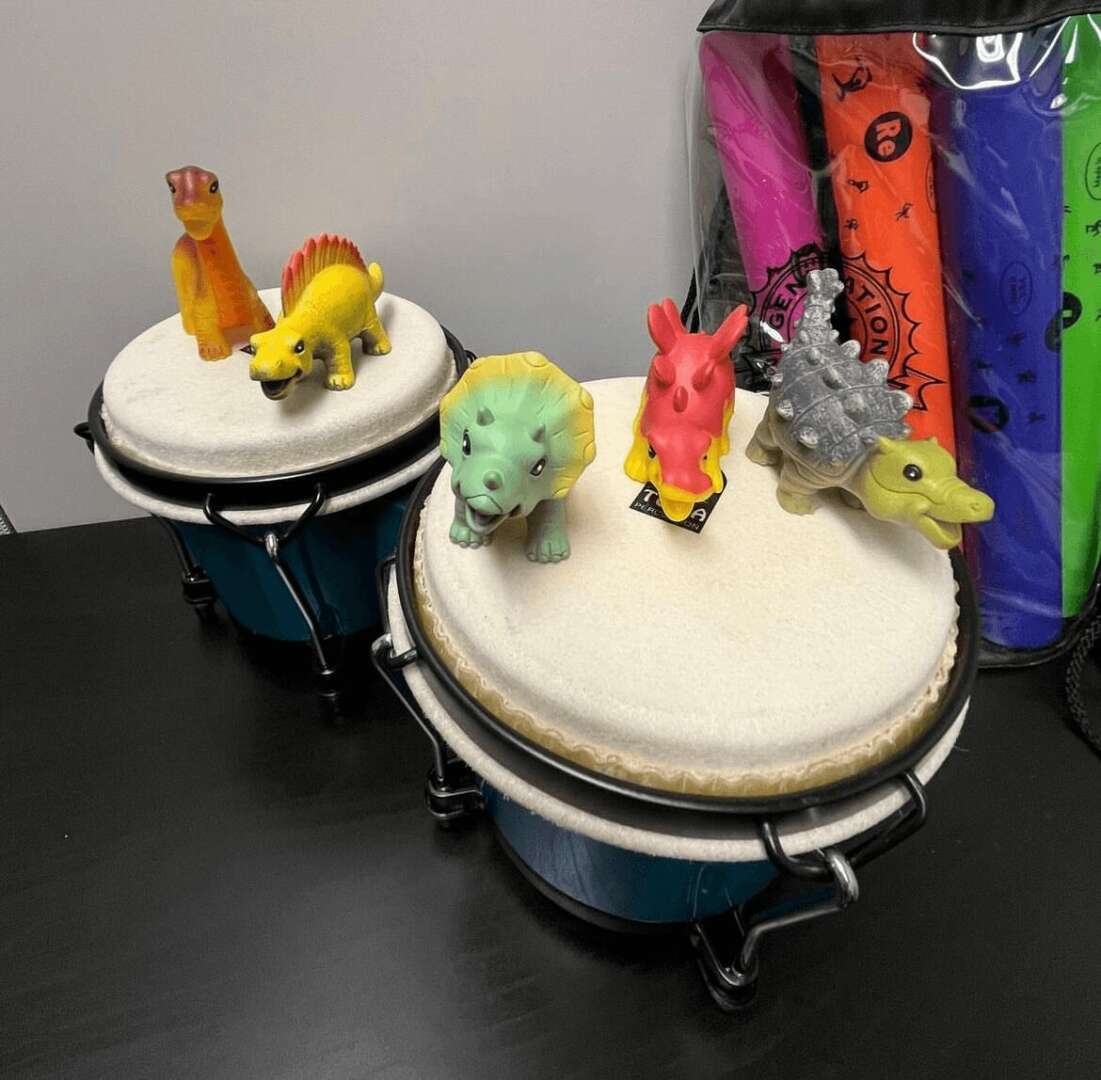
Can you tell us about what’s worked well for you in terms of growing your clientele?
Having known nothing about marketing prior to starting my business, I did a lot of research and met with a friend who specializes in marketing. She helped exponentially regarding understanding language within the marketing world, but most of what I did on my own is what has propelled me onto the radar, and that’s building my website’s SEO. I spent hours researching how to increase a website’s visibility and am now the second website on google when you search “music therapy” with my location. Word of mouth is also incredibly important when it comes to gaining clientele, as is networking with other professionals. I know many music therapists in my area and what they specialize in so I can refer to them and vice versa. I also have made acquaintances with many speech therapists in my area who primarily work with Autistic folks so we can cross reference. While I did make some posters, by the time I printed them and got ready to put them up around town, my caseload was full! Now, I’m holding onto them for a rainy day when I need to fill a few spots.
Contact Info:
- Website: https://eastsidemt.com
- Instagram: eastsidemusictherapy
- Facebook: Eastside Music Therapy, LLC