

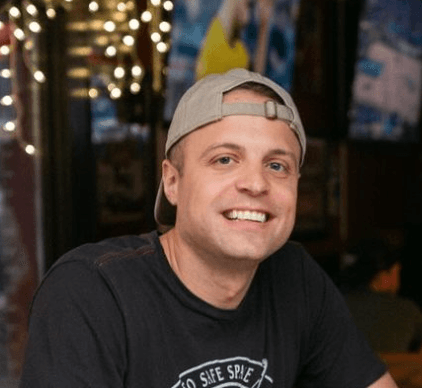

We’re excited to introduce you to the always interesting and insightful Eli Maravich. We hope you’ll enjoy our conversation with Eli below.
Eli, appreciate you joining us today. Have you been able to earn a full-time living from your creative work? If so, can you walk us through your journey and how you made it happen? Was it like that from day one? If not, what were some of the major steps and milestones and do you think you could have sped up the process somehow knowing what you know now?
I have been fortunate enough to make a living full-time from my artwork for about four years now. The journey was a wild ride but looking back, the early days are still some of my fondest memories.
When I first started selling my work, I was supplementing my income with every odd job imaginable. I was delivering pizza, flowers, and small packages for a time. I also had stints with in-home IT, video game testing, mobile bartending, event setup, canvassing, janitorial work, etc. etc. If the hourly wage was good enough, I was a great employee but a majority of them I just figured out ways to work on my artwork while getting paid. It definitely wasnt “fun” but I was hustling for what I wanted and that got me through the tough times. That time certainly “built character” and gave me a lot of unique life experience and funny memories.
The transition from part-time to full-time came about four years in. Looking back, I think I pulled the trigger way too soon. My goal was to be full-time so I think the second I thought it was feasible, I committed. In hindsight however, the margin for error was way too small to for practical survival. If I could give any creative one piece of advice, it would be to not rush into being full-time. The idea is extremely appealing and really does sound like the “I made it” milestone, but all it really does is mark the beginning of a more intense, higher stakes journey that requires even more management and commitment. Head under water is no a position to create from.
All in all, I would only encourage anyone with their sights set on being a full-time creative. It takes a lot of sacrifice but if that’s what you really want to do, it’ll be worth it. I’d only advise patience and building a safety net so you don’t cripple your creativity.
Eli, love having you share your insights with us. Before we ask you more questions, maybe you can take a moment to introduce yourself to our readers who might have missed our earlier conversations?
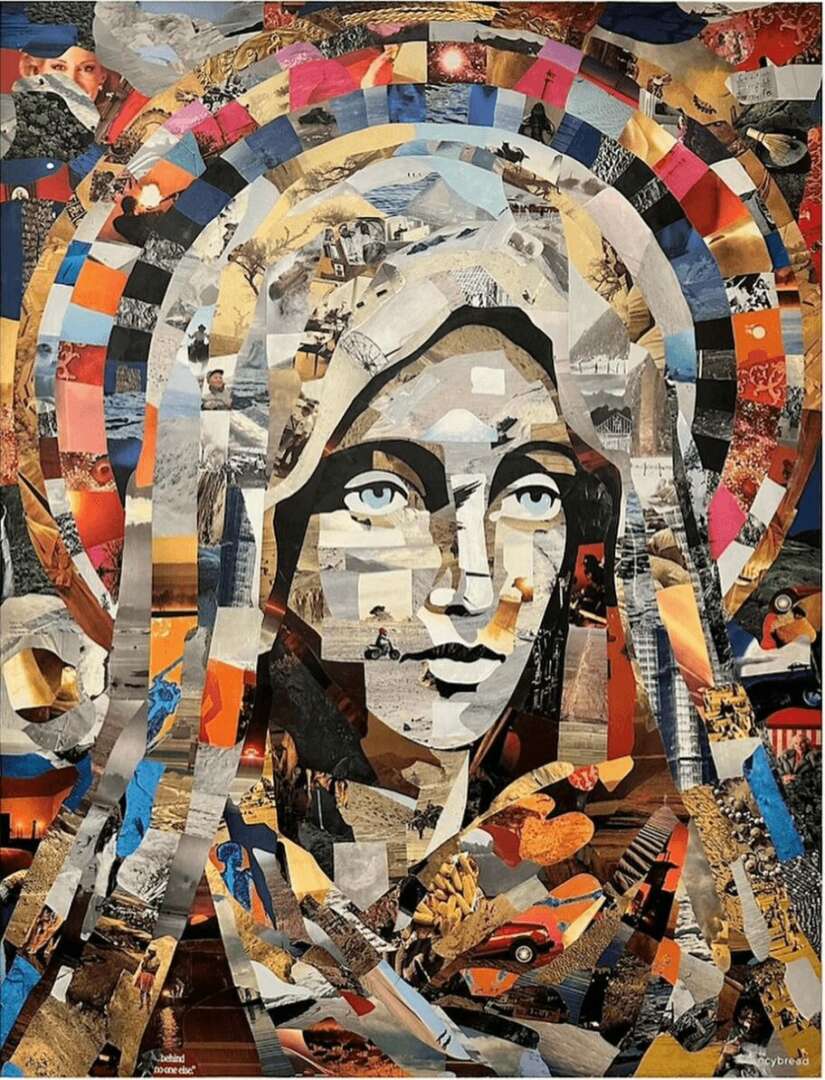
I am a mixed media artist, creating both physical and digital works. I mostly take commissions in my signature style which incorporates paper and spray paint on canvas. With each piece I also make a video collage of the process mixed with subject-related video and audio clips. I send the videos to the clients so there is an experience attached to the reveal of the piece. I enjoy making them and the clients give great feedback.
If I had to choose something about my work to be proud of it would be the attention to detail. I’ve always put an emphasis on the small details. A lot of people might advise otherwise, but I find that this is the main driver of skill development. If you make the same mistake over and over and have to continually fix it, you’ll eventually get so sick of fixing it that you will adjust your process. I’ve become so much more efficient and crafty over the years because I’ve addressed the small mistakes.
For you, what’s the most rewarding aspect of being a creative?
Not having a boss. Bosses suck. People telling you what to do and when to do it sucks, especially when you don’t actually care. I’ve tried to go back to getting a job and I’ve gotten close….real close. Every time I was about to hit “Submit Resume” I close the browser and start plotting my next move creatively. I know most people either like a “normal” job or can at least suck it up, but something in my very core refuses to allow me to take that route.
Can you tell us about a time you’ve had to pivot?
I am currently in the midst of a pivot right now. To revisit my point about the pressures of full-time artistry though, it is very hard to pivot when you are relying on the income of your work. My signature style is what my followers look for. New stuff is always an experiment and when your experiment fails, you have no income. I’ve had a few pivots fail recently and I’ve since recovered but what I’ve learned is to slowly develop my pivots and not gamble everything on them, no matter how much I do enjoy that rush haha.
Contact Info:
- Website: https://thefancybread.com
- Instagram: fancybread