

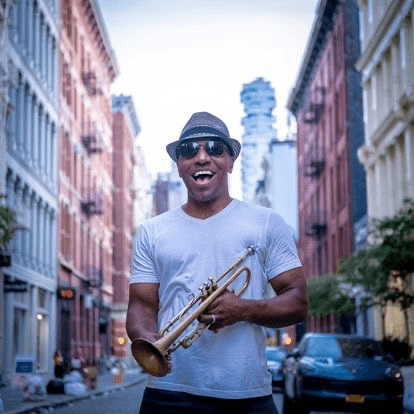

We recently connected with Kenyatta Beasley and have shared our conversation below.
Kenyatta, looking forward to hearing all of your stories today. Are you able to earn a full-time living from your creative work? If so, can you walk us through your journey and how you made it happen?
Every penny that I have earned has been through creative work in Music. I started playing Music in New Orleans in the French Quarter with my father when I was three. Looking back at it, I see that’s where I developed a strong work ethic. The other kids played on weekends, and I played on the streets, making money. I had no idea at the time that would influence my life. My father was very hard on me and had to force me to practice. He would force me to go out, work, and practice while the other kids were outside playing and being kids. I look back on it, and I appreciate it. However, I wish he had treated me differently rather than being so heavy-handed. Honestly, I’m still surprised that I’m still involved in Music after that. Yet, here I am.
One of the most critical aspects of my development was that I had a teacher back in New Orleans, Clyde Kerr Jr, who used to stress that you can’t be a specialist in Music. You need to know something about everything because all creative aspects and Music are interconnected, ranging from the business, learning how to play an instrument, the theory, professionalism, learning technology, and how that affects the craft, and everything else that the modern artist has to be familiar with knowing a lot of that has allowed me to evolve and change into many different things with the central core aspect being left intact and that’s being creative within Music.
As an artist, you often have yet to learn what the next job will incur. You really need to have an open mind and understand many different aspects of the creative process of being a musician. It requires constant growth.
Kenyatta, love having you share your insights with us. Before we ask you more questions, maybe you can take a moment to introduce yourself to our readers who might have missed our earlier conversations?
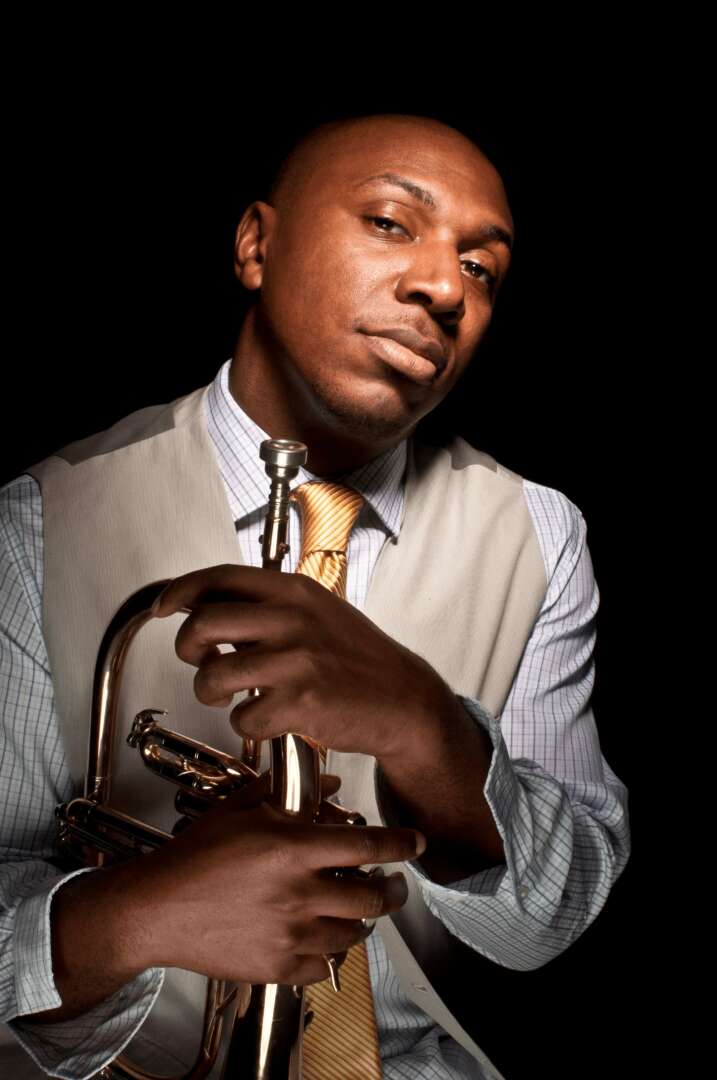
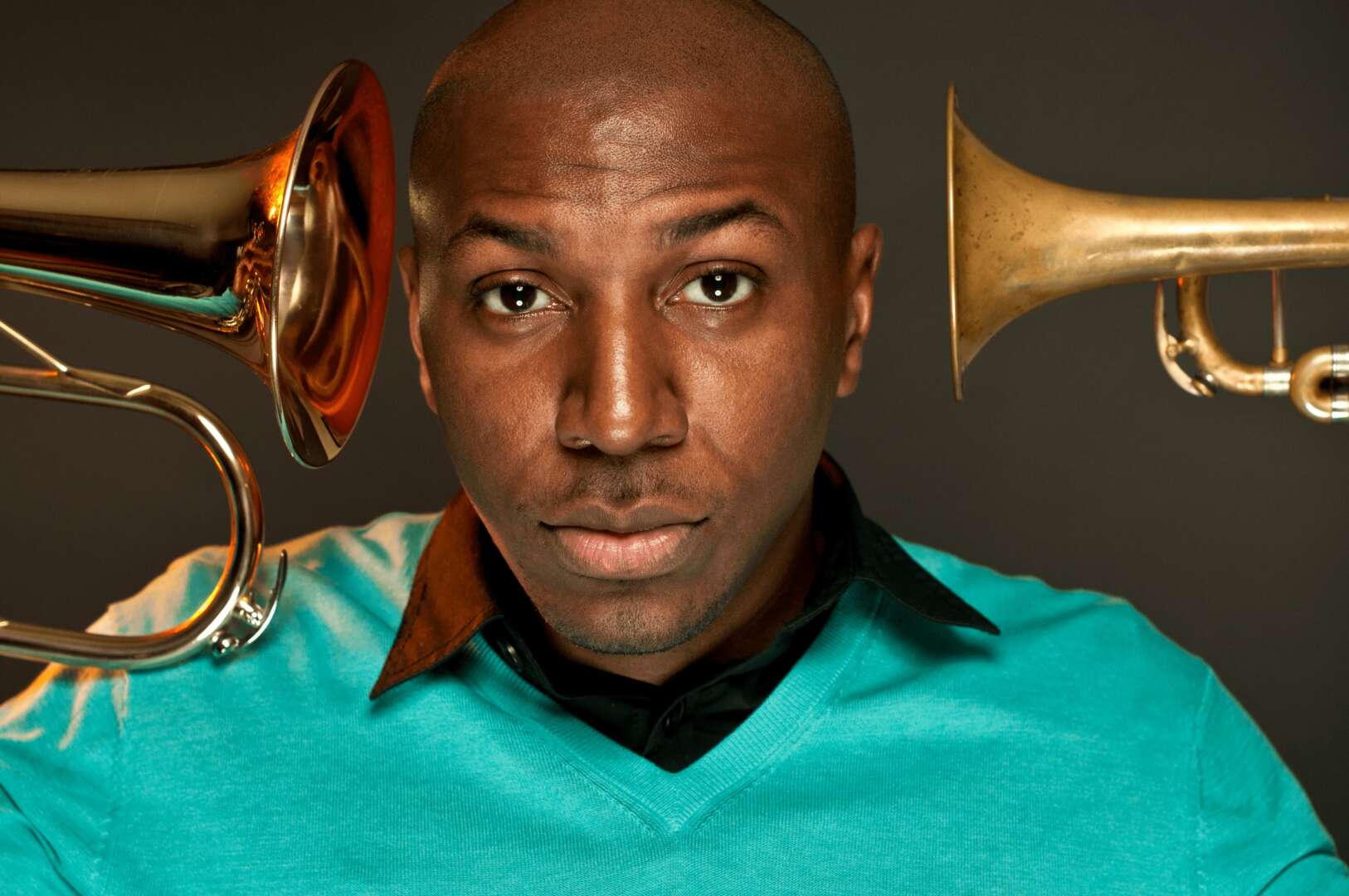
As stated before, I started playing trumpet at age 3 in New Orleans. When I lived in New Orleans, I got to play with many great musicians. I attended the same performing arts high school, The New Orleans Center of Creative Arts. Wynton Marsalis Bradford Marsalis, Trombone Shorty, Jon Baptiste, Harry Connick Jr, Nicholas Payton, and many other talented people have gone there.
At age 9, I was selected from a nationwide search for the role of young Luis Armstrong in the touring/Broadway show Satchmo: America’s Musical Legend. Rehearsals were held in New York City. I immediately fell in love with New York City because of the pace and activity. If you wanted to prove how great you were, you had to come here and prove it! I loved it so much that I wanted to move back when I got out of high school to New York City. New York represented so many things that differed from New Orleans. The sky was the limit regarding creating opportunities for yourself; after high school, I moved to New York City and enrolled at The New School For Jazz and Contemporary Music. I worked with many jazz legends such as Frank Foster, Oliver Lake, Buster Williams, Jon Hendricks, and many others at a relatively young age. I will see my first break when I auditioned and was selected to tour the miseducation of Lauren Hill World Tour back in 1998 and 99. Seeing how the business and production side of Music worked opened up an entirely new world for me. That’s where I started to find out more about the business of Music and the production side of Music, away from just the performance element, which made me aware that there were different avenues that I needed to pursue to have a sustainable career as a creative.
My career has been a diverse musical journey, working with various groups and artists. From collaborating with global sensations like Shakira and Wyclef Jean, to performing with the Saturday Night Live Band, and contributing to the Music of Jay-Z and Mary J Blige, I have experienced the breadth and depth of the music industry.
One of the things about working with big-name artists is that people always think you’re busy when they see you on TV so that they won’t call you. That leaves you in a tricky position because, often, those tours will get canceled at the last minute, and you’re left hanging out to dry. Being a good producer and understanding various kinds of Music has helped me in many ways. After one of these dry spells when I wasn’t on tour, I returned to school and got my master’s degree from NYU. It was my way of ensuring that I always kept some kind of money coming in.
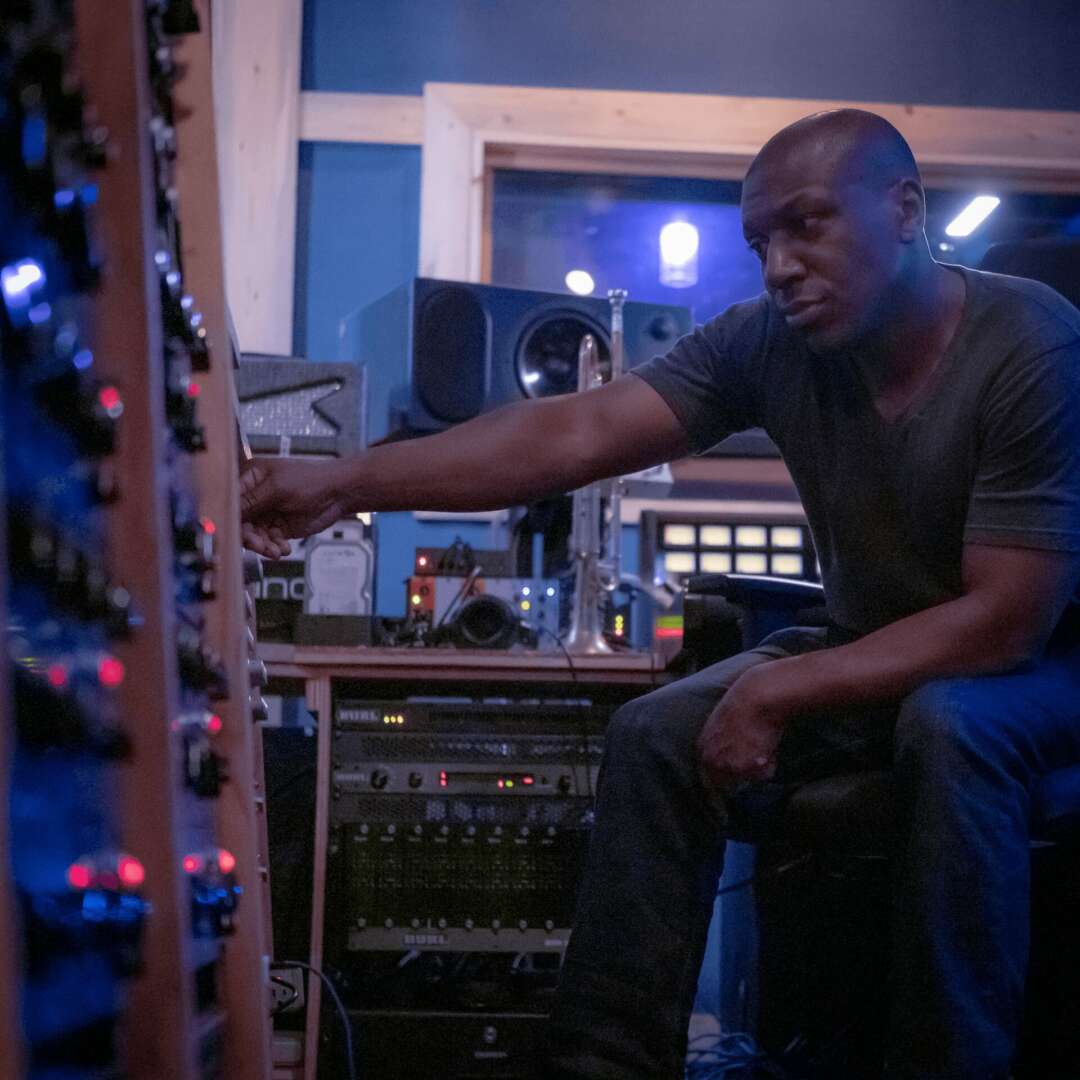
I decided not to do anything performance-related. I chose to get my masters in scoring for film and TV. It was the most brilliant move that I made. After graduating from NYU, I got a job writing Music for TV and radio at a few jingle houses in New York City. After that, I hustled a featured film, “Three Can Play That Game,” starring Vivica Fox. That led to me scoring films on the independent film circuit. I teach music production and business at Hofstra University in New York. I also score for TV shows on Revolt TV and for ads with JP Morgan Chase. I have a music supervision/scoring company that I own called Art Vs Transit. Ultimately, everything goes back to playing trumpet, which I still do.
For you, what’s the most rewarding aspect of being a creative?
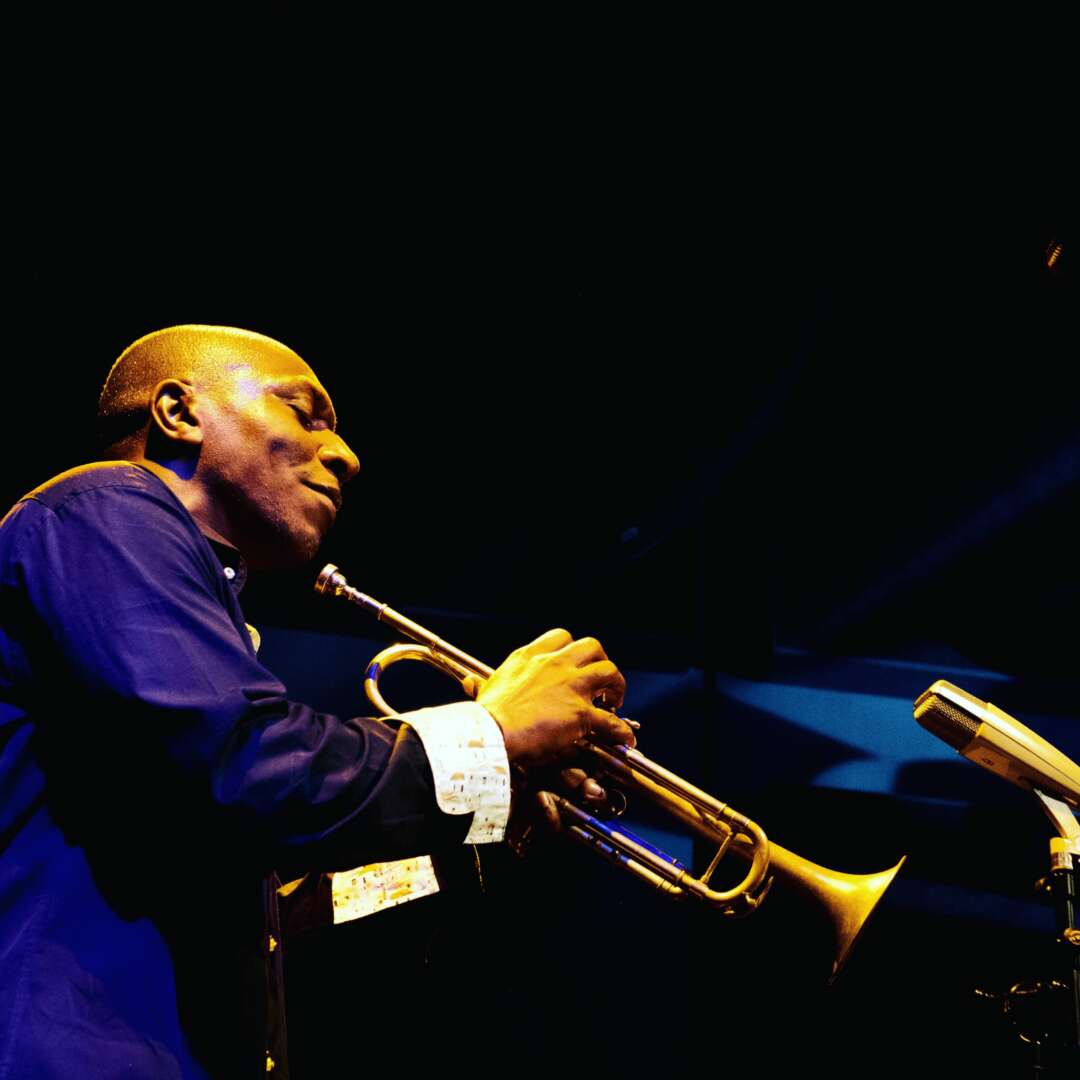
The most rewarding part about being an artist and creative person is that creating and perfecting your craft is therapeutic on many levels. Without music, I genuinely think that I would have gone insane! How do people who aren’t creative and cannot express themselves emotionally and artistically cope with the world? I play trumpet, so I must take a deep breath to get the instrument to work. I’m not sure how other people cope. Writing and producing music allows me to momentarily escape from the daily grind and the sudden changes that life brings you. Creating music, under the right circumstances, is an escape, joyous activity that heals and brings people together.
Is there something you think non-creatives will struggle to understand about your journey as a creative? Maybe you can provide some insight – you never know who might benefit from the enlightenment.
The biggest thing that non-creative people need help with in regards to understanding the journey as a creative is that many people are taught that they have to depend on other people to make a living. For a lot of people, art is a form of entertainment. They say it as some pastime. You’ll hear people say, “That’s cool. Now, what do you do to make money?” A lot of people, especially when their children, are automatically creative by default. But society, especially in America, drives home the message that you must go out and work for somebody, giving you a false sense of security.
You must be great at your craft to get your phone to ring consistently for work. Dealing with disappointment and experiencing “near-misses” are part of life. It’s the same thing that the people who own the company you work for have to do. For creatives, that work falls on you. to keep that work coming in. Of course, there are plenty of moments of uncertainty and doubt, but dealing with that is part of the game. Many people fall in love with the false concept of things being certain. That’s not what life is.
Contact Info:
- Website: https://Yattamusic.com
- Instagram: https://www.instagram.com/kenyattabeasley/
- Linkedin: https://www.linkedin.com/in/kenyatta-beasley-38411a52/
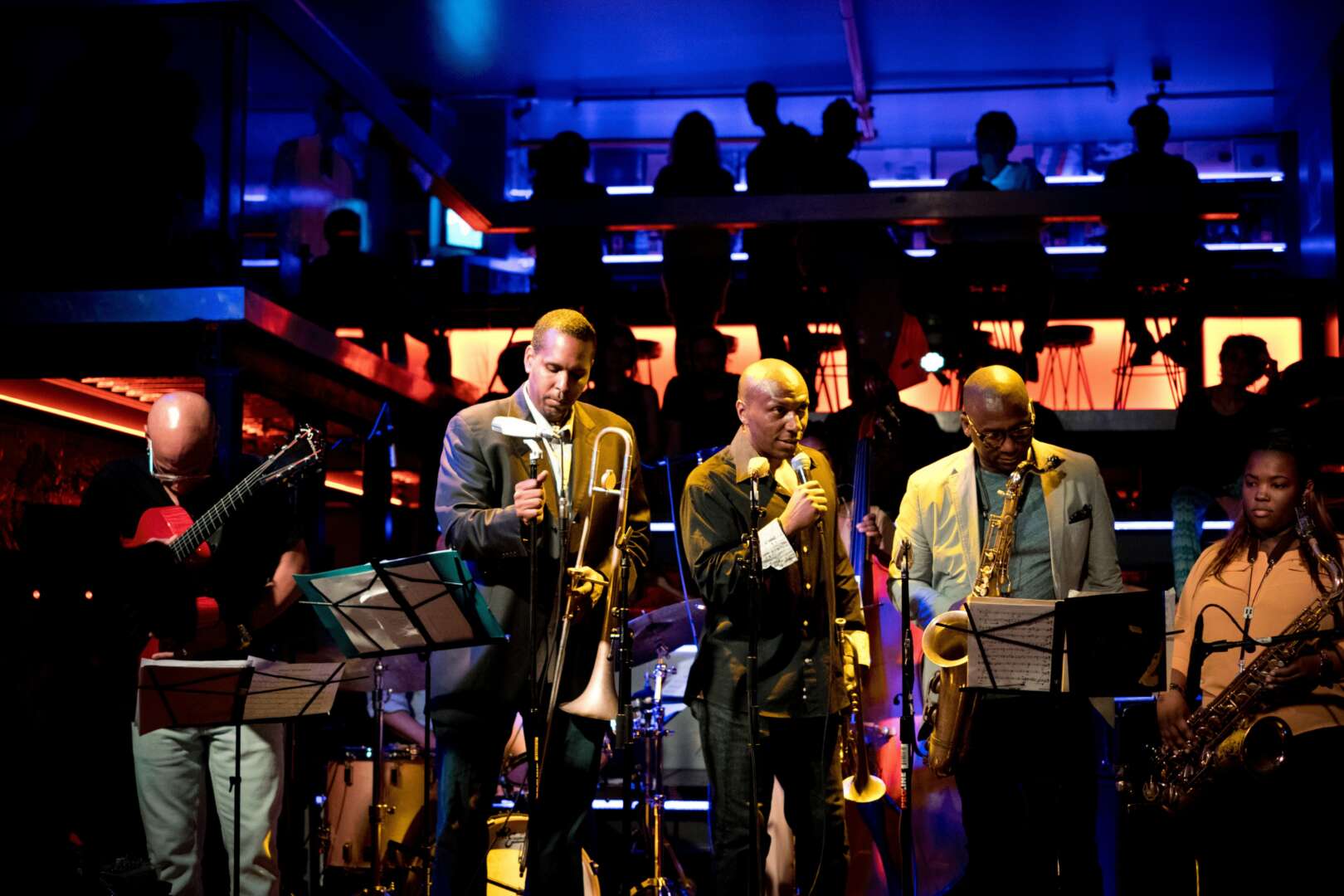
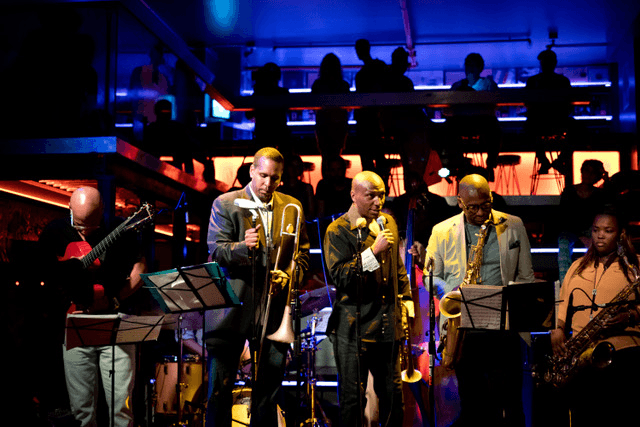
Image Credits
Photos: Paul Bae