

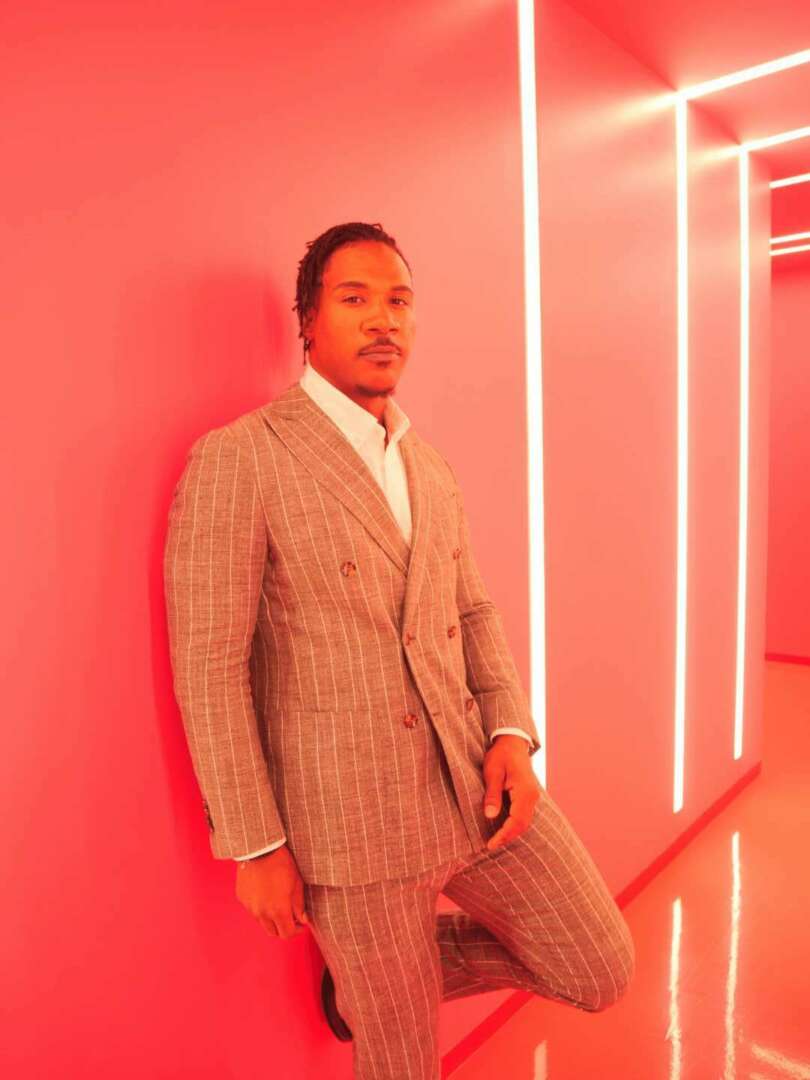

We recently connected with Brandon Whipple-Beachum and have shared our conversation below.
Brandon, thanks for joining us, excited to have you contributing your stories and insights. How did you learn to do what you do? Knowing what you know now, what could you have done to speed up your learning process? What skills do you think were most essential? What obstacles stood in the way of learning more?
I learned what I do through a combination of educational and professional opportunities. As a university student, I studied subjects adjacent to my interests. I had always wanted to work in advertising, and in university had the opportunity to study advertising and public relations. And when fortune guaranteed me an opportunity to take on a second major, I then took on psychology, feeling it would be a worthy adjacent study to amplify my understanding and my unique perspective of the advertising industry. Subsequent jobs would take me around the world conducting interviews of high-ranking government officials, to places like Bulgaria and Trinidad and Tobago. Working with a start up I had the opportunity to work abroad in London and build ad operations for the entire organization servicing the EMEA region. During that time, was blessed to travel abroad teaching my colleagues in outer offices like New Delhi, India, Shanghai, China, and Tokyo, Japan.Recent opportunities at Google and TikTok have provided me both exposure and direct knowledge of the systems in which I have built a foundation upon understanding those that make marketing happen. I learned what I do by being a hands-on keys operator, by managing these platforms, trafficking these digital media assets, pairing and matching sound inputs when uploading creatives to DSPs, by reading contracts around managed services agreements for platform usage, and by being first to know on product rollouts in order to craft a sales narrative for product positioning. Each opportunity that I’ve had the grateful pleasure of occupying has granted me deeper and more exposure in my chosen field of advertising technology.
I learned what I do through a combination of educational and professional opportunities. As a university student, I studied subjects adjacent to my interests. I had always wanted to work in advertising, and in university had the opportunity to study advertising and public relations. And when fortune guaranteed me an opportunity to take on a second major, I then took on psychology, feeling it would be a worthy adjacent study to amplify my understanding and my unique perspective of the advertising industry. Subsequent jobs would take me around the world, quite literally, to places like Bulgaria and Trinidad and Tobago. Recent opportunities at Google and TikTok have provided me both exposure and direct knowledge of the systems in which I have built a foundation upon understanding those that make marketing happen. I learned what I do by being a hands-on keys operator, by managing these platforms, trafficking these digital media assets, pairing and matching sound inputs when uploading creatives to DSPs, by reading contracts around managed services agreements for platform usage, and by being first to know on product rollouts in order to craft a sales narrative for product positioning. Each opportunity that I’ve had the grateful pleasure of occupying has granted me deeper and more exposure in my chosen field of advertising technology.
There are a few skills that I thought were most essential. a list of three would be Ingenuity, Resourcefulness, Intentionality. The first, ingenuity. Problems continue to arise. Industries change. Job titles change. Business needs and demands change. Budgets change. The times themselves indeed change as well as the tide of the industry. Being malleable, being someone who is dynamic and resilient, able to withstand the tides, is probably the biggest asset and resource anyone can have in the marketing and advertising industries. The experience is compounding. So with each new opportunity, so long as it is not backward, it certainly builds upon the understanding and the knowledge acquisition of any participant. Another skill is resourcefulness. Relationships are a true capital in the marketing and advertising industry. Virtually everyone I know now is doing very well. Virtually everyone I’ve worked with has ascended and is operating in new roles and titles. Many of my college university classmates are operating in very major companies and positions across the country. Having a healthy network, being someone who is accountable, reliable, and who shows up and people have a fond memory of, is social capital that can’t truly be bought. Money can get you in the room, but relationships get you the deal. The last skill is less of a skill. But I would say to be intentional. It would be easy and would have been easy for me to take many different jobs just for a title, just for a change of scenery, just for an increase in salary. But I didn’t do those things because I didn’t have a plan as to how they might serve me. I didn’t have an intention as to how I would use those opportunities. It doesn’t mean that I was right by not choosing them, but even perhaps placing more a thought and attention to what could have been potential outcomes may have resulted in a different trajectory of my career, but also for better or for worse. I feel that I am right where I ought to be and I’m ascending, which is fun.
What obstacles stood in the way of learning more?
In university, studying abroad as a student-athlete had yet to be done at my school in its over hundred year history. But as a Penn State football athlete with a deep affinity for the Spanish culture, studying the Spanish language, I felt that I was entitled to any other opportunity a student would have to study abroad, learn a different culture, and study language so long as it pertained to their educational aspirations. I, at the time, was studying Spanish as a minor. The pushback from both the football team and in part some university staff members was high. But several people told me I was capable, that I had earned such an opportunity, and that I deserved the chance to have such an experience. I conducted petitions, drafted letters of recommendation and letters of referral for professors, dean associates, and advisors alike, all in a quest to vie for character references as well as academic excellence that would substantiate my ask to study abroad.
I’ve had many opportunities stand in the way of my development and my learning more. On several occasions, it was simply the time it took to dedicate to the opportunities. Working and living in New York City, there are more than a few opportunities to learn and develop one’s skill set. But each of them demands something different. Many of them have exorbitant fees. Many of them require and demand your time and attention, oftentimes beyond what anyone who is working hard to support themselves can offer. Many different times in my life, money has kept me from pursuing an opportunity, including in development, which has taught me that I could both be both wiser with my money, managing, contributing to a budget that is for my own personal self-development in the same way that I might build in a budget for going out or shopping for groceries. Also, people are, again, the biggest capital. And many a time, I’ve come across individuals who, when I contributed to their lives or programs, efforts that they themselves were involved in, I found myself also reaping the benefits of such a relationship. There was a gentleman who had his own consulting organization who was raising young professionals and developing them into graduate school-ready candidates. Through his stewardship, I was personally accepted to Cornell’s MBA program, a one-year accelerated program specifically for technology MBAs. My luck, the program began the same summer after COVID began. When the program was moved to online, I opted not to continue, deciding that the six-figure tuition was not as well spent if I had to take classes from my living room. This was an instance where natural disaster stood in the way of my knowledge development. But in the end, it was a conscious decision to weigh the pros of the education versus the cons of having missed out on the campus life, meeting and enjoying classmates, as well as developing a network through professors and alumni. And in other instances, it’s been leadership that has helped me to learn leadership as an employer who, for one reason or another, would not invest in my personal development as an employee and as a future contributor to the organization. I faced many obstacles as it pertained to my individual development. The one that I know is beyond anyone’s control but mine is what and how I spend my time to develop my personal skill set, whether it be through personal jobs, relationships, information that I take in, or third-party resources that I’ve leveraged. Each of them has had the intention of building my skill set, my knowledge, and my understanding to be a better professional person, friend, and son. And future husband and father.
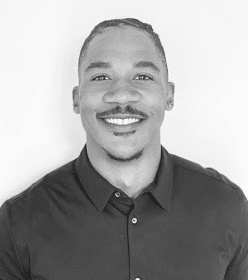
As always, we appreciate you sharing your insights and we’ve got a few more questions for you, but before we get to all of that can you take a minute to introduce yourself and give our readers some of your back background and context?
Ironically enough, I found advertising from a movie that I saw in 2001. The movie was called What Women Want. Ironically, the plot of the movie is how a man uses his supernatural ability to listen to women’s thoughts to sell them, and make the appeal to women’s of Nike products; a previously otherwise untapped market of athletics consumers. Even at the young age of 11, I found the concept of using women’s thoughts and motivations to sell them a product fascinating, and I realized and understood that that’s how advertising works. That’s how the whole system of marketing and making products appealing works. It was at that time that I decided to study to put myself adjacent and as close as possible to creating the content that makes people make decisions. I studied in university Advertising & Public Relations eventually taking up Psychology as a second, sequential major. I eventually took on jobs of different kinds from media production, creating documentaries in foreign countries like Bulgaria, Trinidad & Tobago and Panama, to recruiting in IT and technology. I leveraged the latter role to make my own first pivot into the digital media ecospace, working for a media agency working for a media agency in a digital team capacity as a campaign manager. My work experience from that time on would span from startups, for which I had relocated to London and worked in remote offices in Japan and China, to tech behemoths, having worked for Google in a sales capacity, and now to my current role at TikTok, where I also am a sales partner. In my spare time, I found work to do things that are more aligned with my passion, which are advancing knowledge of the digital technology industry and supporting the health mentally, physically, and emotionally for people of color, specifically men. I found opportunities to partner with organizations like Black Enterprise, even The Lives of Men, which specifically focuses on the health and mental wellness of men of color. I’ve used my expertise and prowess navigating the digital media technologies and the integration therein that enable and allow business to happen, to help scale independent companies and magazines, and today organizations that offer collectives for black and minority media publications. I’m most proud of the fact that I’ve inspired people close to me and people around me and my family to pursue careers in marketing and advertising. This industry sees some of the largest money transactions the world knows, and these jobs are not far off. These skills are not difficult to develop, and these concepts not complicated to grasp. If I could do nothing else, it would be to evangelize the opportunities that exist in this field and pave the way for other brown and people of various minorities toward these opportunities that could quite literally change their lives, i.e. having worked for a public company or pre-IPO organization, even an organization that simply is impacting the world in a profound way, like No Kid Hungry, where I supported with on many marketing campaigns. I’d say that’s probably the work that I’m most proud of, raising awareness for causes that help and support people. There was No Kid Hungry in New York and in the UK another organization for which we had developed a concept to help women who may have been in abusive relationships find shelter and resources to get help.
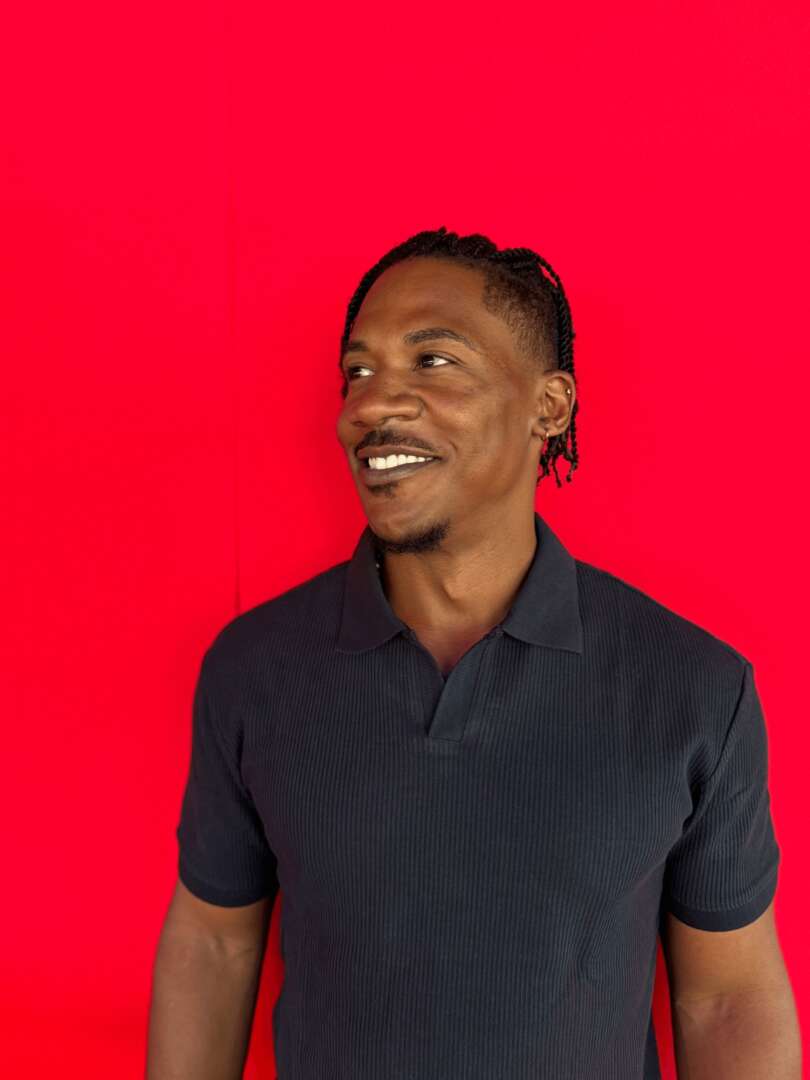
We’d love to hear your thoughts on NFTs. (Note: this is for education/entertainment purposes only, readers should not construe this as advice
I think NFTs are ahead of their time. There’s something really exciting about coming across a product or a technology that seems like the rest of the world is not ready for it. It’s like CDs before everyone had a CD player, floppy disks soon after that, and USBs at a time when everyone was still just figuring out how to burn music onto a disk. All of these things came at the drop of a hat, and even at the time they seemed like flashes in a pan, but they were the beginning of something much greater, the cloud, in many instances. The idea and concept of harvesting something that would have much more value in smaller quantities so long as it was tangible and ideifiable, tethered to a device, to an account, to a provider. I think NFTs have something similar going for them. We have no idea where digital content is going. And because of that, anything that has tangible value that lives online, in my opinion, is worth owning a small piece of. It’s like the land rush at the beginning of the turn of the century in America. No one had any idea what 2,000 acres would do out in Ohio or Texas. Today, those are strip malls. In the future, those will be digital strip malls, and they’ll need content from Michael Jordan to LeBron to Super Bowls to Tony Hawk on skateboard. NFT’s the wild, wild west.
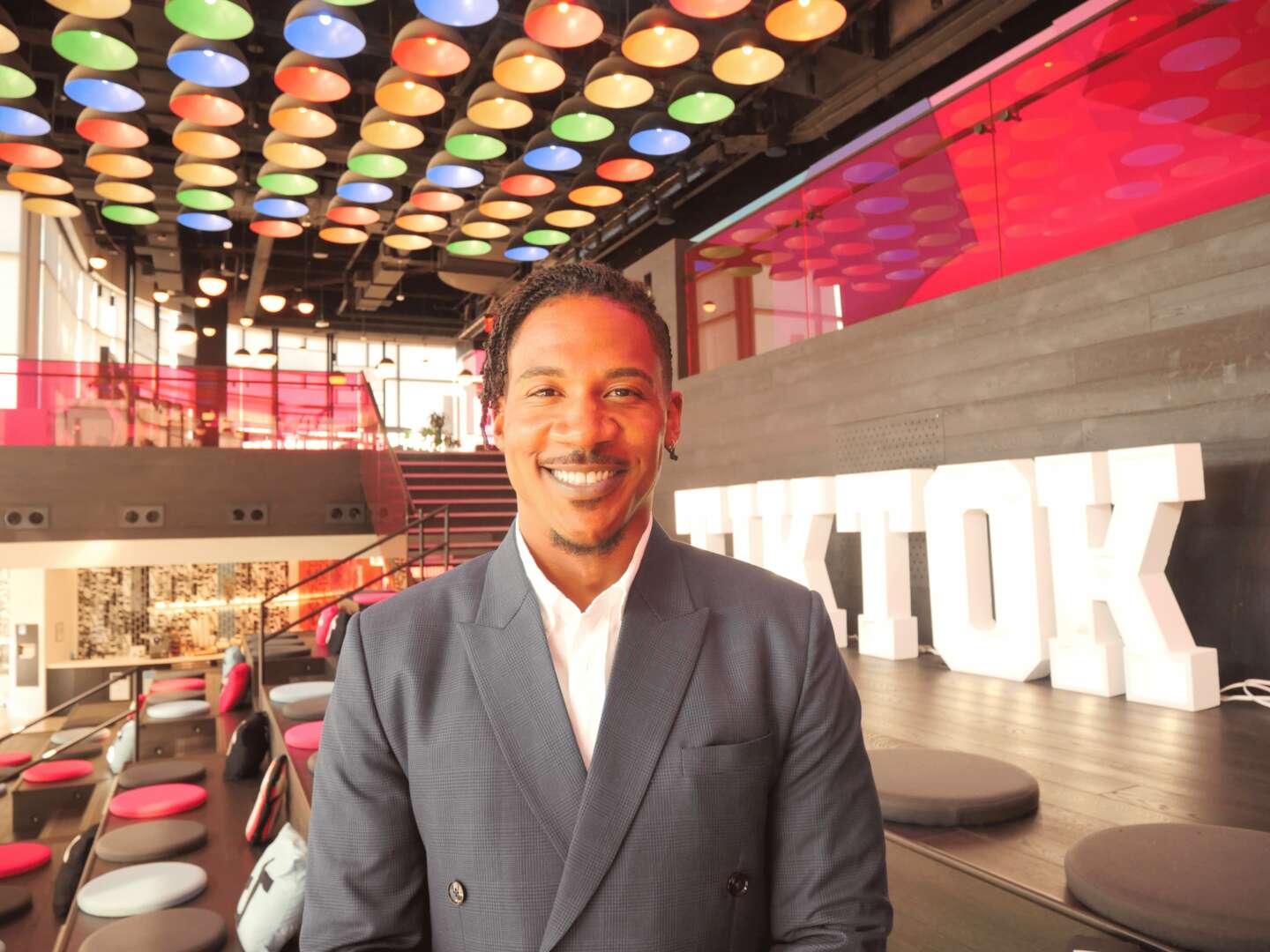
How do you keep in touch with clients and foster brand loyalty?
In my line of work, there’s no substitute for face time. It’s true what they say, people buy from people they like. And the only way to truly like someone is to get to know them and to spend time with them. When you know what someone’s going through, it makes it easier to ask for more time. It makes it easier to say sorry and ask for a break. It also makes it easier to have difficult conversations. I prioritize face time, living in New York makes that easy. For clients here, there’s no shortage of restaurants, bars, and parks to take coffee and have an afternoon chatted. Also, having access to international airports makes it easy to jet off to places like Miami, Los Angeles, and even internationally for meetings that are no longer than an afternoon, but for clients in between, seeing a face from a major partner can be the difference between renewing a contract and choosing to lower costs to find different service providers. The occasional swag drop never hurts either. Anything that reminds your client of you in a time of need, I say, is an opportunity to create brand value for yourself and the services that you provide.
Contact Info:
- Instagram: https://www.instagram.com/bmw.beach/
- Facebook: https://www.facebook.com/bbeachum1/
- Linkedin: https://www.linkedin.com/in/brandon-whipple-beachum/
- Soundcloud: https://soundcloud.com/beachdaydream
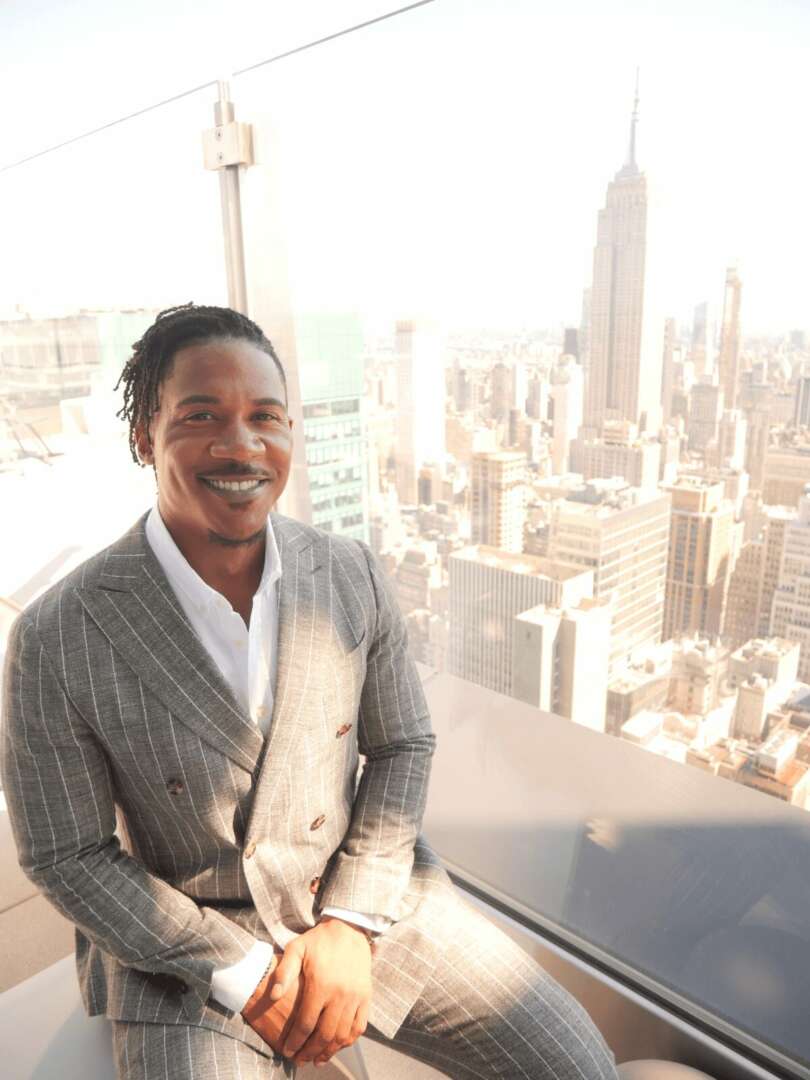
Image Credits
@mataxesmedia
Tia Mataxes