
We were lucky to catch up with James Delhauer recently and have shared our conversation below.
Alright, James thanks for taking the time to share your stories and insights with us today. What’s been the most meaningful project you’ve worked on?
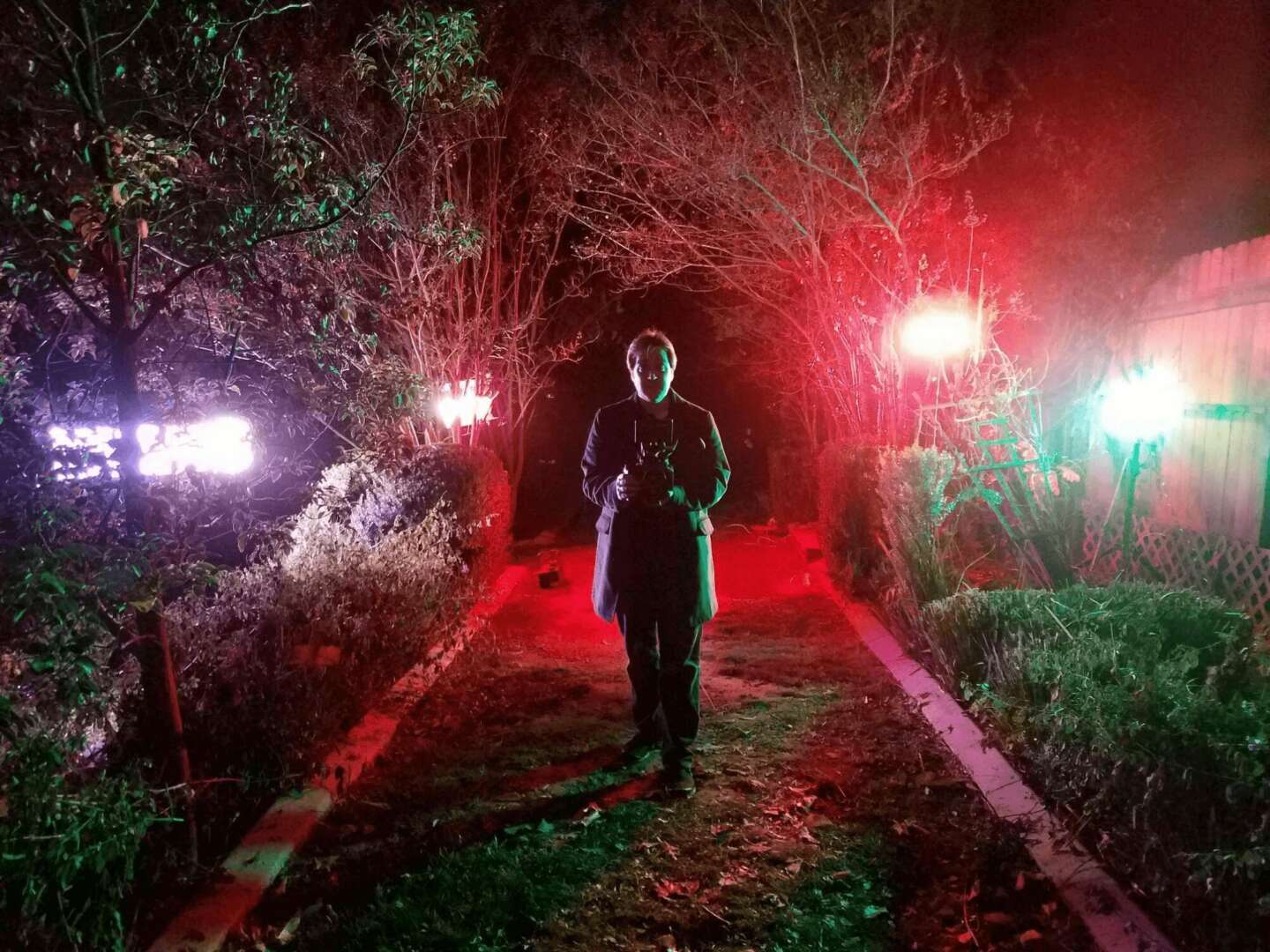
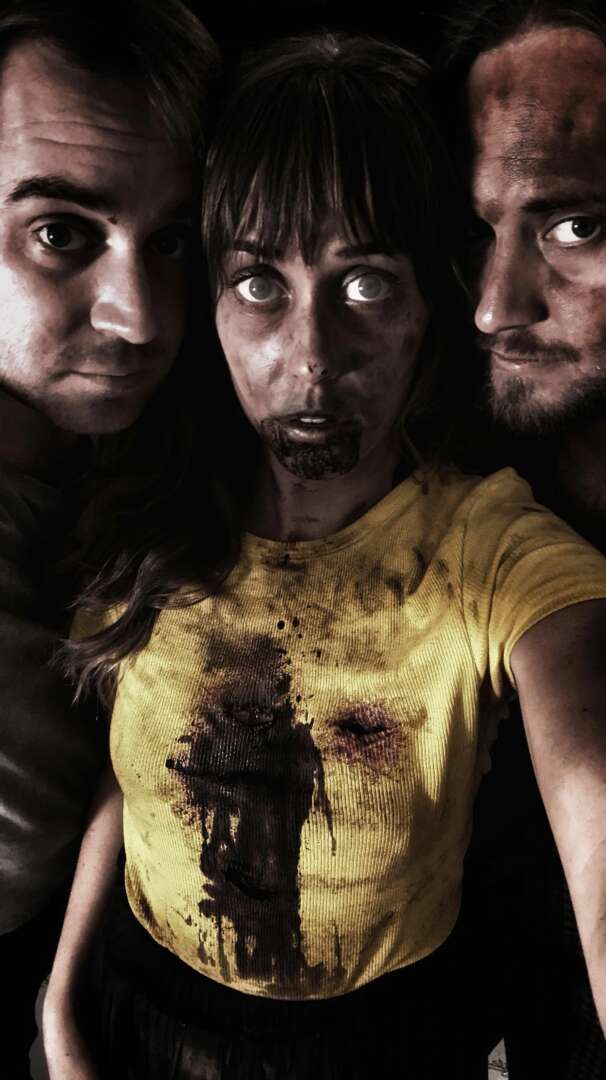
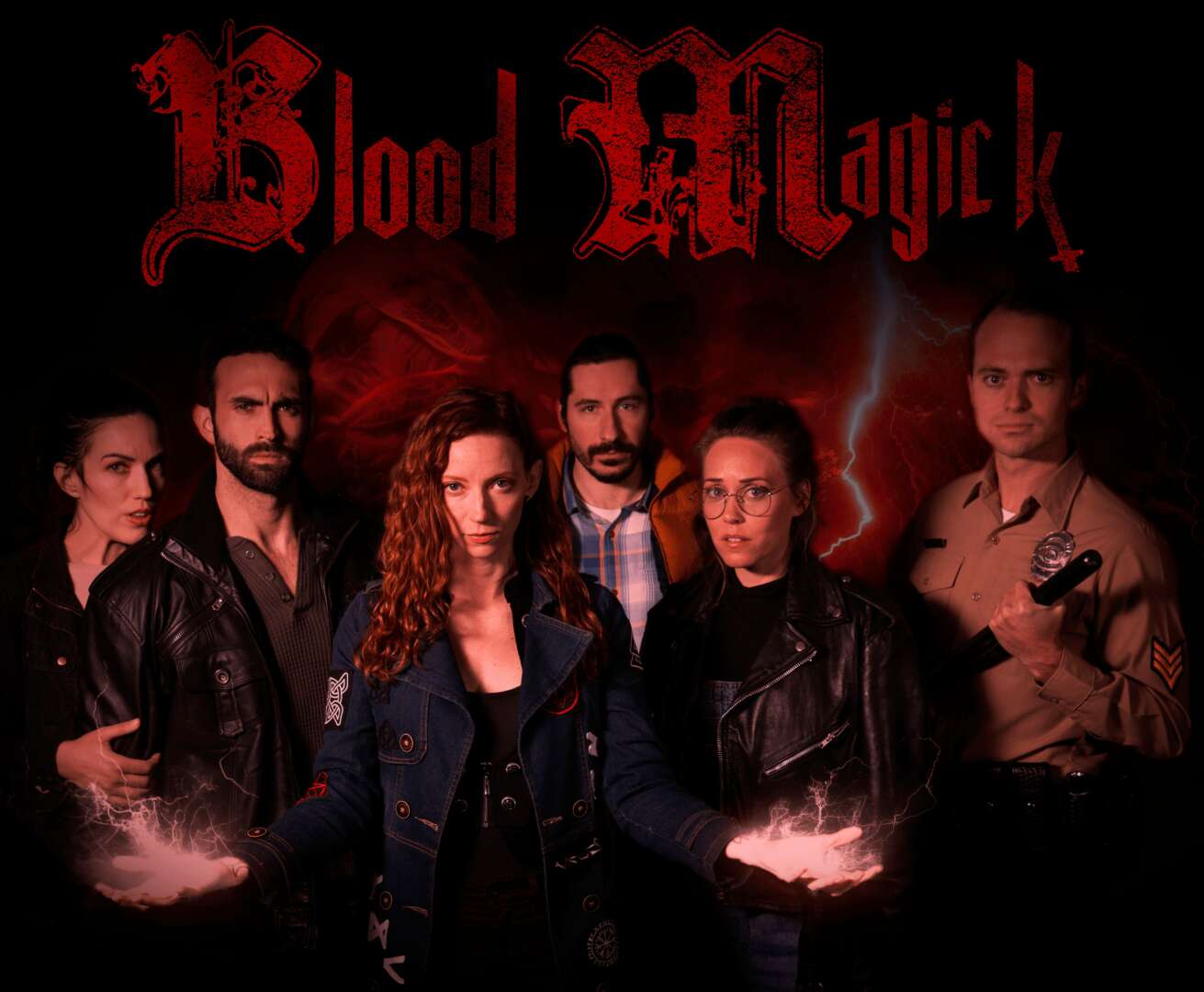
This year, my brother Micah and I completed work on our first independent feature film, “Blood Magick,” and I’m not sure there’s a word to sum up the emotional rollercoaster that this project has been.
On a purely positive note, it’s the actualization of a lifelong dream to make a family project on this scale. Since I was in high school, my brother and I have been collaborative partners on almost all of our films. We started trying to get funding for our first feature project back in 2015. It took a little longer than we would have liked, but here we are. And when I call it a family project, I mean that it was the whole family. Our sister, Laura, is one of the starring leads in the film. Our parents have voice cameos and contributed behind the scenes. Our grandmother and our aunt, neither of whom are with us any longer, helped to finance the film. My dog has a cameo. So when the credits roll, you’ll see our last name a lot and that means the world to me.
The story itself is deeply personal. Micah may have written it, but in the course of producing and shooting it I had to find my own connection to the characters and what was happening. Our main character is a witch who comes with a lot of emotional baggage and trauma. In many ways, she reminds me of my aunt and producing this film, especially when we were using her money to bring that character to life, helped me feel close to her again and brought a great deal of catharsis and closure in the wake of her passing.
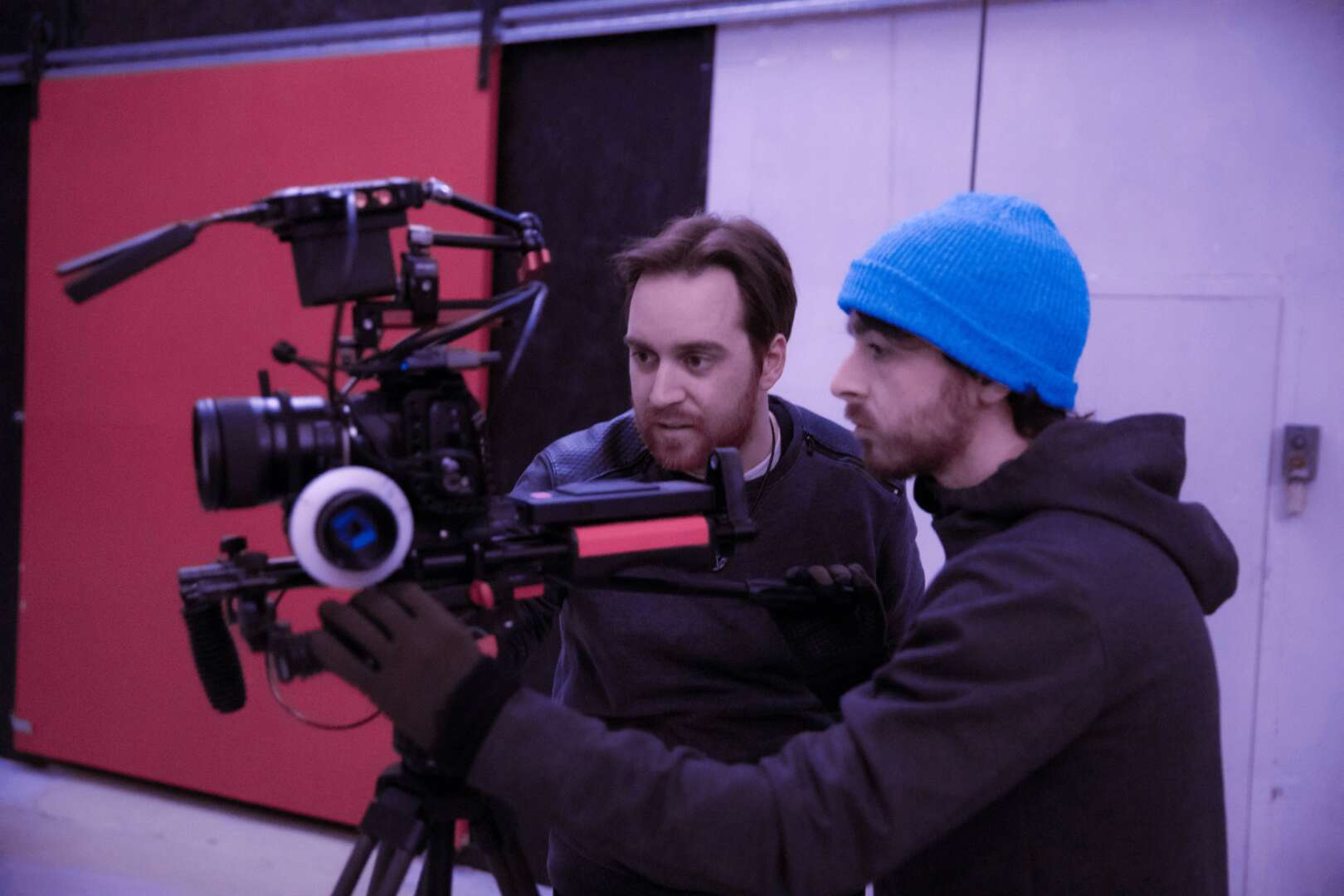
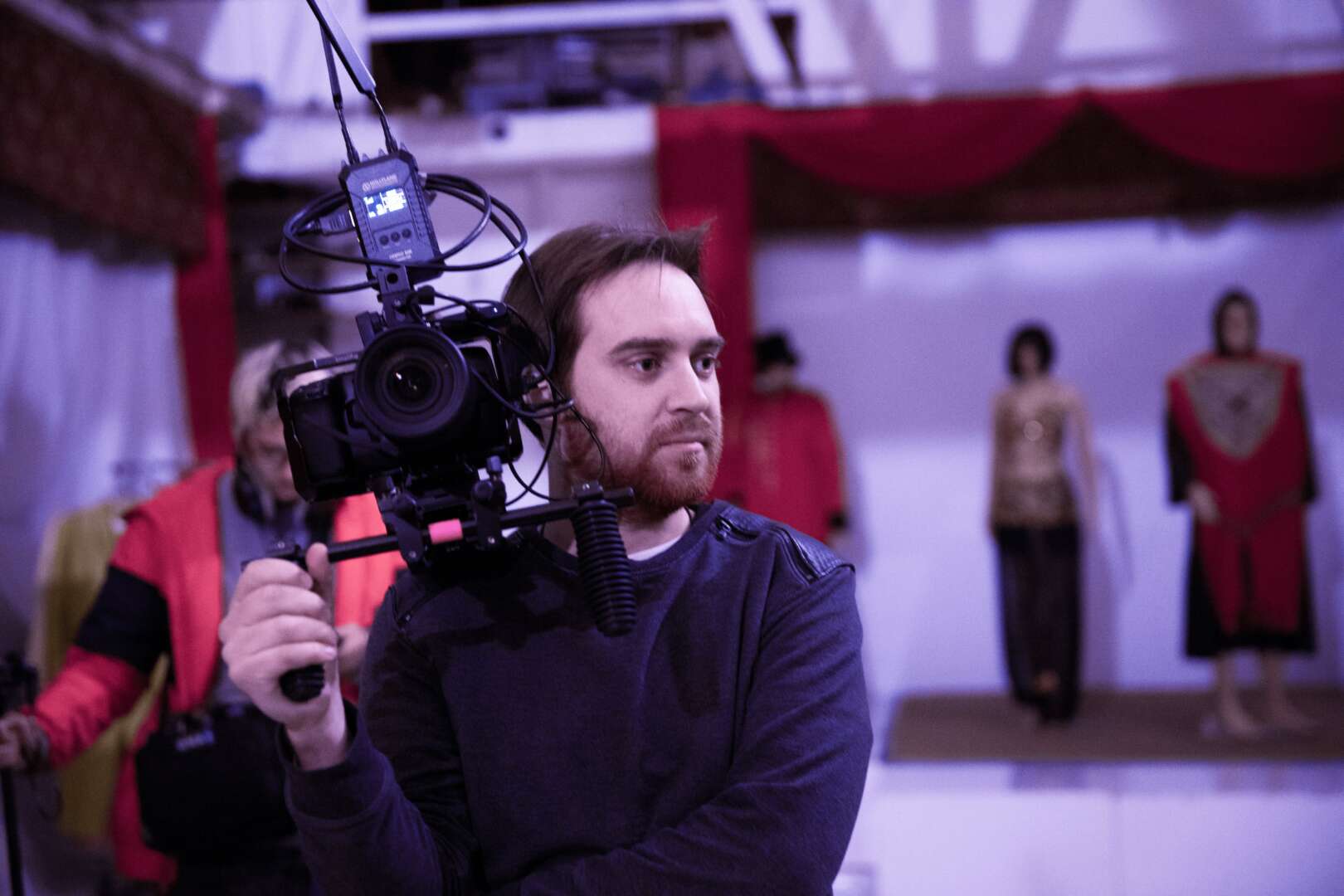
But, it was also the most soul sucking, all consuming vampire of an experience I’ve ever had. We split producing duties while he served as Director and I was the Director of Photography. That left us without anyone to do a lot of the on set work a producer handles on the day-to-day, which was challenging to say the least. We began shooting the month before the COVID pandemic kicked off and the world went into lockdown. We had to stop shooting with less than half the film in the can. Then when we came back in 2021, we had a COVID outbreak on set and had to shut down again. Ultimately it was three shooting blocks over the course of three years, followed by a grueling post-production process that mostly consisted of just my brother and me. Everything that could go wrong did go wrong and I won’t pretend that there weren’t days (or weeks… or months) when I wanted to throw in the towel. However, with the film complete and ready to hit the festival circuit, I can now say that that is something that we conquered. I’m immensely proud of my entire family for making it through this five year journey and having something we’re so excited to share with people at the end of the day.
And, I’m profoundly grateful. We didn’t have a lot of money. People definitely continued to support the project over the long haul out of friendship or belief in the project itself. Seeing the community that rose up to support us throughout this ordeal has been incredible. Actually, grateful doesn’t seem like a strong enough word. Super duper grateful.
James, love having you share your insights with us. Before we ask you more questions, maybe you can take a moment to introduce yourself to our readers who might have missed our earlier conversations?
The arts run in my family. My grandfather, Robert Hilliard, was a writer who worked on several television series and created several stage plays. Both of my parents were performers when they were young. I grew up with a brother and a sister who were involved in theater, choir, and video production. So winding up in this industry almost seems like it was inevitable. I started off by trying to compete and outshine my older siblings. Anything they could do, I could do better. That sort of thing.
But as to how I got my actual start, I picked up my mom’s camcorder and started shooting terrible action movies with my friends where we hit each other with plastic swords.
Then I took video production in high school and started making slightly better terrible movies with my friends.
Then I went to film school and the amount of terribleness slowly receded.
My “start” was making terrible things until one day I had made something that wasn’t terrible and I had a lot of help along the way.
But to anyone looking for advice on how to get started, I have four inter-connected tips.
1. Embrace making terrible things. You have to do that a hundred times before you make something good. Perfection is the enemy of greatness and you will not succeed if you are afraid to fail.
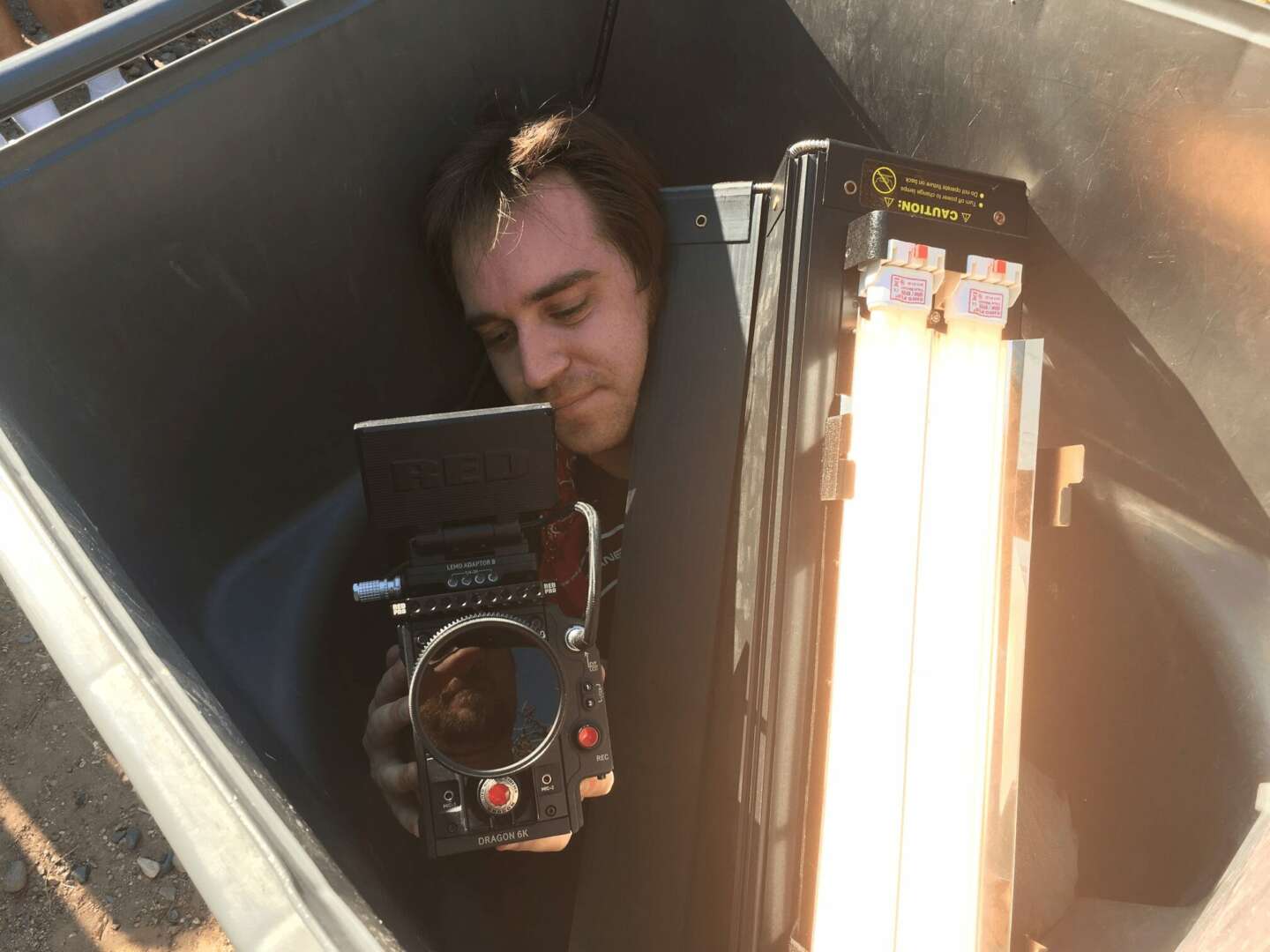
2. Embrace the “Jack of All Trades” mentality. I started off wanting to be a writer and director, but I didn’t have a crew to production design, costume, light, shoot, edit, and sound design my projects for me. So I learned to do all of those things for myself. When I wasn’t satisfied with what I’d done in one area of a project, I’d spend time researching how to do it better online and I’d do it better next time. I wouldn’t call myself great at all of those things, but you’d be amazed how having a fundamental understanding of many crafts of filmmaking will put you ahead of others in the industry. Not only does this allow for smoother communication and coordination between departments when you’re working on a project, it also allows you to fill multiple niches on set while you’re still in the process of learning and that brings us to:
3. Network, Network More, and then keep Networking. It’s all about who you know. How do you get to know people? You need to be of value to them. That might feel dehumanizing, but that doesn’t mean it’s not true. Nobody’s looking for a best friend in Hollywood. They’re looking for collaborators and you might get lucky to find a best friend in the process. Some of my longest last relationships in this industry started out as nothing more than, “Hey, I can do that thing you need.” Invest in people and, usually, they’ll invest in you. A word of caution though. This is also an industry of narcissistic sociopaths. Some people will use you up and leave you with nothing. So while I encourage networking and collaboration as an investment, know when you’re being used and abused and kick the people who do that directly out of your life. And:
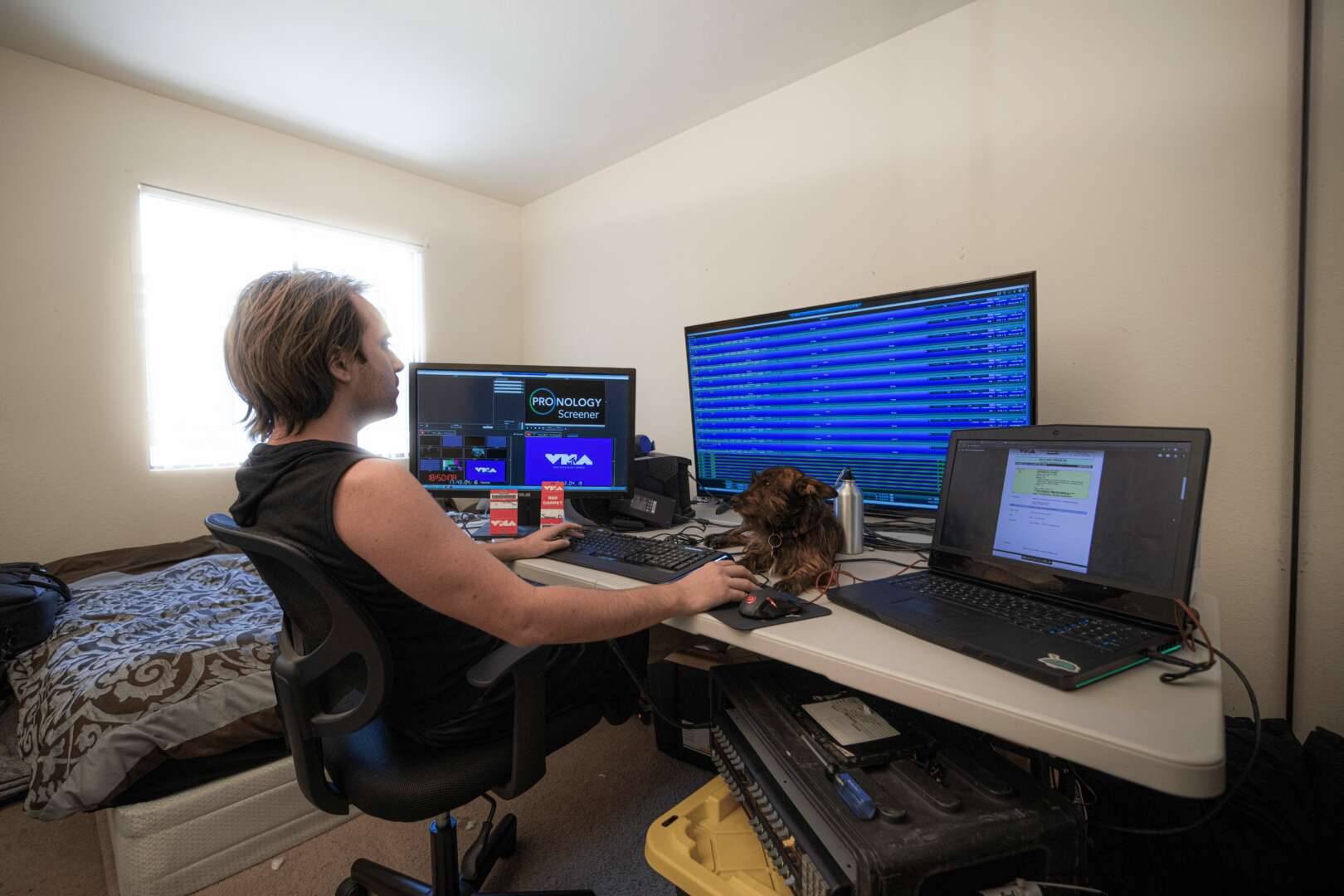
4. This is the big one. Embrace the unexpected. I didn’t get into this business expecting to become a Video Engineer or a Cinematographer. Those were pleasant surprises that I fell in love with. Video Engineering started off as nothing more than a cash cow to get me by until my “real” career took off. Cinematography was a skill I developed because my brother wanted to shoot things and couldn’t always tell when the camera was pointed at the wall or not. However, Video Engineering became my career, put me onto some of the largest live television productions in the country, and got me involved in nationwide contract negotiations with the Hollywood unions. Cinematography allowed me to achieve my dream of making movies with my brother. Sometimes the opportunities we aren’t excited by at first have the potential to reshape our lives in the best ways possible.
How about pivoting – can you share the story of a time you’ve had to pivot?
Oh yeah. A good career in Hollywood is all about pivoting.
Blood Magick was an endless series of stories where my brother and I looked at each other and said, “Well that didn’t work. Now what?”
As an easy example, I mentioned that we had to shut down due to the pandemic. And while that ballooned our budget and tacked two years onto the project, it also gave us some time we really ended up needing. During lockdown, Micah had time to edit what we had together and when we saw it all laid out like that, we realized that our third act just didn’t work. The hero and the villain felt disconnected. The conflict didn’t feel personal. It was kind of a mess. So after much bickering and name calling, we came up with and shot a new third act that I’m incredibly proud of. The characterization is much more focused. The overall story feels tighter. And, as the film’s cinematographer, I think it ended up being some of our best visual work in the entire project.
How can we best help foster a strong, supportive environment for artists and creatives?
We need to stop being afraid of our own feelings.
Art is supposed to speak to us. It’s supposed to resonate with something inside of us. That can be uncomfortable. Films made to express something about the world – especially in a world as messed up and divided as ours – are going to take us out of our comfort zones. We need to be exposed to all of the joy and tragedy and philosophy that filmmaking can communicate, otherwise we become desensitized to experiences that aren’t our own. But so much of what we connect with today isn’t art. “It’s content.” And don’t get me wrong, plenty of content creators are great artists, but so much of it is just a distraction. It’s escapism or wish fulfillment. YouTube and TikTok push creators to put something out every single day. Studios announce decade spanning slates of films without even outlining what those films might be about, meaning they’re conceived and green lit without having anything to say. Imagine asking Shakespeare or Arthur Conan Doyle or any pre-2008 artist to produce on that sort of a timetable. Do you think anyone has something profound to say about life, the world around them, or existence every single day? Hell, I’m lucky if I come up with something witty once a month.
So as hard as it is – and trust me, it is freaking hard – log off of Instagram. Delete TikTok off your phone. Stop falling asleep to YouTube videos. And then start consuming someone’s art. Go to a film festival. Go to an art gallery. Buy a book that only has three reviews that were all written by the author’s mom. And if you’re friends with any artists – I’m sure most people reading this are – SUPPORT THEM. Don’t ask your artist friends to shoot your wedding for free or to get you a free ticket to their show or whatever. Show them that you believe in them by commissioning them to create the art in your home or by paying for a seat at their performances.
We can all support the arts by becoming Patrons of the Arts, not Patrons of Content.
Contact Info: