

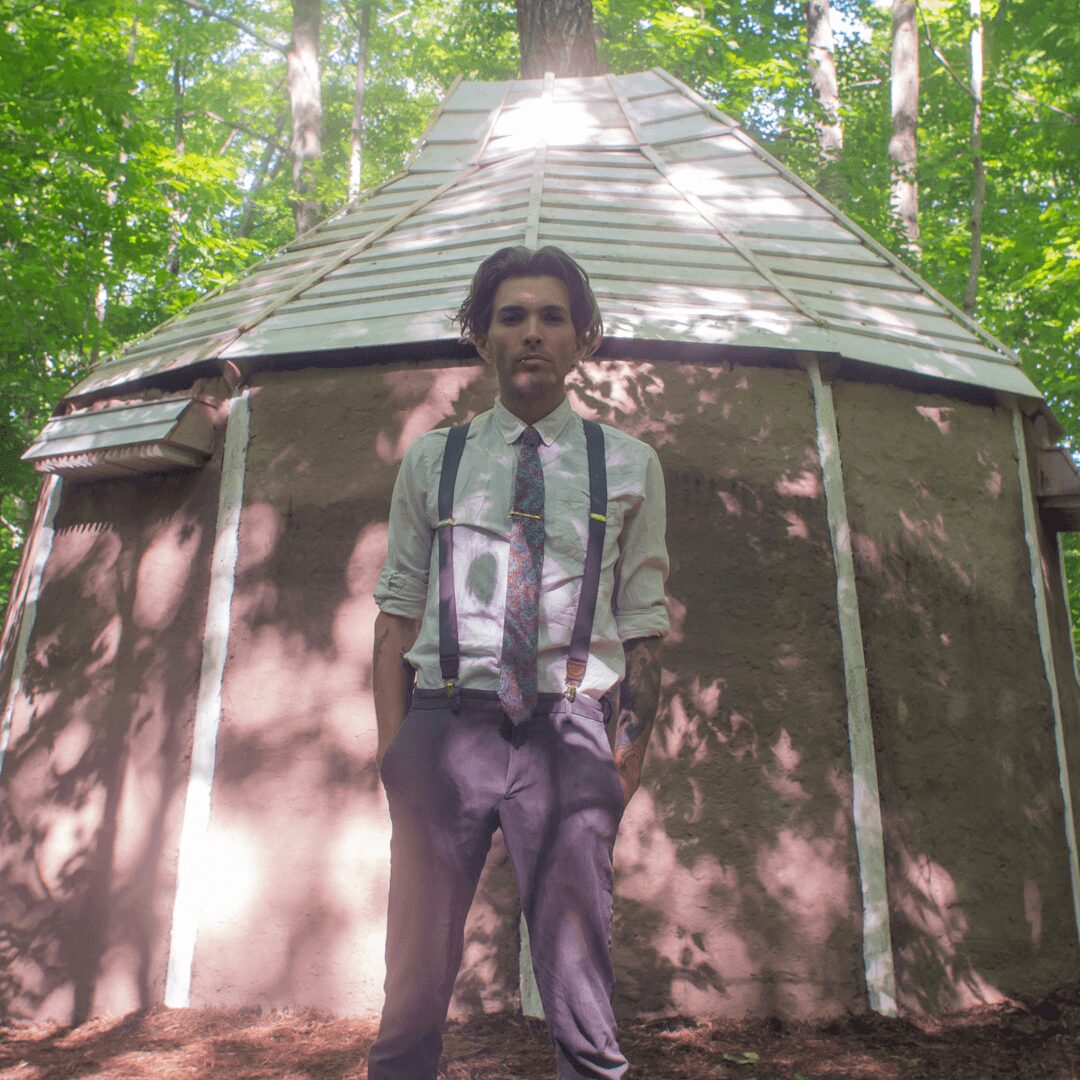

Alright – so today we’ve got the honor of introducing you to Justin Tyler Tate. We think you’ll enjoy our conversation, we’ve shared it below.
Justin Tyler, thanks for taking the time to share your stories with us today Earning a full time living from one’s creative career can be incredibly difficult. Have you been able to do so and if so, can you share some of the key parts of your journey and any important advice or lessons that might help creatives who haven’t been able to yet?
I’ve been a full-time artist—with no other source of income—since 2009. It hasn’t always been easy, and I get paid far less than minimum wage for every hour of work I put in, but I also have the freedom: to set my own schedule, travel, learn as well as to make projects that (hopefully) are intellectually and aesthetically engaging. In my mind, that trade off of financial security for creative and personal freedom is more than worthwhile. Of course it has been a struggle at times, especially in the beginning when I took a chance and lived off my savings (for more than a year) while trying to get myself artist residencies and other work that paid me to just be an artist. Although sometimes the search for a paycheck has caused more stress than it has been worth, I’ve learned that I should only do projects that are interesting and creatively fulfilling. This journey hasn’t been very linear (not that I would want it to be), so I doubt there would be anything that I could have done to speed up the process…it has been exploratory and interesting, full of success and errors – all of which have been opportunities for learning and growth.
As always, we appreciate you sharing your insights and we’ve got a few more questions for you, but before we get to all of that can you take a minute to introduce yourself and give our readers some of your back background and context?
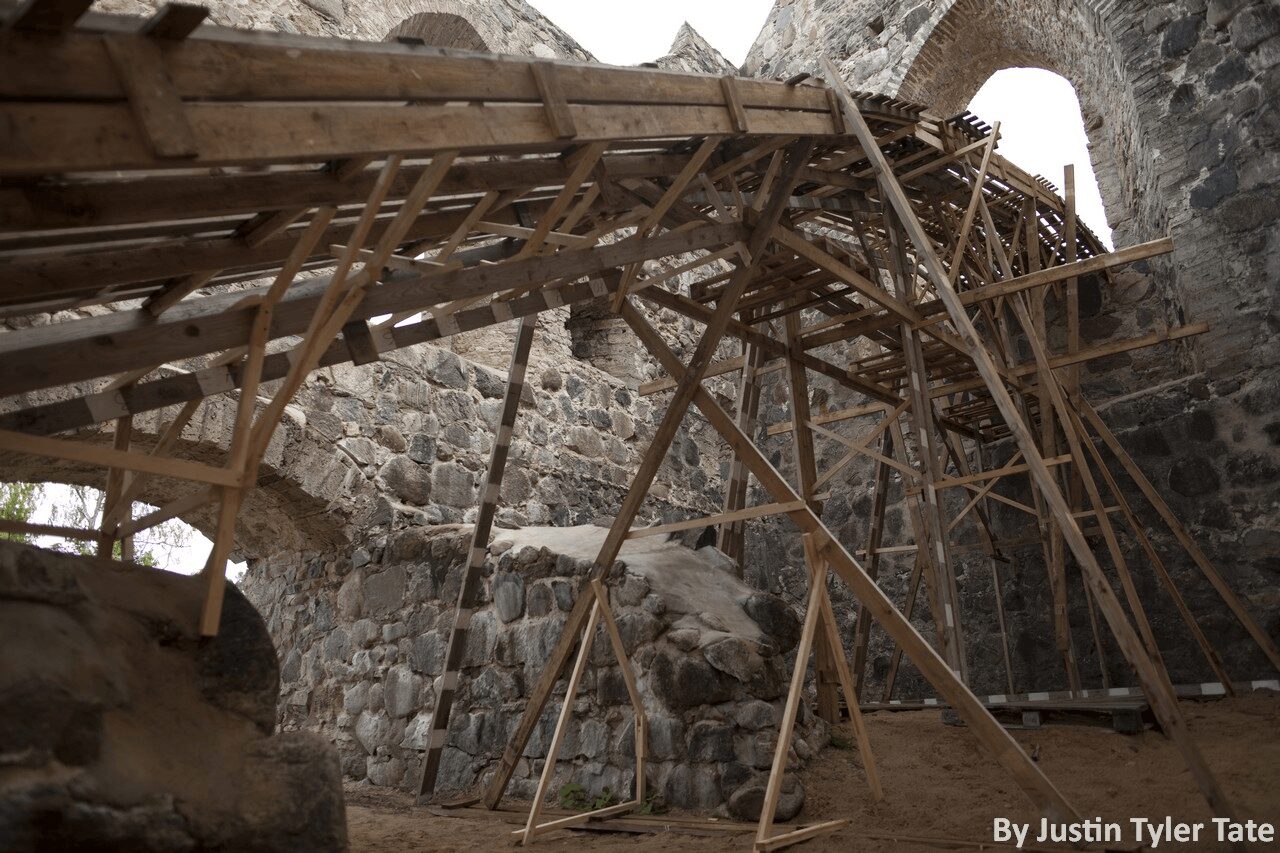
As (primarily) a visual artist, my practice focuses heavily on developing tools for building environmental resilience, empowering individuals, as well as building relationships between humans and non-humans. I feel what sets my work apart from others in my field (as well as from those in other fields) is that I use the term “art” to conceptualize projects that merge multiple different areas of expertise—architecture, carpentry, botany, cooking, electronics, chemistry, and more—to create novel solutions. This creative production usually takes the form of sculpture, installation, media, performance as well as social art, but also sometimes manifests through publications, academic research, illustration, collaborative projects and curated exhibitions. Recently, my work has been focused on issues regarding environmental degradation and the climate crisis – looking to find artistic and open-source design solutions to mitigate problems of waste, pollution and carbon emissions, while also looking to highlight the interconnections between personal and ecological health.
Really, it all sounds very serious—because from a certain point of view it is—but I approach my work from a place of play and curiosity, looking to explore, experiment, have fun and engage individuals/communities through my work as a way of introducing them to new concepts. For me play and work have always been two sides of the same coin, both necessary in one’s day-to-day life to feel fulfilled, as well as to continue to constantly learn and grow.
What can society do to ensure an environment that’s helpful to artists and creatives?
Pay artists (and all workers) a fair living wage. It’s quite unreasonable that so many people are living in such precarious situations, and the stress that comes with that instability results in people not being able to live fulfilled lives and manifest a truly creative ecosystem. Personally, if I had the expenses that most people do, I could never afford to live as an artist, and I only manage to make it work by not having a car, not having insurance, etc. The money exists to pay everyone fairly, it’s just not being distributed equitably.
Also, no artists or other culture workers should not be expected to produce work at a cost to them (e.g. paying for residencies, or paying application/exhibition fees), or to exchange labor for “exposure”. All of these situations devalue artistic/creative labor, and create a broader condition where it becomes commonplace to exploit that labor.
Is there a particular goal or mission driving your creative journey?
I see my function as an artist to highlight the importance and interconnections between ecological and personal health, while promoting social and economic equality, through accessible public art and community events. Through my work: I bring together multifaceted communities, immersing them within diverse programming, creating unique shared experiences, as well as providing space for experimenting with tools, materials and processes; thus encouraging broad participation in contemporary art, maker culture, and sustainable design practices. I also just like to make cool stuff.
Contact Info:
- Website: http://justintylertate.weebly.com
- Instagram: https://www.instagram.com/Justin_Tyler_Tate/
- Facebook: https://www.facebook.com/JustinTylerTate/
- Youtube: https://www.youtube.com/c/JustinTylerTate
- Other: https://linktr.ee/justintylertate
https://www.threads.net/@justin_tyler_tate
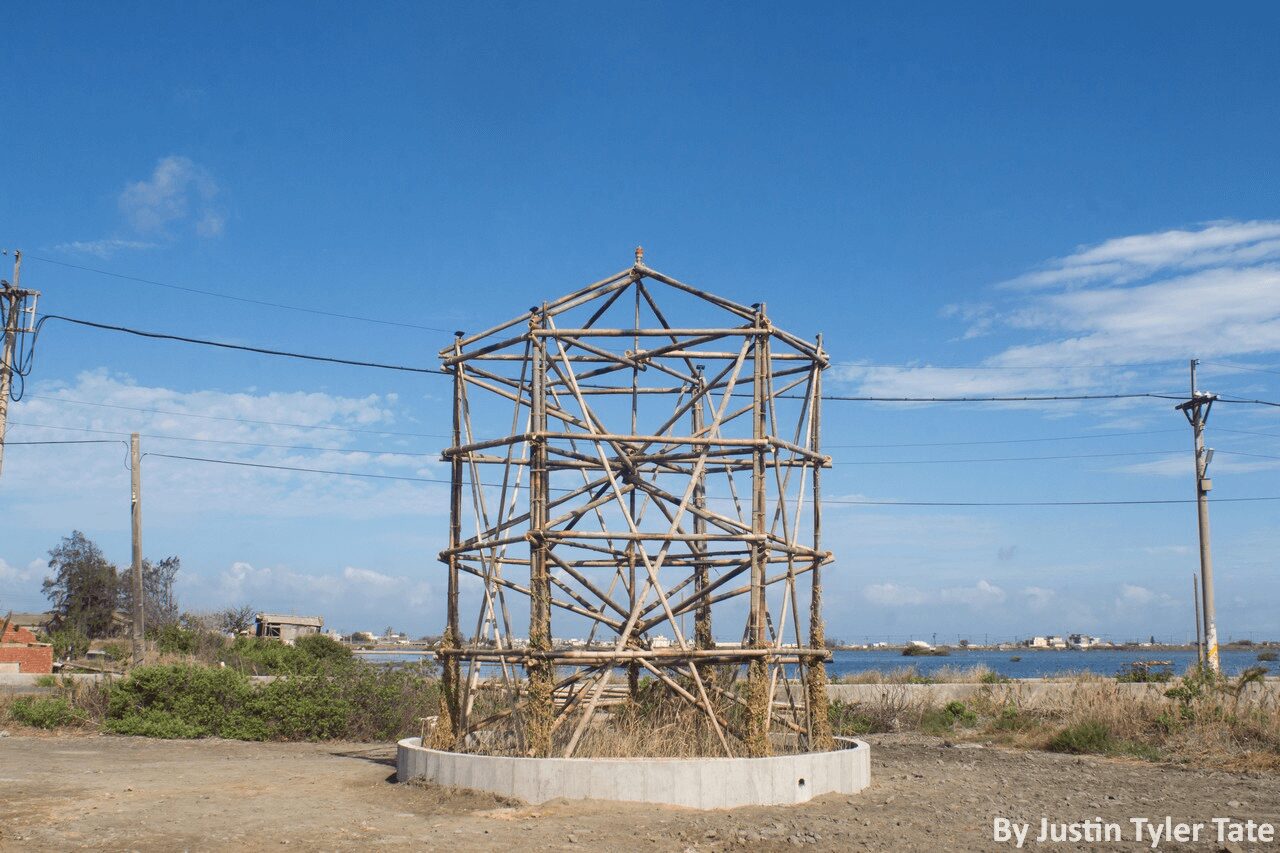
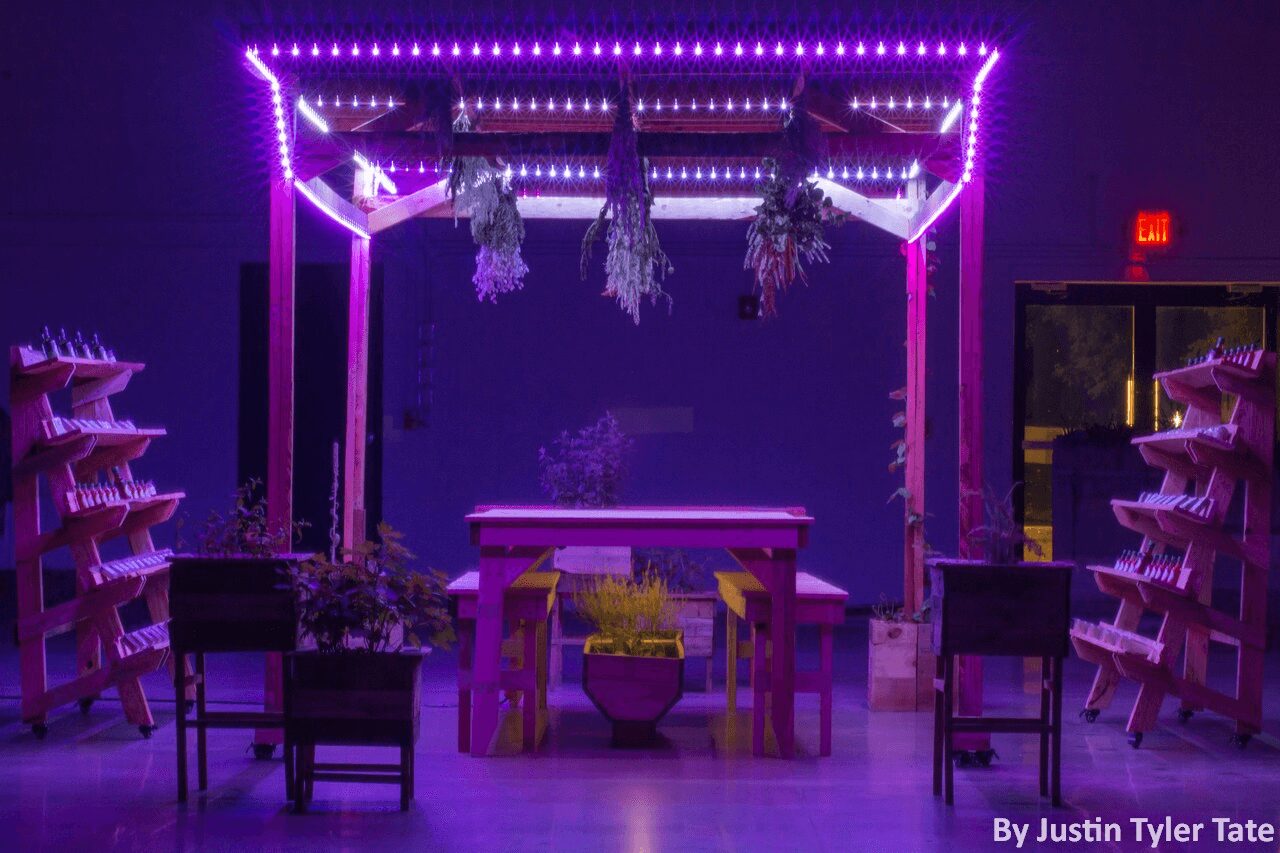
Image Credits
Justin Tyler Tate