

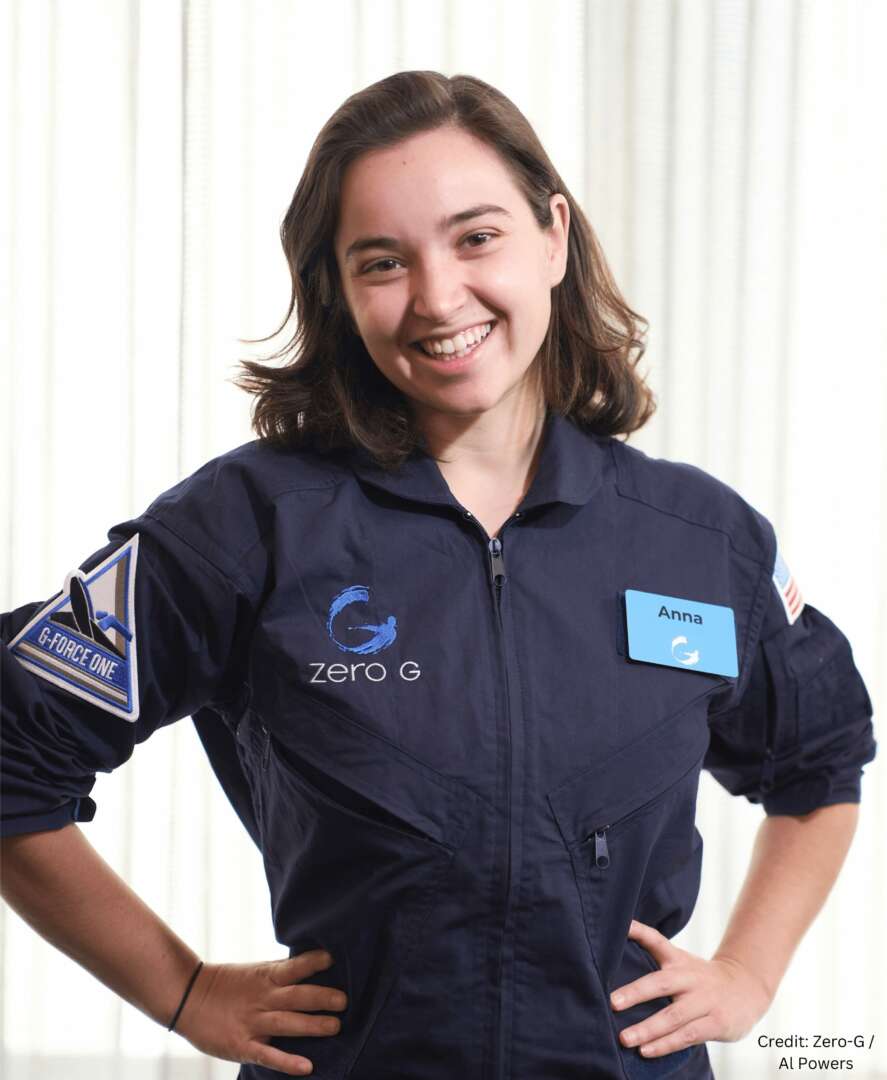

We’re excited to introduce you to the always interesting and insightful Anna Voelker. We hope you’ll enjoy our conversation with Anna below.
Anna, appreciate you joining us today. One of the most important things small businesses can do, in our view, is to serve underserved communities that are ignored by giant corporations who often are just creating mass-market, one-size-fits-all solutions. Talk to us about how you serve an underserved community.
SciAccess is dedicated to serving under-resourced communities with a focus on disability justice. Our goal is to inspire, develop, and promote innovative approaches to equitable science access.
A moment for me that underscored the importance of accessible outreach:
In 2018, I led an astronomy event for blind students in Cape Town. I brought 3D printed models, accessible telescopes, and high-tech astronomy tools. But the thing that impacted these students the most? The simple scale-model of the solar system that I had made the night before. Jupiter was a basketball, Saturn was a soccer ball, Earth was a
1-inch ball of playdough, and the Sun was their playground merry-go-round. I was working with a group of girls who were positively awestruck by the scale of our solar system. They were flabbergasted by our miniscule Earth! When I placed the tiny speck of playdough that was Pluto in each of their palms, they literally screamed in shocked delight! I’ll never forget them laughing in wonder and unabashed excitement. I realized that this was the very first time that the magnitude of our universe was accessible to them. Their joy drives the work that I do. This is more than just outreach; it is recruiting the next generation of scientists and engineers. I explained that over 95% of the universe is invisible to everyone, and that instead of sight, astronomers rely on things like radio waves and x-rays to probe the universe. That means we need people who are experts at not relying on sight. We need resourceful innovators to help us solve the mysteries of our mostly invisible universe. Those girls walked away with the newfound knowledge that not only is there room for them in STEM, but a profound need.
Anna, love having you share your insights with us. Before we ask you more questions, maybe you can take a moment to introduce yourself to our readers who might have missed our earlier conversations?
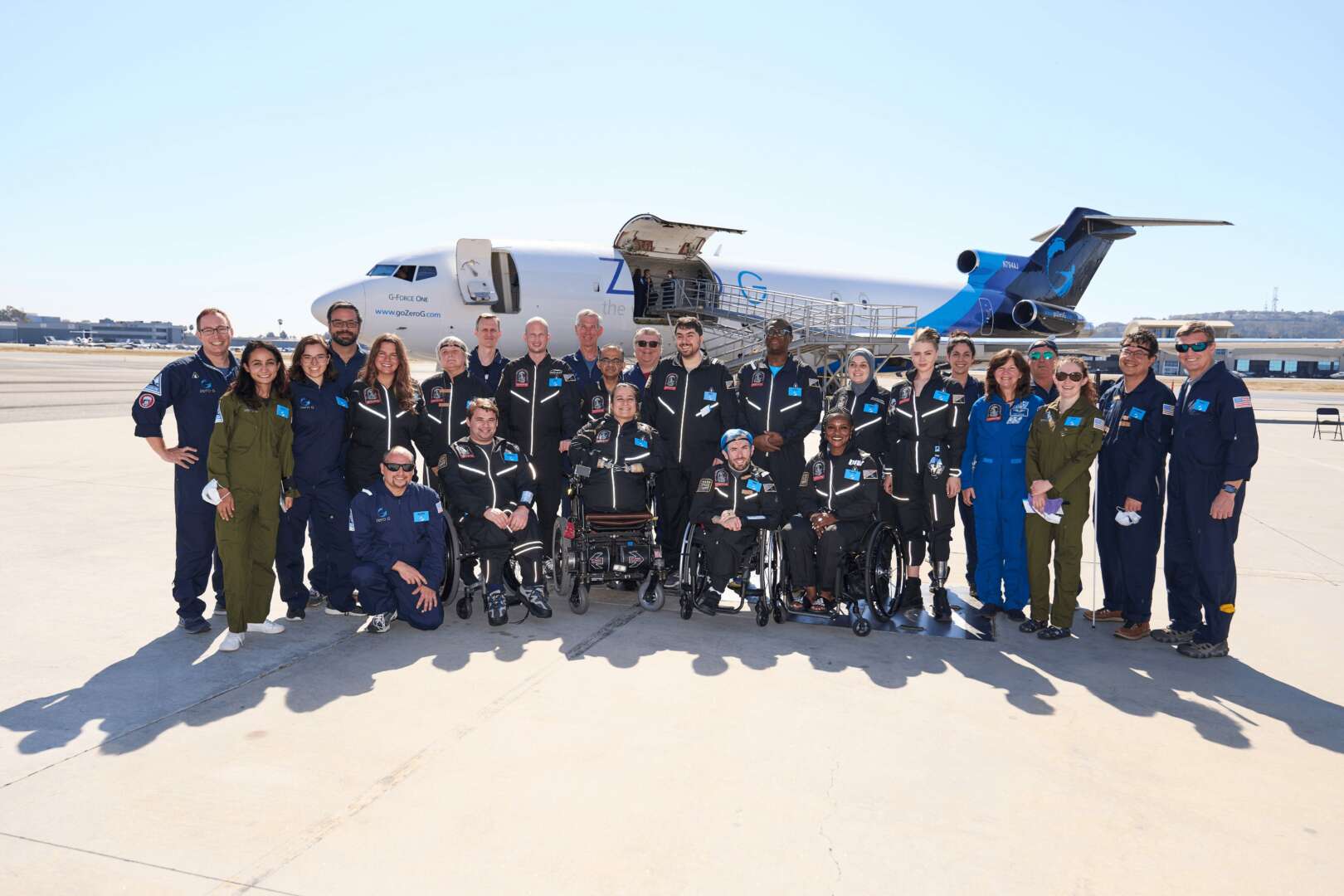
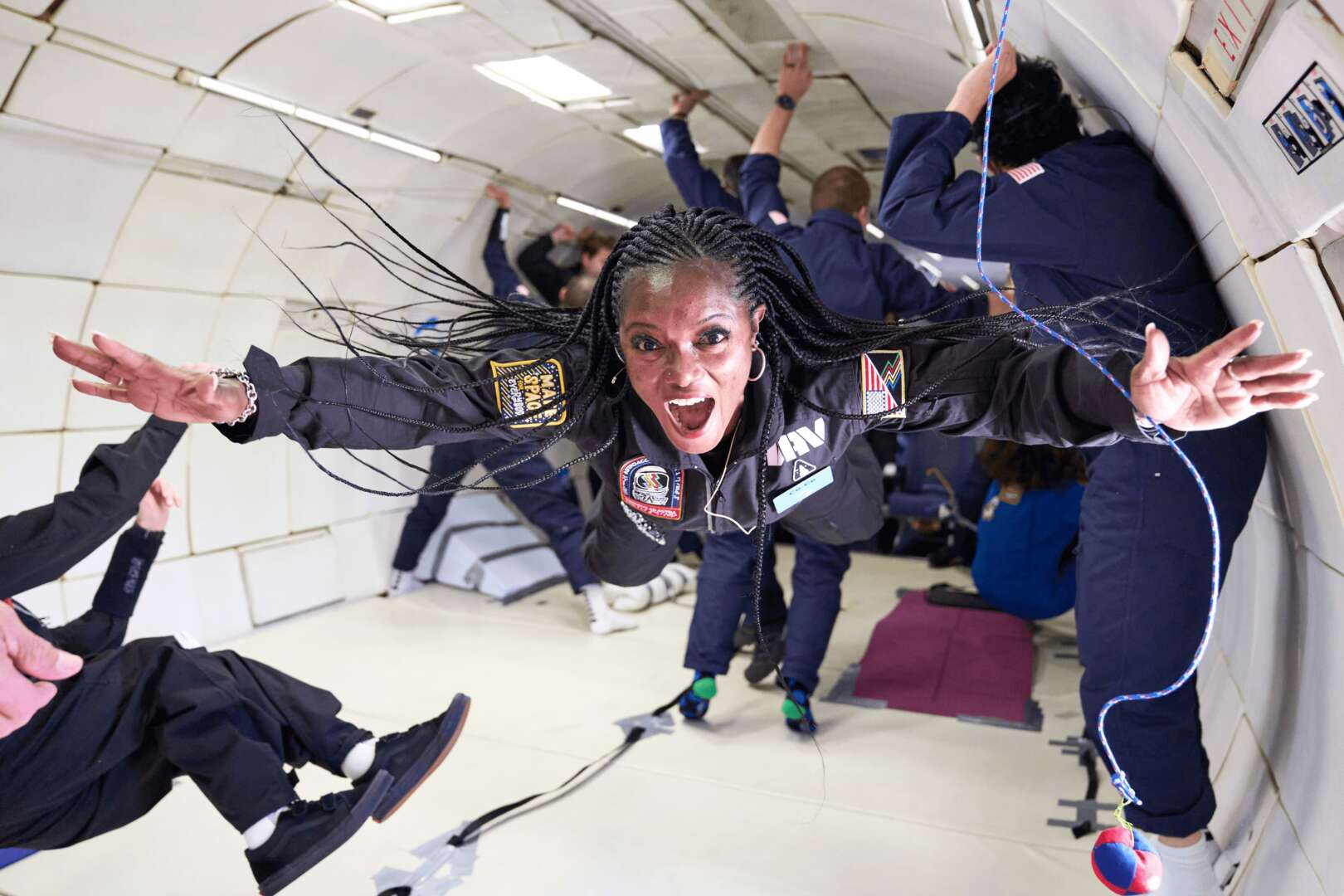
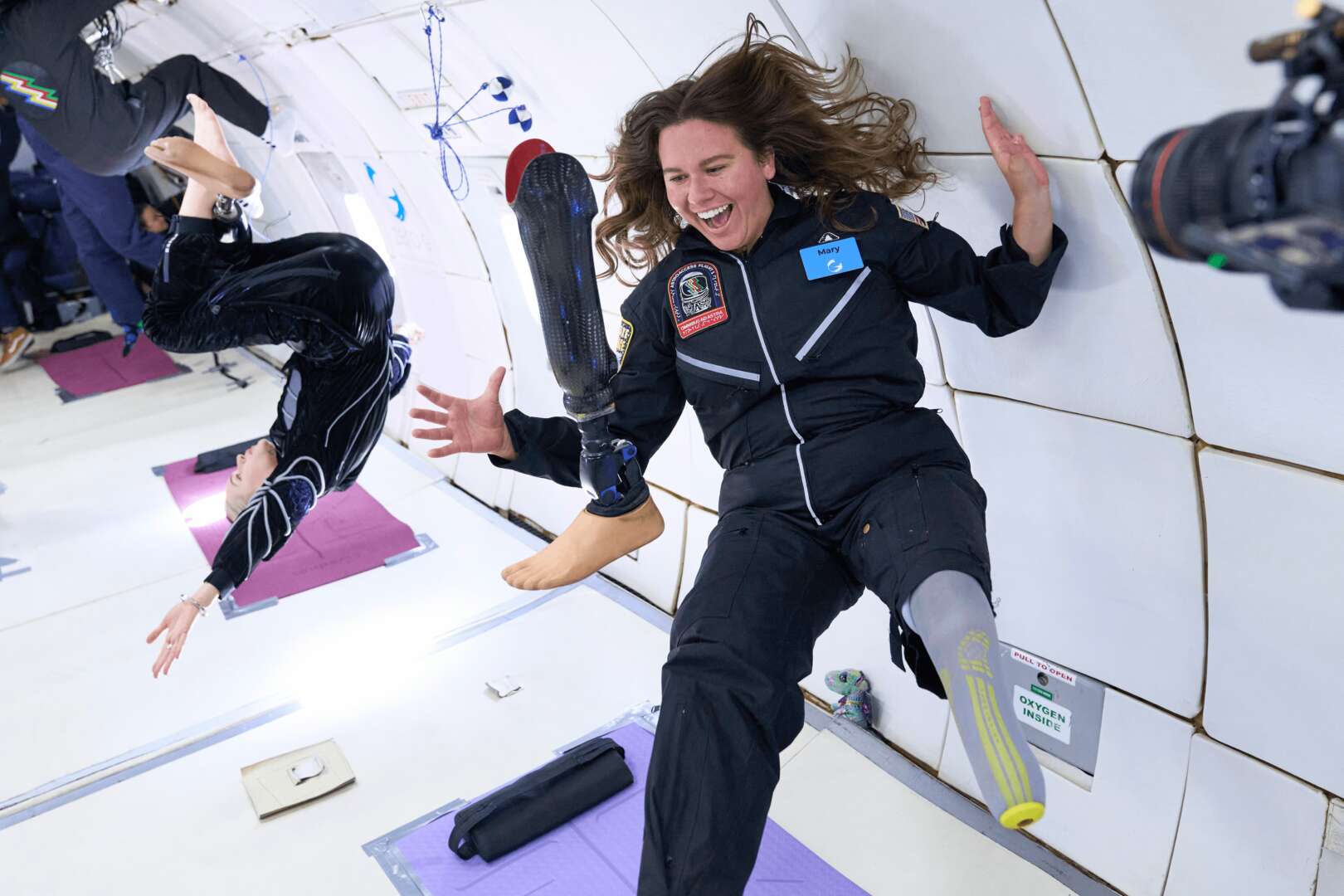
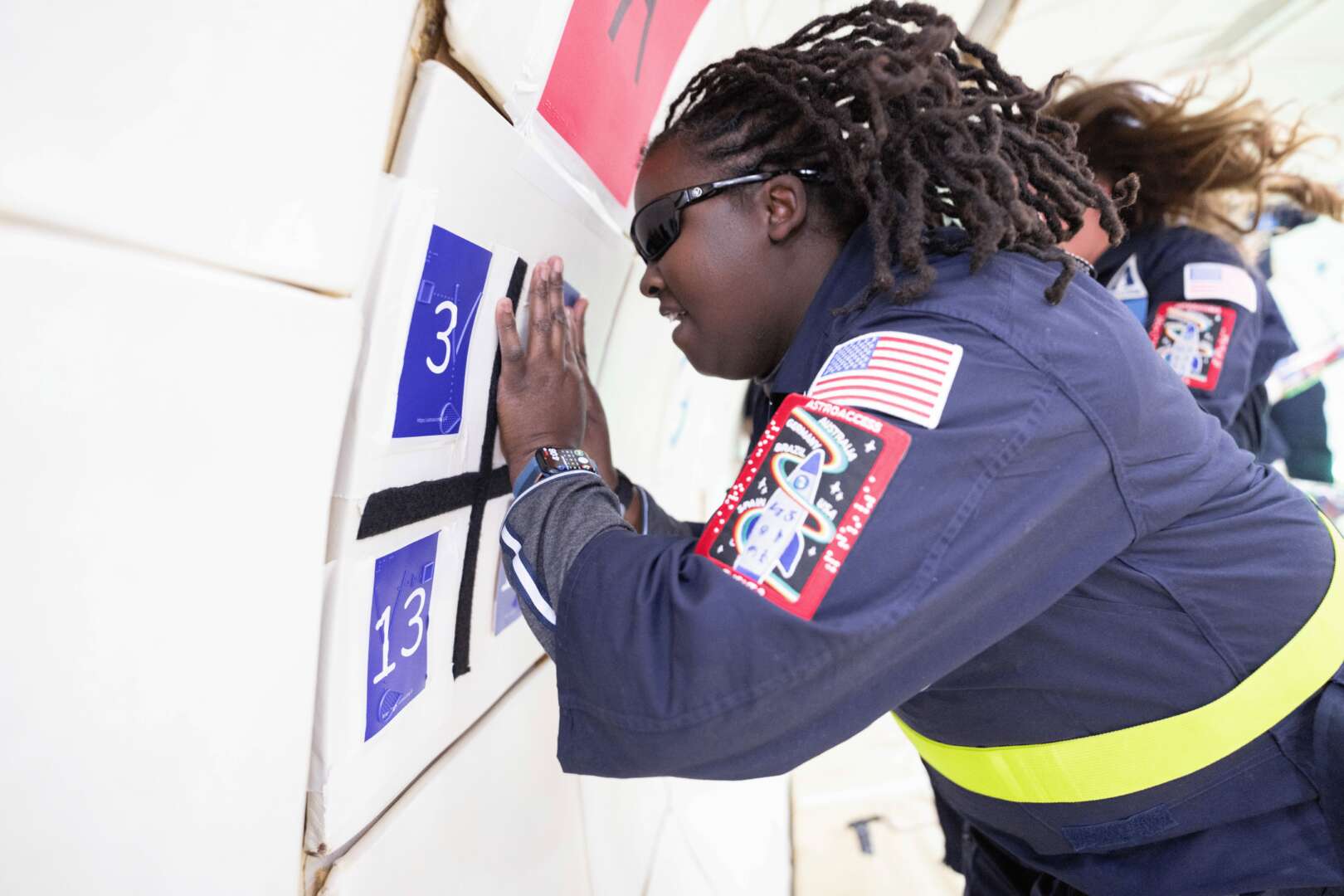
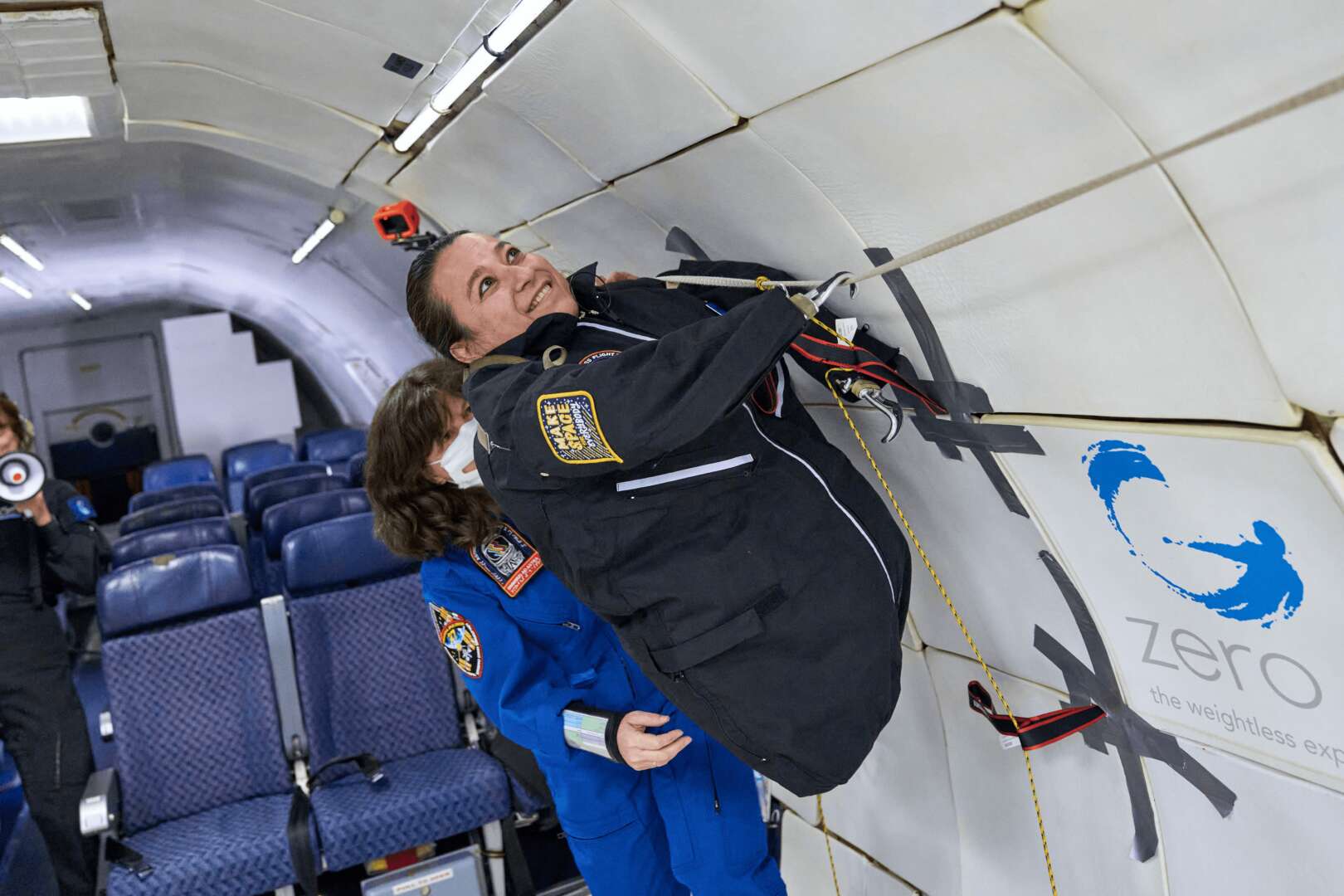
Anna Voelker (they/them) is the founder and Executive Director of SciAccess, Inc., an award-winning nonprofit that advances disability inclusion in STEM education, outreach, and research on a global scale. Through SciAccess, Anna leads numerous science accessibility programs, including AstroAccess, which is dedicated to advancing disability inclusion in human space exploration. AstroAccess is founded on the idea that if we can make space accessible, we can make any space accessible. In 2021, the inaugural crew of competitively selected researchers with disabilities (“AstroAccess Ambassadors”) flew aboard a parabolic flight with the Zero Gravity Corporation (Zero-G) as a first step towards investigating accessibility in microgravity. Since then, AstroAccess Ambassadors have conducted disability inclusion research on a total of seven Zero-G flights and the organization has been invited to share its findings with numerous key stakeholders throughout the space industry. AstroAccess is the only organization in the world doing this research, which is actively breaking down barriers to space exploration so that Disabled astronauts can live, work, and thrive in space.
Anna is the Director of the SciAccess Conference, an international gathering focused on promoting best practices in science accessibility, uniting over 1,000 people from 65 countries and all seven continents since its founding in 2019. Anna is also an avid public speaker, two-time TEDx speaker, and has given over 60 presentations on science accessibility across 4 continents, including invitations to speak with the White House, United Nations, NASA, SpaceX, Blue Origin, NPR, and many more.
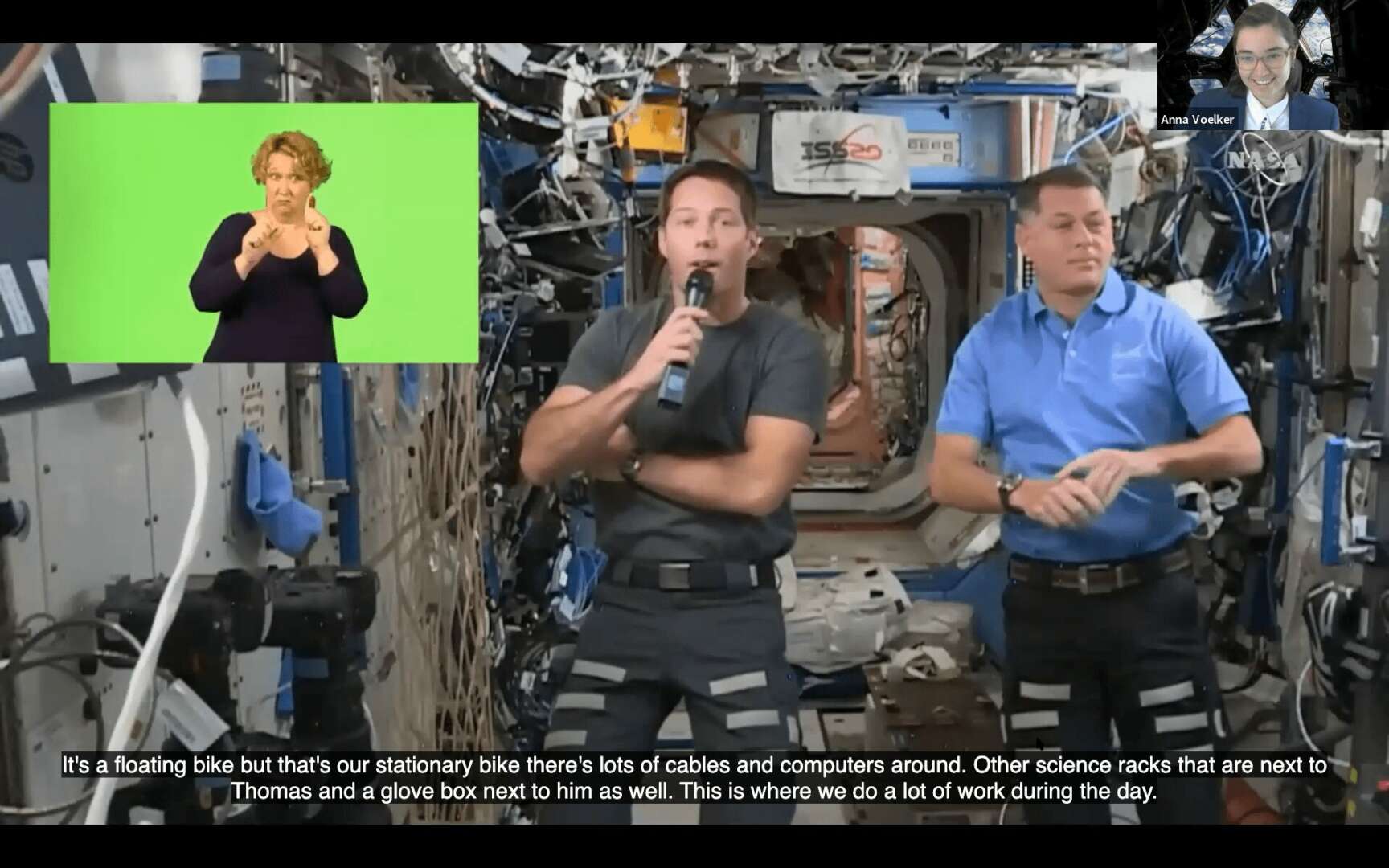
Anna is the founder of Zenith, a SciAccess mentorship program for blind students interested in careers in the space industry. In 2021, SciAccess was selected by NASA to host an International Space Station (ISS) Downlink event. During this event, Zenith scholars and other young members of the SciAccess community had their questions answered live by astronauts aboard the ISS. This was the first time that ASL was used in a NASA ISS event in over a decade.
SciAccess has received significant recognition from national and international disabled communities for its change-making. SciAccess is a recipient of the Bolotin Award, the highest honor bestowed upon an organization by the National Federation of the Blind, and the Falling Walls Engage Prize, a global title awarded in Berlin for breakthrough work in science engagement. SciAccess was recognized by NASA in 2024, receiving the $25,000 NASA Space Tech Catalyst Prize for excellence in “best collaboration practices with diverse researchers” and for “bringing effective strategies that contribute to NASA’s ongoing efforts to…find creative solutions to technical challenges.”
Anna’s mission, and the mission of SciAccess, is to advance access to science for all, on earth and beyond it.
We’d love to hear about how you met your business partner.
I met George Whitesides at a virtual space conference in 2020. George was the CEO of Virgin Galactic and former NASA Chief of Staff. I was a recent college graduate with a small non-profit. George was the guest speaker in a special session that I was invited to attend as a member of the Brooke Owens Fellowship, a program I deeply admire that supports women and non-binary students in the space industry. Each attendee had less than a minute to introduce themselves. When it was my turn, I told George about SciAccess and our mission to advance disability inclusion in science. I shared with him my passion for space exploration and my future goal to make it more accessible for astronauts with disabilities, and asked if he would be interested in collaborating on this. He said he’d be happy to talk more and to send him an email. I thought he was just being nice. He was not. George is the kind of person who makes things happen, who means what he says and then acts on it. We went on to co-found the AstroAccess project, and less than a year after meeting we had our inaugural zero-gravity mission.
If you have multiple revenue streams in your business, would you mind opening up about what those streams are and how they fit together?
As a non-profit, our primary sources of funding are grants and donations. However, we have recently expanded into speaking engagements and aerospace accessibility consulting. Whether it’s a public talk on disability inclusion in human space exploration, guidance for hosting an accessible conference, a corporate DEI training, or customized consultation that addresses a company’s specific accessibility needs, we are leveraging our team’s expertise at the intersection of disability, space, and STEM.
Contact Info:
- Website: astroaccess.org, sciaccess.org
- Instagram: @missionastroaccess, @sciaccess
- Facebook: https://www.facebook.com/astroaccess , https://www.facebook.com/SciAccessConference
- Linkedin: https://www.linkedin.com/in/anna-voelker-b17645bb/ , https://www.linkedin.com/company/74989860/ , https://www.linkedin.com/company/80149381/
- Twitter: @Anna_Voelker, @astroaccess, @SciAccessInc
- Youtube: https://www.youtube.com/@thesciaccessinitiative6818
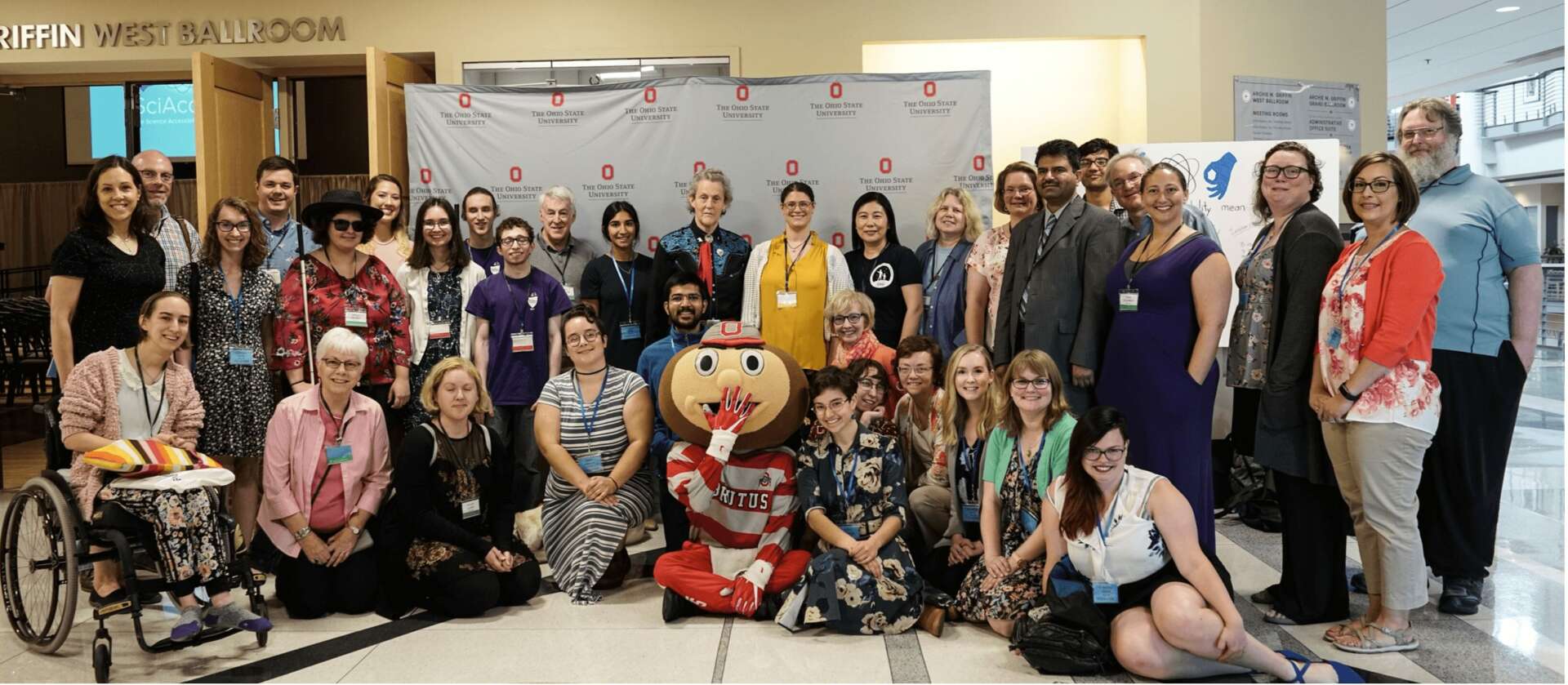
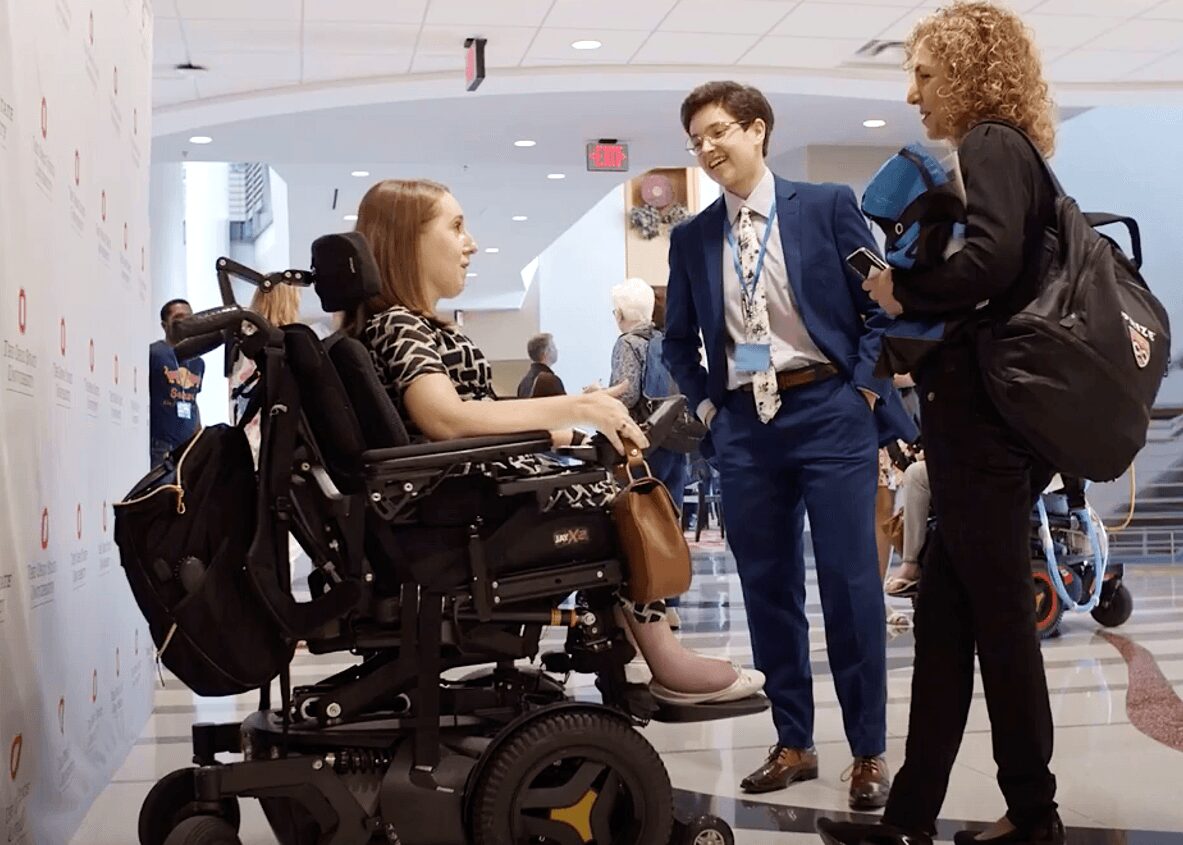
Image Credits
Personal Headshot: Zero-G / Al Powers
Project photos:
(group) Image 1: Zero-G / Al Powers
(ce-ce) Image 2: : Zero-G / Al Powers
(mary): Image 3: Zero-G / Al Powers
(denna): Image 4: Zero-G / Tasha Dixon
(dana) Image 5: Zero-G / Al Powers
(downlink): Image 6: NASA
(conference): Image 7: Heather Taylor
(anousheh) Image 8: Ohio State University