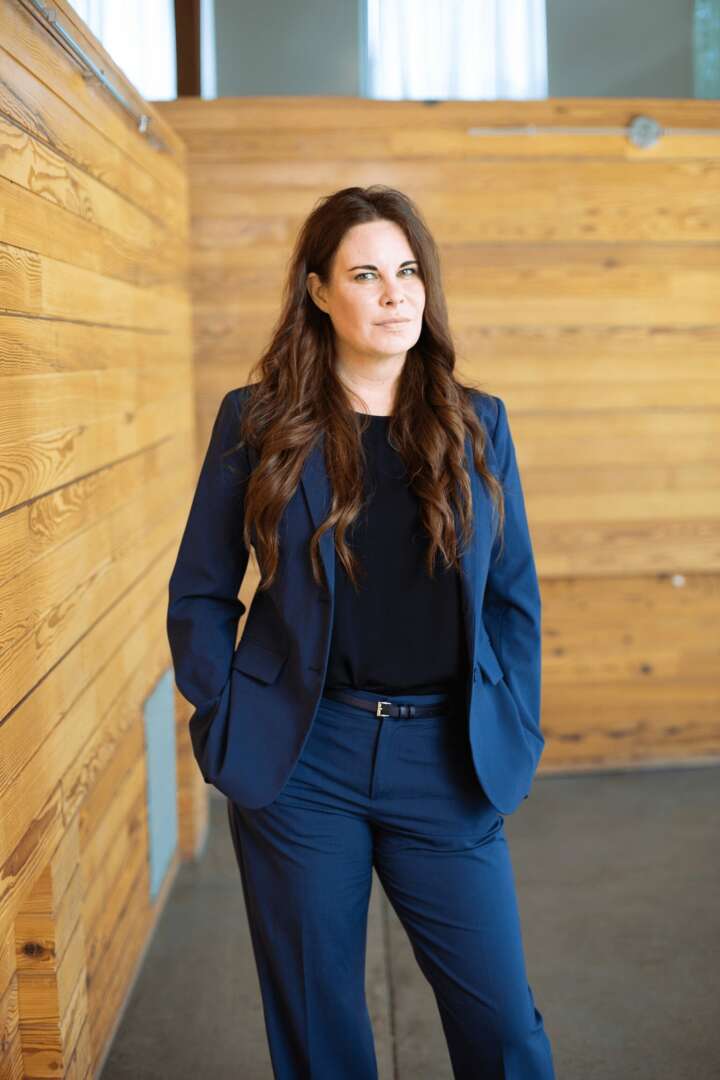
Alright – so today we’ve got the honor of introducing you to Danielle Robbins-Gregory. We think you’ll enjoy our conversation, we’ve shared it below.
Danielle, appreciate you joining us today. Have you ever experienced a times when your entire field felt like it was taking a U-Turn?
In the years I’ve been working in the mental health field, we’ve seen a big shift. What we understand now is that trauma impacts many more people than we used to think, especially children. Being able to identify trauma and respond compassionately promotes environments of healing and recovery rather than responding in a way that may inadvertently re-traumatize or escalate a situation.
People may not realize that trauma can impact the brain early in a child’s life, even as young as infants and toddlers. Traumatic events include natural disasters, car accidents, being in the hospital, substance abuse and domestic violence in the home, poverty, and more. Early intervention can increase the chances that young children recover from trauma and go on to thrive.
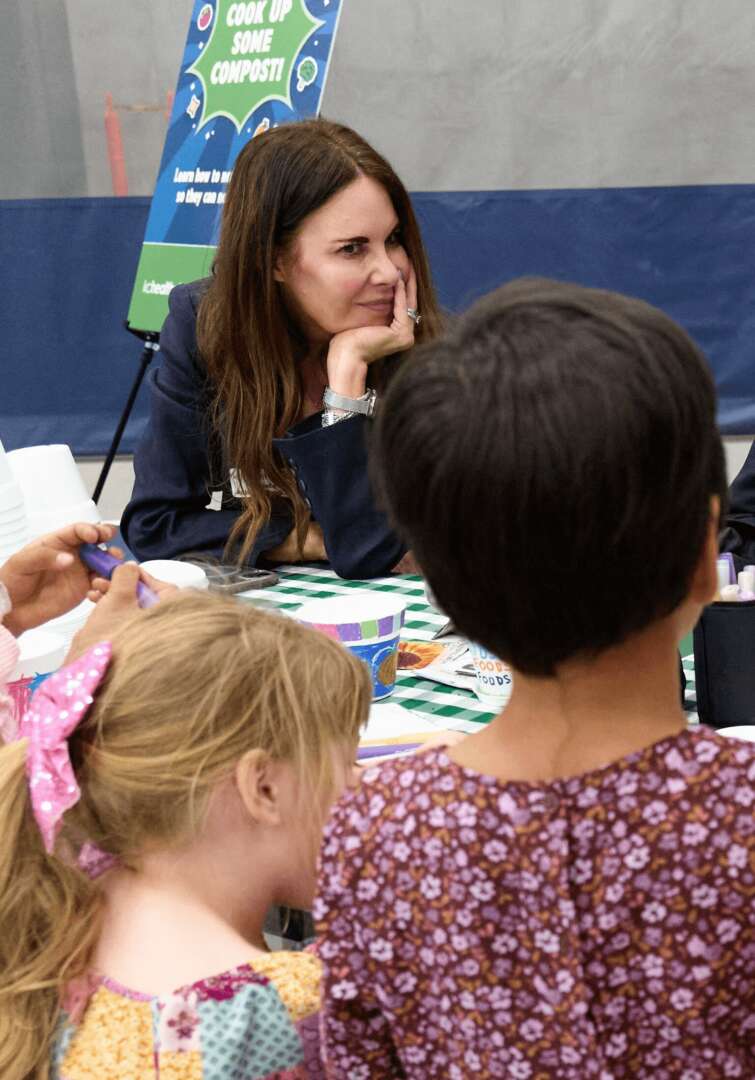
Recognizing this reality, it became my mission at KC Healthy Kids to offer Trauma-Informed Care training to educators at early care and education centers across the KC Metro, equipping them with tools for early intervention and creating safe environments. These trainings are led by our in-house psychologist Dr. Nancy C. Osborn, a leading expert in trauma-informed care.
In addition to training educators, we provide mental health screenings, case management and service referrals for children and families at those centers. This summer, we’re preparing to launch “calming corners” to support emotional regulation in the classroom at three area early care centers, funded by 15 and the Mahomies Foundation.
I strongly believe that all parents can benefit from understanding their child’s brain (and their own!). I encourage parents to check out our website at www.KCHealthyKids.org for mental health resources or to ask their employer or school to sponsor a trauma-informed training with Dr. Osborn.
Danielle, love having you share your insights with us. Before we ask you more questions, maybe you can take a moment to introduce yourself to our readers who might have missed our earlier conversations?
I’ve long been fascinated by resilience in young kids, starting when I was a preschool teacher in college, to when I became a case worker for families in crisis. The common theme was how big of an impact a strong family and community can have on a kid’s healthy development.
That understanding followed me into my graduate research and ultimately my work at the nonprofit mental health center ReDiscover, where I had the jarring experience of witnessing the continued stigmatization of mental health.
That became a defining moment in my career and sparked an all-consuming desire in me to change how mental health is perceived, especially in children. I believe that mental health is just as important as physical health.
Today, as the president and CEO of the nonprofit KC Healthy Kids, I’m steering the organization’s mission to include an added focus on mental health. My vision is building strong communities where kids thrive in body and mind.
Any advice for managing a team?
In my world of nonprofit leadership, being a model for self-care and wellness as a leader in our community really matters for morale.
I’ve been the lone working mother in the boardroom being asked to stay late. I’ve had bosses who were clueless to the struggle.
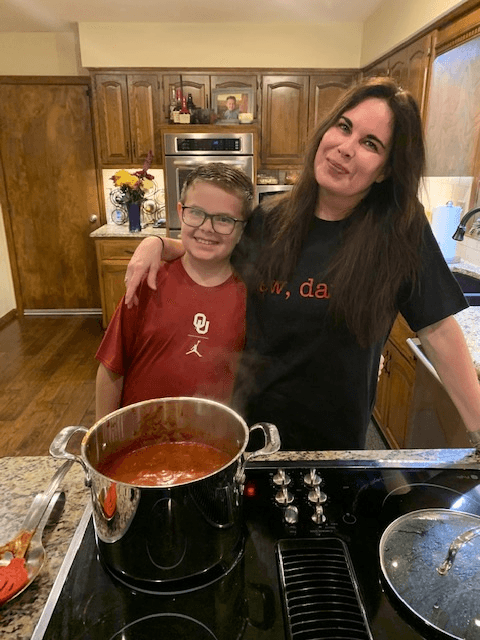
Once I stepped into leadership, I committed to being an example of prioritizing health and family for those I lead. It’s the most important thing about our team culture at KC Healthy Kids. It shaped our decision to enact a 4-day workweek within our organization to offer greater flexibility and work-life balance to our staff.
Sometimes it’s hard to prioritize myself when our mission is so critical – building strong communities where kids thrive – but I can’t pour from an empty cup. Those little moments of caring for myself, and encouraging my team to do the same, enable us to show up for our community in meaningful ways.
Don’t be afraid to think outside the box. Just because it’s been done one way before, doesn’t mean it needs to continue that way. Consider what’s best for your people and the culture you want to cultivate within your organization.
We often hear about learning lessons – but just as important is unlearning lessons. Have you ever had to unlearn a lesson?
One of the biggest lessons I’ve learned in my nonprofit career is to build time to listen into the process. We work in a partner-driven field. Having the right people at the table and making sure their voices are heard is an essential part of driving necessary change.
One time we tried to implement a program in early education centers. We thought we were doing great work and were eager to see all the great health outcomes. But we struggled. We didn’t get the right people on board and there wasn’t enough funding to be successful.
Now at KC Healthy Kids, it’s part of our DNA to listen first to understand community needs before responding in ways that will help strengthen communities where kids can thrive. When introducing something new, we start out small and make sure it works for the community we aim to serve.
Contact Info:
- Website: https://www.kchealthykids.org/
- Instagram: https://instagram.com/kchealthykids
- Facebook: https://facebook.com/kchealthykids
- Linkedin: https://www.linkedin.com/in/danielle-robbins-gregory-09963b36/