

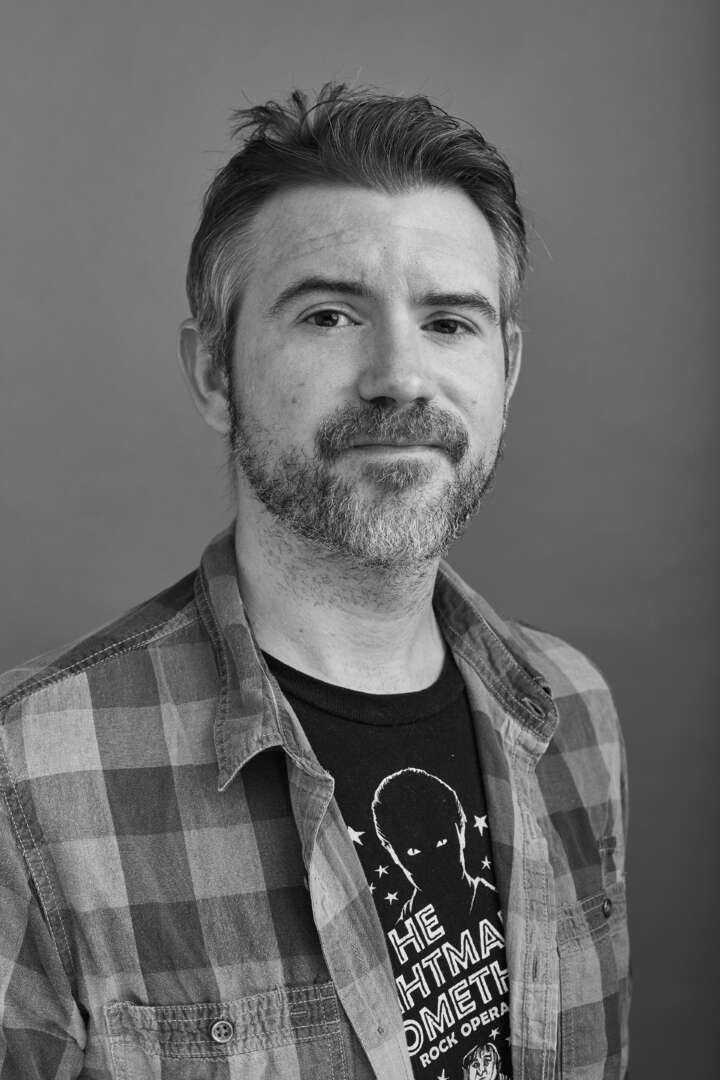

We’re excited to introduce you to the always interesting and insightful Michael Gable Marynell. We hope you’ll enjoy our conversation with Michael Gable below.
Michael Gable, thanks for taking the time to share your stories with us today One of our favorite things to brainstorm about with friends who’ve built something entrepreneurial is what they would do differently if they were to start over today. Surely, there are things you’ve learned that would allow you to do it over faster, more efficiently. We’d love to hear how you would go about setting things up if you were starting over today, knowing everything that you already know.
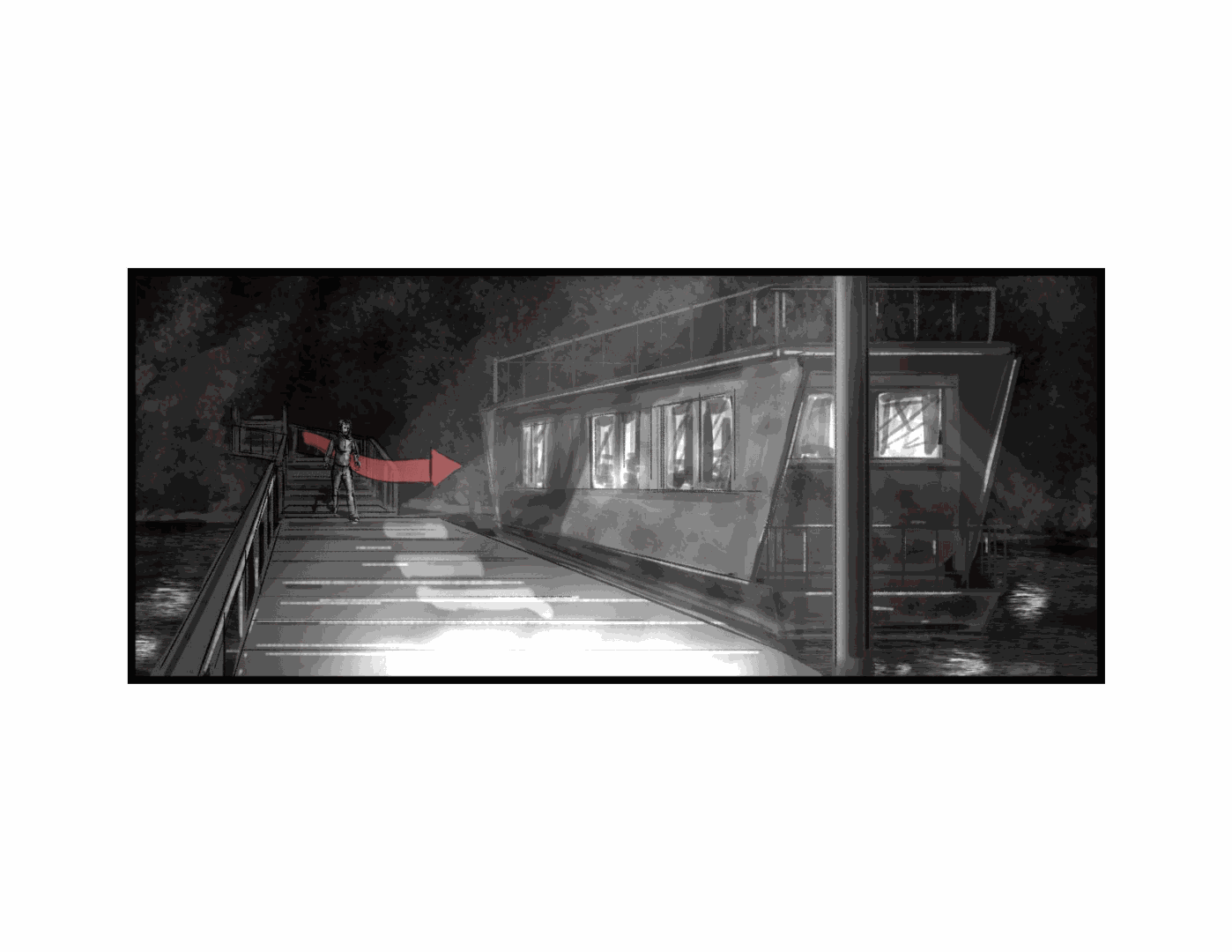
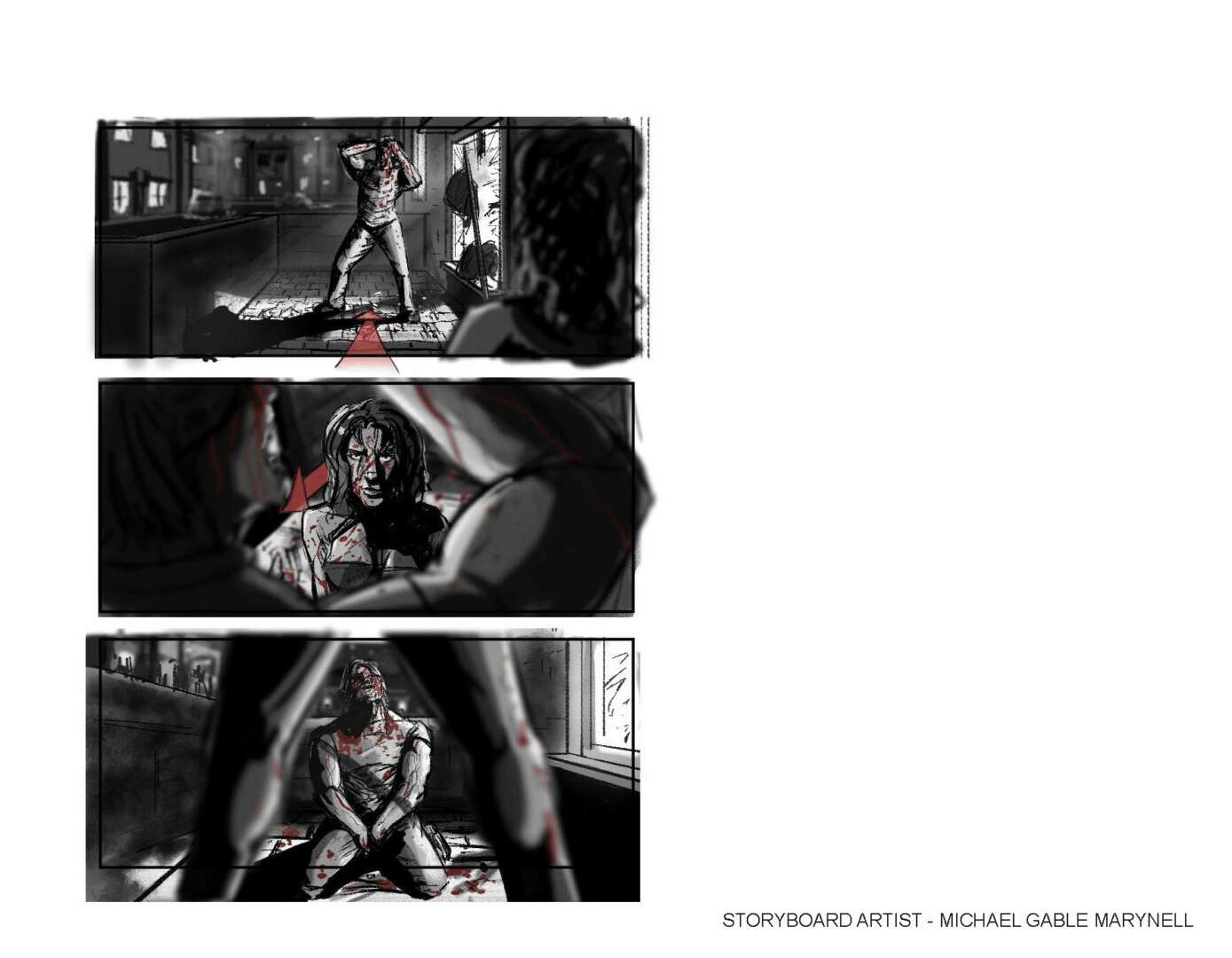
My field is very niche and small. I basically design the blueprint for what will be shot on camera or visualized in some way for presentation/viewing. I think if I were to start over, I may not go to a private art school to learn my trade. It’s expensive and harsh. I think, instead… If I had a better grasp on what I actually wanted to do, I would’ve just taught myself and tried to find a mentor in the field to learn from. Or just an apprenticeship doing storyboards or at least something adjacent. The main thing that art school gave me was immense access to hardware and software that I otherwise might not have been available to learn on. I also would’ve been active a lot faster with networking and the industry and would have more to show because of that. I probably would’ve started my career this way if I had known more about the jobs available in the industry.
Before college, I wasn’t even aware of the word “storyboard artist” much less that I would end up pursuing that career. I thought I wanted to be an animator. Either way kids, I highly recommend to start your soul searching for a career as soon as you can. DO NOT be afraid to try everything til something sticks. If I had prepared better and done more research on the industry before I went to college, I may have started out different. Try things, pick something you’re interested in and study everything you can about how it works before making expensive and lengthy commitments. Make your mistakes on your own first.
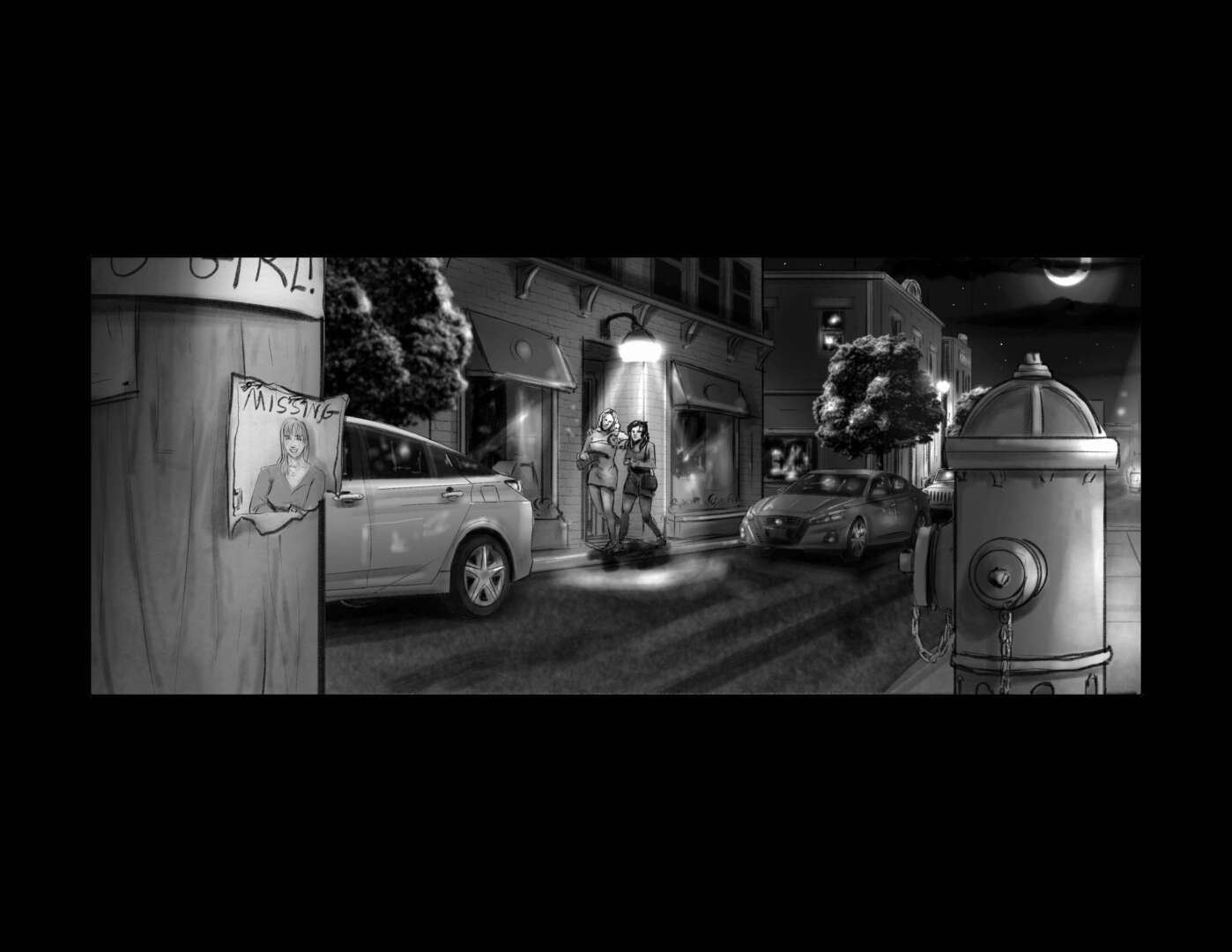
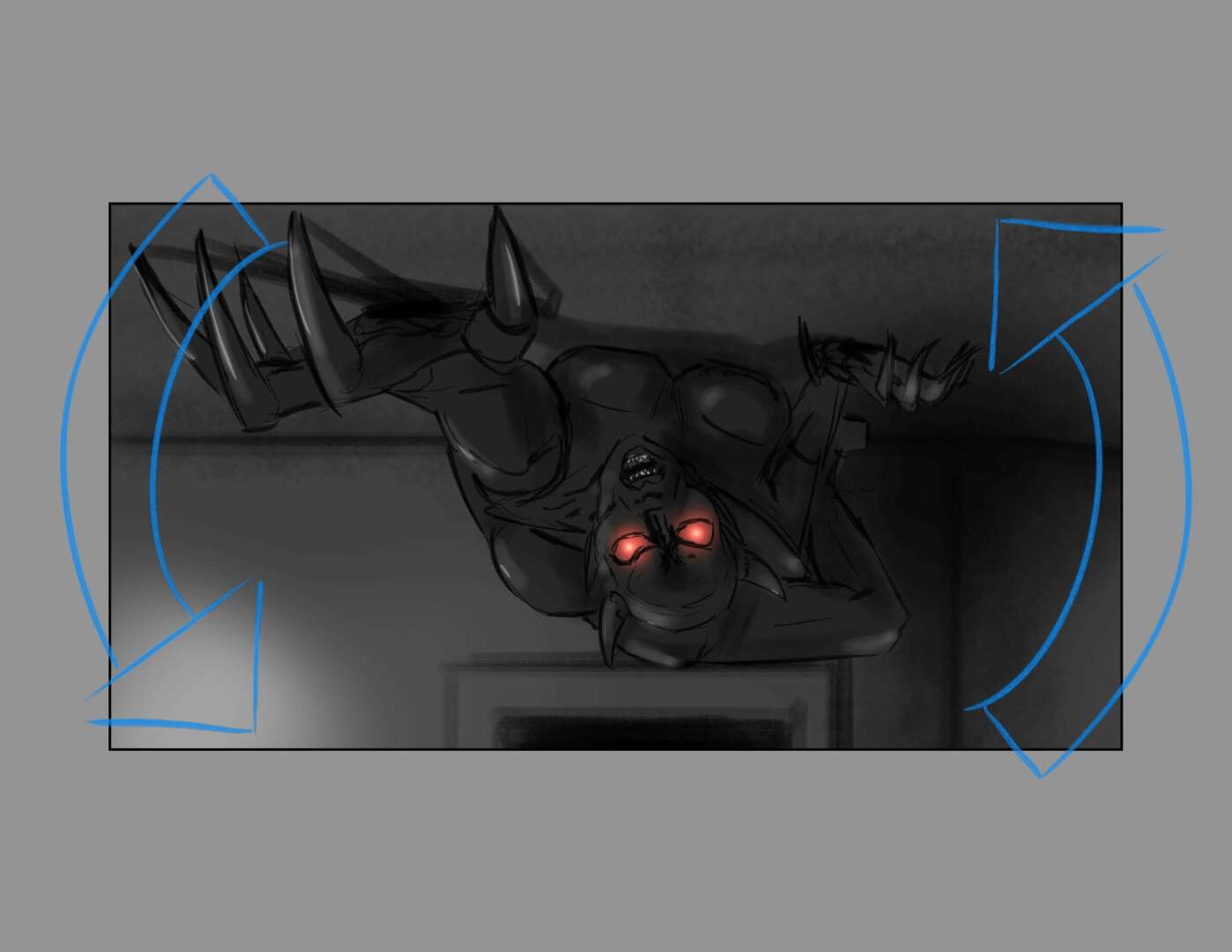
Awesome – so before we get into the rest of our questions, can you briefly introduce yourself to our readers.
Okay, so where do I start? Ummm, my mother was an illustrator and graphic designer and we both attended Ringling College of Art and Design in Sarasota, FL. I grew up with all of her art books and traditional materials though I only liked to do it as a hobby. I was more interested in music. I first went to Troy University to study music education and through an art mentor there (Thanks Ed) I decided to apply and transfer to my mother’s alma mater to study computer animation. At the time it was one of the best school in the world for it.
Sophomore year, I decided that I wanted to pursue more story related things rather than the actual animation. I started focusing on story structure and film language. Eventually I decided that I should be a storyboard artist. However, the way the computer animation dept’s curriculum was set up, you weren’t really able to focus much on just one aspect of the pipeline because we had to do it all.
After graduating, I decided that I didn’t want to go to LA. Never was a fan of the city and I loved Atlanta. I had noticed back in 2009 how much the industry was booming here (I started to noticed highways in The Walking Dead). So that was that… Atlanta it was. I was gonna try my hand at being a medium fish in a medium but growing pond and see if I could grow with it. Once I moved here, I started networking as hard as I could, finding every mixer and film related event I could and showing my face at it. I made it a point to talk to at least 5 people every time I attended to get my name out there. I wanted my name associated with “storyboards” in every single film person’s head and I wanted to spread that net as wide as I possibly could. I wanted to be the best.
The country was in a major recession but coming out slowly, people weren’t hiring at studios… So I did the next best thing. I started my own business and got an apprenticeship doing SFX makeup/fabrication/sculpting at AFX Studios here in Marietta. Andre Freitas has owned and operated that company here for decades and he wanted to start a production company. We decided on a trade. I’d show him film language and how to storyboard and he would teach me about the industry, owning a business in the industry, and the tricks of his trade. I worked there for a little over 2 yrs while starting my business, I think.
Eventually, through hard work and networking, I was able to land my first feature film, Through the Glass Darkly. It was a ton of work for not that much money but that job was my chrisinging into being a storyboard artist for live action productions and how that works as opposed to the highly structured studio pipeline. It kicked me butt, but I made it out to otherside with a whole new set of freshly sharpened and honed tools. I used that work to get LA representation which led to my first major production, Netflix’s Raising Dion. I did the whole first season of that show except for 1 episode. That was highly unusual at the time but the production really jived with me and kept bringing me back. From there, I just kept trying to keep the momentum going and trying to make it through Covid and the strikes by making myself as versatile as possible. I once even storyboarded a car accident for a lawyer to use in a civil court case… Cause ya know… Whatever I can do to make money. Still here, still working, still trying to be the best.
What’s been the most effective strategy for growing your clientele?
Networking! Always. Study the algorithms and how the change for SM and please get a book on SEO. I can’t give those secrets away here… But the info is easy enough to find. Might not be a bad idea, if you have a website, to buy up any domain names that are remotely close to your own. All in all, do a good job, get your client what they want and how they want it (if not better than what they asked for) to them on time and presented professionally. Impress the client you have to get the client you want. (within reason of course). That client will do part of your marketing work for you. Get your name in people’s mouths.

For you, what’s the most rewarding aspect of being a creative?
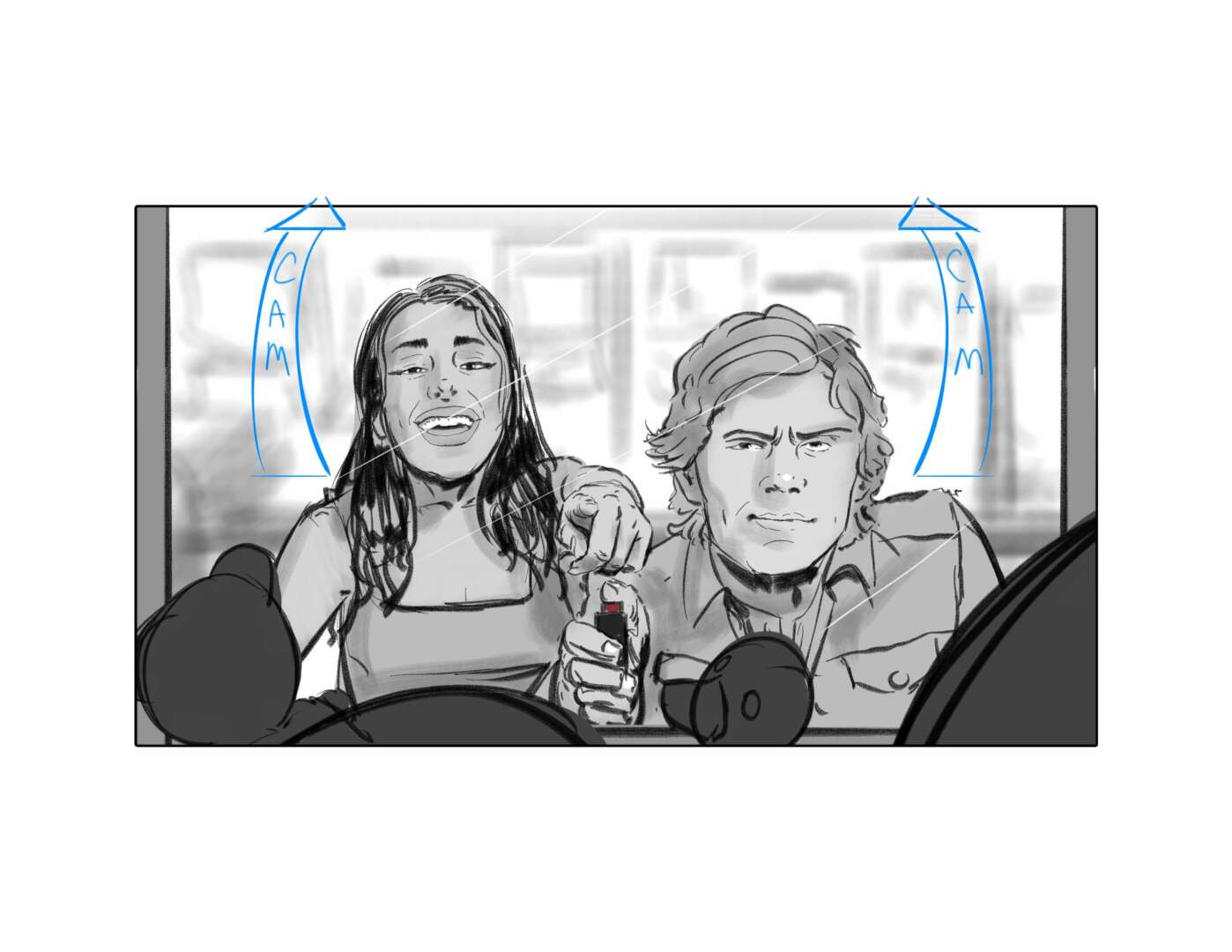
The work is so grueling and seemingly impossible at times. You sometimes deal with really harsh and hard people… You have to learn to read people and try to be ahead of what they want. Some projects take years off my life… But nothing… Nothing comes close to that feeling of achievement and completion to see all that work done and in one place ready to be presented. It’s even better when everyone on your team sees it and tells you what a good job you did. Then comes the finale. The ultimate. The thing that will last forever… Seeing the fruits of your labor up on the big screen or a commercial on your tv or a show on a streaming service… That’s what it is all for. I started this job because I loved movies and TV. It was my joy and comfort and in a way helped raise me. I wanted to be able to create that for someone else. So, when I see my work released and know that people all around the world are seeing it and enjoying it… That’s it for me. That’s what it is for. I want my work to give people the same feelings that other’s work gave me.
Contact Info:
- Website: https://www.atlantastoryboards.com
- Instagram: https://www.instagram.com/atlantastoryboards/
- Facebook: https://www.facebook.com/michaelgablemarynell
- Linkedin: https://www.linkedin.com/in/michael-marynell-37546223/
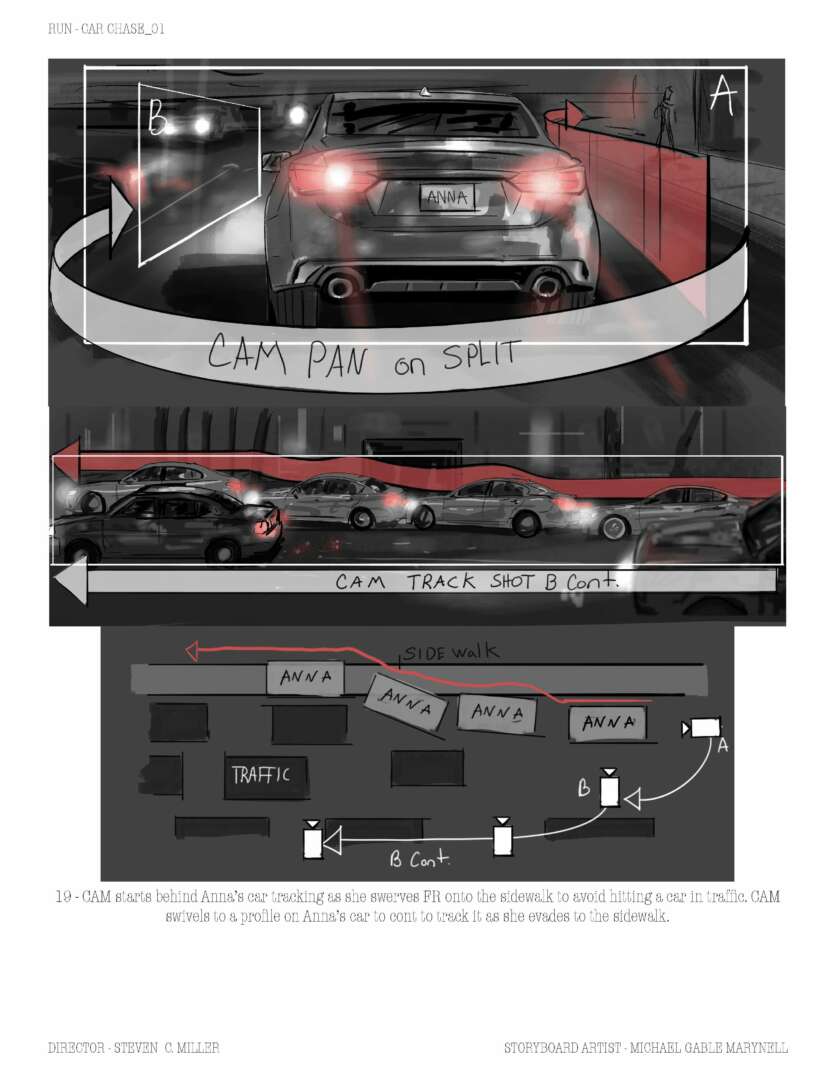
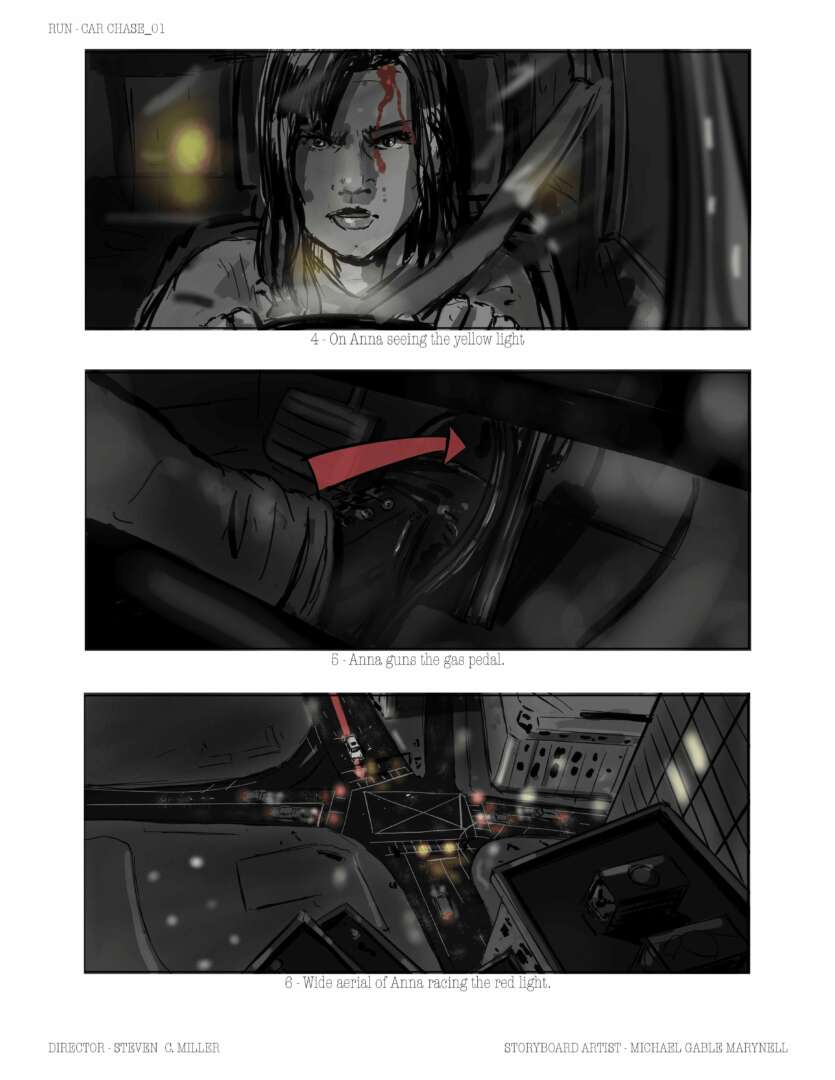
Image Credits
I can’t provide credit for most of these because they haven’t been released yet. I can tell you that image 2. is from the Doja Cat: Demons Music Video and Image 6 is from Ariana Grande’s We Can’t Be Friends Music Video.