

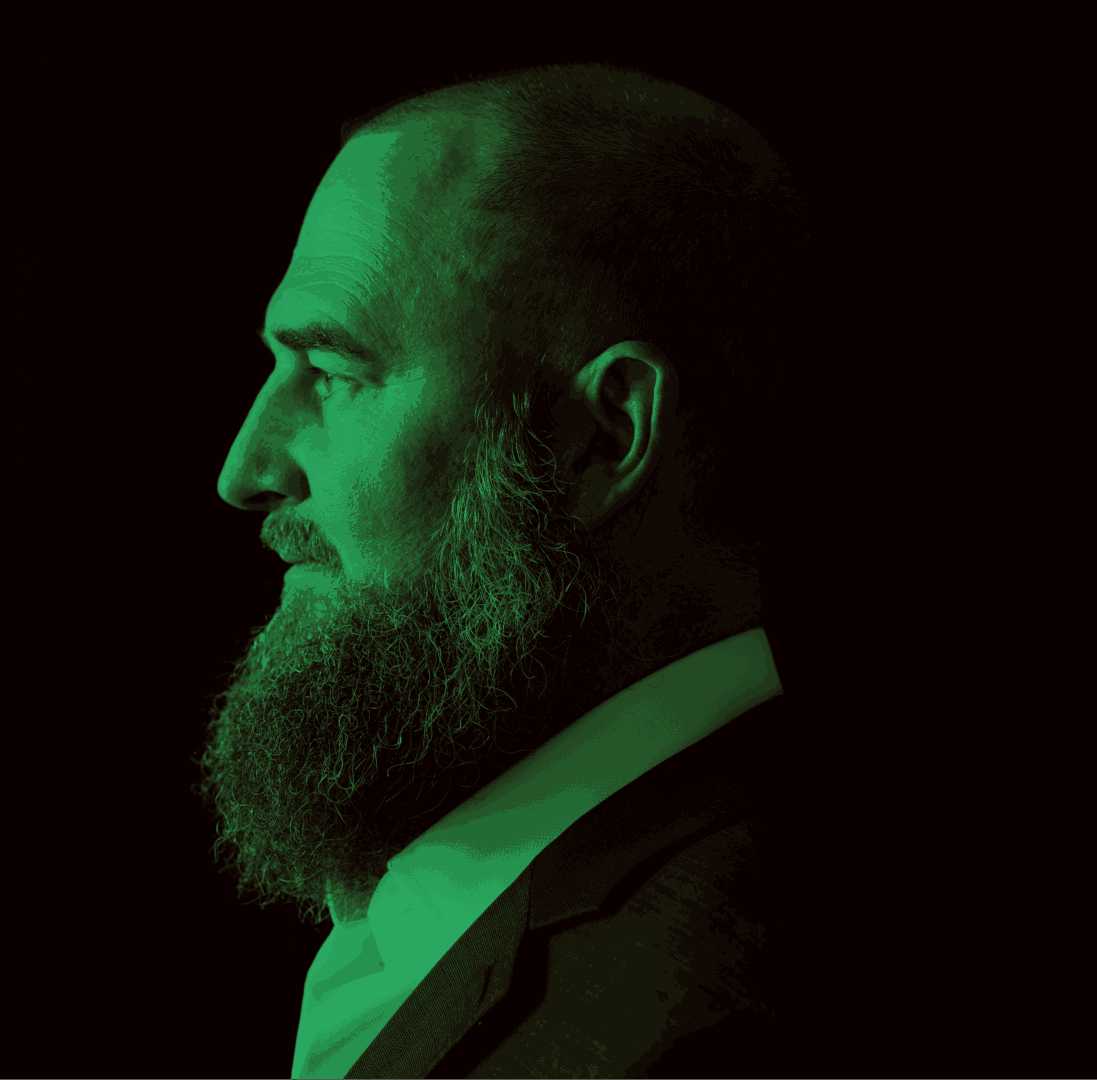

We recently connected with Daniel Loe, AIA and have shared our conversation below.
Hi Daniel, thanks for joining us today. Let’s kick things off with talking about how you serve the underserved, because in our view this is one of the most important things the small business community does for society – by serving those who the giant corporations ignore, small business helps create a more inclusive and just world for all of us.
As a minority owned business, Forsite has, at its core values, a commitment to give back to the community. Our office is a collection of individuals traditionally under-represented in the design and construction professions. I’m an enrolled member of the Red Lake Nation of the Ojibwe tribe married to a genocide survivor of Cambodia’s Khmer Rouge. Collectively, we see ourselves as underdogs, products of underserved communities, and that’s what drives us.
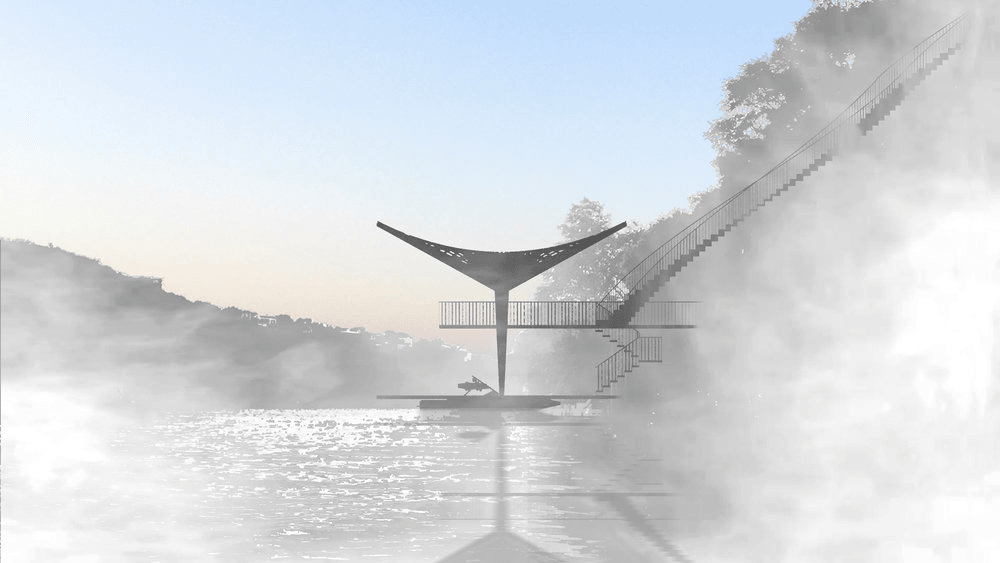
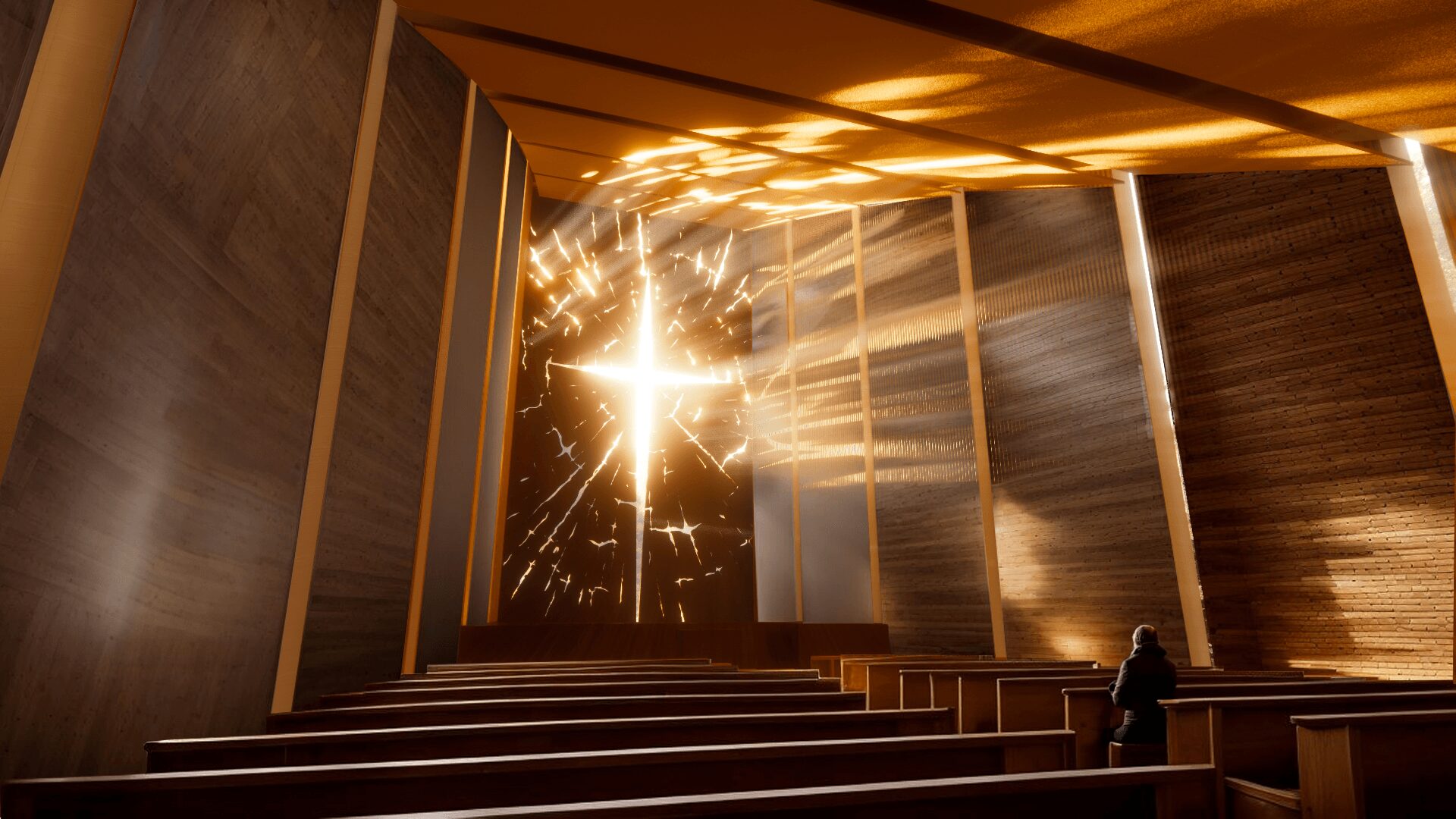
As a firm, we allocate up to 10 percent of our time to pro bono design services. To that end, we’ve master planned worker housing in Cambodia, Buddhist temples in rural Texas communities and housing for the unhoused in Austin.
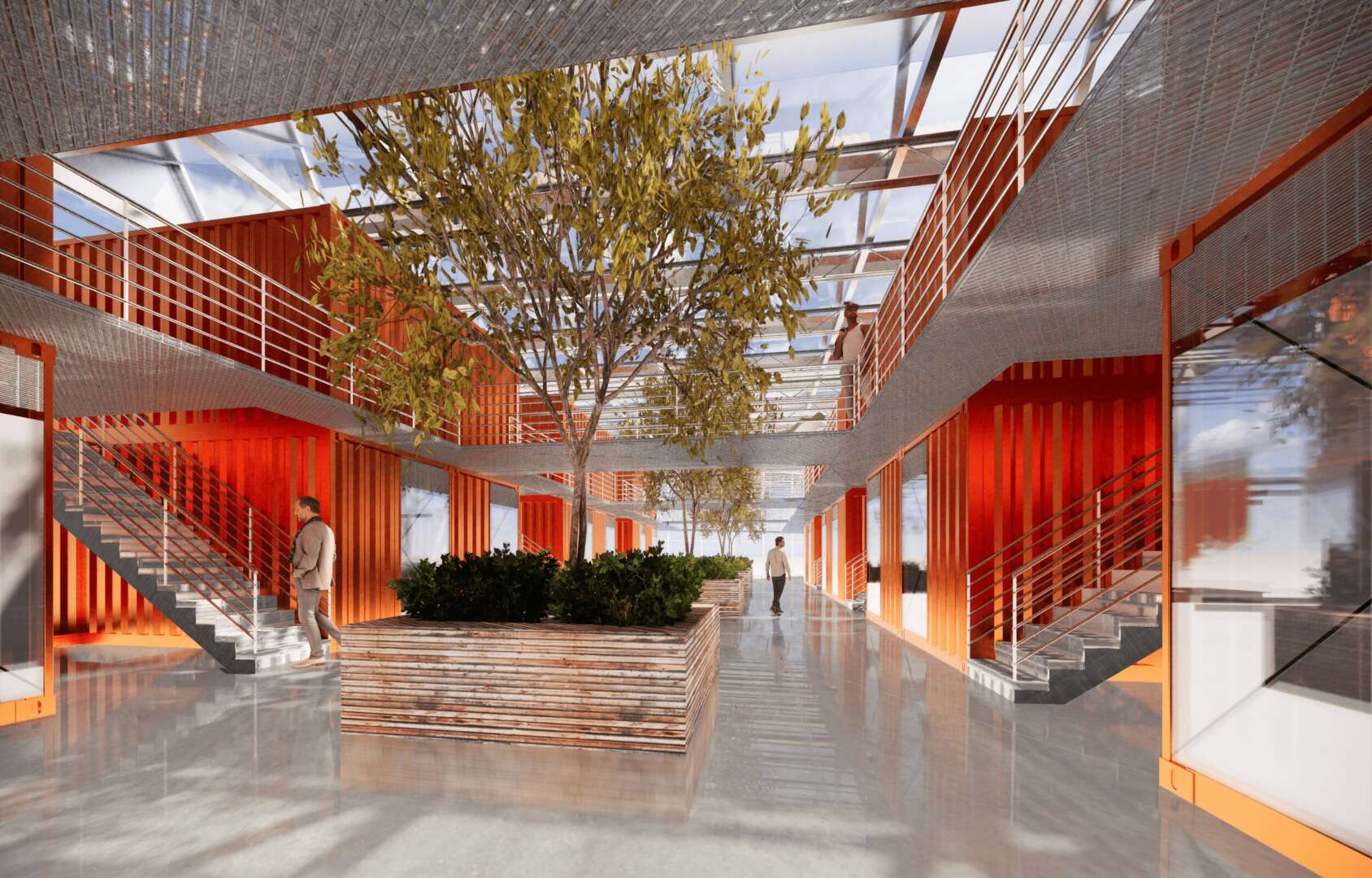
One of our recent projects was a proposal for a local homeless center. Like many US cities, Austin has a burgeoning homeless population as resources for the unhoused haven’t kept pace with the population growth. Our proposal was to utilize a vacant, City owned, big-box store as a shell for shipping containers converted to individual living units. Secure, fire resistant, easily cleaned and installed, these pods would create a community nested inside the larger superstructure. The master plan included a community park, veterinary service and farmer’s market with the ultimate goal of helping individuals transition into permanent housing.
Great, appreciate you sharing that with us. Before we ask you to share more of your insights, can you take a moment to introduce yourself and how you got to where you are today to our readers.
I’m a Design Principal at Forsite Studio, a full service architecture firm with institutional, commercial and residential clients. The majority of our clients come to us looking for creative, one-of-a-kind houses.
As a child growing up on the Minnesota plains in the late 1970’s, I watched my father design and build an earth sheltered house for our family. Natural light streamed in the large, south facing windows, warming an interior stone wall that would slowly release stored heat throughout the night. Radiant floor heating, used predominantly in swine barns at the time, allowed for a comfortable lower ambient temperature. This was the nascent beginnings of a larger environmental consciousness, a realization that the ‘Machine For Living’, espoused by the orthodox modernists, functioned substantially better working with climate than indifferent to it. Since then, I’ve wanted to cause positive change within the built environment and architecture provided a creative outlet to do so.
At Forsite, we take a site-specific approach to design rather than a one-size-fits-all. We consider the movement of the sun throughout the day/year, prevailing breezes, microclimates, views. Conceptually, our houses are instruments for viewing and experiencing the landscape, intentionally blurring the line between inside and out.
Frequently our clients have challenging sites others have passed on due to buildability concerns: steep hills, rock outcrops, numerous trees, or water. All pose challenges to construction, but also intrinsic draws to inhabitation. These sites present unique design opportunities that inform the size, location, and orientation of the structure. We also take into consideration local building traditions that have evolved over millennia as response to climate, including local materials and craftsmanship. The net result is a house that ‘fits’ on the site; one that could only be built on this site.
As is often the case with food, music, or fashion, the fusion of differing ideologies or cultures is often where something new and interesting is born. As an office, we’re interested in the overlapping and often paradoxical components of architecture: the fusion of a minimalist aesthetic with the ornate; the ultra modern and the prehistoric; high art and vernacular. In that regard, our most successful projects have been the union of our interests, beliefs and desires with those of our clients.
Our Alligator Creek house was an early project, modestly sized in footprint and budget, but it laid the proverbial foundations for our sustainability efforts. Completely off grid, this house incorporated numerous strategies to achieve net zero. A cistern captures rainwater from the roof while also providing the foundation for the living area. Positioned beneath the house, the thermal mass of the cistern cools the living area throughout the day, the inverse of the warmed Minnesota stone wall. The floor plan was designed to capture prevailing breezes. Reclaimed materials were salvaged from nearby agricultural structures minimizing the carbon footprint. Lastly, solar panels supply electricity.
The success of the Alligator Creek house led to other clients reaching out to us with sustainable driven projects. Shortly thereafter, we designed a wellness center incorporating hemp as the primary insulating material. We progressed from salvaging specific materials to entire structures, with no less than a half dozen structures relocated and repurposed. We’re mindful of every material and product that goes into our projects. An early mentor would often say, ‘the most sustainable material is the one not used’.
We’ve completed numerous projects in Costa Rica with additional on the boards. Our scope of work has ranged from boutique hotels to single family residences. For us, this has been an opportunity to learn from a country that has fully embraced sustainable living. Ending the reliance on fossil fuels wasn’t just a benefit to boost eco tourism, it was a necessity and today, 98% of Costa Rica’s electricity comes from renewable resources.
Can you tell us the story behind how you met your business partner?
Haha, well, the simple answer is that AJ Smith and I met in architecture school. The more nuanced answer is that we have the same birthday and after years of holding competing birthday parties, we decided to join forces and hold a single event. Ten years after graduating, we teamed up professionally and are still hosting well attended parties!
I joke that having a business partner with a 2/10 birthday was paramount and that I had a limited pool to pick from, but in reality, despite both being Aquarians, we have differing and complementary skill sets. Being more left brained, I tend to keep the funnel of possibilities open wider and longer. AJ, on the other hand, is very analytical and can look at a floor plan and immediately have five ideas for how it be better laid out. Our best projects have been the ones we’ve had to figuratively arm wrestle the other in order to get our vision implemented!
Do you have multiple revenue streams – if so, can you talk to us about those streams and how your developed them?
From the beginning Forsite was conceived with multiple revenue streams. Like nearly all professions, architecture is subject to the whims of the economy. In fact, it’s usually a leading indicator as to the direction the economy is headed. Our construction capabilities allow us to hedge against some of the inevitable downswings. In the early months of Covid, when the bottom fell out of the entire US economy, our design projects evaporated but our ongoing construction projects ballasted our revenue stream.
Most recently we started a commercial wood cladding and decking division. With an attention to detail, an understanding of how to read design drawings, and industry contacts, it was an opportunity to add revenue without adding significant overhead.
Contact Info:
- Website: https://www.forsitestudio.com
- Instagram: @forsitestudio
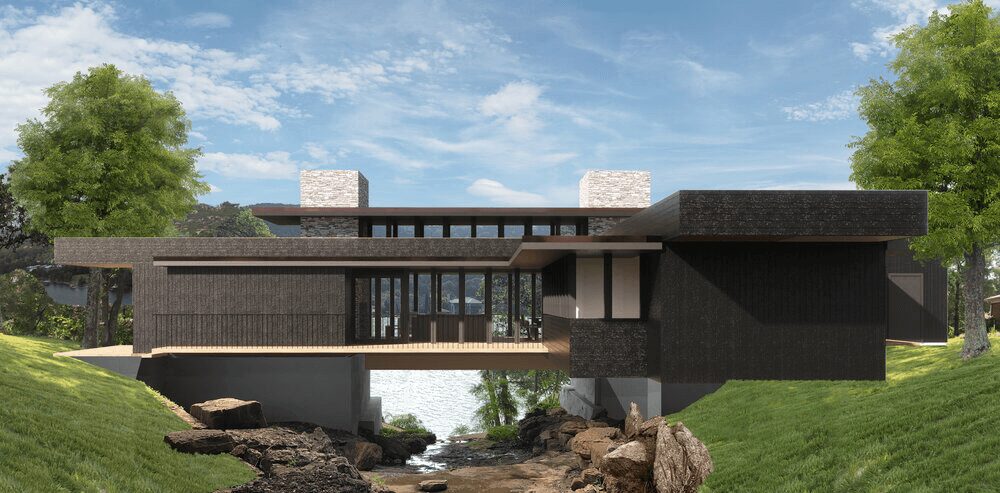
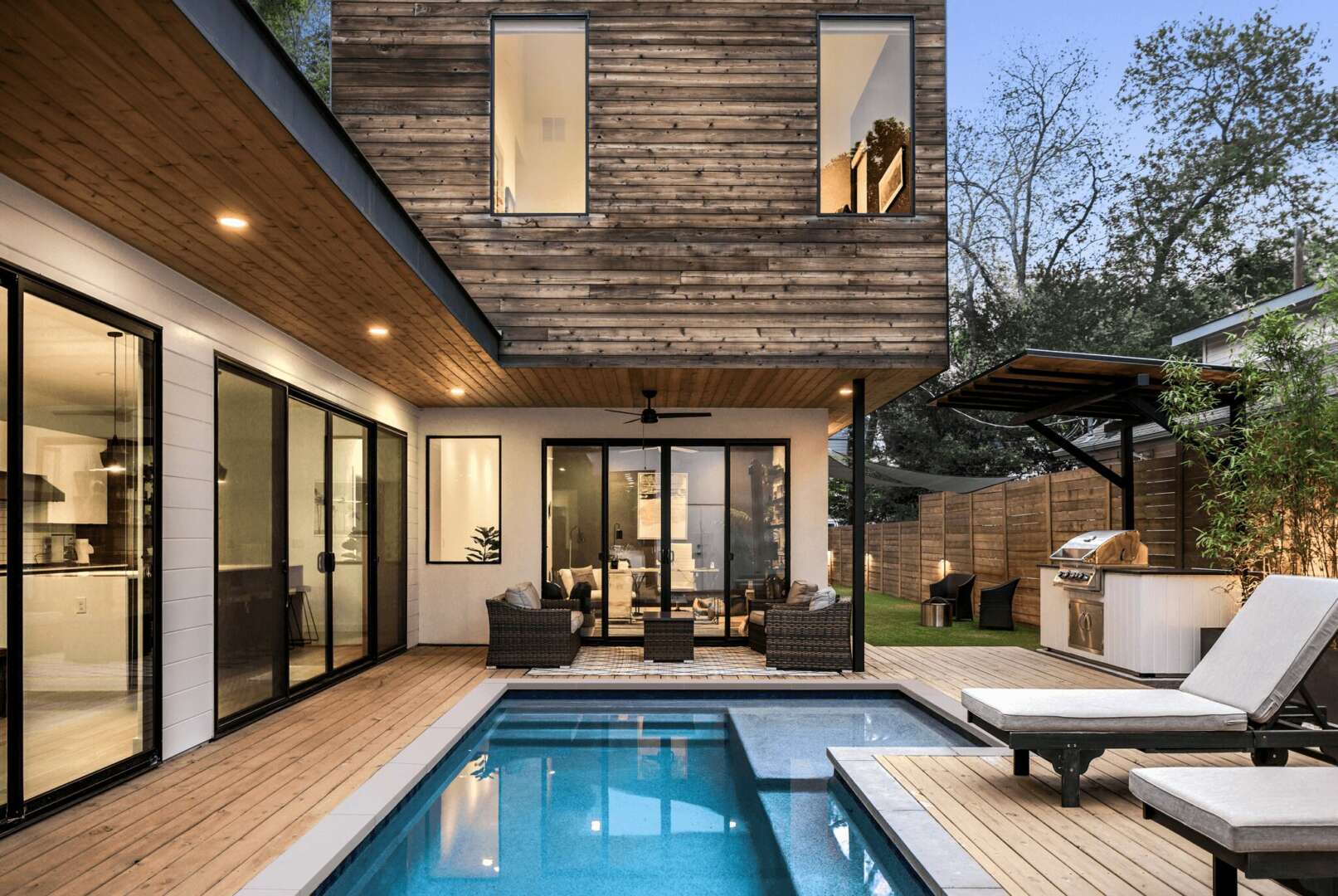

Image Credits
Amy Corely
Ryan Baldridge