


Profits differ from net income, and no where is there clearer than for small business owner-operators, artists, and creatives. Just because you have a certain amount of money left over after covering expenses doesn’t mean you’ve made profits. Why? Because you have to factor in the cost of your labor and the risk you took and so after factoring that in, millions of small businesses and artists and creatives are operating with little to no profit. However, it doesn’t have to be this way and so we wanted to create a space where sharp entrepreneurs and creatives could come together and discuss the challenges to profitability and potential solutions. If you have something valuable to add to this conversation that can help others achieve profitability, please reach out to us as we want to get your ideas in front of our readers.
Kristin Mitchell

I would say the biggest challenge to profitability is how many people don’t truly understand the planning and details that go into events and costs associated with the event planner’s time. This isn’t just an issue in my small business now, but it’s also something I saw in the corporate world. Read more>>
Adrienne Perkins

The largest challenge in profitability in the industry is designers understanding and adapting to the massive shift in product sales. When I started in the industry, designers made their living on sales and design. They were reliant upon the sale to pay for part or all of the design. With the internet and savvy shoppers, this can’t be the case any longer. Most clients who want to be involved, will want to understand where to find their furnishings at the best price. Designers are doing the industry a disservice by concealing spec information or requiring clients purchase from them. There are professional ways of handling this issue that do not require such tactics like hiding information or enforcing a contract in order to maximize profits on a project. Read more>>
Jordan Nunez

The biggest challenge to profitability for any small business, but ESPECIALLY a creative small business, is not valuing your work properly. Many makers find themselves in a cycle of pricing to sell, but not pricing to make a profit. I’ve been guilty of this myself. As a ceramicist I can make a beautiful, intricately designed, handmade mug (which by default should be priced higher than a mass produced mug) and when it’s time to sell that mug, struggle to ask the fair value for it. Read more>>
Anayo Nworjih
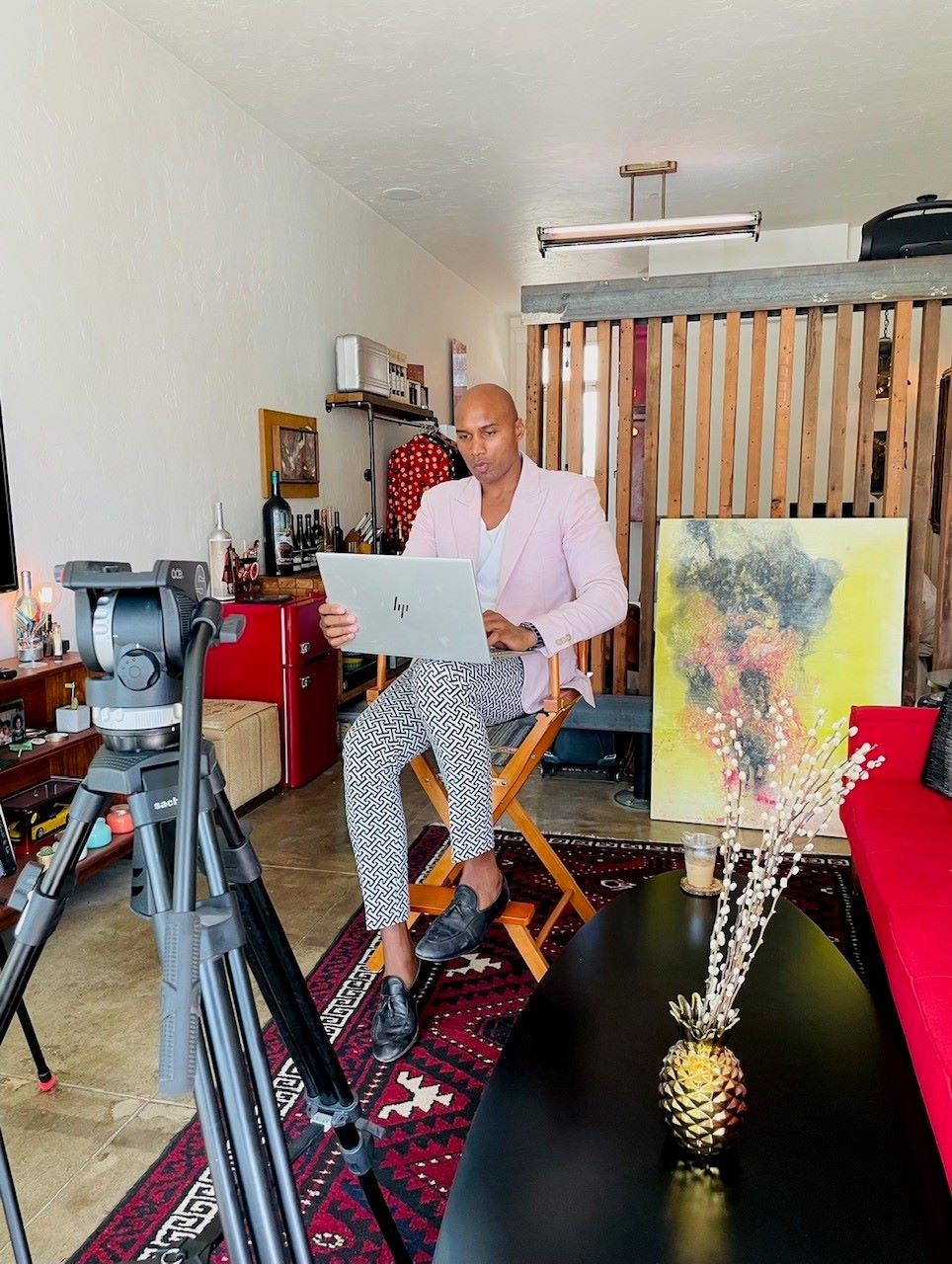
The reality is being a business of color or a women-owned business that needs to raise capital is a colossal disadvantage. Just 1.2% of the record $137 billion invested in US startups in the first half of 2021 went to Black entrepreneurs, and only 2% went to women-founded companies, (https://news.crunchbase.com/venture/something-ventured-funding-to-black-startup-founders-quadrupled-in-past-year-but-remains-elusive/) This is not about working smarter or harder. Read more>>