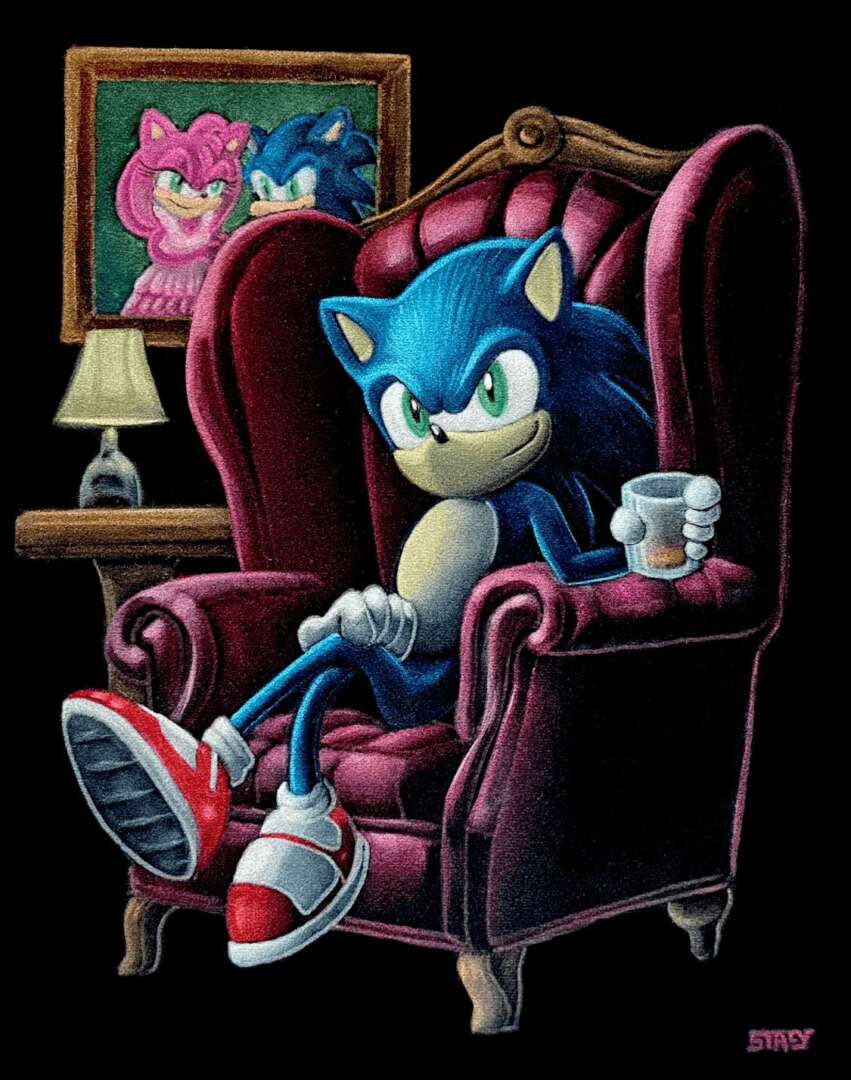
We were lucky to catch up with Stacy McClanahan recently and have shared our conversation below.
Stacy, thanks for taking the time to share your stories with us today So, let’s start with a hypothetical – what would you change about the educational system?
Certainly the cost! We need to prioritize that our elected leaders make education in general accessible and affordable.
I’ve seen some propaganda on social media circulating about educated artists being considered “ elitists” and implying that somehow having a degree is a reflection of snobbery. That educated artists aren’t as talented or don’t deserve any success than that of someone without a formal education. Like going to school is cheating somehow! There’s a resentment that is being sown. This I find to be a reflection of a frightening rise in fascism which of course thrives off of an uneducated population. Artists have always been a target – as we can craft a message, rally a culture and question authority with our skills. We don’t look down at anyone based on their level of education however, we should cherish being educated!
I was a tech recruiter for a bit and worked in the video game industry, so a lot of parents have asked me for advice to give their interested kids thinking about colleges and career paths. One of the most practical bits of advice I give is: “ Go to a community college!” At least just to snag your Associates degree. Holding a degree is a key requirement for a lot of jobs. Like, every major company I recruited for at the time required a degree just to be considered for anything. The competition is so fierce at most giant companies that they put degree requirements out there just to filter a lot of folks out. I’m not saying that higher education is the only path to take, There are plenty of trades that don’t require a degree, or maybe you go the self taught path and that works for some folks. But the data is there, folks with degrees do tend to have higher incomes than folks without. And health insurance! I won’t even start on that. So… what other advice? Ah yes- make a list of prospective career paths ( ceramicist, scientific illustrator, therapeutic art instructor, etc) or places you’d like to work at. If you want a better idea of what you need to do to say, become an art director at a famous animation studio, you should certainly pay attention to whatever requirements are posted on the job description for that role. The internet makes finding that specific information so easy now. So look for the kinds of gigs you’re dreaming of, and then work to line up your education and skill building with those. If that gig is skill based, hit up a mentor or ask to apprentice if you can. In high school, one of my teachers offered to mentor me in bronze casting and I still regret my fear of hot metals kept me from taking them up on the offer!
And if there’s college required for the role you’re interested in, another great thing about a community college or state college is that it gives you not just the gift if saving money, but you can take some time to explore different interests and classes without the added psychological pressure of having to “ know exactly what you want to do and who you’re supposed to be ”.and “ gotta get a big return on this class it cost my family so much”. A lot of teenagers I’ve spoken with don’t all know what they want to do after they graduate high school. Maybe their parents are pressuring them or worried about lining up everything for them in advance because hey it’s a competitive world. Again I’d say think about economical school choices ( which are accredited and not some sketchy online institute), You can always transfer to a pricier school if need be for a higher degree or specific program down the road. Just ask yourself first, is this school fiscally worth it? Again why get yourself into debt, especially for a career that typically won’t supply high enough wages to pay off that debt?
Stacy, before we move on to more of these sorts of questions, can you take some time to bring our readers up to speed on you and what you do?
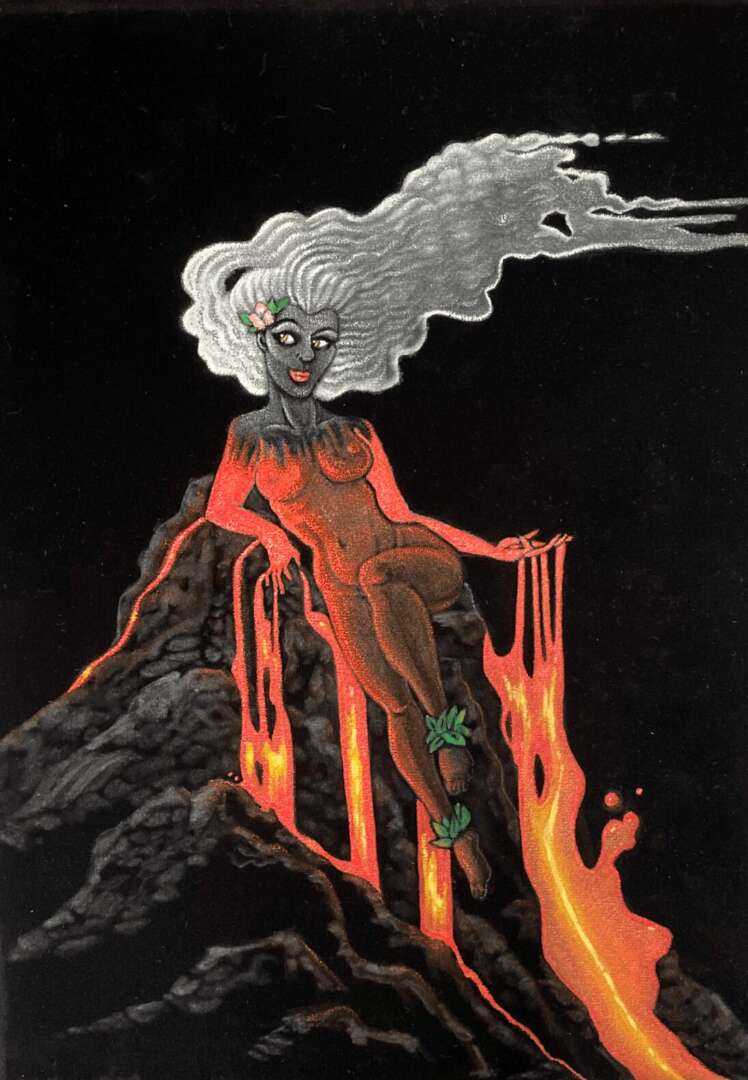
So I got into the very niche art of painting on black velvet fabric after I wasn’t able to find some vintage velvet paintings online that I liked for my tiki themed art shed that serves as my studio.
I have a degree in Fine Art ( yes from community college) and a degree in animation from a Videogame school in Canada. Additionally I have worked in the video game industry for about a decade, illustrated books, designed Star Wars merchandise, and have always been a creative person. So I figured “ hey I can’t find a great velvet painting-but I can paint. Why not just make my own? How hard could it be?” Ha! It turns out it was an easier said than done situation, as velvet painting isn’t something that’s taught in any formal school or online.
It’s an art form that has existed for hundreds of years, and had a major boom after WW2, faded out of style after several very successful decades, and now with tiki and cocktail bar culture having a second renaissance, it’s come back again. Unfortunately the folks that made those paintings during the midcentury heyday have mostly died off and they kept their cards close to their chests. It was a secretive industry, It’s notable that all the famous female black velvet painters were self taught . So in that tradition, I had to trial and error it out mostly. I went to tons of fabric stores and wasted lots of time and money buying yards of different velvet fabrics to experiment on. I also started with acrylic paint, which is what I grew up using, and then switched to traditional oil paints. This was another learning curve, but it’s what the Mid Mod velvet masters had used, and I wanted to be as authentic as possible in my approach. After using standard oil paints for about a year, I again switched and went to water soluble oils.
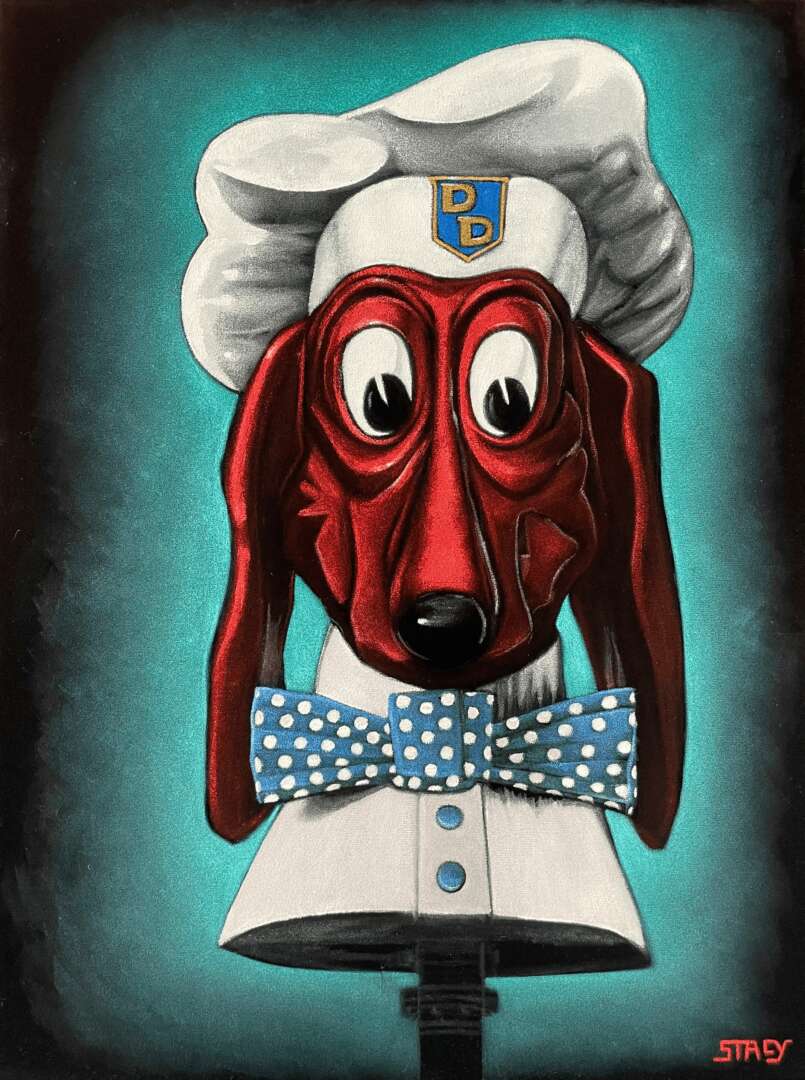
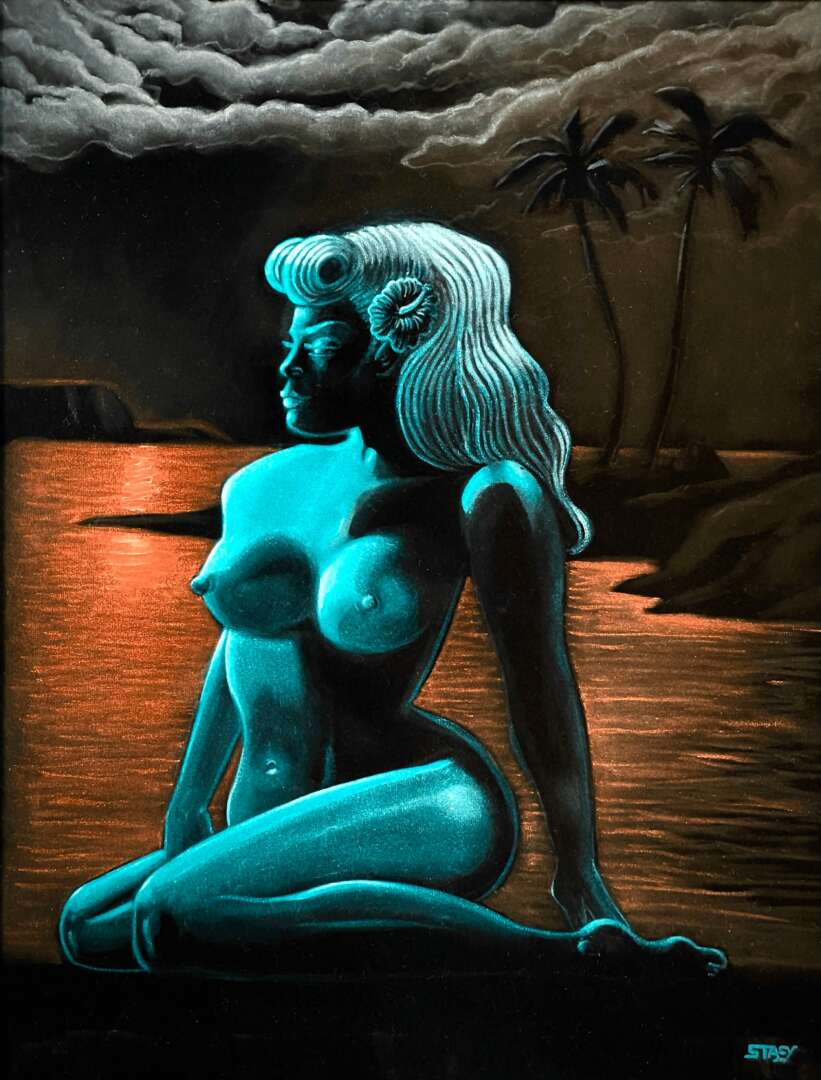
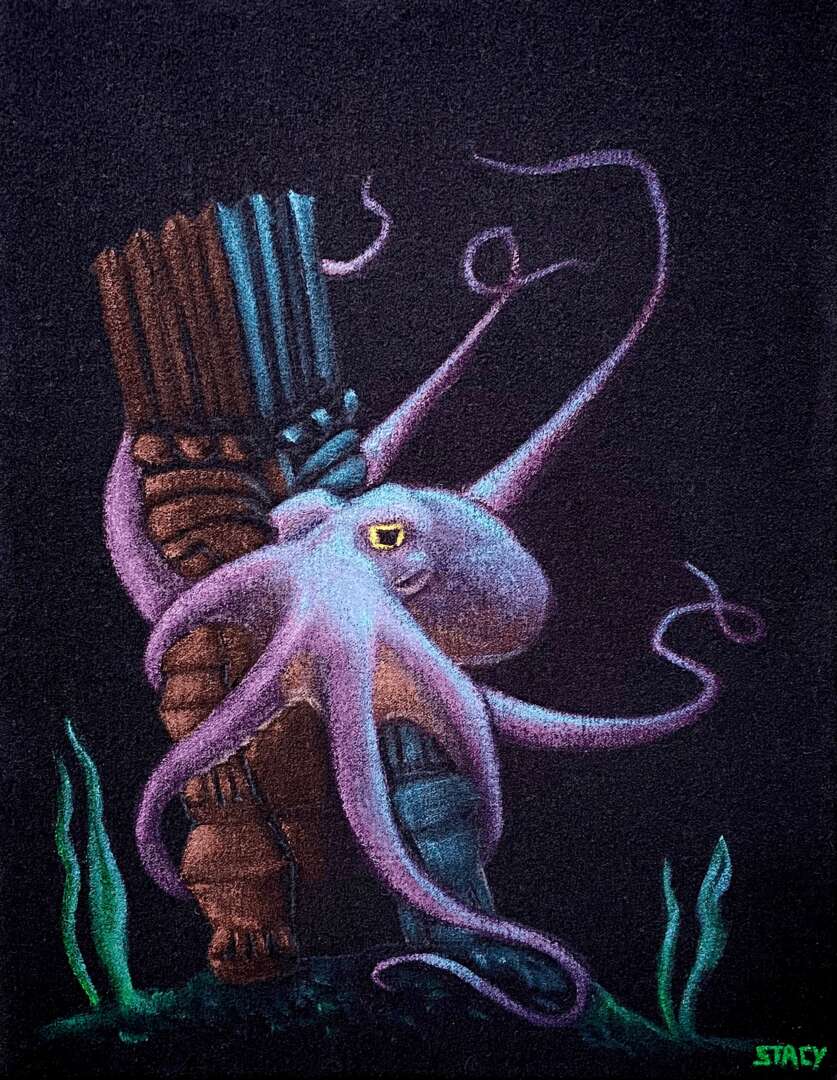
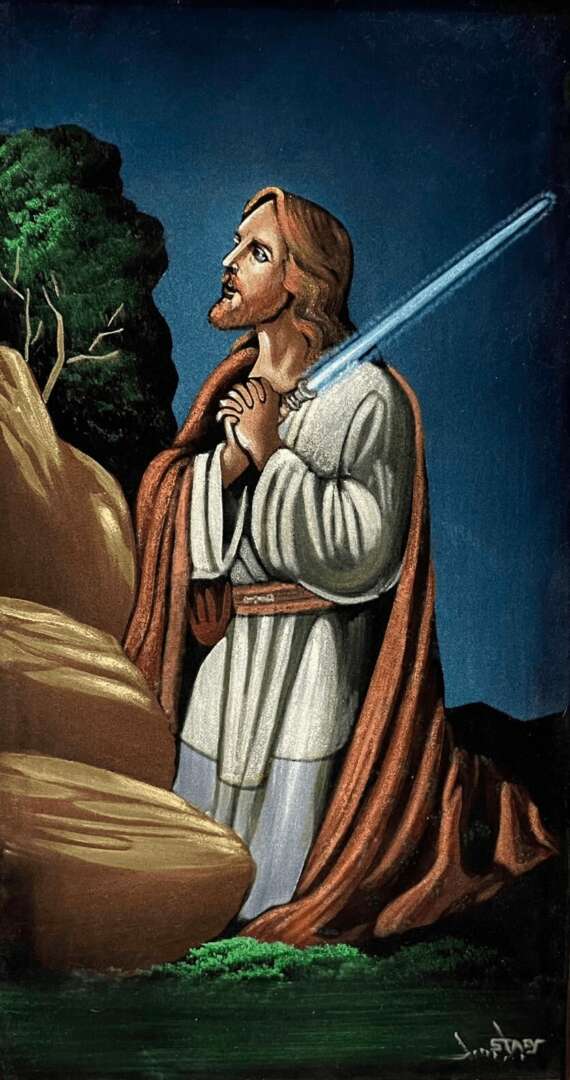
There’s a big association with black velvet painting and tiki bars ( I’ve taught a class on it) and I’ve been fortunate enough to be commissioned by some really fun bars and I’ve also vended my original velvets and art prints of my work at tiki events and art fairs. I recently started making some tshirts and I need to get around to adding some more to my Etsy store. I get a lot of private commissions, and those are for any subject you can imagine- I’ve painted pets. people, video game characters, tikis, monsters, cartoon favorites and landscapes on velvet, you name it. I love the variety. Painting on velvet is challenging and there’s not much room for error. I work slow, in a style where you try to gently imbibe each fiber with a very thin, even coat of paint so it incorporates into the velvet with minimal clumping. This can take weeks as you can’t keep layering wet oil over wet oil – especially on the fabric or the texture and character will be changed and it can’t be erased or covered up. I don’t do impasto. My specialty is portraits, so my intention is to try to emulate soft, even skin tones and a stray glob of paint can ruin that. Despite the amount of patience that you need to have and the small margin of error, I love the tactile feel of the velvet and I love the high contrast of the medium. With velvet, you’re also working “ in reverse” painting in light on a black surface. It forces you to approach the canvas differently. You also have to compensate with color; for example if I’m painting a fair skinned person, I need to mix in a unsettling amount of orange tones in my paint to compensate for the fabric absorbing the pigment up. You tend to have to work with brighter colors.
One of my favorite things to do these days is teach classes on velvet painting! I’m really excited about my first Halloween themed class coming up In October at The Sharon Art Studio in Golden Gate Park. Tickets will be extremely limited and I believe will be up for grabs July 22nd or so.
Can you talk to us about manufacturing? How’d you figure it all out? We’d love to hear the story.
So velvet canvases are sadly not something you can purchase in a store ( oh wouldn’t that be amazing )?! I had a guy that used to stretch my canvases for me and then he retired. I then did it myself, and let me tell you I spent and inordinate amount of time using a hand stapler and killing my wrists etc on the floor getting everything prepped. I’m embarrassed to say that since starting this velvet endeavor in 2017, it wasn’t until this last year that I thought to upgrade to an automatic stapler and what a help that’s been! I also stopped working on the floor after hurting my neck, so now I’m trying to be better about avoiding repetitive stress injuries and just finding ways to get results that are sustainable. I don’t have any plans to stop this velvet train and it’s so important to listen to your body so you can keep doing what you love as long as possible.
We’d love to hear a story of resilience from your journey.
Like all artists, I’ve been rejected. Every amazing creator I know has. Unfortunately it’s rare to learn why that happened, ( maybe it had nothing to do with you- they just had too many submissions) but something you can learn is to just keep your fire burning and take that rejection and just channel it into working even harder and keeping your own momentum up.
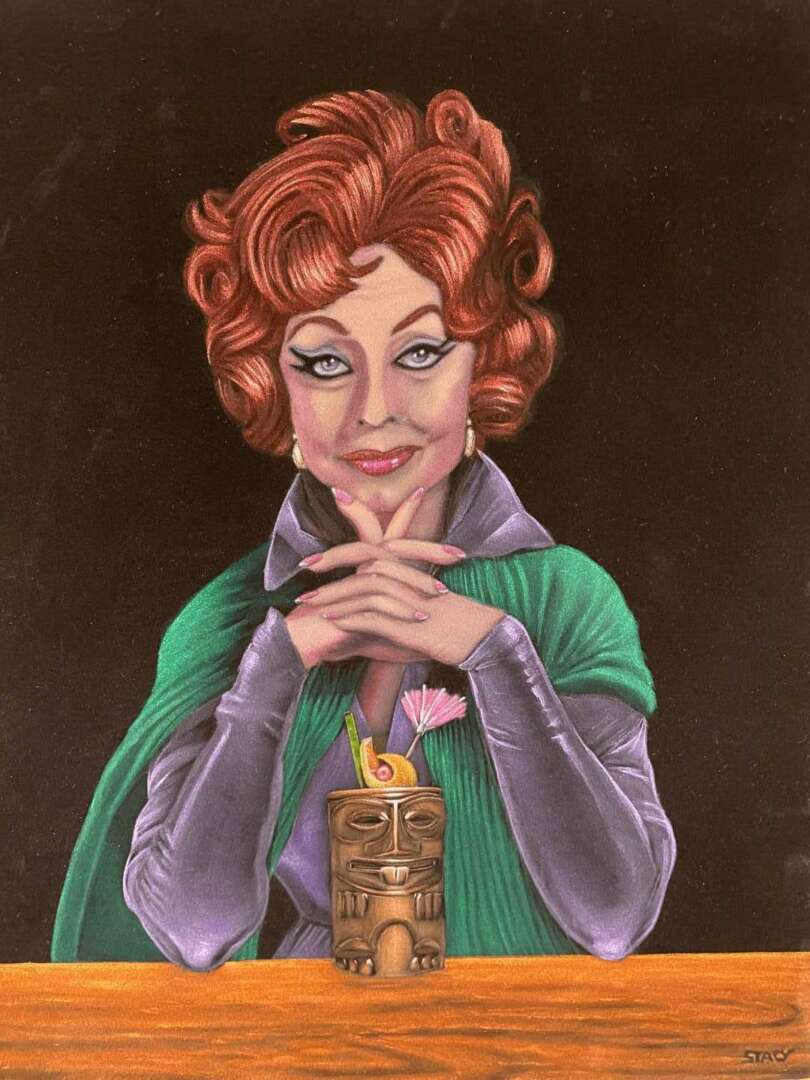
My very first velvet painting was’n’t on the right kind of velvet fabric. It was really nice feeling, but The material was so thick I actually shaved it down by hand to make it more workable haha! That was a painting I made of Elvira and I still sell prints of that painting! My first impulse was to chuck it, but people love it! And now so do I. It’s good to be reminded sometimes of where you started from. I feel like there’s always room for improvement , but there’s also something really zen about looking at a piece you’ve made and accepting it and stepping back and leaving it alone.
I am lucky to know some really talented artists. Some are professionals and they’re in another level. They’ve all been rejected or made things they didn’t like at some point. The one thing they all have in common is that they keep at it. And they all are so humble and just want to keep growing and improving their skills. So don’t be discouraged if you get rejected for a show or whatever.
I just watched a great documentary about one of my heroes Jim Henson on Disney +. Spoilers- when Jim was pitching the concept of The Muppet Show, every single tv outlet in America rejected him. Every single one! And this was after the smash success of Sesame Street! You could even say -because – of Sesame Street. Some folks thought he should stay in that lane. Jim stuck to his guns and just kept on pitching- in his case, he went to another country and we all know how things turned out for the Muppet Show.
Contact Info:
- Website: https://Www.thefogden.com
- Instagram: FogDenSF
- Facebook: The Fog Den