
We were lucky to catch up with David Ito recently and have shared our conversation below.
David, thanks for taking the time to share your stories with us today Let’s kick things off with your mission – what is it and what’s the story behind why it’s your mission?
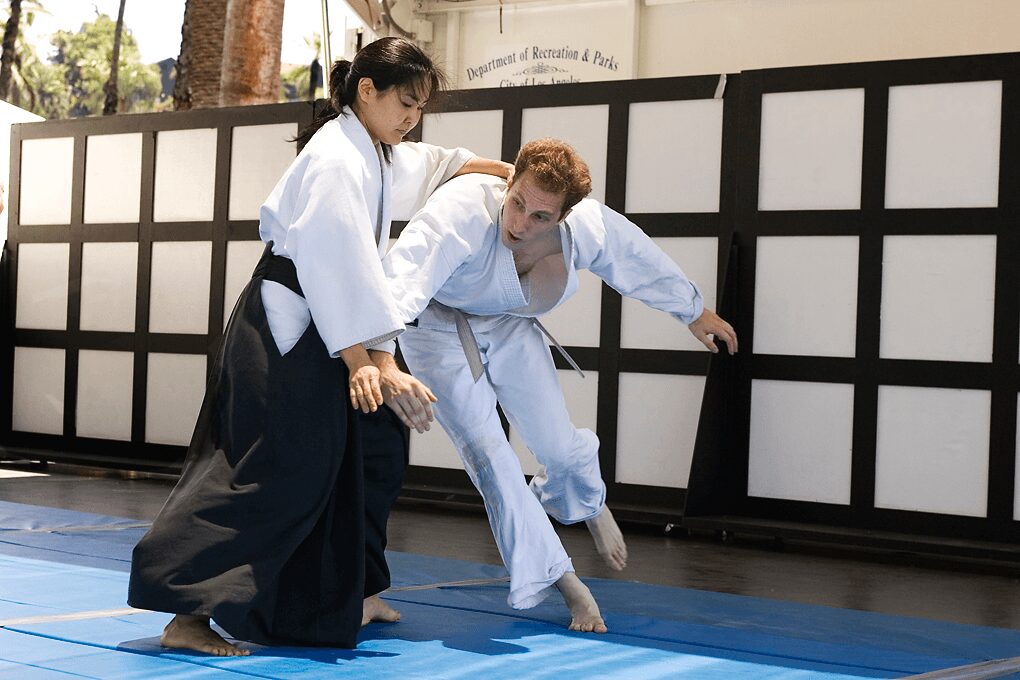
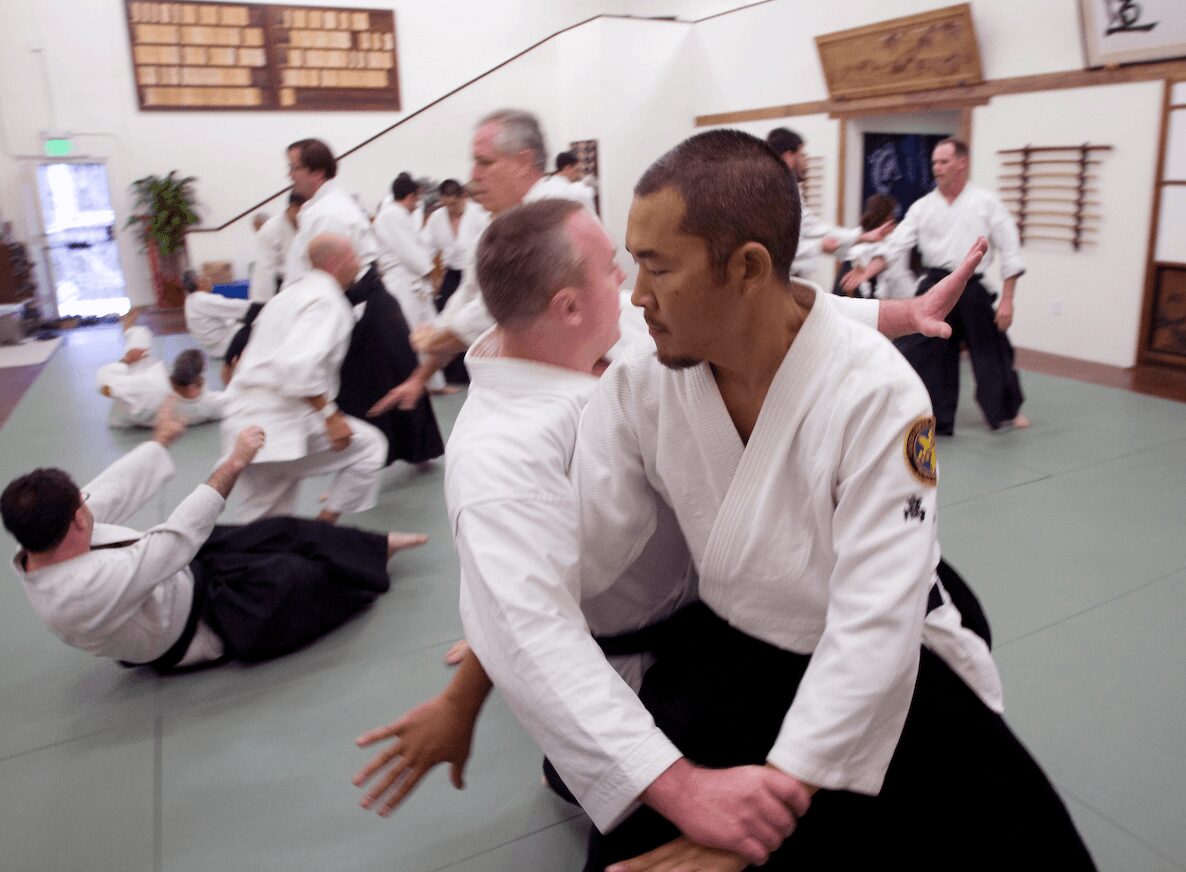
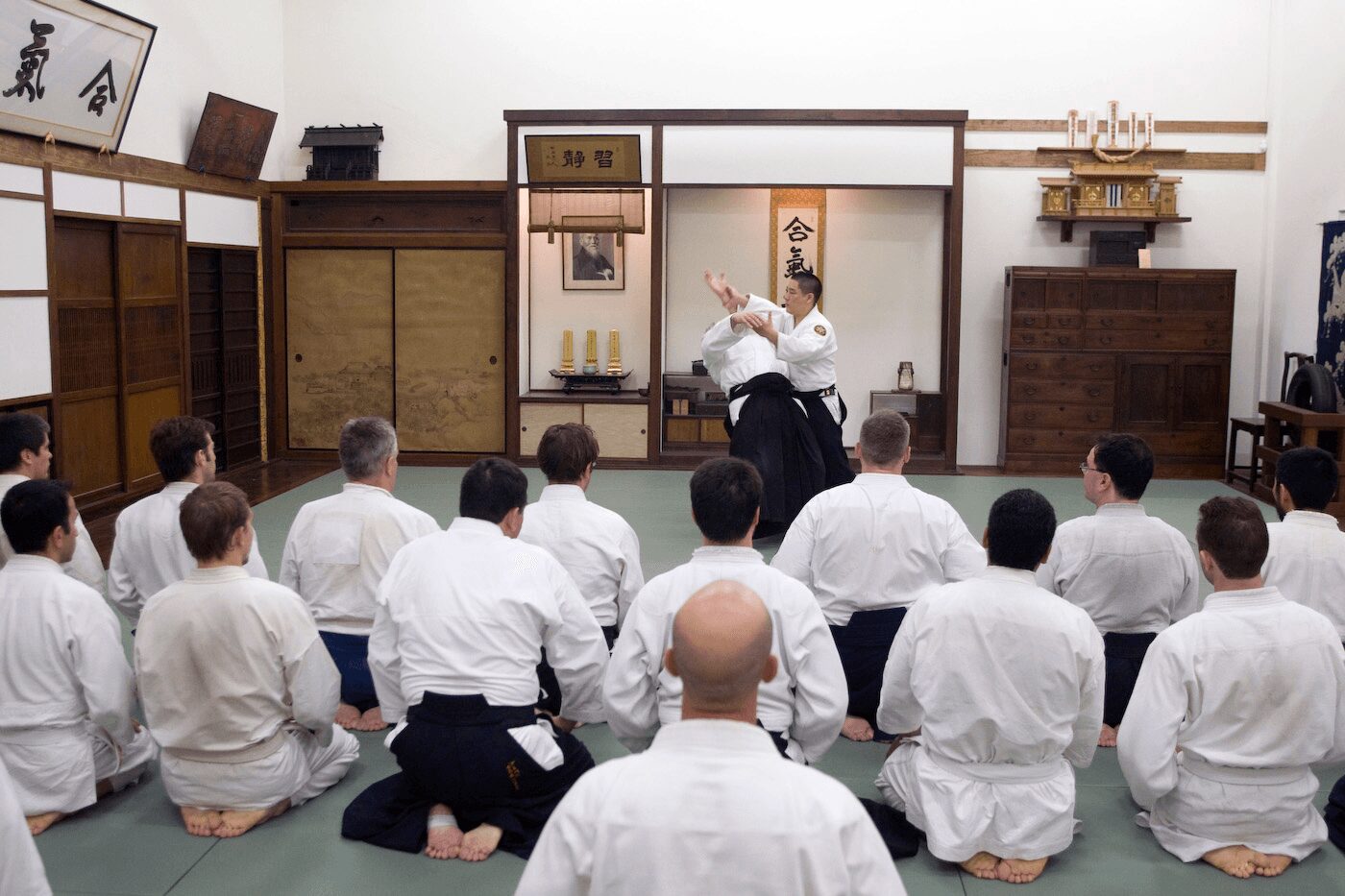
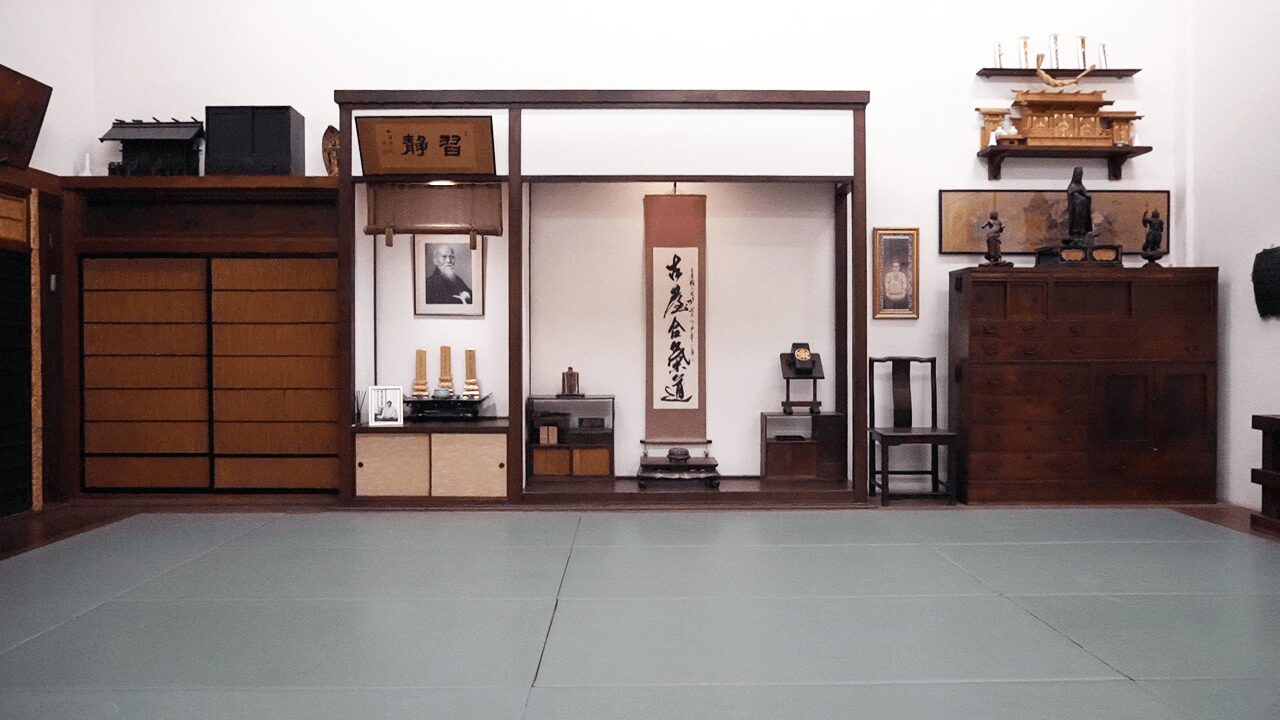
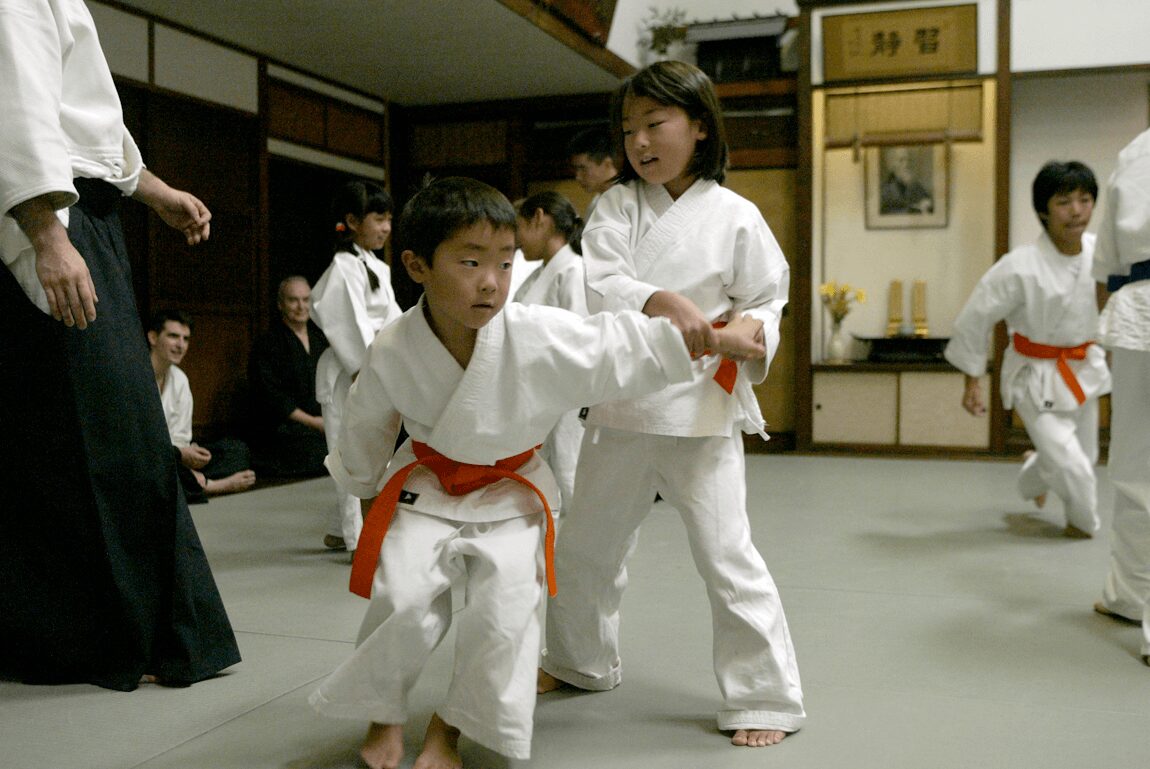
The Aikido Center of Los Angeles is a not-for-profit traditional martial arts dojo specializing in the arts of Aikido and Iaido. Our founder, Rev. Kensho Furuya’s vision was to spread the beauty and benefits of Japanese culture through the study of the arts of Aikido and Iaido. This year our dojo celebrates 50 years. Our goal is to celebrate this auspicious milestone and pave the way for another 50 years of preserving Japanese culture and bringing people together through the traditional arts of Aikido and Iaido.
Aikido is a traditional martial art, but I also think that it is one of the greatest self-development tools. In Aikido, we learn how to not only develop our bodies, but also develop our minds and our spirits. For me, I was a person who desired to be better but didn’t know how to or what that even meant. As a young man, whenever something was hard, I would just give up. The training gave me a way to move forward in my life despite the the fumbles and difficulties of my past. I learned how to get back up after a fall or “gaman” which means “to persevere” in Japanese. I learned how to keep on going not matter what happens because as the Japanese say, it is “shoganai” or “It can’t be helped.” In Aikido I learned how to develop myself and depend on myself and that self-reliant thinking opened the door to a better life for me.


David, love having you share your insights with us. Before we ask you more questions, maybe you can take a moment to introduce yourself to our readers who might have missed our earlier conversations?
I was somewhat of a delinquent and a high school drop out. I started Aikido when I was 19 years old in hopes of learning how to be a better fighter. At that time, I was a bit aimless. I had dropped out of high school and had no prospects. Long ago, my grandfather suggested to my mother that she put my brother in Aikido because he was acting out. While watching what would have been my high school graduation, I remembered my grandfather’s recommendation and I decided to look for an Aikido school. When I called the Aikido Center of Los Angeles, Furuya Sensei barely talked about Aikido as a martial art. He talked quite a bit about how learning a traditional Japanese martial art was the best way for Japanese American’s to reacquaint with their culture. Furuya Sensei made it sound so interesting. The dojo and Furuya Sensei were strict but it was also egalitarian. You trained along side lawyers, doctors and gang members. All that mattered was that you were disciplined and wanted to get good at Aikido. I don’t know what it was, but something about the training made me want to be a better person. Our dojo has been publishing a monthly newsletter since 1984 and every month I would read these articles that Furuya Sensei would write about life, Japanese culture, and Aikido. I used those articles like a road map to developing myself. From there, I got a job, went back to school, got my GED, and now I have a bachelor’s, master’s and doctorate degree. The training gave me a way to move forward in my life despite the the fumbles and difficulties in my past. Aikido is a martial art but its about self betterment. We learn how to get thrown down, get back up and keep on going no matter what happens – this is the spirit of the warrior.
We’d love to hear a story of resilience from your journey.
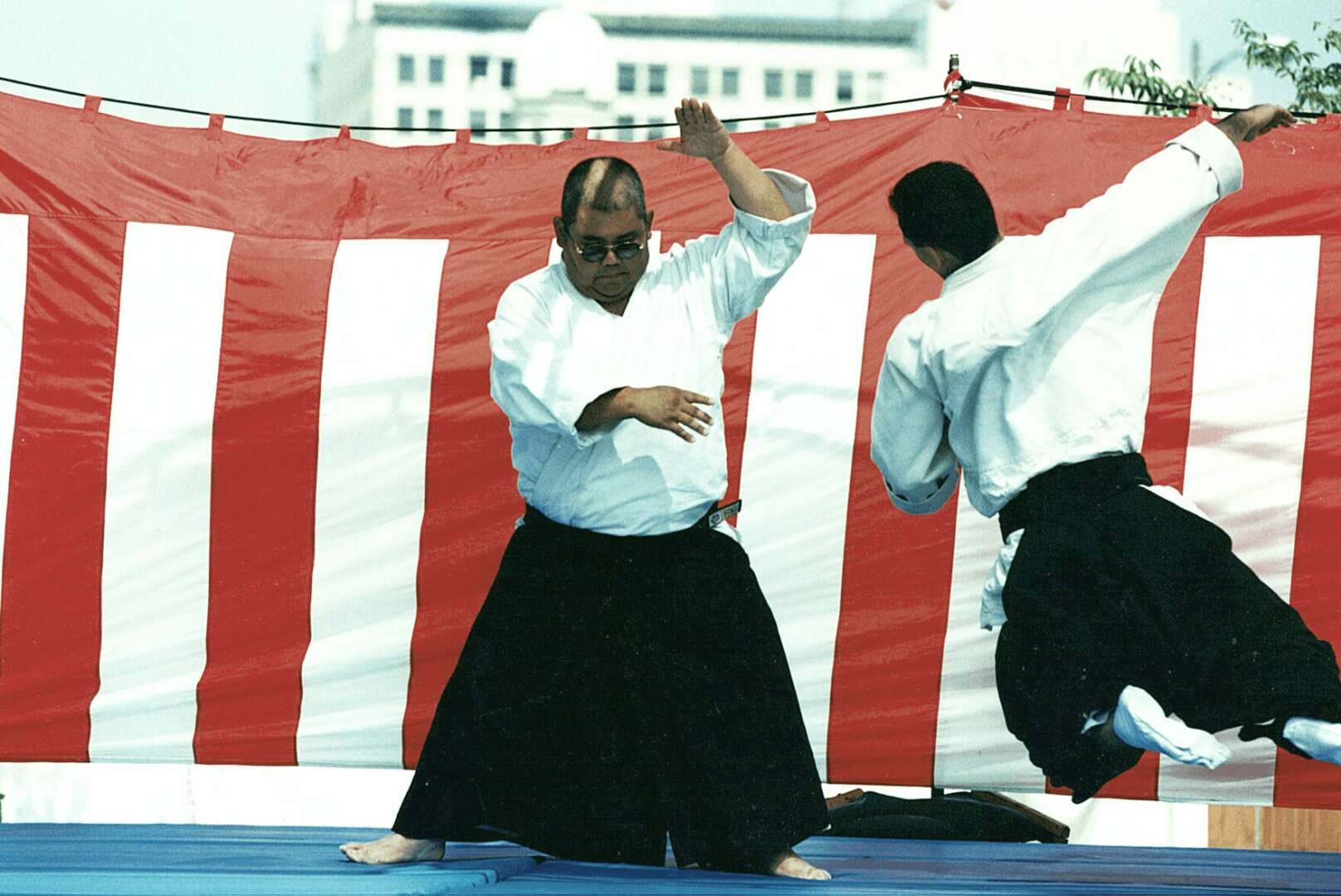
In 2007, Rev. Kensho Furuya, the founder of our dojo suddenly died of a heart attack. At the same time, we were being forced out of our space of 23 years because they wanted to turn our building into luxury condominiums. On the same day our teacher died, we also broke ground on a new space, but the landlord demolished the space for us without a signed agreement. The space wasn’t ideal. Legally, we could have walked away with no penalty but moralistically we had to honor our teacher’s handshake agreement. At the time, I was the senior student. However, I was not groomed for this role. Furuya Sensei had been developing another student but he quit prior to his passing. At that moment, I had to make a choice: step up and lead the dojo or let it die. The dojo was the place where I truly found myself. I went from being a high school drop out to earning a doctorate. I realized that the dojo had provided me with so much and I wanted to give others that same opportunity to find themselves and reach their greatest level as well. So, I made the choice to step up and that was more than 17 years ago. Now, I have reached a weird milestone. Furuya Sensei has now been dead for 17 years which is the same number of years that I had trained under him. Now this 34th year feels like a turning point in my own training. I know it sound strange, but this is the first year where I finally “feel” like a teacher.
What’s a lesson you had to unlearn and what’s the backstory?
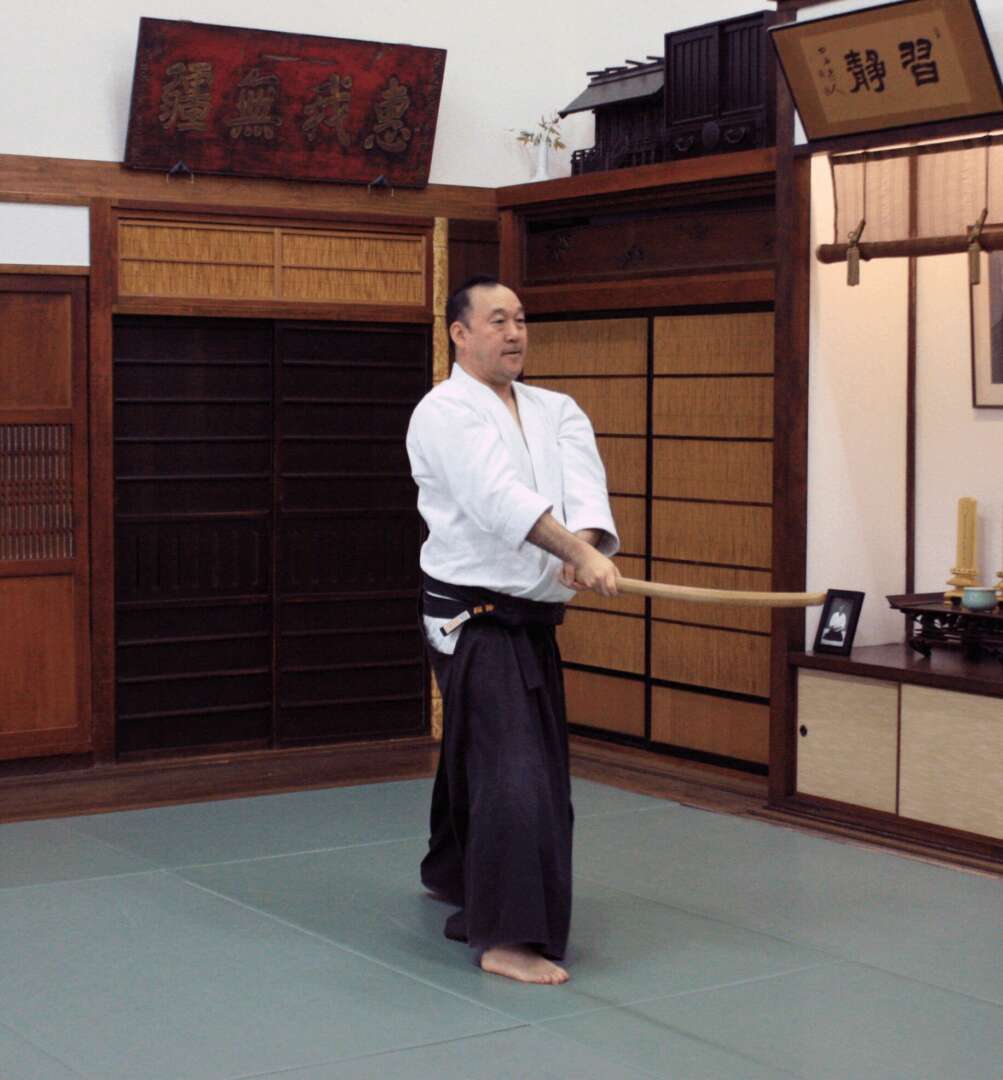
One of the greatest lessons one can learn from Aikido is that of adaptability. I had to transition myself into a teacher, we had to adapt during the pandemic, and now we have to figure out how to teach Aikido to students in this era. It was hard to transition for me to move from having a warrior’s mindset to having a teacher’s. The warrior’s job is to fight and, for lack of a better word, destroy people. The teacher’s job is to develop people. So, I had to unlearn how to destroy and learn how to build. Furuya Sensei said that it takes 15 years for a teacher to become established. It is totally true. The reason why it takes 15 years is because it takes about 3-5 rotations of students to make mistakes and learn from before one can transition into being a true teacher. I have had so many great students with tons of potential come through my door but lose them because of some mistake I made. With each one, I learned a lesson. Some lessons are about teaching while others are about life and what it means to be a human being. Teachers don’t have to adapt but those that learn from their mistakes have the opportunity to be real teachers in the future. If a teacher cannot adapt, they might fail or at the very least they just become mediocre. Students today are not better or worse than those of the past. Each era presents the teacher with the opportunity to be the best teacher they can be. Being the best teacher is about learning and adapting to the times. Warriorship is a craft just a teaching is and thus a teacher must learn how to adapt what they have learned and instill it in the student of today. It is not bad or good, it is just the Way of the teacher.
Contact Info:
- Website: https://aikidocenterla.com
- Instagram: https://www.instagram.com/aikidocenterla/
- Facebook: https://www.facebook.com/teacher.aikido
- Linkedin: https://www.linkedin.com/in/david-ito-7893bb119/
- Youtube: https://www.youtube.com/@AikidoCenterLA
- Yelp: https://www.yelp.com/biz/aikido-center-of-los-angeles-los-angeles