

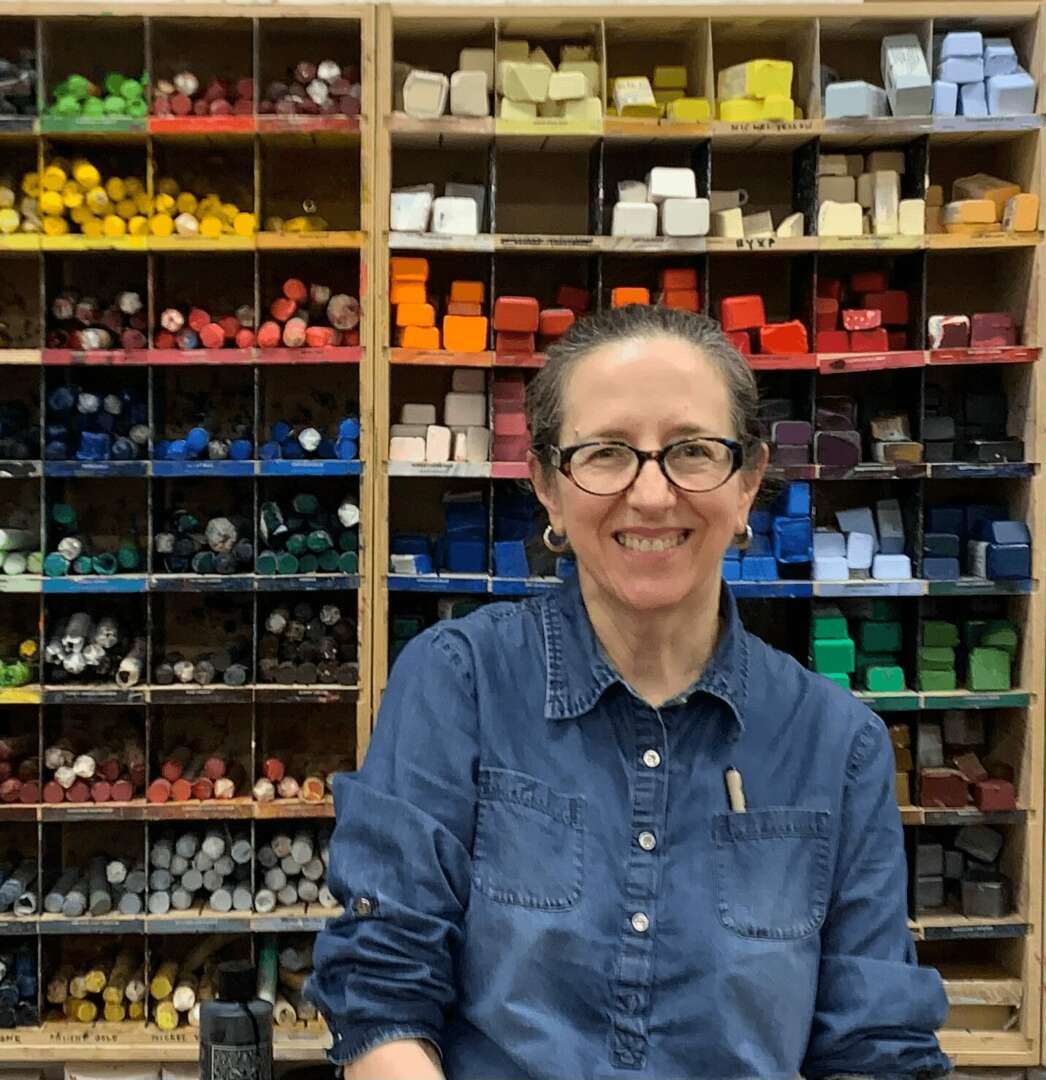

We recently connected with KC Miller and have shared our conversation below.
KC , thanks for joining us, excited to have you contributing your stories and insights. I’m sure there have been days where the challenges of being an artist or creative force you to think about what it would be like to just have a regular job. When’s the last time you felt that way? Did you have any insights from the experience?
I am truly thriving as an artist. If I may, let me turn this question around – I had a regular job for a long time and often wondered what it would be like to be an artist.
I took art courses when I was an undergraduate. I enjoyed them and did well but felt that I wouldn’t be able to make a career out of being an artist. Also, I didn’t have enough confidence to pursue art as a major. This was in the 80’s and the art school environment was quite a bit different from what it is today. So, I changed my major to business and studied accounting and finance! After graduation I passed the CPA and CMA exams and began my career in a healthcare information technology startup company. Later, I switched to the nonprofit sector where I was most recently the Chief Financial and Operating Officer at a large private philanthropy.
I had never lost my interest in art but creating art was set aside as I focused on other things. Then, during the COVID19 pandemic when the US went on lockdown, I found online art instruction. In the hours outside work, I was able to take online art classes. This rekindled my interest. I began to think about going back to school. I applied to the Pennsylvania Academy of the Fine Arts (PAFA) and was accepted into their Master of Fine Arts (MFA) program. While I loved where my career had taken me, I didn’t want to miss the opportunity to pursue my MFA. So, in 2022, I retired and became a full-time graduate student. I graduated in May, 2024.
It was a big decision at the time but it was exactly the right one for me. I flourished in art school. I was all-in! I wanted to learn and experience as much as possible in the two years that I was at PAFA.
Great, appreciate you sharing that with us. Before we ask you to share more of your insights, can you take a moment to introduce yourself and how you got to where you are today to our readers.
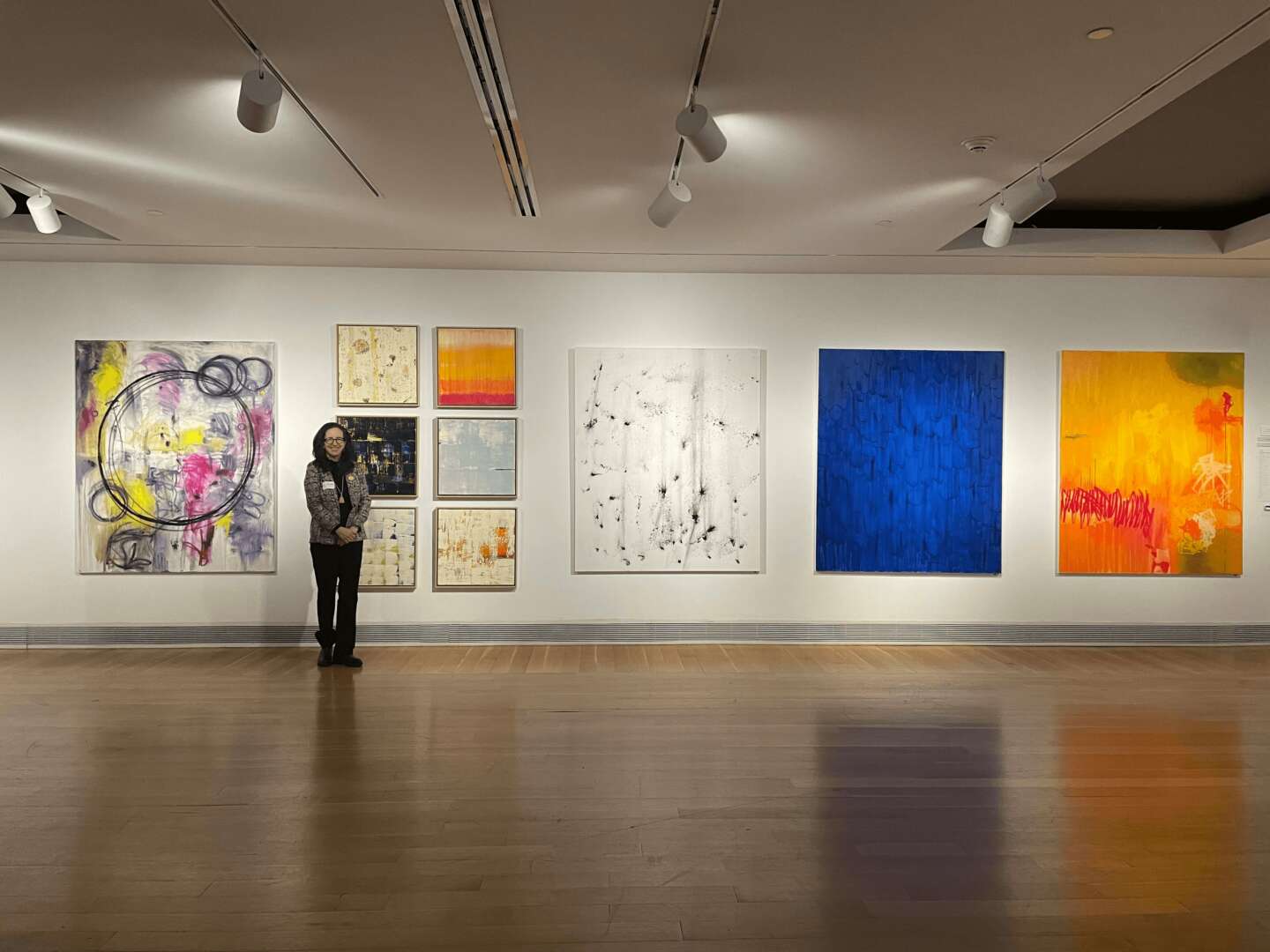
I am a multidisciplinary, fine artist based in Philadelphia. In my painting practice, I create abstract, multilayered, and colorful works that evoke a sense of mystery and boundlessness. Both ancient wisdom and modern science tell us that art is good for the soul. When we make, contemplate, or simply appreciate art, we are connecting to the creative force that is in and around us. This is why I love being in my studio. For me, making art is a form of meditation as well as a dynamic process.
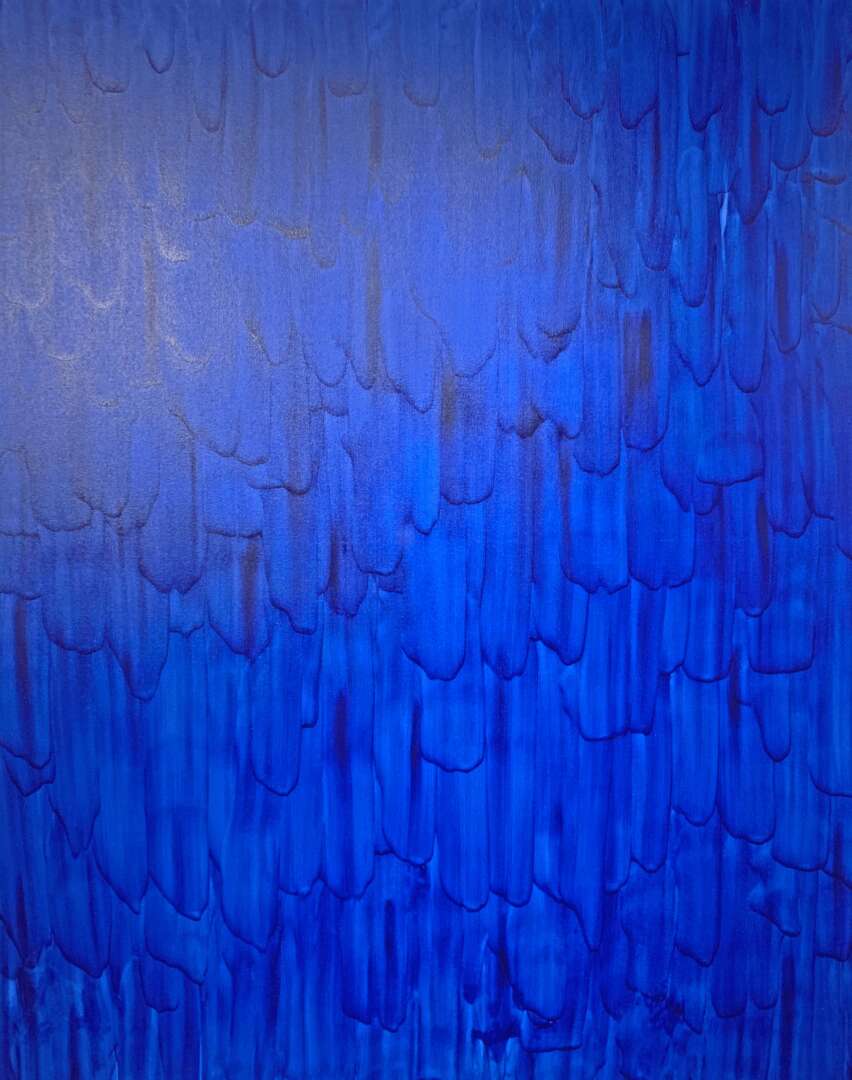
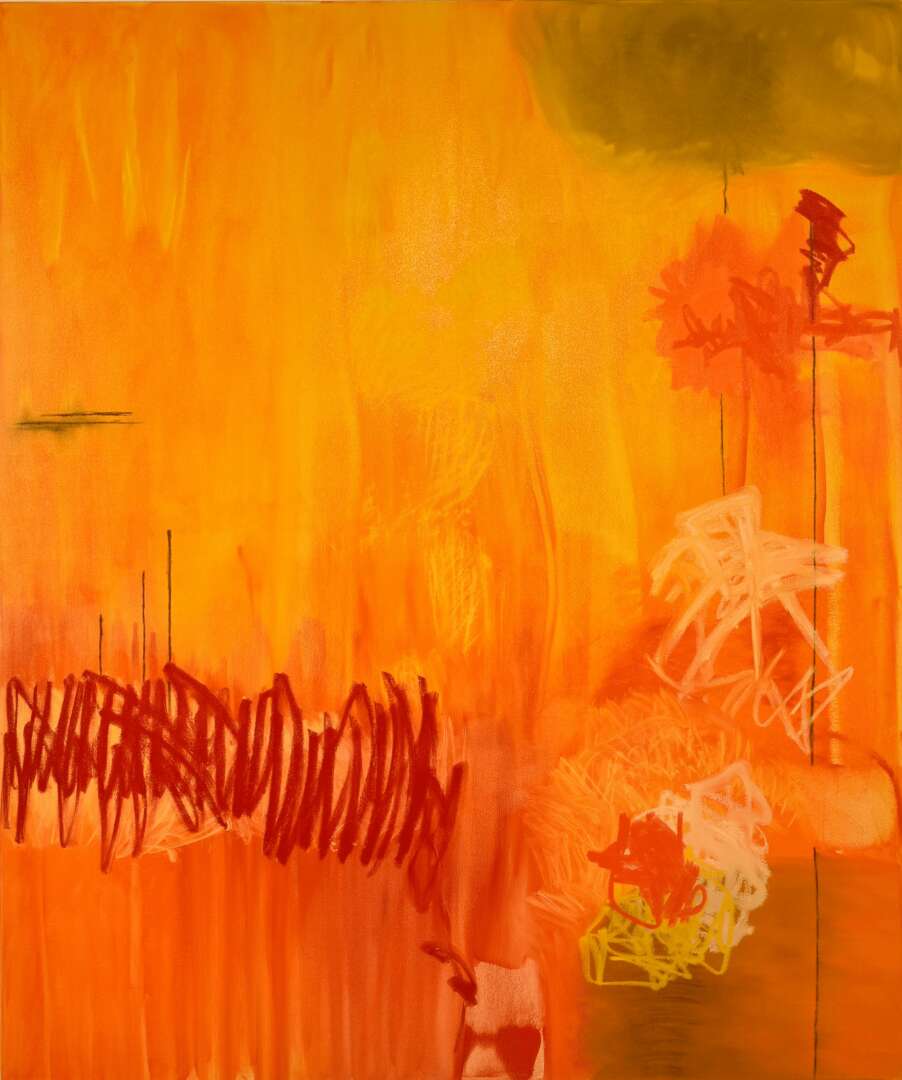
While I may approach the studio session with an intention, my work is often intuitive, and each mark is made in response to another. I am fascinated by the interplay of color, light, saturation, translucency, and opacity. By surrendering to the materials and their unique properties, I am able to watch as the artwork slowly emerges with each added layer. As an artist, abstract art engages me in a powerful way, one that diminishes my sense of egoic self while reminding me of our shared humanity and interconnectedness.
In my practice, I utilize a variety of materials such as oils, acrylics, pigments, waxes, inks, pastels, and found or repurposed objects. I draw from a diverse array of artistic methods which can include painting, encaustic, printmaking, collage, and mixed media on surfaces such as canvas, wood panel, paper, and fabric.
What do you think is the goal or mission that drives your creative journey?
My MFA thesis topic was on the intersection of aesthetic cognitivism, abstract art, and spiritual experience. I am very interested in the place where we find ourselves deeply moved by art. Neuroscientists are currently studying this so they can better understand how we are affected by art. Interactions with art can include music, dance, architecture, visual art, or other forms. This is fascinating to me and influences my time in the studio where I create large abstract paintings.
Another part of my practice speaks to social issues of the day. For example, I created an installation to honor some of the people who had lost their lives to gun violence in Philadelphia. Art has the ability to raise difficult questions, evoke conversations, and prompt reflection. Art is a powerful medium and can serve as a mirror allowing us to better understand ourselves and society. I also see art as a higher language in that in can communicate across boundaries and cultures in ways that words alone cannot.
In your view, what can society to do to best support artists, creatives and a thriving creative ecosystem?
As I mentioned, I live in Philadelphia and in 2024 PAFA announced that it would be ending its degree-granting programs with the BFA and MFA classes of 2025. Separately, the University of the Arts announced its sudden closure. Other art schools across the country have also closed, merged, or had to reinvent themselves. There are a few reasons for this. The first is what’s known in higher education as the “demographic cliff”. This has affected all colleges and universities. The birthrate demographics mean that there are fewer students enrolling in higher ed. Then there is the cost associated with obtaining a college degree, in any field. Often, students leave school with a large amount of accumulated debt.
From the side of the institution, costs have been rising while enrollment has been declining. Because of this, PAFA made the decision to return to the institution’s educational roots. So, while the Academy will no longer offer art degrees at the bachelor or master level, it will expand its certificate program and enhance its continuing education catalogue. The intent is to make art education more affordable and more accessible to a wider audience. Finding ways to reduce the cost of art education, while increasing access for all, is one way that art institutions can better support artists.
Beyond the institution, the art world is still the “wild west” in so many ways. There are few protections for artists and their artwork. Also, the primary art market is inefficient, and the secondary market is designed to (potentially) reward collectors and curators but seldom the artist. Artists who hope to make a living from their art have to be entrepreneurs as well as creatives, yet they are often not sufficiently prepared to be in the business of art.
One last thought. I believe that we are in the midst of an art renaissance – period of time where more and more people are turning to the arts. This may be, in part, due to the widely published scientific research on art which shows conclusively that we benefit both from creating art and spending time with art. It seems that we are also turning to art more often in response to the times in which we live. The social, economic, political, geopolitical, and technological tensions of the day can send us in search of solace. As art history has shown, art often thrives in challenging times.
Contact Info:
- Website: https://KCMillerFineArt.net
- Instagram: @kcmiller.art
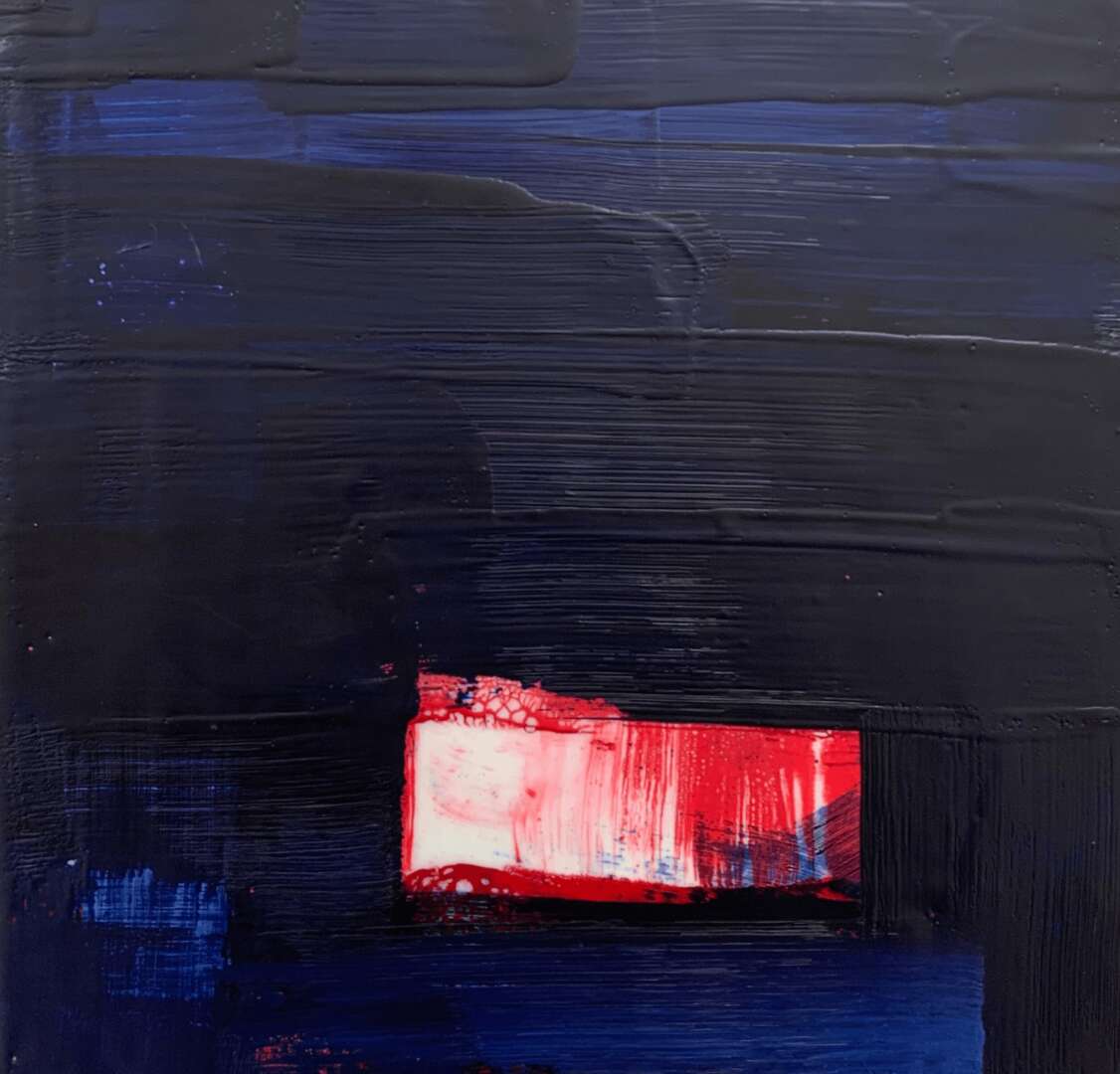
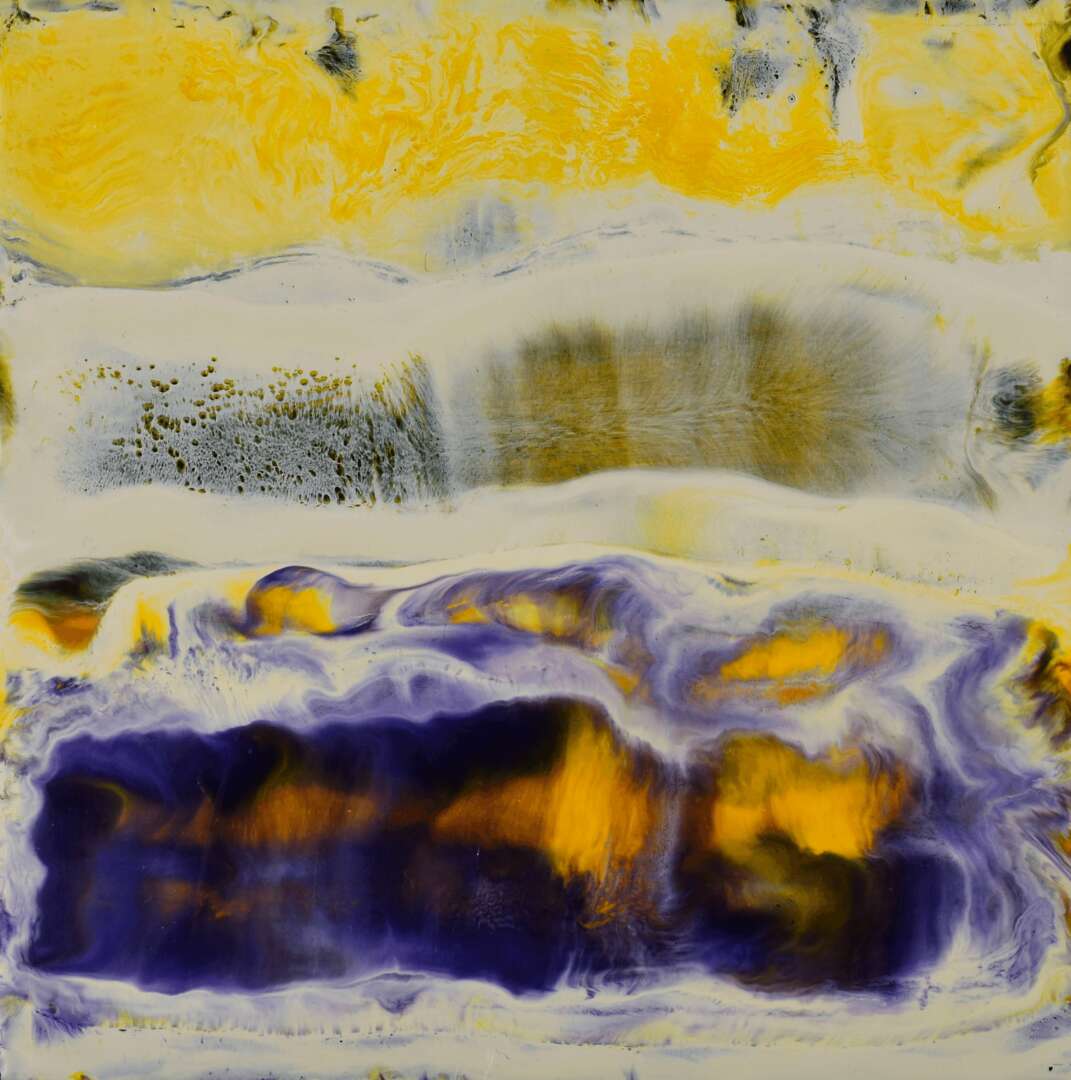
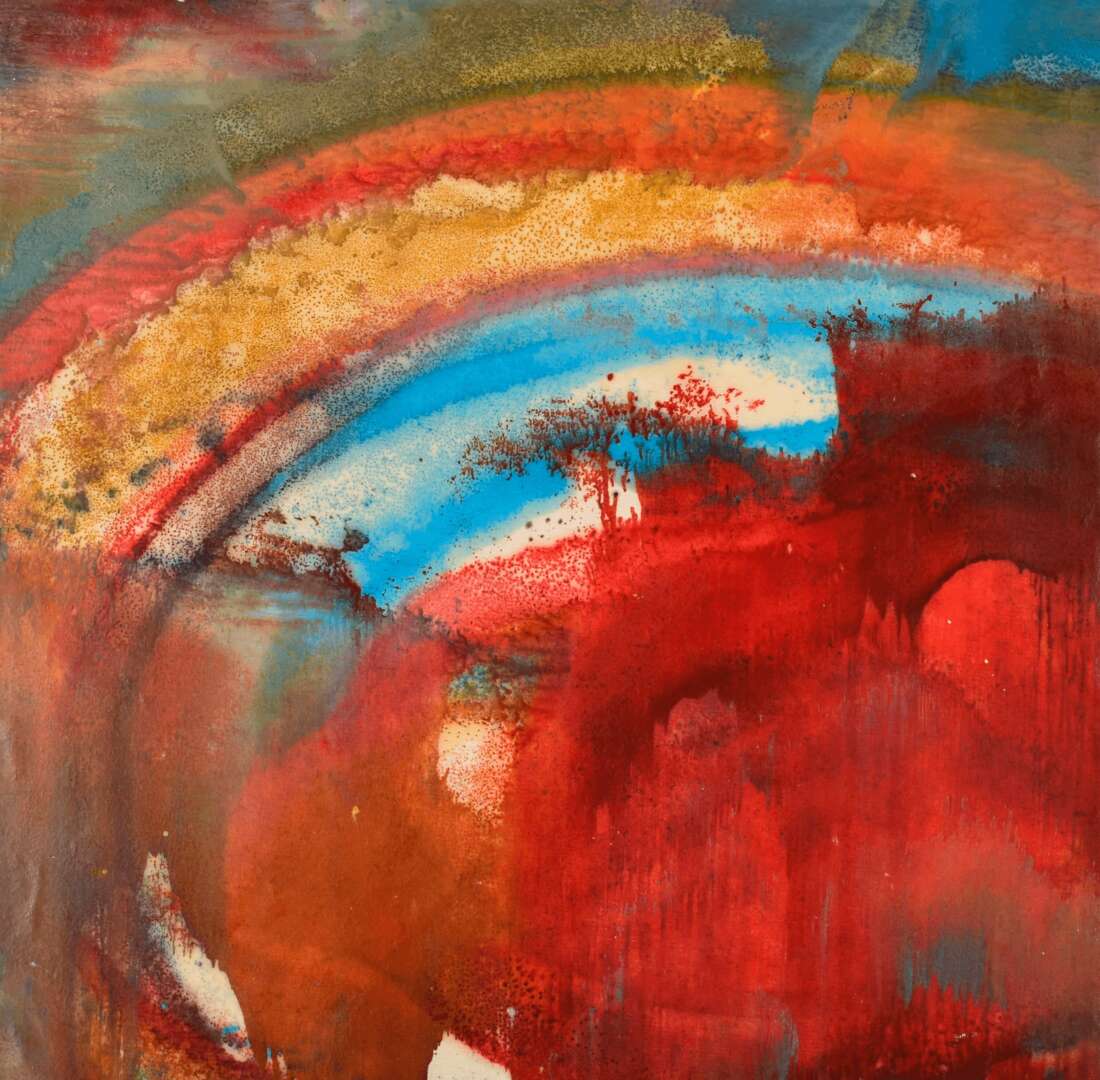
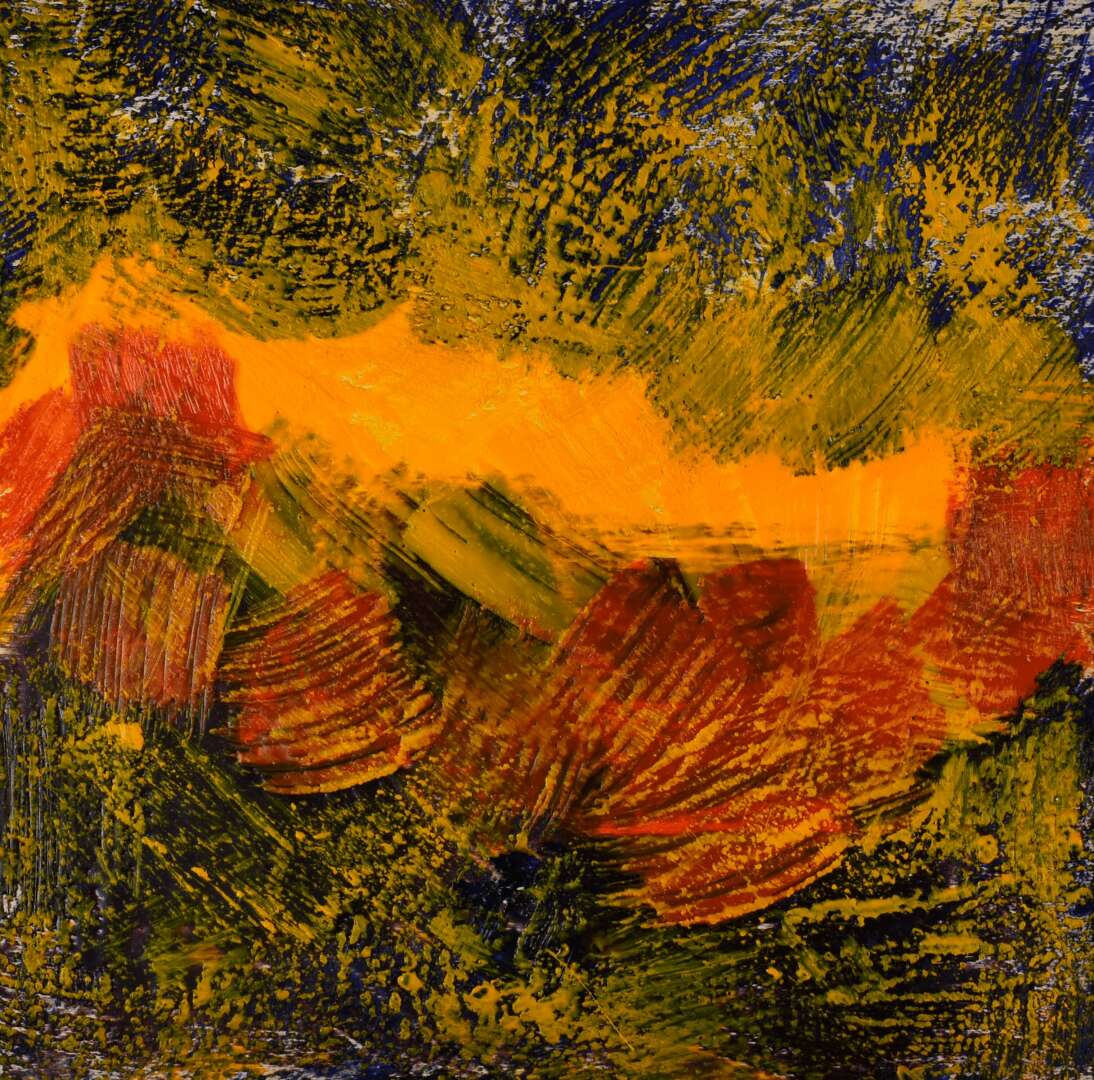
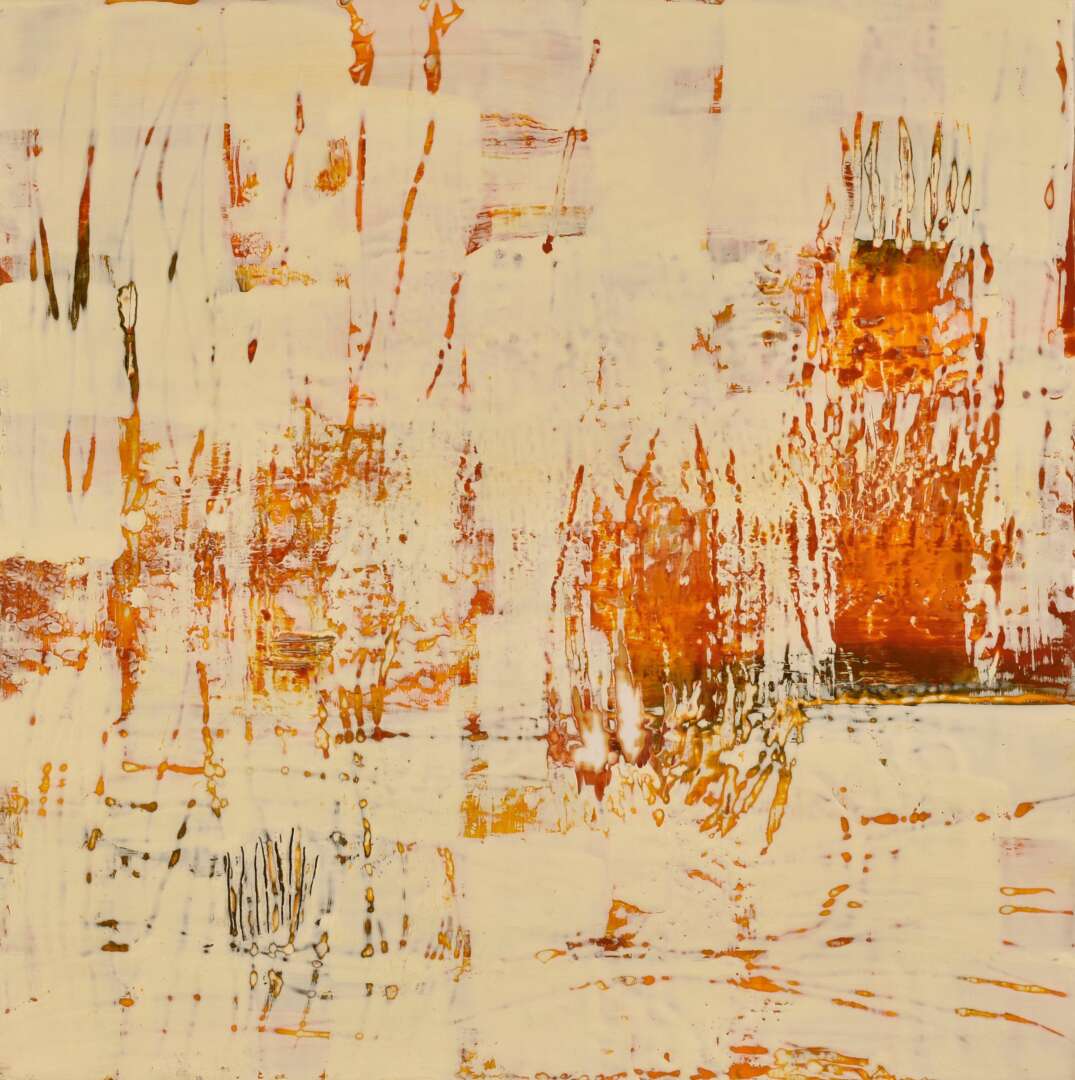
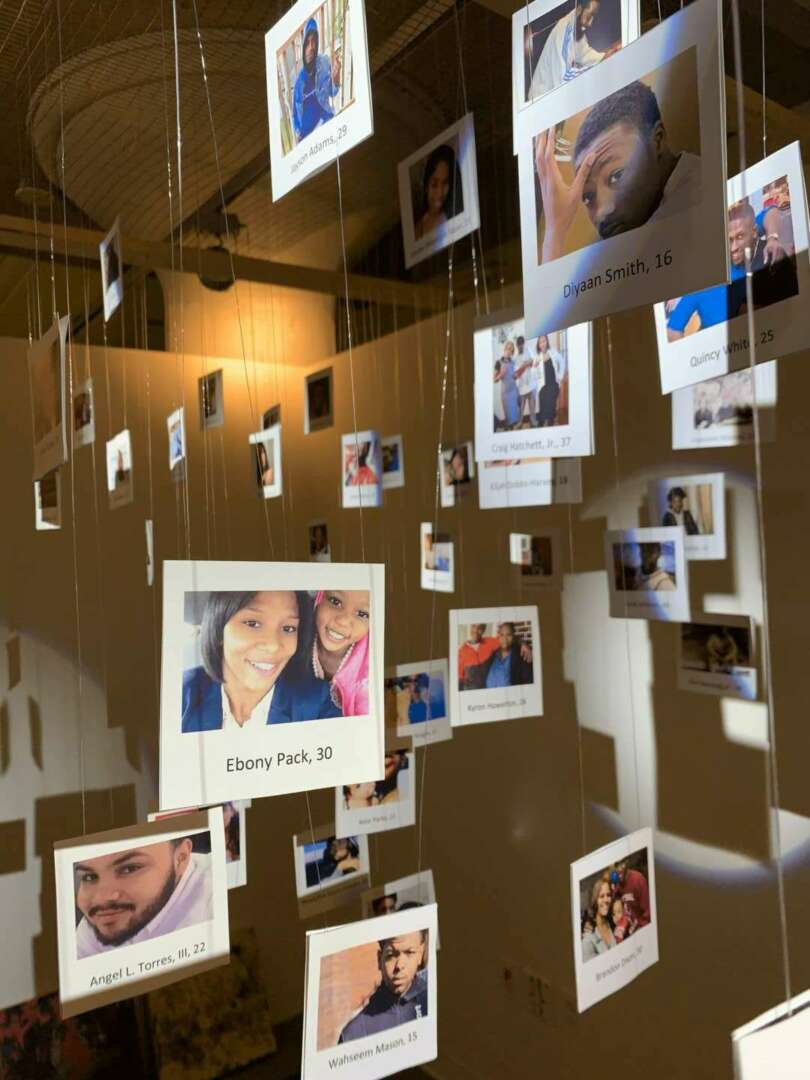
Image Credits
For photo #9 – Portrait photos used with permission of the Philadelphia Obituary Project.