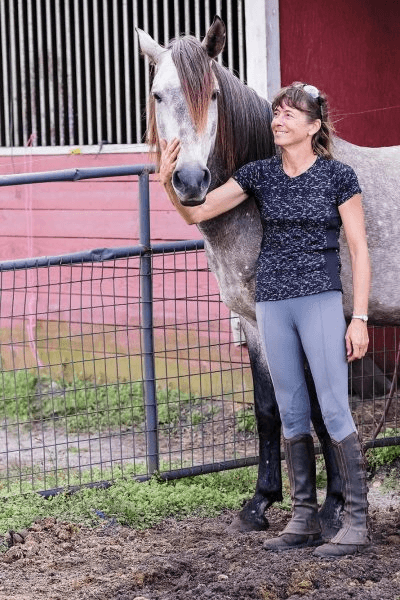

We’re excited to introduce you to the always interesting and insightful Kim Robare. We hope you’ll enjoy our conversation with Kim below.
Kim, thanks for taking the time to share your stories with us today Coming up with the idea is so exciting, but then comes the hard part – executing. Too often the media ignores the execution part and goes from idea to success, skipping over the nitty, gritty details of executing in the early days. We think that’s a disservice both to the entrepreneurs who built something amazing as well as the public who isn’t getting a realistic picture of what it takes to succeed. So, we’d really appreciate if you could open up about your execution story – how did you go from idea to execution?
Being a horse trainer in the small town I lived in was not a viable option and known as a pipe dream. It was difficult to find good training, owning a farm was a large investment and most people around me either did it as a side job or had a farm, horses, equipment that they inherited or purchased from another occupation.
From a young age there was nothing else I wanted to do for a living, as a teenager I had a regular job while cleaning stalls for lessons and eventually starting a boarding business in a rented barn. It became apparent to me that the area I lived in did not have a strong horse industry and I was going to struggle to get the education I needed. At this point I made the decision to relocate from upstate New York to Aiken, South Carolina. There I got a job at a training facility and started serious lessons. After a year there, I moved back to New York (southern tier this time) and purchased 50 acres with a barn and indoor riding arena. It was at this time I met my most influential teacher and began seriously studying classical dressage. She lived in Connecticut, a 7 hour drive with a horse trailer but it was an opportunity I could not pass up!
Kim, love having you share your insights with us. Before we ask you more questions, maybe you can take a moment to introduce yourself to our readers who might have missed our earlier conversations?
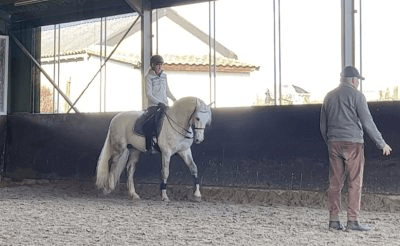
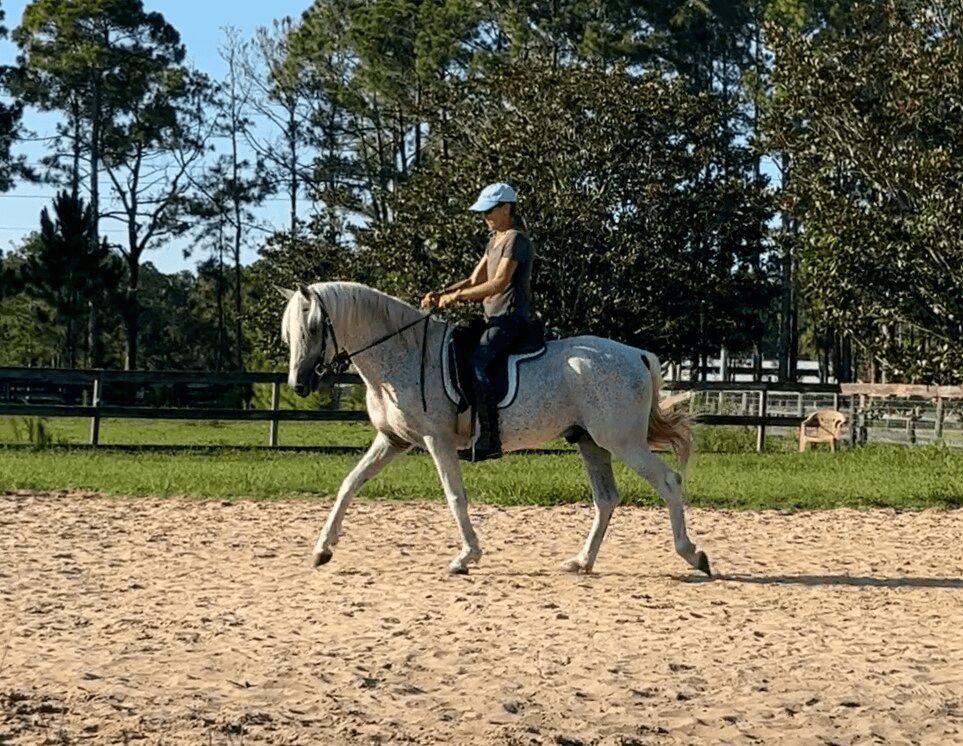
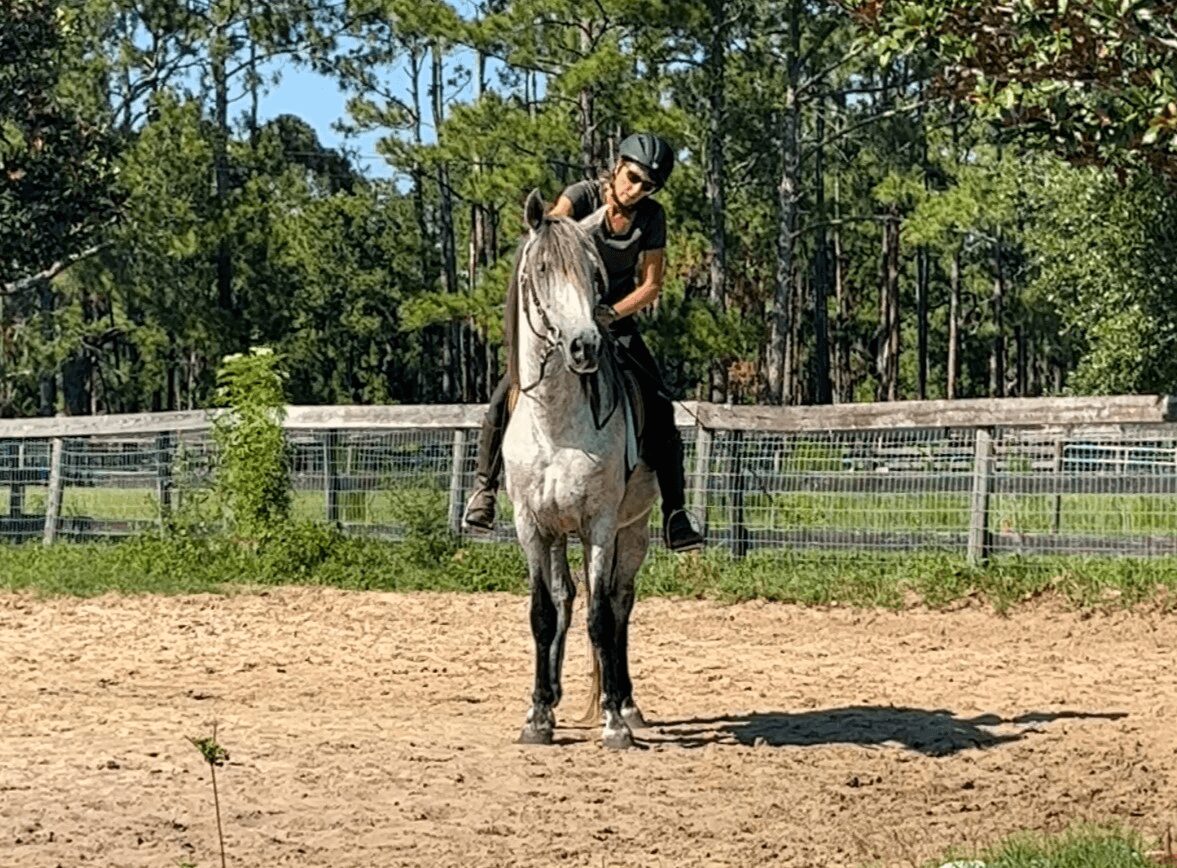
I have a passion to help riders enhance communication with their horses. Using principles from the old masters I apply techniques and exercises to create a more effective conversation that improves balance and releases tension. I maintain a holistic approach to each horse and rider based on confirmation, breed, gender, and life experiences.
My own journey into classical training, at times, left me frustrated. The horses clearly responded to the instruction I was receiving, but it was often difficult to decipher what to do and when to do it. This led to my pursuit of “why”. Fortunately, I was able to find a patient mentor who helped me uncover the answers to many questions.
As a result of her extensive experience and education, I offer uncomplicated direction that unlocks the treasures of classical training.
I offer: training, lessons, virtual lessons and clinics
How about pivoting – can you share the story of a time you’ve had to pivot?
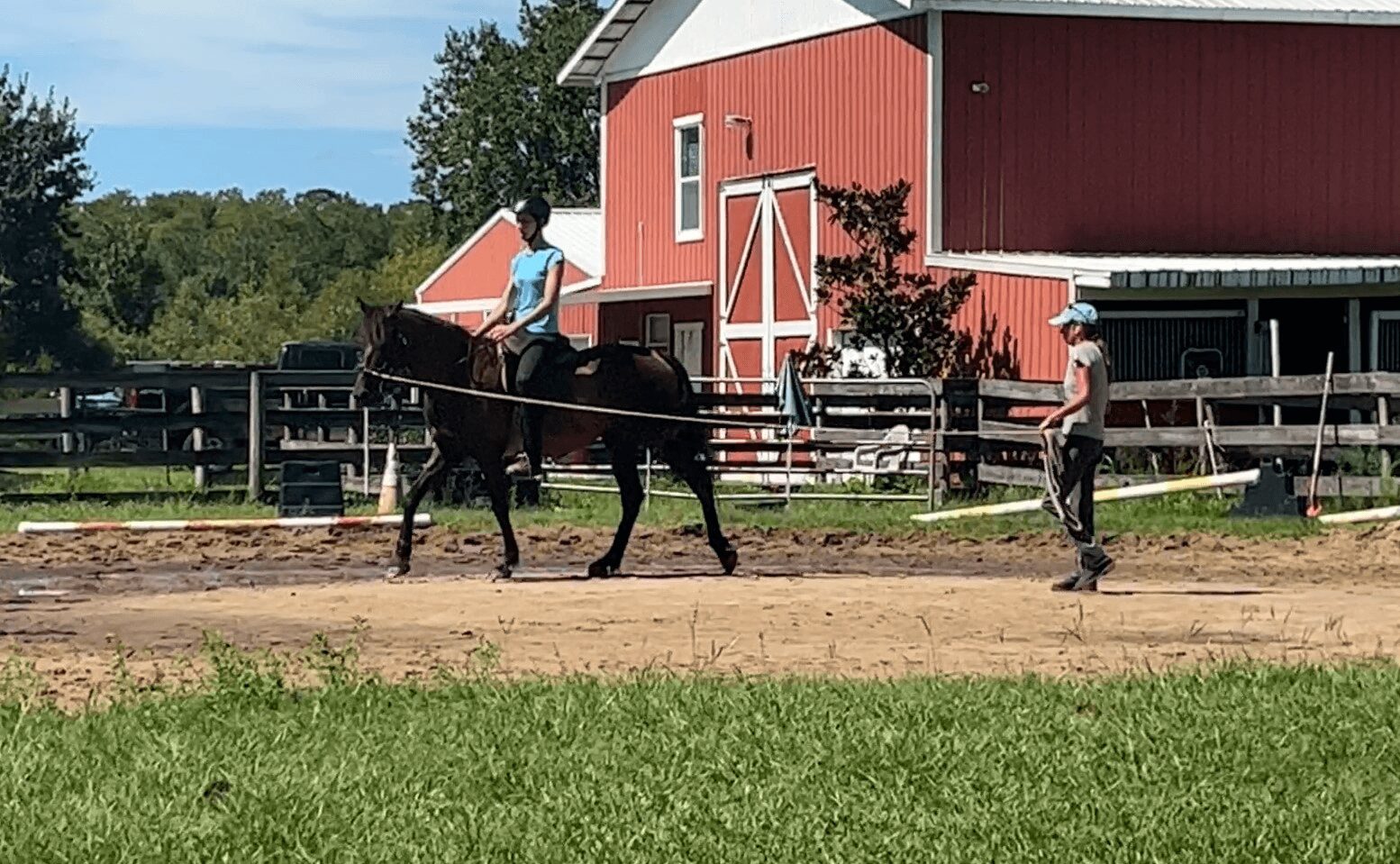
6 years after purchasing my farm in Corning, NY, it became apparent that, again, I was not in an area with a strong economy or a solid horse industry. This led me to a decision, i have to go get a “real” job or relocate and continue to train horses. In 2003 when my daughter was 3, we relocated to Fredrick Maryland which has a thriving horse industry. It took some time but I established as a trainer that got results and solved long standing problems with horse and rider.
We often hear about learning lessons – but just as important is unlearning lessons. Have you ever had to unlearn a lesson?
When I first started training horses, I was naive and thought everyone wanted to improve their horse, regardless of the method. If it worked, you do it, right? WRONG! I quickly learned the industry was much more about winning ribbons, titles and in general looking good. This is obviously not a good deal for the horse, it makes people do things that do not take the horse into consideration. This was a hard one for me, I was a trainer because I loved horses and wanted to help them. That was not at all what I was seeing with the majority of horses. It was at this point that I stopped showing and focused on being the best trainer I could be. I also learned to not give advice unless I was asked for it. Trying to convince people to do the right thing by the horse is not possible if the priority isn’t the horses’ well being.
Contact Info:
- Website: https://www.classicalequinesolutions.com
- Instagram: https://www.instagram.com/classicalsolutions?igsh=cXpvaXZ5YmVoam1s&utm_source=qr
- Facebook: https://www.facebook.com/classicalequinesolutions?mibextid=LQQJ4d
- Youtube: https:// www.youtube.com/@classicalequinesolutions