



We recently connected with Sam Nelson and have shared our conversation below.
Sam, thanks for taking the time to share your stories with us today I’m sure there have been days where the challenges of being an artist or creative force you to think about what it would be like to just have a regular job. When’s the last time you felt that way? Did you have any insights from the experience?
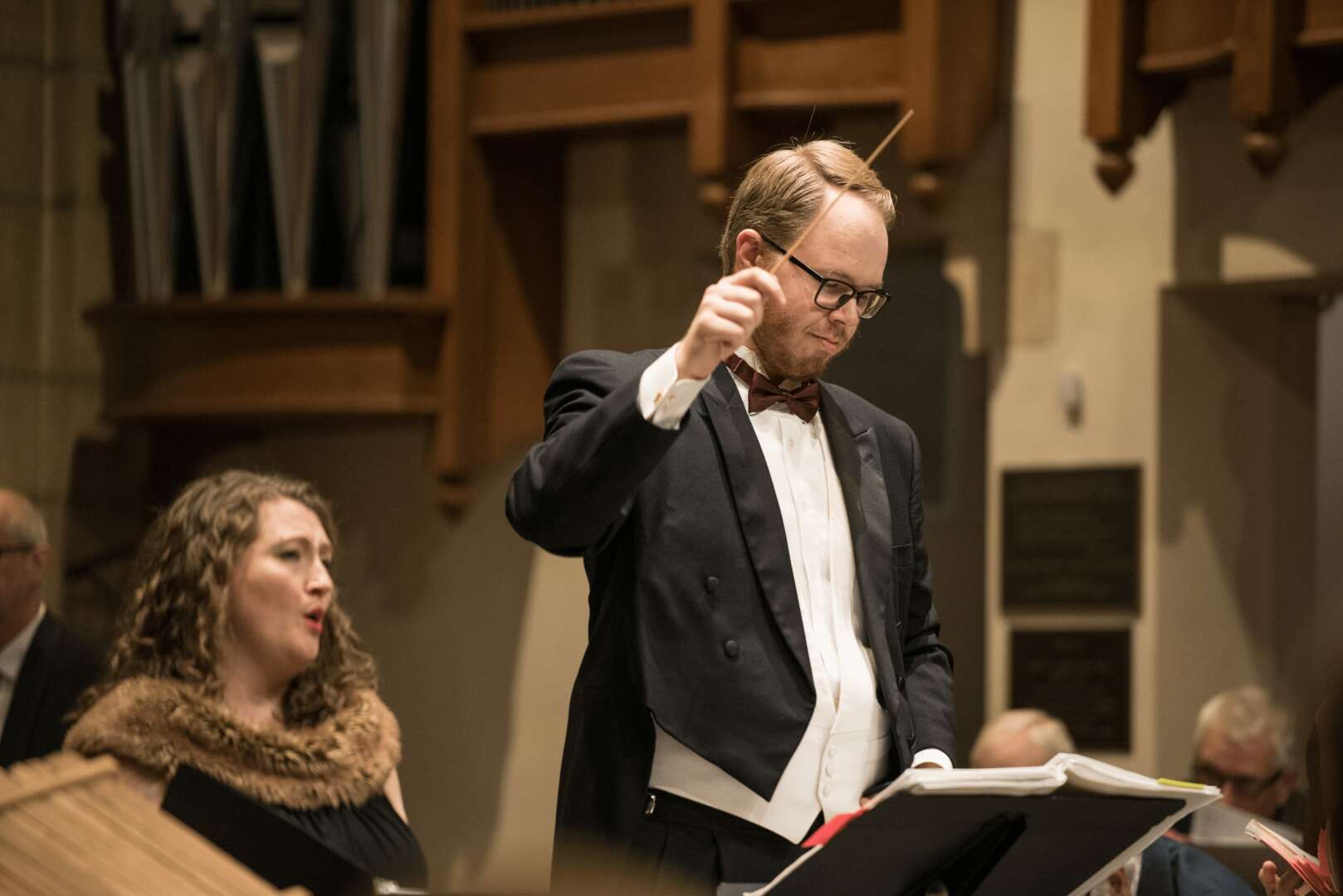
It is really easy to get burned out as a full time church organist. To water it down, you must prepare a recital of all new repertoire every week and then perform it in front of hundreds of people. Rinse and repeat. There are weeks where I really can get anxious due to not having the amount of time I would’ve liked to practice (often due to other tasks of the job like answering emails, meetings, etc). And then I think to myself, “maybe I should try and get a muggle job?” (this is how my wife and I refer to non-performance jobs). However, there are usually two things that bring me back to reality: 1. despite working full time as a musician for a singular organization, I do still have time to do other gigs and performance opportunities that I wouldn’t be able to do if I had a normal 9-5 and 2. There really are some AMAZING rewarding moments as a church musician. Just this last year, my choir gave the US premiere of a setting of canticles by Liz Dilnot Johnson, as well as performing one of the great Anglican anthems, “For Lo I Raise Up” by Charles Villiers Stanford–these are memories I would hate to have missed out on working at a desk!

As always, we appreciate you sharing your insights and we’ve got a few more questions for you, but before we get to all of that can you take a minute to introduce yourself and give our readers some of your back background and context?
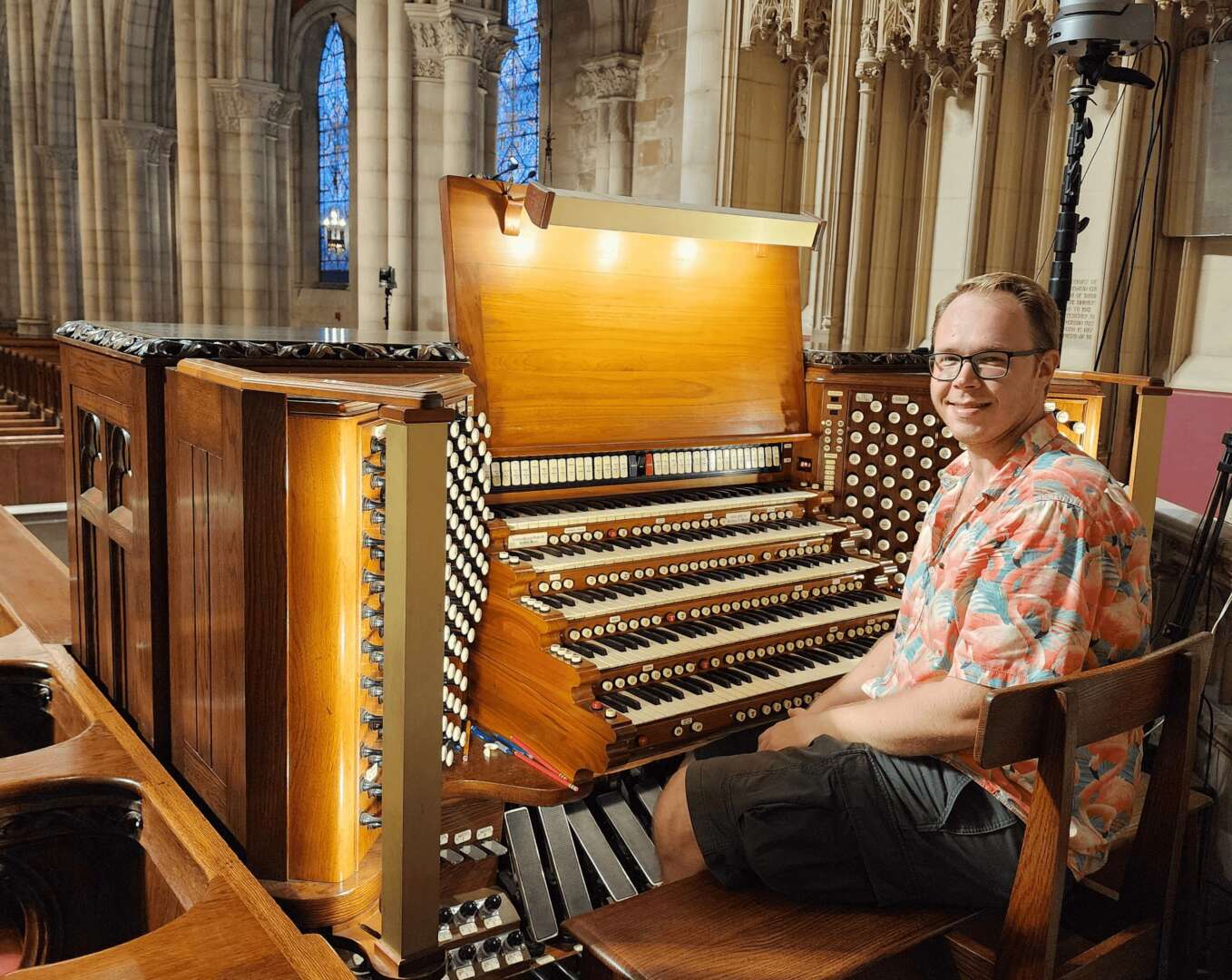
I began piano studies in the second grade, however I was always fascinated by the large pipe organ that spanned across the entire front of the church where I grew up (and my dad was the pastor, so you know I was there every Sunday, zoning out just staring at that massive musical instrument!). Just before the start of 8th grade I began organ studies. There was certainly a large learning curve. After sort of drifting along with my studies through high school due to other extracurriculars that pop up, I decided to major in Organ Performance for my undergraduate degree at Gordon College in Wenhma, MA.
During this time I finally got to meet some other organists my own age and I really became fascinated with the organist Virgil Fox. Fox had an amazing career which spanned from playing on all of the great organs of the world and premiering new music that now to us seems very old, to touring with an electronic organ and a light show playing all-Bach concerts to a sold out house of young people at the Filmore East. Not only did I love his energetic, exciting, and incredibly musical interpretations of the organ repertoire, but he had hilarious stage banter as well in which he would tell humorous anecdotes and roast the “purists” (the pioneers of the Historically Informed Performance movement of the 70’s).
After a couple years of study at Gordon, I decided that if I was really going to make a career out of this, I needed a new teacher who could really push me and take the time to hone whatever natural talent I had. Through an unbelievable, perhaps even divine coincidence, I was introduced to Doug Marshall who just so happened to be a protege of Virgil Fox. This was the moment my life really changed.
I studied with Doug for 6 years, often having three lessons per week that each spanned anywhere from two to four hours in length. Doug really saw something in me and insisted I keep coming back, even though I was still only able to afford to pay him for one weekly, 1-hour lesson. I ended up becoming one of Doug’s only proteges and I will be eternally grateful for the gift he gave to me.
Doug passed on to me a tasteful musical sensibility and great keyboard and pedal technique. Through his encouragement (and sometimes begging and nagging!) I went on to win prizes in organ competitions and always aim higher than what I thought my abilities would be.
While I pride myself on my unique journey towards musical excellence, I think one of my best attributes, one that I have had all along, is my collegial spirit and my ability to work well with others. I think that is, in some ways, more important than musical skill.
How can we best help foster a strong, supportive environment for artists and creatives?
The success or failure of an artist or arts organization often comes down to money. Artists often get offered laughably small sums of money (we’ve all seen those conversations with people begging artists to work for “exposure”). And for arts organizations, the overhead combined with paying their employees isn’t at all sustainable without donor and grant support.
The important thing for people to remember in supporting the arts is that it doesn’t mean you have to donate hundreds of thousands of dollars and endow a second principal violin position at the local orchestra. There are other ways to support, whether it is offering a room in your house to a visiting artist or allowing someone to use space you have to work on their projects.
As a church music director, I won’t be donating any large sums of money any time soon, but I am able to use the resources I have at my disposal to support young artists that need a space to practice the harpsichord or a room to give a recital to perform the repertoire they have been working on.
Finding creative ways to support each other these days is a very important aspect of a thriving creative ecosystem. (But monetary donations are still really important!!)
What do you find most rewarding about being a creative?
The most rewarding part of being an artist is the journey. Even as someone who has made it into the beginning of the mid-section of their career, every day brings new challenges and new rewards. I love learning new music–perhaps it is an addiction. And my choir has to deal with my addiction the most as I am often throwing difficult repertoire at them that most choir directors with a 50/50 paid/volunteer choir wouldn’t dare approach. These moments when the choir not only pulls off, but performs beautifully works by Jonathan Dove, Arvo Pärt, Olivier Messiaen, and others–these are the most rewarding moments for me. Not only do I get musical satisfaction, but these singers get to experience it as well and the joy it brings to them cannot be bought.
Contact Info:
- Website: https://www.samnelsonmusic.com
- Youtube: http://www.youtube.com/@samnelsonorganist
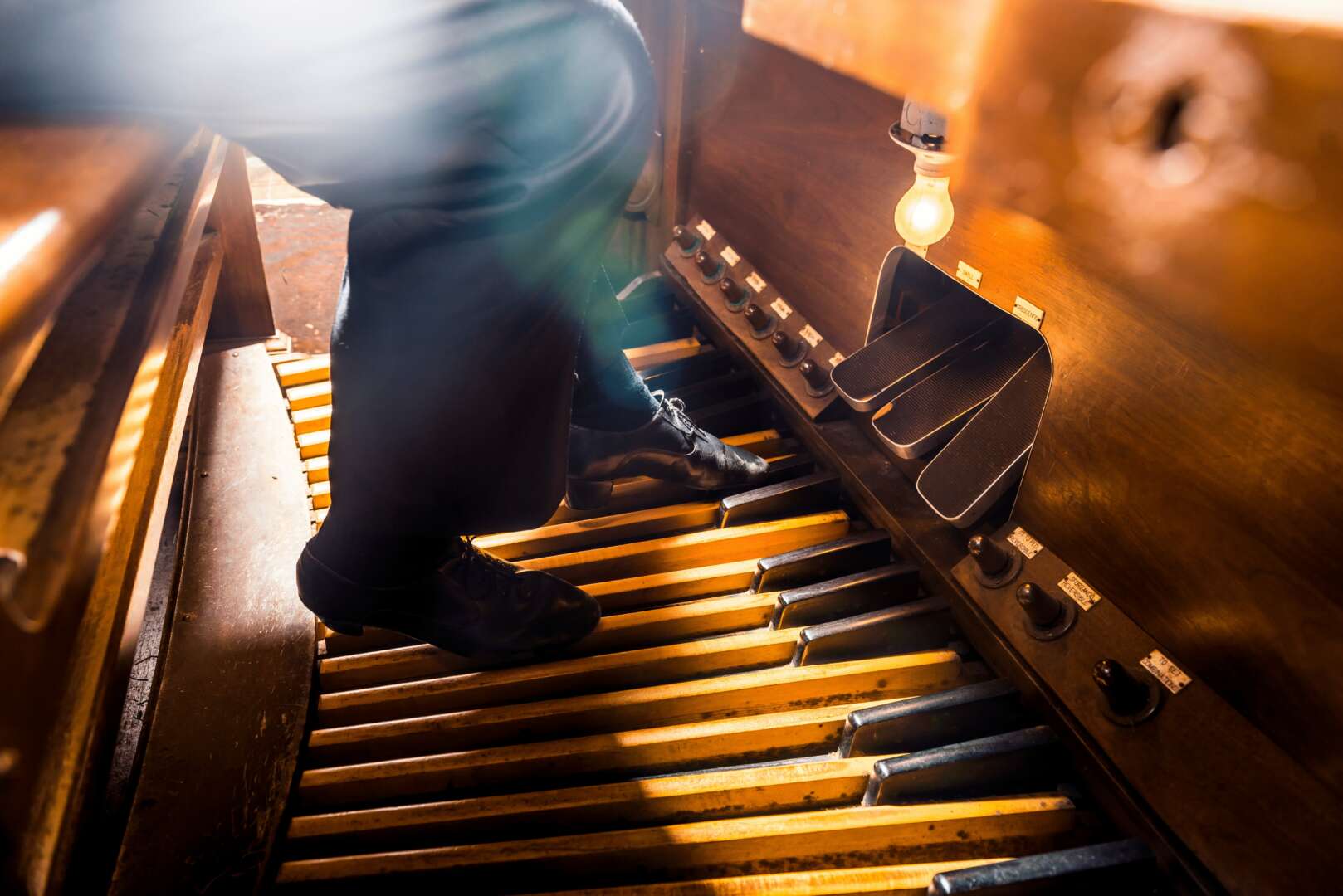

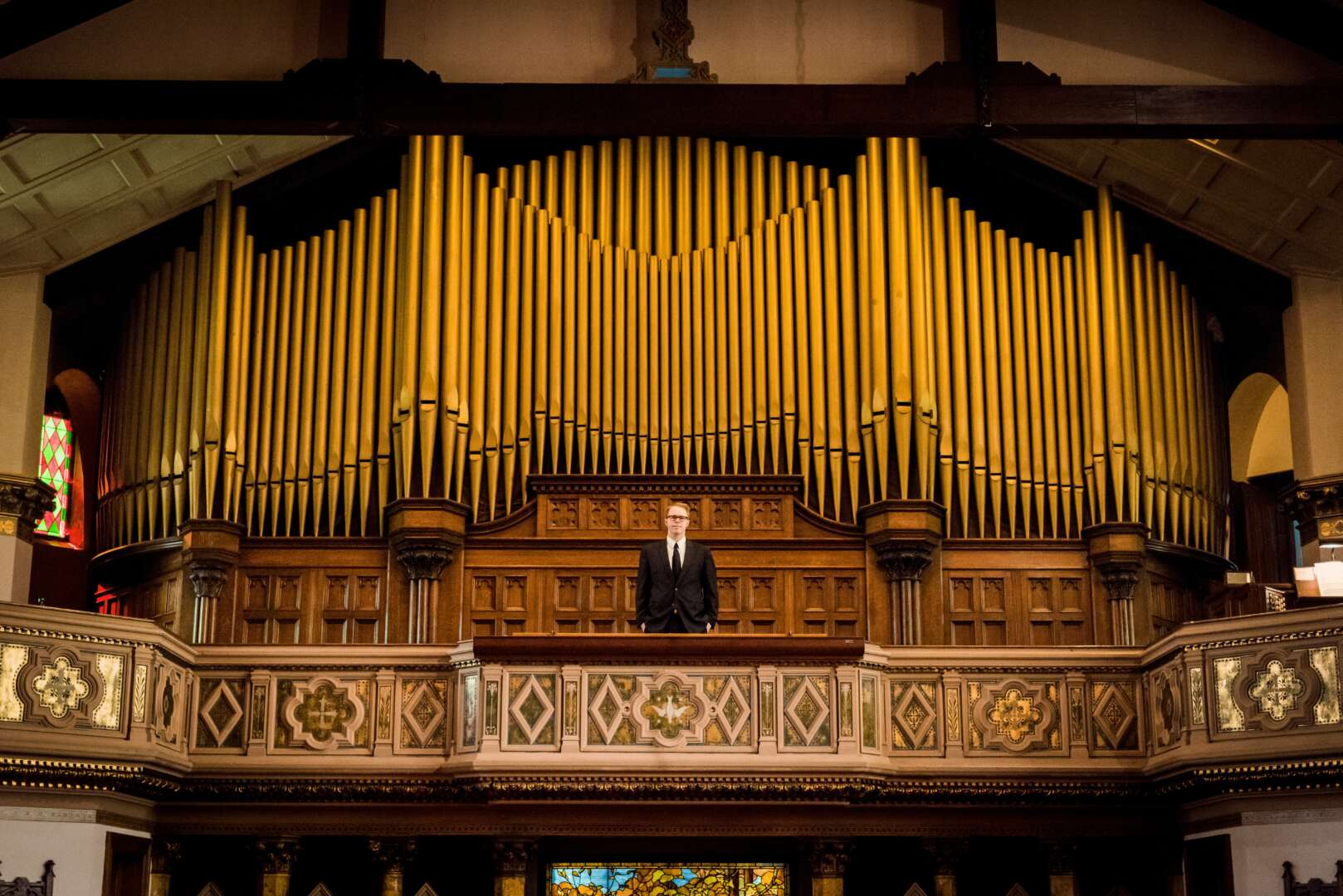
Image Credits
James Cassell