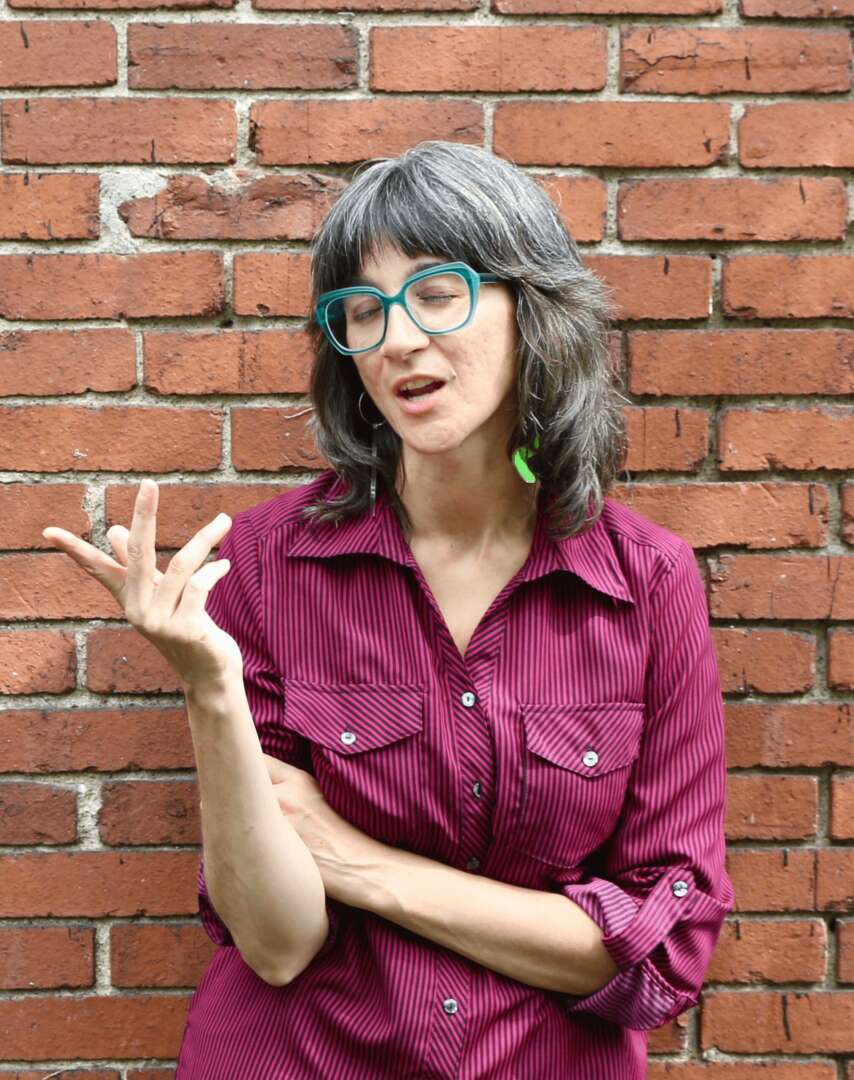

We were lucky to catch up with Candace Jane Opper recently and have shared our conversation below.
Candace Jane, thanks for taking the time to share your stories with us today We’d love to hear about the things you feel your parents did right and how those things have impacted your career and life.
My “parents” are really just one parent, my mother, who created a family according to her own rules: namely that she wanted children but no men around. A self-proclaimed “flower child,” she maintained a staunch adherence to anti-conventionality, which she applied not only to her methods of raising a family but also to existing in the world in general. Having been diagnosed early on with borderline personality disorder, she never held down a traditional job, subsisting on disability and SNAP benefits, as well as the modest income she made from being a talented seamstress. We lived in my grandmother’s big, dilapidated neocolonial house, ate a lot of baked potatoes and cheese sandwiches, and were mostly happy.
My mother did what she wanted to do, not what she thought she should or was expected to do. She instilled within us the value of stripping down societal expectations in order to see clearly what it is we really wanted. There were no expectations for us to grow up and make real money or have prestigious jobs clouding our desires. We did not always have the same opportunities or guidance that other children had, nor was life always easy—her mental illness and our lack of financial stability obviously brought their own stresses—but I’m grateful to have had the space to navigate my creativity, my obsessions, my voice.
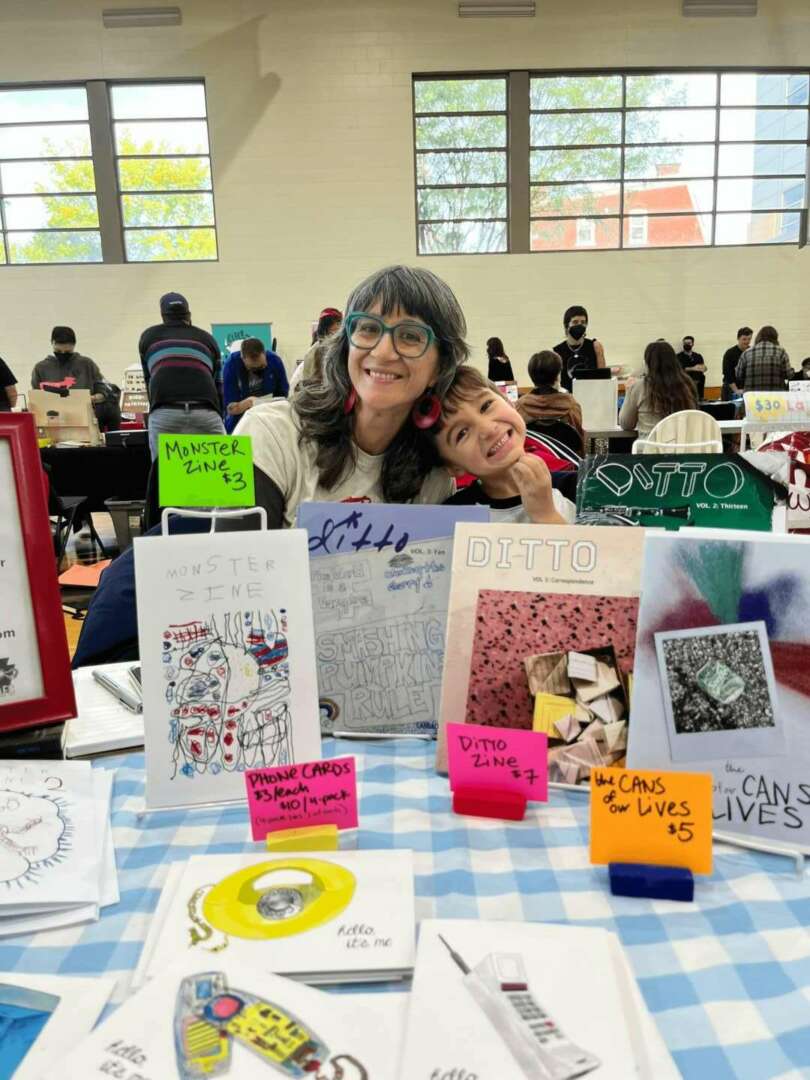
Candace Jane, before we move on to more of these sorts of questions, can you take some time to bring our readers up to speed on you and what you do?
I often describe myself as a writer and a numbers person, two things that might seem diametrically opposed but intertwine in interesting ways in my consciousness. I was raised to believe that people were either right-brained or left-brained—either creative and free-thinking or mathy and analytical—and that I had to figure out what I was and stick to it. As an artsy kid I naturally leaned right, forgoing my instincts toward logic and meticulousness. I lived for many years believing these qualities could not coexist, that if I favored reason I was not a real artist.
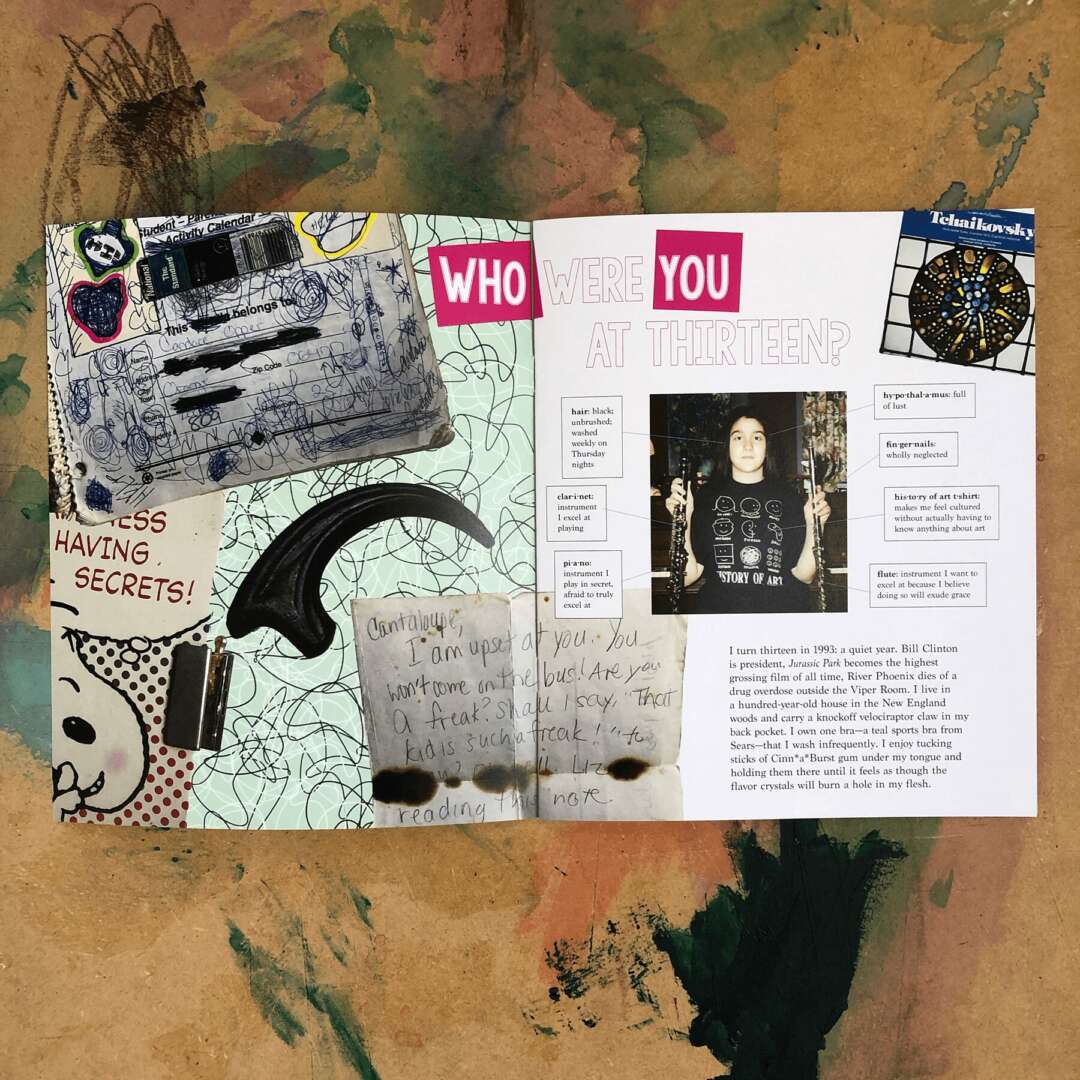
I find myself now, at 43, existing quite comfortably on both sides. I identify primarily as a writer, the creative pursuit toward which I’ve directed most of my energies in my adult life. I write primarily about the intersection of personal and cultural histories, the ways they are symbiotic and at times inextricable. My first book was about the death of a middle school classmate who killed himself the week after Kurt Cobain, forever binding himself to Cobain’s cultural legacy. I’m interested in how the culture we consume shapes and transforms us, and how we reconcile the two.
And then there’s my day job as a bookkeeper. I spend my day balancing numbers and organizing people’s finances, using quantitative measures to predict their future. I hear myself often saying that I like this work because it does not sap my creative energies, that it uses a completely different part of my brain, leaving the creative (“right”) part un-depleted for later use. This is not entirely true. I also legitimately like this work because it uses a part of my brain that I let sit dormant for too long. Most importantly, the qualities like balance and meticulousness and reconciliation that I must apply to bookkeeping are also qualities I apply to writing—and have always applied to writing.
I once printed business cards that listed all the jobs I’d ever done, including 20 years in the service industry. I believe that everything we contain sums up to the present version of ourselves. I am more than a writer or a bookkeeper or a mother; I am the history of everything I’ve done, and I bring that history into everything I make.
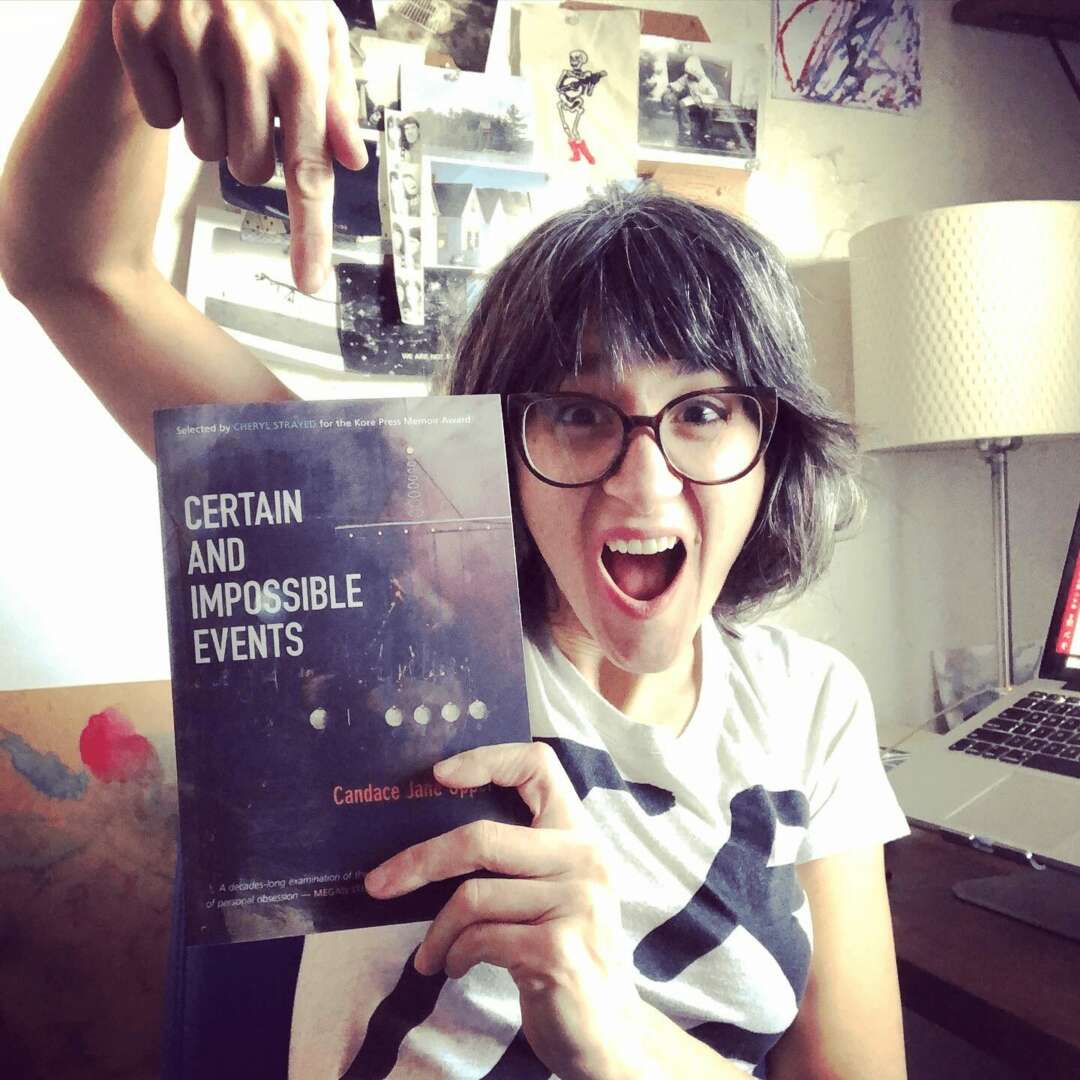
What do you find most rewarding about being a creative?
I find it incredibly meaningful when people reach out to me directly to share that they’ve been impacted by my work. Writing happens in such a silo most of the time, and then you put work out in the world and have no idea how many people are reading it, who those people are, what your work might mean to them. Every so often, someone will reach out to me and share their thoughts about something I wrote. Being reminded that I am connecting to people on that individual level is so rewarding—it never gets old.
In your view, what can society to do to best support artists, creatives and a thriving creative ecosystem?
Show up in any way you can! That might mean literally showing up to a reading or art opening, or showing up financially by purchasing locally produced art/lit. Support the small businesses that support makers and creatives. If you love an artist’s work, let them know! They will truly appreciate it.
Contact Info:
- Website: https://candacejaneopper.com/
- Instagram: https://www.instagram.com/candaceopper/
- Facebook: n/a
- Linkedin: https://www.linkedin.com/in/candace-opper-00915141/
- Twitter: https://x.com/candaceopper
- Youtube: n/a
- Yelp: n/a
- Soundcloud: n/a