

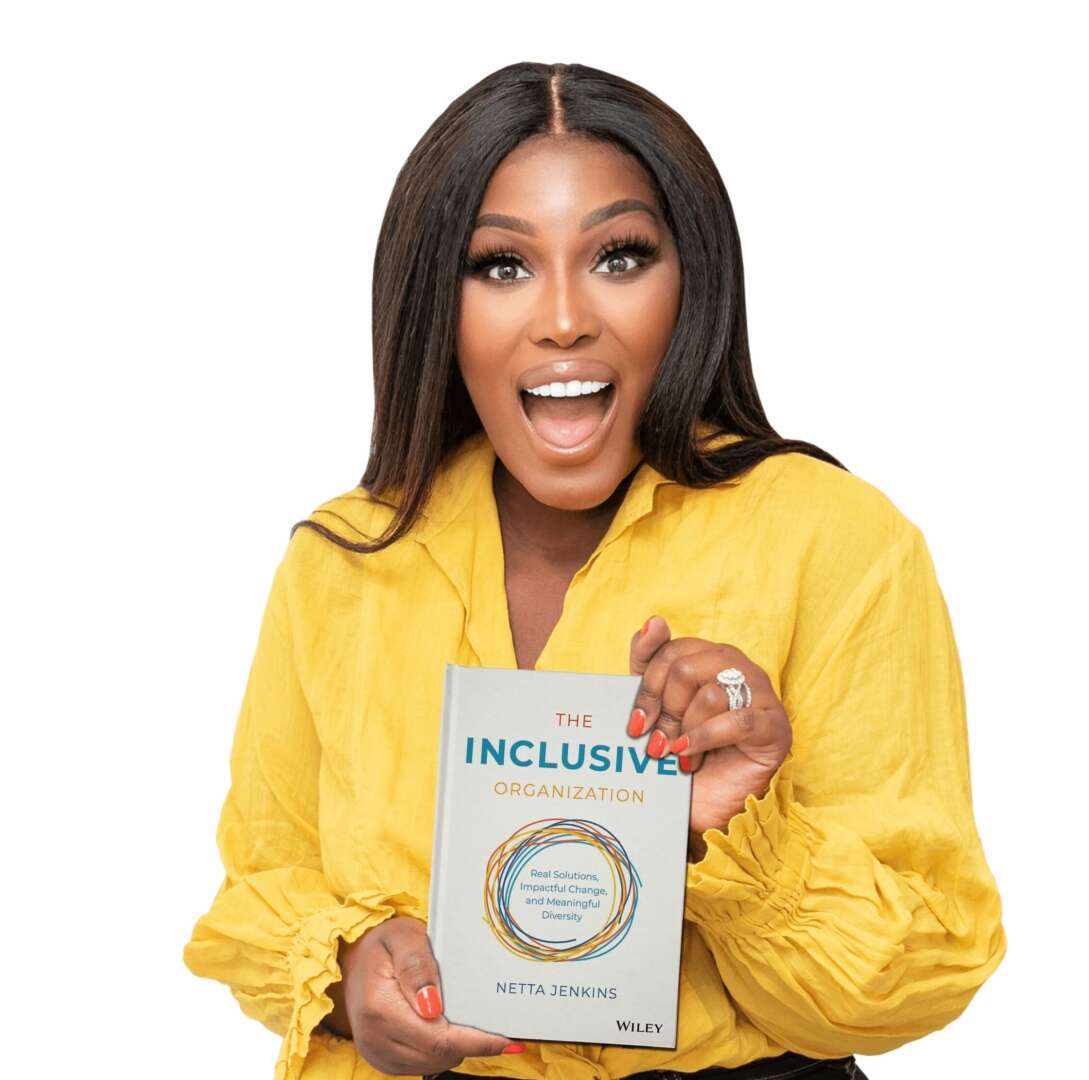

We were lucky to catch up with Netta Jenkins recently and have shared our conversation below.
Hi Netta, thanks for joining us today. Let’s start big picture – what are some of biggest trends you are seeing in your industry?
The biggest trends across all industries regarding the creation of inclusive workplaces highlight several critical areas for improvement.
Competitive Focus vs. Internal Benchmarking:
Organizations are often more focused on competing against each other rather than measuring their own progress year over year. This external competitive focus overshadows the importance of internal growth and improvement. For instance, a company might prioritize outperforming a rival in diversity metrics but neglect to track its own year-over-year progress in fostering an inclusive culture.
Instead of merely aiming to have a higher diversity hiring rate than a competitor, companies should focus on measuring team behaviors and collective productivity. Key metrics could include how many people have left a specific manager or department and understanding the reasons behind these departures by demographic. What dynamics exist within teams, and how quickly was action taken to address any issues?
If employees are leaving due to a specific manager or team dynamics, then productivity levels are likely not as high as they could be. This situation hinders overall business impact. By focusing on these internal metrics, companies can drive meaningful improvement and create a more inclusive and productive workplace.
Lack of Investment in Inclusive Tools:
Despite aspiring to drive inclusion efforts forward, many organizations are not investing in tools that democratize inclusive actions and align them with behavior and business impact. These tools should also provide a gamified experience to engage employees effectively. Tools like Aerodei can help organizations succeed by integrating inclusive practices into daily operations and quantifying it, making inclusion a part of the company’s culture.
Implementing a platform like Aerodei that offers interactive impact, tracks inclusive behaviors as well as business impact, and rewards employees for their participation can ensure that inclusion is an ongoing, engaging process rather than a one-time effort.
Insufficient Training and Customization:
Organizations often conduct one or two inclusion training sessions per year, which is insufficient. Training should be customized based on the specific dynamics and needs of the company. At a minimum, the training cadence should be quarterly, with learnings discussed during company-wide meetings and integrated into all team meetings as a standard practice. Repetition, ownership, follow-up, and measuring success for each individual are key. These efforts should be reflected in performance reviews to ensure accountability and continuous improvement.
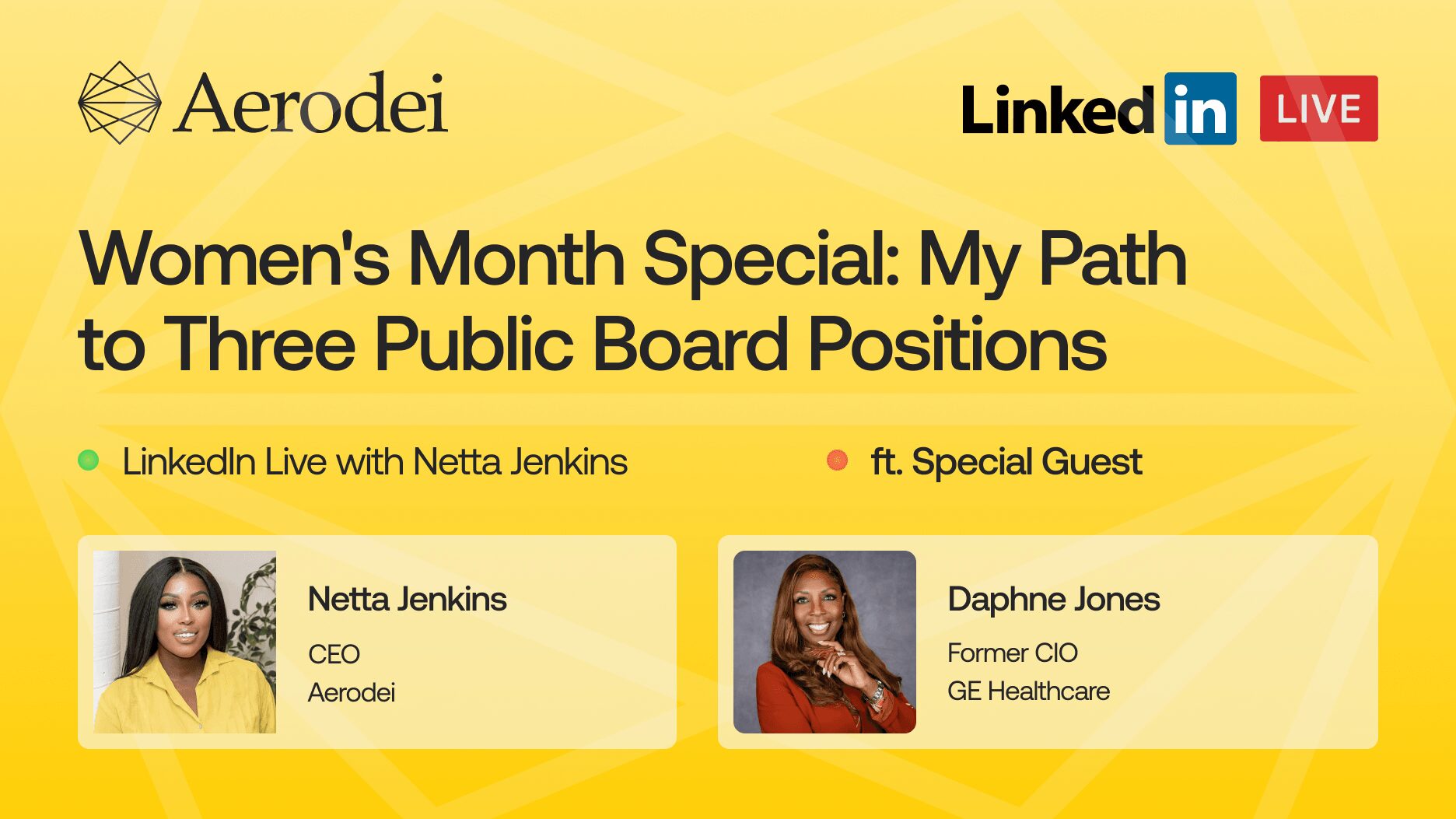
As always, we appreciate you sharing your insights and we’ve got a few more questions for you, but before we get to all of that can you take a minute to introduce yourself and give our readers some of your back background and context?
As the CEO of Aerodei, Netta Jenkins leads an AI powered inclusive performance platform. She is currently working on a doctorate in quality systems and authored “The Inclusive Organization.” It was listed in Forbes. It was even shared by Arianna Huffington who has 10 million followers on LinkedIn.
With over 15 years of experience advising corporations and diverse audiences, Netta has cultivated a substantial LinkedIn following exceeding 200k. In addition, she has been interviewed by prominent publications like The Washington Post, Forbes, Fortune, McKinsey, Gartner and more. In 2022, she gave a TEDx talk titled “Reimagining the Workplace.” Netta’s impact in the corporate and startup inclusion landscape has garnered international attention. She has spoken in several countries including the Netherlands, Ghana, and Turkey. She discussed the practical steps that organizations take to drive tangible business results through inclusion efforts. She has worked extensively with prominent professionals such as Marc Lore, the former CEO of Walmart, along with Preet Bharara, the former United States attorney for the southern district of New York.
But her contributions don’t stop there. In 2021, CIO views named Netta as one of the Top 10 Most Influential Black Women in Business to Follow. Netta served as an advisory board member for Betterment, an online investment company. Prior to her current role at Aerodei, she spent five years as the Vice President of Global Inclusion at IAC/InterActiveCorp. The publicly traded company had over 150 different brands including Tinder, match.com, and Vimeo. Outside of running Aerodei, she consults executives, leaders, and entrepreneurs on the app Intro. She currently resides on the east coast.
Let’s talk about resilience next – do you have a story you can share with us?
I remember as a young girl, riding my bike down the peaceful tree-lined street I grew up on in quiet Rhode Island. We were one of the only Black families in our neighborhood, but I never really noticed or thought about it as a child. I remember playing with my best friend who lived just upstairs from my family. The two of us were inseparable, we spent our days biking around our neighborhood, looking for dinosaur fossils, and laughing until our bellies hurt. My childhood was full of moments like these – innocent, free, and light. But when I was seven years old, my bubble of innocence burst, as I was exposed to an uglier side of our society that would stick with me for the rest of my life. My family had just moved into a single-family home, still in the same town I’d lived in since I was a baby. My mother and I were standing in our new yard when a white woman walked right up to my mother and spat directly on her face.
“Blacks don’t belong in my neighborhood” she violently hissed at my mother. I stood frozen, watching the woman’s yellow phlegm drip down my mother’s face. My mother calculated her options, to this day I can still see her doing the mental math on how to get us both safely out of the situation. In tandem without saying a word, we turned around and walked into our home. We both went to sleep that night crying.
I share this story with you to explain why my life and career has followed the path that it has. This incident ended up stoking a deep desire to understand how the brain works and why people behave as they do. This curiosity led me to major in communications and minor in leadership with a keen focus on behavioral psychology. After going on to get my MBA I joined the corporate workforce and started working as a DEI (Diversity, Equity, and Inclusion) specialist for all sorts of organizations, from Fortune 500 companies to smaller startups to passionate entrepreneurs looking to start a business. Through my education and professional experience, I’ve been able to merge the work I’ve done my entire life with what I’ve learned through my own lived experiences. This foundation has helped inform the DEI framework I have developed to help organizations of all sizes and stages build truly inclusive and equitable practices.
Can you share a story from your journey that illustrates your resilience?
NA
Contact Info:
- Website: https://www.aerodei.com/
- Instagram: https://www.instagram.com/aerodei/
- Linkedin: https://www.linkedin.com/in/nettajenkins/
Image Credits
NA