



We’re excited to introduce you to the always interesting and insightful Dillon Sun. We hope you’ll enjoy our conversation with Dillon below.
Alright, Dillon thanks for taking the time to share your stories and insights with us today. Earning a full time living from one’s creative career can be incredibly difficult. Have you been able to do so and if so, can you share some of the key parts of your journey and any important advice or lessons that might help creatives who haven’t been able to yet?
I am thrilled that I get to work on AAA and AA Cinematics for video games like Microsoft’s Forza Horizon 5 and Forza Motorsport, Riot’s upcoming 2XKO game, Bethesda’s Hi-Fi Rush, Tencent’s Wayfinder, among many more out of some of my favorite tools, such as Unreal Engine and 3DS Max. It’s extremely fulfilling to create cinematics for your favorite games and to be enjoyed by millions of people.
Earning a full-time living from creative work, especially in the game industry, is as challenging as it is rewarding. The key to your value lies in continuously adapting and leveraging your skills in ways your knowledge/skills/work are needed. In my journey, diversification has been crucial. While working on high-profile projects, I’ve also invested time in learning and mastering Unreal Engine and Forza’s cinematics pipeline, building relationships with colleagues, and taking on more projects.
Networking has also played a significant role in turning my passion into a sustainable career. Engaging with current and former colleagues, attending industry events, and maintaining a visible online presence have opened doors to opportunities that were and will be crucial for my growth. The game industry is tight-knit, and opportunities often arise from connections made in both professional settings and casual encounters.
Additionally, I cannot stress enough the importance of resilience and financial planning. Creative industries are known for their cyclical (often contractual) project-based work, and income can be highly variable. It’s essential to plan for lean periods by saving during peak times and continuously scouting for the next opportunity.
Finally, always be learning. The landscape of technology and media is rapidly evolving, and staying updated with the latest tools and techniques is crucial. Whether it’s through formal education, online courses, or self-study, enhancing your skill set is an investment that pays dividends by keeping you competitive and relevant in the industry.
Earning a living from creative work is definitely possible, but it requires a blend of passion, strategy, and a bit of pragmatism. For those aspiring to turn their creative passions into a full-time career, my advice is to remain adaptable, network effectively, manage finances wisely, and never stop learning.
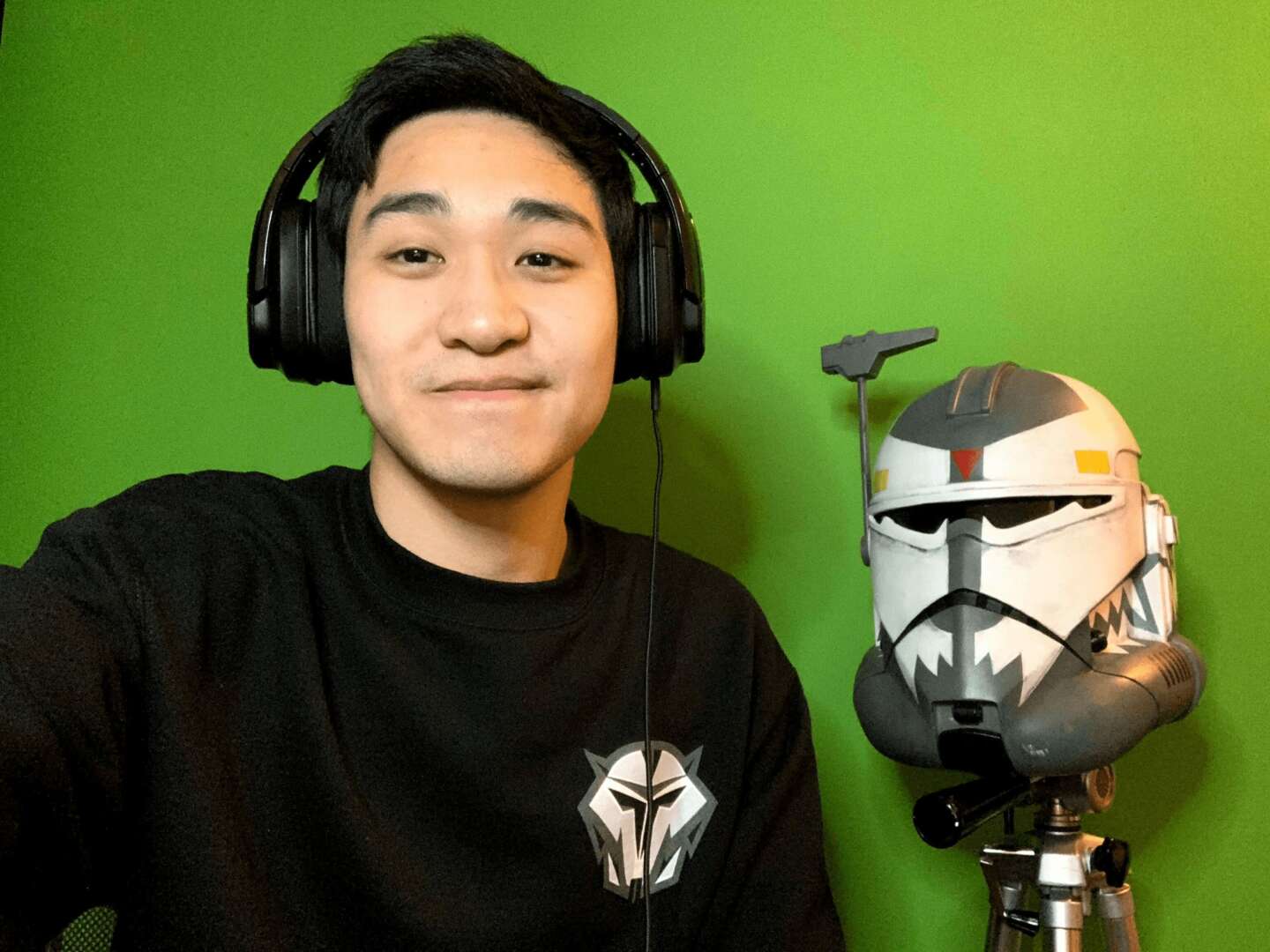
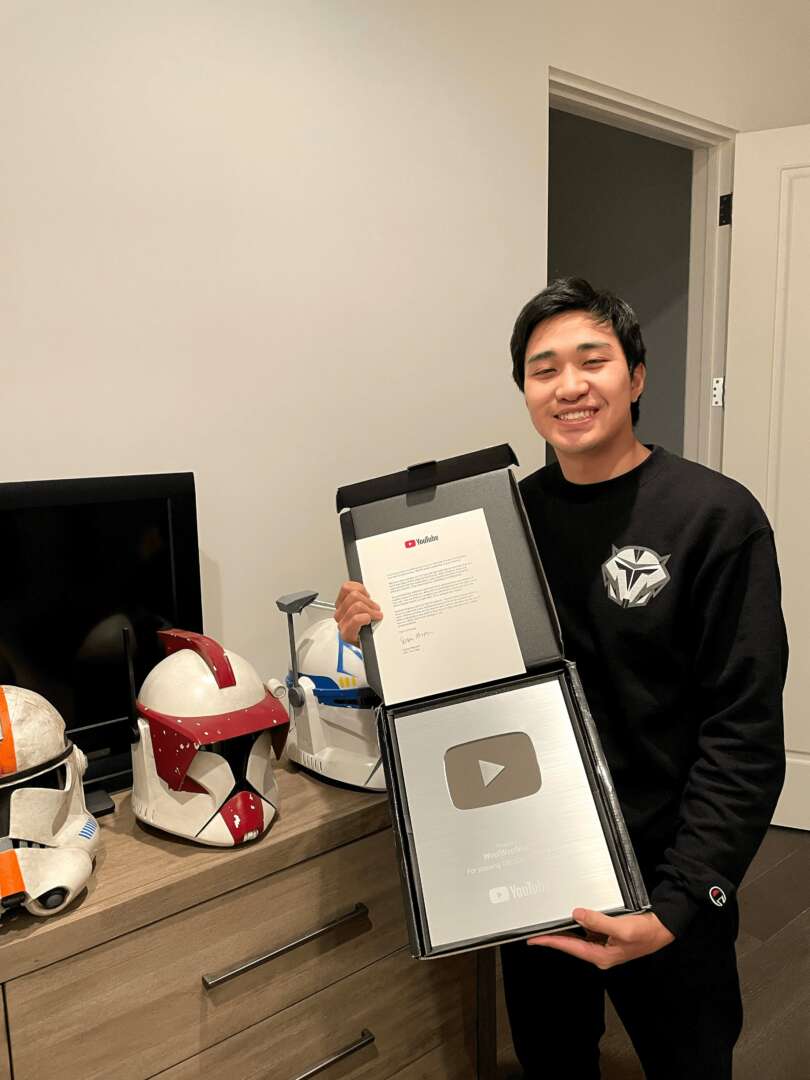
Dillon, before we move on to more of these sorts of questions, can you take some time to bring our readers up to speed on you and what you do?
Hello anonymous reader! I’m excited to share my story, from my early days as a high school YouTuber to my current endeavors in the video game industry.
Who am I? My journey began in high school with a YouTube channel dedicated to my love for Star Wars. I dove into everything from unboxing videos and lore explorations to creating machinimas and 3D animations. These formative years laid the groundwork for my passion for digital storytelling.
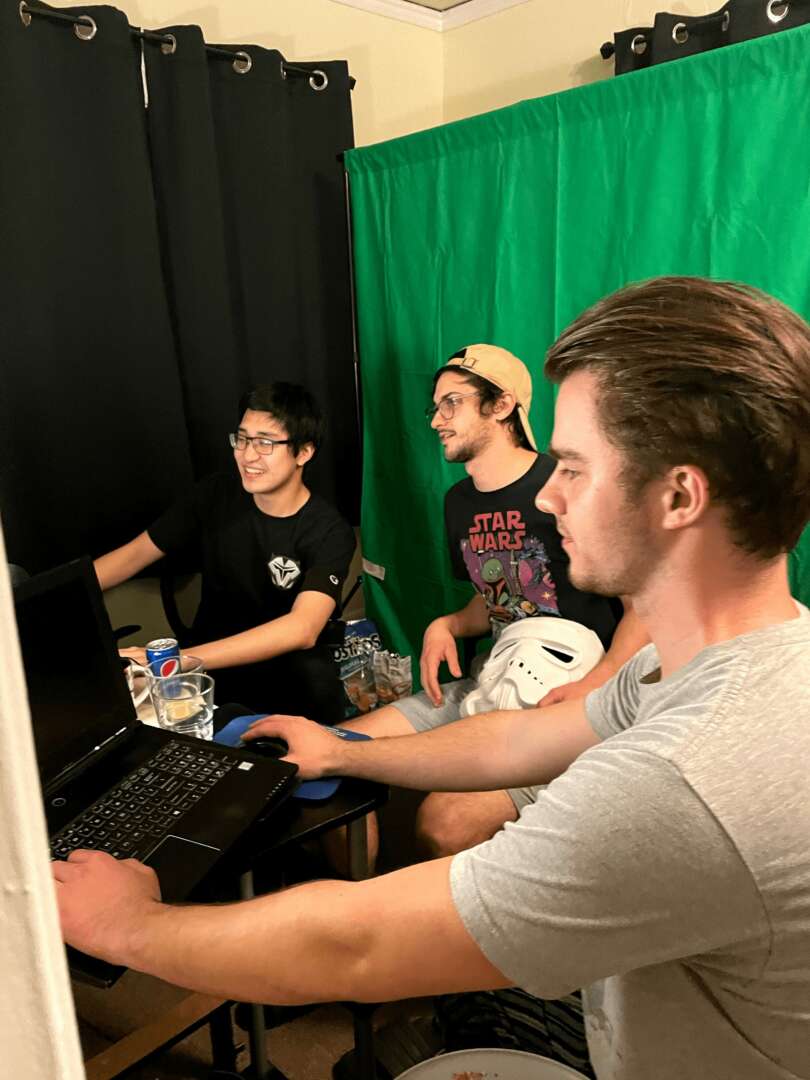
Educational Background: After high school, I pursued a degree in Global Marketing at USC, and continued growing my YouTube channel, diving into gaming and learning Unreal Engine for virtual production. I also executive produced a Star Wars Horror Fan Film called Ewok Hunt with my friends (USC film students).
The Dark Side of Pursuing My Dream: Post-college, I attempted to turn my passion for YouTube and 3D animation into a sustainable career, while living at home. I bought a motion capture suit, hired a team of contract 3D artists, and spent months creating short animation videos. Despite creating stunning cinematics and attracting over 65 million views, the financial returns were insufficient to sustain a living. I realized my infrequent posting of long-form cinematic content was at odds with YouTube’s algorithm, which rewards a recurrent release schedule.
A New Chapter: Life took a turn when I decided to move across the country with my then-girlfriend, who was seeking new opportunities. This move forced me to reevaluate my career trajectory. I needed a stable income and a professional environment to grow, and I was fortunate to have found work with an animation studio.
Current Role: After a year of working on the East Coast, I was recruited by my future employer (he was a fan of my Star Wars animations), and moved back to Los Angeles to create in-game and trailer cinematics. For the past year and a half, I’ve worked on thrilling projects for major titles including Forza Horizon 5, Forza Motorsport, Hi-Fi Rush, and Riot Games’ upcoming 2XKO. Working alongside industry veterans at a video game marketing agency, I’ve gained invaluable insights and skills in trailer-making, game development, and marketing.
Continuous Learning: Outside of my day job, I am an aspiring game developer and continue to learn through platforms like GameDev.TV and Thomas Brush’s FullTimeGameDev.
My Advice: If you’re hesitant about sharing your work, consider using an anonymous alias—it’s all about getting your creations out there.
Call to Action: Let’s connect and create something amazing together! I encourage you to add me on LinkedIn or wishlist my upcoming game, “Capybara Fighters!” on Steam!


How about pivoting – can you share the story of a time you’ve had to pivot?
Over the course of my early 20s, I experienced three significant pivots that profoundly shaped my personal and professional life. Each of these transitions taught me invaluable lessons about resilience, adaptability, and personal growth.
The First Pivot: From YouTube to Animation Studio
My first major pivot occurred when I realized that despite my passion for creating content on YouTube, the financial instability that came with it was unsustainable, especially with rent and living expenses pressing on me. This realization pushed me to transition from being a full-time YouTuber to securing a position at an animation studio. This move was not just about financial stability; it was also an opportunity to understand the inner workings of a professional studio and expand my network within the industry. This pivot was a practical decision but also a strategic move that opened new pathways for professional growth and learning.
The Second Pivot: Geographical and Relational Shift
The next significant turn came when I was recruited to return to Los Angeles, necessitating a move away from my then-girlfriend in Washington D.C. This transition was challenging as it put a strain on our relationship, stretching it across the country. We managed a long-distance relationship for about a year and a half, navigating the complexities of staying connected while pursuing our respective career goals. This period was a test of communication, commitment, and flexibility, emphasizing the importance of balancing personal relationships with professional aspirations.
The Third Pivot: Ending a Long-Term Relationship
The most recent and emotionally challenging pivot was the mutual decision to end my four-year relationship this past April. Despite the emotional turmoil, this decision brought a significant degree of clarity and self-awareness. In the weeks following, I established a routine that fostered my personal well-being and growth: waking up early for a seven-minute gratitude session with my friend in NYC, meditating, and working out at the gym before work. This new routine has immensely contributed to my sense of health and fulfillment, reaffirming the importance of self-care and emotional resilience.
These pivots, though difficult, were necessary for my growth. They taught me the importance of adaptability, the strength found in vulnerability, and the clarity that comes from making tough decisions. As I reflect on these changes, I am grateful for the lessons learned and the new paths they have led me to. Each pivot, in its essence, was a step toward realizing a more aligned, robust, and fulfilling life.

Are there any books, videos or other content that you feel have meaningfully impacted your thinking?
Several books, essays, and resources have profoundly influenced my management and entrepreneurial philosophy, but a few stand out.
Stephen R. Covey’s The 7 Habits of Highly Effective People provided an early foundation for my thinking. Covey’s observation that “What you are shouts so loudly in my ears I cannot hear what you say” emphasizes the importance of authenticity and intention, especially given that people will be able to read you from your actions.
Mark Manson’s The Subtle Art of Not Giving a Fck* challenged and refined my approach to personal and professional growth. Manson’s exploration of the ‘Hedonistic Treadmill’ and the idea that “Whatever makes us happy today will no longer make us happy tomorrow” has helped me focus on sustainable satisfaction rather than short-term pleasures in my career decisions. His insights into accepting the mundane truths of life, the importance of embracing responsibility, and the value of uncertainty have reshaped how I view both challenges and opportunities. Particularly, his perspective on responsibility—that “A baby being dropped at your doorstep is not your fault, but what you decide to do with it and the consequences are your responsibility”—has encouraged me to take action and not feed into resentment or self-pity.
On a tactical level, Dickie Bush’s discussion on Ali Abdaal’s podcast introduced me to ‘The Bottleneck Method’. This approach involves identifying and addressing the single most significant bottleneck in any area of one’s life, business, or relationships. By asking myself, “What’s the #1 bottleneck to get where I need to go?” and focusing on removing it, I have streamlined processes and removed obstacles more effectively, especially when feeling like I’ve hit a wall.
Contact Info:
- Website: https://dillonsund.wixsite.com/portfolio
- Linkedin: https://www.linkedin.com/in/dillonsun/
- Youtube: https://www.youtube.com/woofwoofwolffe
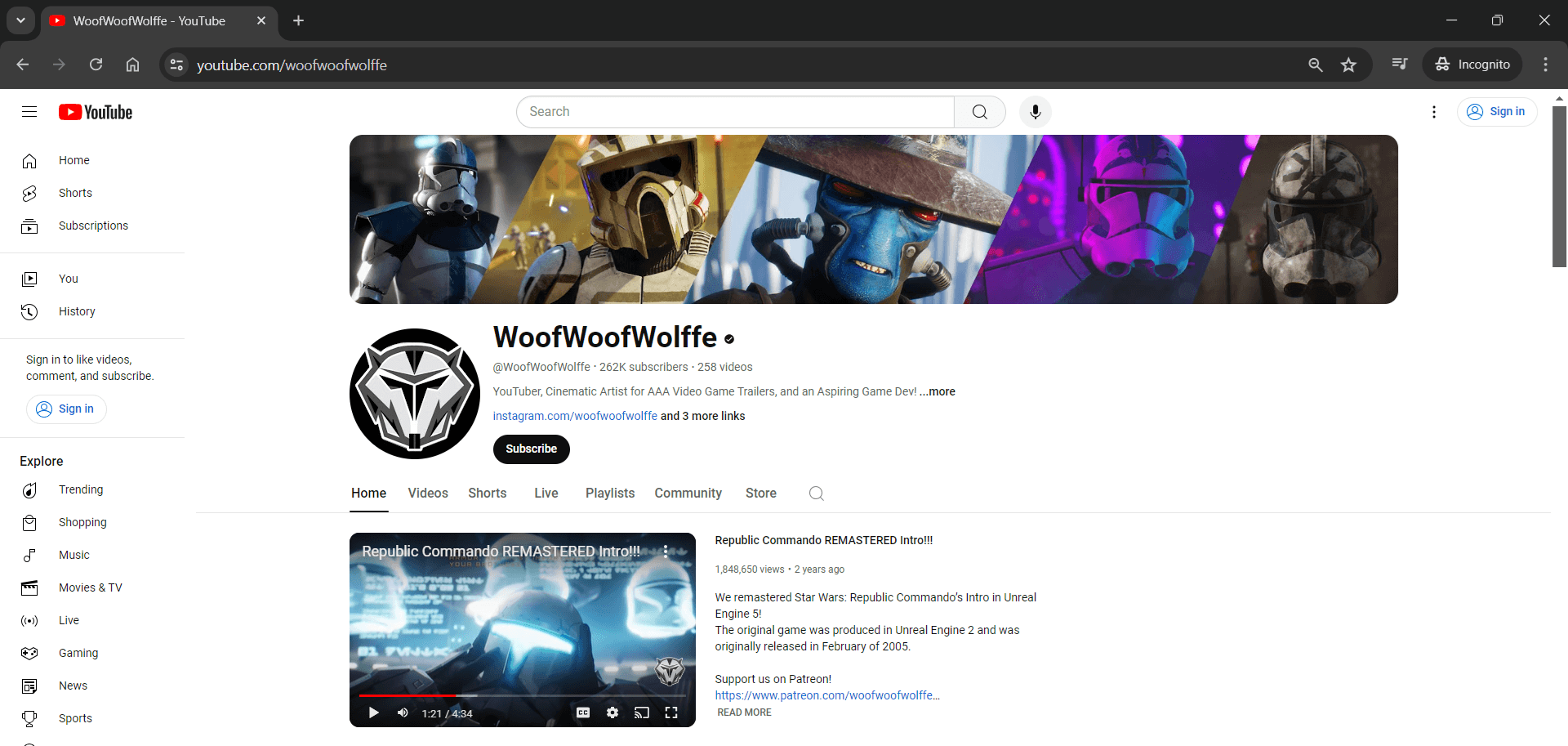

Image Credits
David Sun, Frances Sun, Douglas Sun, Alexander Kriksciun