

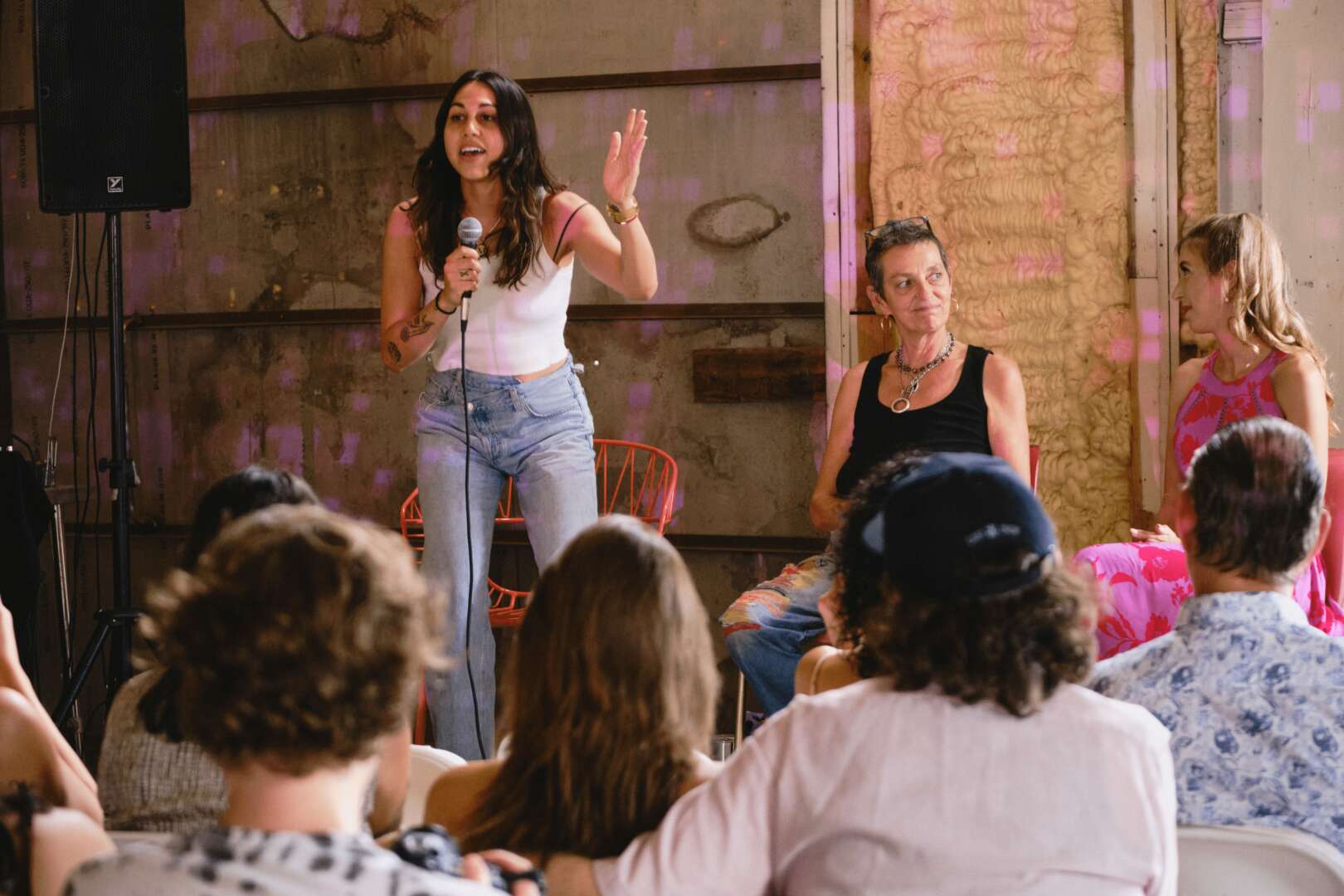

Alright – so today we’ve got the honor of introducing you to Marcella Bechtel. We think you’ll enjoy our conversation, we’ve shared it below.
Marcella, appreciate you joining us today. How did you come up with the idea for your business?
Getting a job in any industry without prior experience is difficult in itself, but getting a job in fashion seemed impossible to me after graduating college with a Marketing degree. I had a lot of interest in clothing because of the confidence they gave me as an insecure 20 something year old. During my lunch breaks at my corporate job in Chicago, I would walk over to Zara whenever I could to get my next hit of fast fashion. In 2016, my goal was to work at Zara corporate. However, when I stumbled upon the brand, Everlane, and they promoted ethical fashion, my first thought was “why is fashion unethical in the first place?” This led me down rabbit hole of learning about the fast fashion model, the environmental impact of the fashion industry, and how inhuman garment workers were treated. Little did I know, my slow fashion journey & awakening began in this moment and would lead me to create GOOD group ATX.
In 2018, I met Kara Wright in Austin, Texas through a mutual friend from college. We immediately hit it off, connecting about environmentalism & sustainability. We both had learned about clothing swaps from our individual research and threw our first clothing swap together with our immediate friends in a backyard. Clothing swaps are not a new concept, they’ve been around for a while and typically happen between small groups of friends. Essentially, clothing swaps allow you to rehome your clothing items that no longer serve you within the local community and get “new-to-you” clothing items in return. It is financially & environmentally beneficially.
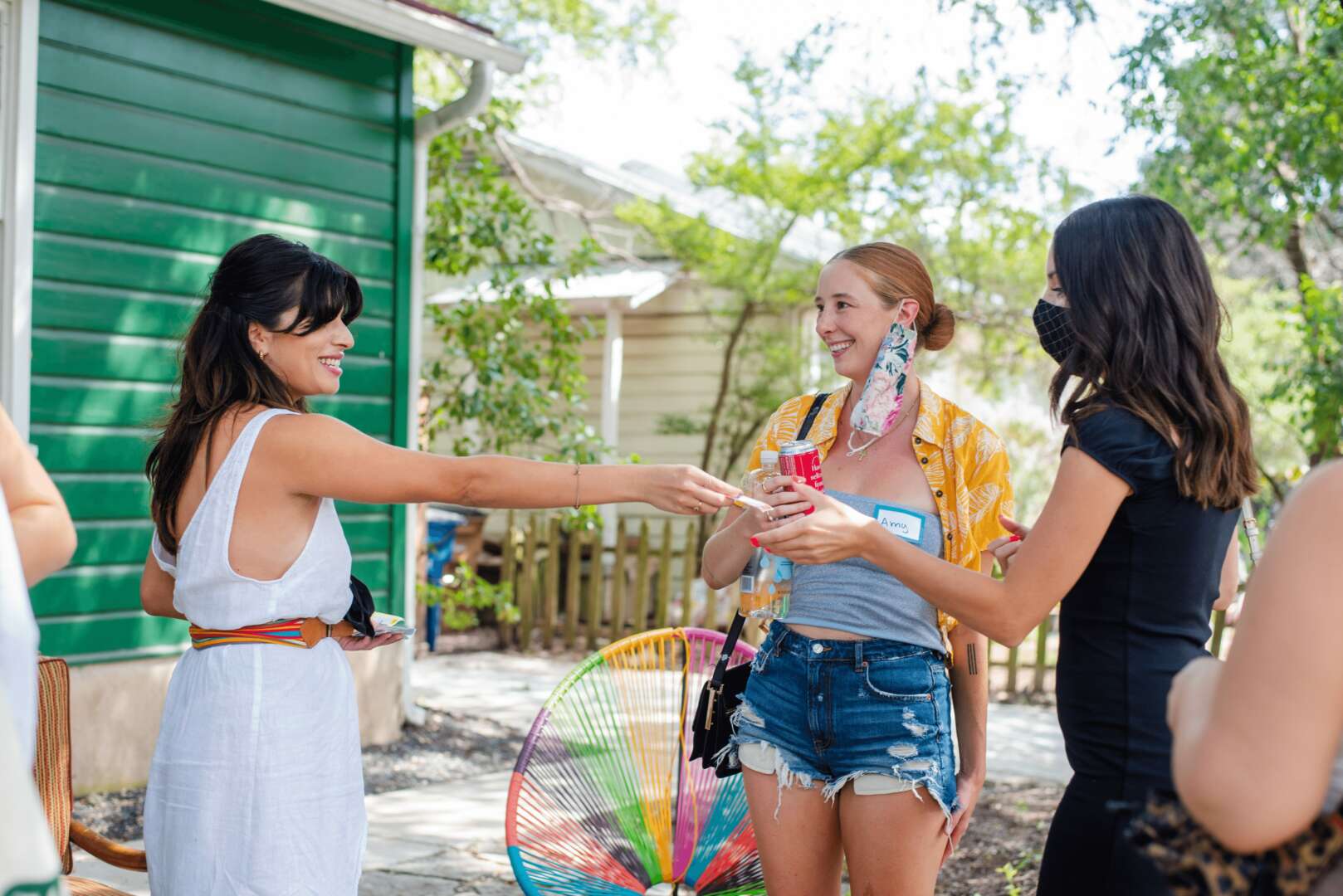
We continued throwing clothing swaps with our friends & friends of friend and eventually put branding in 2019 “GOOD girls ATX” rooted in eco-feminism. We eventually opened up the swaps to more community members and started throwing swaps throughout Austin. We rebranded to GOOD group ATX in 2022 to ensure all identities feel welcome at our swaps, however, our swaps are primarily female identifying individual (she/her, they/she, they/them) since the fashion industry disproportionally target women
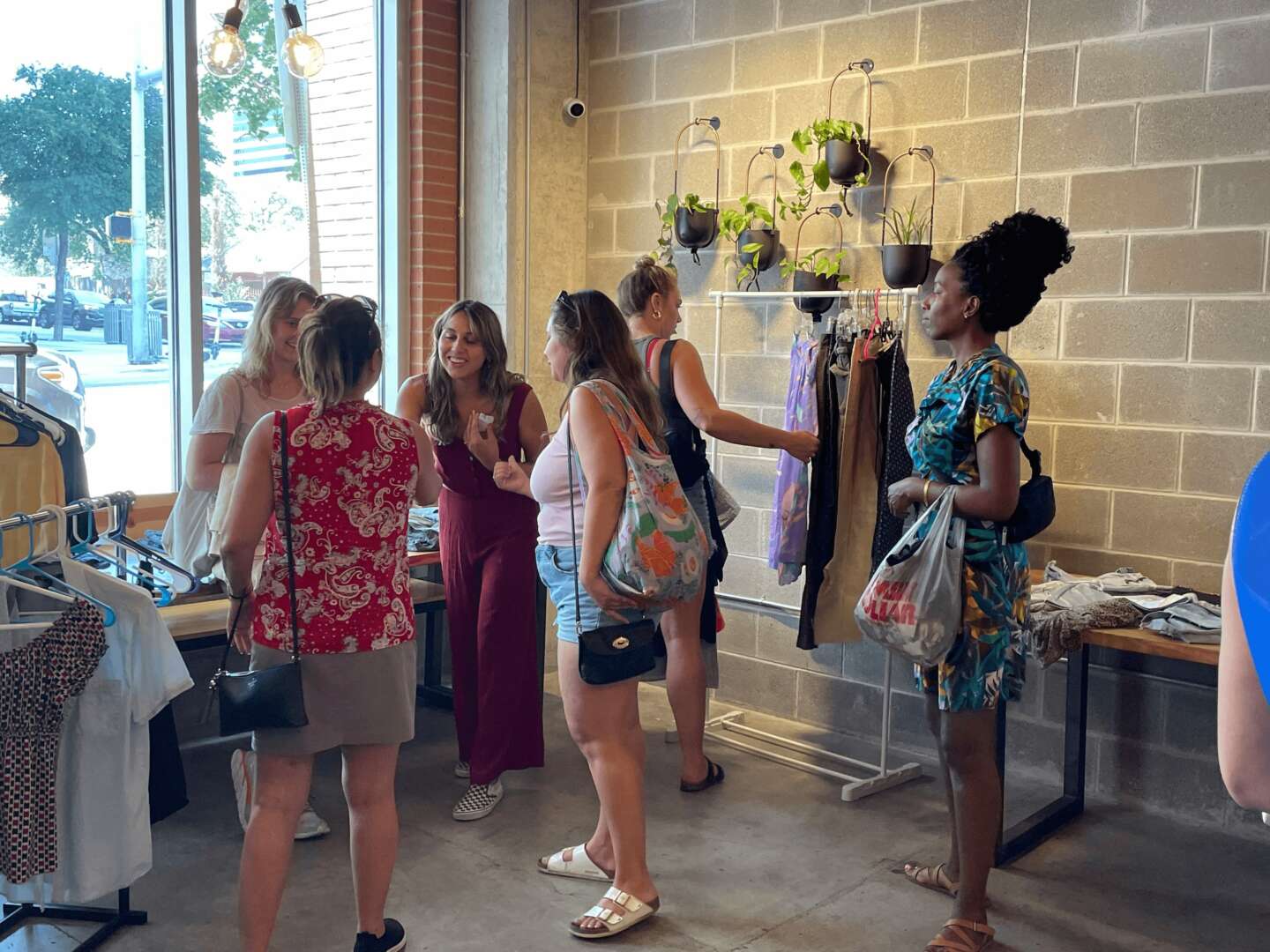
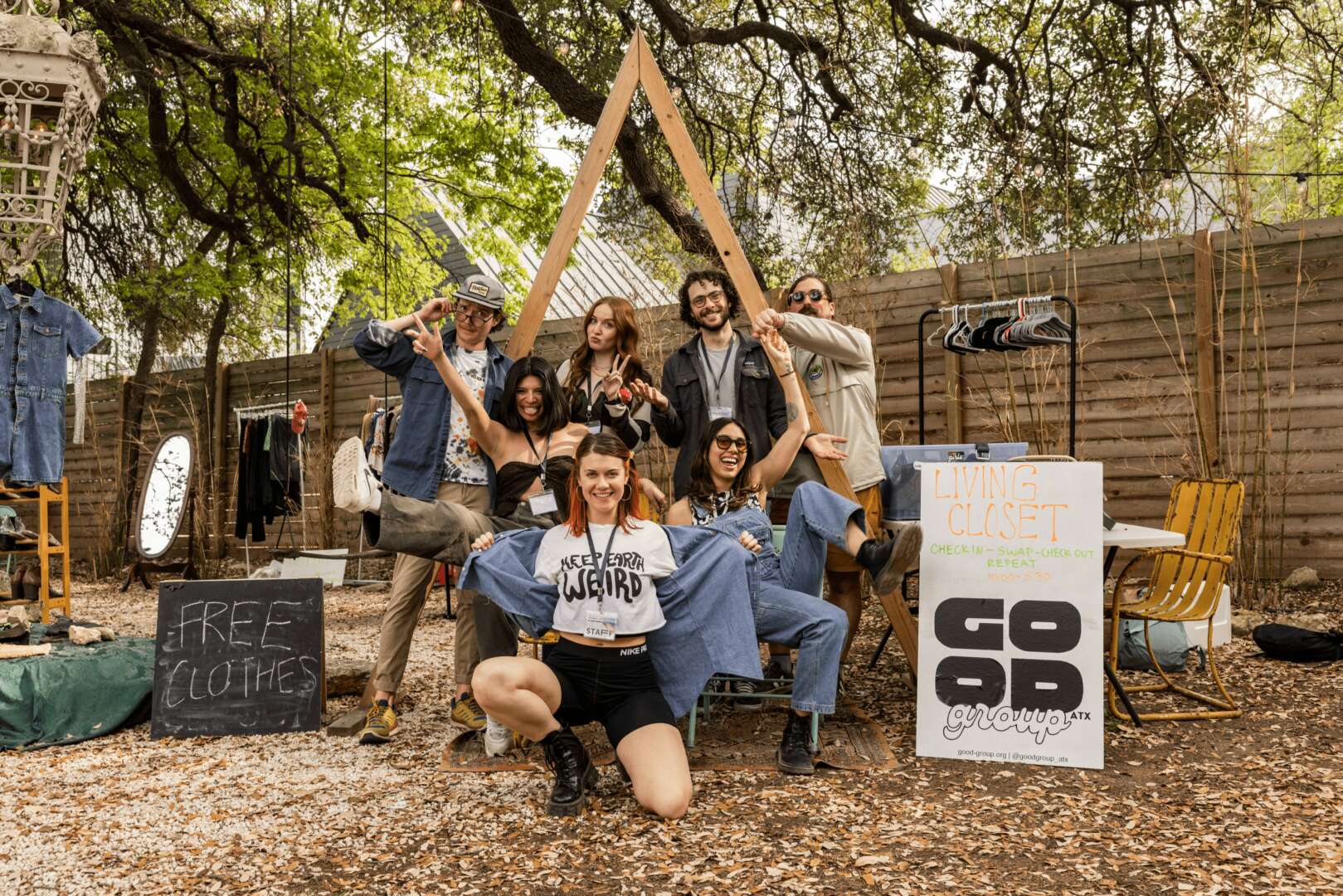
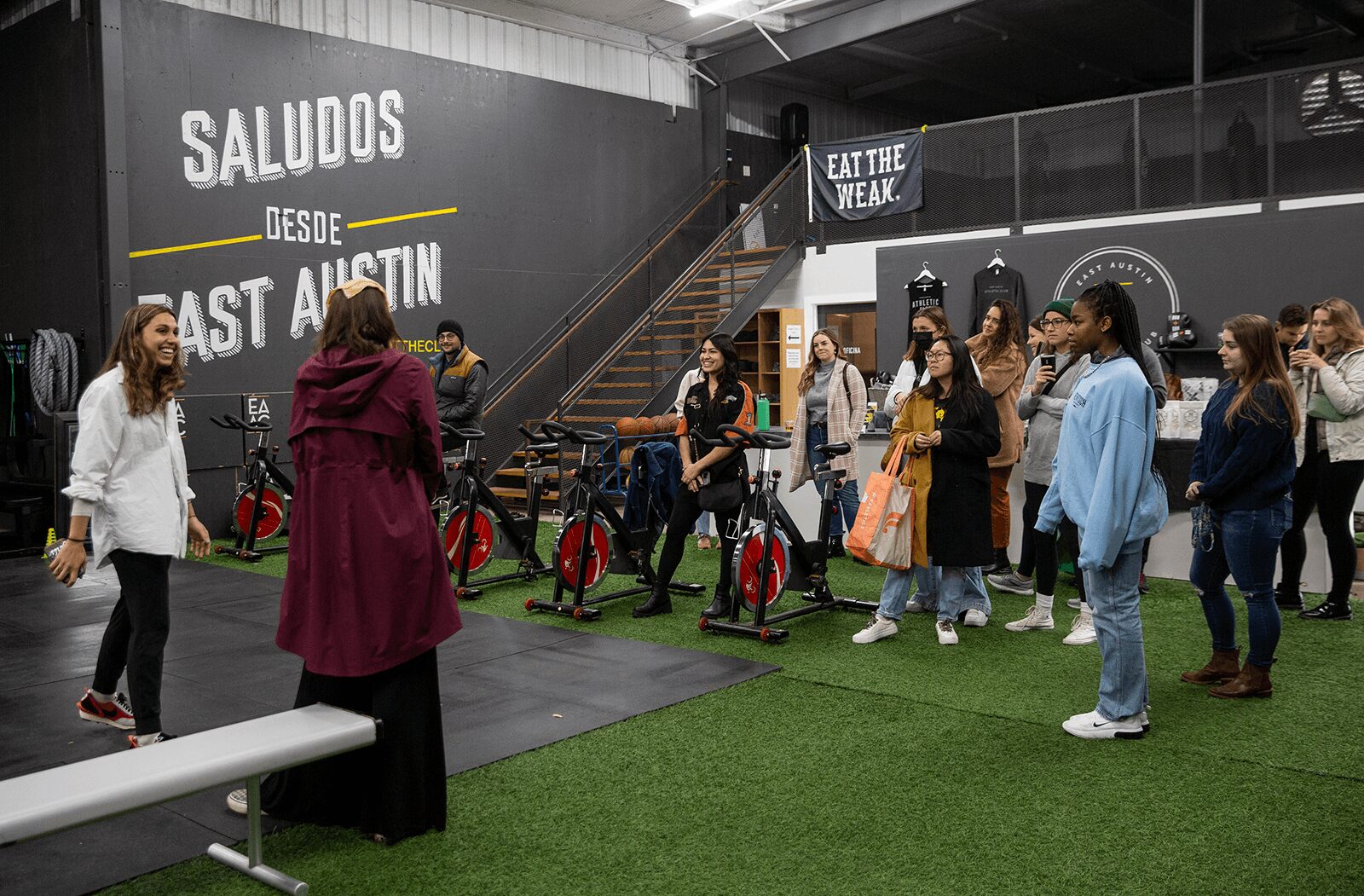
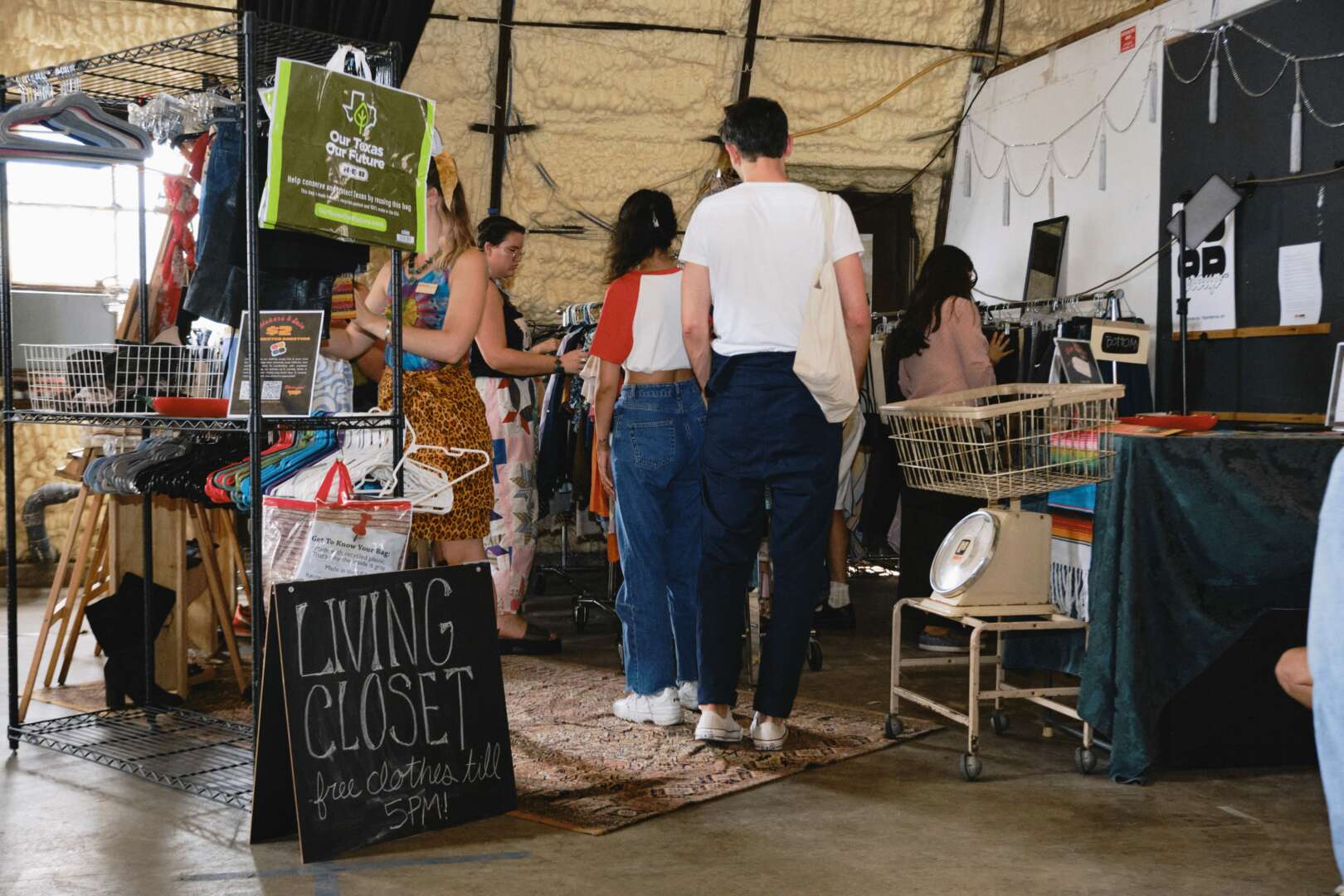
Since 2019, we’ve thrown 20+ swaps across Austin and have responsibly rehomed about 10,000+ clothing items. We typically pop up at coffee shops, breweries, and creative spaces, and our swaps are donation-based because we believe everyBODY deserves access to sustainable & second-hand fashion We are also different from most clothing swaps because we measure our impact – we are weighing all donations – and we put as much as possible on racks so that people feel like they’re shopping. We also have worked hard to ensure that the leftover clothing items, which is about 50% of what we receive, goes to people directly instead of donation bins. We donate to climate refugees (through Val Verde Humanitarian coalition), local charities, and we’ve built a network of upcyclers in Austin through our program – GOOD garbage. We’ve even had swap leftover upcycled & featured in fashion shows in Austin by Formula S7 & Yvie Style It.
What is GOOD group ATX solving? As we’ve grown, we realized that we’re solving a lot of issues – 1) making sustainable fashion accessible to everyone (by not charging for swaps), 2) supporting the upcyclers who are typically working two jobs to make ends meet and 3) diverting textile waste. We assume that a lot of the items donated to a clothing swap would’ve been donated to large donation centers where only 20-30% of the items would actually end up on the floor. The rest would be shipped off to South America or Africa for resale, dumping or incineration. I’m a firm believer that mindless disposal of clothing items is as detrimental as mindless consumption.
Marcella, love having you share your insights with us. Before we ask you more questions, maybe you can take a moment to introduce yourself to our readers who might have missed our earlier conversations?
I think my previous response answered this question :)
I will add that I’m most proud of the impact that we’ve made on the community and people’s shopping habits. The number of people that have told GOOD group that we’ve changed their relationship with shopping, whether they only swap, shop second hand now or intentionally research a brand before buying new. Through data collection, we’ve learned so much about our shopping habits and have shared those with our community via the GOOD reports. I will personally avoid buying tops or dresses because there are an abundance of those items in the second-hand market per our swap data.
We also immediately noticed the community aspect of sharing clothes – provenance (a fancy word for history) is something that we love to hear about. I think we continued to throw clothing swaps because it started off so positive. People complimenting one another instead of competing with one another. People sharing the back story of their clothing items, like where they bought it and wore it, the way that the garment was made, why they’re getting rid of it, etc. All of these stories connect us as human beings and humanizes the fashion industry. The human interaction is something you won’t find from buying a dress of Instagram or Amazon. The future of fashion is human(e).
How did you put together the initial capital you needed to start your business?
It’s important to note that we’ve been completed funded off of donations from our community. All donations are re-invested within the operations of the business since we’re volunteer-driven. Kara and I have been very intentional with buying most of our supplies second hand or sourcing them from buy-nothing groups on Facebook to align with our values, which can be applied to any kind of consumption.
However, funding has become something we’ve been focused on in 2024 in order to grow sustainably. We have been dreaming of opening up a brick & mortar and are considering grants, a membership model, or promoting that we are a donation-based company (similar to Black Swan Yoga).
We often hear about learning lessons – but just as important is unlearning lessons. Have you ever had to unlearn a lesson?
One of the hard lessons that we learned was when we tried to produce GOOD group merchandise for our “groupies” (swappers). It was one of our attempts at fundraising but we soon realized we were contributing to overproduction even if we’re using second hand materials. We worked with a local screen printer to upcycle leftover swap items into “merch” with our logos on it. It was super difficult to sell the products, margins were very low, and we ended up donating a lot of the items to swaps.
In our eyes, this is a reflection of the demise of “merch” within the fashion industry. So many companies are quick to produce merchandise with their logos to turn a quick profit. In reality, they are contributing to textile waste and using a fast fashion model. What happens when someone gets over a band or leaves a company? What we’ve noticed through out swaps is that no one wants a t-shirt from the marathon in 2013 that they didn’t run. STOP PRODUCING MERCH!!
Contact Info:
- Website: https://www.good-group.org/
- Instagram: https://www.instagram.com/goodgroup_atx/
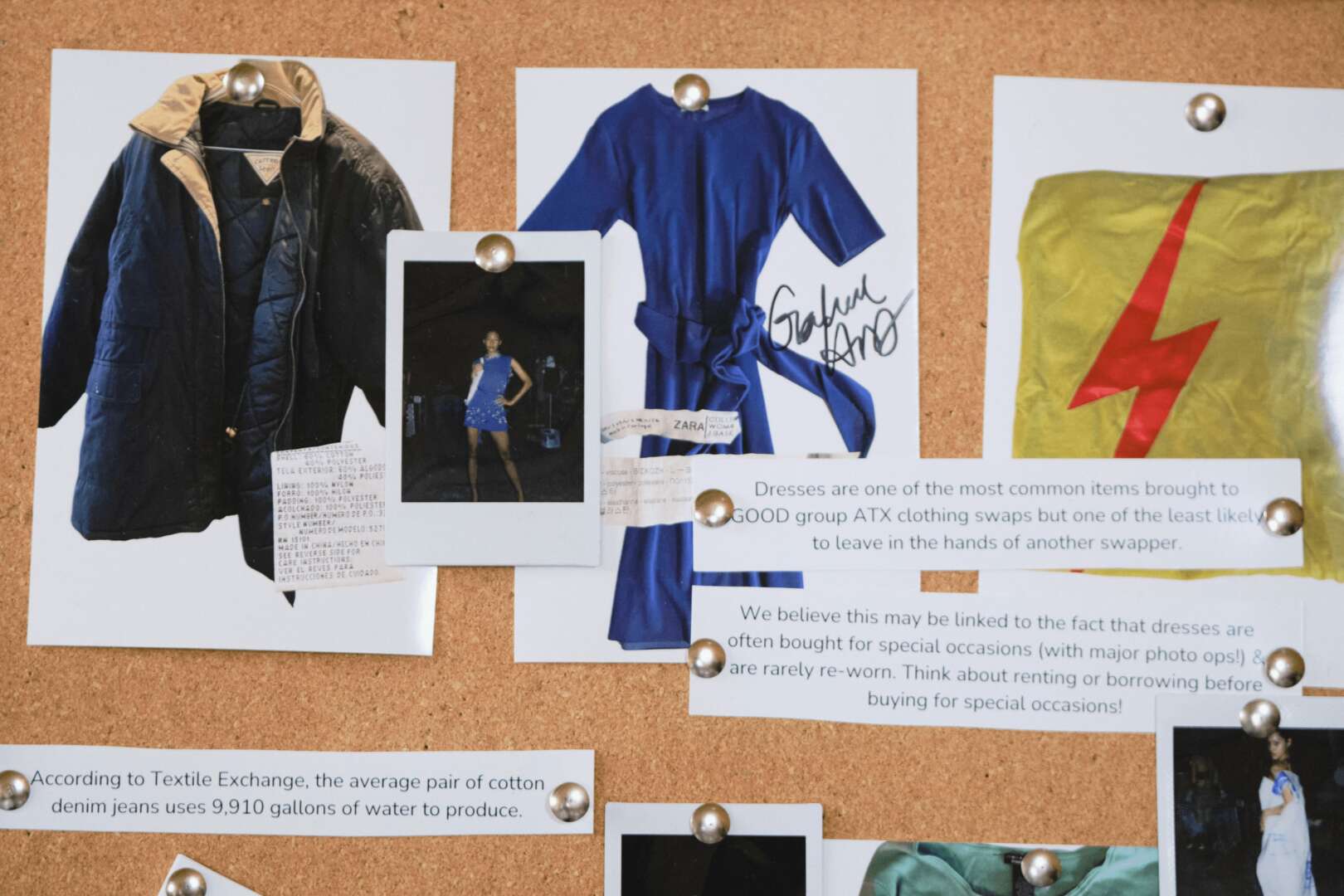
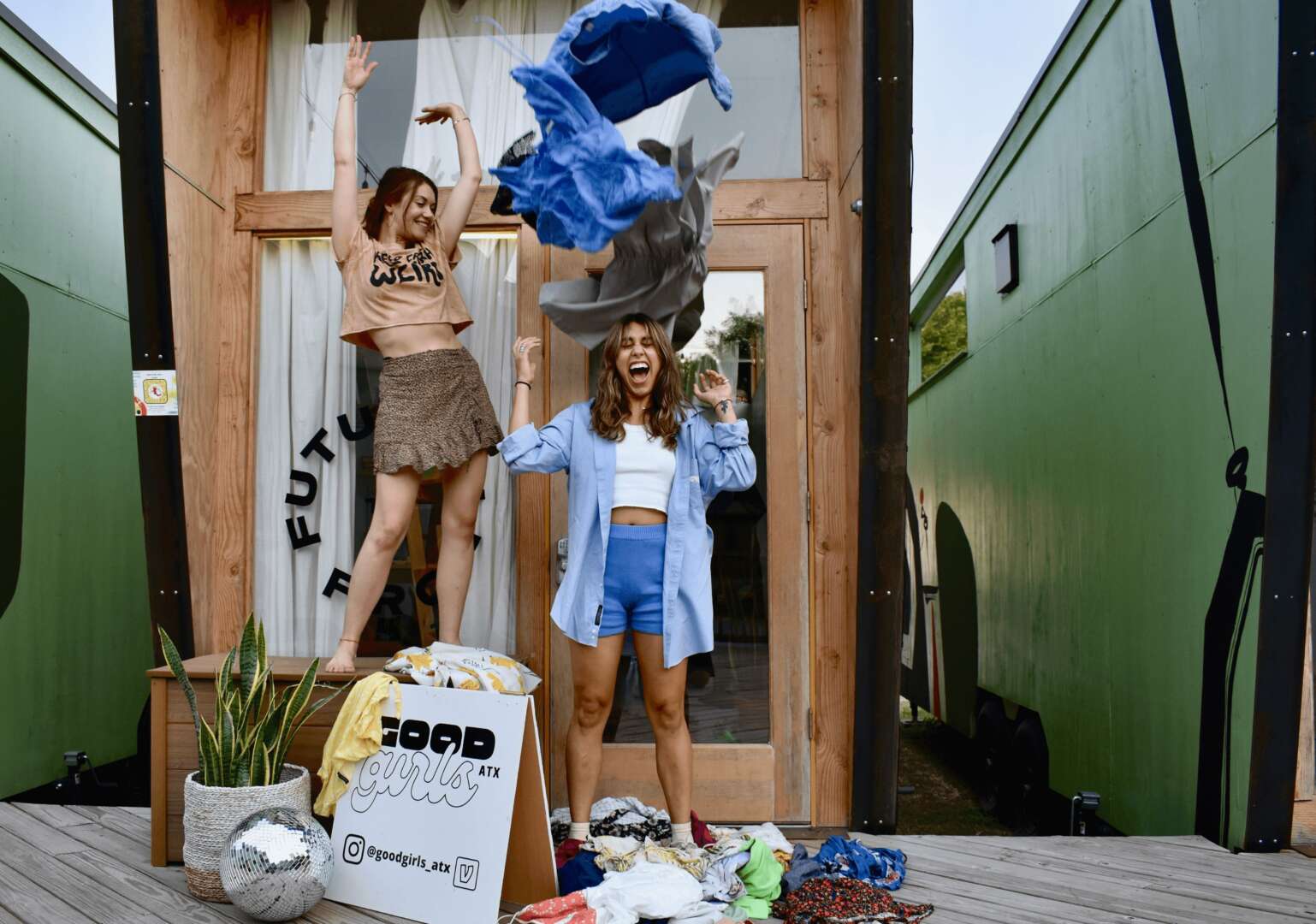
Image Credits
Dillon Havens, Outside Council (majority of photos, not all of them)