

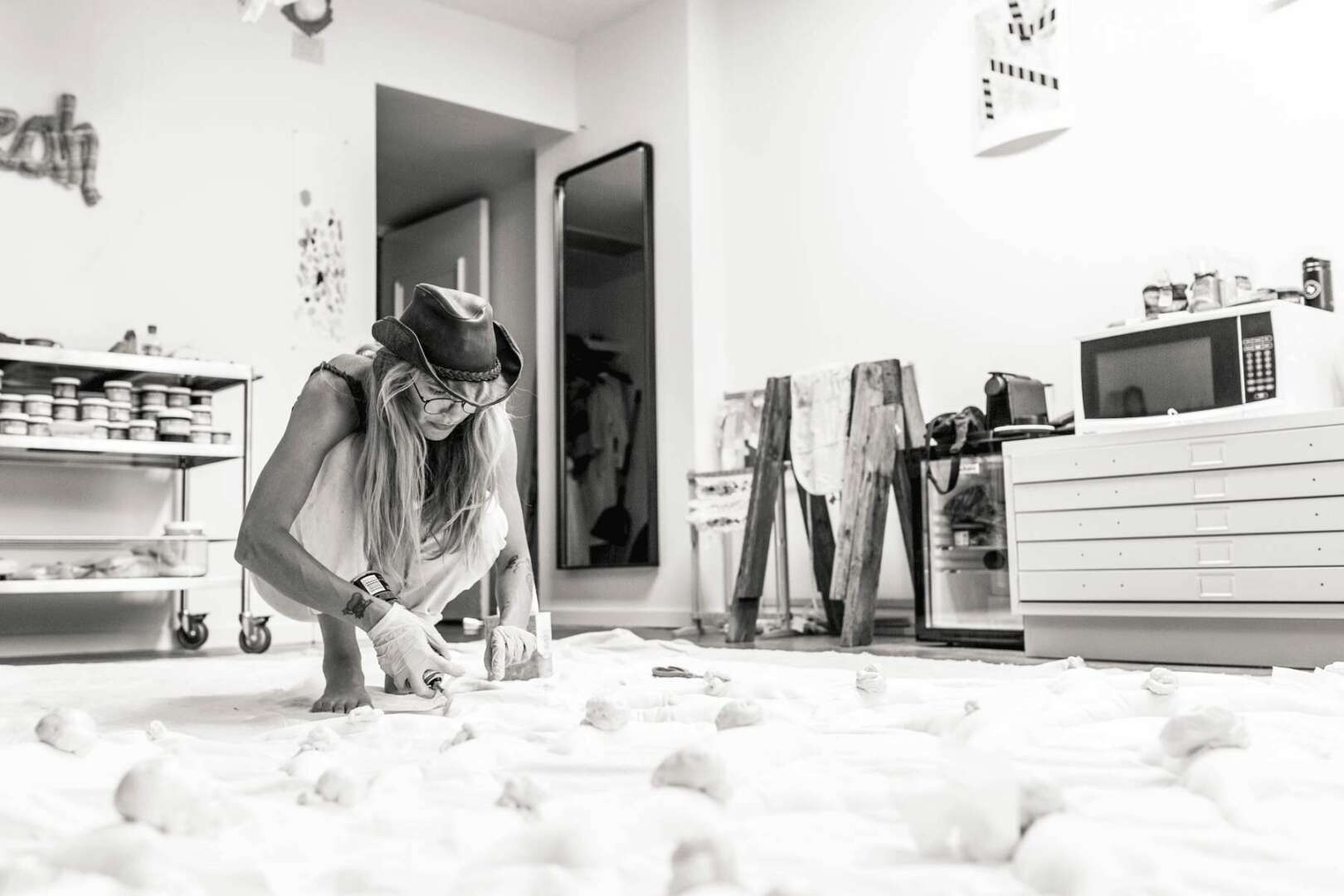

We recently connected with Steef Crombach and have shared our conversation below.
Alright, Steef thanks for taking the time to share your stories and insights with us today. How did you learn to do what you do? Knowing what you know now, what could you have done to speed up your learning process? What skills do you think were most essential? What obstacles stood in the way of learning more?
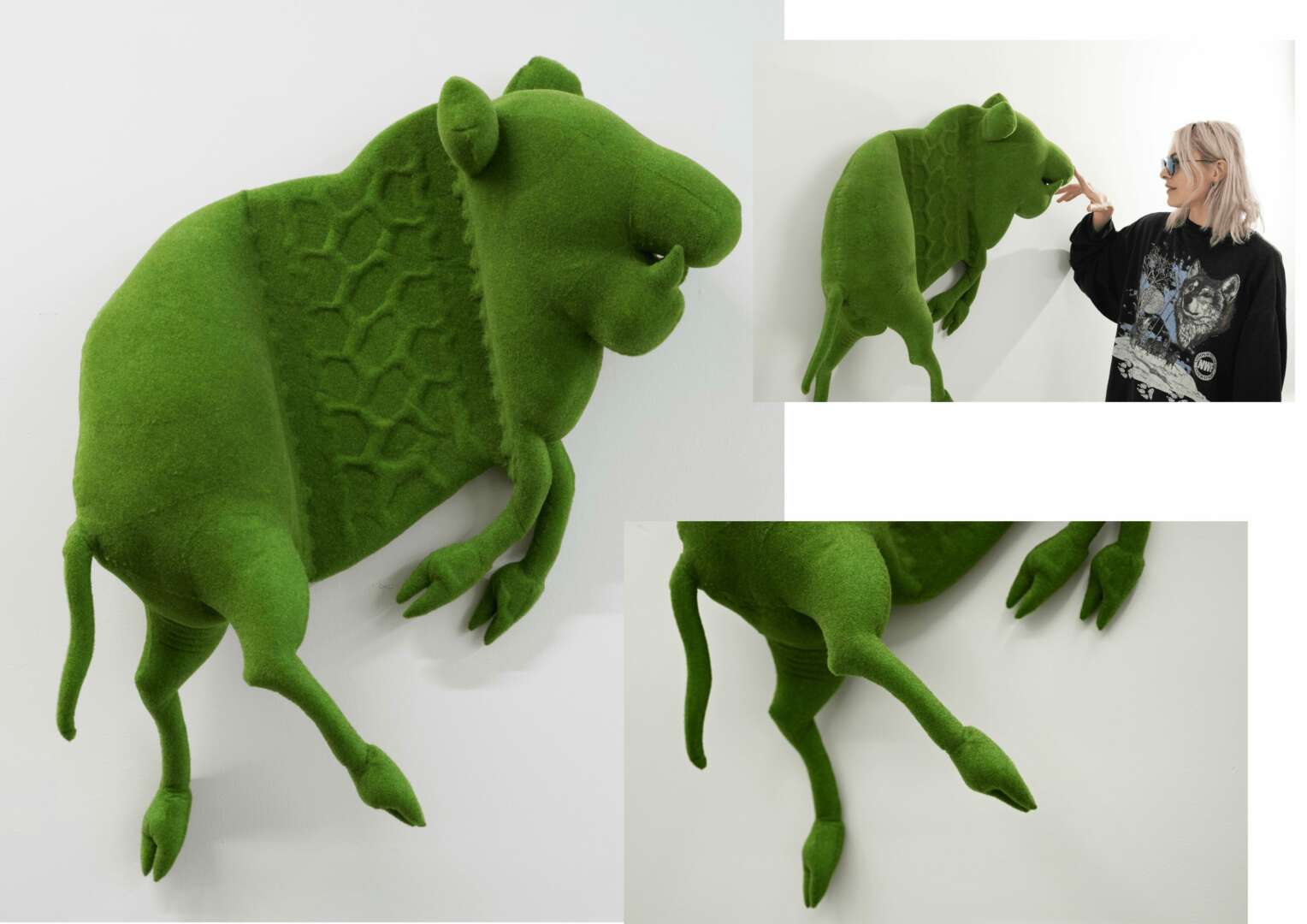
My current artistic practice diverges significantly from my work during my time at the Royal Academy of Arts in the Netherlands. While there, I focused on large, site-specific installations. However, this style wasn’t conducive to international travel as a upcoming artist. Now, I primarily create 2D and 3D fabric art, blending traditional craft techniques such as batik and quilting with unconventional materials like expanding foam.
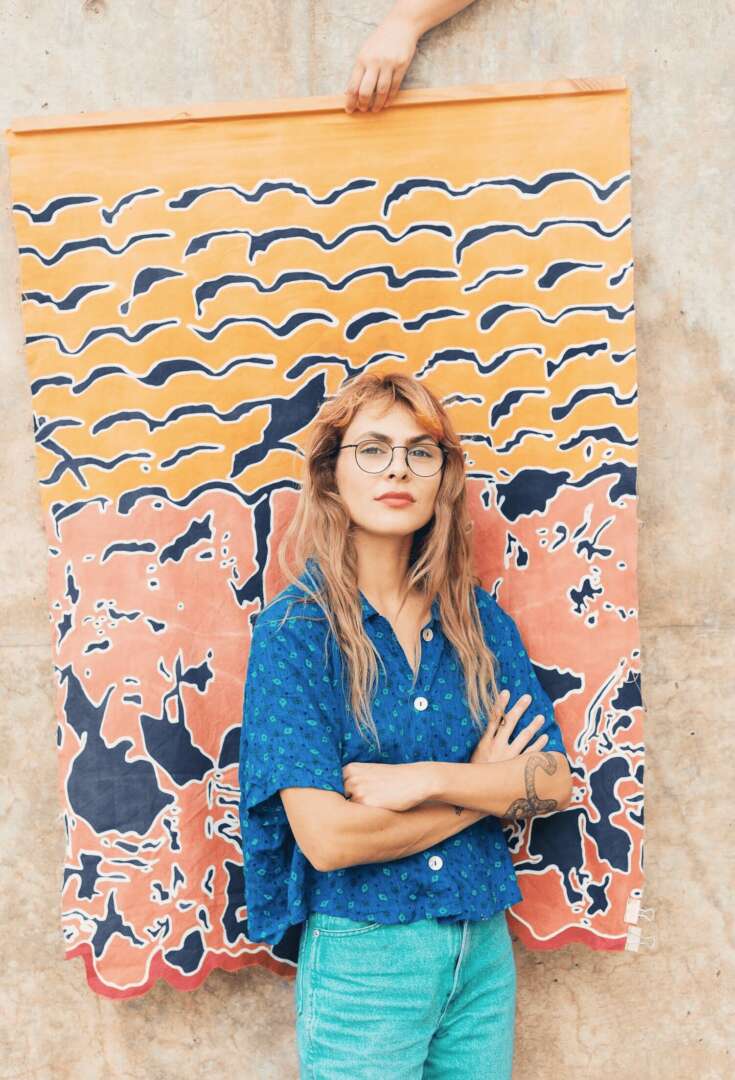
It is interesting to notice how a lot of the techniques crucial to my current work are self-taught. I mostly learned within experimentation and trial and error, especially with the Batik technique. For instance, my discovery of a ‘wax-resist’ effect akin to batik occurred when I attempted a ‘bacon flag,’ laying bacon on fabric and dyeing it; the bacon grease resisted the dye, leaving a ghostly imprint. Subsequently, I delved deeper into techniques through YouTube tutorials and relevant books, I love learning from books.
Ultimately, I selectively incorporate traditional methods into my process and combine this knowledge with my own discoveries. The biggest obstacle in doing it this way is the time and materials it takes to get to the desired result. Still now, as I keep expanding my techniques, I can make 7 works that go in the bin, and one that that works out. While this approach can be frustrating, it allows me to avoid derivative work and occasionally stumble upon entirely new techniques, like my fabric mold-making method.
While I may not use many of the techniques I learned in art school, it imparted a sense of purpose and a profound understanding of art’s societal and personal significance. Looking back, I wouldn’t want to do it another way. It’s a personal journey and if the road towards answers is not straight, that is okay with me. The key obstacle on this path is the frustration that accompanies failure, yet within that failure lie the most valuable insights and discoveries.
Awesome – so before we get into the rest of our questions, can you briefly introduce yourself to our readers.
I’m a Dutch Visual artist born in Maastricht in the South of the Netherlands. I earned my B.F.A from the Royal Academy of Arts in The Hague in 2014. My graduation work ‘wat een Zonde’ earned the ‘Stroom Talent Invest Price’, which allowed me to research craft techniques and local iconography in the United States. I enjoyed the art scene a lot but noticed there was a lack of funding and opportunities to tap into for local artists. When a couple years later I received the ‘Stipendium for Emerging Artists’ from the Mondriaan fund, I decided to invest it in the local art scene in Austin Texas by creating a immersive residency and accompanying exhibition.
I officially relocated to the United States in 2019, where I became BigMedium’s first Artists-in-Residence, showed solo at Ivester Contemporary and W&TW and won the ConceptAnimals award for ‘favorite fiber artist’ in 2023. Currently I am dual-based in my landing city, Austin, Texas, and my live/ work studio in Los Angeles.
I’m mostly proud of a inherit sense of care I feel towards my community and the necessity to all rise together. Creating opportunities, resources and projects for other artists and teaching and curating take up a big portion of my time. It’s not always easy to do this kind of philanthropy as a full-time artists myself, who is experiencing the same lack of funding as most local artists do, but I’ve noticed that I can use my creativity to still provide.
When it comes to my visual work, the best source on our cultural identity is not the official historical record, it’s the town dump.
I appreciate the ephemeral and normalized aspects of our daily visual world as clues to how we think and move within a time and place.
By engaging with the commonplace and the local, I attempt to surface overlooked but significant points of reference buried deep within our consciousness in search of the aspects that might be part of our collective memory when we look back.
My technically intentional processes with fabric highlight the qualities of unconventional materials and traditional craft techniques, reimagining them through innovative use and experimentation.
I copy, morph, intertwine, overlap, and connect patterns, color, and abstracted shapes, allowing my Dutch frame of reference to connect with craft techniques and iconography from America, in my fabric paintings and sculptures.
Within my work, I hope to highlight the often intangible nature of change and create a deeper understanding of our shared visual reality by stimulating curiosity and intentional observation of our present time and place.
What can society do to ensure an environment that’s helpful to artists and creatives?
Artists require time and space to fully immerse themselves in their craft, a condition that hinges on society’s appreciation and valuation of their creative process. Often, the unconventional ways in which artists learn and find inspiration can be challenging to grasp, as we usually see the finished results. A major way artists will be supported is if more people understand the inherent value of art and creativity in our society and in their own lives.
A crucial support for artists lies in broadening public recognition of the intrinsic value of art and creativity in both societal and personal realms. This appreciation manifests in collecting art, curating personal and public spaces that showcase cherished works, and thereby fostering a contagious appreciation among others.
Of course not everyone has the means to invest in art, another way to show your appreciation is to attend your local galleries and museums, bring your art-shy friends and share and re-share about artists you love online. When society comprehends the necessity of artists and their specific needs, it incentivizes both private entities and government bodies to invest in initiatives that cultivate creativity, leading to increased acquisition, appreciation, and preservation of their work.
We often hear about learning lessons – but just as important is unlearning lessons. Have you ever had to unlearn a lesson?
Art is not a solitaire endeavor.
In art school their is a strong emphasis on finding one’s own voice, an intimate and very personal journey.
I have a big appreciation for artists that are able to visually convey their feelings, perspective, observation etc without laying the narrative on it thick.
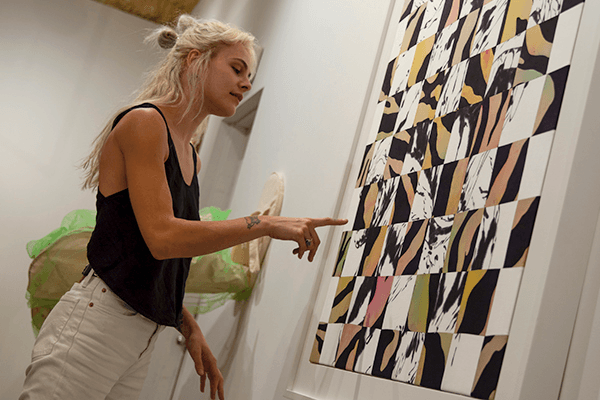
However, as my work personally has been shown to a broader and broader public I noticed that the main question is; “what does my work mean to others”, breaching the gap between your my experiences and that of others and the world around me. Connecting with a bigger picture or a broader sense of our culture, time and space,
Looking through a “foreign” lens to the culture in front of me creates a very niche perspective. I am constantly in conversation by showing my work and often accentuate certain aspects of my work when they are felt and read. Opening up in that way goes deeper then just sharing a perspective, I had to unlearn how to just share and not listen.
Contact Info:
- Website: https://Steefc.com
- Instagram: SteefCrombach
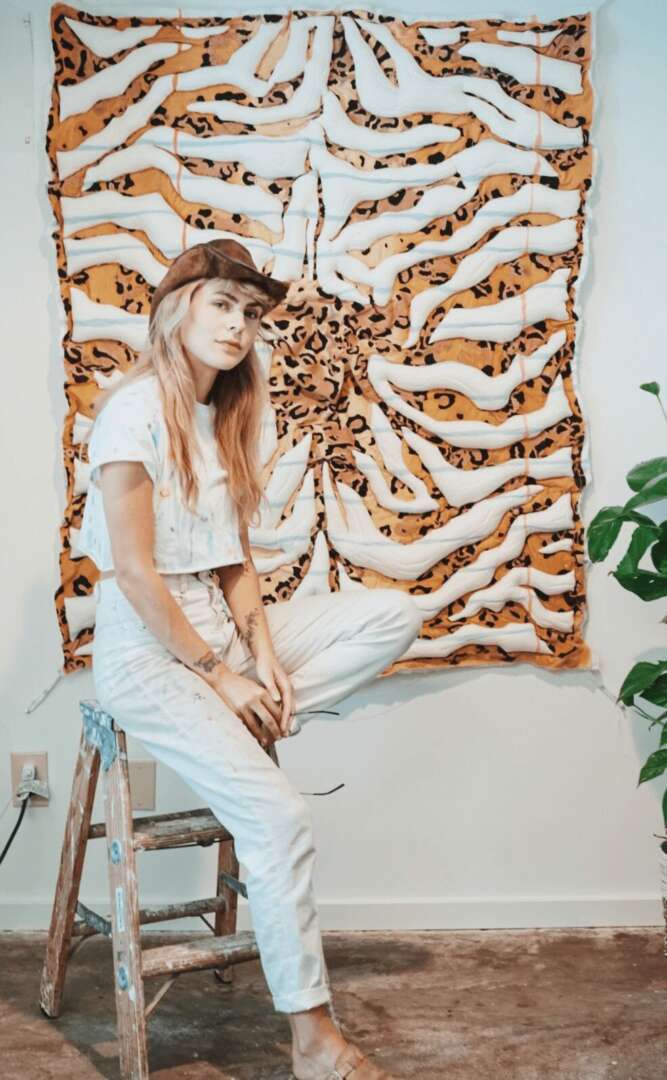
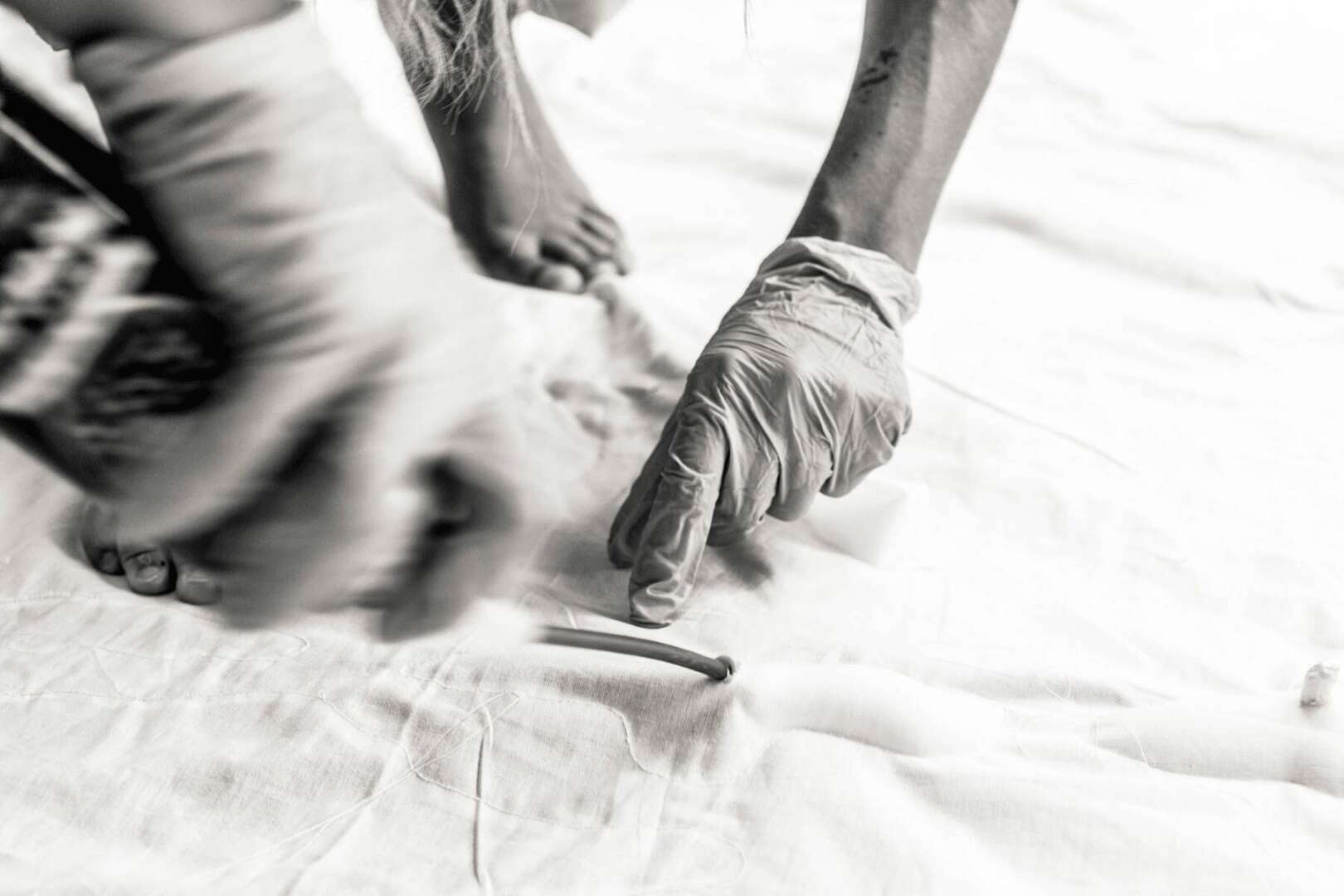
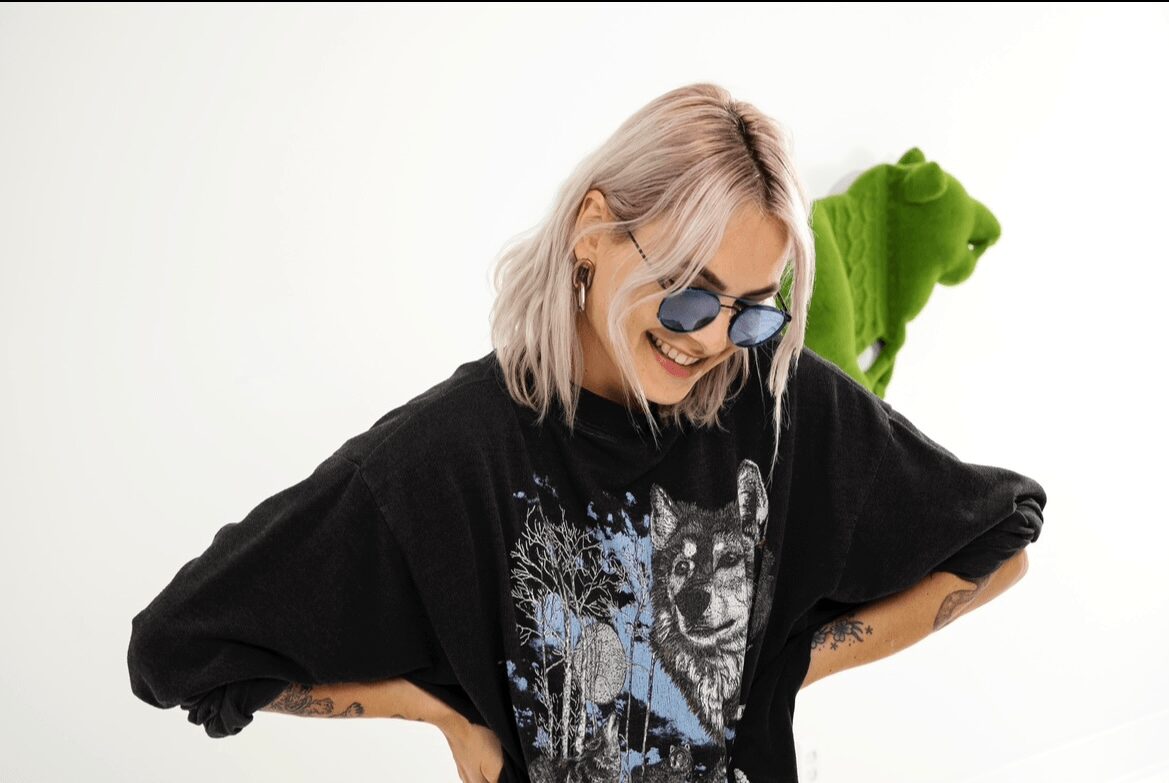
Image Credits
Image with green javelina: Robina Olson.
Image black and white: Whitney Arostegui
Photo with hand holding artwork: Sasha Cee