

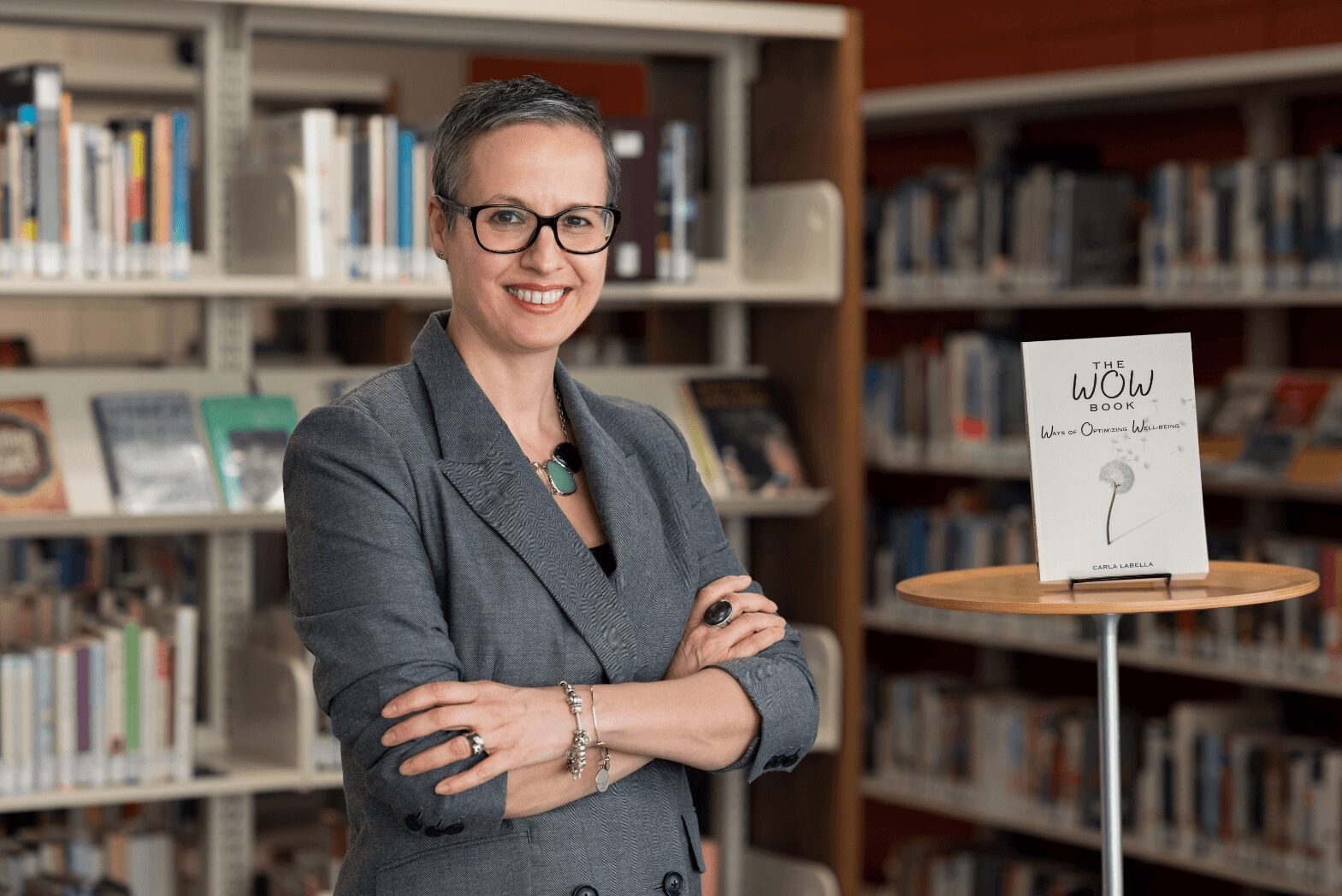

We recently connected with Carla LaBella and have shared our conversation below.
Alright, Carla thanks for taking the time to share your stories and insights with us today. It’s always helpful to hear about times when someone’s had to take a risk – how did they think through the decision, why did they take the risk, and what ended up happening. We’d love to hear about a risk you’ve taken.
An important lesson that I highlight in my recent book (The WOW Book: Ways of Optimizing Well-Being, FriesenPress, 2024) is that it is important to get comfortable being uncomfortable at times. Progress often requires us to take risks and to get out of our comfort zones. To lean into vulnerability and put ourselves out there. And when we do mess up or make mistakes (which we will!), we can embrace the experience as a learning opportunity, and edit/refine or possibly pivot in some way. Writing this book was definitely an exercise in getting uncomfortable and taking risks. I had been asked to write a book on positive psychology years ago when we were looking for a book for our new course (at the time, we did not find the right match for the course — an accessible book that blends research with experiential exercises for students). When writing this book, I decided to share parts of my personal story with readers, and how the various tools in the book were helpful in my quest to live well. Putting myself out there and not knowing what the response will be was a vulnerable choice to make. Although many people have shared their praise of the book with me, and let me know how much they have benefited from its lessons, I also know that not everyone will like the book (or me), and I need to be ok with that. If you are going to stand in your truth and live your values, you will not gain everyone’s admiration and approval. My life experience/maturity has allowed me to accept this reality.
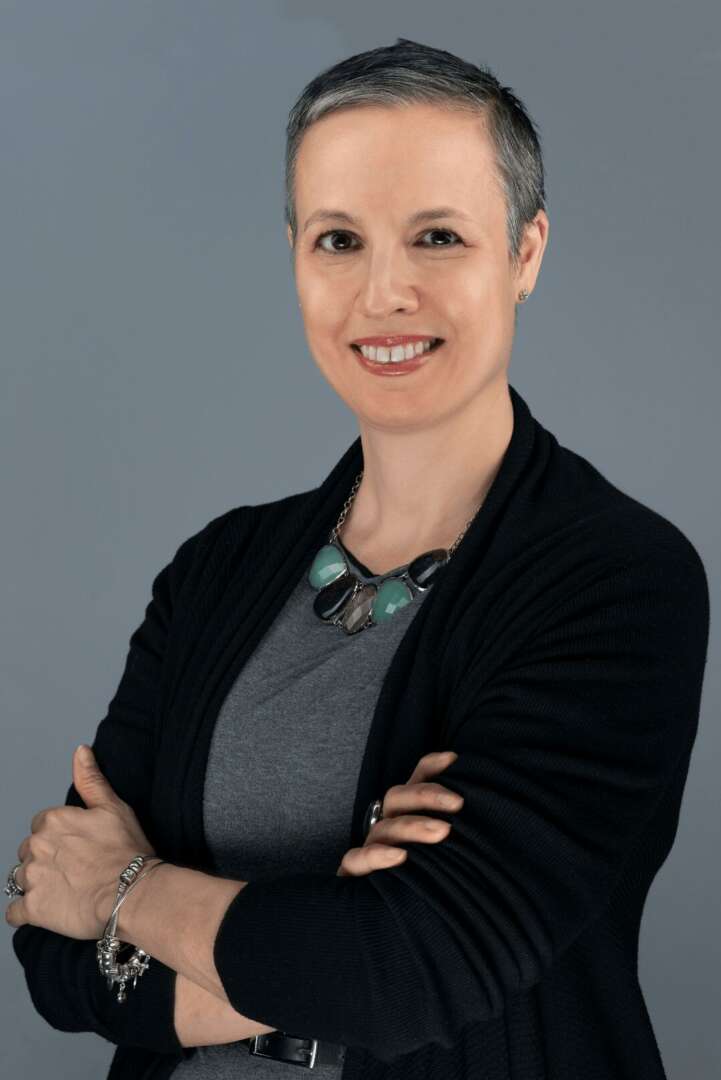
Great, appreciate you sharing that with us. Before we ask you to share more of your insights, can you take a moment to introduce yourself and how you got to where you are today to our readers.
My name is Carla LaBella, and for the past 20+ years, I have taught psychology (primarily Introductory Psychology and Positive Psychology in recent years) at Mohawk College in Hamilton, Ontario. From the start of my teaching career, I have always had an interest in mental health and well-being, and the focus of much of my work in the classroom and in my community is on how we can live well. But despite this focus in my professional life, I was overwhelmed and burnt out at various points in my career. I found it particularly frustrating as I knew better. I was deeply familiar with the research about all the things that we can do to keep well, from taking care of our bodies (e.g., getting enough sleep, exercise) and our minds (e.g., engaging in healthier conversations with ourselves, challenging our perspectives, and more mindfully approaching ourselves and each other) to connecting with others and our purpose in more meaningful ways. I even took a sabbatical to study positive psychology in 2013 to further explore these topics, I “built my toolbox”, and shared the science and messages as widely as possible in my classes and in community presentations. But like many of us, my struggle at times was in putting these lessons into practice; to move from “knowing” to “doing”. I found a large circle of friends who shared the same frustrations and experiences that I had … working harder, longer, and feeling “stuck”, an existential crisis of sorts. So then in 2020, in the midst of the pandemic and in the throws of overwhelm once again, I decided to write a book (with its basis in my Positive Psychology course), that was ultimately published this past year: The WOW Book: Ways of Optimizing Well-Being (FriesenPress, 2024). This process allowed me to reflect on what truly matters in my life, to set better boundaries for myself (to stop saying “yes” to everything) as I keep coming back to this basic question: “Is this how I want to ‘spend’ my energy?”. Every choice in front of us has an energy price-tag. I am learning to choose wisely when deciding which projects … and battles … I want to take on. And I am better able to approach life’s challenges in a more mindful way. I admit that I still struggle from time to time, but I am able to find a bit more ease in my daily life, in part as I have grown my mindfulness and yoga practice over the years (the focus of my second sabbatical). I try to find solace in the pause as I create some much-needed space around challenging emotions and situations. And I am committed to sharing this learning with others … in the classroom, in the community, and in everyday conversations with family, friends, and colleagues. In my college/community presentations, I have facilitated hundreds of presentations/workshops/seminars to students (college, university, secondary, elementary school levels), faculty/teachers, caregivers/parents, and community members on topics including but not limited to Taking Care of Me, What Will Your Verse Be?, Applying Positive Psychology Within & Outside of the Classroom, Working With Challenging Emotions, and Raising Resilient Teenagers. I believe that this work is needed today more than ever, as we are seeing a rise in distress and mental health issues in our schools and workplaces, and increasing polarization in our social groups. It is my intention to share the tips I have learned along the way so that we can better navigate these experiences, one moment at a time.
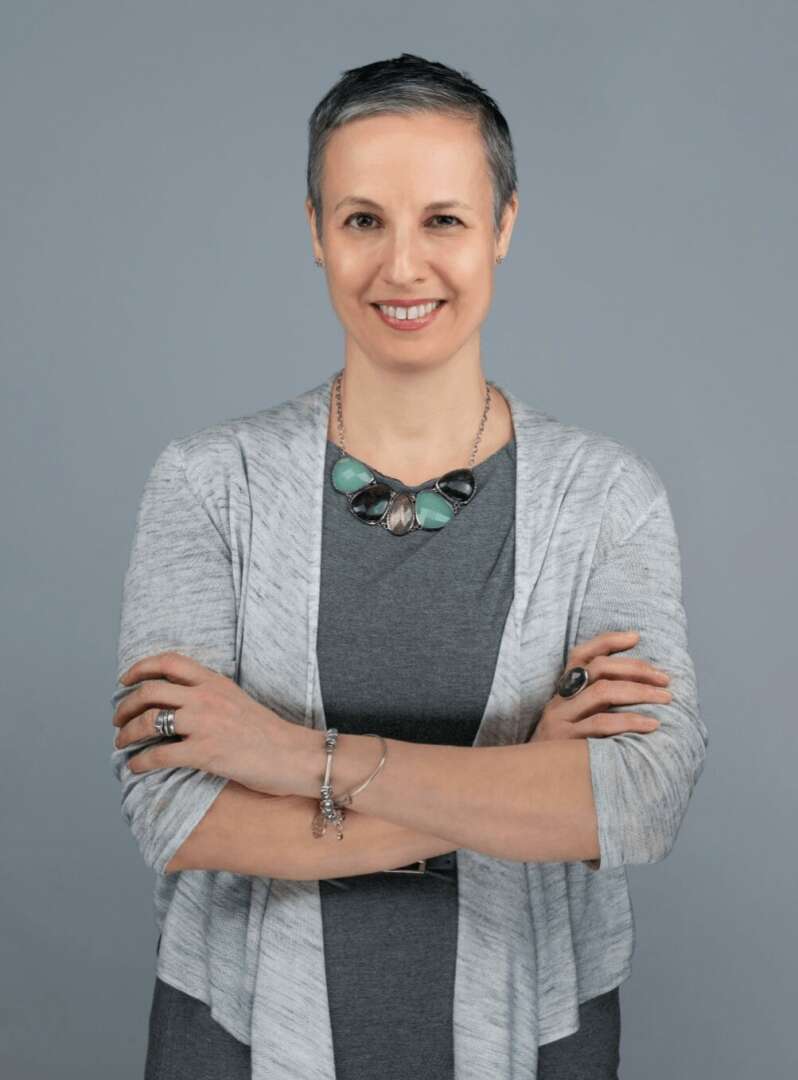
If you could go back, would you choose the same profession, specialty, etc.?
Despite the way the teaching profession has evolved over the years, I would still choose to become a teacher if given the choice today. It truly is my calling, and I love teaching (most of the time). When I think about my peak experiences, they often involve being in a classroom. Witnessing students engage in critical analysis, contemplating and evaluating multiple viewpoints, and possibly updating their position on a topic is exciting for me. I want students to appreciate the greyness in most situations, and to question dichotomies that they may hold about a subject (e.g., right/wrong, good/bad). My background in cognitive psychology has been instrumental for me in this regard. Having a better understanding of our biases in how we attend to and interpret information has helped me attempt to correct them in some ways. For example, to combat the confirmation bias, I try to keep an open mind and consume sources and viewpoints that I do not naturally gravitate towards. I often walk away with a greater appreciation of another argument or point of view, even if I am not swayed in this direction. I think we can all benefit from this exercise from time to time, instead of walking around the world believing that we are right/good and others are wrong, naive, bad, or ill-intentioned. And of all of the courses, Positive Psychology is the most rewarding one to teach. Having students reflect on what makes life worth living … to articulate their values, purpose, and strengths, is an empowering learning experience. Contemplating what they are grateful for, practicing mindfulness, and cultivating self-compassion (a challenge for many of us) can be transformative. I have received the most praise from students taking this course; they often share with me that they are changed human beings. Now that is why I love to do what I do … I am in the business of changing lives, in one way or another. Planting a seed, and sometimes being present to observe the growth and impact. One of my greatest joys is watching my students cross the stage at convocation as I know that many of them are walking away as better human beings.
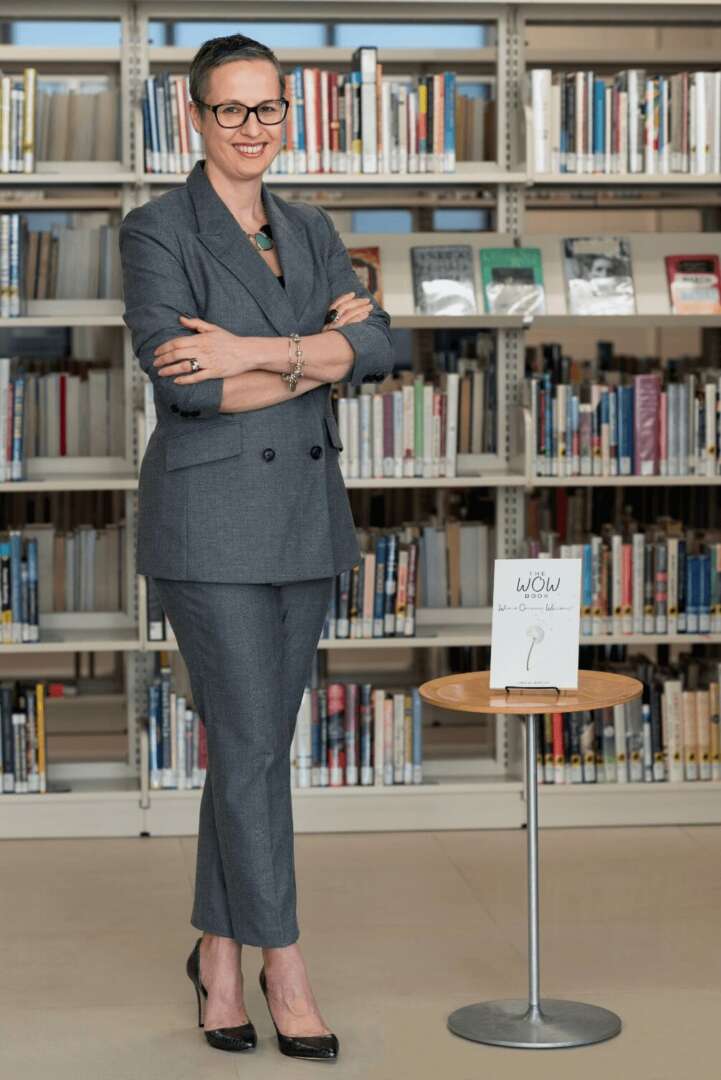
Other than training/knowledge, what do you think is most helpful for succeeding in your field?
The advice I share here would really apply to being successful in any field. First, I think we can all benefit from articulating our purpose or life mission. I think many individuals are walking around the world without a sense of direction, and are floundering as a result. I am clear about why I am here, what I stand for, and what I am meant to do in my life. By clarifying these elements, it is easier for me to make decisions in my life. When I am met with a proposition, I will say “yes” if it aligns with my values and my purpose in life. In my Positive Psychology class, I challenge my students to write their purpose statement/life mission. It could be something that is narrowly focused or perhaps broader in nature. And it is not just a set of goals (e.g., I want to be a parent, teacher, entrepreneur …); you can put checkmarks next to these items once you achieve them. In contrast, purpose is about the kind of parent/teacher/entrepreneur etc. you want to be. Regardless of its scope, it provides you with the direction in which you want to move in life, and it is something you can update and edit throughout your life. I keep my purpose statement beside my desk at work:
To inspire those around me to live a full life … with accomplishments and failures, gains and losses, love and hurt … whole-heartedly, authentically and with compassion. To appreciate what we have, with gratitude. To cultivate my relationships with family and friends … despite challenges, to seek comfort in knowing that we have each other’s backs. To be mindful and remain curious, free from judgment.
Another tip is to be open to opportunities. You never know how an experience can influence your life’s journey. Perhaps a chance encounter at a social event will lead to a connection that will open doors for you. Or a job opportunity will present itself when you are not even looking. One example in my story is when I was moving back to Hamilton to pursue a Bachelor of Education degree (I had been working as a research associate at the Center for Addiction and Mental Health in London). Before I made the move, I stumbled upon a part-time teaching position at Mohawk College and I applied. Fortunately, I was successful and accepted the position to teach two courses, a five hour per week teaching contract (I declined my acceptance to teacher’s college). Years later, I asked my colleague why I was hired, certain it was my academic achievements and work opportunities over the past decade. Instead, I was told that an 8-month volunteer opportunity that focused on sexual health (two hours per week in my final year at McMaster University) was the reason I received the call for the interview. So don’t be afraid to try something new or to attend an event that you may be inclined to skip; you never know where it might take you!
Contact Info:
- Website: https://carlalabella.ca/
- Linkedin: https://www.linkedin.com/in/carla-labella-758b865a
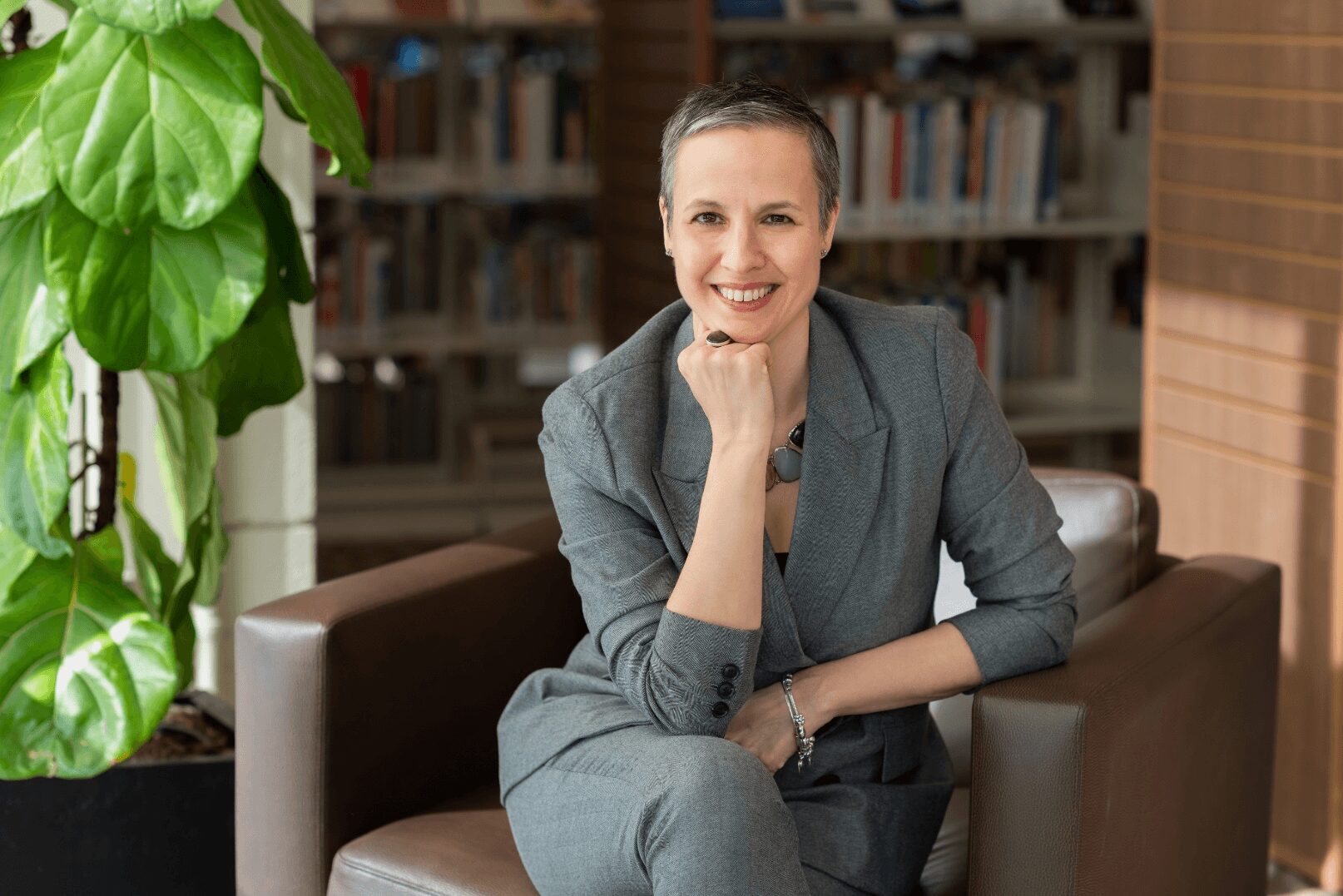
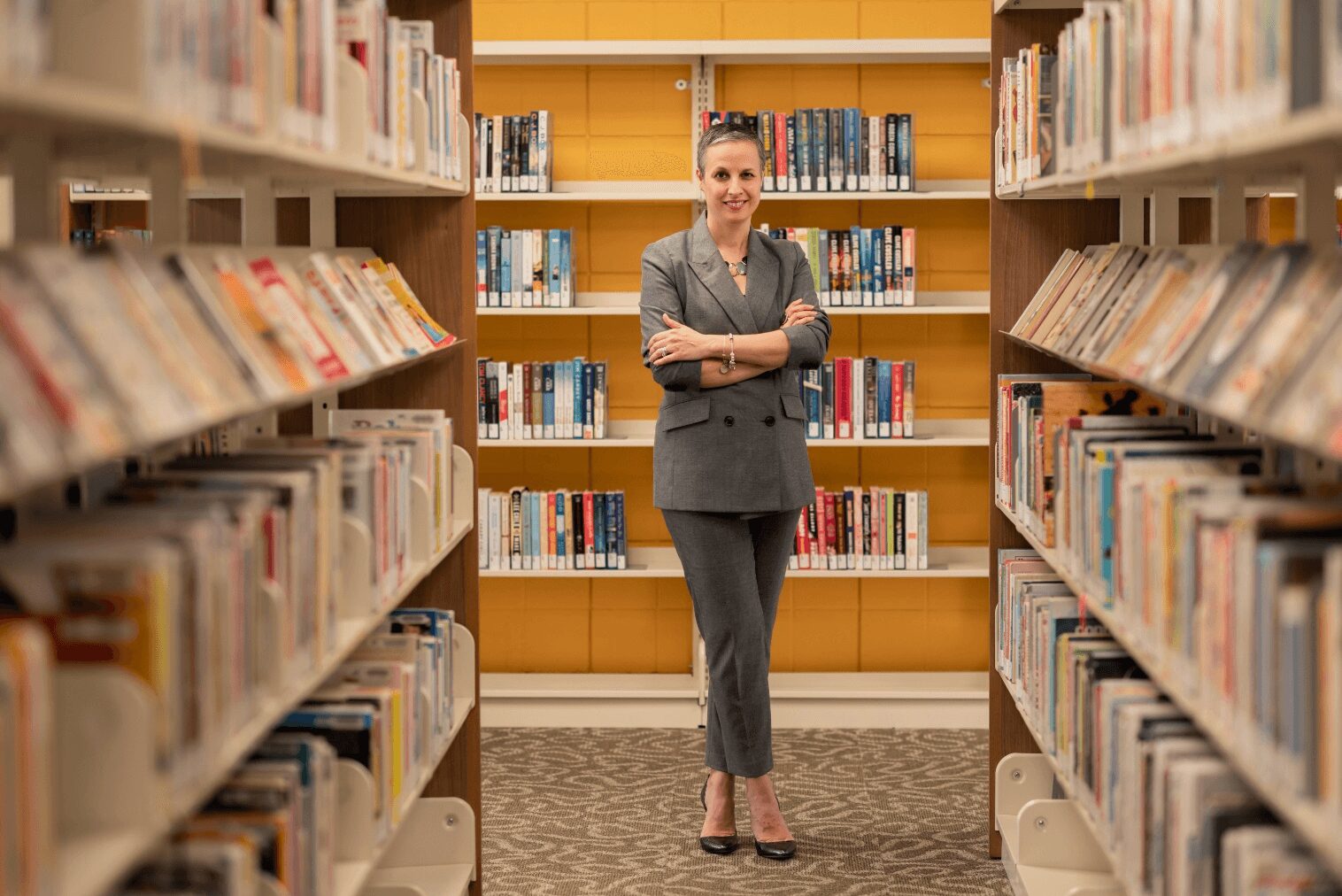
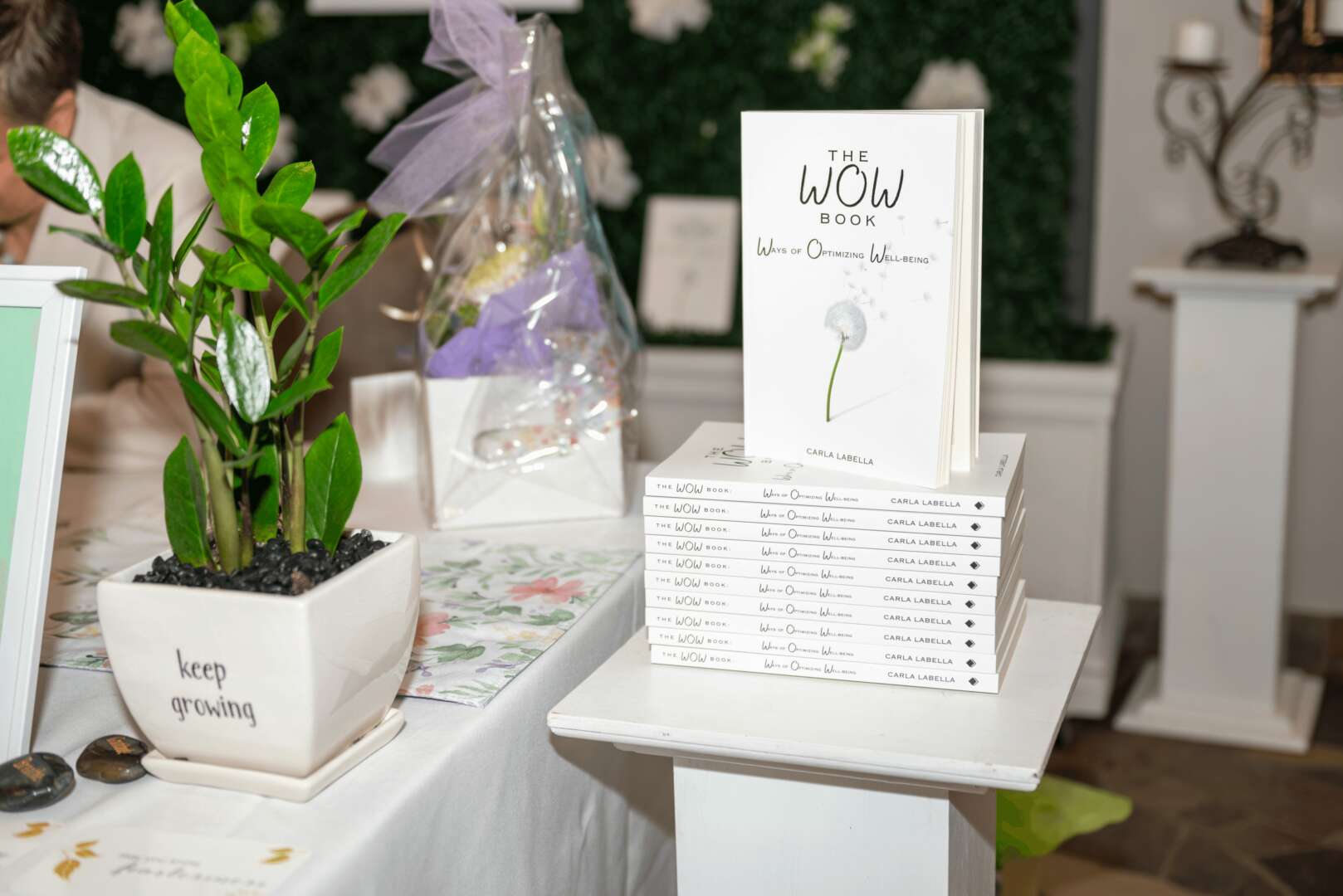
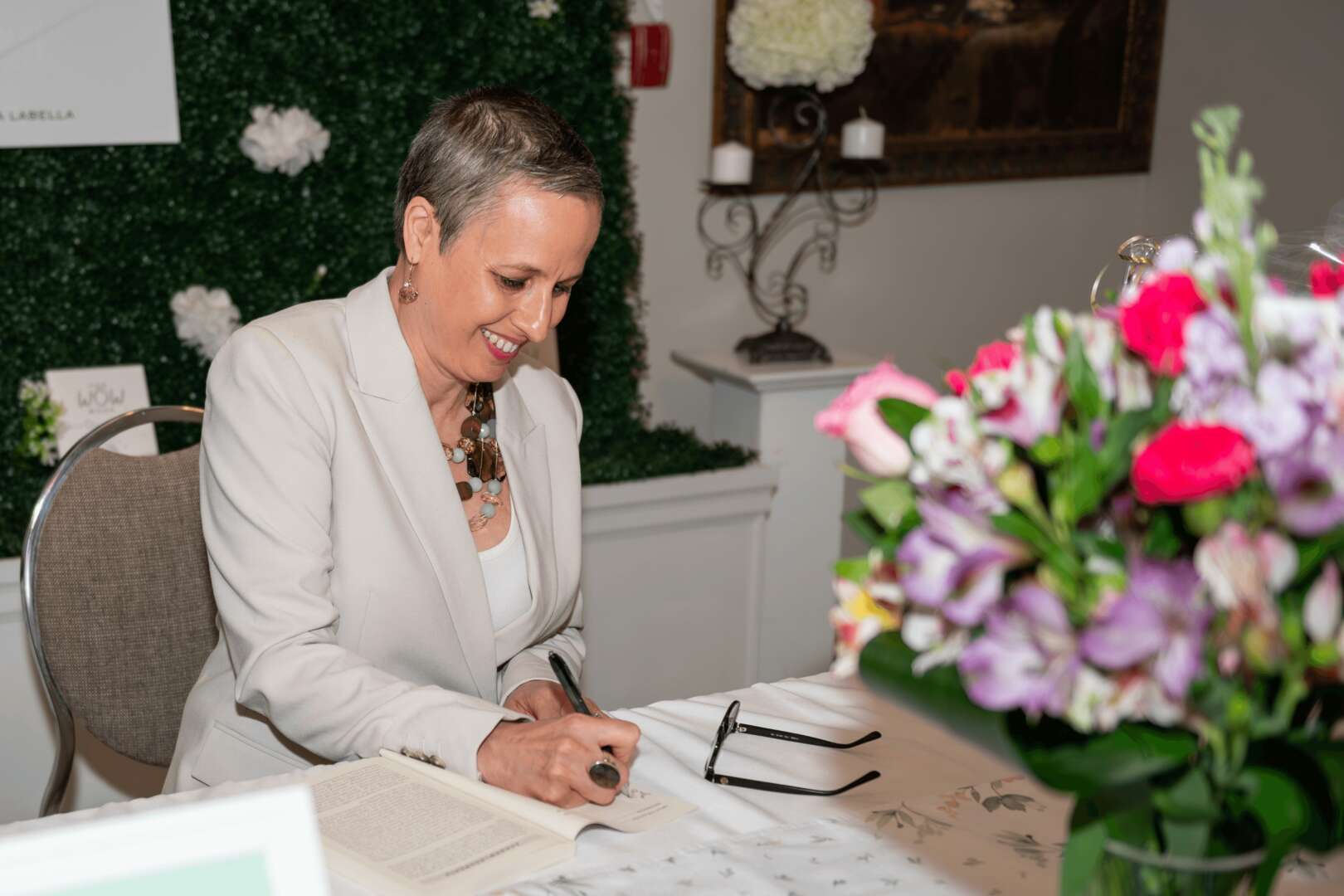
Image Credits
Sidra Gul