

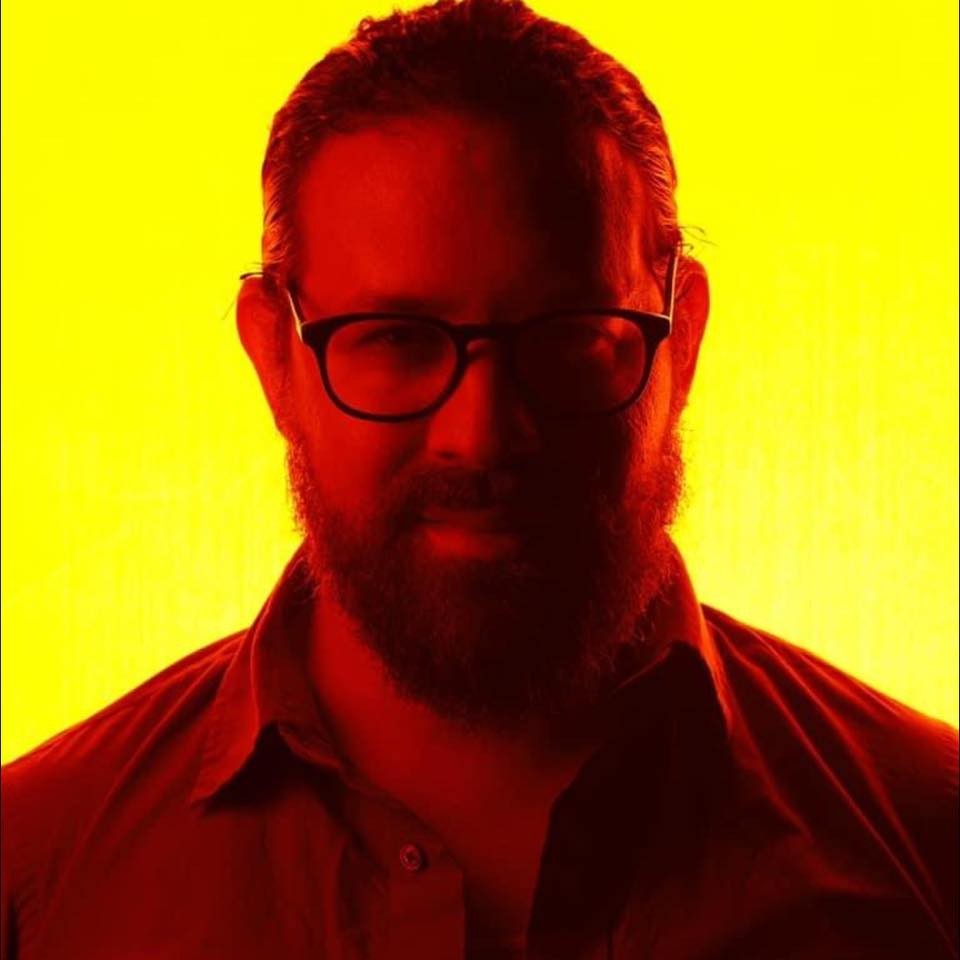

We were lucky to catch up with Jean-Paul Mallozzi recently and have shared our conversation below.
Hi Jean-Paul, thanks for joining us today. Can you talk to us about how you learned to do what you do?
I learn and still like to learn about the nature of how the tools I work with and the unique challenges each one presents, like how to utilize oil paint vs how to work with acrylics etc. Then after leaning them, you can break those rules and see what may come from it.
With the powerhouse that youtube has become, anyone can type in a “technique” and see several various sources of how to use it which is an incredible source of information.
Drawing and curiosity are for sure the most essential skills to keep things going.
Time I suppose could be considered an obstacle, if you find yourself not being able to set some real time for yourself to explore and delve into what. you want to do.
Awesome – so before we get into the rest of our questions, can you briefly introduce yourself to our readers.
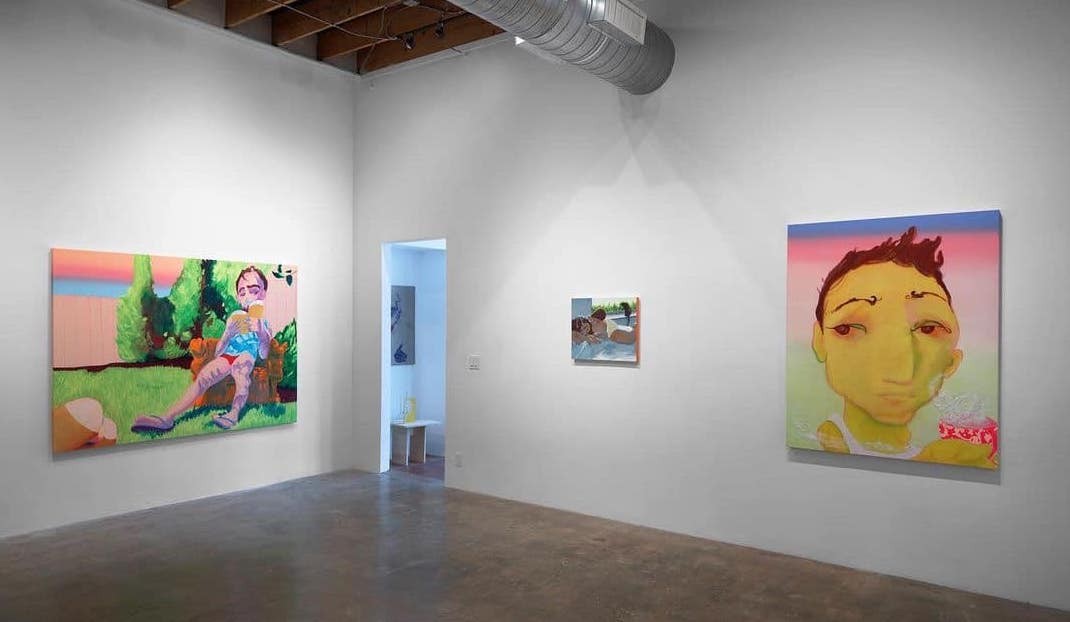
I started off focused on Illustration because I enjoyed the idea of narrative and way of visual communicating. I then got accepted into my first residency where I found myself in the Fine Art world where curators and gallerists would come by and see my work. I shifted my interests into that area of the arts and was offered gallery representation both here in the U.S and abroad in the U.K where I’d exhibit works both in exhibitions and fairs. Recently I had several works at the Untitled Art Fair during Art Basel Miami and a solo exhibition this past May,
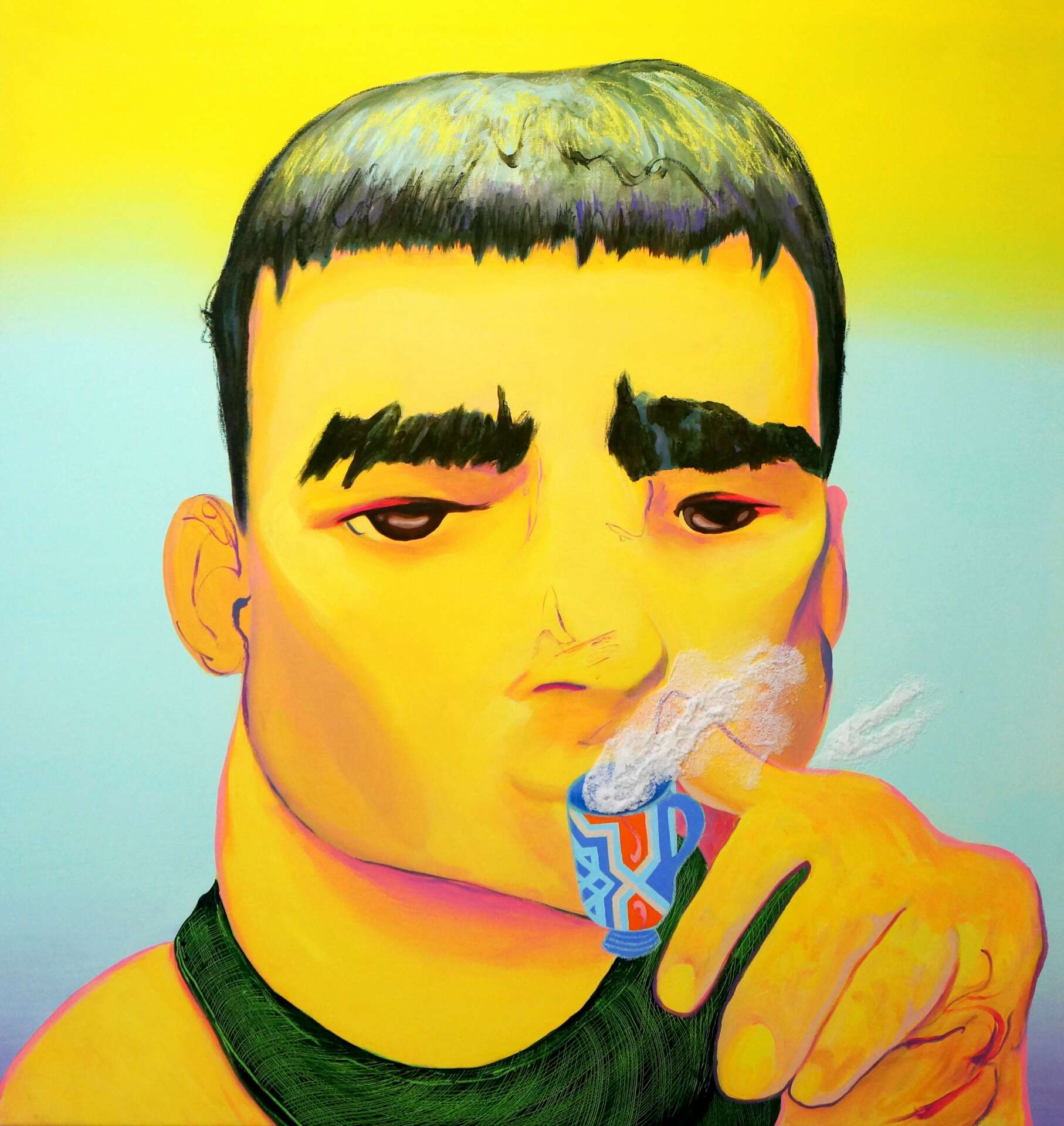
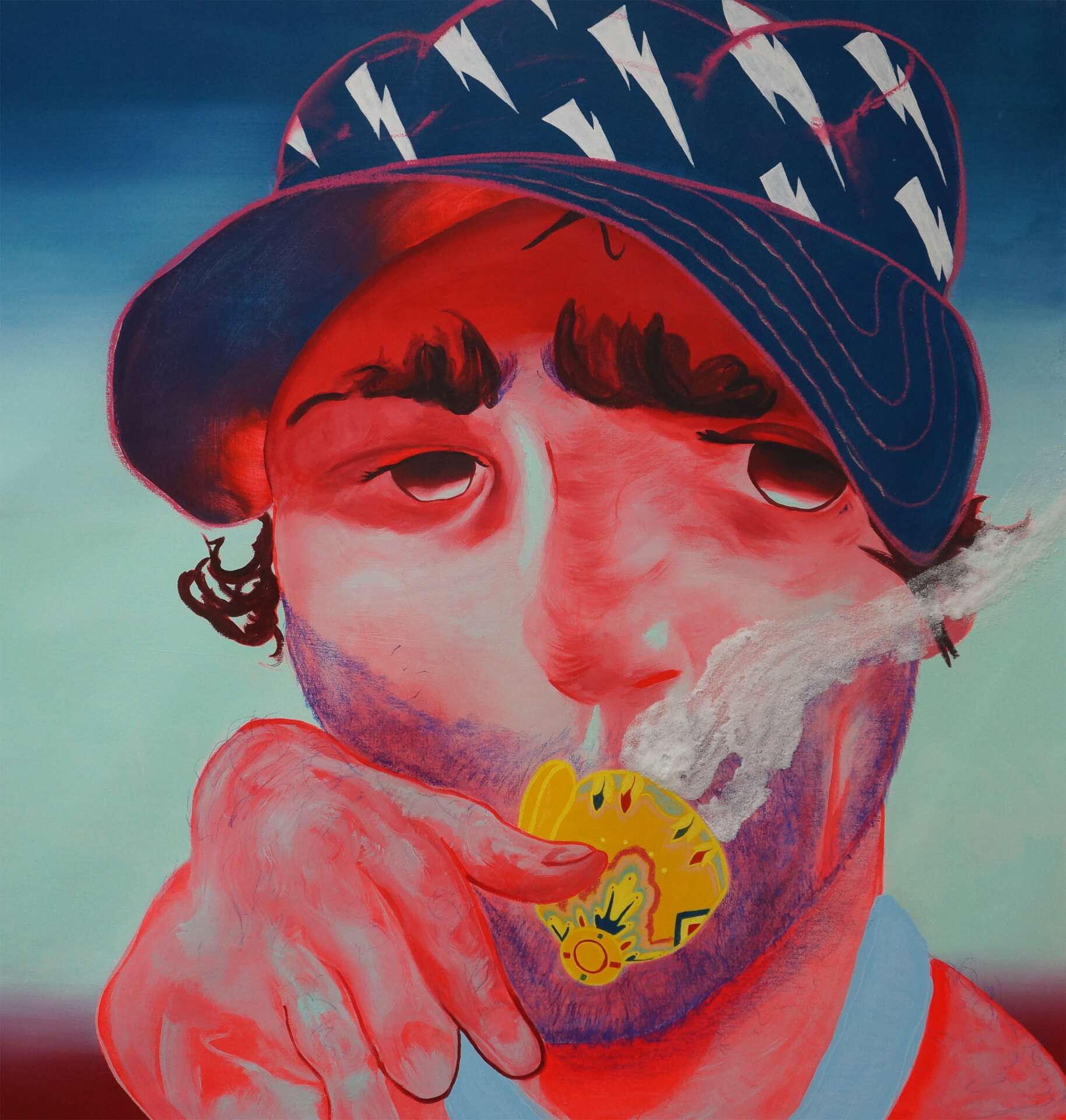
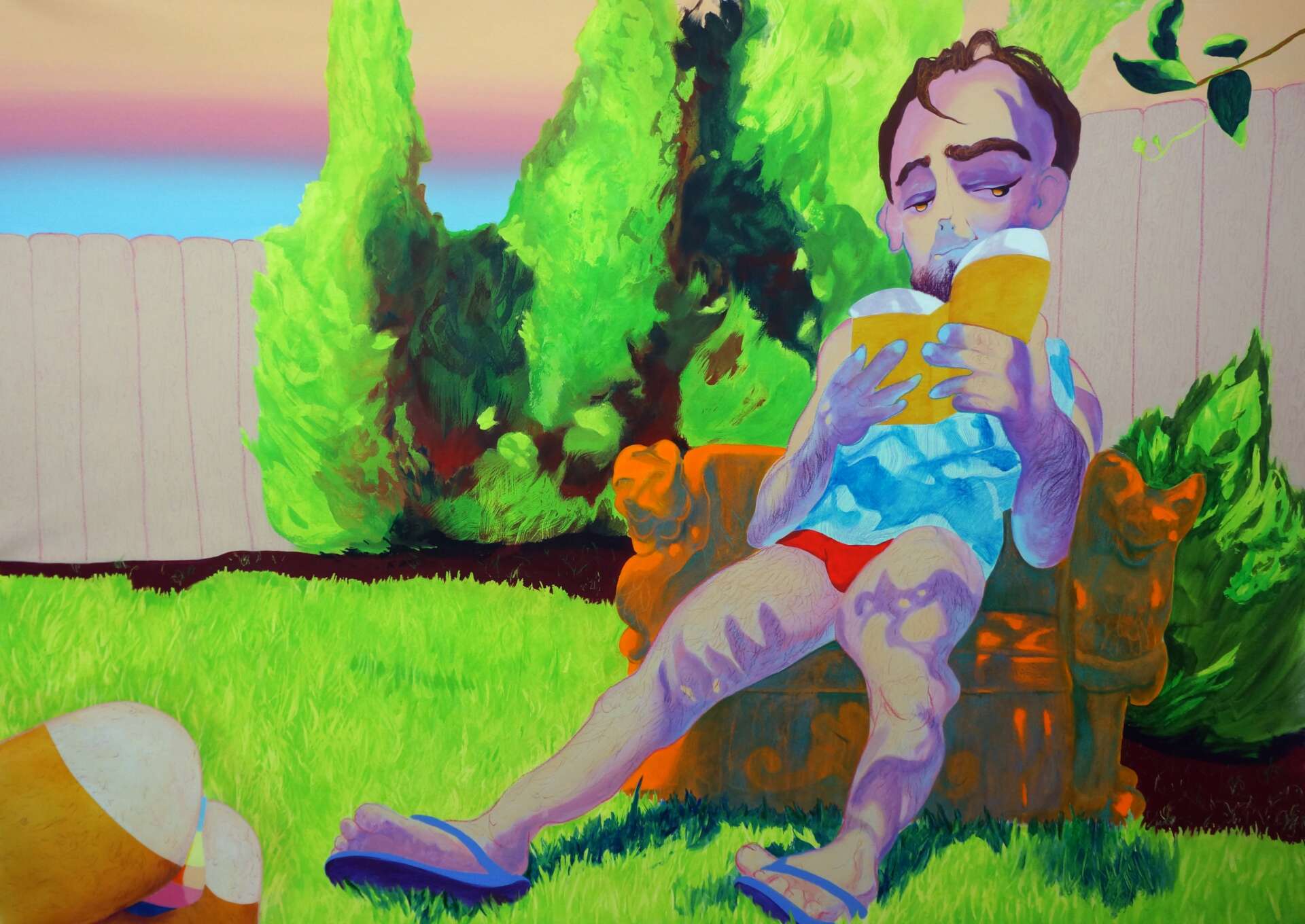
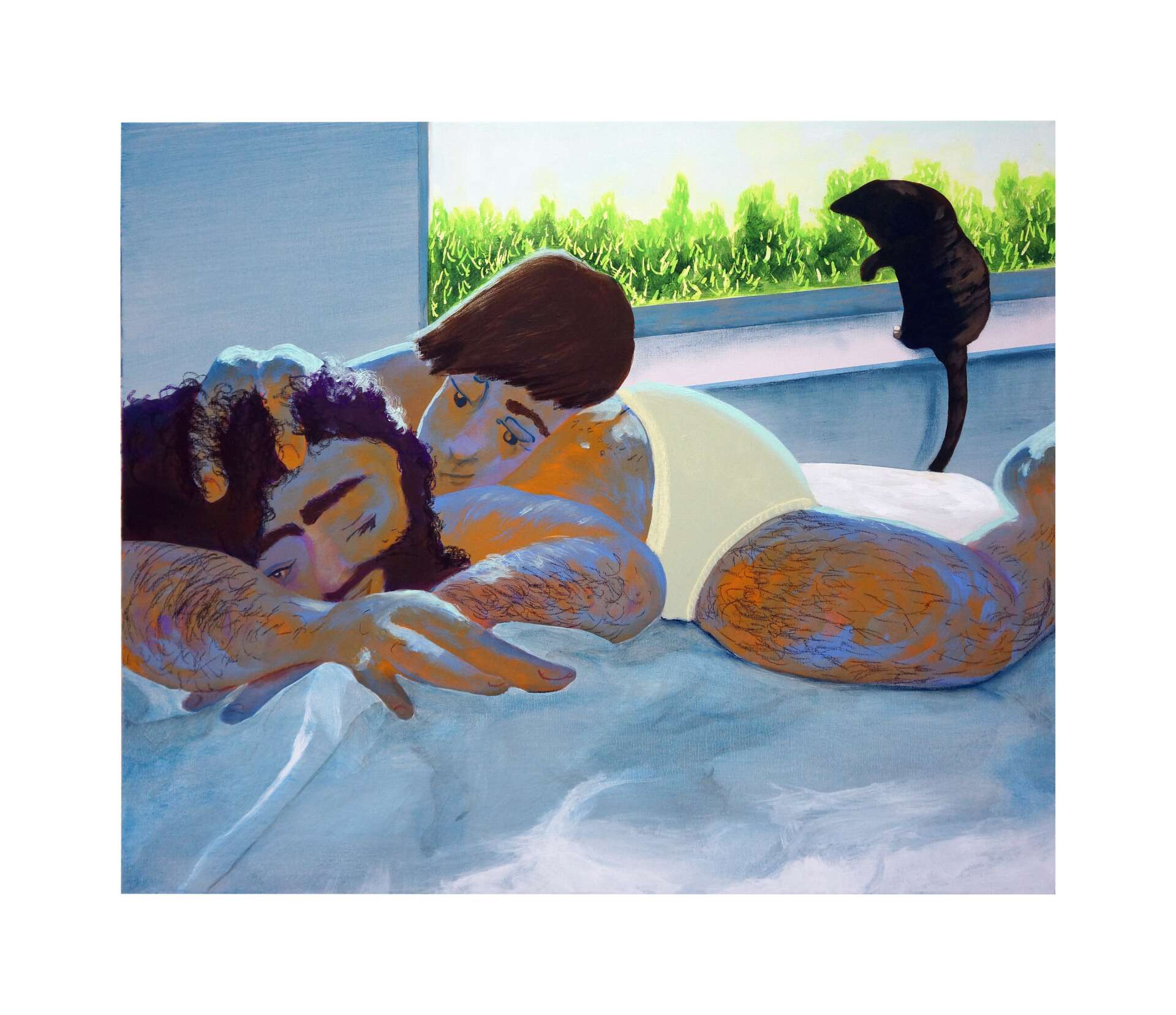
My work is a playful use of color , drawing more on memories and allowing stylization to come through. Also, utilizing unorthodox materials like salt and sugar to convey an idea and also encourage a tactile surface experience.
Im proud to open up a narrative of the both the unique experiences of the LGBTQ along with my own cultural exploration of being the first generation born in this country to my Cuban mother and Italian father.
In your view, what can society to do to best support artists, creatives and a thriving creative ecosystem?
When you find yourself sharing the images of art you admire, PLEASE make sure you note who the artist is! If you don’t know, then at least say artist is unknown and ask if anyone can identify the artist. It’s one of those things that can have a big impact on the artist who may find their work in front of someone that open doors for said artist.
Also it’s important to purchase new and upcoming artists works, whether it’s through their own social media, or their gallery. Do not be afraid to walk into an art gallery either. Usually the staff are very welcoming and personable, and they are there to educate you, so ask questions! Attend art fairs just to get a sense of what kind of work you like and you may be surprised.
How did you build your audience on social media?
I started out like everyone else, just posting what I was working on and also finished works Even if its not art related since I like to share some of my personal life outside of my studio, I’m aware that the image should at least be interesting.
I advise to not get caught up into posting everyday as that could drive one crazy. I found I was doing it daily an it was not having a good effect on me. I took a real break from social media for months and now have been sharing images again but on a more reasonable time frame. Give yourself some time to actually breathe.
Contact Info:
- Website: www.jeanpaulmallozzi.com
- Instagram: @jeanpaulmallozzi
Image Credits
Headshot: Giano Currie