
We caught up with the brilliant and insightful Jackson Bostian a few weeks ago and have shared our conversation below.
Hi Jackson, thanks for joining us today. Is there a lesson you learned in school that’s stuck with you and has meaningfully impacted your journey?
In undergrad, I absolutely could not stop changing my mind about what I wanted to do professionally. Where I went to school (NC State University), you actually have to apply for a particular college at the university rather than just applying to attend the university in general. I ended up applying and being accepted to NC State three separate times because I kept changing my mind about what I wanted to study. I initially applied for mathematics, then civil engineering, and eventually life sciences. I studied life sciences for the entirety of one semester before switching to civil engineering. I never really felt satisfied. It never felt like I could put my full self into my work. Sure, I could sate the technical, science-loving part of me; but my work felt bereft of creativity and expression. Then, after joining the Video Game Development Club at NC State, I had a sort of epiphany that game design is a real job that people really have—it’s not just a pipe dream that every kid in second grade has. Finally, I had found a discipline that was both technical and creative. Finally, I had found a craft that let me put my full self into it. And so I did. I changed my major one last time, this time to English, and I became obsessed with becoming as great a designer as I could be.
What I found really quickly was that none of my studies to that point had been a waste of time. All of the knowledge and understandings of different thought processes I gained from being exposed to all of those different disciplines feed the perspective I bring to my creative work. Over and over in my work, I’ve been reminded that there’s no useless knowledge for a designer. Nothing is irrelevant or “not for me.” That can be trivia and fun facts, or it can be experiences. Even if I don’t enjoy something, it’s so valuable to understand what about that thing appeals to the people who love it (and how it creates that appeal).
For example, I wrote a lot of poetry while studying English. It might not be immediately obvious to many how writing poetry could make you a better game or UX designer, but as you learn about poetry, you begin to learn about the ways poets use mechanics beyond the words on a page to affect how the audience experiences a poem. Whitespace, line breaks, meter, alliteration and assonance, etc. all work together to enhance the gestalt of a poem. Practicing considering how an audience will experience these mechanics in a poem exercises the same creative muscle that designers use to put themselves into the shoes of their users.
Jackson, before we move on to more of these sorts of questions, can you take some time to bring our readers up to speed on you and what you do?
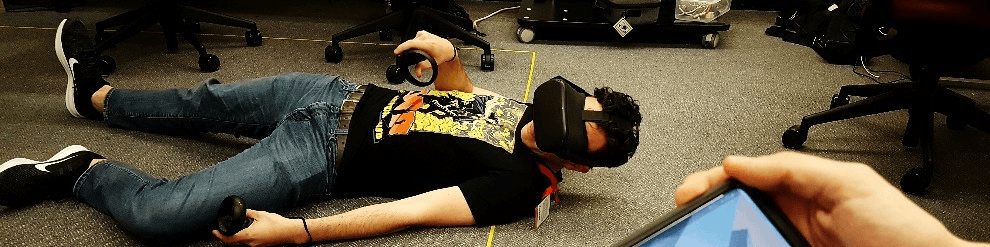
My current role is as an Assistant Professor of Interactive Design at William Peace University, where I teach UX design, game design and development, visual design, and web development. My other work might be best described as immersive UX and technical game design. My design journey began during undergrad, when I joined the Video Game Development Club at NC State University and began working on my first virtual reality (VR) game. That kicked off a passion for game design and, importantly, a focus on how designs have to change for different mediums. That focus in particular landed me my first design and development jobs. Then, in graduate school, that immersive design focus joined with an interest in the overlaps between game design and traditional UX principles as well as the philosophy of interaction. Then, working as a Teaching Assistant, I fell in love with teaching, and I was fortunate enough to land a position at a local university focused exactly on my area of expertise.
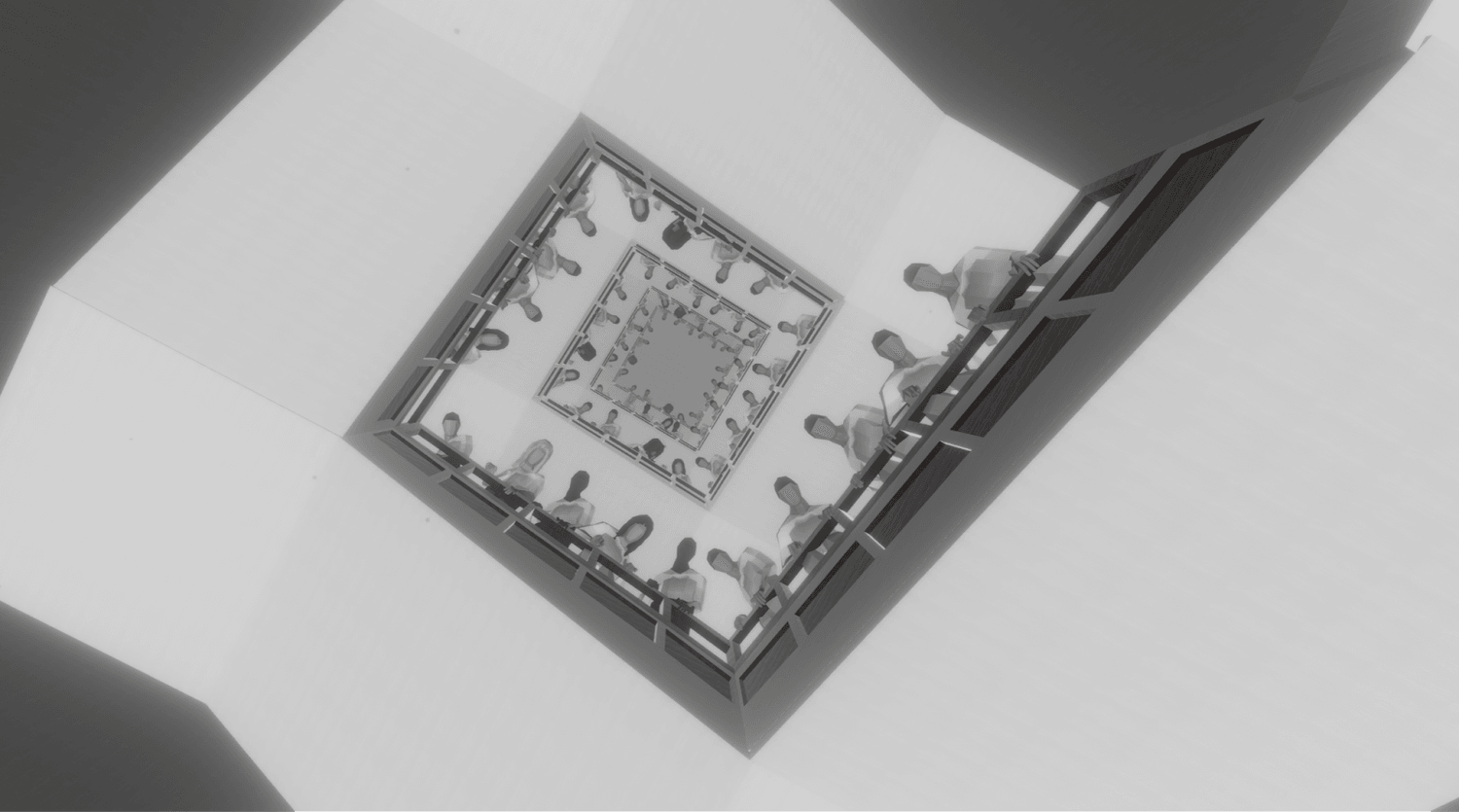
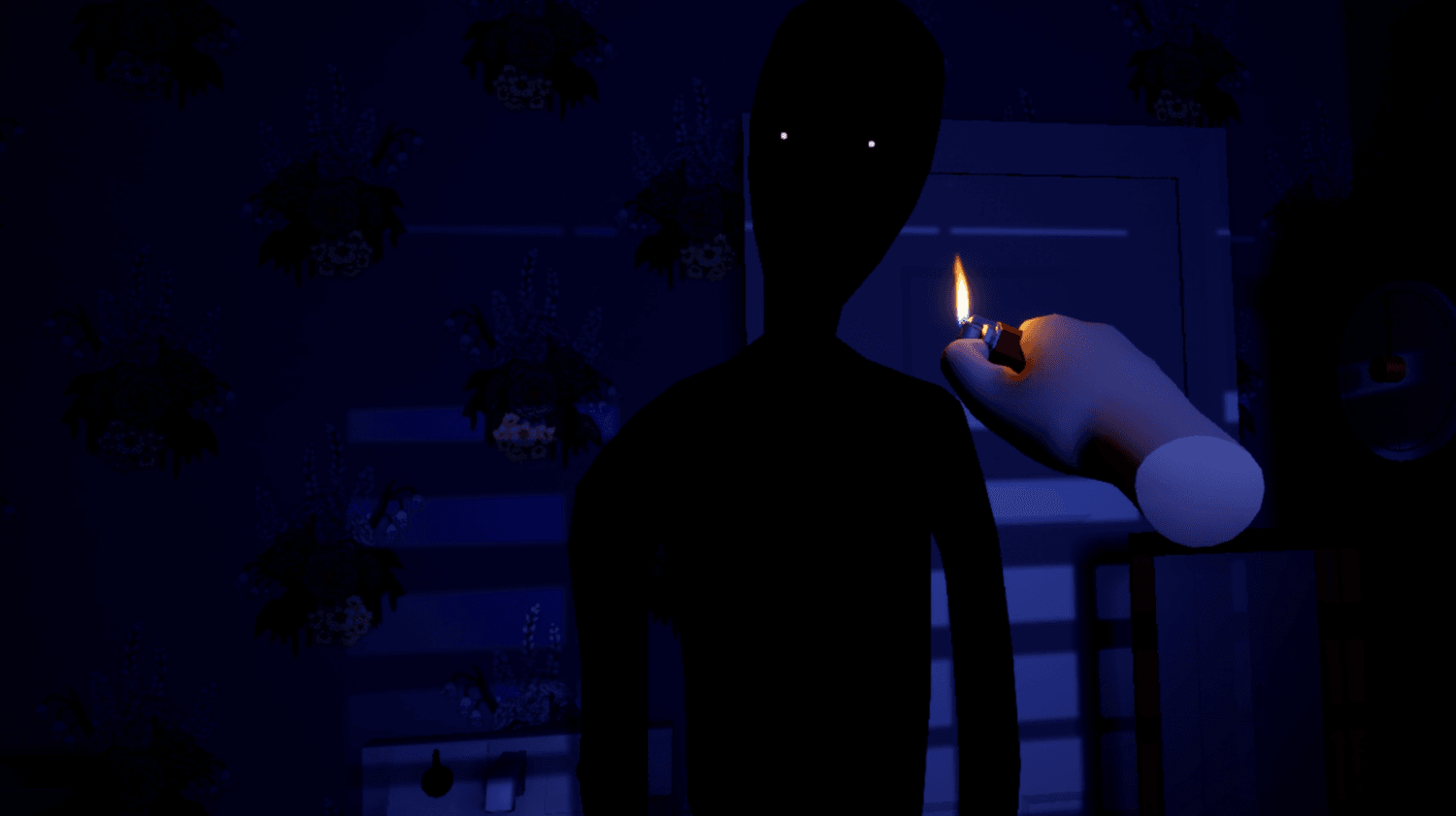
I’m really proud of the variety of types of projects I’ve worked on. The subject matters have been super varied. The projects have been developer-facing and user-facing, technical and creative, entertaining and utilitarian. I feel really fortunate because I think that’s done a lot to make me comfortable jumping into new projects that might fall outside of my existing area of expertise.
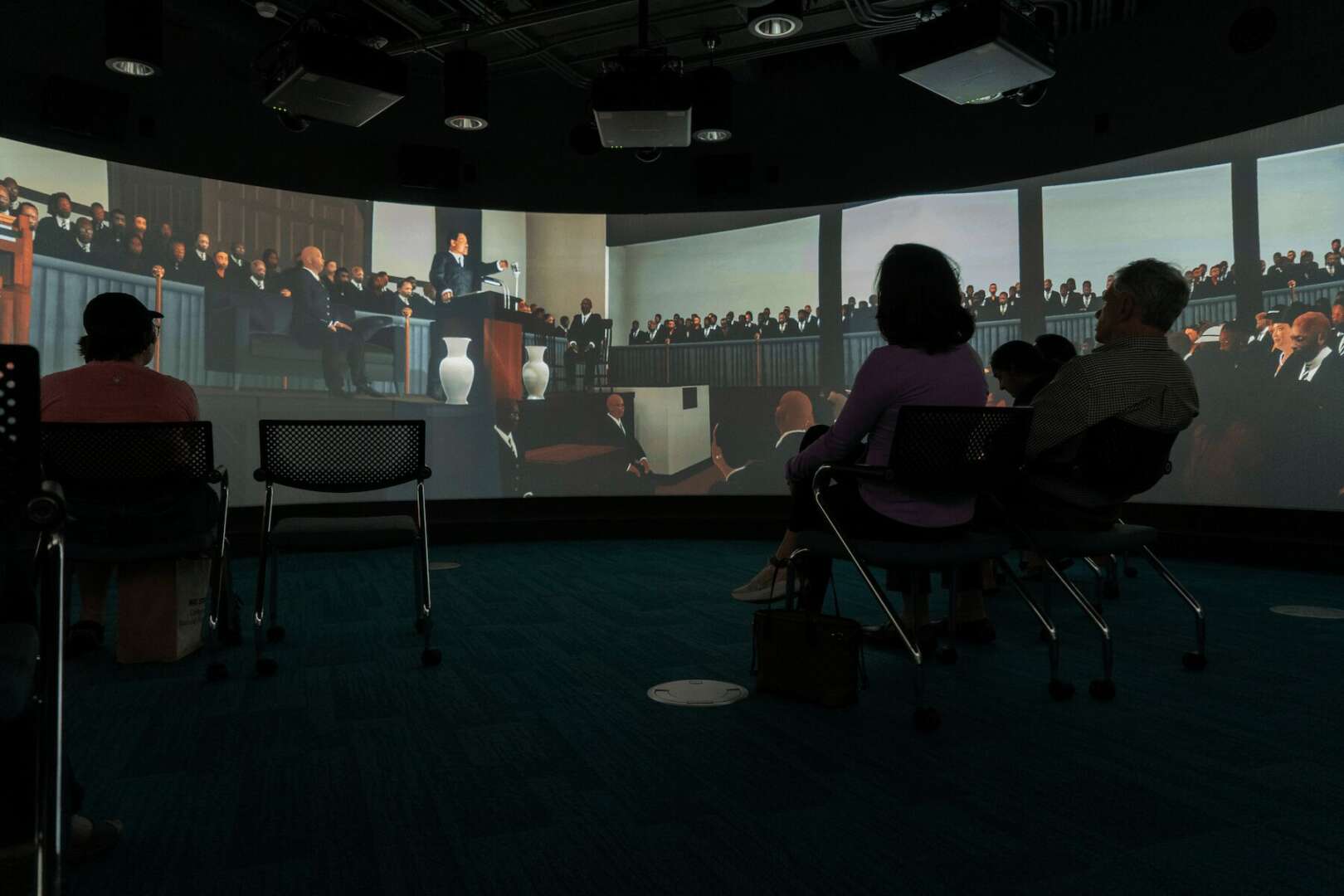
One of the projects I’m especially proud of is a set of Unreal Engine templates I developed for the Cyma Rubin Visualization Gallery at NC State University, which features 360-degree wraparound projection and surround audio. I created templates and tutorials to help developers set up their projects for this unique space. It was a challenging but rewarding experience to push the tools beyond their original scope.
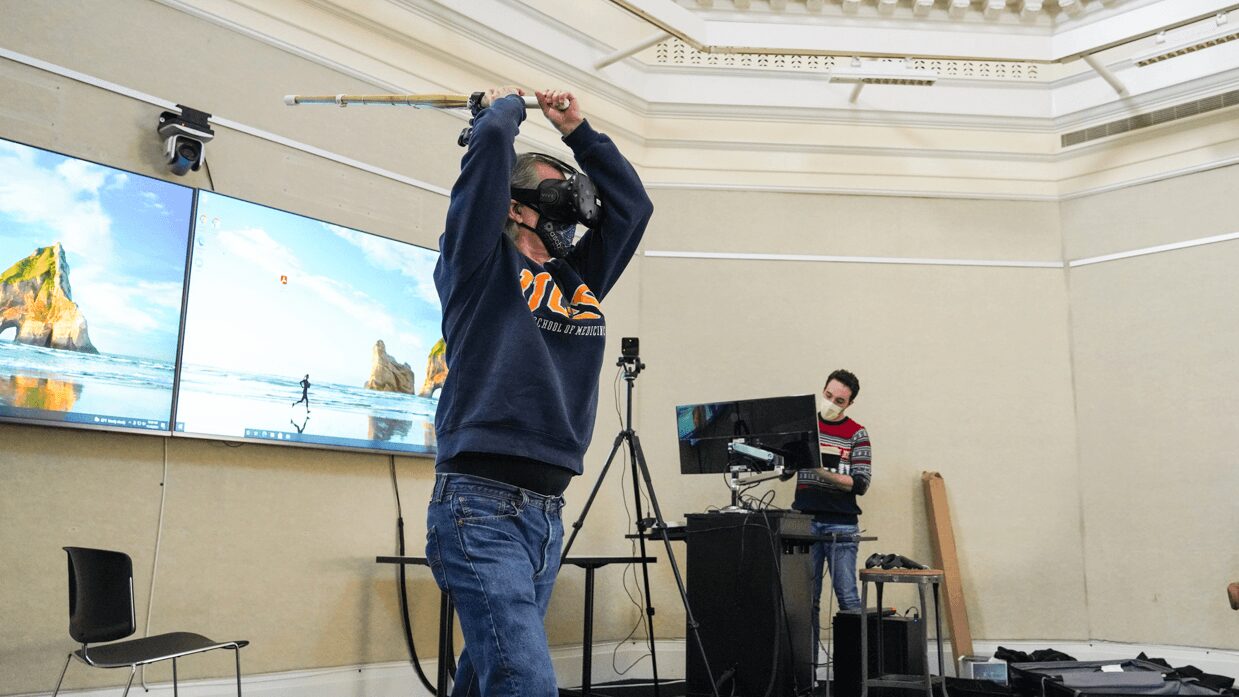
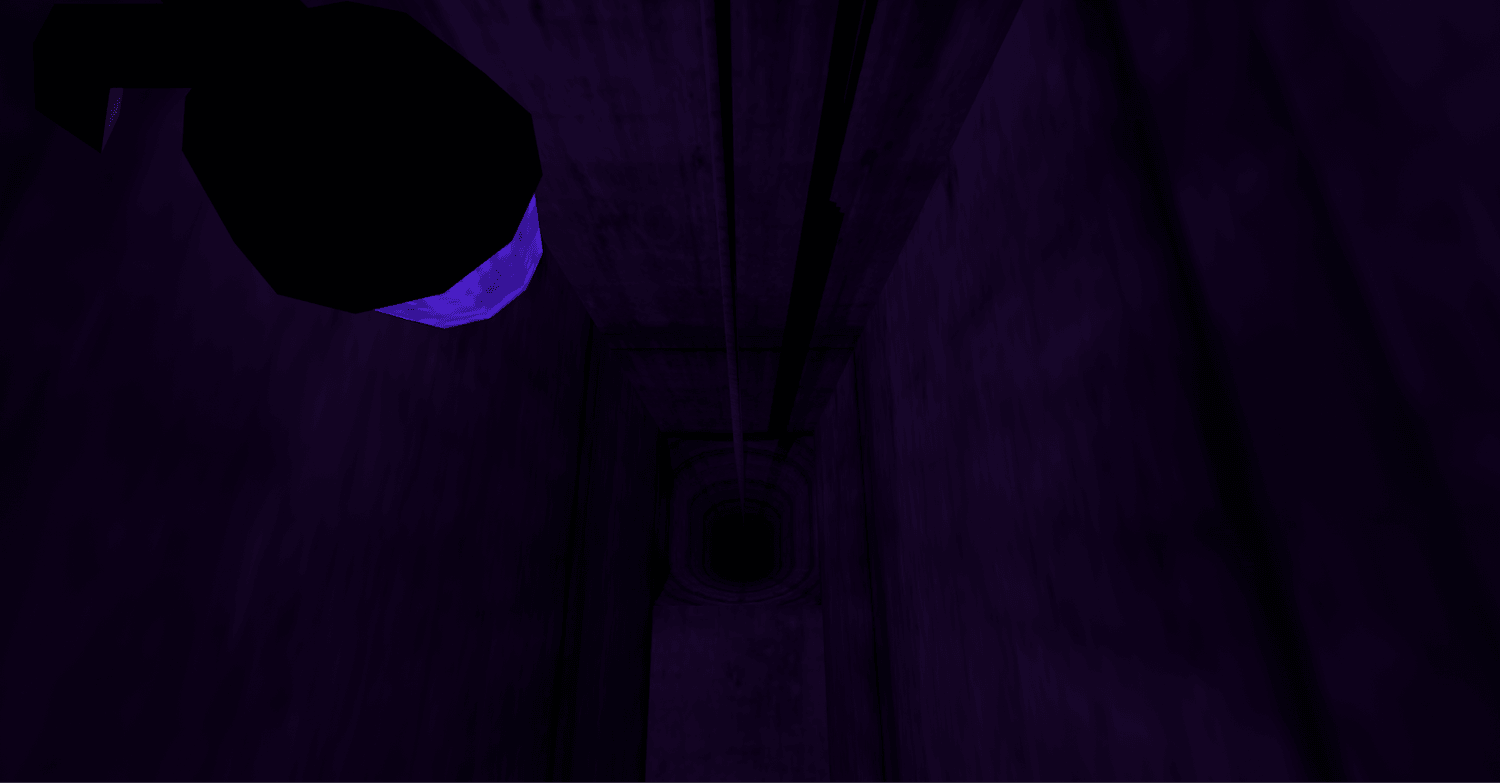
One other big source of pride for me is a set of physics-based virtual hands I developed for VR as part of my master’s thesis. The goal was to enhance the sense of embodiment by making the hands interact with objects in a realistic way. For instance, the hands respond to the mass of objects, fingers curl and flex when pressing against immovable objects and automatically adjust to the shape of grabbed objects, and haptic feedback indicates contact with intensity dependent on velocity. This project aimed to create a deeper connection between the user and their virtual hands, significantly deepening the player’s sense of embodiment.
I believe one of my greatest strengths lies in my experience in both design and programming. This dual expertise allows me to handle projects more comprehensively and collaborate effectively with others. Understanding how designers and programmers work enables me to bridge the gap between the two, facilitating better communication and project planning. It’s also a skill I bring into my teaching, helping designers learn to program and programmers to appreciate design.
What’s the most rewarding aspect of being a creative in your experience?
I think the most rewarding part of being a creative is having the opportunity to put your full self into what you make. I love technical work—math, science, programming—and I wouldn’t feel like my full self if my work didn’t involve exercising that part of myself. Similarly, I could never be truly satisfied if I didn’t have the ability to consider and apply those technical ideas in creative and interesting ways. For me, being a creative isn’t about feeling expressive as an artist— in fact, I don’t actually think I consider myself an artist—and it’s not just about my work not having a right or wrong answer. It’s not about not having rules. The game designer part of me is too in love with rules for that to be the case. For me, being a creative is about finding how disparate sets of rules can mesh together in interesting ways that create a whole that’s greater than the sum of its parts. People are the same way; everyone is more than the sum of their parts. Being a creative lets you put more of the gestalt of your person into your work, and I think that’s an irreplaceable source of satisfaction.
Is there mission driving your creative journey?
Not at all, and I think more creatives need to hear that it’s okay to not have an unwavering North Star or mantra that fuels them. It’s a romantic notion, but I think the chaotic reality of life necessitates that we be more flexible in our perceptions of what success can look like within an individual’s creative journey. That’s not to say that we shouldn’t set goals for ourselves or that we shouldn’t have causes we want to support or messages we want to send. I just mean that I think more creatives should feel comfortable with those being smaller and changeable. I don’t think it’s a great idea to have a singular goal define your entire creative journey. That sounds like a recipe for burnout and disappointment. If you can fail to achieve one goal and have that mean (to you) that your entire creative journey is a failure, that’s its own tragedy. It’s okay to just want to learn a little something new every now and then or to want to practice something specific. That’s still success. For me, I like to learn new things, and so I pick things here and there. There’s no discrete objective or larger goal. I just like it.
Contact Info:
- Website: https://jbostian.com
- Linkedin: https://www.linkedin.com/in/jackson-bostian/